Formaldehyde & Benzene
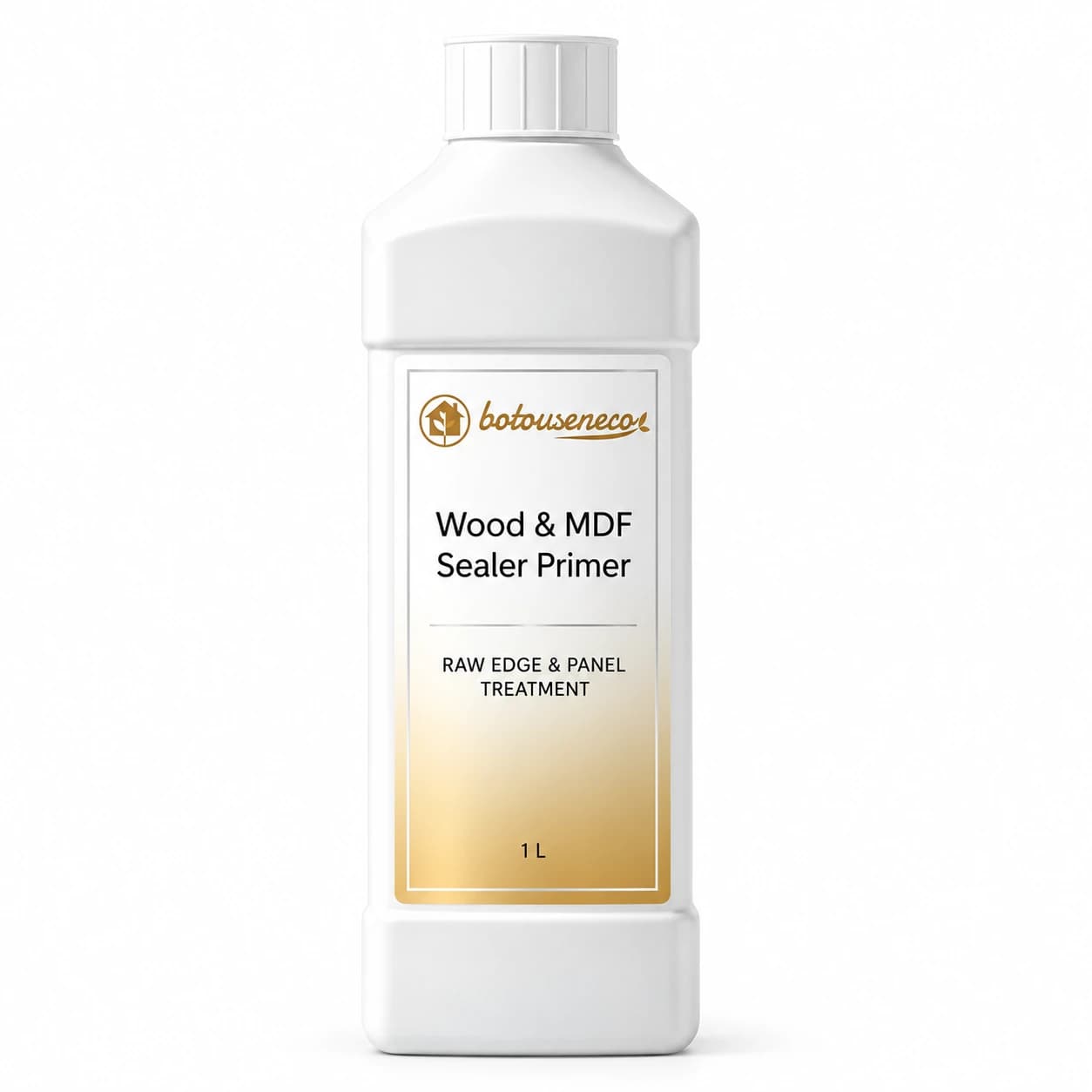
Wood & MDF Sealer Primer
Deep-pore edge sealer
- Dosage
- 25–40 ml/m²
- Packs
- 1 L – 200 L
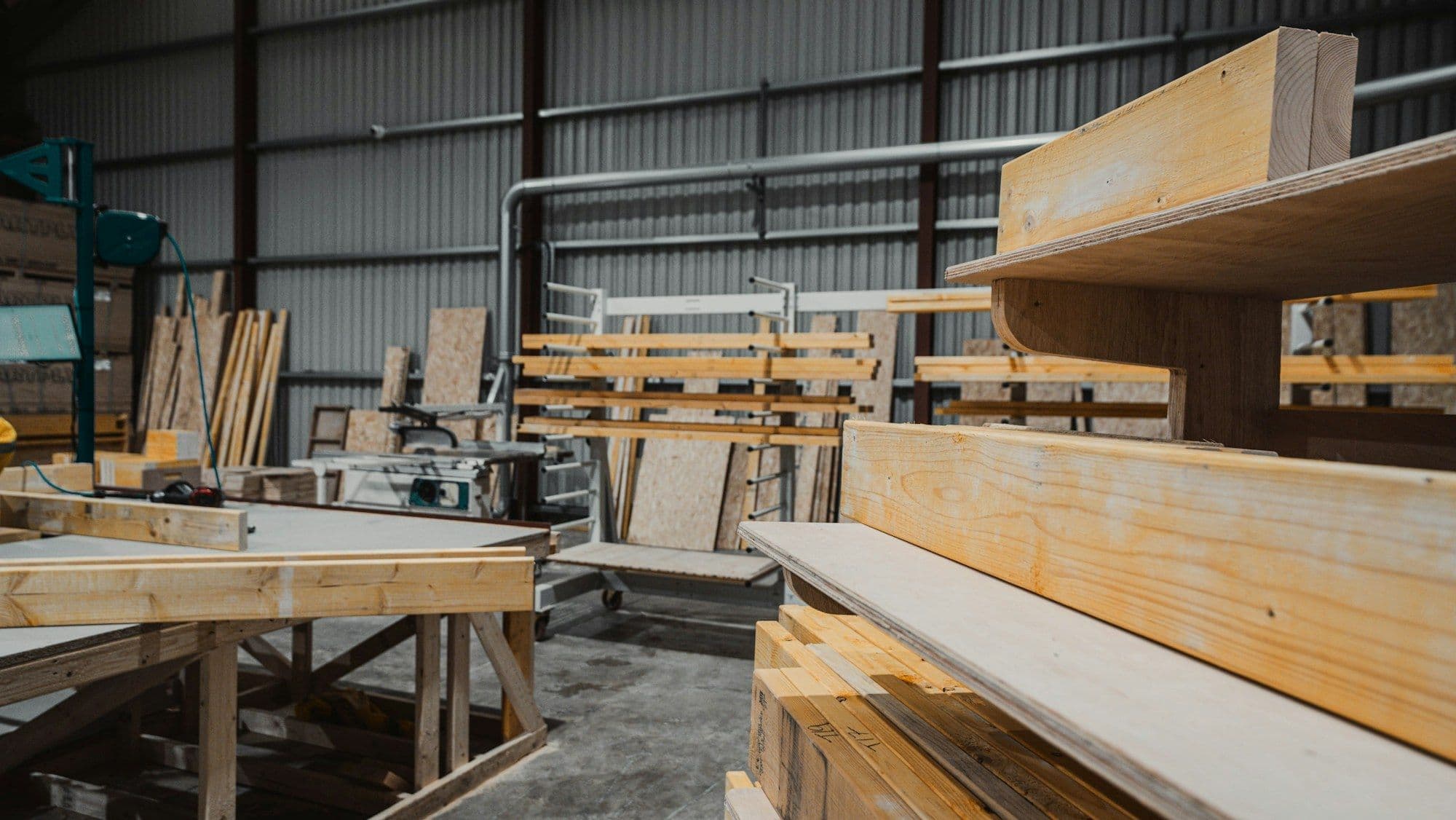
Applications · Furniture & panel factories
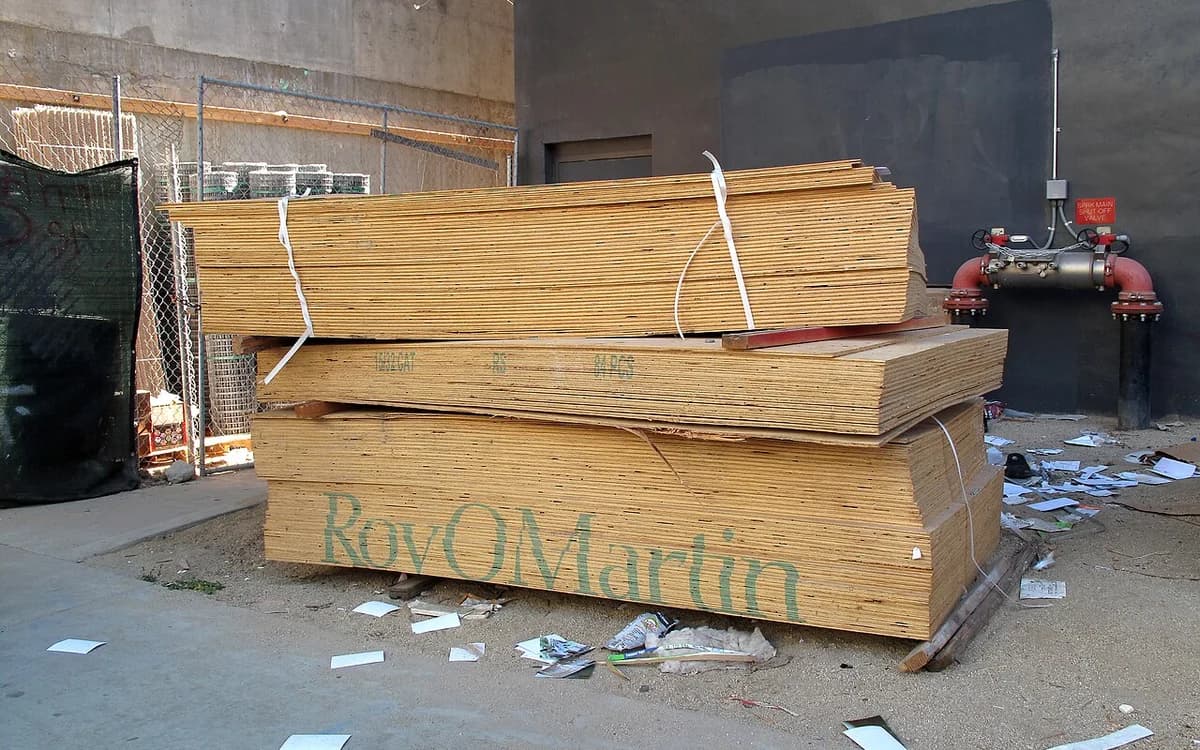
Cabinets, wardrobes and panel furniture are judged on formaldehyde long after they leave the line. We supply edge sealers, an inline scavenger concentrate and finishing products that treat UF-bonded MDF, particleboard and plywood where the gas escapes — cut edges, hinge bores and back panels — before edge-banding and before packing.
01The challenge
Melamine and veneer faces block most emission. Cut edges, hinge bores, plumbing cut-outs and unsealed back panels do not — that is where urea-formaldehyde resin keeps hydrolysing and where treatment has to go first.
Warm warehouses and shipping containers speed up release. Physical adsorbents such as plain activated carbon can desorb above 25 °C; chemical scavengers bind formaldehyde into a stable polymer, so there is no summer rebound.
Thin veneers, wax-oiled surfaces and MDF joints can swell if they are over-wetted with water-based sprays. Lacquered and veneered pieces need low-moisture products and a buffing step instead.
02Recommended formulations
Open any product for its full technical data sheet, or add it to your inquiry list and request samples in one go.
Browse the full catalogEdge & bore sealing
Formaldehyde & Benzene
Deep-pore edge sealer
Inline spraying
Bulk & Pro Equipment
10X export concentrate · 1:9
Pre-shipment QC
Lacquered furniture
Formaldehyde & Benzene
Dual-phase micro-emulsion
Final polish
Surface & Leather Care
Wood care barrier wax
In-box packs
Gels & Adsorbents
Amino-modified activated carbon
03Workflow
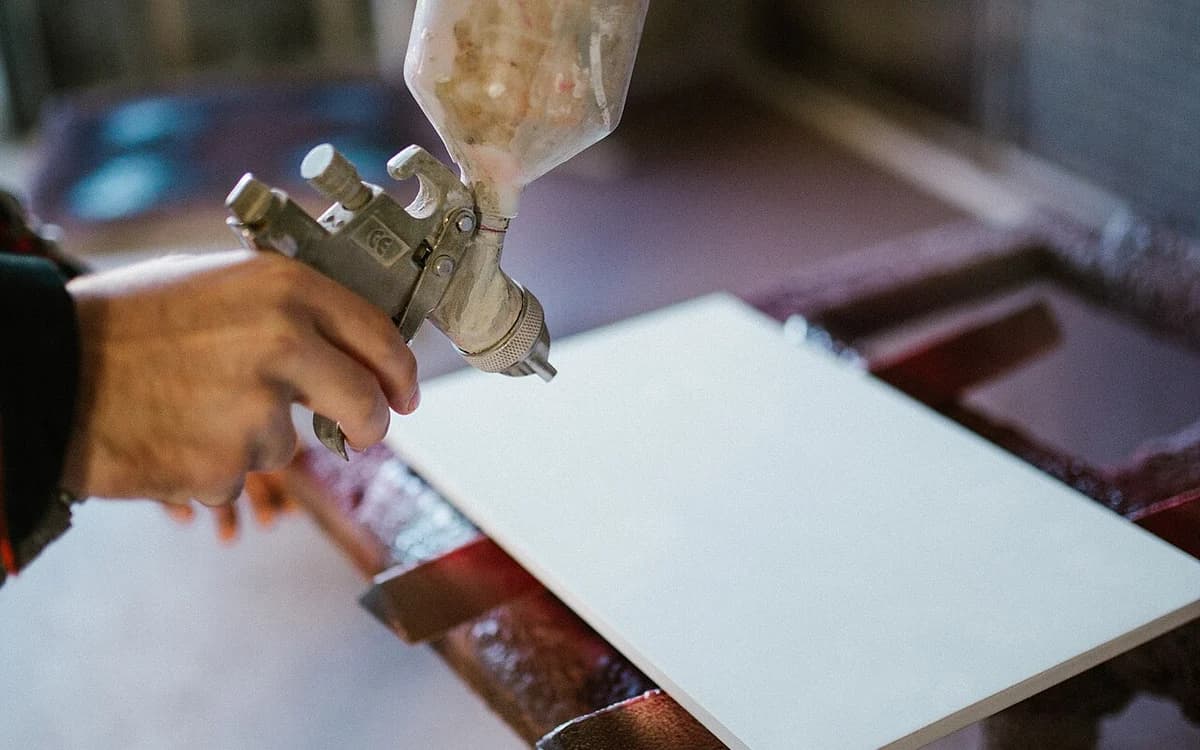
Brush the sealer onto cut edges and hinge bores, or spray raw back panels with a 1.0 mm HVLP gun at 25–40 ml/m². It dries clear in 60–90 minutes; wipe overspray off laminated faces before it cures.
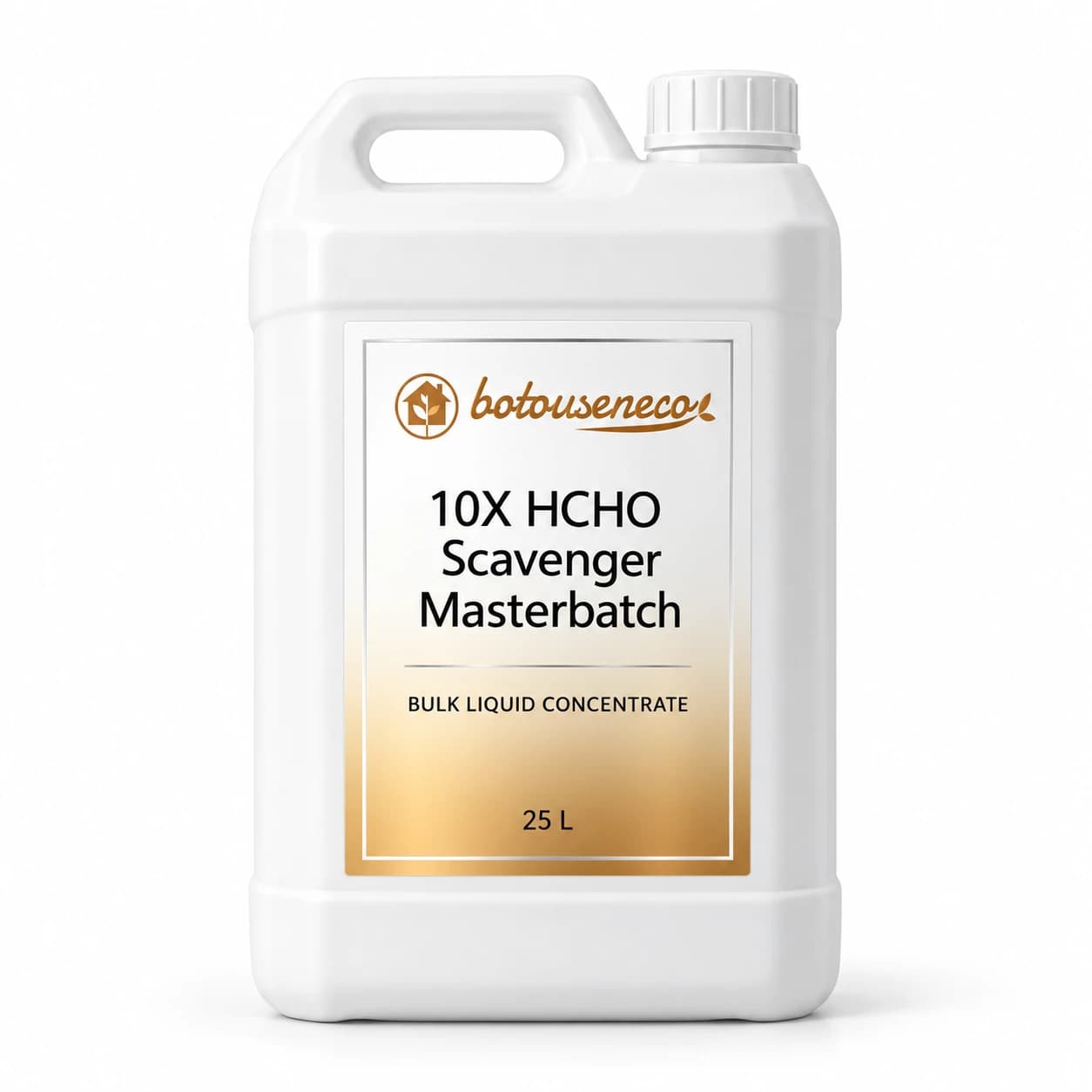
Dilute 1 part 10X masterbatch with 9 parts RO or deionized water in a standard mixing tank and spray raw boards on the conveyor. One 25 L drum makes 250 L of ready-to-use scavenger.
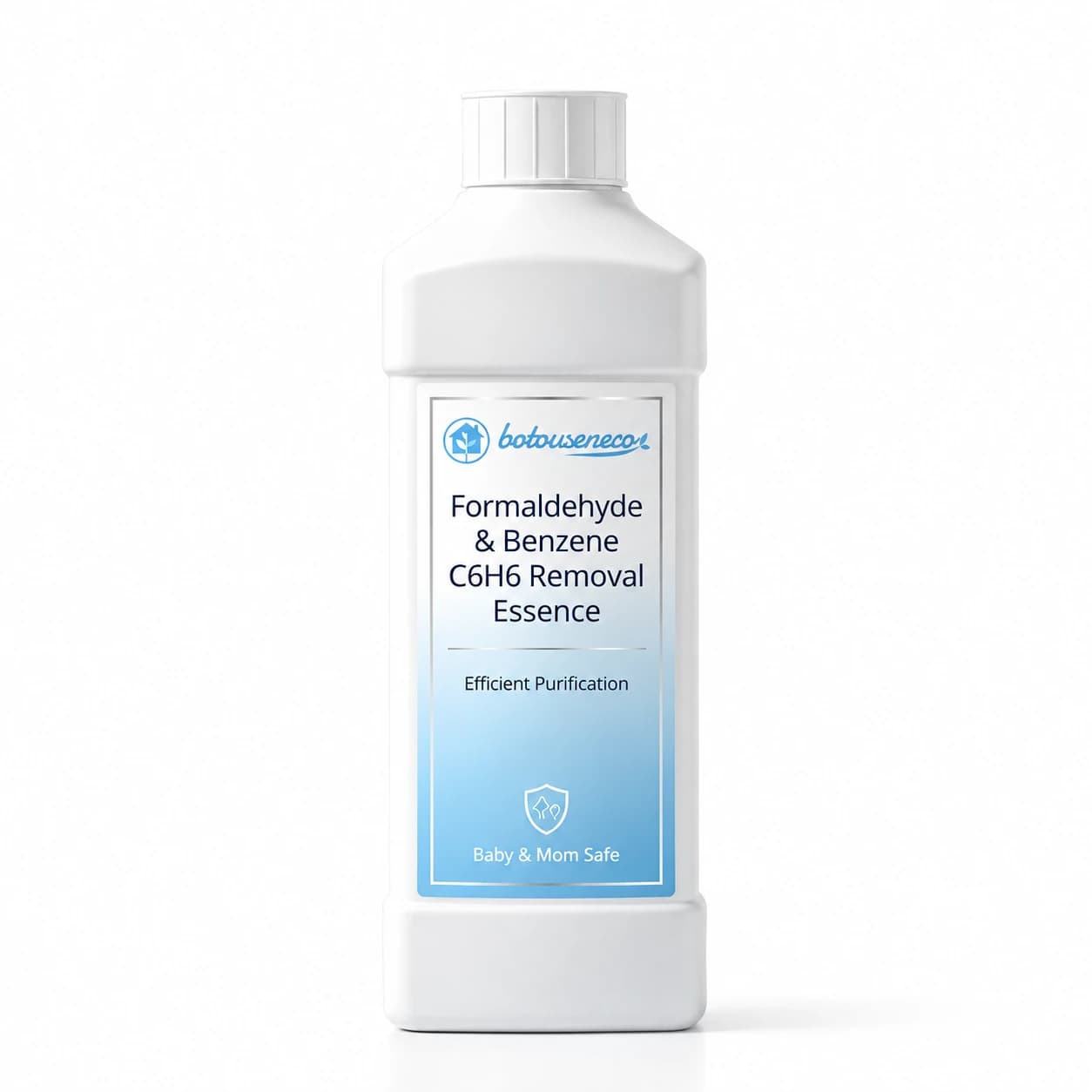
Use the dual-phase essence as a fine spray or wipe-on on PU/PE lacquered furniture, painted wainscoting and solvent glue seams, buffing evenly on high-gloss finishes.
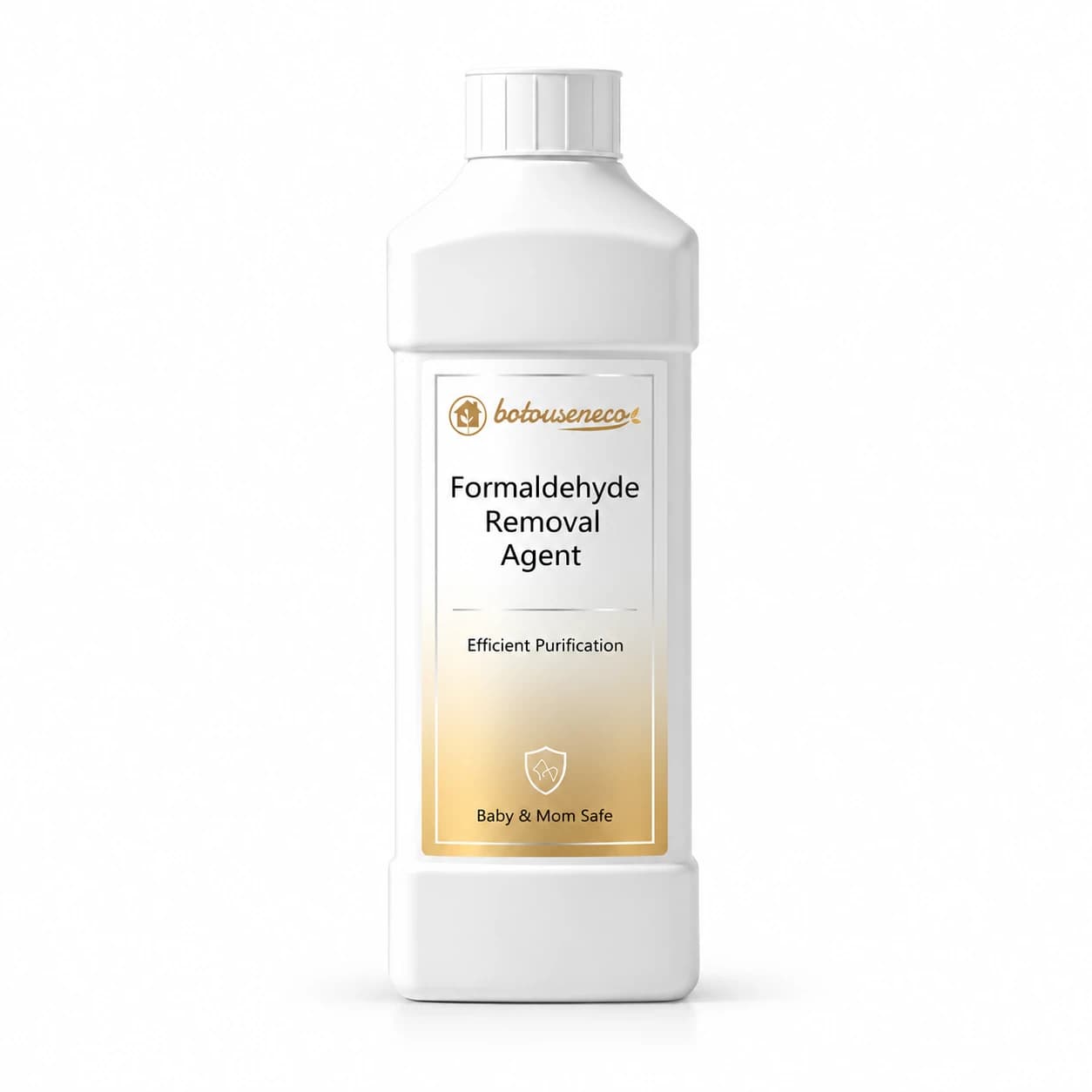
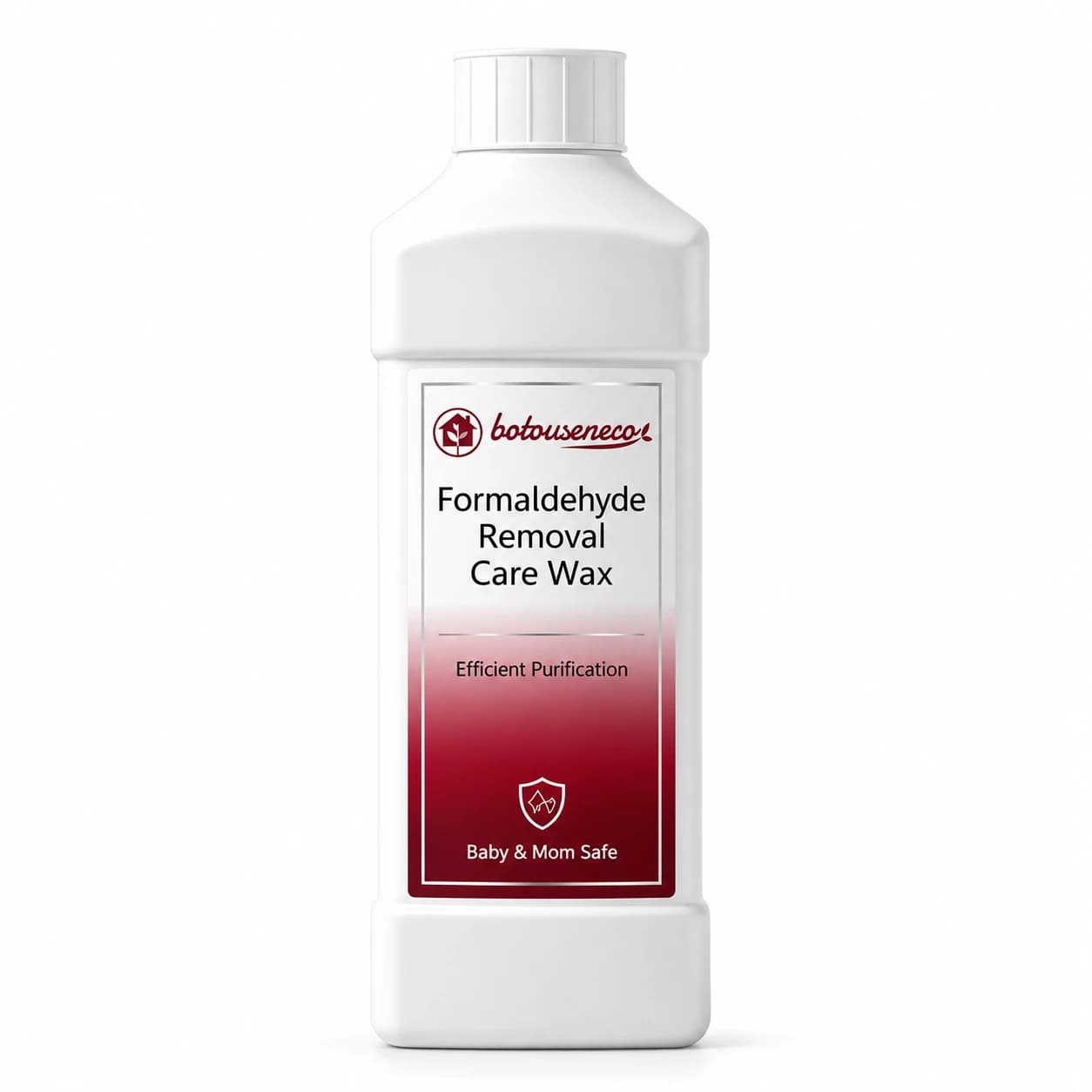
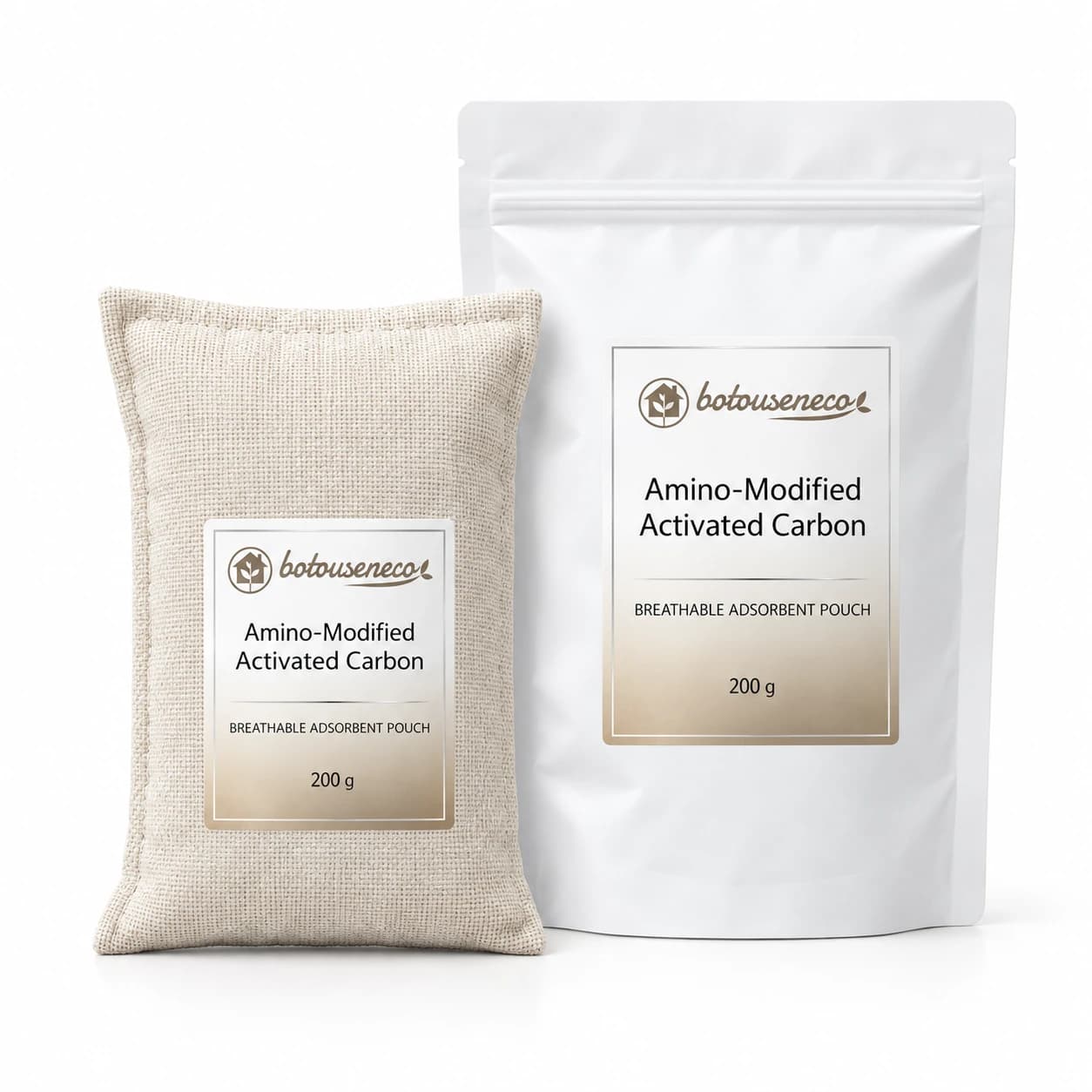
Wipe the care wax onto veneered and solid-wood surfaces at 10–15 g/m² and buff dry. Breathable amino-modified carbon pouches can travel inside drawers and wardrobes as in-box packs.
04By the numbers
05Quantity estimate
Pick a formulation and the area to treat. Estimates use the coverage published in each technical data sheet.
Published coverage: 25 – 40 ml/m² on porous raw composite wood surfaces
Use 2–3 passes for raw high-density board or heavy TVOC loads.
Estimated quantity
7.5–12.0L
25–40 ml/m² × 300 m² × 1 pass
Estimate from the published coverage range. Real consumption depends on substrate porosity, nozzle size and baseline readings — our engineers confirm it with your quote.
06Questions
Before edge-banding. Apply Penetrating Wood & MDF Sealer Primer to raw cut edges, hinge bores, plumbing cut-outs and back panels at 25–40 ml/m². It dries clear with a satin-matte seal in 60–90 minutes; wipe any overspray off laminated faces before it cures.
Yes. 10X HCHO Scavenger Masterbatch is diluted 1 part to 9 parts RO or deionized water in a standard mixing tank and sprayed inline on raw boards. One 25 L drum yields 250 L of ready-to-use scavenger, so you store and ship far less volume.
Use Formaldehyde Removal Care Wax on veneers and solid wood (10–15 g/m², microfiber pad, buff dry) and Formaldehyde & Benzene Essence as a fine spray or wipe-on on PU/PE lacquer. On high-gloss piano lacquer, always buff evenly with a soft pad.
Measure a baseline under closed conditions, treat, then repeat the same measurement 24–48 hours later. Compare against the method and limit your buyer or market specifies, and keep the batch COA of the products used with your QC record.
Keep reading
Step-by-step engineering guide to sealing raw MDF and particleboard edges, hinge bores, and back panels at 25 to 40 ml/m2 to pass EPA TSCA Title VI, CARB Phase 2, and GB/T 18883-2022 chamber tests.
 PIN
Engineering guide to inline formaldehyde scavenger spraying on MDF, particleboard, and plywood lines using 1:9 diluted 10X Amino-Acid HCHO Scavenger Masterbatch at 15 to 25 ml/m2 with under 0.8% moisture gain.
PIN
How millwork factories and IAQ crews neutralize simultaneous formaldehyde and benzene-series (BTEX) emissions in PU/PE lacquered furniture and adhesive seams at 12 to 20 ml/m2 without clouding high-gloss finishes.
 Loo
Technical comparison of low-moisture Formaldehyde Removal Care Wax (10 to 15 g/m2) versus aqueous sprays on 0.6 mm natural wood veneers, solid timber tables, and parquet floors to prevent grain raising and seam swelling.
Loo
How export furniture manufacturers prevent 50 C ocean container formaldehyde rebound and unboxing odor claims by packing 100 g Amino-Acid Modified Activated Carbon Pouches (>= 1050 mg/g) inside flat-pack cartons.
PIN
Step-by-step IAQ guide to stopping winter underfloor heating (35 C to 45 C) formaldehyde surges from engineered wood flooring by sealing raw plywood subfloors at 25 to 40 ml/m2 and buffing tongue-and-groove seams with care wax at 10 to 15 g/m2.
Loo
Step-by-step wood-care IAQ guide to neutralizing tung-oil hexanal, raw lacquer urushiol/aldehydes, and joinery glue formaldehyde on rosewood, mahogany, and oiled solid timber at 10 to 15 g/m2 without water-spot blushing.
Loo
Step-by-step millwork IAQ tutorial on sealing kitchen sink cabinets and bathroom vanities against steam-driven formaldehyde hydrolysis and contact-cement BTEX emissions using Penetrating Sealer Primer (25 to 40 ml/m2) and Dual Essence (12 to 20 ml/m2).
Loo
Step-by-step IAQ contractor guide to treating custom walk-in closets and melamine wardrobe systems by targeting 32 mm shelf-pin rows, cam-lock fittings, and unbanded drawer backs at 20 to 30 ml/m2.
Loo
B2B paint plant guide for adding 10X Amino Acid Scavenger and 5X Visible-Light Nano-TiO2 Sol into latex wall paint at the 400 rpm let-down stage to pass JC/T 1074 Class I.
PIN
Wood-by-wood spray guide for furniture plants and IAQ crews treating MDF, particleboard, painted cabinets, leather sofas, and natural wood veneers.
PIN
Last updated
Factory-direct supply
Tell us the rooms, materials and volumes involved. Our Botou engineering desk replies with a matched set of formulations, dosages and documents.