60–90 Day Controlled Release
Cross-linked polymer hydrogel prevents initial gas spikes and sustains steady micro-dose purification for up to 3 months.
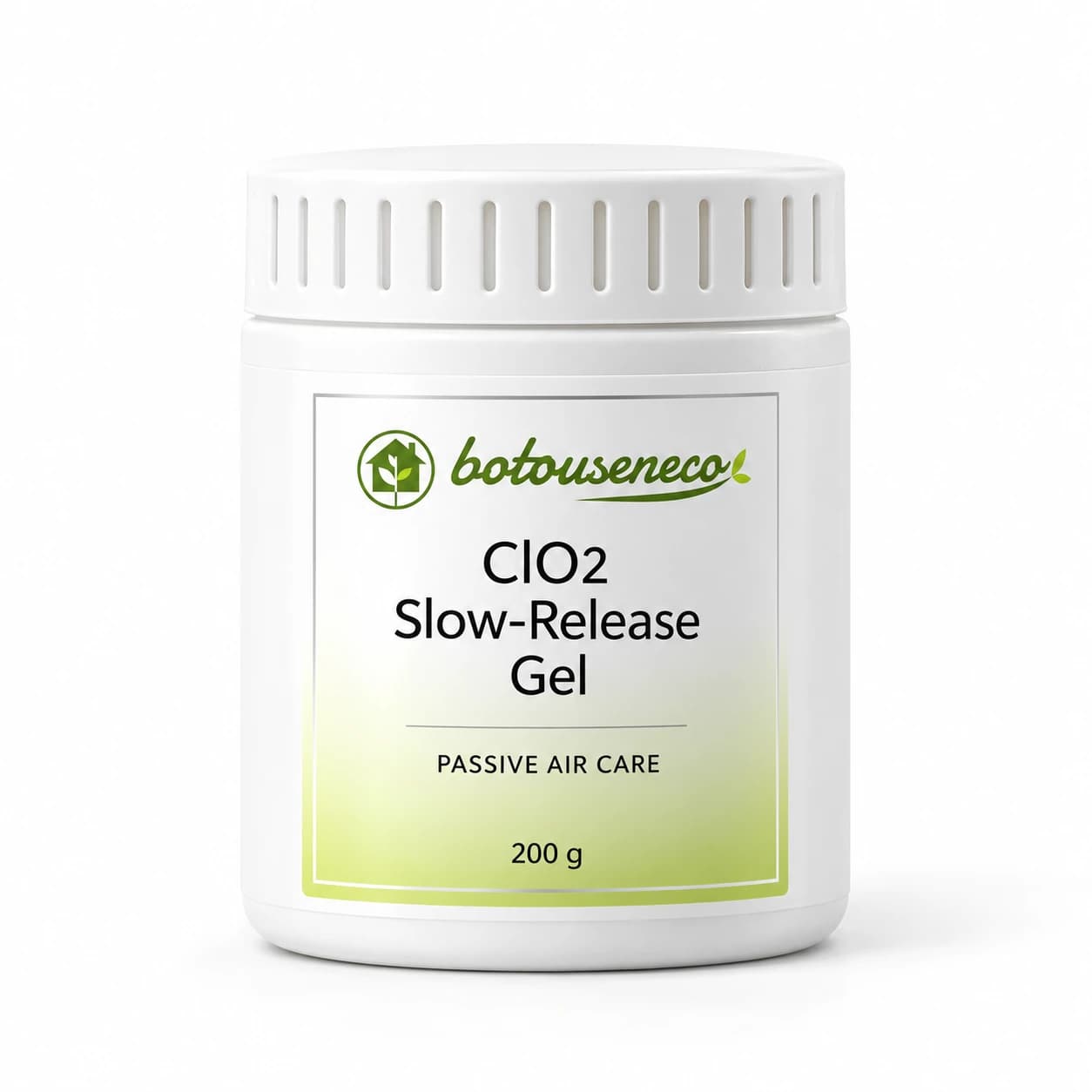 01 / 05 · Studio Packshot
90-Day Autonomous Vapor-Phase Gel
botouseneco ClO₂ Slow-Release Formaldehyde Removal Gel is an autonomous 200g solid hydrogel canister that continuously emits ultra-low, OSHA/WHO-safe concentrations (0.01–0.03 ppm) of pure gaseous chlorine dioxide (ClO₂) for 60–90 days. Ideal for Amazon/e-commerce private-label brands and post-service customer leave-behinds, one jar treats 10–15 m² of room or wardrobe space without power or spraying.
Last updated
01Overview
Zero-equipment, 24/7 vapor-phase formaldehyde oxidation for retail private-label brands and contractor aftercare packages.
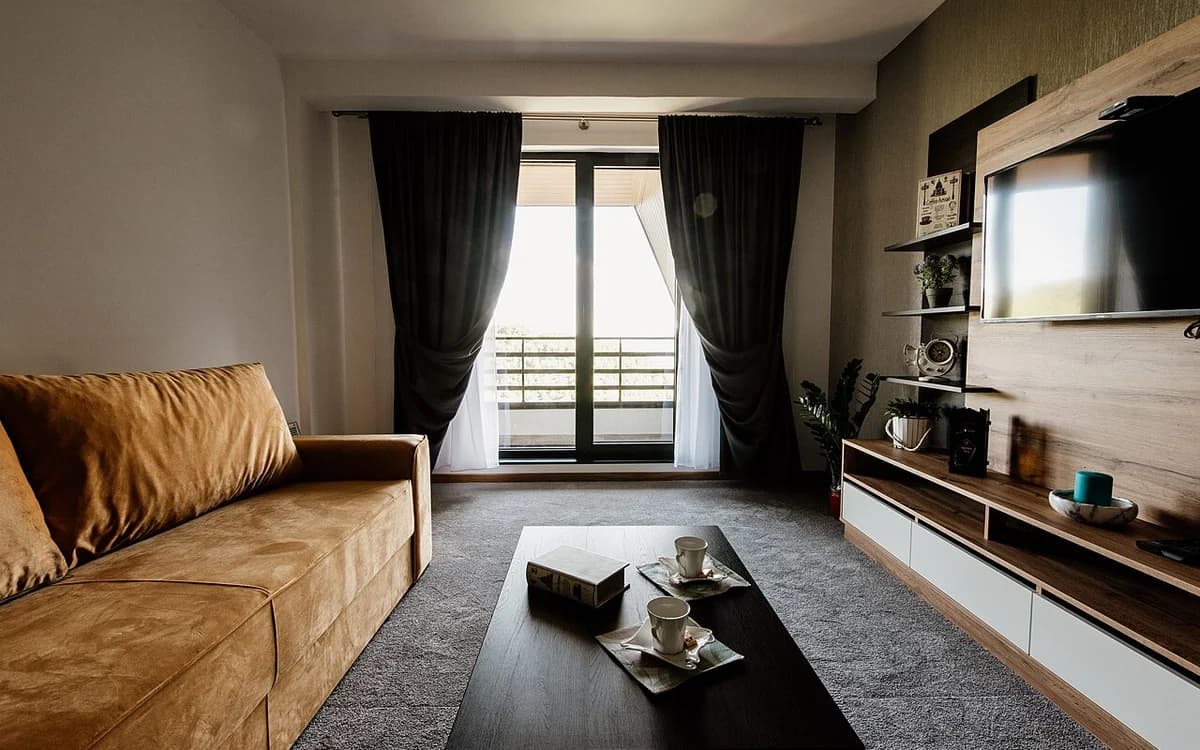
After professional spray remediation is completed—or for retail consumers seeking a plug-and-play solution—enclosed wardrobes, shoe cabinets, bedrooms, and office cubicles benefit from continuous 24/7 vapor-phase scavenging. botouseneco ClO₂ Slow-Release Formaldehyde Removal Gel utilizes a patented hydrophilic polymer gel matrix combined with an activator packet. Once opened, it regulates the diffusion of pure, chlorine-free gaseous chlorine dioxide (ClO₂) at a steady 0.01–0.03 ppm rate over 60–90 days, actively seeking out and oxidizing HCHO molecules in 3D room air.
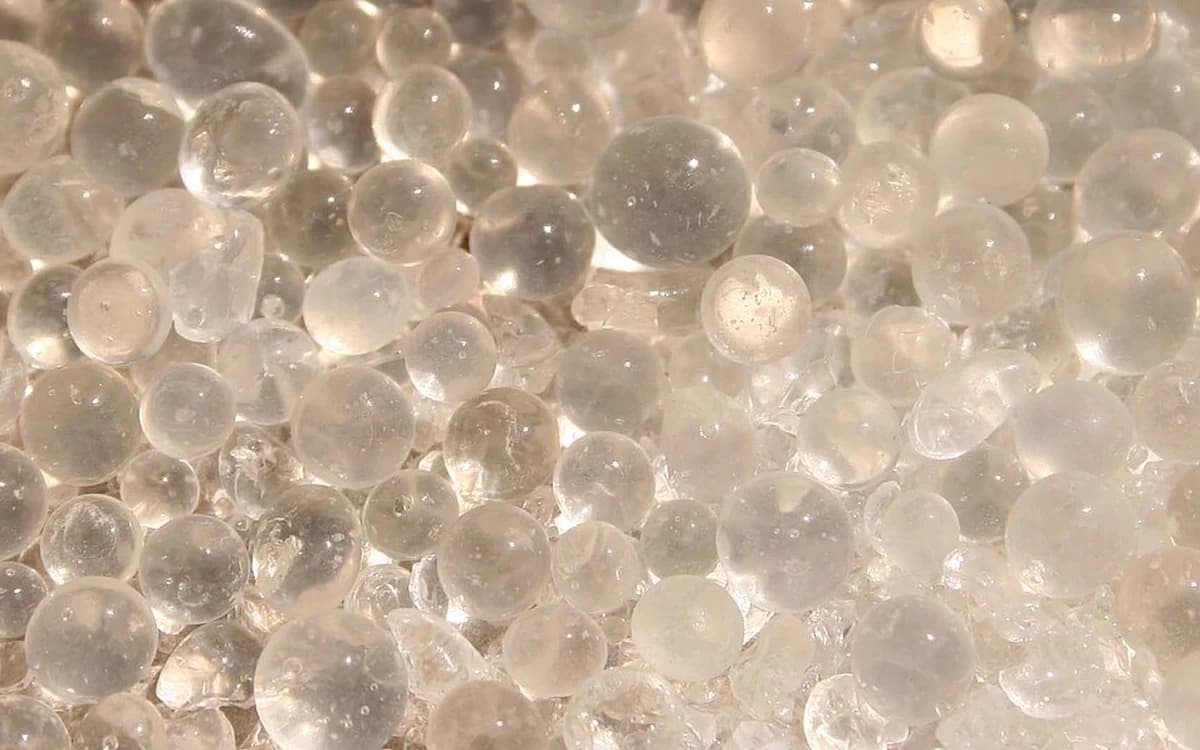
Cross-linked polymer hydrogel prevents initial gas spikes and sustains steady micro-dose purification for up to 3 months.
Built-in color transition (amber-yellow to clear white) clearly shows end-users when to reorder.
Actively migrates into wardrobe corners and drawer gaps rather than waiting for passive air contact.
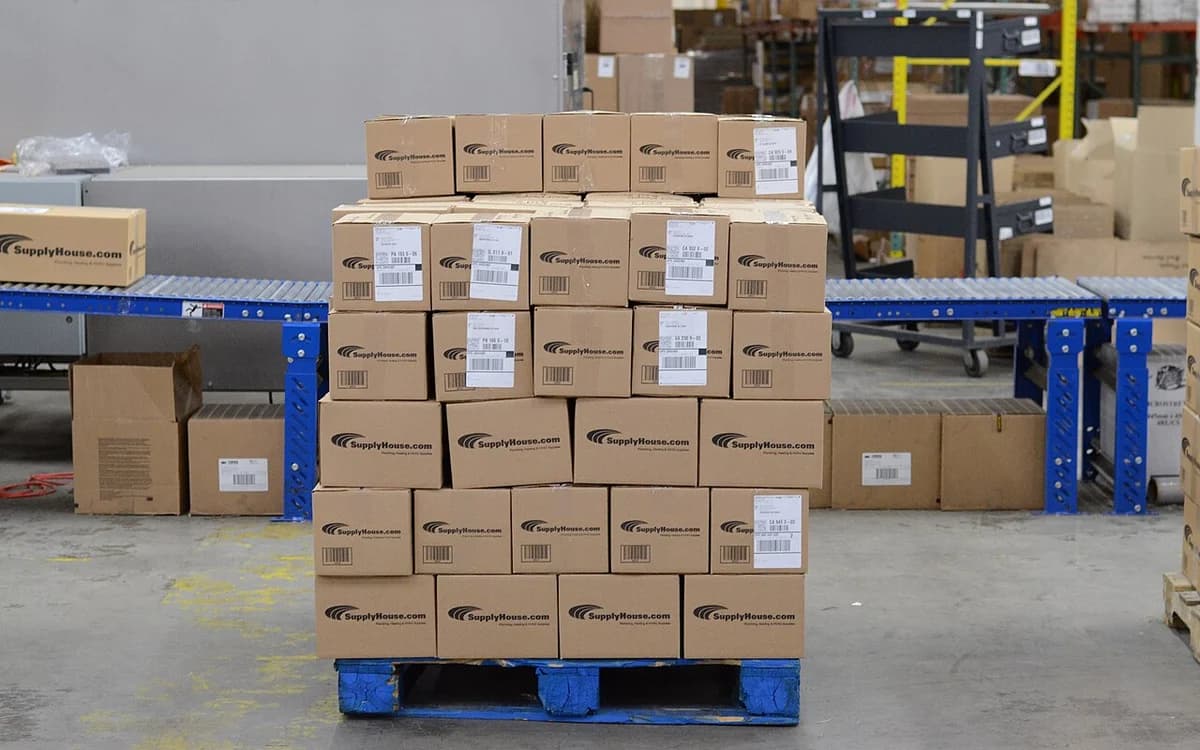
Low sea-freight weight, non-spill solid gel form, and custom retail packaging ideal for Amazon FBA and supermarket chains.
Reaction mechanism
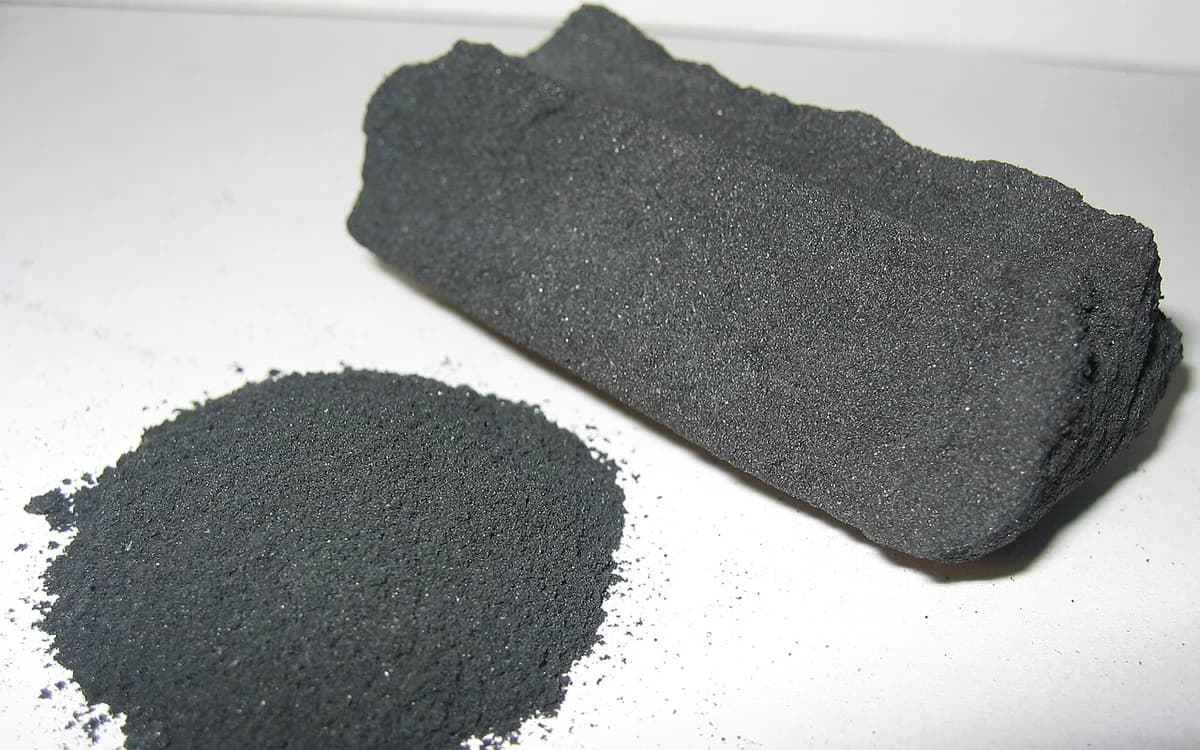
Unlike passive charcoal bags that only trap gas within a few centimeters, gaseous ClO₂ diffuses throughout every corner of a cabinet or room. Each ClO₂ molecule accepts 5 electrons via selective single-electron transfer, oxidizing formaldehyde (HCHO) directly into harmless carbon dioxide (CO₂), water (H₂O), and trace chloride salts without generating chlorinated hydrocarbons.
Reaction pathway
ClO₂(g) + HCHO → CO₂ + H₂O + Cl⁻02Technical data
Published factory QC parameters for engineering submittals, tenders and procurement files, grouped the way distributors list them.
English TDS, GHS-format SDS and a batch COA for ClO₂ Slow-Release Removal Gel.
Request documents| Active Release Rate | 0.01 – 0.03 ppm steady-state indoor ClO₂ release (below 0.1 ppm OSHA TWA) |
|---|---|
| Effective Service Life | 60 – 90 days after foil activation (depending on ambient temperature) |
| Target Pollutants | Airborne Formaldehyde (HCHO), TVOC, Mold Spores, Musty Closet Odors |
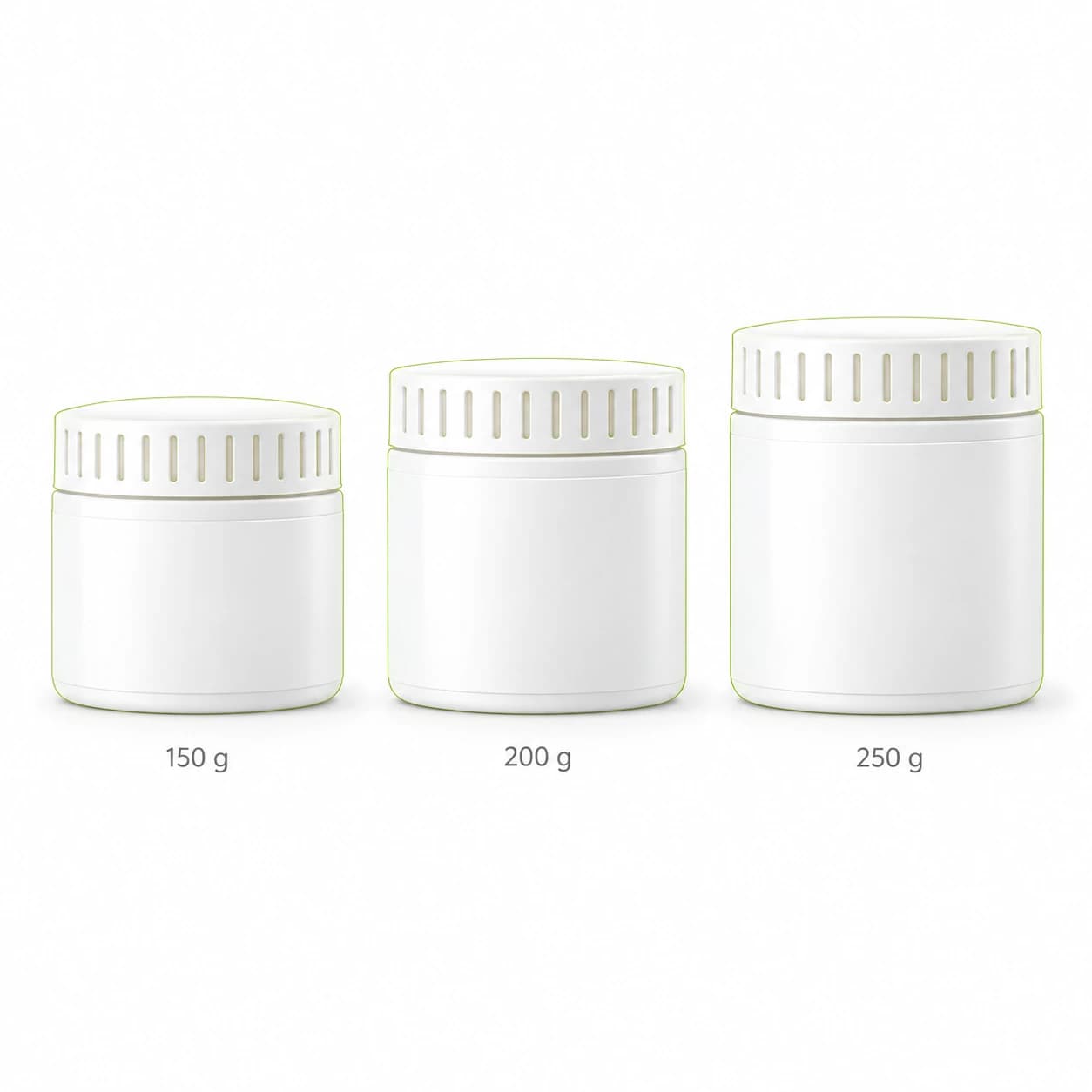
| Net Weight & Coverage | 200g standard jar (150g/250g OEM optional); covers 10–15 m² per jar |
|---|
| OEM Packaging | Custom jars, bilingual retail boxes, shrink-wrap 4-packs / 6-packs |
|---|
| Grade | High-Capacity Chemisorption & Sustained-Release Grade |
|---|---|
| CAS number(s) | 10049-04-4 (Chlorine Dioxide — slow-released active) · Full composition per SDS Section 3 |
| Appearance | Slow-release hydrogel in a slotted diffuser jar, with a separate activator packet |
| Odor | Odorless (or faint clean ClO₂ vapor at 0.01-0.03 ppm for gel) |
| Density | 0.48 - 0.78 g/cm³ (Bulk apparent density) |
| Viscosity | Not applicable (Solid media / cross-linked hydrogel) |
| Flash point | Non-flammable / Non-combustible under normal indoor conditions |
| Solubility | Insoluble solid media (Hydrogel retains water matrix) |
| VOC content | 0 g/L (Zero VOC emission) |
03Application
Place at 1.0–1.5m height with adjustable vent slots open.
Position jars on dresser tops, wardrobe shelves, or office desks where gentle room convection distributes the active vapor. When the gel turns completely colorless and shrinks after 60–90 days, replace with a fresh unit.
Record initial HCHO/TVOC readings (mg/m³), room temperature (°C), relative humidity (% RH), and closure window (1h vs. 12h).
Identify whether off-gassing stems from urea-formaldehyde MDF/particleboard, phenolic plywood, solvent lacquers, or textile backings.
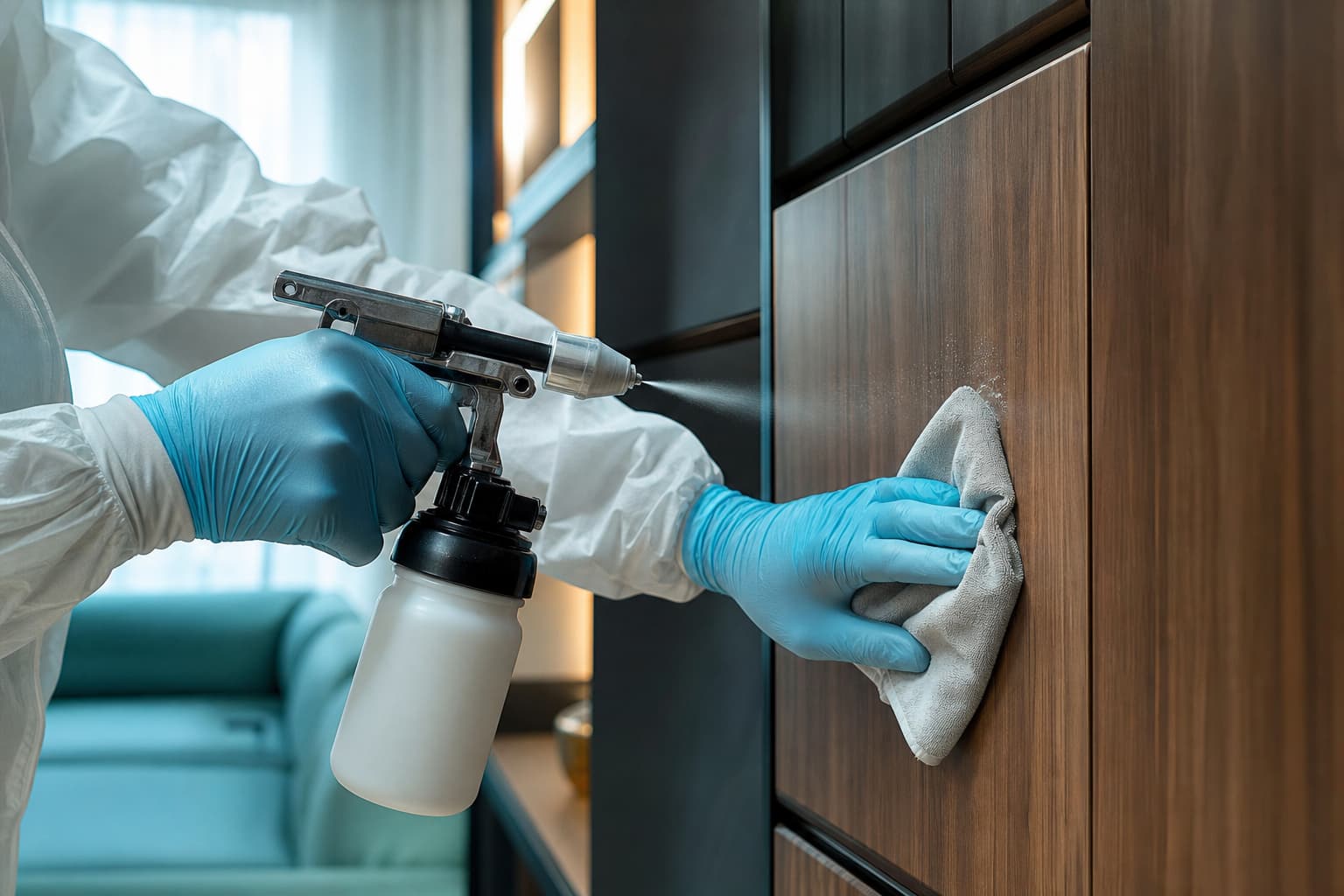
Calculate total surface area (m²) of panels, walls, and ceilings to determine exact liquid volume (ml/m²) and nozzle gauge (0.5mm–1.0mm).
Confirm sample evaluation batch, TDS/MSDS export documentation, and commercial drum sizing (1L / 5L / 20L / 25L / 200L).
Color-change indicator: gel transitions from pale yellow-green to clear white when exhausted
04Safety, handling & compliance
Hazard classification, storage and transport data follow the product's safety data sheet. Request the SDS for the full 16-section document.
Color-change indicator: gel transitions from pale yellow-green to clear white when exhausted
Protective equipment: Nitrile gloves when opening and activating the gel.
Classified per SDS Section 14 for each shipment, pack size and transport mode; confirmed in writing with your quotation.
Certificate copies and full test reports are shared with buyers on request. Request copies · Quality & certifications
| Test | Standard | Laboratory | Result |
|---|---|---|---|
| 24h Closed-Chamber Pollutant Abatement | ISO 16000-9 / GB/T 18883-2022 Enclosed-Cavity HCHO & Odor Oxidation | CMA/CNAS Accredited Environmental Lab & botouseneco QC Center | ≥ 93.5% enclosed-cavity HCHO & odor capture (60-90 day cycle) |
| Substrate Corrosion, pH Neutrality & Zero-Stain Verification | GB/T 18883 Annex & ISO 2409 Surface Integrity Protocol | botouseneco Botou R&D Lab (Supervised by Jyen) | Pass (0.01–0.03 ppm steady-state release; 0% yellowing or hardware corrosion) |
05Ordering & logistics
06Documents
Every shipment travels with these documents. Download them here when available, or request the current version from our engineers.
07Dosage
Based on the published coverage for ClO₂ Slow-Release Removal Gel: 1 × 200g jar per 10 – 15 m² room area (or 1 jar per large wardrobe).
Published coverage: 1 × 200g jar per 10 – 15 m² room area (or 1 jar per large wardrobe)
Estimated quantity
20–30× 200g jar
1 200g jar per 10–15 m²
Estimate from the published coverage range. Real consumption depends on substrate porosity, nozzle size and baseline readings — our engineers confirm it with your quote.
08Questions
Its transport classification follows SDS Section 14 for the exact pack size and transport mode, because the activator contains an oxidiser. The gel and activator ship sealed, and we confirm the classification in writing with each quotation. Amazon FBA runs its own dangerous-goods review; we supply the SDS for it.
Contractors place 1–2 jars inside master wardrobes and bedrooms after completing liquid spray remediation to absorb slow deep-panel releases over the following 90 days—ensuring 100% pass rates on follow-up inspections.
09Related
Gels & Adsorbents
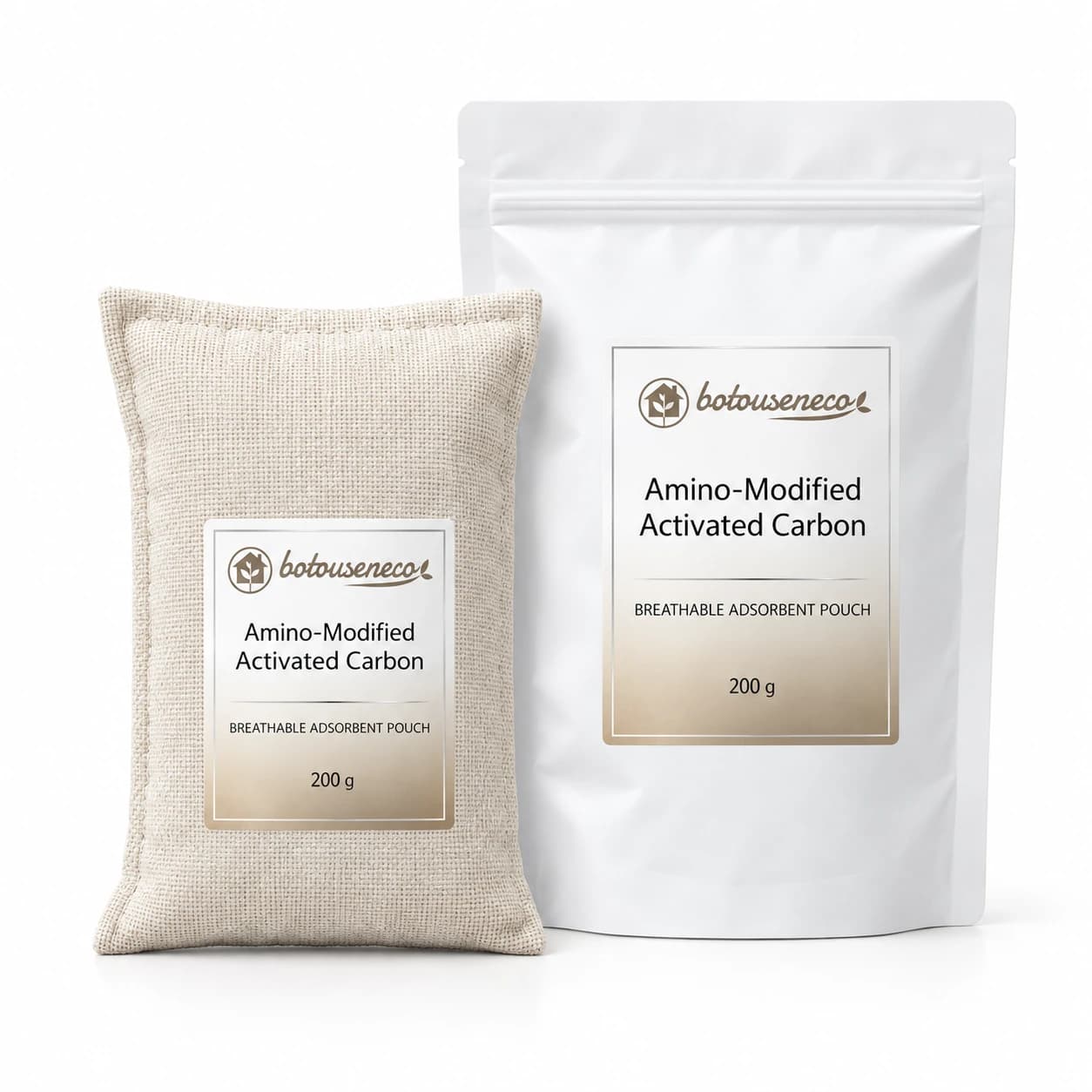
Amino-modified activated carbon
Gels & Adsorbents
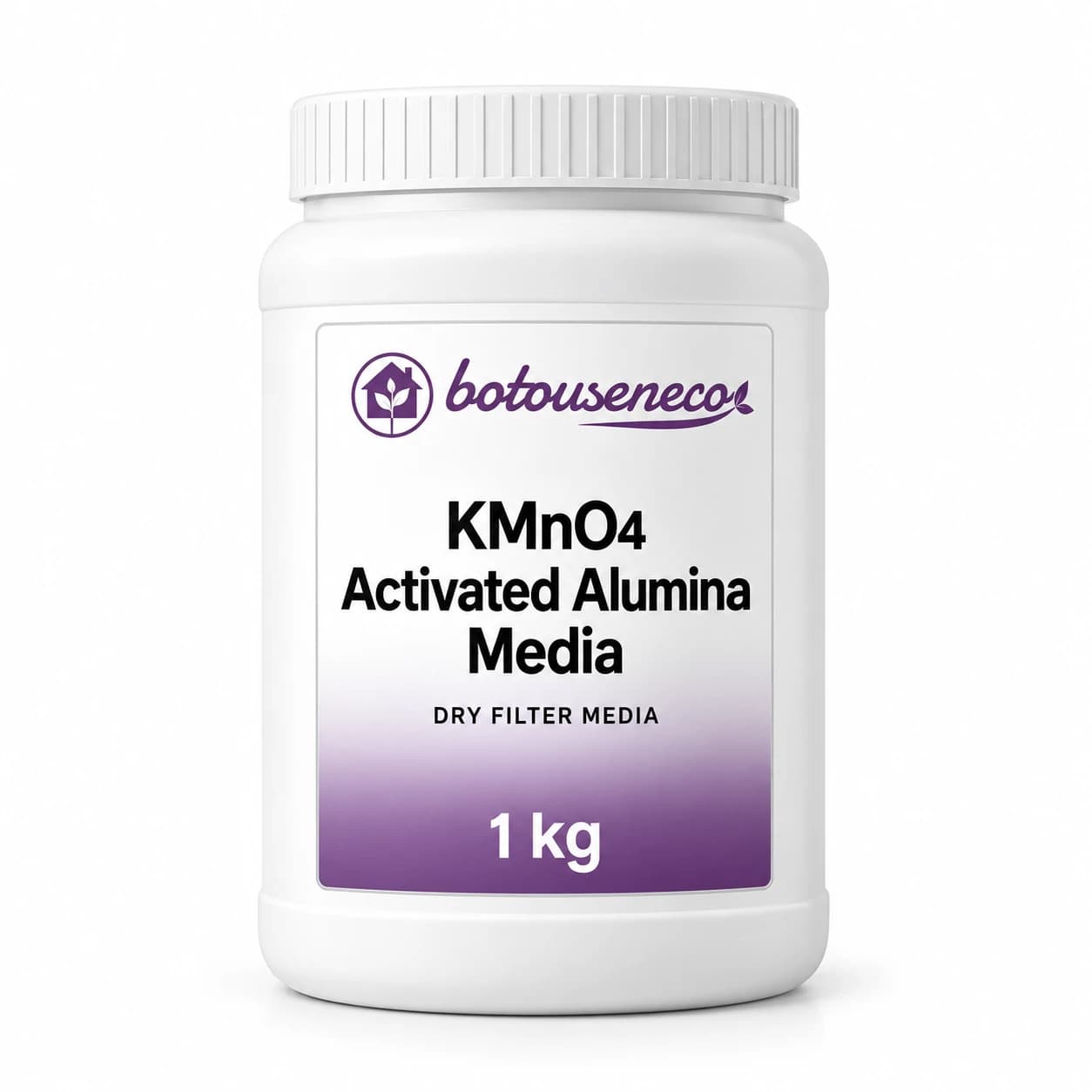
KMnO₄ chemisorption media
Gels & Adsorbents
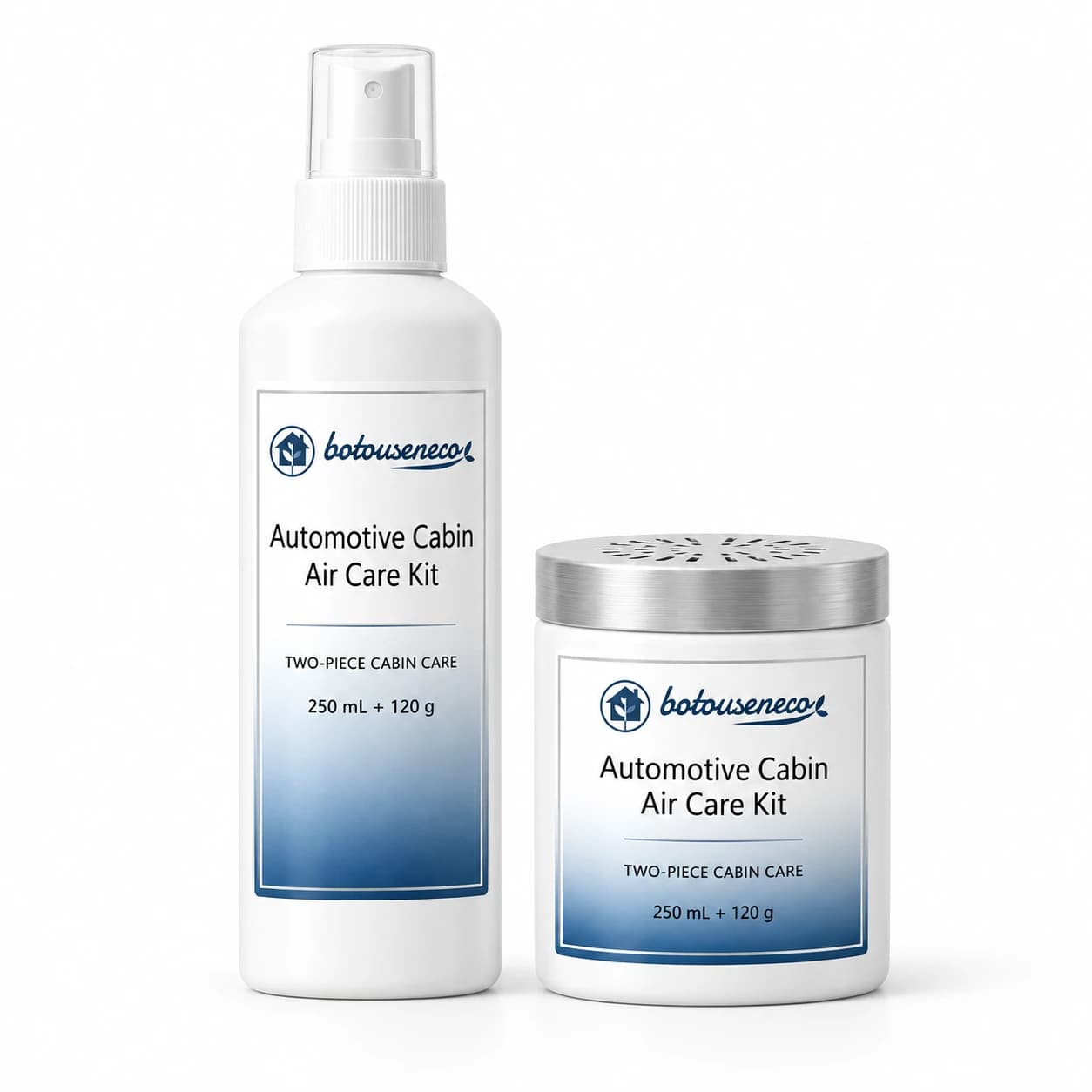
Two-stage cabin detox kit
Engineering journal
Step-by-step dosing schedules, chamber test datasets and substrate compatibility guides written by our Botou formulation and QC team.
All 66 engineering guidesOEM private-label packaging guide for Amazon FBA and retail ClO2 gels and activated carbon pouches using 1.0 mm foil induction seals, ultrasonic SMS liners, and ISTA 3A drop-test compliance.
 Jyen
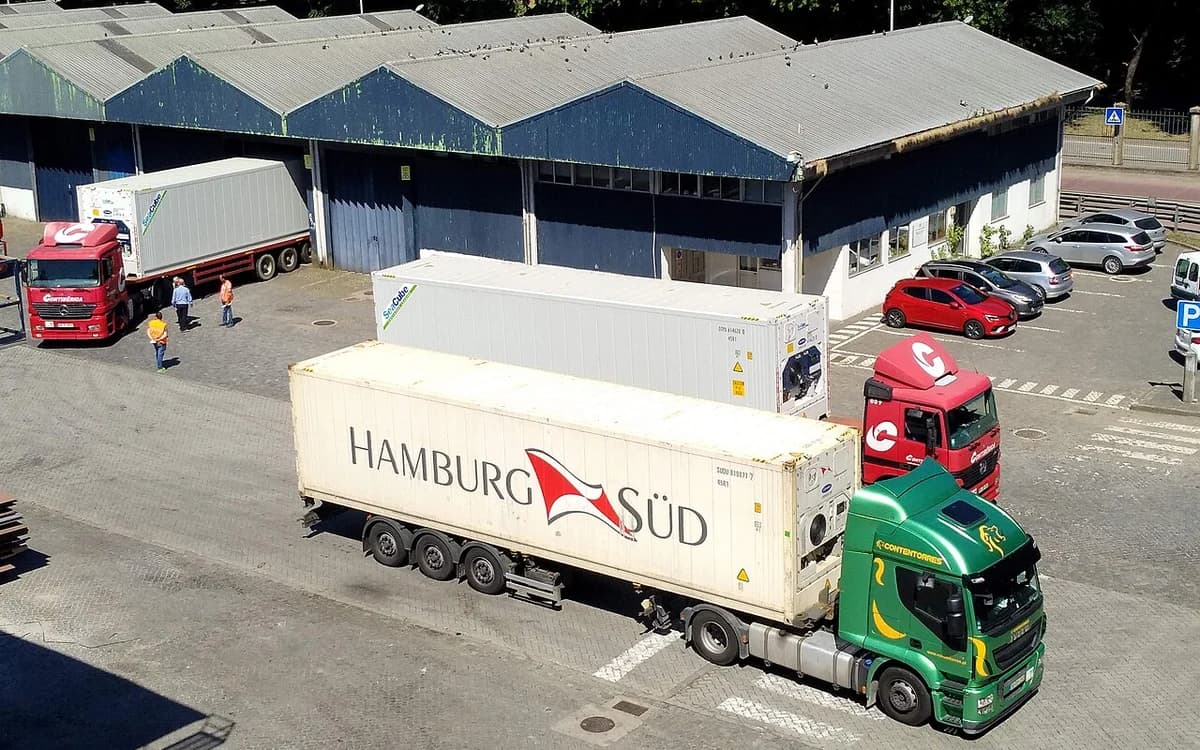
Post-harvest engineering guide to sizing 8% to 12% KMnO4 activated alumina scrubbers and ethylene sachets for 40-foot reefer containers and fruit cold rooms.
Jyen
Step-by-step hospitality engineering guide to preventing black mold (Aspergillus niger) and musty geosmin odors in coastal and tropical resort hotels at 85% RH using pH 7.0 FCU coil cleaners, Ag+ dark-active coatings (8 to 12 ml/m2), and 90-day ClO2 gels.
 Loo
Step-by-step B2B contractor tutorial on estimating bulk 25 L drum consumption and crew labor for 100+ unit multi-family and serviced apartment IAQ handovers using the 2.4x to 2.8x treatable surface-to-floor area multiplier.
Jyen
Data-driven engineering study on 200 g cross-linked polymer hydrogels that release 0.01 to 0.03 ppm gaseous chlorine dioxide (ClO2) for 60 to 90 days to oxidize formaldehyde in wardrobes and rooms below the 0.10 ppm OSHA limit.
 PIN
Engineering comparison of >=1,050 mg/g coconut-shell activated carbon grafted with 8% amino-acid salts versus raw bamboo and coconut charcoal across 28 C to 45 C thermal desorption and cabinet formaldehyde control.
PIN
Factory-direct supply
Request a sample with the English TDS and SDS, or send your project size for a bulk or private-label quotation of ClO₂ Slow-Release Removal Gel.