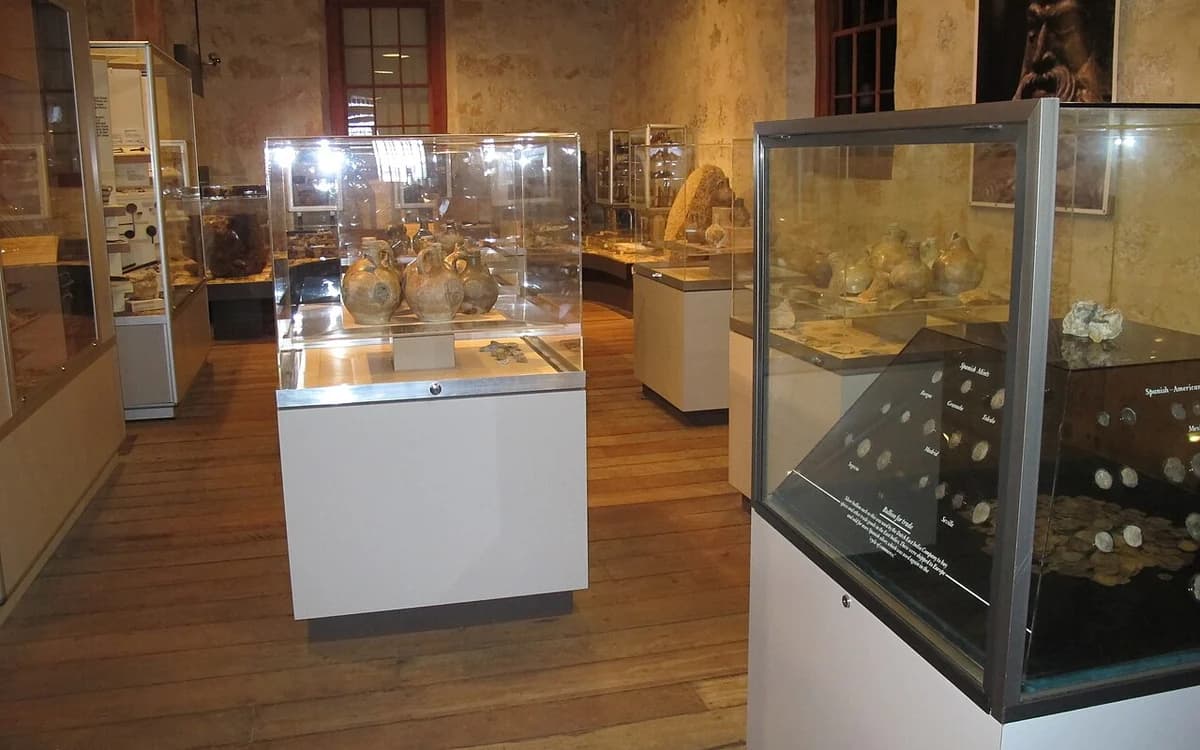
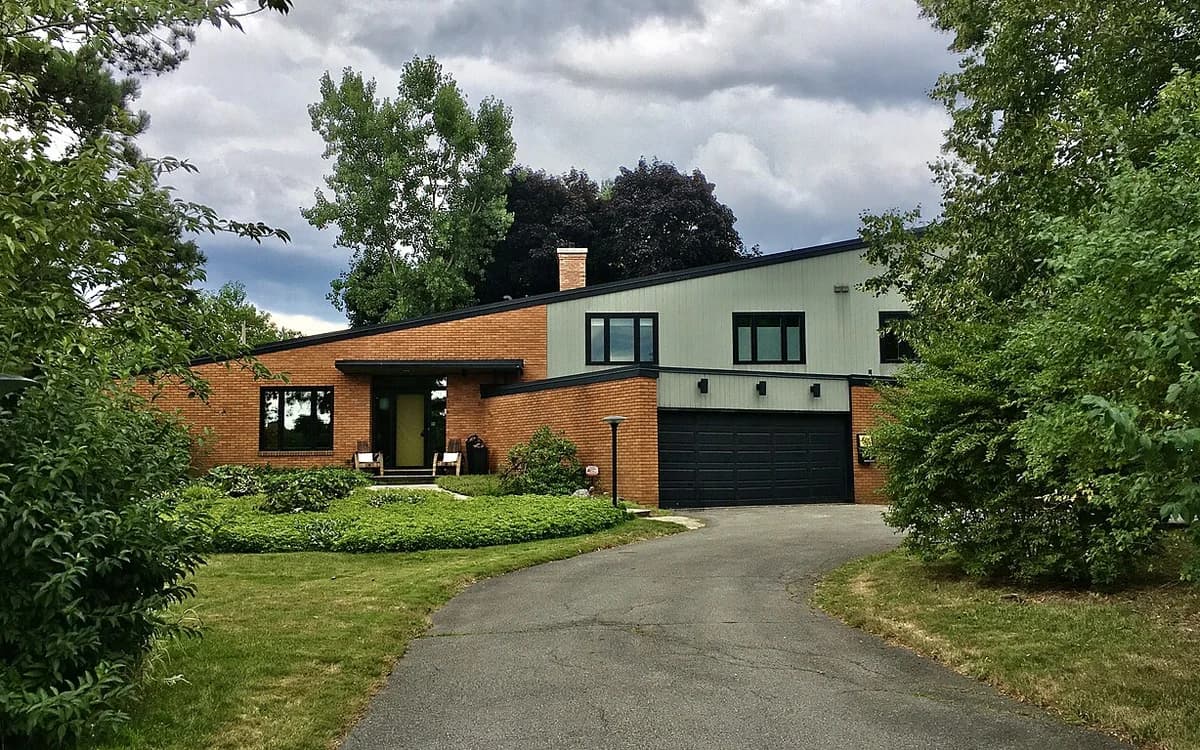
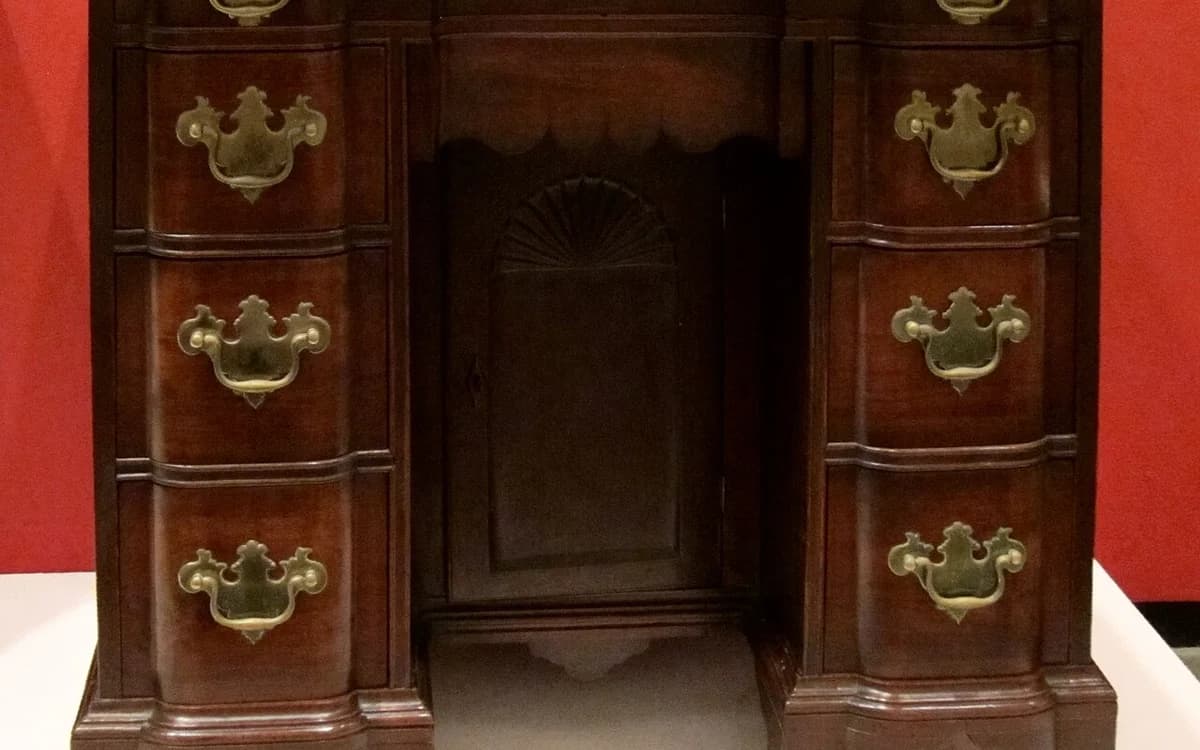
Zero Water-Swelling Risk
Low-moisture emulsion safely treats moisture-sensitive HDF/MDF doors, parquet floors, and natural wood veneers.
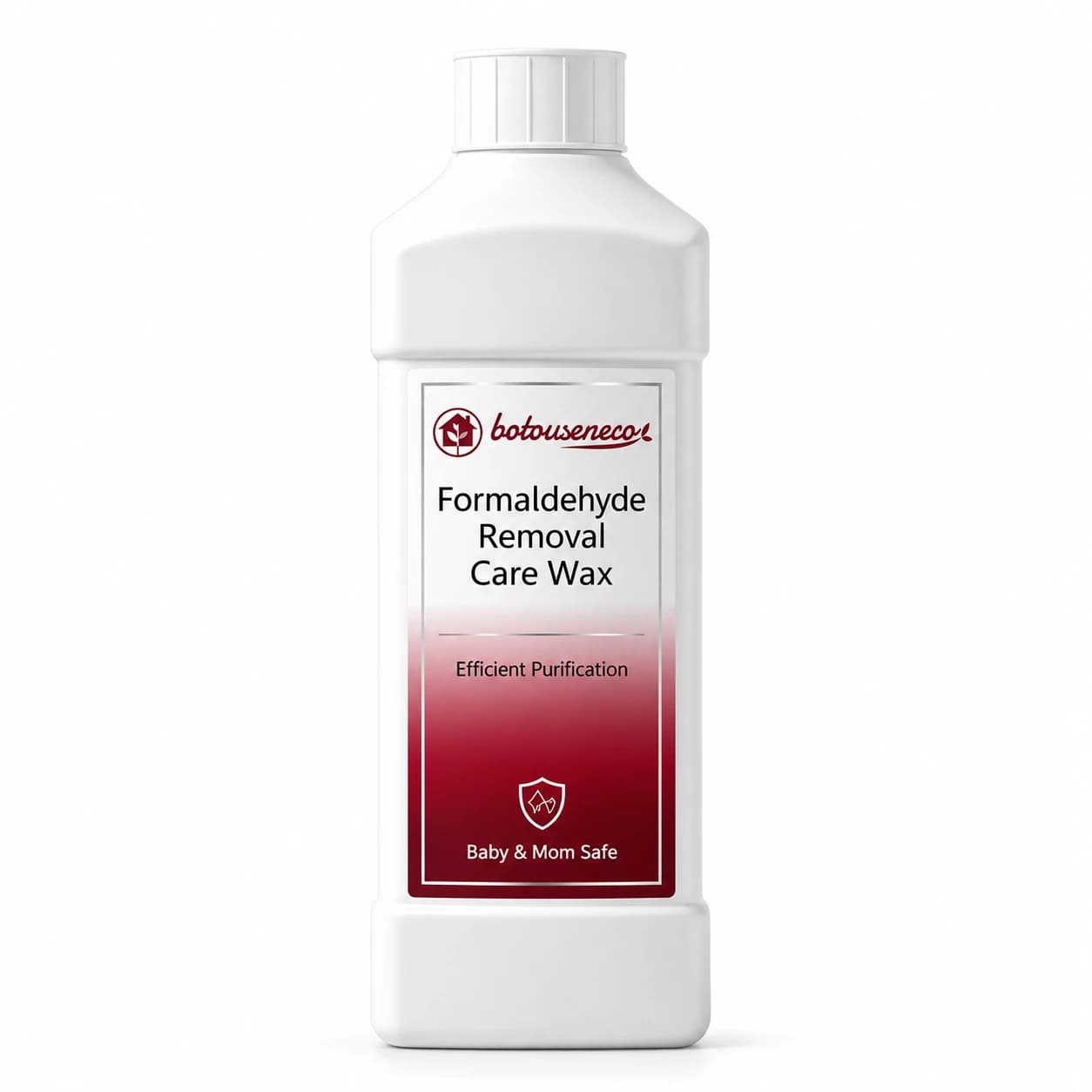 01 / 05 · Studio Packshot
Low-Moisture Wood Care + HCHO Barrier
botouseneco Formaldehyde Removal Care Wax is a 2-in-1 B2B wood conditioning emulsion and formaldehyde barrier wax engineered for moisture-sensitive solid wood, fine natural veneers, and finished cabinetry. Applied by microfiber buffing at 10–15 g/m², it nourishes wood surfaces while locking down residual formaldehyde emissions without water saturation.
Last updated
01Overview
Non-aqueous surface emission control and showroom conditioning for premium wood furniture and flooring.
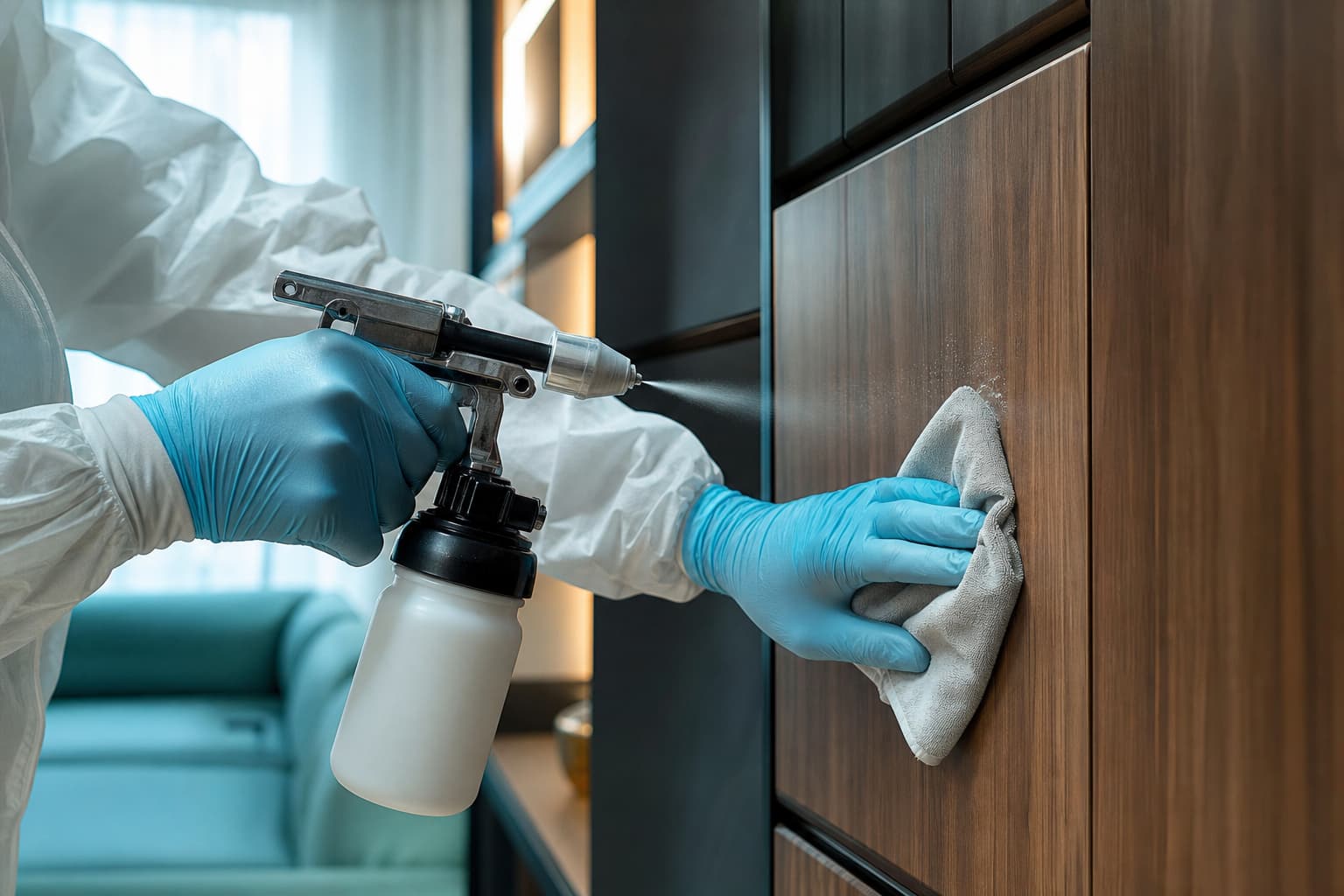
High-end natural wood veneers, solid timber dining tables, parquet flooring, and moisture-sensitive MDF doors cannot tolerate heavy water-based spraying without risking grain raising or edge swelling. botouseneco Formaldehyde Removal Care Wax bridges this gap for furniture manufacturers and premium IAQ service teams—combining natural plant/carnauba wax emulsions with oil-miscible aldehyde scavengers that seal micro-fissures and neutralize escaping HCHO.
Low-moisture emulsion safely treats moisture-sensitive HDF/MDF doors, parquet floors, and natural wood veneers.
Restores natural wood luster while scavenging residual formaldehyde migrating through finish pores.
Used by export furniture factories prior to carton packing to suppress in-transit odor and HCHO buildup.
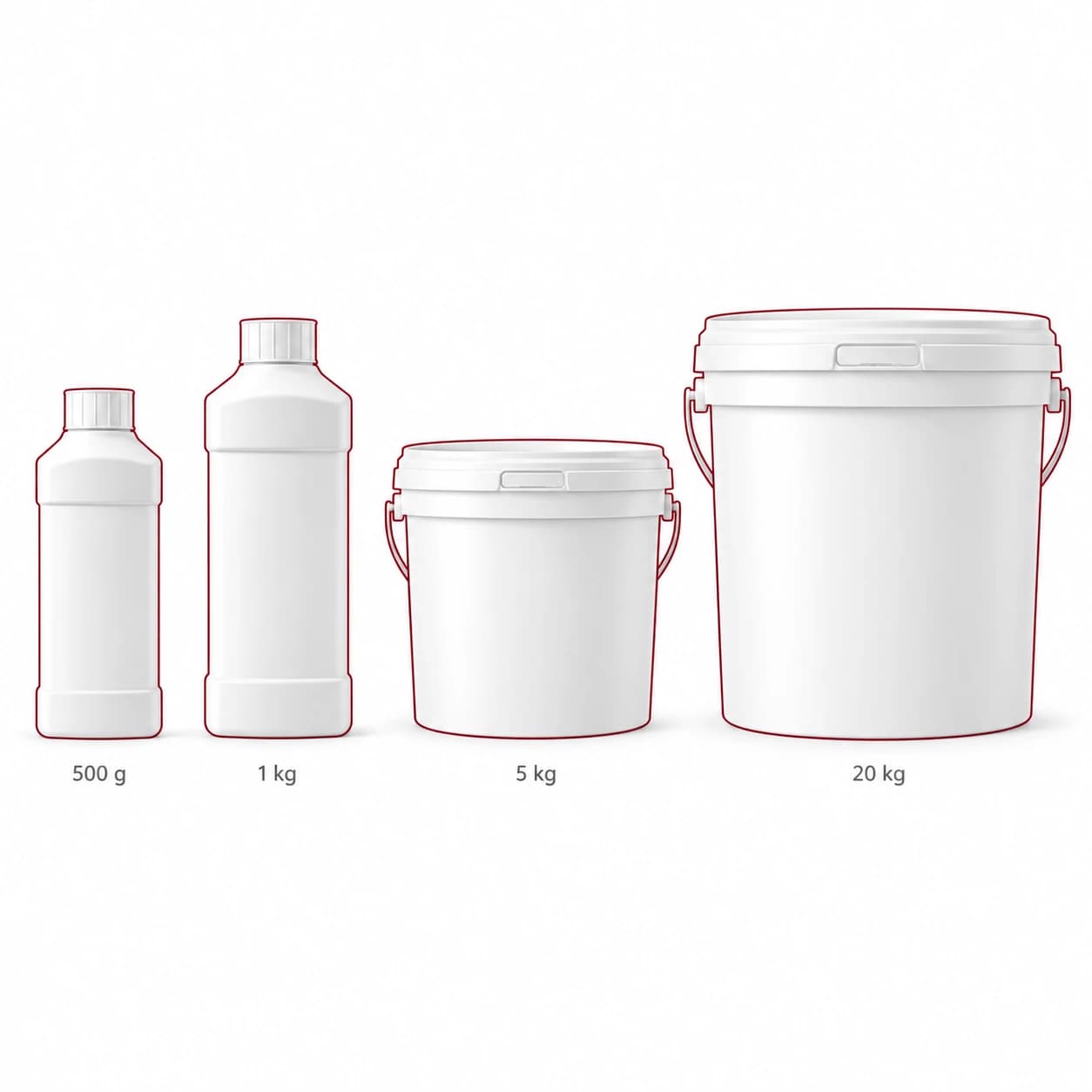
Available in bulk pails for contractors or custom-branded aftercare bottles for furniture retailers.
Reaction mechanism
As the wax emulsion is buffed onto finished wood, active aldehyde-binding functional groups react with surface HCHO while the breathable carnauba/beeswax matrix seals microscopic finish pores, reducing long-term emission flux by forming a conditioned barrier.
Reaction pathway
Wax Emulsion + HCHO Cross-Linker02Technical data
Published factory QC parameters for engineering submittals, tenders and procurement files, grouped the way distributors list them.
English TDS, GHS-format SDS and a batch COA for Formaldehyde Removal Care Wax.
Request documents| Active Components | Refined plant & carnauba wax emulsion, active aldehyde scavenger |
|---|
| Physical Form | Smooth milky-white conditioning emulsion / liquid wax |
|---|---|
| Grade | Fine Millwork, Veneer & Furniture Preservation Grade |
| CAS number(s) | 8015-86-9 (Carnauba Wax) · 8012-89-3 (Refined Beeswax) · 8006-54-0 (Cosmetic Lanolin / Jojoba Esters) · Amino-Aldehyde Trap |
| Odor | Natural mild beeswax & botanical oil note |
| Density | 0.94 - 0.98 g/cm³ (20 °C) |
| Viscosity | 4,500 - 8,000 mPa·s (Thixotropic non-drip cream at 25 °C) |
| Flash point | > 95 °C (Closed cup, non-regulated) |
| Solubility | Emulsifiable dispersion (Water-free / low-moisture surface barrier) |
| VOC content | < 15 g/L (Zero aromatic solvents) |
| HS code | 3405.20.0000 |
| Recommended Dosage | 10 – 15 g/m² wiped evenly with microfiber cloth |
|---|---|
| Applicable Surfaces | Finished wood furniture, veneered panels, laminated cabinets, wood floors |
| Packaging Options | 500g / 1kg bottles, 5kg / 20kg B2B pails |
|---|
03Application
Use Care Wax wherever aqueous sprays are contraindicated.
Ideal as the final exterior polishing step on wardrobe doors, wooden tables, and engineered hardwood floors after interior cabinet cavities have been treated with Formaldehyde Remover.
Record initial HCHO/TVOC readings (mg/m³), room temperature (°C), relative humidity (% RH), and closure window (1h vs. 12h).
Identify whether off-gassing stems from urea-formaldehyde MDF/particleboard, phenolic plywood, solvent lacquers, or textile backings.
Calculate total surface area (m²) of panels, walls, and ceilings to determine exact liquid volume (ml/m²) and nozzle gauge (0.5mm–1.0mm).
Confirm sample evaluation batch, TDS/MSDS export documentation, and commercial drum sizing (1L / 5L / 20L / 25L / 200L).
Do not apply on raw unfinished absorbent cloth or matte stone surfaces
04Safety, handling & compliance
Hazard classification, storage and transport data follow the product's safety data sheet. Request the SDS for the full 16-section document.
Do not apply on raw unfinished absorbent cloth or matte stone surfaces
Protective equipment: Nitrile gloves and microfiber applicator pad during manual or machine buffing.
Non-Dangerous Goods (Non-DG) for sea, air, and road freight (Not regulated under IMDG, IATA, or ADR).
Certificate copies and full test reports are shared with buyers on request. Request copies · Quality & certifications
| Test | Standard | Laboratory | Result |
|---|---|---|---|
| 24h Closed-Chamber Pollutant Abatement | EN 717-1 Chamber Flux & ISO 2409 Surface Gloss Retention | CMA/CNAS Accredited Environmental Lab & botouseneco QC Center | 88.5% surface HCHO flux reduction with zero wood grain swelling |
| Substrate Corrosion, pH Neutrality & Zero-Stain Verification | GB/T 18883 Annex & ISO 2409 Surface Integrity Protocol | botouseneco Botou R&D Lab (Supervised by Jyen) | Pass (pH 6.5-7.5; 0% yellowing, blistering, or hardware corrosion) |
05Ordering & logistics
06Documents
Every shipment travels with these documents. Download them here when available, or request the current version from our engineers.
07Dosage
Based on the published coverage for Formaldehyde Removal Care Wax: 10 – 15 g/m² applied in a thin, even coat.
Published coverage: 10 – 15 g/m² applied in a thin, even coat
Use 2–3 passes for raw high-density board or heavy TVOC loads.
Estimated quantity
3.0–4.5kg
10–15 g/m² × 300 m² × 1 pass
Estimate from the published coverage range. Real consumption depends on substrate porosity, nozzle size and baseline readings — our engineers confirm it with your quote.
08Questions
Yes. Apply a thin coat (10 g/m²) onto clean, dry engineered wood flooring and buff thoroughly with a microfiber mop pad so the surface is dry and non-slippery.
09Related
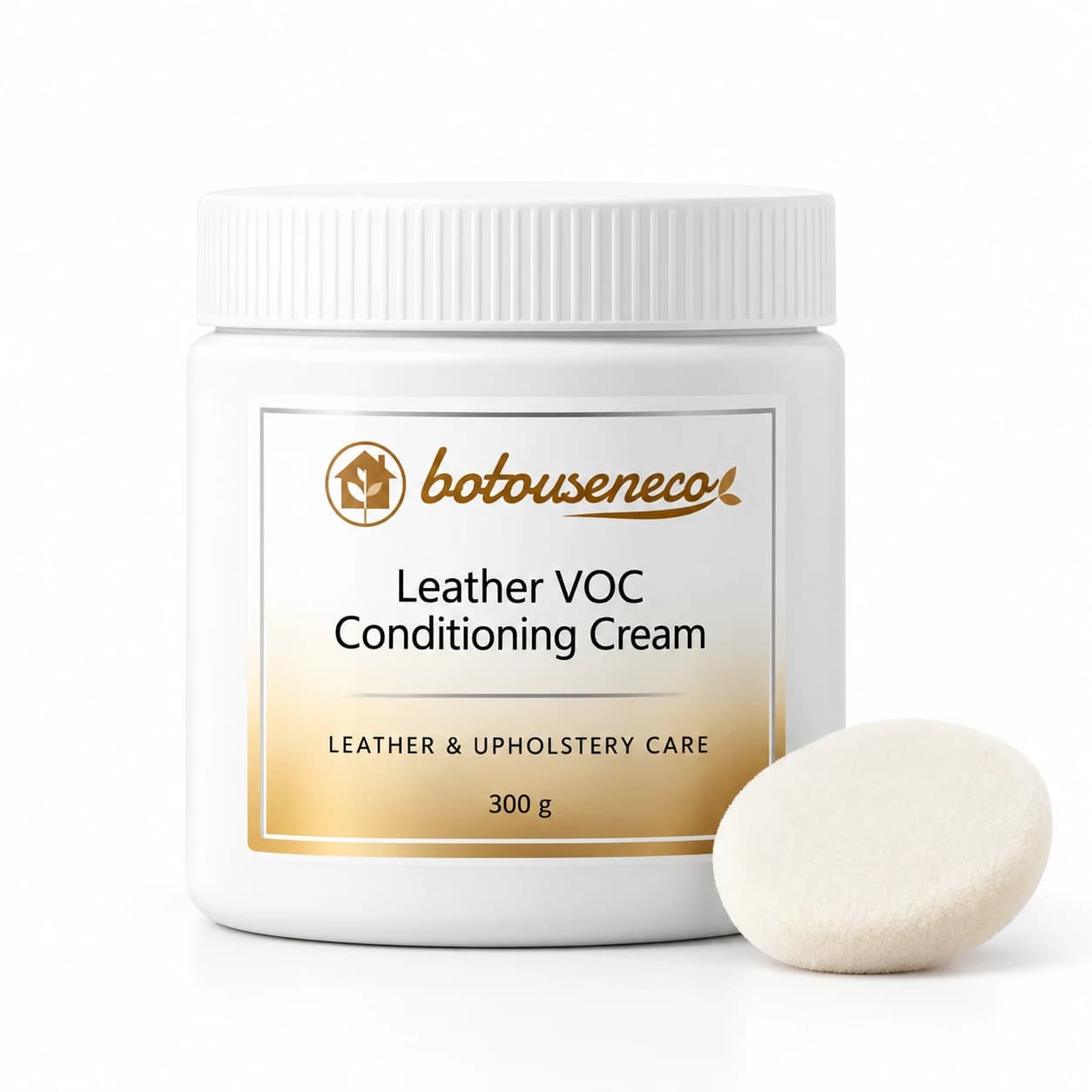
Surface & Leather Care
Leather conditioning balm
Formaldehyde & Benzene
Dual-phase micro-emulsion
Formaldehyde & Benzene
Thermal steam extraction fluid
Engineering journal
Step-by-step dosing schedules, chamber test datasets and substrate compatibility guides written by our Botou formulation and QC team.
All 66 engineering guidesComplete IAQ contractor crew PPE, EN 14387 ABEK1P3 respirator, and 12-substrate masking SOP for protecting piano-black lacquer, brass, silk, OLED screens, and smoke detectors during HVLP spraying.
 Jyen
Preventive conservation guide to abating acetic acid, formic acid, and formaldehyde in museum vitrines and rare book vaults using amino carbon and KMnO4 media.
Jyen
Step-by-step hospitality engineering guide to preventing black mold (Aspergillus niger) and musty geosmin odors in coastal and tropical resort hotels at 85% RH using pH 7.0 FCU coil cleaners, Ag+ dark-active coatings (8 to 12 ml/m2), and 90-day ClO2 gels.
 Loo
Step-by-step IAQ guide to treating decorative acoustic wood slat walls (Akupanel-style) and veneered MDF ceiling baffles using 0.5 mm HVLP atomization of TVOC Eliminator (10 to 20 ml/m2) and Dual Essence (12 to 18 ml/m2) with zero slat warping.
Loo
Step-by-step IAQ contractor guide to treating custom walk-in closets and melamine wardrobe systems by targeting 32 mm shelf-pin rows, cam-lock fittings, and unbanded drawer backs at 20 to 30 ml/m2.
Loo
Step-by-step wood-care IAQ guide to neutralizing tung-oil hexanal, raw lacquer urushiol/aldehydes, and joinery glue formaldehyde on rosewood, mahogany, and oiled solid timber at 10 to 15 g/m2 without water-spot blushing.
Loo
Factory-direct supply
Request a sample with the English TDS and SDS, or send your project size for a bulk or private-label quotation of Formaldehyde Removal Care Wax.