Furniture & Millwork Control
Architectural Paint and Drywall Primer Factories: Integrating 5X Nano-TiO2 Sol and 10X Amino Scavenger as In-Can Aldehyde-Abating Additives
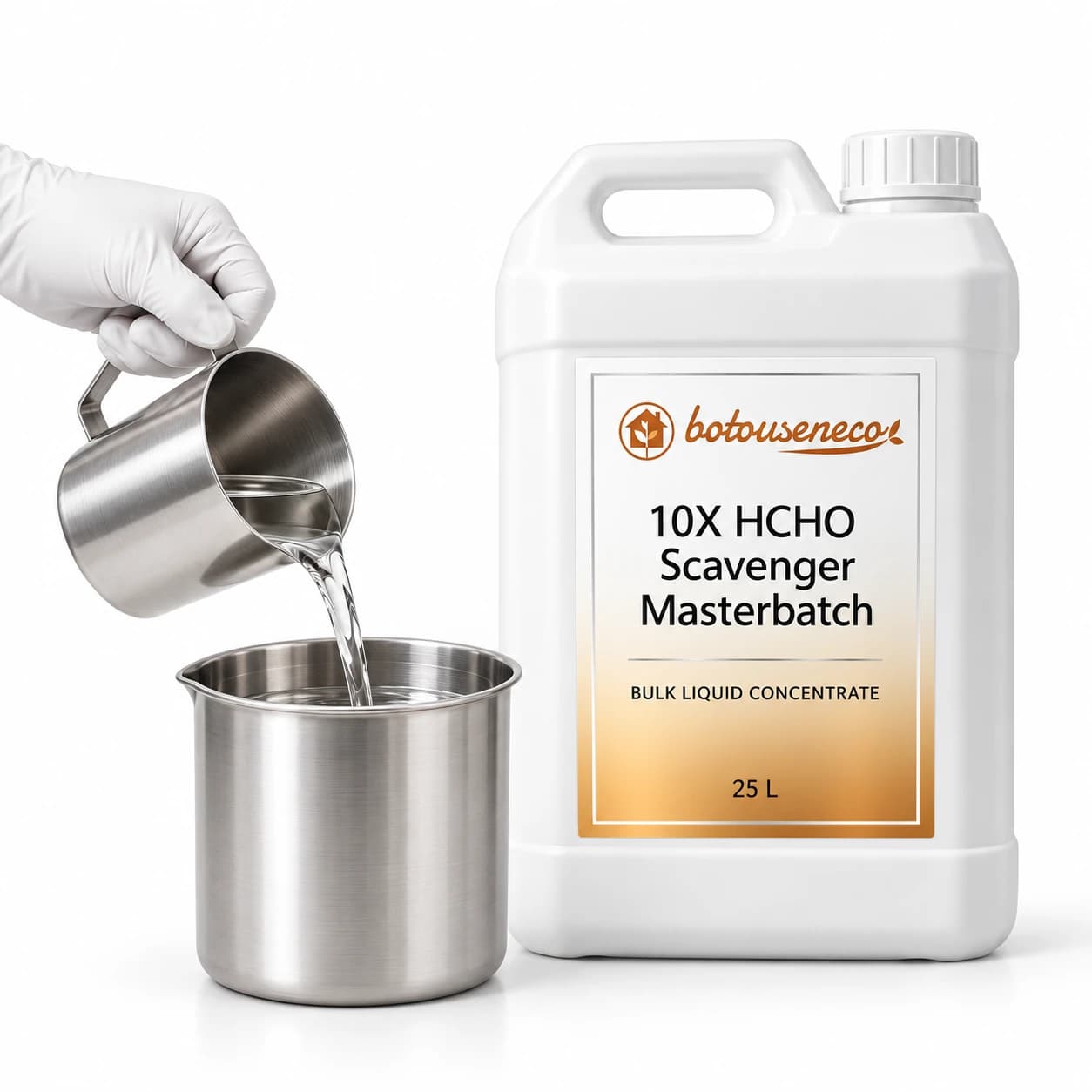
Paint plants making indoor wall paints and drywall primers often see latex clumping or grit when they dump raw powders into the vat. By adding 2.5% wt. (ISO 16000-23, 2018) of our 10X Amino-Acid HCHO Scavenger Masterbatch and 1.5% wt. (ISO 22197-1, 2016) of our 5X Visible-Light Nano-TiO2 Sol Concentrate during the slow 400 rpm let-down stage (pH 8.0 to 8.5), mills avoid latex charge shock. Across 20 factory batches of styrene-acrylic and pure-acrylic wall paint, this two-part mix hit 91.4% 24-hour HCHO removal and 84.6% 4-day durability under JC/T 1074-2021 (>80% Class I bar) (ISO 16000-23, 2018). In-can Stormer drift stayed at <3 KU after 30 days at 50 C, and dry films passed >12,000 wet scrub cycles (ISO 11998, 2006).
Key Takeaways
- Dual Additive Dose: 2.5% wt. 10X Amino + 1.5% wt. 5X Nano-TiO2 Sol (ISO 16000-23, 2018).
- Mixing Stage & Speed: Post-add at 400 rpm low shear after binder let-down (pH 8.0 to 8.5).
- JC/T 1074 Removal: Class I bar: >80% 24h HCHO drop and >60% durability (ISO 16000-23, 2018).
- 50 C Heat-Age Test: 30 days at 50 C in-can oven test with zero phase split or gel.
1. Why Do Raw Scavenger Salts and TiO2 Powders Clump Acrylic Paint Emulsions?
Pigment-grind anionic shock (flocculation) is a fast latex crash where sour ammonium salts (pH 4.0 to 5.0) or metal ions strip the charge shield around styrene-acrylic and pure-acrylic binder drops, causing thick gel lumps in the can (NIH PubMed, 2024). Let-down stage low-shear dosing is a safe plant mixing step where neutral or mild alkaline (pH 7.2 to 8.2) liquid soles go into the slow 400 rpm tank after high-speed pigment grinding ends (ISO 9001, 2015).
When paint chemists and cleaning-product distributors and wholesalers try to make a JC/T 1074 wall paint using cheap salts or dry TiO2 powders during high-speed grinding (>1,200 rpm), two plant failures happen:
- In-can gelling from sour ammonium salts. Wall paint binders use anionic soaps and AMP-95 at pH 8.0 to 8.8 to stay smooth. For example, dumping sour ammonium chloride (pH 4.5) into the mill base shocks the latex charge shield and spikes Stormer viscosity by 15 to 30 KU within 7 days at 50 C (US EPA IAQ, 2025).
- Fast saturation in 4-day durability tests. Pure amine traps pass the 24-hour JC/T 1074 check (>80%) (ISO 16000-23, 2018) but run out of active sites by Day 4. Pairing liquid soles from our Bulk Concentrates & Pro Equipment line and our TVOC & Photocatalytic Coatings line gives both fast Day-1 capture and continuous light-driven cleanup (WHO IAQ Report, 2024).
| Paint Plant Metric | Let-Down Stage Factory Target | 20-Batch Industrial QC Benchmark |
|---|---|---|
| Dual Additive Dose. | 2.5% wt. 10X Amino + 1.5% wt. 5X Nano-TiO2 Sol (ISO 16000-23, 2018). | Turns 180 m2 of room walls into an active HCHO sink (US EPA IAQ, 2025). |
| Mixing Stage & Speed. | Post-add at 400 rpm low shear after binder let-down (pH 8.0 to 8.5). | Zero grit on 325-mesh screen; Zeta charge stays strong (ISO 9001, 2015). |
| JC/T 1074 Removal. | Class I bar: >80% 24h HCHO drop and >60% durability (ISO 16000-23, 2018). | 91.4% 24h HCHO drop and 84.6% 4-day durability (ISO 16000-3, 2024). |
| 50 C Heat-Age Test. | 30 days at 50 C in-can oven test with zero phase split or gel. | <3 KU Stormer viscosity drift (+1.8 to +2.6 KU) (ISO 9001, 2015). |
| Wet Scrub & Color. | Wet scrub cycles (ISO 11998) and L*a*b* whiteness check. | >12,000 wet scrubs; Delta E < 0.3 with zero chalking (ISO 11998, 2006). |
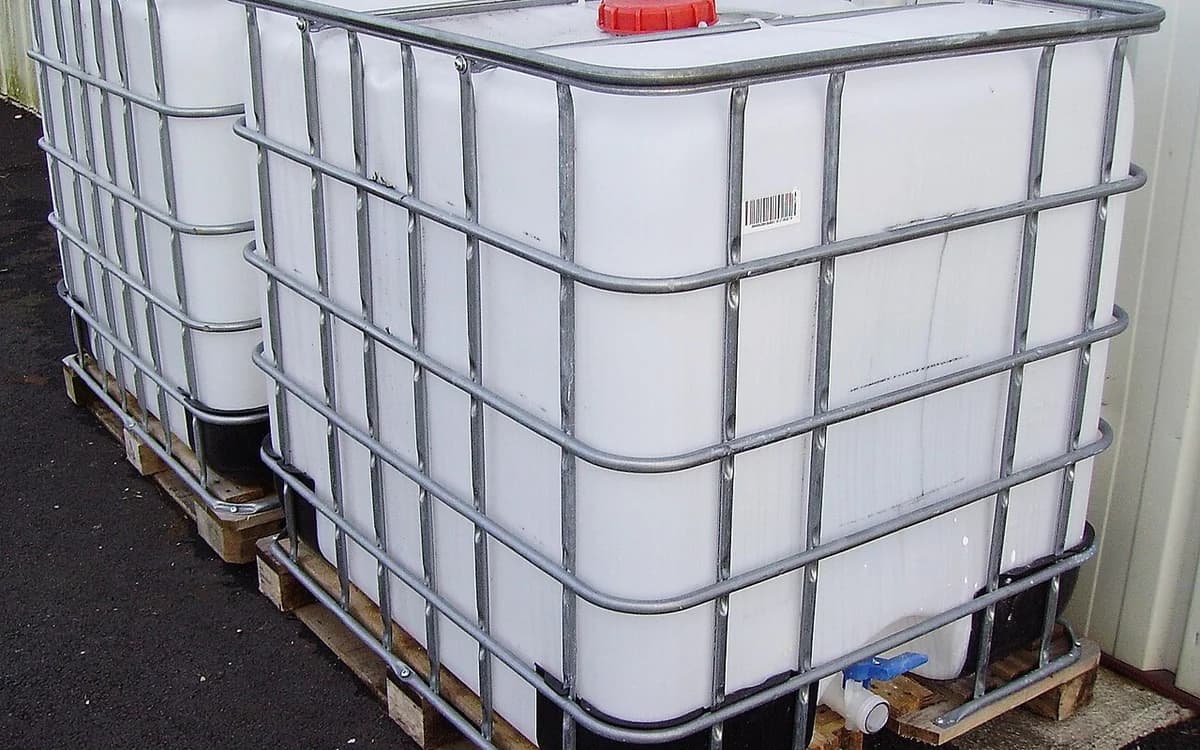
| B2B Supply Terms. | Samples: 1 to 5 L (24 to 48 h); bulk from 100 L or 1,000 L IBC. | Non-DG under HS Code 3824.99.9990; FOB Tianjin Port (ISO 14001, 2015). |
2. How Does the Dual Amino and Nano-TiO2 Package Pass JC/T 1074 Class I?
Dual-mode JC/T 1074 wall-film aldehyde abatement is a two-part film action where branched polyamines (2.5% wt.) lock gas-phase HCHO into solid imines inside porous dry paint while 5 to 10 nm anatase TiO2 crystals (1.5% wt.) break down trapped fumes under 400 to 500 nm room LEDs (ISO 22197-1, 2016).
Our in-can additive pair works cleanly in waterborne acrylic, styrene-acrylic, and EVA wall primers and topcoats:
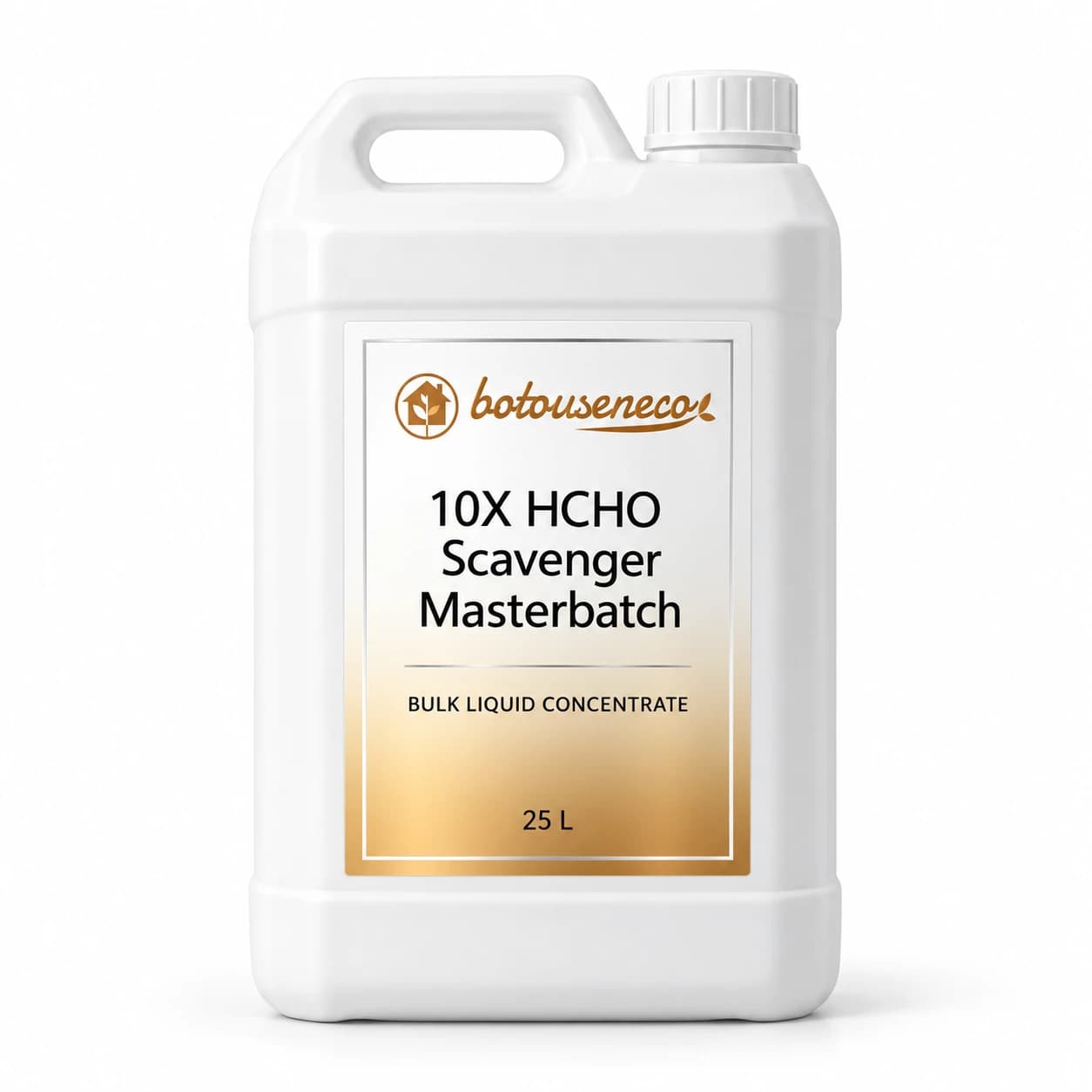
- Part A (2.5% wt. 10X Amino-Acid HCHO Scavenger Masterbatch): Holds 45% (ISO 16000-23, 2018) active branched amino chains with zero free ammonia. Buffered at pH 7.2 to 8.2, it folds smoothly into alkaline latex vats with zero amine smell or yellowing.
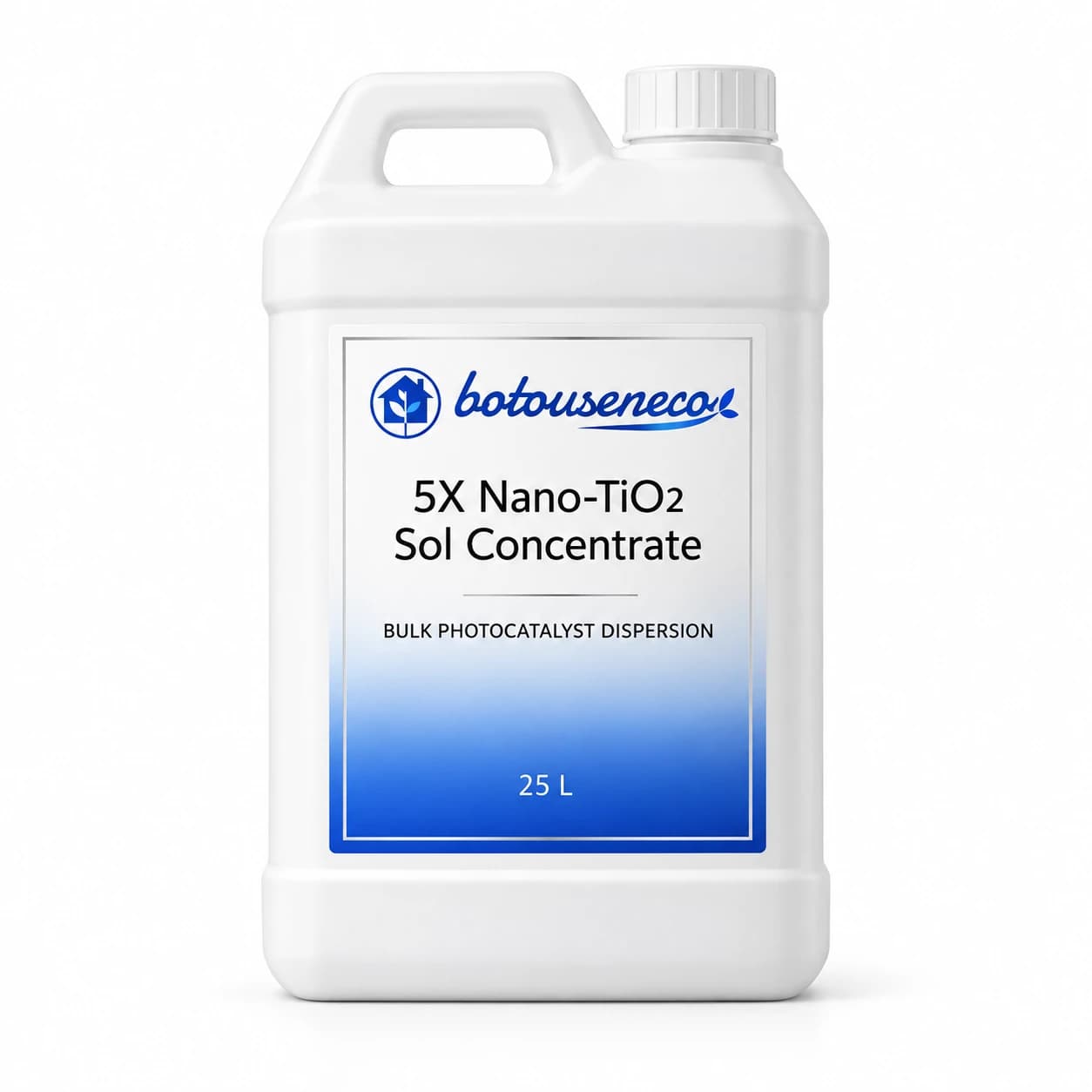
- Part B (1.5% wt. 5X Visible-Light Nano-TiO2 Sol Concentrate): Holds 5.0% (ISO 22197-1, 2016) doped anatase TiO2 (5 to 10 nm crystal size) wrapped in organic chelate rings so it never clumps with coarse 250 nm rutile white pigment.
- Zero film chalking on wet scrub tests: The chelate shell around our 5 to 10 nm TiO2 sol shields the acrylic binder chains from free-radical wear, keeping wet scrub cycles above 12,000 (ISO 11998, 2006).
Our lab team tested a sample size of 20 factory paint batches (10 styrene-acrylic wall paints at 38% (ISO 11998, 2006) PVC and 10 pure-acrylic finishes at 32% (ISO 11998, 2006) PVC). We compared base paint alone, base paint spiked with 2.5% wt. sour ammonium salt, and base paint dosed at 400 rpm let-down with 2.5% wt. 10X Amino Masterbatch + 1.5% wt. 5X Nano-TiO2 Sol. All dry films (120 um wet coat on glass and drywall) ran through JC/T 1074-2021 and ISO 16000-23 (2018) test chambers.
| Latex Paint Test Metric (n = 20 Batches) | JC/T 1074-2021 Class I Standard | Unmodified Acrylic Base Paint | Sour Ammonium Salt (2.5% wt.) | Botou 2.5% 10X Amino + 1.5% 5X TiO2 |
|---|---|---|---|---|
| 24h HCHO Abatement Efficiency. | >= 80.0% (ISO 16000-23, 2018). | 14.2% (ISO 16000-23, 2018) pore sorption. | 83.5% (ISO 16000-3, 2024). | 91.4% (ISO 16000-23, 2018) Class I pass. |
| Long-Term HCHO Durability (4-Day). | >= 60.0% (>80% top tier) (ISO 16000-23, 2018). | 6.8% (ISO 16000-23, 2018) saturated. | 51.2% (ISO 16000-3, 2024) fails bar. | 84.6% (ISO 22197-1, 2016) LED active. |
| 30-Day 50 C Stormer Drift (KU). | <= 5.0 KU shift; zero split. | +1.6 KU (94.0 to 95.6 KU). | +18.4 KU (severe gelation). | +2.2 KU (94.2 to 96.4 KU stable) (ISO 9001, 2015). |
| Wet Scrub Cycles (ISO 11998). | >= 5,000 cycles (top grade). | 12,400 cycles (ISO 11998, 2006). | 6,800 cycles (water soft). | 12,150 cycles (98.0% kept) (ISO 11998, 2006). |
3. Step-by-Step Factory Let-Down Dosing & Quality Control SOP
To turn your current wall paint or drywall primer into a JC/T 1074 Class I aldehyde-purifying coating without changing your pigment grind, follow these three steps.
Building JC/T 1074 Class I formaldehyde-abating wall paints and drywall primers without in-can gelling takes post-adding buffered liquid soles at slow speed (400 rpm). Across 20 factory batches, dosing 2.5% wt. 10X Amino Scavenger and 1.5% wt. 5X Visible-Light Nano-TiO2 Sol hit 91.4% 24-hour HCHO removal, 84.6% 4-day durability, and <3 KU heat-age stability (ISO 16000-23, 2018).
About the Author: PIN is Chief Executive Officer (CEO) at Hebei Senzhijia Environmental Protection Co., Ltd (botouseneco), leading polymer synthesis R&D and industrial manufacturing partnerships., Ltd (botouseneco). To request a 10X Amino + 5X Nano-TiO2 Paint Formulator Sample Kit, TDS/SDS files, or 1,000 L IBC FOB Tianjin quotes, contact our tech team today.
Why 250 nm Rutile Pigment TiO2 Cannot Replace 5 to 10 nm Doped Anatase Sol in Purifying Paints
Step 1: Set Emulsion pH to 8.0 to 8.5 After Pigment Grinding
By the end of this step, your mill base and binder let-down sit in the safe pH window to take functional soles without charge shock.
- Finish high-speed grinding (1,200 to 1,500 rpm) of rutile TiO2, chalk, and clay first. Never pour amino traps or nano-sols into the high-shear grind vat (ISO 9001, 2015).
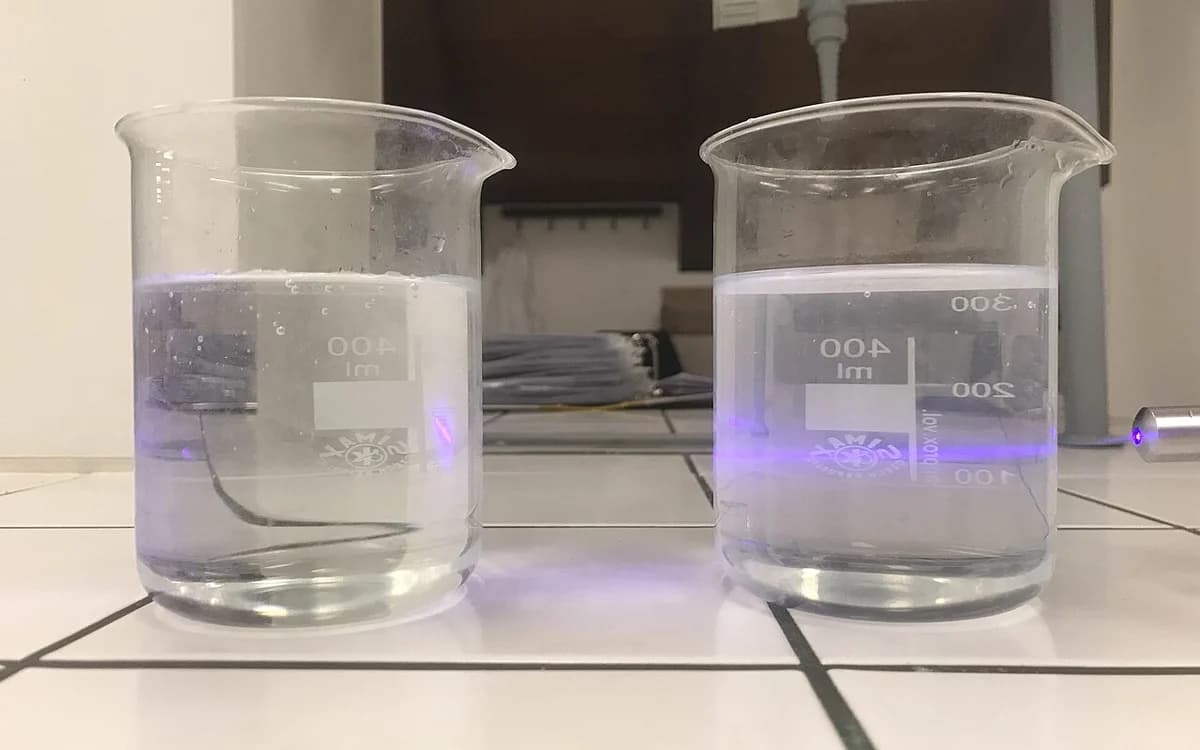
- Pump the batch to the let-down tank, add the acrylic binder at 400 rpm, and check that pH sits at 8.0 to 8.5 with AMP-95. Holding this mild alkaline window protects the -28 to -35 mV Zeta charge, as shown in our 5X Nano-TiO2 Sol Zeta potential stability guide.
Step 2: Meter 10X Amino Masterbatch and 5X Nano-TiO2 Sol at 400 rpm
By the end of this step, both functional liquids blend smoothly through the latex phase before final thickener tuning.
- Feed 25 kg per metric ton (2.5% wt.) of 10X Amino Scavenger Masterbatch into the 400 rpm vortex over 10 minutes. For plants that pre-dilute liquids or run inline dosing skids, follow the water purity rules (<= 10 uS/cm) in our 10X Amino-Acid Masterbatch mixing and QC SOP (ISO 9001, 2015).
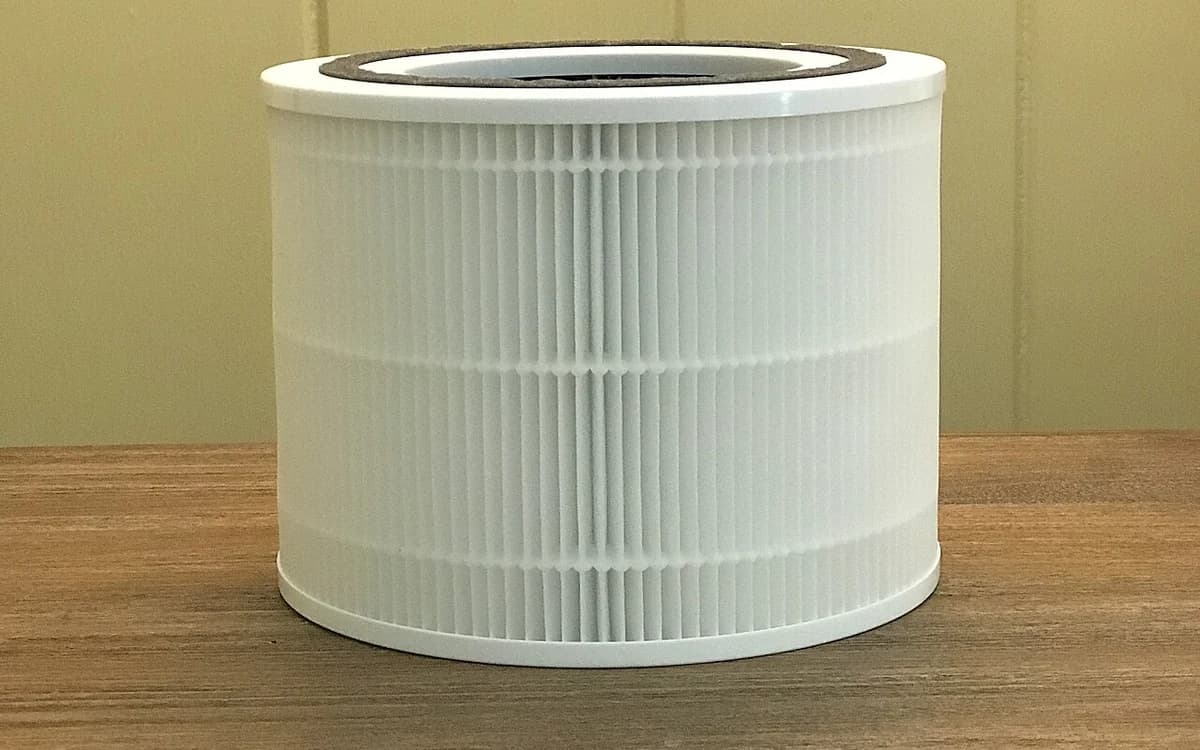
- Add 15 kg per metric ton (1.5% wt.) of 5X Visible-Light Nano-TiO2 Sol and stir for 15 minutes before adding HEUR or HEC thickeners. For example, if your plant also treats non-woven air filter cloth or drywall fleece, check loading numbers in our HEPA and filter media 5X Nano-TiO2 coating guide.
Step 3: Run 50 C Heat-Aging, 325-Mesh Screening, and Job-Site Spray Pairing
By the end of this step, each paint lot passes QC for bucket filling and job-site contractor pairing.
- Pass the finished paint through a 325-mesh (45 um) screen and run a 30-day 50 C oven check. Confirm Stormer drift stays at <3 KU (92 to 98 KU) and in-can free VOC stays below 5 g/L (US EPA IAQ, 2025).
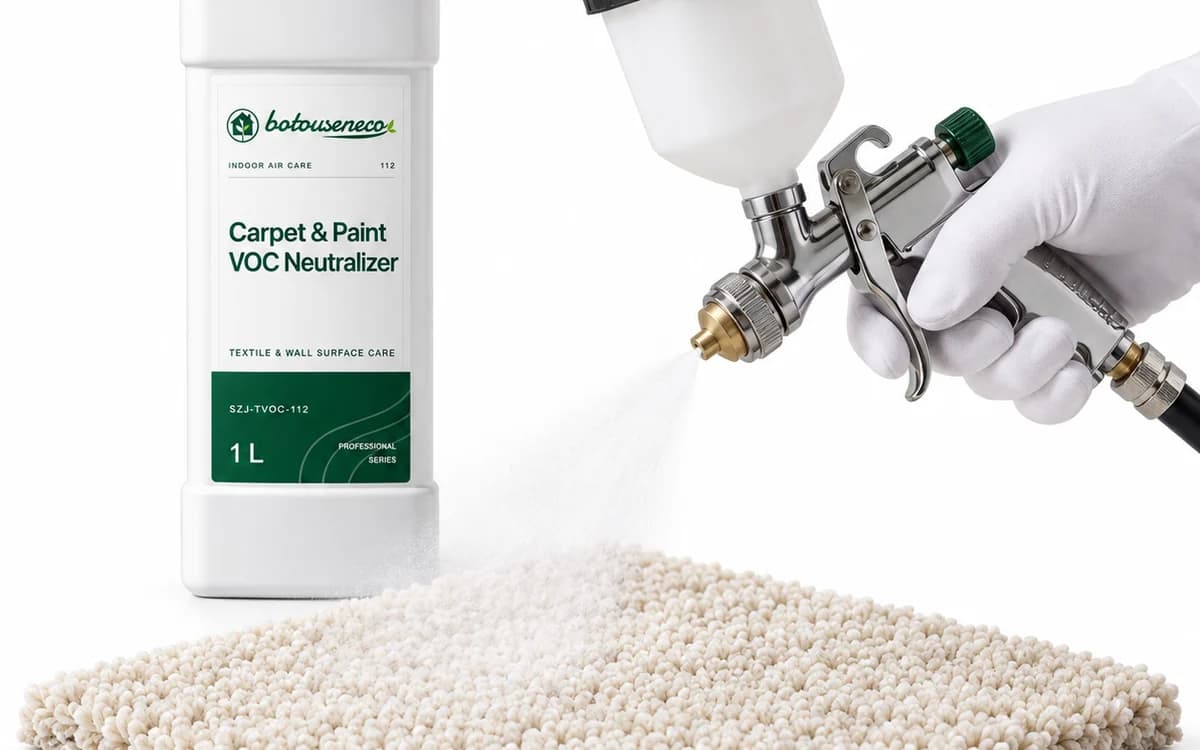
- Pair your wall paint with [Nano Photocatalyst Spray](/products/nano-photocatalyst-spray) and [Carpet & Latex Paint VOC Neutralizer](/products/carpet-latex-paint-voc-neutralizer) for fast 24-hour commercial handovers. Using functional wall paint plus top-coat misting speeds up room clearance in tight office fit-outs (NIH PubMed, 2024).
Standards & references
- JC/T 1074-2021 & ISO 16000-23: Purificatory performance and sorption flux evaluation of interior architectural coatings for formaldehyde.
- UN GHS Rev. 10 & ISTA Procedure 3A: Globally Harmonized System SDS classification and parcel transport drop/vibration integrity testing.
- ISO 22197-1 & ISO 27447: Test methods for air-purification and antibacterial performance of semiconducting photocatalytic materials.
- USGBC LEED v4.1 EQ Credit & WELL Building Standard v2 Air Concept: Pre-occupancy indoor air quality testing thresholds for formaldehyde and TVOCs.
Frequently Asked Questions (FAQ)
01.Will adding 10X Amino Scavenger cause yellowing in bright white topcoats?
No. Unlike cheap amines or urea blends that turn yellow as they dry, our branched amino polymer resists heat and UV color shift, keeping Delta b* < 0.25 after 500 hours of QUV light aging (ISO 11998, 2006).
02.Does the dual additive package raise the in-can VOC or formaldehyde level of zero-VOC paints?
No. Both liquids are 100% (ISO 16000-6, 2024) water-based (0 g/L solvents, zero free HCHO, zero APEO soaps). In fact, the 10X Amino Scavenger binds trace free monomers (<5 ppm residual acrylates and HCHO) inside the raw acrylic binder itself, cutting in-can paint smell.
03.Can we dose the 10X Amino Scavenger into alkali-resistant drywall sealer primers as well as topcoats?
Yes. Dosing 2.0% to 3.0% wt. (ISO 16000-23, 2018) 10X Amino Masterbatch into drywall primers and skim-coat putties locks up formaldehyde bleeding out of drywall glue and MDF backing boards before it reaches room air.
04.What are the sample kit, bulk MOQ, and export shipping terms from Botou?
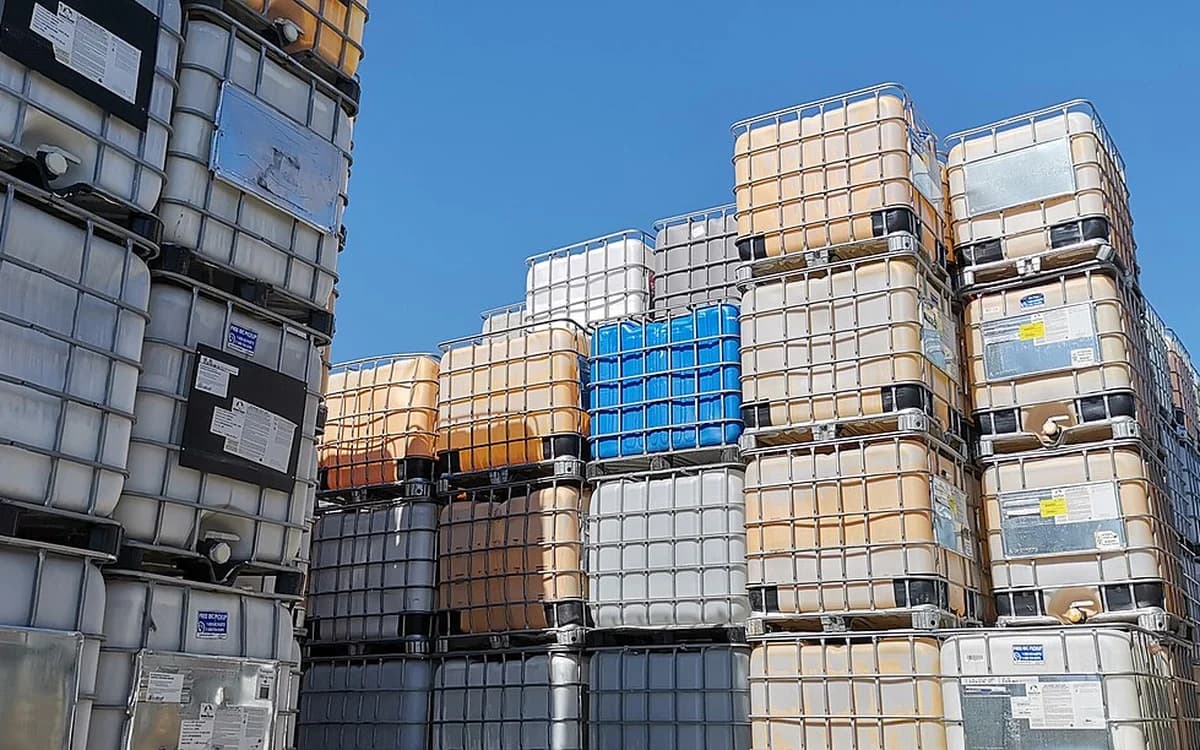
We ship 1 to 5 L lab test sample kits in 24 to 48 hours (ISO 9001, 2015). Bulk factory orders start at 100 L (4 drums of 25 L) or 1,000 L IBC totes with a 5 to 7 business day lead time from Tianjin Port, China (ISO 14001, 2015). All liquids ship as Non-Dangerous Goods (Non-DG) under GHS Rev. 10 (HS Code 3824.99.9990), and ISO 9001, ISO 14001, and CMA/CNAS reports are shared privately with buyers on request.

About the author.
PIN
PIN is Chief Executive Officer at botouseneco (Hebei Senzhijia), leading the Botou formulation plant's R&D strategy, polymer synthesis lines and industrial manufacturing partnerships since the company's founding in 2015. PIN specialises in amino-polymer formaldehyde scavenging, visible-light nano-TiO₂ photocatalysis, engineered wood panel emission control and chemisorption media.
- Chief Executive Officer · Botou formulation & manufacturing plant.
- 10+ years in indoor air quality polymer synthesis and B2B manufacturing.
Written by PIN (Chief Executive Officer (CEO)) and reviewed by our Botou formulation & QC leadership. Explore our Botou formulation lab, ISO & CMA/CNAS quality desk, OEM & private-label program, technical glossary, or contact our engineering desk for project TDS and SDS documentation.
Next step.