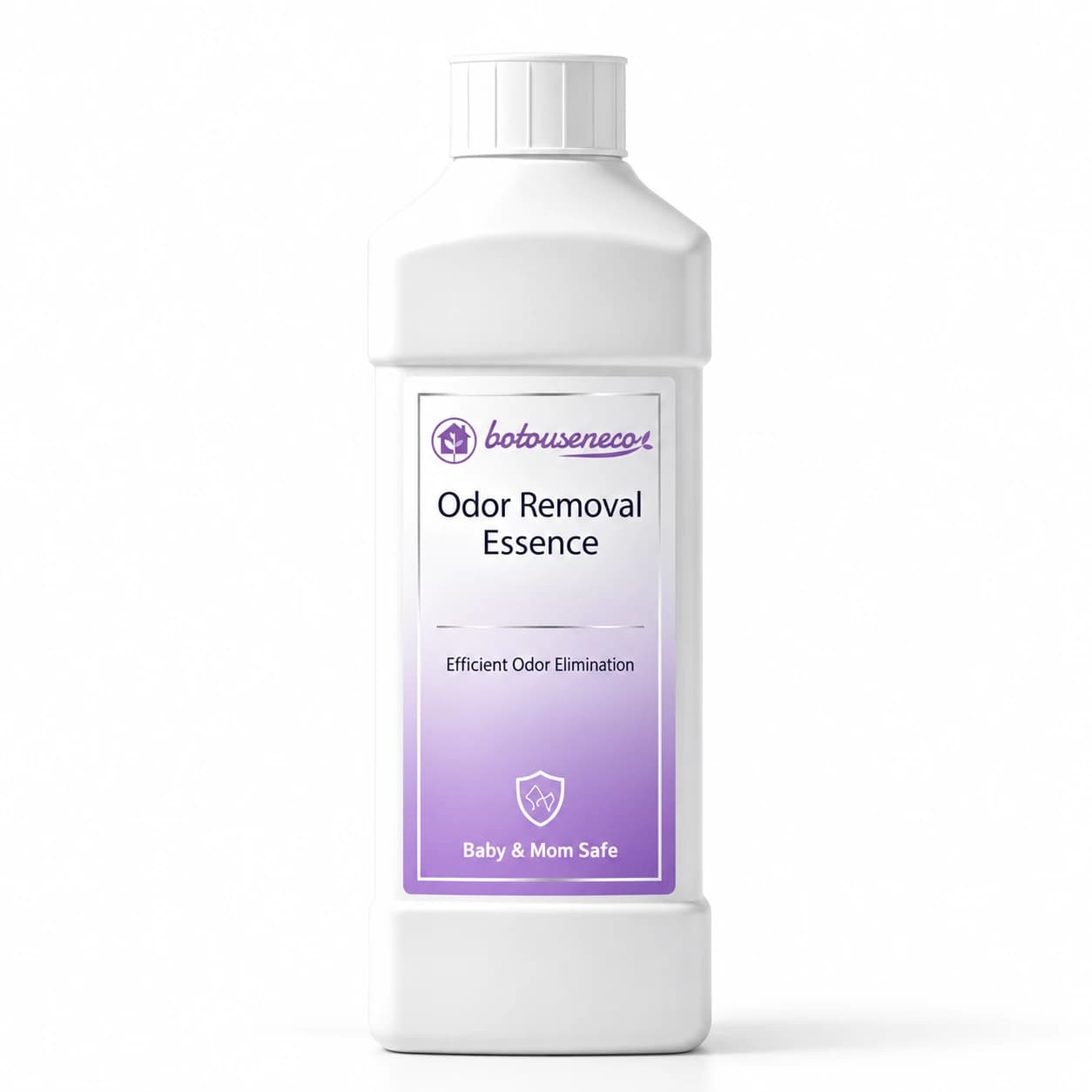
Bio-Enzyme & Odor
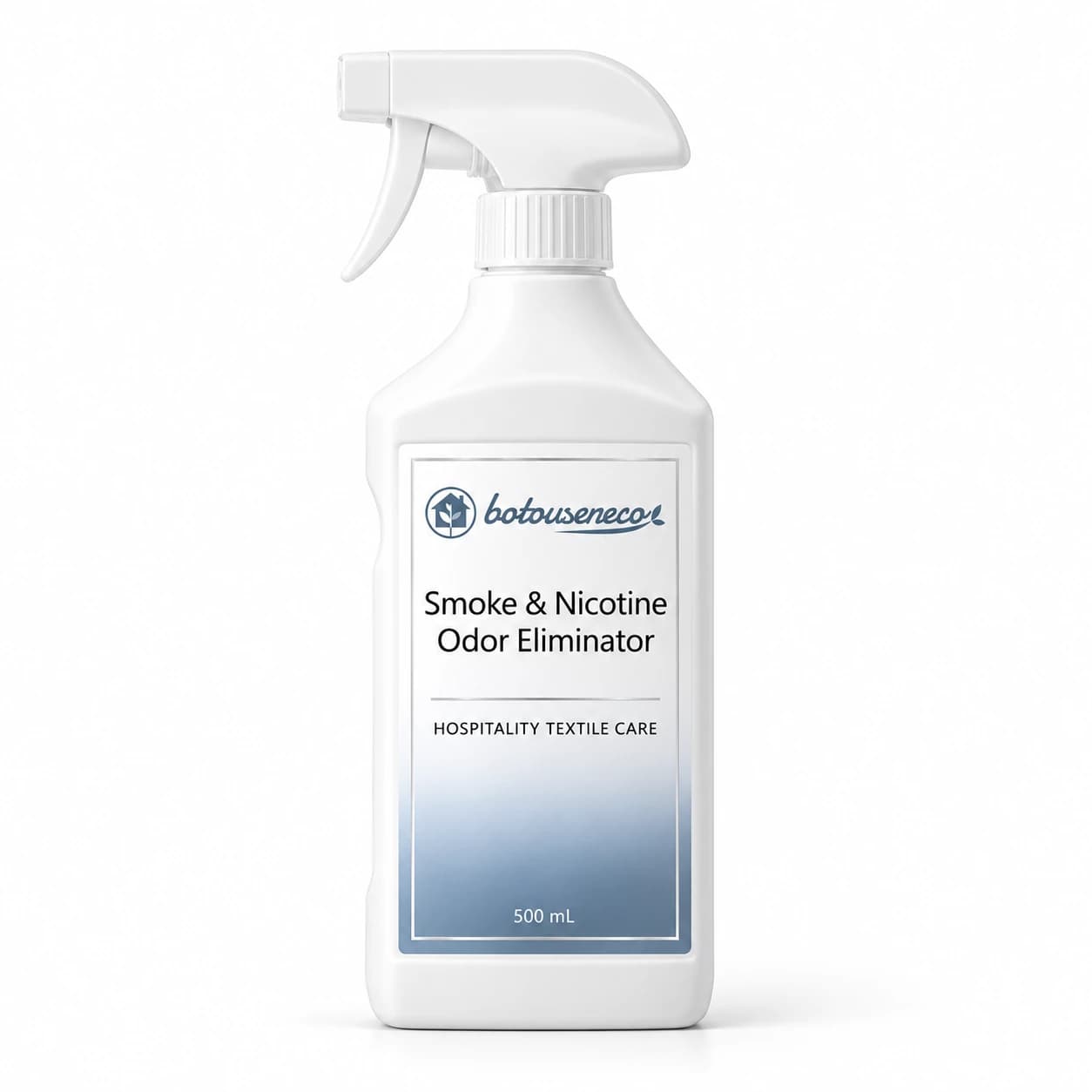
Smoke & Nicotine Odor Eliminator
Third-hand smoke decomposer
- Dosage
- 10–15 ml/m²
- Packs
- 500 ml – 25 L
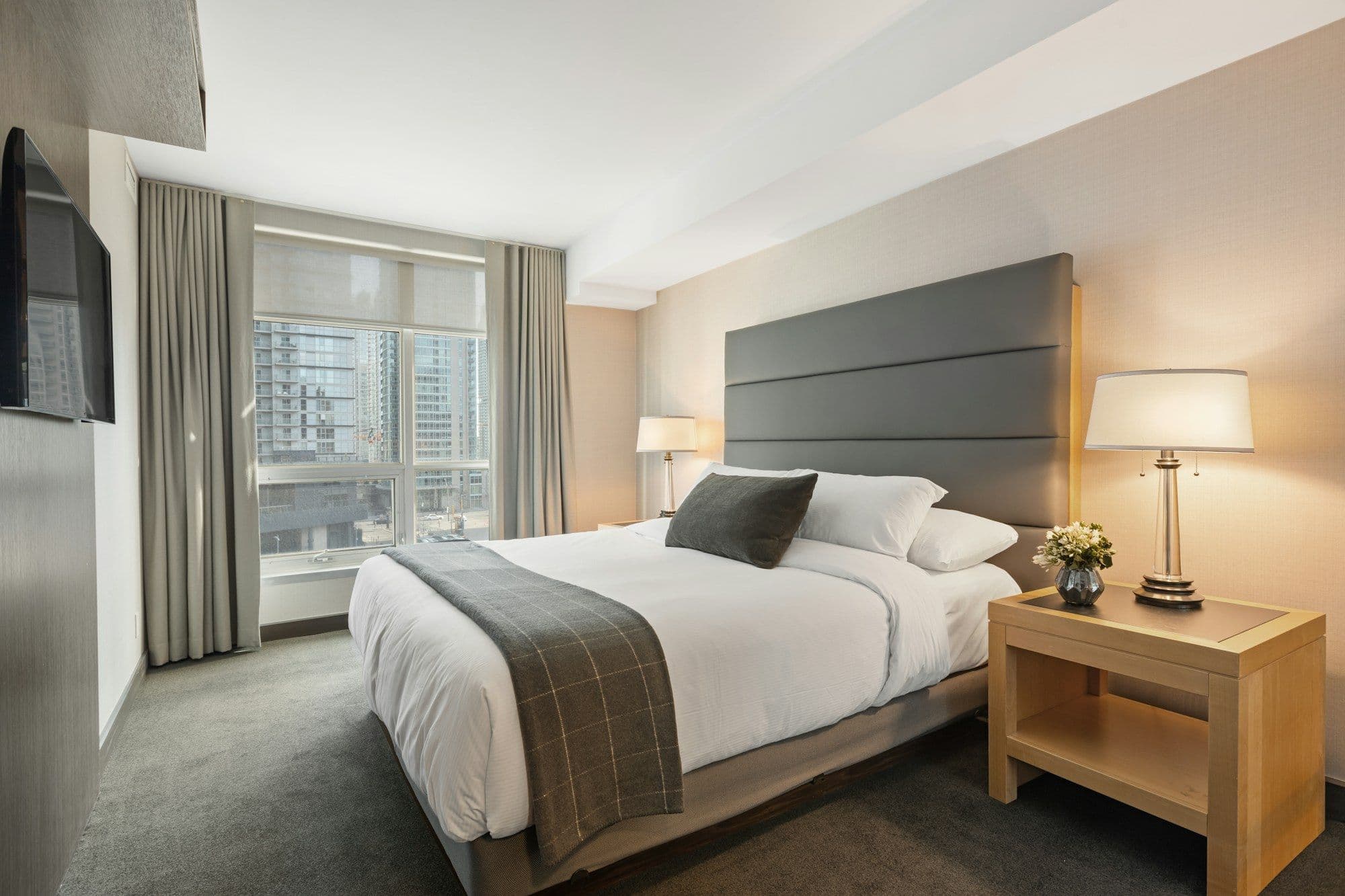
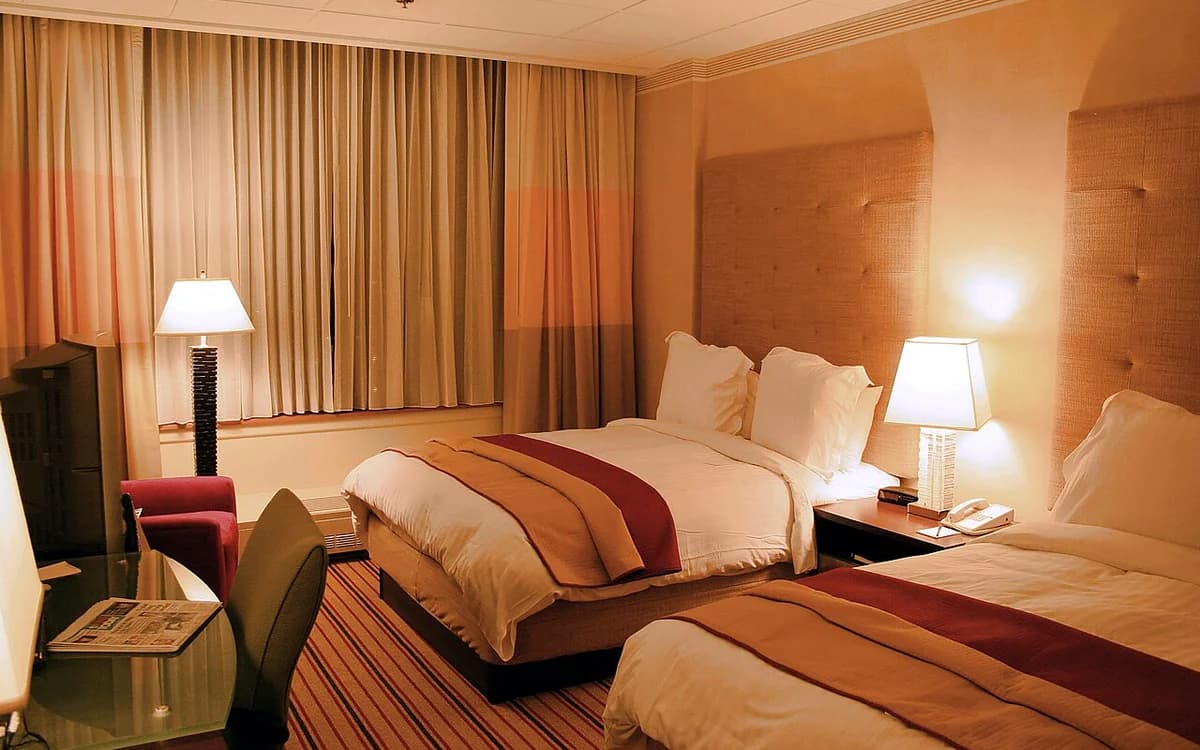
Applications · Hotels & hospitality
Smoking rooms, pet-friendly floors, humid coastal properties and corridor refurbishments all take rooms out of inventory. Our hospitality range breaks down smoke residue and organic odor instead of perfuming over it, protects walls and fabrics with a coating that keeps working in the dark, and treats new carpet and paint before rooms reopen.
01The challenge
Third-hand tar and nicotine settle in blackout curtains, carpets and headboards. Air fresheners only cover them; the residue has to be decomposed where it sits.
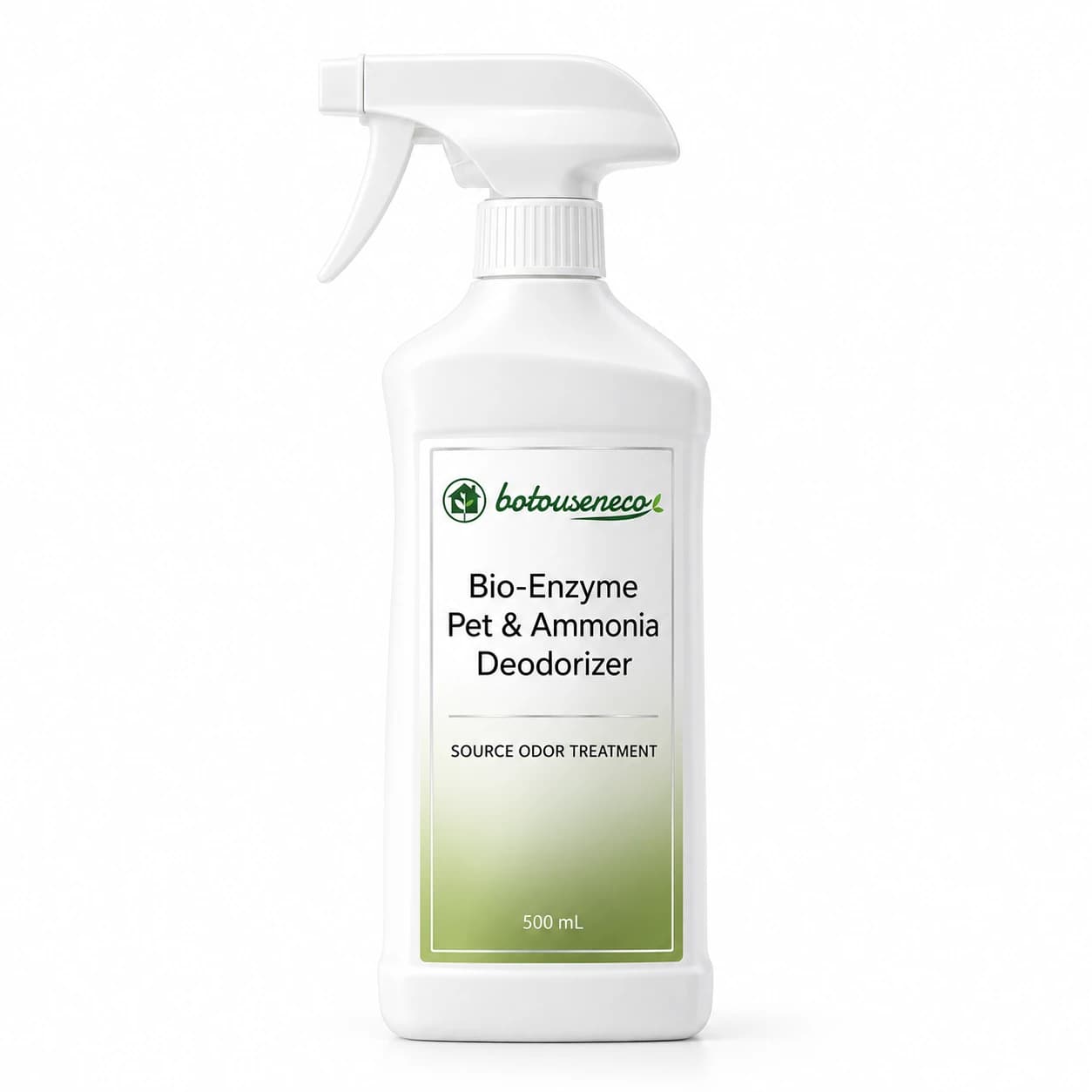
Uric acid crystals in carpets, mattresses and grout resist ordinary chemical cleaners and come back with humidity. Enzymes digest the residue instead.
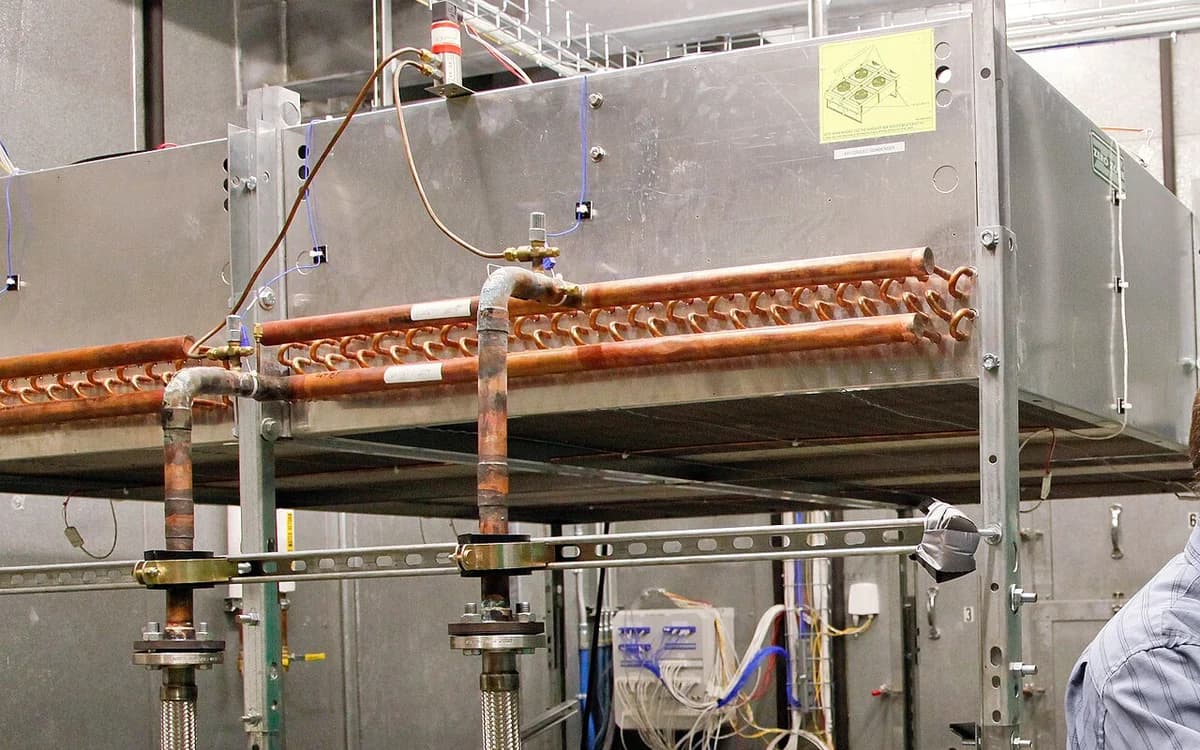
Carpet backing (4-PCH) and fresh latex paint raise TVOC after corridor and room refurbishments, and dirty AC coils can push odor straight back into a treated room.
02Recommended formulations
Open any product for its full technical data sheet, or add it to your inquiry list and request samples in one go.
Browse the full catalogStep 1 · Smoke & nicotine
Bio-Enzyme & Odor
Third-hand smoke decomposer
Step 2 · Pet & ammonia
Bio-Enzyme & Odor
Multi-strain bio-enzyme
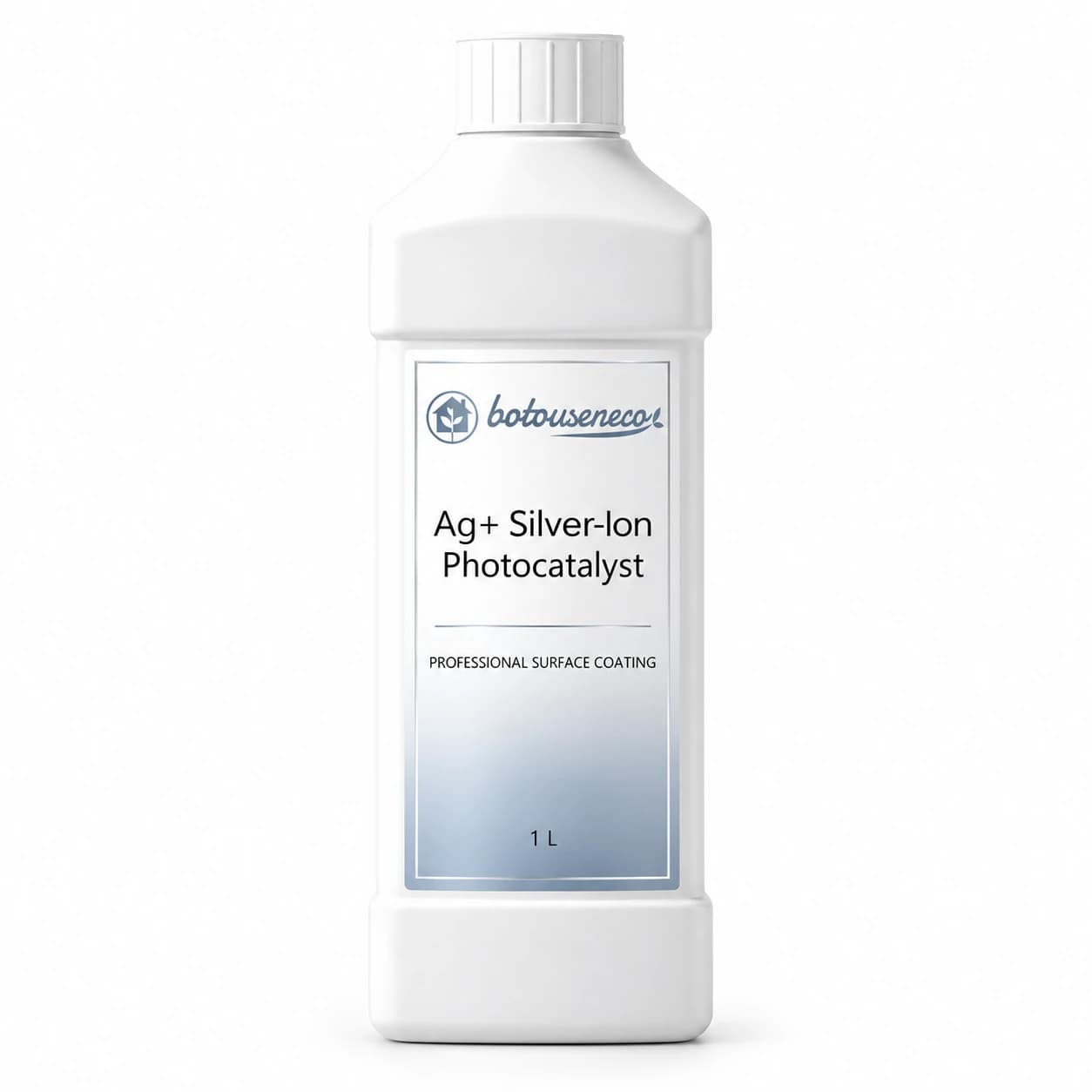
Step 3 · Walls & fabrics
TVOC & Photocatalyst
Ag⁺ dark-active photocatalyst
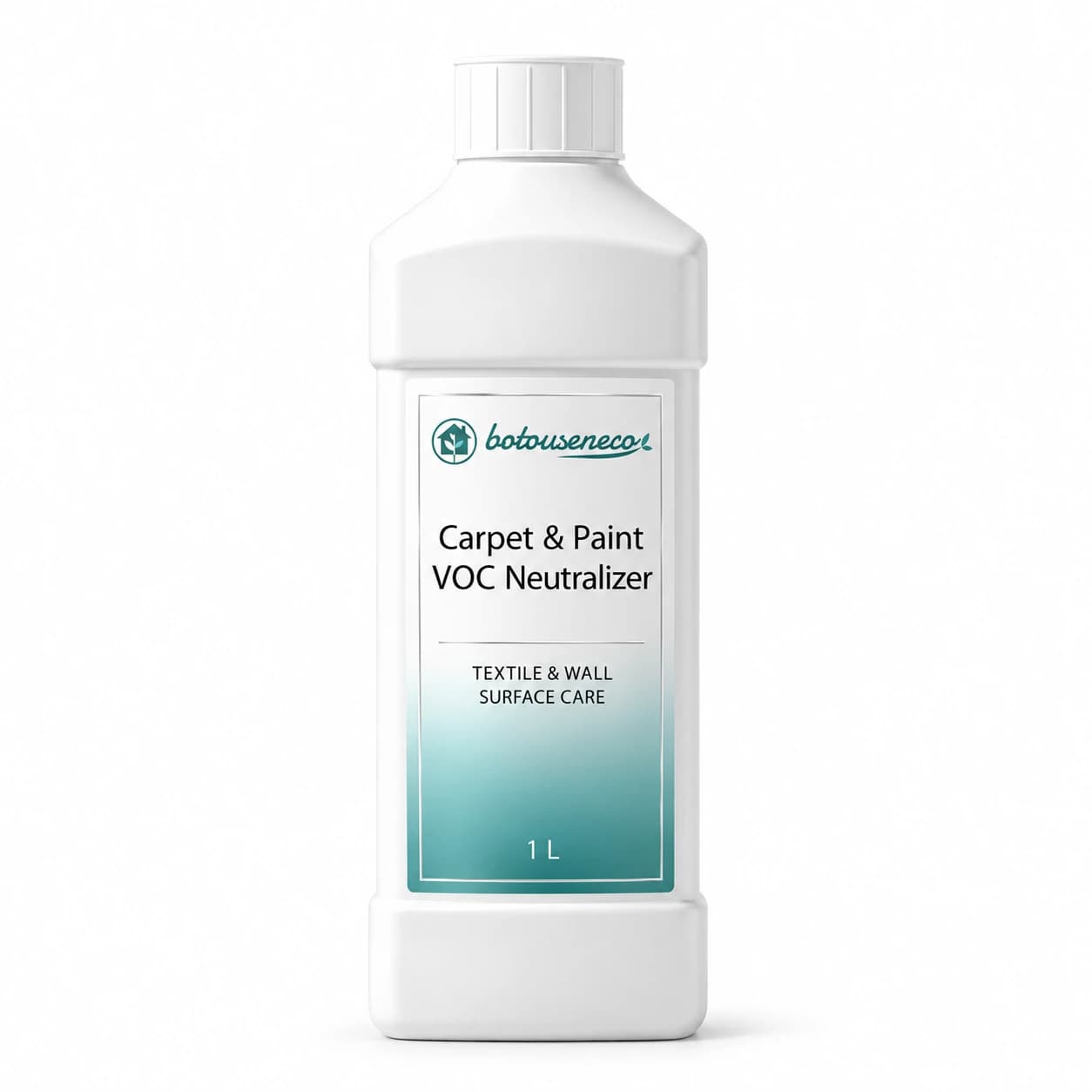
Refurbishment
TVOC & Photocatalyst
Carpet & paint VOC specialist
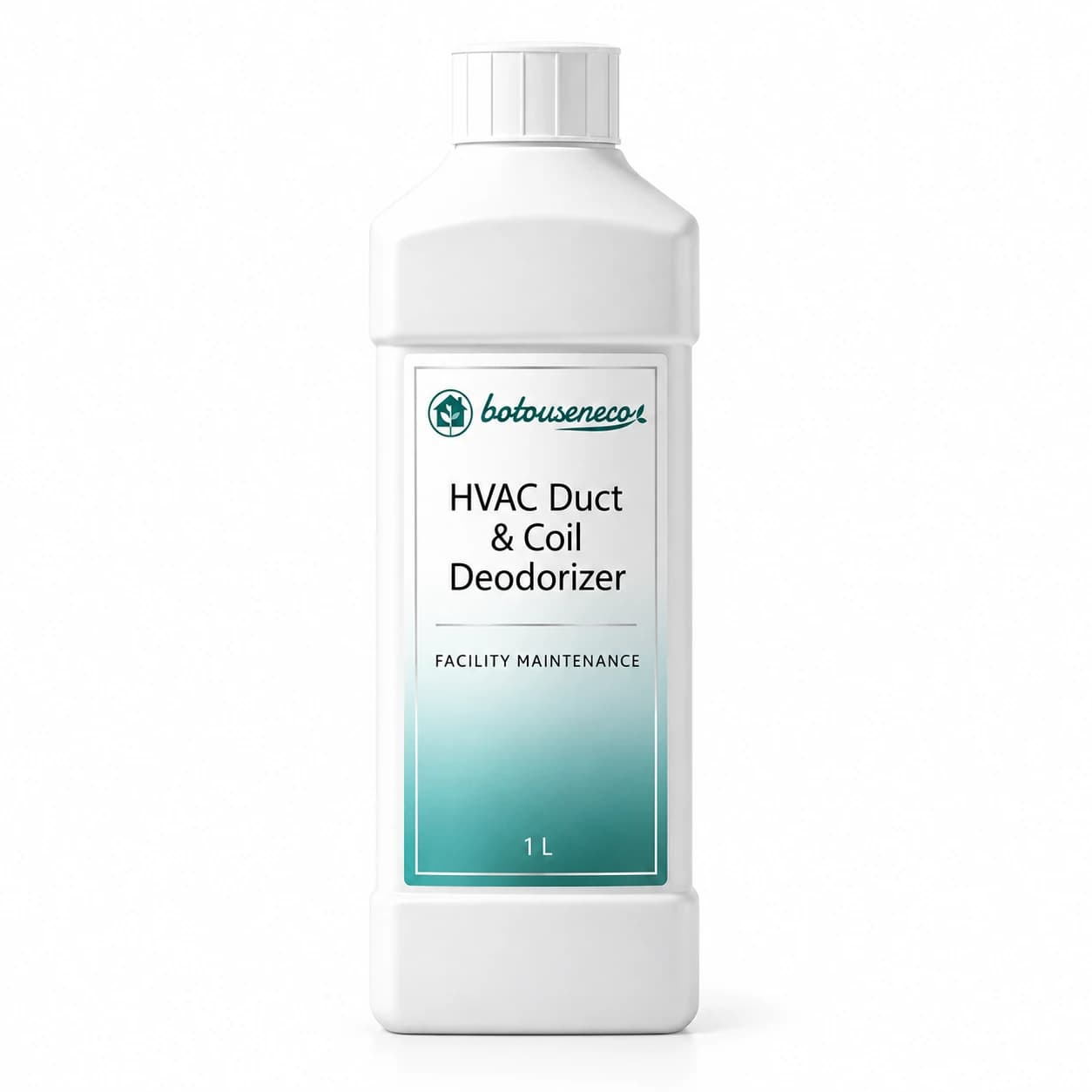
AC coils & ducts
Bio-Enzyme & Odor
Non-corrosive coil & duct formula
General odor
Lounge seating
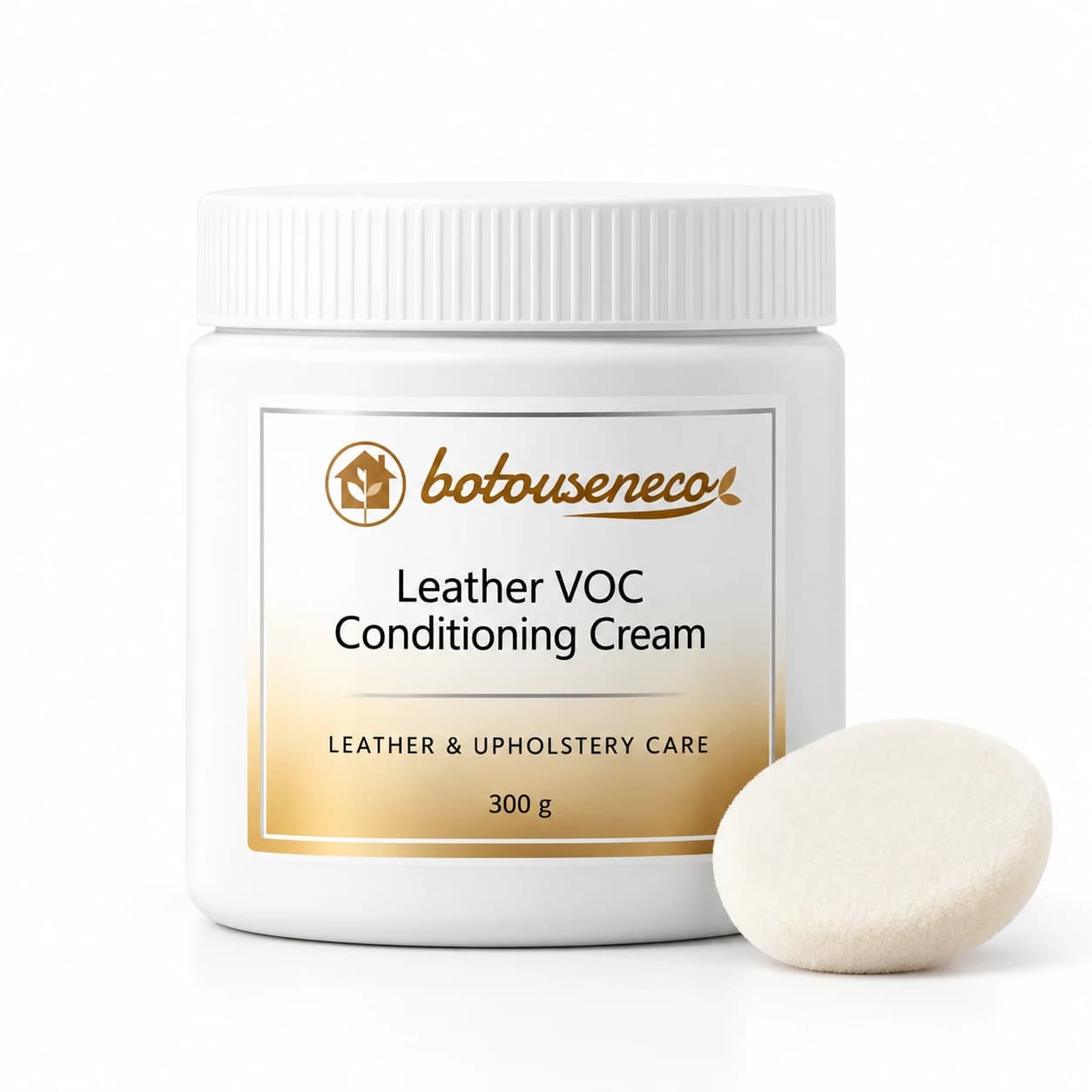
Surface & Leather Care
Leather conditioning balm
Closets
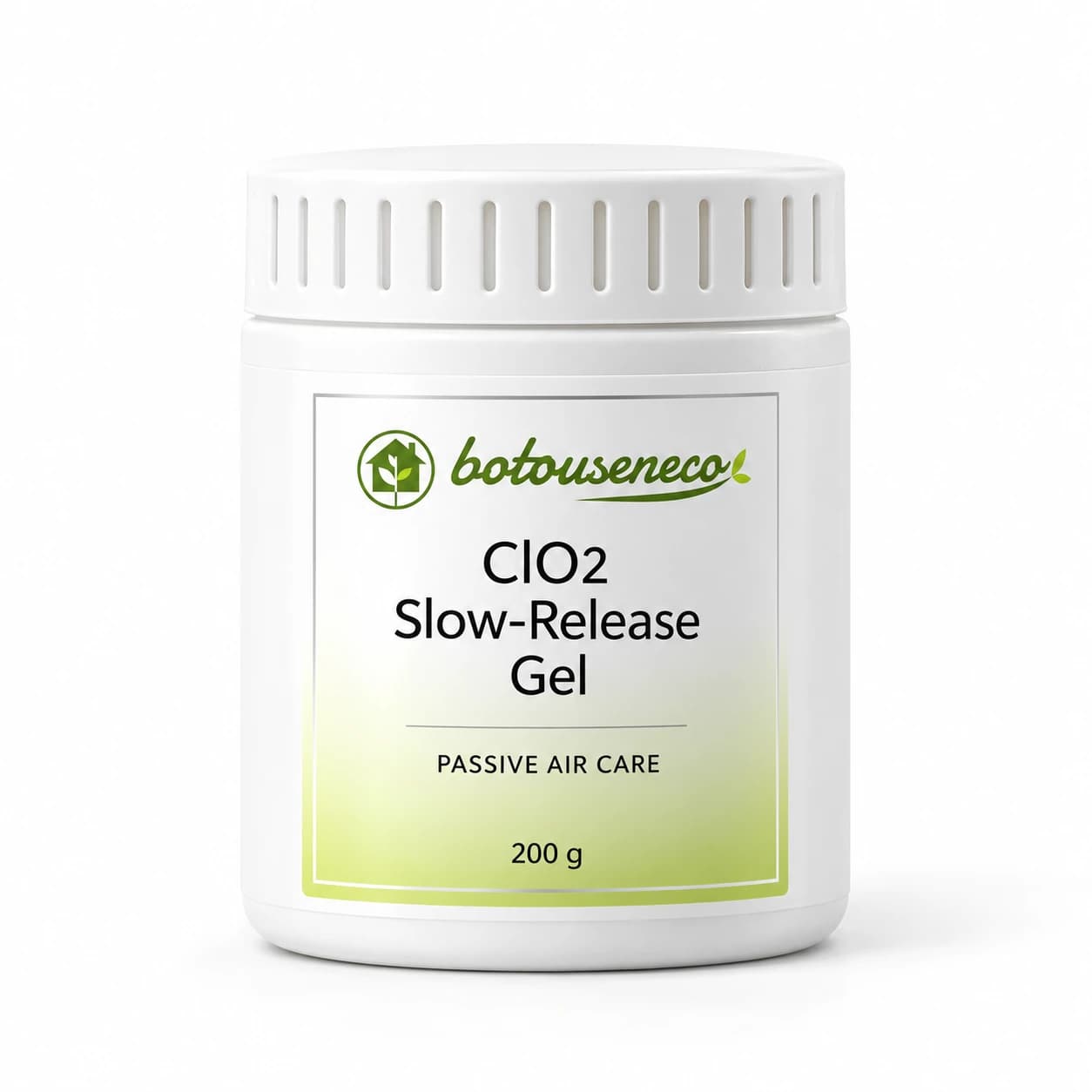
Gels & Adsorbents
90-day ClO₂ slow-release gel
03Workflow
ULV cold-fog the room volume and the AC intake, then mist curtains, carpets and headboards directly. The room is left with a crisp, perfume-free profile after 30–45 minutes.
Saturate urine spots on carpets, mattresses and grout to the same depth as the spill, or use a 1:5 dilution as a floor and carpet wash. Do not mix with bleach or quaternary ammonium disinfectants.
Coat walls and soft surfaces with the Ag⁺ photocatalyst using a 0.5 mm HVLP gun at 8–12 ml/m². It keeps working in dim corridors and after lights out, and the stabilized silver does not grey white walls.
Treat new carpet tiles and fresh paint with the carpet & paint VOC neutralizer, and clean FCU coils and drain pans with the neutral, no-rinse coil deodorizer during seasonal AC servicing.
04By the numbers
05Quantity estimate
Pick a formulation and the area to treat. Estimates use the coverage published in each technical data sheet.
Published coverage: 10 – 15 ml/m² on fabrics or 5 – 10 ml/m³ ULV room fogging
Use 2–3 passes for raw high-density board or heavy TVOC loads.
Estimated quantity
3.0–4.5L
10–15 ml/m² × 300 m² × 1 pass
Estimate from the published coverage range. Real consumption depends on substrate porosity, nozzle size and baseline readings — our engineers confirm it with your quote.
06Questions
Housekeeping fogs the room and AC intake with Hospitality Smoke & Nicotine Odor Eliminator and mists the soft furnishings. The room has a neutral, perfume-free profile after 30–45 minutes, so recovery fits into a normal turnaround window.
No. The contractor grades decompose or bind odor molecules and are fragrance-free or neutral. Custom scent profiles can be formulated if you want a signature smell for a private-label housekeeping line.
Not at the same time. Bleach and quaternary ammonium disinfectants deactivate the enzymes. Apply the bio-enzyme first, let it dry, and disinfect separately.
Yes. HVAC Duct & Coil Deodorizer is pH 7.0 with aluminium and copper corrosion inhibitors and self-flushing surfactants, so evaporator coils that drain condensate need no rinsing.
Keep reading
Step-by-step hotel housekeeping SOP to neutralize third-hand smoke (THS), nicotine alkaloids, pyridine, and tar films in 30 to 45 minutes using pH 5.2 to 6.2 protonation sprays and ULV fogging.
 Loo
Step-by-step guide to digesting water-insoluble uric acid crystals and ammonia in pet-friendly hotel carpets and tile grout using >=10^8 CFU/mL Bacillus spores and plant polyphenols at 20 to 40 ml/m2.
Loo
Engineering tutorial on eliminating HVAC microbial VOCs (geosmin, 2-methylisoborneol, and dirty sock syndrome) and evaporator coil biofilm at 20 to 30 ml/m2 using pH 7.0 corrosion-inhibited cationic sprays.
Loo
Step-by-step guide to neutralizing winter-poured concrete anti-freeze ammonia (NH3) and restroom floor drain hydrogen sulfide (H2S) at 8 to 15 ml/m2 using fragrance-free plant polyphenol chelation.
Loo
Head-to-head hospitality engineering comparison of portable corona-discharge ozone generators versus molecular polyphenol and bio-enzymatic liquid deodorizers across room lockout time, secondary formaldehyde spikes, and elastomer cracking.
Loo
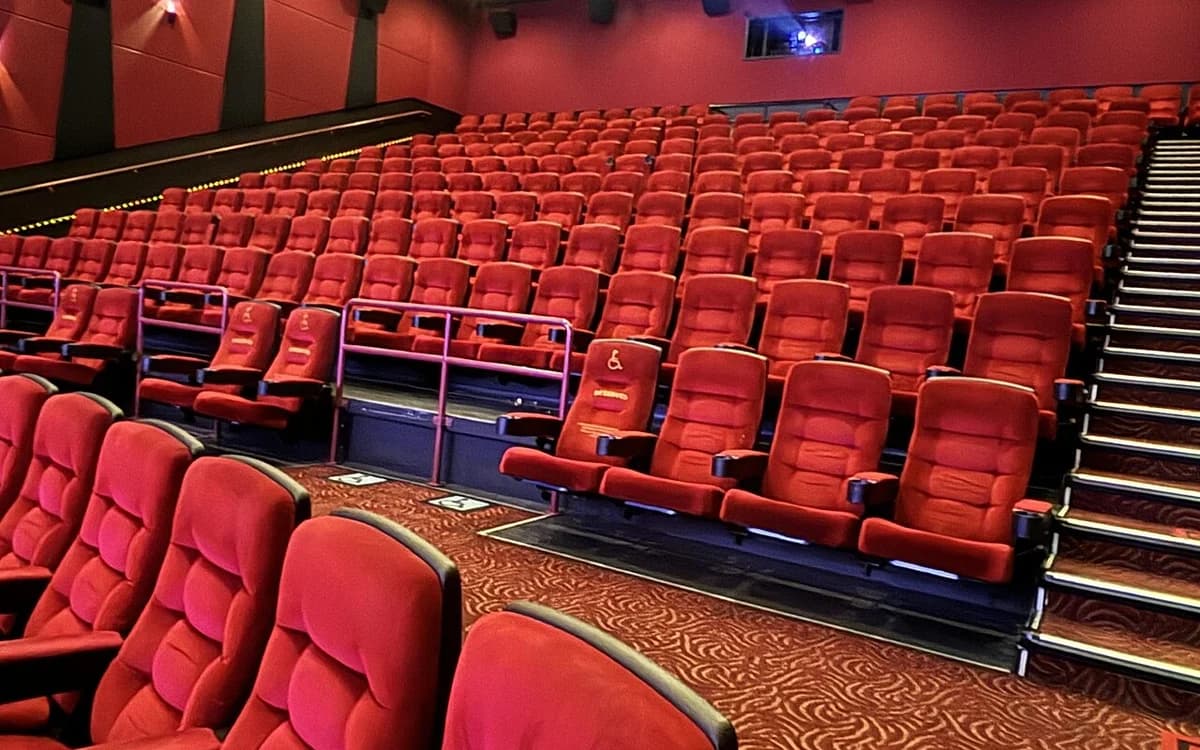
Step-by-step IAQ tutorial for windowless cinemas, KTV lounges, and theaters combining 95 C thermal steam extraction (20 to 30 ml/m2) on fire-retardant velvet seating with 0-Lux dark-active Ag+ silver-ion coatings (8 to 12 ml/m2).
Loo
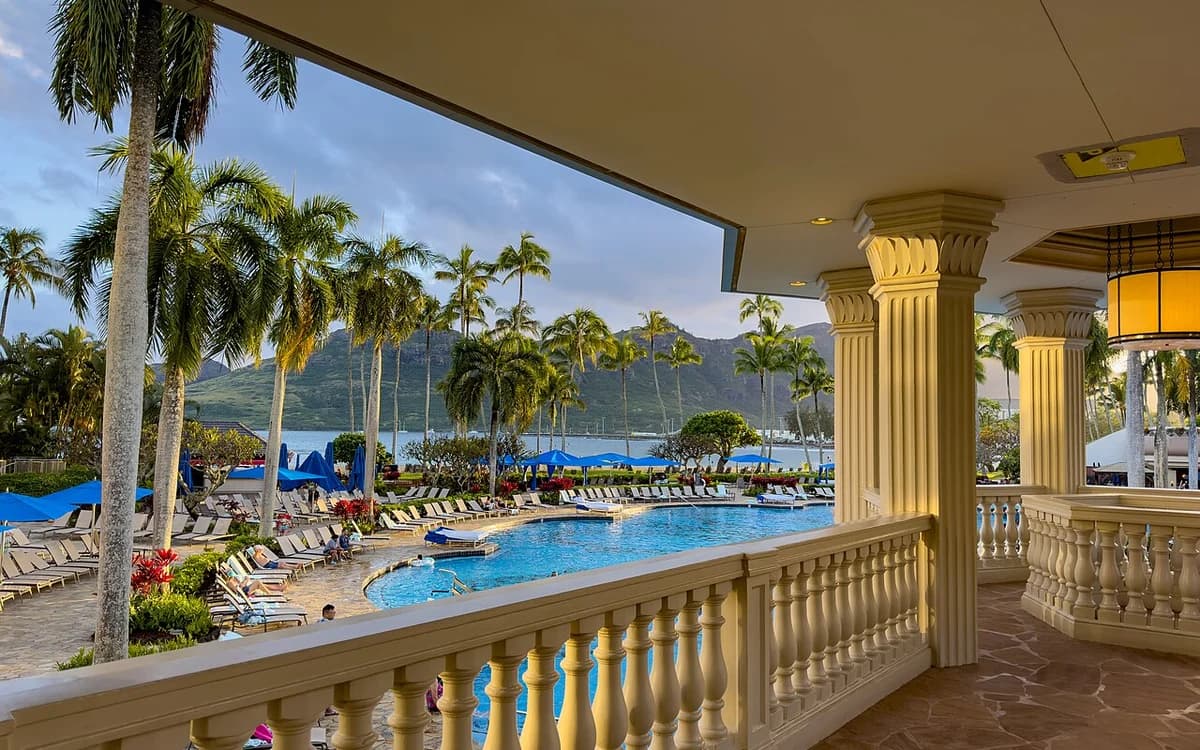
Step-by-step hospitality engineering guide to preventing black mold (Aspergillus niger) and musty geosmin odors in coastal and tropical resort hotels at 85% RH using pH 7.0 FCU coil cleaners, Ag+ dark-active coatings (8 to 12 ml/m2), and 90-day ClO2 gels.
Loo
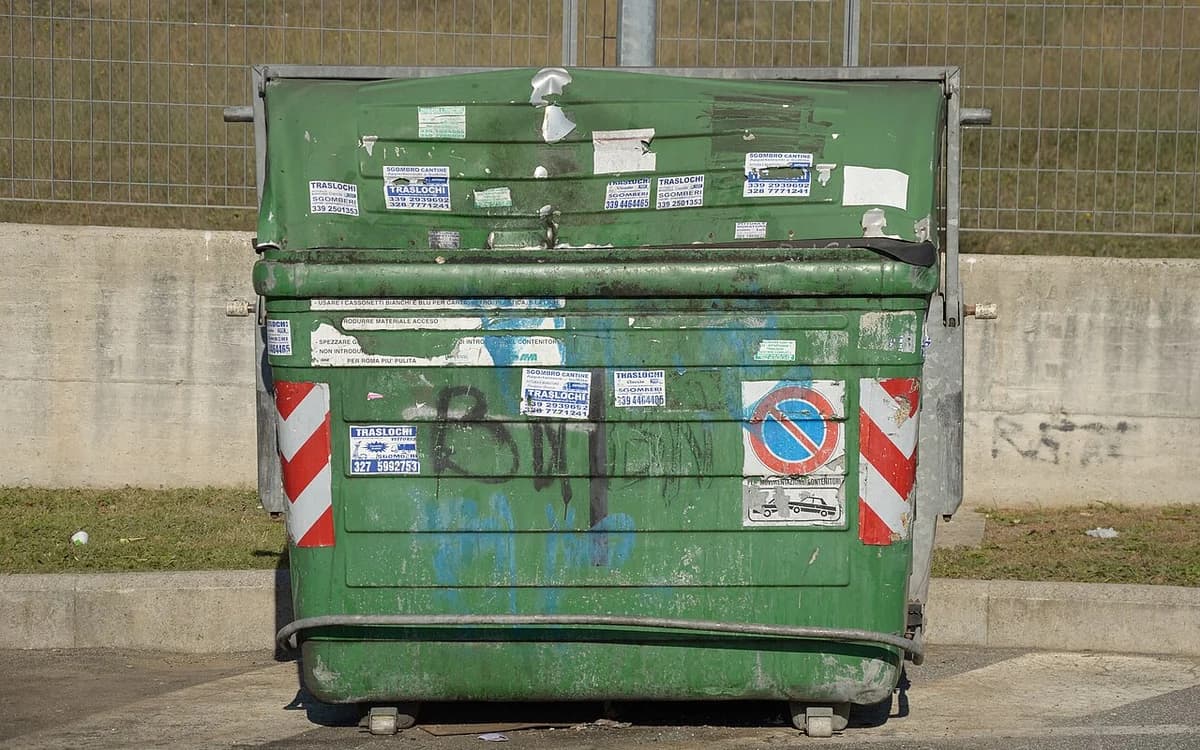
Step-by-step facility management tutorial on eliminating hydrogen sulfide (H2S), methyl mercaptan, trimethylamine, and rancid fat odors in commercial refuse rooms, trash chutes, and grease traps using >=10^8 CFU/mL Bacillus spores and plant polyphenols.
Loo
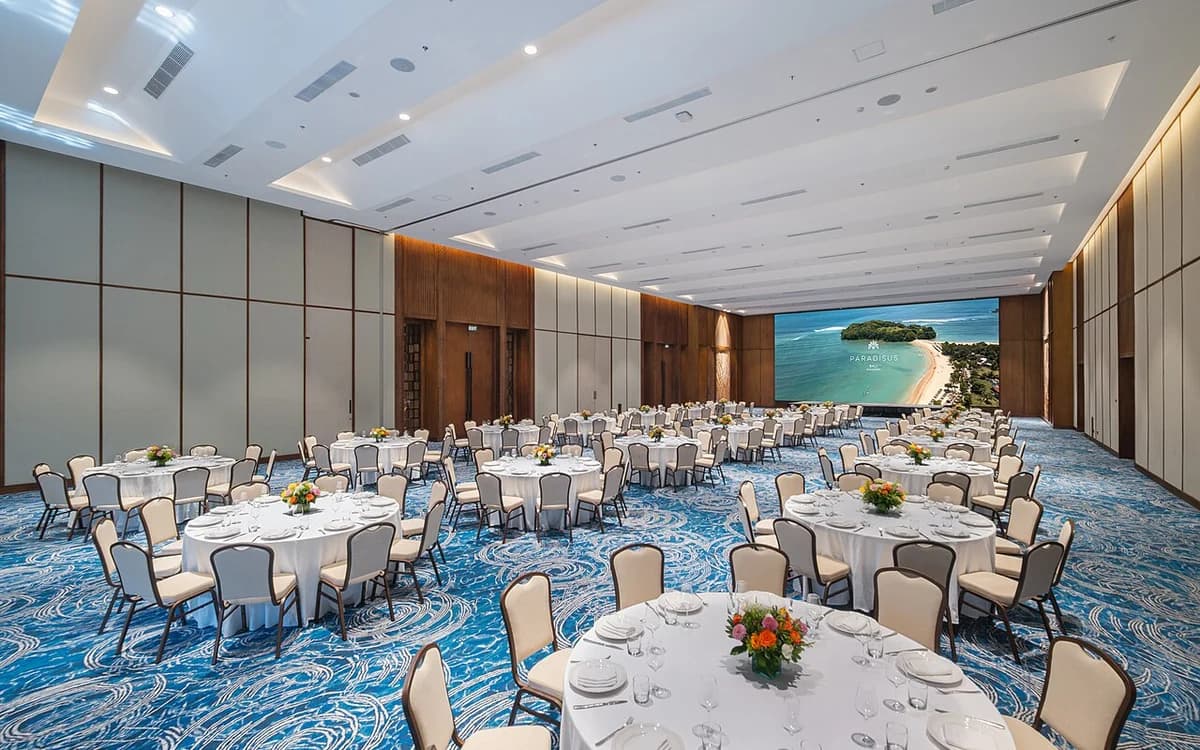
Step-by-step hospitality F&B turnaround guide to neutralizing cooking-oil nonanal, hexanal, acrolein, cigar tar, and vape glycerol on banquet hall carpets and velvet drapes in 90 minutes using micellar protonation sprays and ULV fogging.
Loo
Why winter-renovated rooms suffer formaldehyde spikes in spring and summer, and how IAQ crews use simulated-summer steam treatment to stop callbacks.
Loo
Last updated
Factory-direct supply
Tell us the rooms, materials and volumes involved. Our Botou engineering desk replies with a matched set of formulations, dosages and documents.