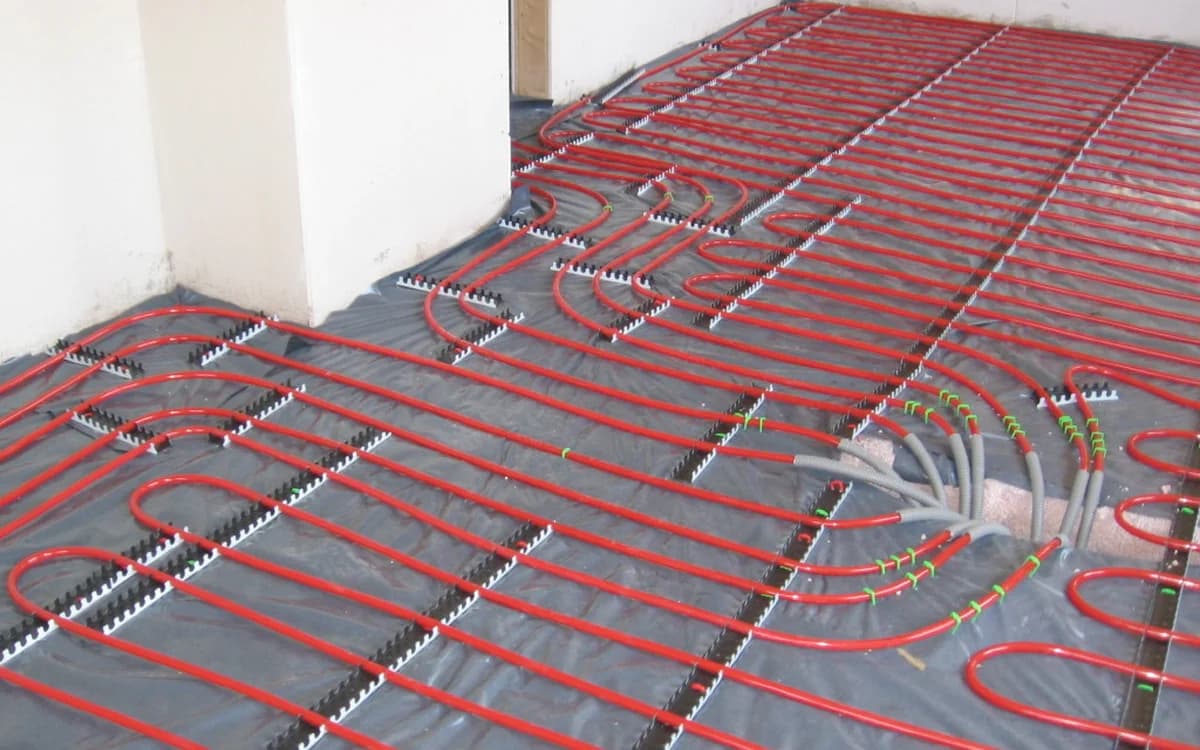
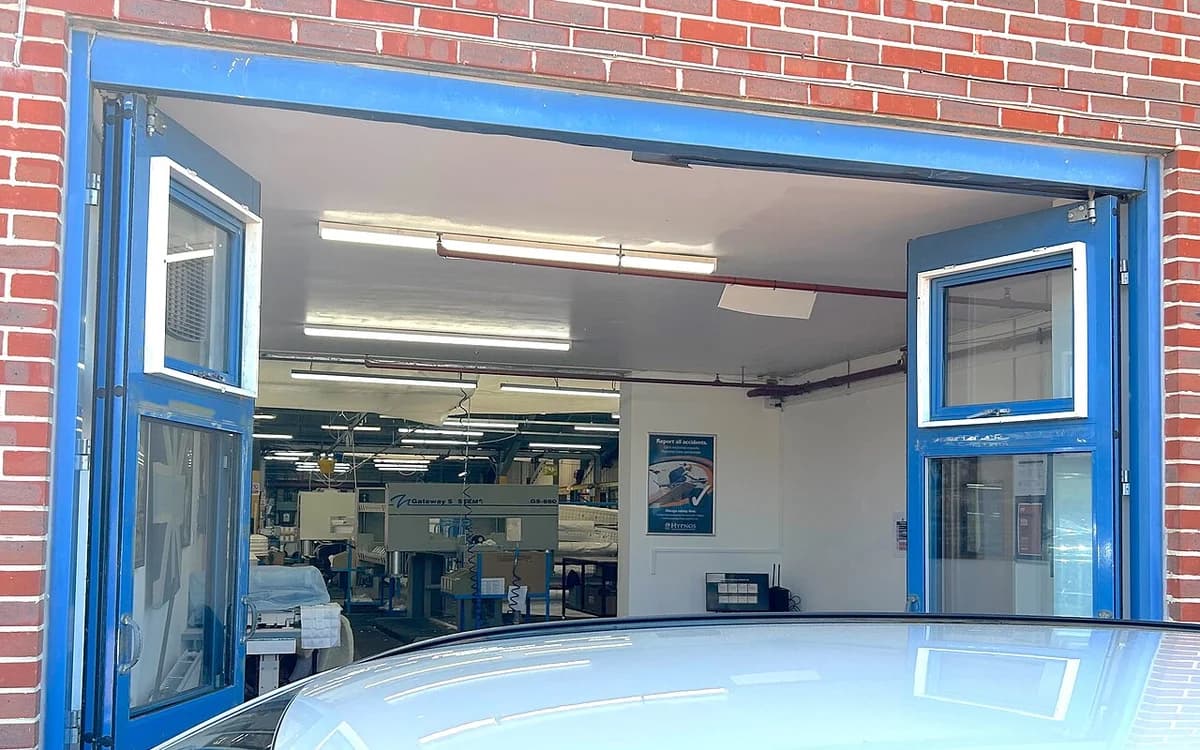
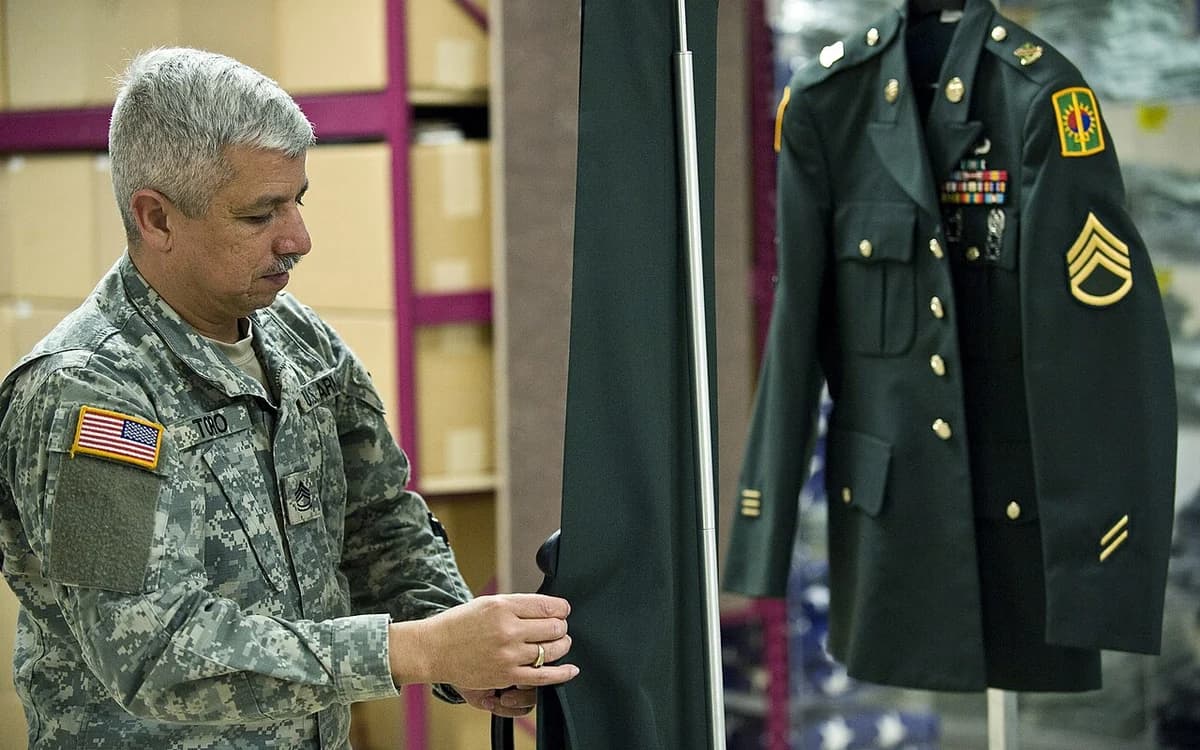
100°C Thermal Stability
Active scavenging ingredients do not flash off, char, or clog heating coils inside commercial steam fumigators.
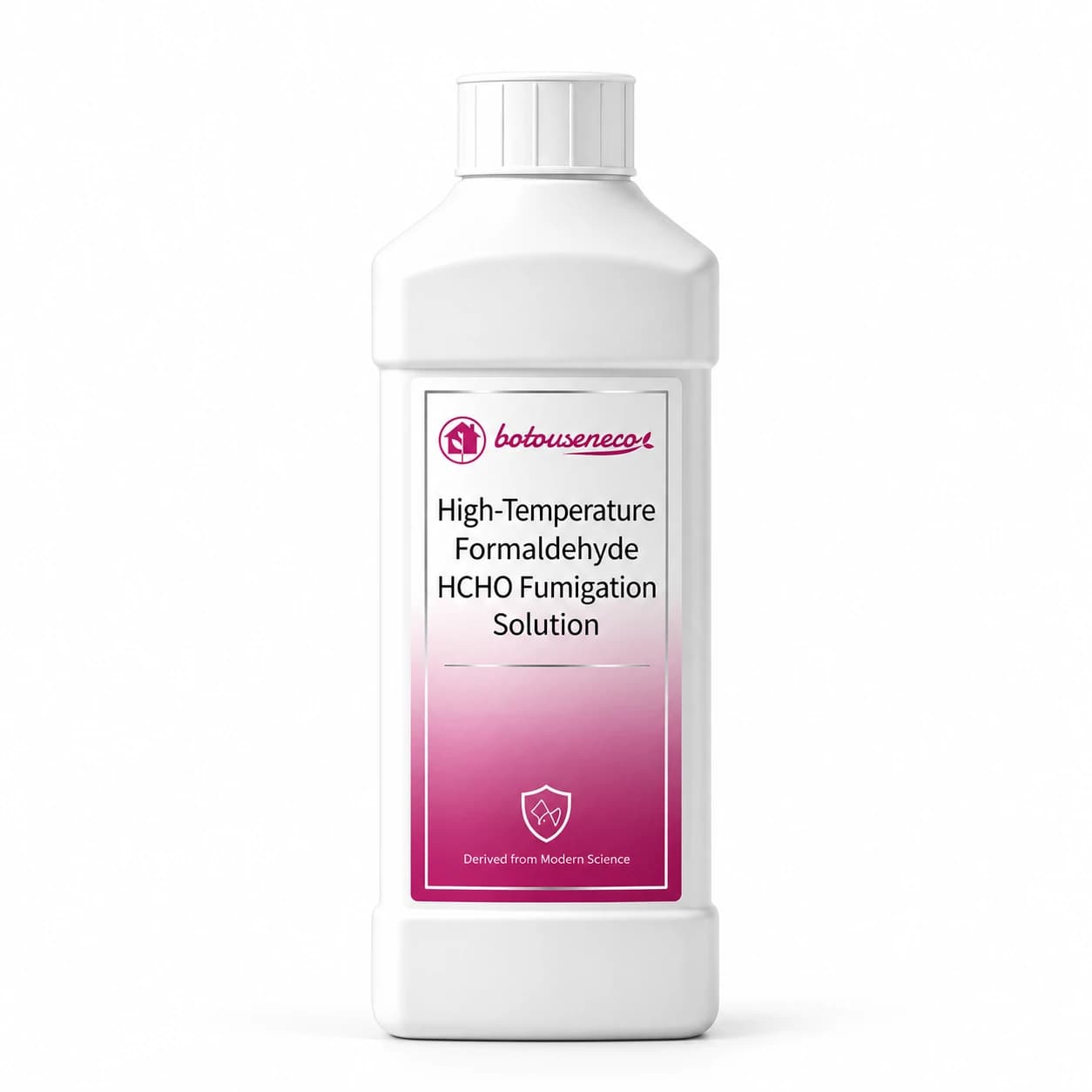 01 / 05 · Studio Packshot
Thermal Steam Extraction Fluid
botouseneco High-Temperature Formaldehyde HCHO Fumigation Solution is a thermal-stable catalytic fluid engineered for professional steam fumigation machines (60°C–90°C nozzle output). By combining localized heat, humidity, and active aldehyde scavengers, it accelerates 3–6 months of dormant urea-formaldehyde off-gassing and neutralizes it on-site during Stage 1 deep remediation.
Last updated
01Overview
Accelerate dormant resin hydrolysis and neutralize deep-seated formaldehyde in a single thermal cycle.
According to Arrhenius kinetics, formaldehyde emission from engineered wood doubles with every 7°C–10°C rise in temperature and increases sharply above 65% relative humidity. Professional IAQ contractors exploit this principle using high-temperature steam fumigation equipment. botouseneco High-Temperature Formaldehyde HCHO Fumigation Solution is specifically formulated to be added into thermal steamer tanks or atomized alongside high-heat steam without thermal decomposition—drawing out and neutralizing deep-seated HCHO from wardrobes, sofas, curtains, and mattresses.
Active scavenging ingredients do not flash off, char, or clog heating coils inside commercial steam fumigators.
Flushes out shallow-bound methylol formaldehyde reserves that would otherwise off-gas during the first summer season.
Ideal for sanitizing and removing finishing-resin formaldehyde from new curtains, carpets, and bed mattresses.
Designed as Step 1 prior to Formaldehyde Remover (Step 2) and Nano Photocatalyst Spray (Step 3).
Reaction mechanism
Heat-resistant polyamine and plant-organic scavengers remain stable at 60°C–100°C steam temperatures. As thermal moisture expands wood micro-capillaries and hydrolyzes weakly bound methylol groups (-CH₂OH) into free HCHO, the vaporized active agents immediately trap the released gas before it can escape into room air.
Reaction pathway
ΔT (60–90°C) + H₂O → Rapid UF Hydrolysis02Technical data
Published factory QC parameters for engineering submittals, tenders and procurement files, grouped the way distributors list them.
English TDS, GHS-format SDS and a batch COA for High-Temperature HCHO Fumigation Solution.
Request documents| Operating Temperature | Stable across 20°C – 100°C thermal steam / fogging workflows |
|---|---|
| Grade | Professional IAQ Contractor & Millwork Grade |
| CAS number(s) | 7732-18-5 (Deionized Water) · 9002-98-6 (Polyamine Scavenger Polymer) · 9012-76-4 (Modified Chitosan / Amino Co-Reactant) |
| Appearance | Clear to pale amber homogeneous liquid |
| Odor | Odorless to faint botanical neutral note |
| Density | 1.02 - 1.05 g/cm³ (20 °C) |
| Viscosity | 2.5 - 6.0 mPa·s (25 °C) |
| Flash point | Non-flammable (Aqueous base, >100 °C closed cup) |
| Solubility | 100% miscible in water |
| VOC content | < 5 g/L (Ultra-low VOC, zero added formaldehyde) |
| HS code | 3824.99.9990 |
| Target Pollutant | Deep-bound Formaldehyde (HCHO) in engineered panels and textiles |
|---|
| Equipment Compatibility | Non-scaling formula safe for stainless steel & aluminum steamer boilers |
|---|---|
| Recommended Dosage | 20 – 30 ml/m² across target cabinetry and soft furnishings |
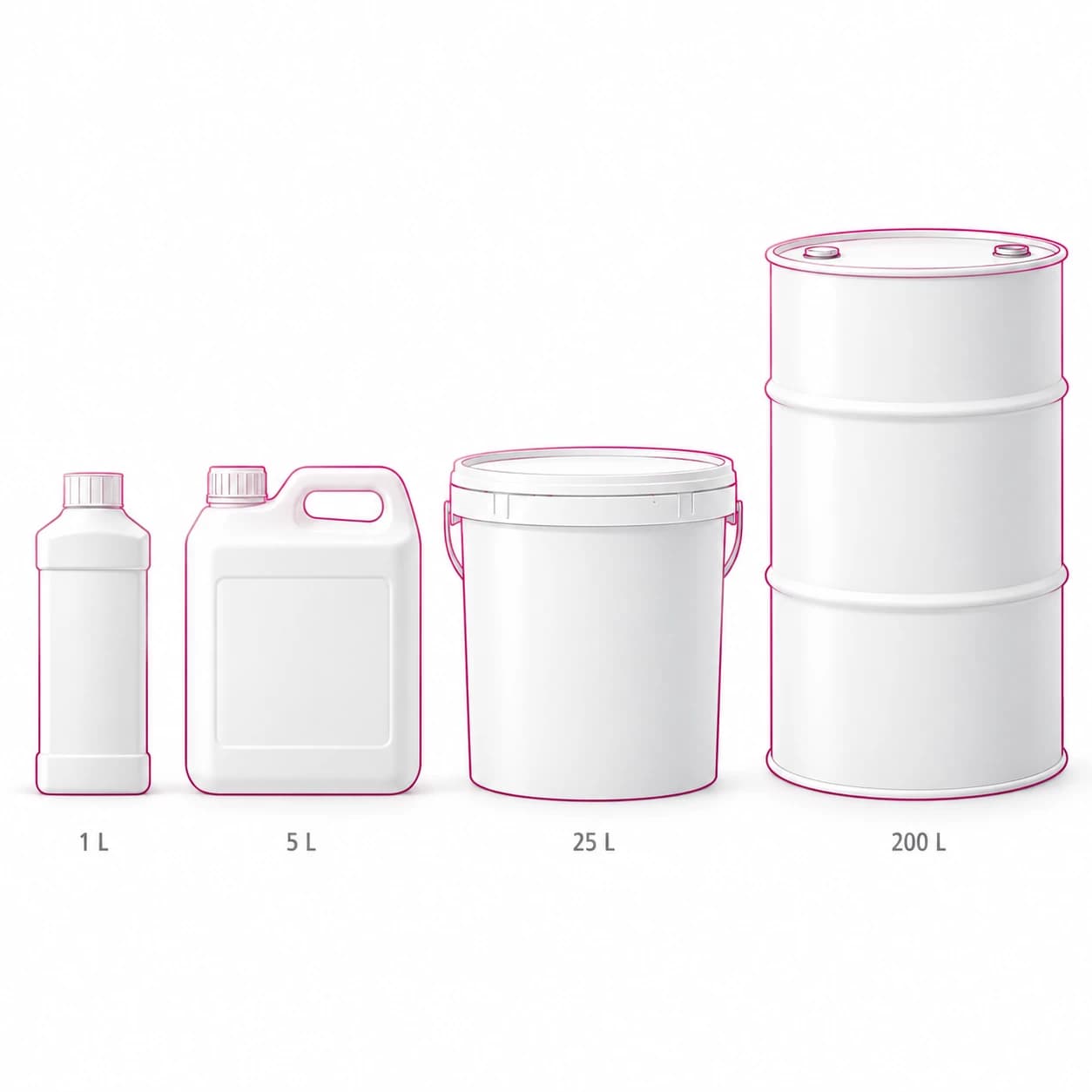
| Packaging Options | 1L / 5L / 20L / 25L / 200L B2B containers |
|---|
03Application
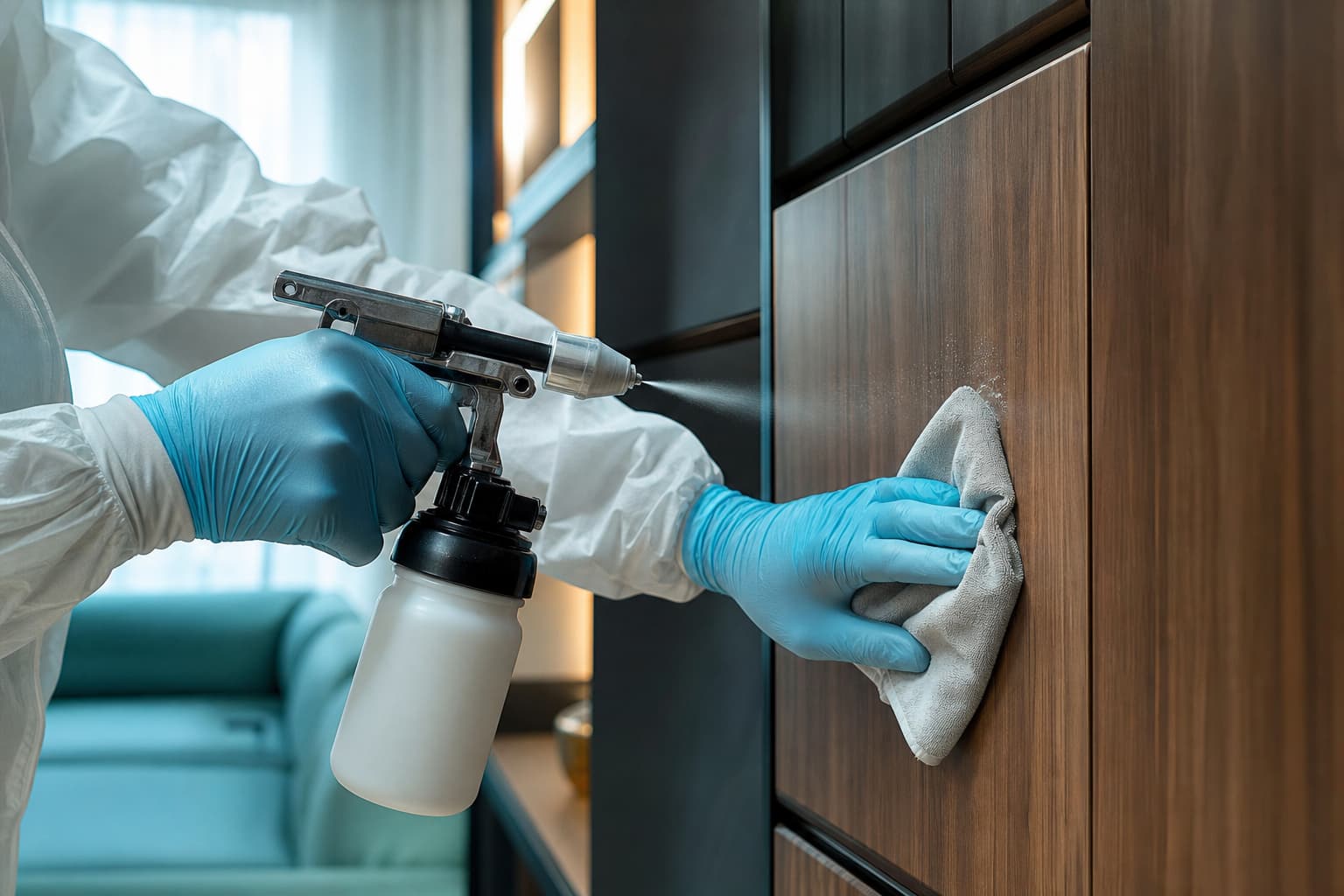
Keep steamer nozzle 15–25 cm from veneers and edge-banding.
Move the steam fumigation head steadily across cabinet panels, sofa fabrics, and curtains so substrates warm to 40°C–50°C without blistering thermoplastic PVC edges or saturating drywall.
Record initial HCHO/TVOC readings (mg/m³), room temperature (°C), relative humidity (% RH), and closure window (1h vs. 12h).
Identify whether off-gassing stems from urea-formaldehyde MDF/particleboard, phenolic plywood, solvent lacquers, or textile backings.
Calculate total surface area (m²) of panels, walls, and ceilings to determine exact liquid volume (ml/m²) and nozzle gauge (0.5mm–1.0mm).
Confirm sample evaluation batch, TDS/MSDS export documentation, and commercial drum sizing (1L / 5L / 20L / 25L / 200L).
Do not overheat heat-sensitive PVC edge banding or delicate electronics
04Safety, handling & compliance
Hazard classification, storage and transport data follow the product's safety data sheet. Request the SDS for the full 16-section document.
Do not overheat heat-sensitive PVC edge banding or delicate electronics
Protective equipment: Nitrile gloves, safety glasses, and FFP2/N95 mist mask during enclosed HVLP atomization.
Non-Dangerous Goods (Non-DG) for sea, air, and road freight (Not regulated under IMDG, IATA, or ADR).
Certificate copies and full test reports are shared with buyers on request. Request copies · Quality & certifications
| Test | Standard | Laboratory | Result |
|---|---|---|---|
| 24h Closed-Chamber Pollutant Abatement | ISO 16000-9 / GB/T 18883-2022 1 m³ Chamber | CMA/CNAS Accredited Environmental Lab & botouseneco QC Center | ≥ 95.8% 24h free HCHO reduction |
| Substrate Corrosion, pH Neutrality & Zero-Stain Verification | GB/T 18883 Annex & ISO 2409 Surface Integrity Protocol | botouseneco Botou R&D Lab (Supervised by Jyen) | Pass (pH 6.5-7.5; 0% yellowing, blistering, or hardware corrosion) |
05Ordering & logistics
06Documents
Every shipment travels with these documents. Download them here when available, or request the current version from our engineers.
07Dosage
Based on the published coverage for High-Temperature HCHO Fumigation Solution: 20 – 30 ml/m² (diluted or direct per steamer specification).
Published coverage: 20 – 30 ml/m² (diluted or direct per steamer specification)
Use 2–3 passes for raw high-density board or heavy TVOC loads.
Estimated quantity
6.0–9.0L
20–30 ml/m² × 300 m² × 1 pass
Estimate from the published coverage range. Real consumption depends on substrate porosity, nozzle size and baseline readings — our engineers confirm it with your quote.
08Questions
High-Temperature HCHO Fumigation Solution is formulated with deionized water and non-scaling organic scavengers. Depending on your machine design, it can either be sprayed onto the substrate immediately before steam heating or fed through compatible chemical-injection steam fumigators.
09Related
Formaldehyde & Benzene
Dual-phase micro-emulsion
Formaldehyde & Benzene
Deep-pore edge sealer
Formaldehyde & Benzene
Bio-based chitosan scavenger
Engineering journal
Step-by-step dosing schedules, chamber test datasets and substrate compatibility guides written by our Botou formulation and QC team.
All 66 engineering guidesComplete IAQ contractor crew PPE, EN 14387 ABEK1P3 respirator, and 12-substrate masking SOP for protecting piano-black lacquer, brass, silk, OLED screens, and smoke detectors during HVLP spraying.
 Jyen
Step-by-step IAQ tutorial for windowless cinemas, KTV lounges, and theaters combining 95 C thermal steam extraction (20 to 30 ml/m2) on fire-retardant velvet seating with 0-Lux dark-active Ag+ silver-ion coatings (8 to 12 ml/m2).
 Loo
Step-by-step IAQ guide to stopping winter underfloor heating (35 C to 45 C) formaldehyde surges from engineered wood flooring by sealing raw plywood subfloors at 25 to 40 ml/m2 and buffing tongue-and-groove seams with care wax at 10 to 15 g/m2.
Loo
Step-by-step textile IAQ guide to removing free and cross-linked formaldehyde from curtains, mattresses, and upholstered acoustic walls at 15 to 20 ml/m2 while keeping ISO 105 colorfastness (Delta E < 0.4) and Class-A infant safety (< 20 mg/kg).
Loo
Engineering analysis of Stage 1 thermal steam fumigation kinetics (60 to 95 C) using High-Temperature Formaldehyde HCHO Fumigation Solution at 20 to 30 ml/m2 to flush and capture 3 to 6 months of shallow formaldehyde.
Jyen
Why winter-renovated rooms suffer formaldehyde spikes in spring and summer, and how IAQ crews use simulated-summer steam treatment to stop callbacks.
Loo
Factory-direct supply
Request a sample with the English TDS and SDS, or send your project size for a bulk or private-label quotation of High-Temperature HCHO Fumigation Solution.