Zero Thermal Desorption
Chemical conversion inside the pores prevents trapped formaldehyde from escaping when room temperatures rise.
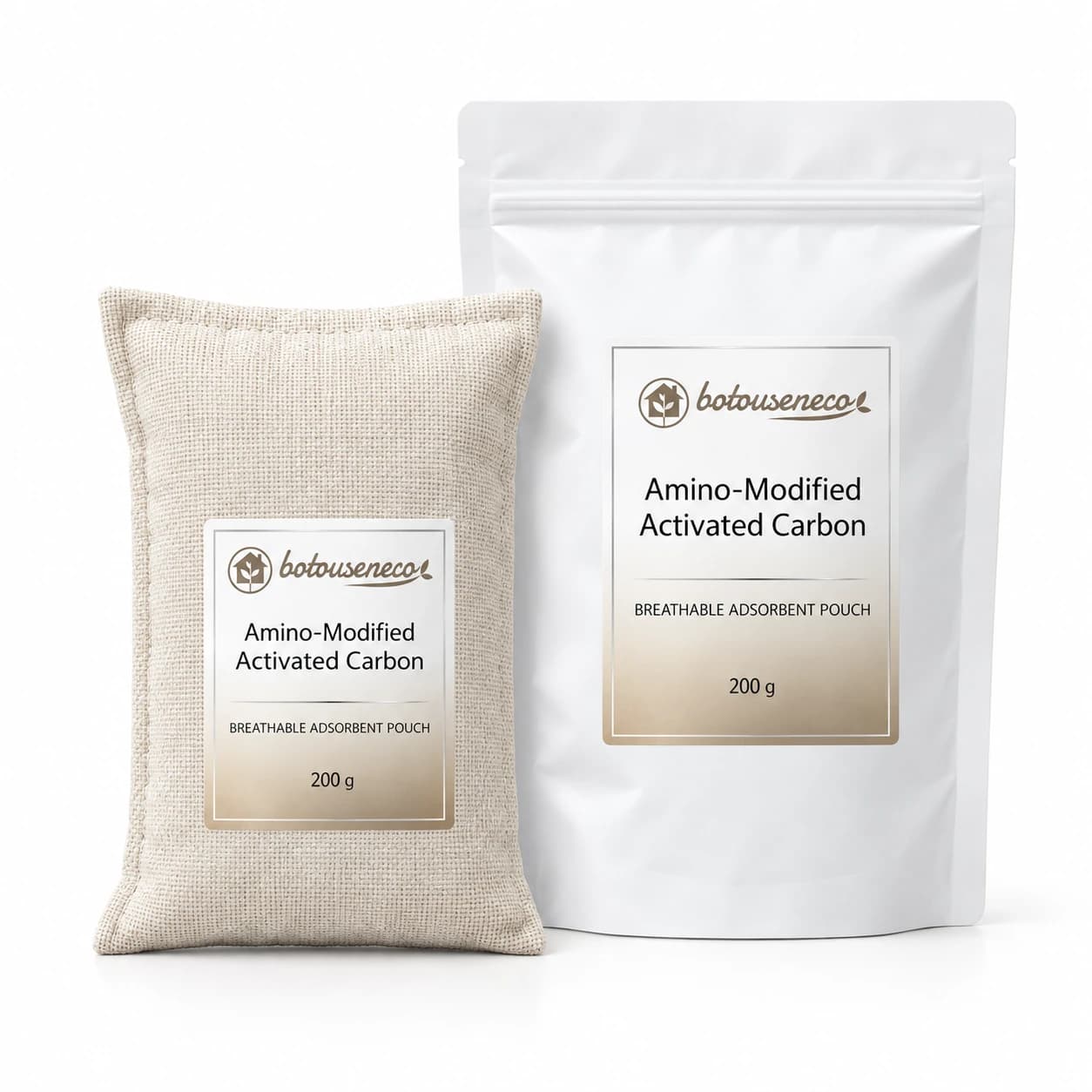 01 / 05 · Studio Packshot
Zero-Desorption Chemisorption Charcoal
botouseneco Amino-Acid Modified Activated Carbon Packs upgrade traditional physical charcoal into an irreversible chemisorption medium. Using high-iodine (≥1050 mg/g) coconut-shell columnar carbon impregnated with 8% amino-acid salts, it physically captures and chemically decomposes formaldehyde inside drawers, wardrobes, and cars without secondary thermal desorption.
Last updated
01Overview
True chemisorption carbon packs that never release trapped formaldehyde back into hot rooms.
Ordinary bamboo or coal activated carbon relies purely on weak van der Waals physical adsorption: because formaldehyde has a low boiling point (-19.5°C) and high polarity, standard charcoal saturates within 7–15 days and releases trapped HCHO back into the room as soon as summer temperatures rise above 28°C. botouseneco Amino-Acid Modified Activated Carbon Packs eliminates this industry pain point. We select high-iodine (≥1050 mg/g) virgin coconut-shell microporous carbon and vacuum-impregnate its internal pore walls with active amino-acid salts—turning every carbon pellet into a solid-phase chemical reactor.
Chemical conversion inside the pores prevents trapped formaldehyde from escaping when room temperatures rise.
Virgin microporous coconut-shell carbon provides 3x the micropore volume of cheap coal or bamboo charcoal.
Vacuum-impregnated food-grade amino salts multiply formaldehyde breakthrough capacity by over 600%.
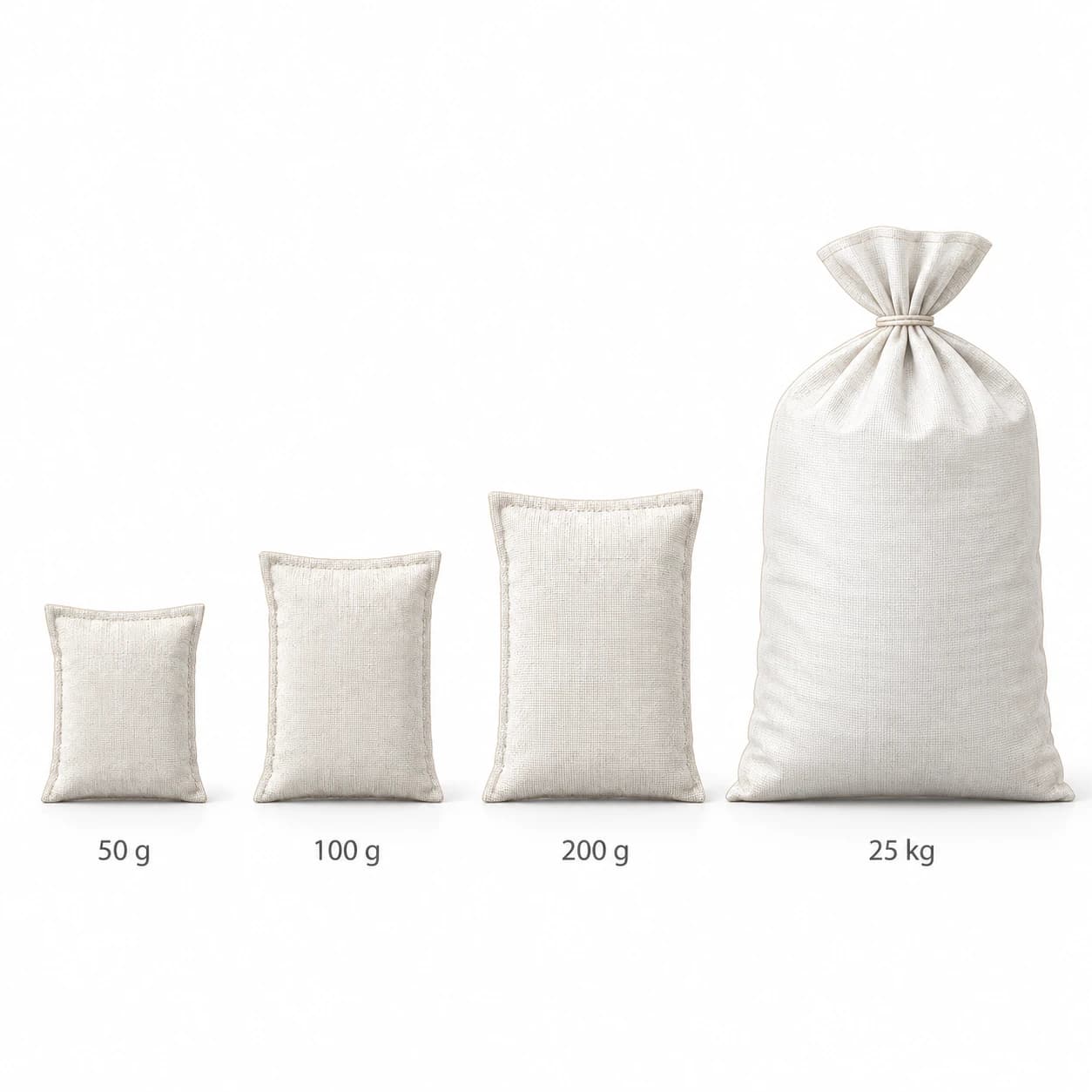
Available as retail-ready linen/SMS pouches (50g–500g) or 25kg bulk bags for filter manufacturers.
Reaction mechanism
Developed pore networks (0.6–2.0 nm) capture airborne HCHO and benzene homologues via capillary condensation. Inside the pore channels, grafted primary amine (-NH₂) groups immediately convert adsorbed formaldehyde into non-volatile urotropine/imine derivatives, regenerating physical pore capacity and preventing thermal desorption.
Reaction pathway
Microporous Carbon (≥1050 mg/g) + Amino Graft02Technical data
Published factory QC parameters for engineering submittals, tenders and procurement files, grouped the way distributors list them.
English TDS, GHS-format SDS and a batch COA for Amino-Modified Activated Carbon.
Request documents| Chemical Modification | 8% wt/wt Vacuum-Impregnated Amino-Acid & Catalytic Salt Complex |
|---|
| Base Carbon & Iodine Value | Virgin Coconut-Shell Columnar/Granular Carbon; Iodine Value ≥ 1050 mg/g |
|---|---|
| Grade | High-Capacity Chemisorption & Sustained-Release Grade |
| CAS number(s) | 7440-44-0 (Coconut-Shell Activated Carbon) · Amino-acid surface modifier (per SDS Section 3) |
| Appearance | Black columnar / granular coconut-shell carbon in breathable pouches |
| Odor | Odorless |
| Density | 0.48 - 0.78 g/cm³ (Bulk apparent density) |
| Viscosity | Not applicable (Solid granular carbon media) |
| Flash point | Non-flammable / Non-combustible under normal indoor conditions |
| Solubility | Insoluble in water (Solid microporous carbon media) |
| VOC content | 0 g/L (Zero VOC emission) |
| HS code | 3802.10.1000 |
| CTC Adsorption & Moisture | CTC ≥ 65%; Moisture Content ≤ 5% upon packing |
|---|
| Standard Pouch Sizes | 50g / 100g / 200g / 500g ultrasonic non-woven + linen pouches |
|---|---|
| Bulk Supply | 25 kg moisture-barrier woven sacks for industrial cartridge filling |
03Application
Ideal for dark, unventilated drawers where sprays and light cannot circulate.
Place 100g pouches at the rear of dresser drawers, filing cabinets, and storage beds. Because the formaldehyde is chemically converted inside the pellets, sun-drying is not required to prevent HCHO rebound.
Record initial HCHO/TVOC readings (mg/m³), room temperature (°C), relative humidity (% RH), and closure window (1h vs. 12h).
Identify whether off-gassing stems from urea-formaldehyde MDF/particleboard, phenolic plywood, solvent lacquers, or textile backings.
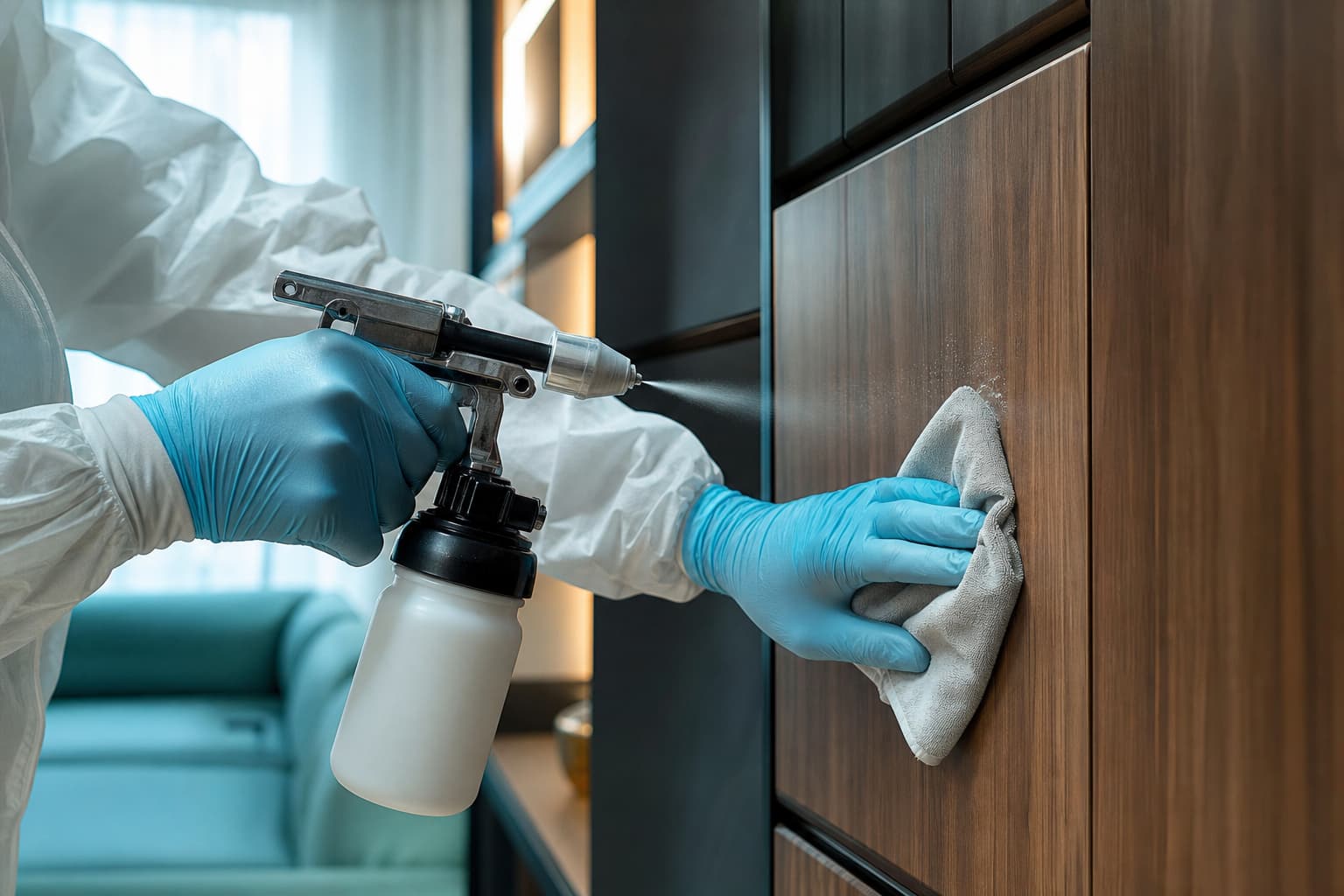
Calculate total surface area (m²) of panels, walls, and ceilings to determine exact liquid volume (ml/m²) and nozzle gauge (0.5mm–1.0mm).
Confirm sample evaluation batch, TDS/MSDS export documentation, and commercial drum sizing (1L / 5L / 20L / 25L / 200L).
Dust-free ultrasonic-sealed SMS non-woven inner liner + decorative linen outer bag
04Safety, handling & compliance
Hazard classification, storage and transport data follow the product's safety data sheet. Request the SDS for the full 16-section document.
Dust-free ultrasonic-sealed SMS non-woven inner liner + decorative linen outer bag
Protective equipment: Dust mask and nitrile gloves when filling bulk 25 kg granules; no PPE required when placing sealed pouches.
Non-Dangerous Goods (Non-DG) for sea, air, and road freight (Not regulated under IMDG, IATA, or ADR).
Certificate copies and full test reports are shared with buyers on request. Request copies · Quality & certifications
| Test | Standard | Laboratory | Result |
|---|---|---|---|
| 24h Closed-Chamber Pollutant Abatement | ASTM D2867 / GB/T 12496.8 Iodine & Gas-Phase HCHO Chemisorption | CMA/CNAS Accredited Environmental Lab & botouseneco QC Center | ≥ 93.5% enclosed-cavity HCHO & odor capture (60-90 day cycle) |
| Thermal Desorption Resistance & Pouch Integrity Check | GB/T 12496 & 60 °C Thermal Desorption Protocol | botouseneco Botou R&D Lab (Supervised by Jyen) | Pass (0% thermal HCHO desorption up to 60 °C; 0% dust leakage or staining) |
05Ordering & logistics
06Documents
Every shipment travels with these documents. Download them here when available, or request the current version from our engineers.
07Dosage
Based on the published coverage for Amino-Modified Activated Carbon: 1 – 2 × 100g pouches per drawer or 1,000g – 2,000g per full wardrobe.
Published coverage: 1 – 2 × 100g pouches per drawer or 1,000g – 2,000g per full wardrobe
Estimated quantity
Dosed per unit
1 – 2 × 100g pouches per drawer or 1,000g – 2,000g per full wardrobe
Estimate from the published coverage range. Real consumption depends on substrate porosity, nozzle size and baseline readings — our engineers confirm it with your quote.
08Questions
Regular bamboo charcoal has large macropores poorly suited for tiny 0.37nm HCHO molecules and quickly re-emits gas when warm. Amino-Acid Modified Activated Carbon Packs uses ≥1050 mg/g microporous coconut carbon chemically impregnated with amino acids that permanently convert HCHO into solid imine salts.
09Related
Gels & Adsorbents
90-day ClO₂ slow-release gel
Gels & Adsorbents
KMnO₄ chemisorption media
Gels & Adsorbents
Two-stage cabin detox kit
Engineering journal
Step-by-step dosing schedules, chamber test datasets and substrate compatibility guides written by our Botou formulation and QC team.
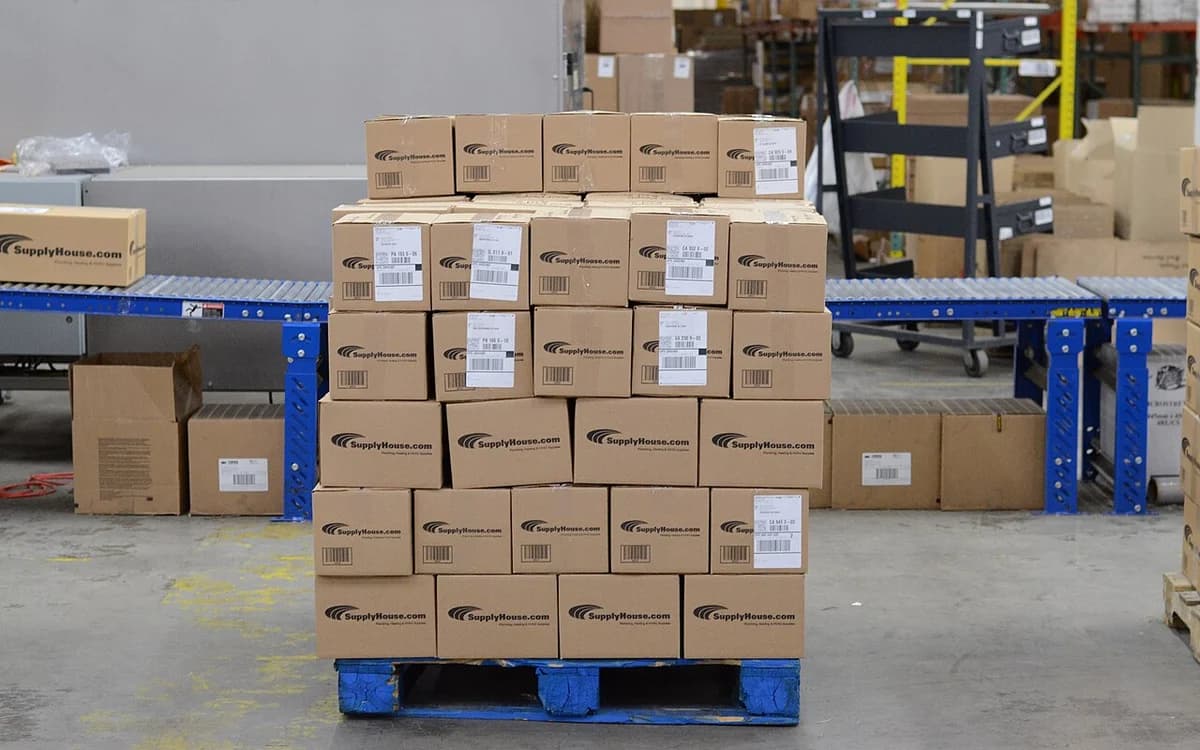
All 66 engineering guidesOEM private-label packaging guide for Amazon FBA and retail ClO2 gels and activated carbon pouches using 1.0 mm foil induction seals, ultrasonic SMS liners, and ISTA 3A drop-test compliance.
 Jyen
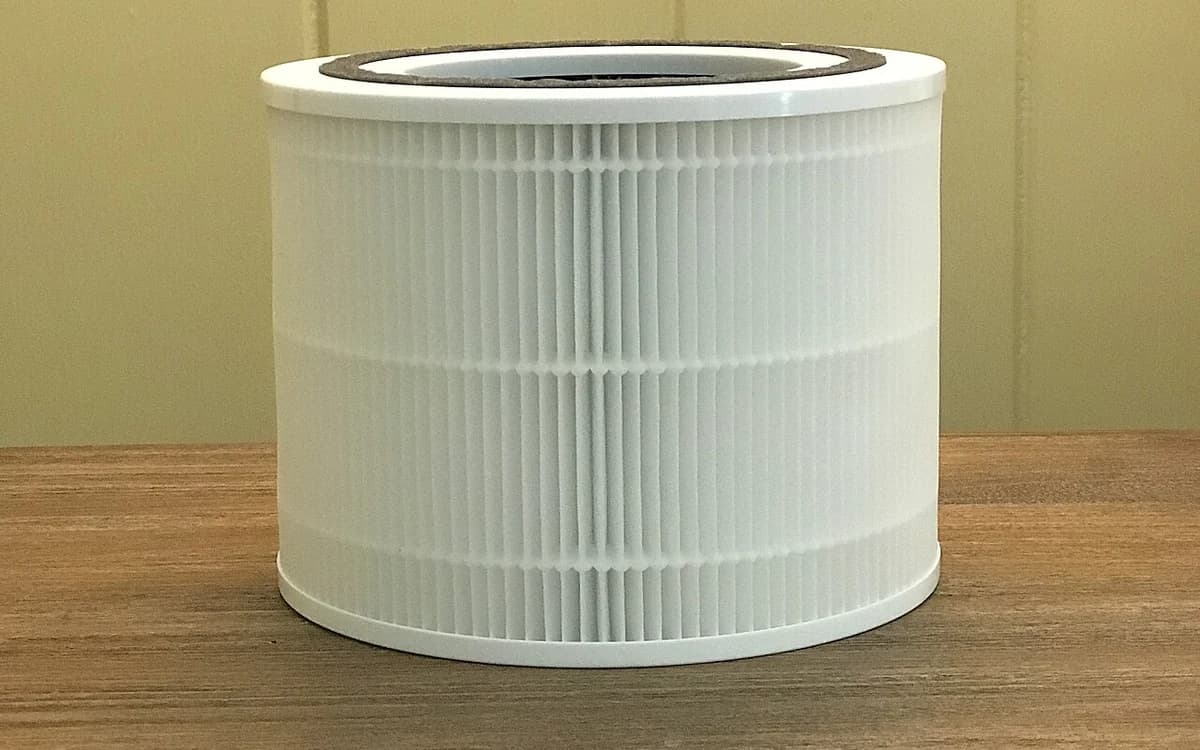
OEM air filter coating guide for loading 5X Visible-Light Nano-TiO2 Sol onto PET non-woven, H13 fiberglass HEPA, and aluminum honeycomb media with under 3 Pa pressure drop and 405 to 450 nm LED reactors.
 PIN
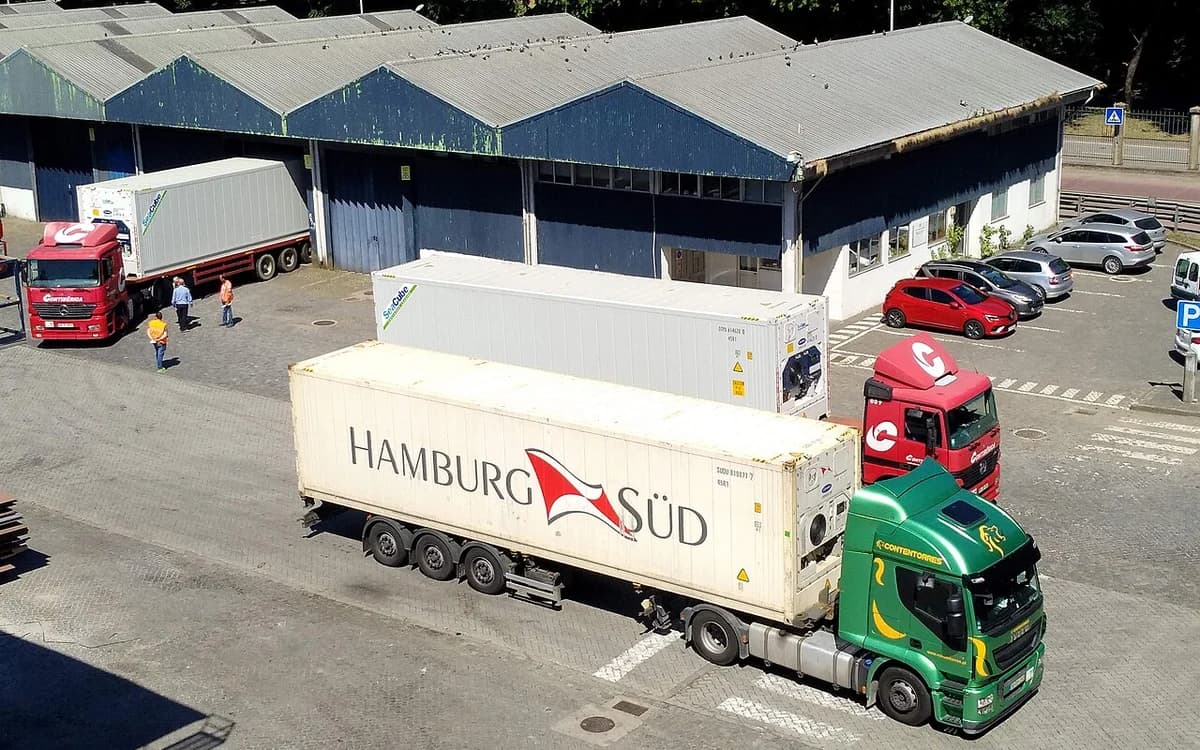
Post-harvest engineering guide to sizing 8% to 12% KMnO4 activated alumina scrubbers and ethylene sachets for 40-foot reefer containers and fruit cold rooms.
Jyen
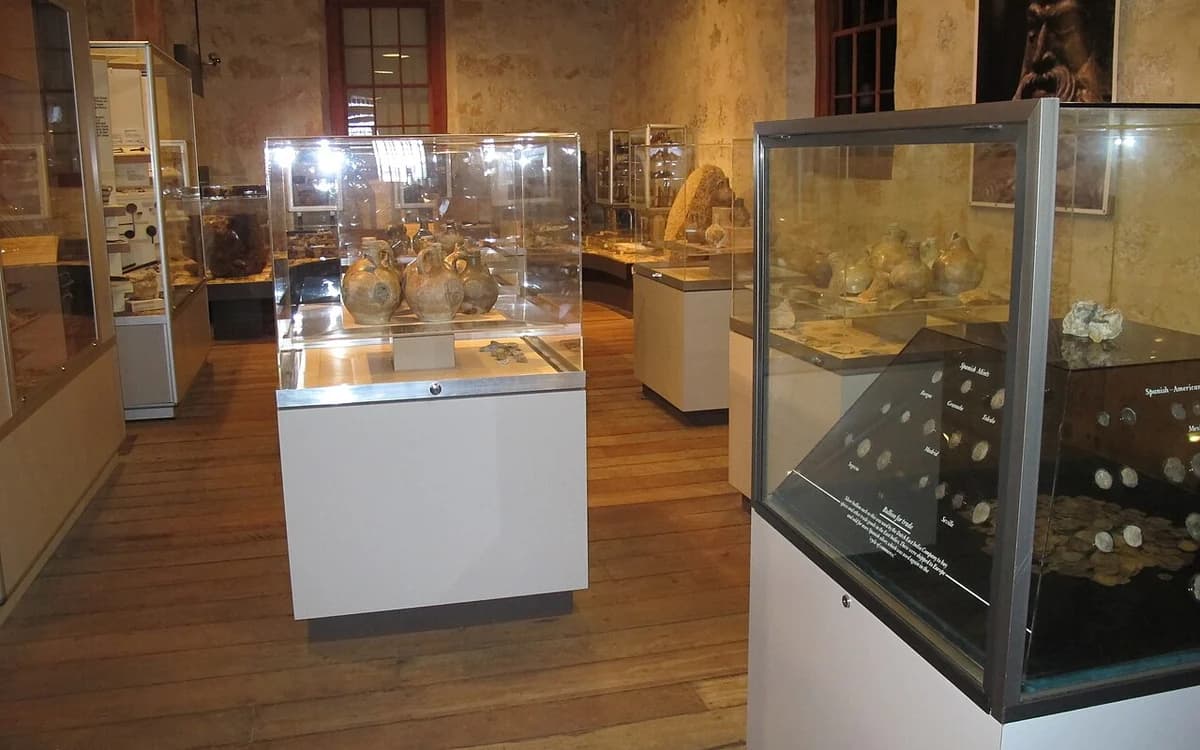
Preventive conservation guide to abating acetic acid, formic acid, and formaldehyde in museum vitrines and rare book vaults using amino carbon and KMnO4 media.
Jyen
Engineering guide to data center ISA-71.04-2013 G1 corrosion control using 12% KMnO4 activated alumina and amino carbon V-banks to scrub H2S, SO2, and Cl2.
Jyen
Step-by-step EV cabin air detox guide to abating acetaldehyde, acrolein, HCHO, DMF from vegan PU leather, and styrene from battery-floor adhesives and NVH foam under 68 C solar baking.
 Loo
Factory-direct supply
Request a sample with the English TDS and SDS, or send your project size for a bulk or private-label quotation of Amino-Modified Activated Carbon.