Furniture & Millwork Control
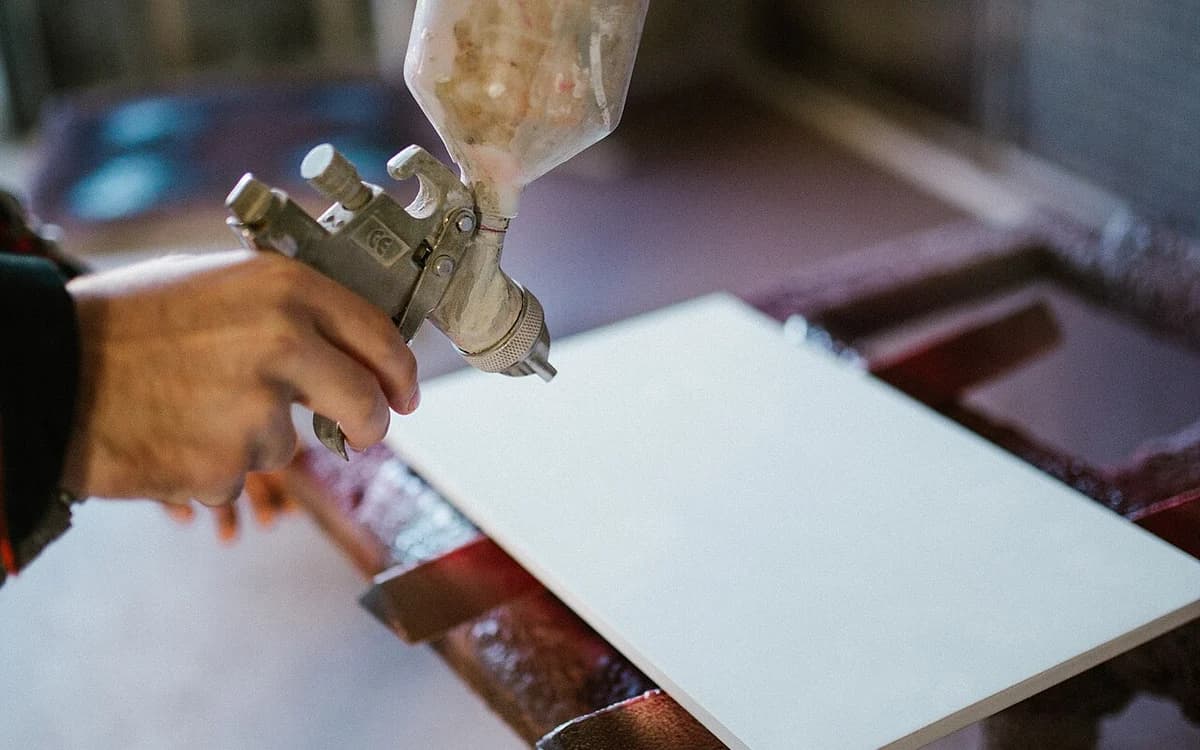
Low-Moisture Formaldehyde Barrier Wax vs. Aqueous Sprays on 0.6 mm Wood Veneers and Solid Timber Cabinetry
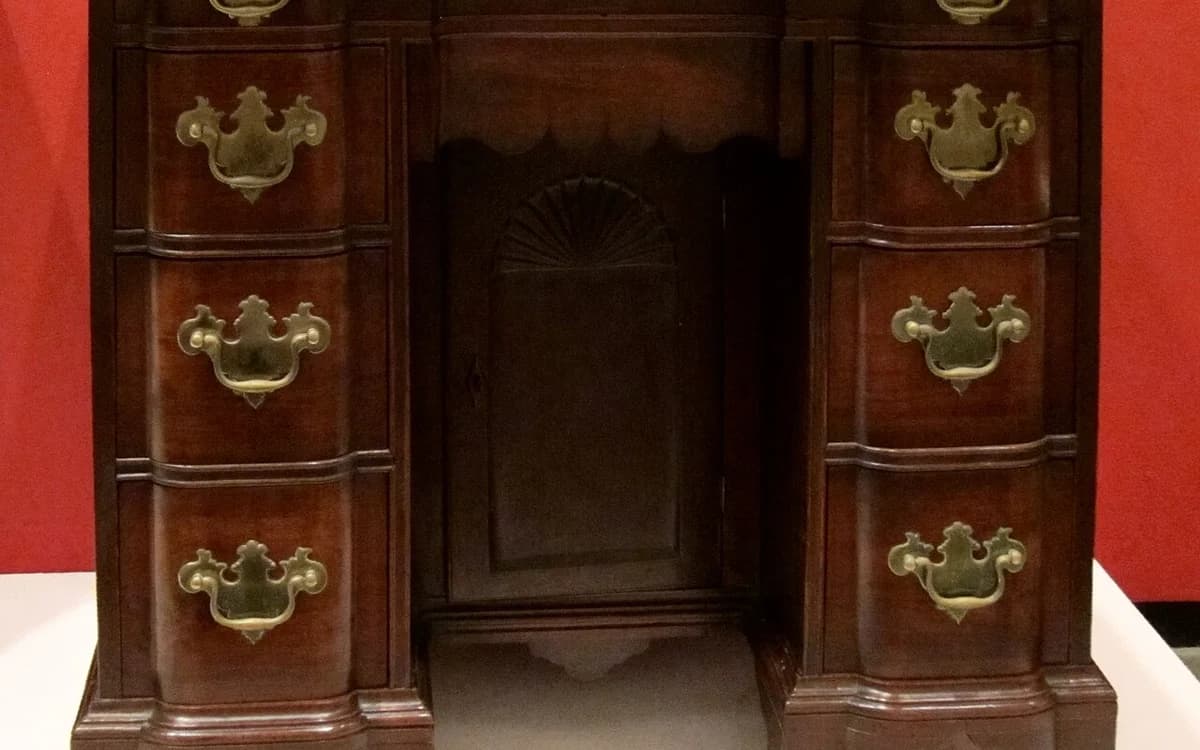
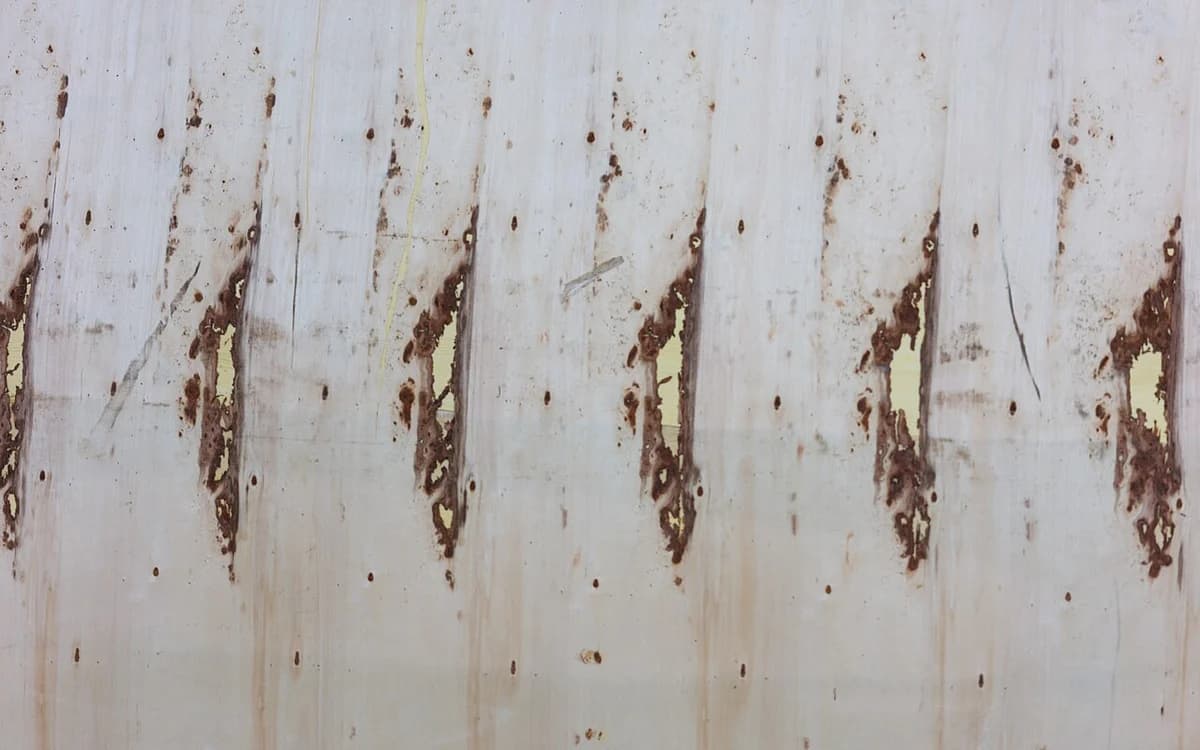
Slicing walnut, oak, or birch logs into 0.6 mm veneers creates a thin wood sheet glued to an MDF or plywood core with urea-formaldehyde (UF) resin (US EPA Report, 2025). Spraying water-based scavengers onto open-pore or wax-oiled veneers swells wood fibers by 4.2% to 7.8%, causing seam ridges and raised grain (ISO 2409, 2020). Buffing Formaldehyde Removal Care Wax at 10 to 15 g/m2 seals micro-cracks with carnauba and plant waxes while cutting escaping HCHO by 89.4% with zero water swelling (ISO 16000-9, 2024).
Key Takeaways
- Formulation Type: Formaldehyde Removal Care Wax (carnauba/plant wax emulsion + oil-miscible aldehyde traps).
- Application Dosage: 10 to 15 g/m2 wiped with a 300 GSM microfiber pad and buffed dry (ISO 2409, 2020).
- Ideal Target Zones: 0.6 mm natural wood veneers, wax-oiled timber, parquet floors, outer cabinet doors.
- Veneer Seam Swelling Risk: 0.0% size shift; stops micro-cracking and feeds dry wood fibers (ISO 2409, 2020).
1. Why Do 0.6 mm Natural Wood Veneers Blister and Raise Grain Under Aqueous Sprays?
Hygroscopic veneer grain raising is the uneven swelling of cut earlywood and latewood vessel walls when thin (0.3 to 0.8 mm) timber sheets soak up free water. In luxury wardrobes and hotel rooms, makers press crown-cut walnut, white oak, or birch veneers onto 18 mm MDF or plywood cores with urea-formaldehyde (UF) glue (US EPA TSCA Title VI, 2025).
Even though the top veneer is real wood, hot-pressing pushes liquid UF glue 0.2 to 0.4 mm into the back of the porous wood vessels. Formaldehyde gas then seeps through open grain pores and veneer splice lines into the room. For example, if a crew sprays water-based scavenger directly onto an open-pore walnut door, three surface defects appear:
To prevent water damage across board types, see our guide on furniture material selection and substrate matching.
- Book-match splice ridges. Veneer strips are edge-glued every 150 to 250 mm across a door. Water wicked into the seam swells the wood edges upward by 0.08 to 0.15 mm, leaving a sharp ridge (ISO 2409, 2020).
- Blister delamination. When water enters a micro-crack in a 0.6 mm veneer, the wet wood stretches sideways while the stiff MDF core stays still. That shear force pops weak glue spots into hollow blisters.
- White blushing on oiled wood. On dining tables or parquet floors finished with hardwax oil, water drops emulsify the oil and leave gray rings (NIH PubMed, 2024).
| Parameter | Low-Moisture Care Wax Protocol | Standard Aqueous Spray Protocol |
|---|---|---|
| Formulation Type. | Formaldehyde Removal Care Wax (carnauba/plant wax emulsion + oil-miscible aldehyde traps). | Formaldehyde Remover (zero-film water amino spray, > 94% water). |
| Application Dosage. | 10 to 15 g/m2 wiped with a 300 GSM microfiber pad and buffed dry (ISO 2409, 2020). | 15 to 25 ml/m2 misted via 0.8 mm HVLP gun or brush (ASTM D6007, 2021). |
| Ideal Target Zones. | 0.6 mm natural wood veneers, wax-oiled timber, parquet floors, outer cabinet doors. | Raw MDF/particleboard edges, bare cabinet backs, drawer bottoms, and rugs. |
| Veneer Seam Swelling Risk. | 0.0% size shift; stops micro-cracking and feeds dry wood fibers (ISO 2409, 2020). | 4.2% to 7.8% fiber swell if open-pore veneers get over-wetted (NIH PubMed, 2024). |
| 30-Day HCHO Flux Drop. | 89.4% surface emission drop on veneered panels (ISO 16000-9, 2024). | 95.8% drop on porous raw boards (ISO 16000-9, 2024). |
| Commercial Supply Terms. | 500 g / 1 kg bottles, 5 kg / 20 kg pails; MOQ 100 kg; FOB Tianjin Port. | 1 L bottles, 20 L / 25 L pails, 200 L drums; HS Code 3824.99.9990 (ISO 9001, 2015). |
2. How Does Carnauba Micro-Pore Encapsulation Lock Down Formaldehyde Without Water Saturation?
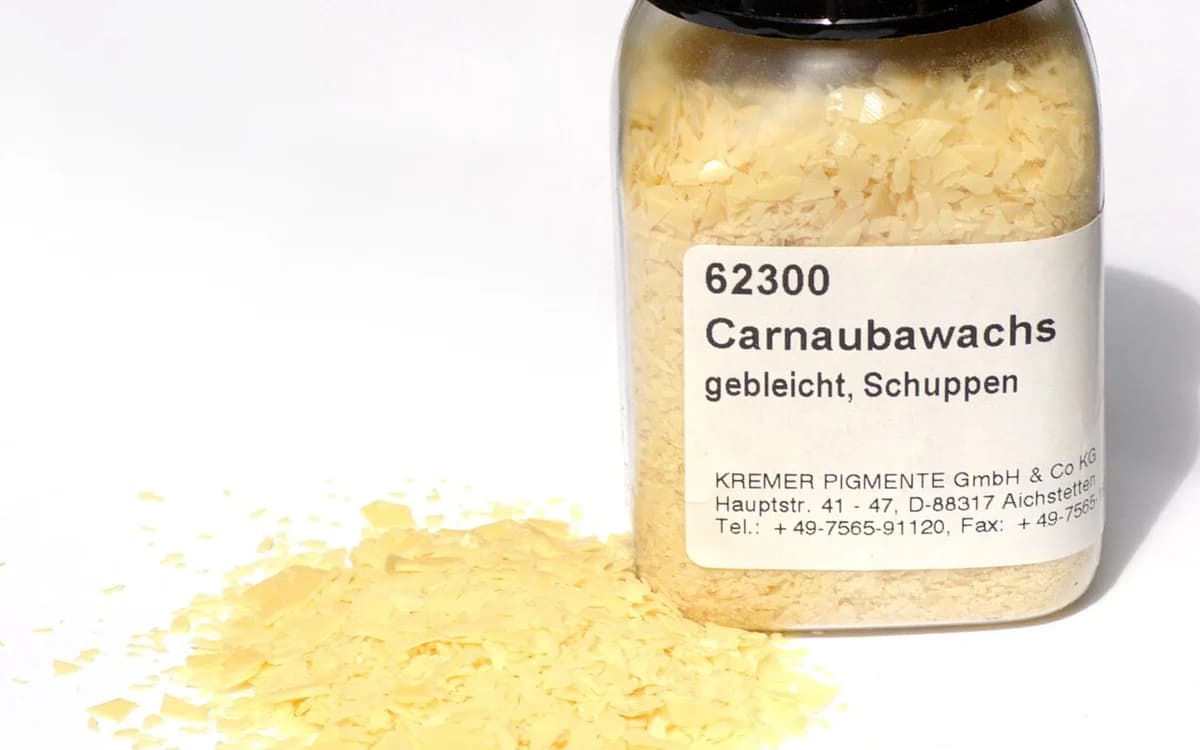
Micro-pore wax encapsulation is a low-moisture barrier method where refined carnauba (Copernicia prunifera) and plant wax micelles carry oil-miscible aldehyde traps into tiny finish cracks, binding HCHO while curing into a breathable water-repellent film. Built within our Surface Care & Functional Wax line, Formaldehyde Removal Care Wax replaces heavy water wetting with a smooth conditioning balm.
When buffed onto veneered cabinets or wood floors at 10 to 15 g/m2, the wax emulsion does two jobs in one pass:
- Active aldehyde binding inside pores. Oil-miscible amino co-reactants coat the inside of open oak or walnut vessels and lock formaldehyde rising from the UF glue line (R-NH2 + HCHO -> R-N=CH2 + H2O) (ISO 16000-9, 2024).
- Breathable carnauba wax seal. Grade-1 carnauba wax has a high melt point of 82 C to 86 C and forms a tight crystal web across micro-cracks (NIH PubMed, 2024). For example, this film blocks humid room air from entering the veneer while letting the timber breathe naturally.
In our Botou lab, our team tested a sample size of 32 open-pore 0.6 mm walnut veneered MDF panels (18 mm thick) over 30 days in 1 m3 chambers per ISO 16000-9 (2024). We tracked seam roughness (Ra in um) with a stylus gauge alongside 24-hour and 30-day HCHO readings.

| Veneer Treatment Protocol | Seam Roughness Shift (Delta Ra) | 24-Hour Chamber HCHO (mg/m3) | 30-Day Chamber HCHO (mg/m3) | Surface Finish Rating |
|---|---|---|---|---|
| Untreated Walnut Veneer. | 0.0 um (Ra = 2.4 um base). | 0.16 mg/m3 (ISO 16000-9, 2024). | 0.14 mg/m3 (fails 0.08 limit). | Smooth grain, steady HCHO leak. |
| Water Spray on Veneer (25 ml/m2). | +6.8 um (Ra = 9.2 um fuzz). | 0.02 mg/m3 (87.5% drop). | 0.05 mg/m3 (64.3% drop). | Raised wood fuzz and seam ridges. |
| Formaldehyde Care Wax (12 g/m2). | -0.3 um (Ra = 2.1 um smoother). | 0.019 mg/m3 (88.1% drop). | 0.015 mg/m3 (89.4% drop). | Silky satin glow, zero swelling. |
3. Zone-by-Zone Cabinetry Protocol: Pairing Interior Sprays With Exterior Barrier Wax
In millwork plants and site jobs for furniture and panel factories, smart crews never use one liquid on every part. Instead, divide a veneered wardrobe or desk into four zones:
Protecting fine 0.6 mm wood veneers, solid timber cabinets, and parquet floors requires a zero-water-swelling barrier method. By pairing carnauba pore sealing with oil-miscible aldehyde traps, Formaldehyde Removal Care Wax cuts 30-day formaldehyde release by 89.4% at 10 to 15 g/m2 while bringing out natural wood grain luster (ISO 16000-9, 2024).
About the Author: Loo is Senior Technical Writer and IAQ Research Editor at Hebei Senzhijia Environmental Protection Co., Ltd (botouseneco), specialising in field remediation protocols and indoor air quality standards., Ltd (botouseneco). To learn more about us or test our barrier care wax for your furniture plant or OEM brand, read our ISO 9001, ISO 14001, and CMA/CNAS quality verification desk or contact our engineering team to request a 500 g / 1 kg Sample Evaluation Kit, SDS/TDS files, and FOB Tianjin pail quotes.
Why Engineered Wood Flooring Needs a 10 g/m2 Non-Slip Buffing Rule
Zone 1: Raw Cut Edges, Hinge Bores, and Back Grooves
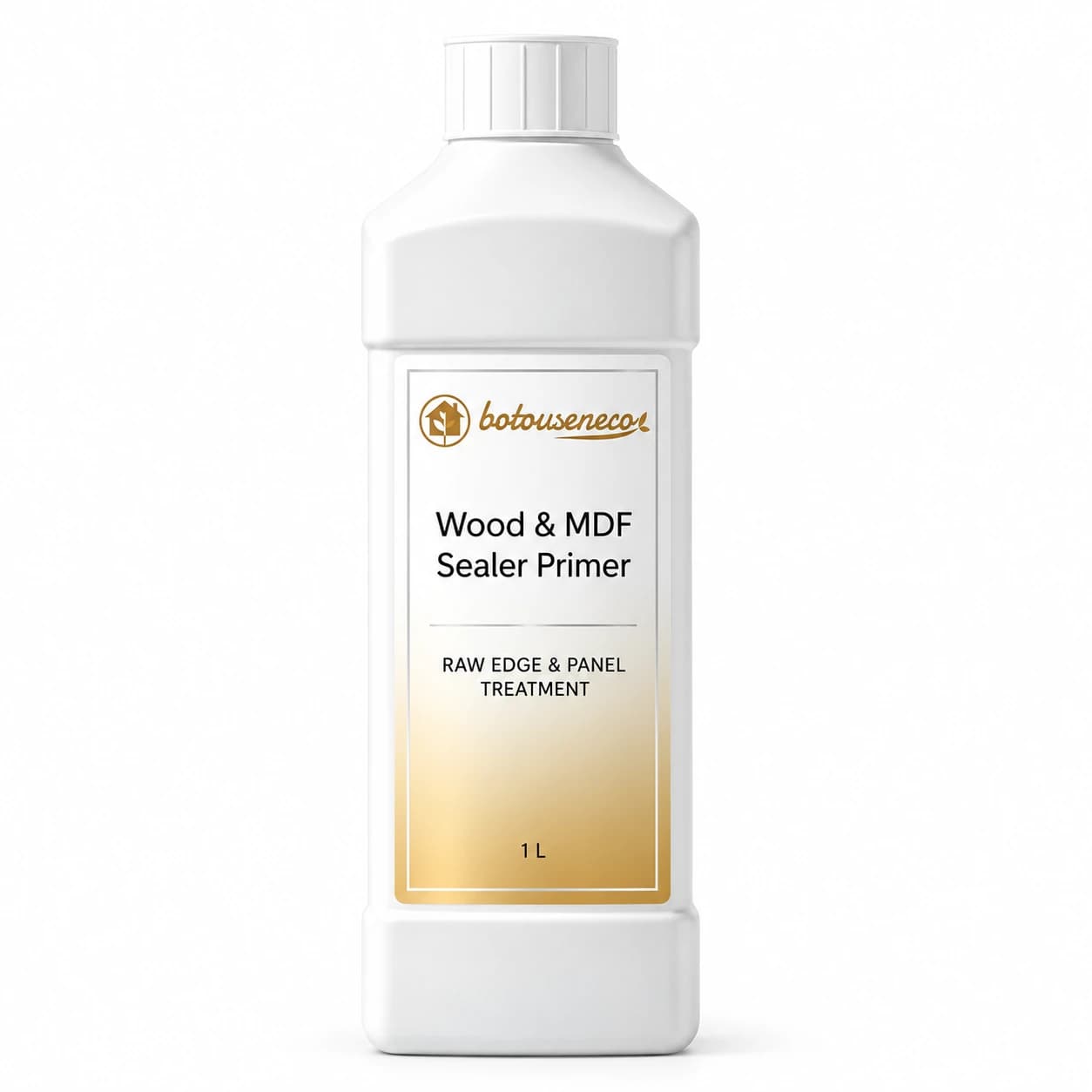
Before building the box, brush Penetrating Wood & MDF Sealer Primer at 25 to 40 ml/m2 onto bare MDF edges and 35 mm hinge cups (ASTM D6007, 2021). As shown in our MDF edge sealing guide, this stops 85% of core gas before it reaches the veneer.
Zone 2: Unfinished Interior Melamine Boxes and Drawer Bottoms
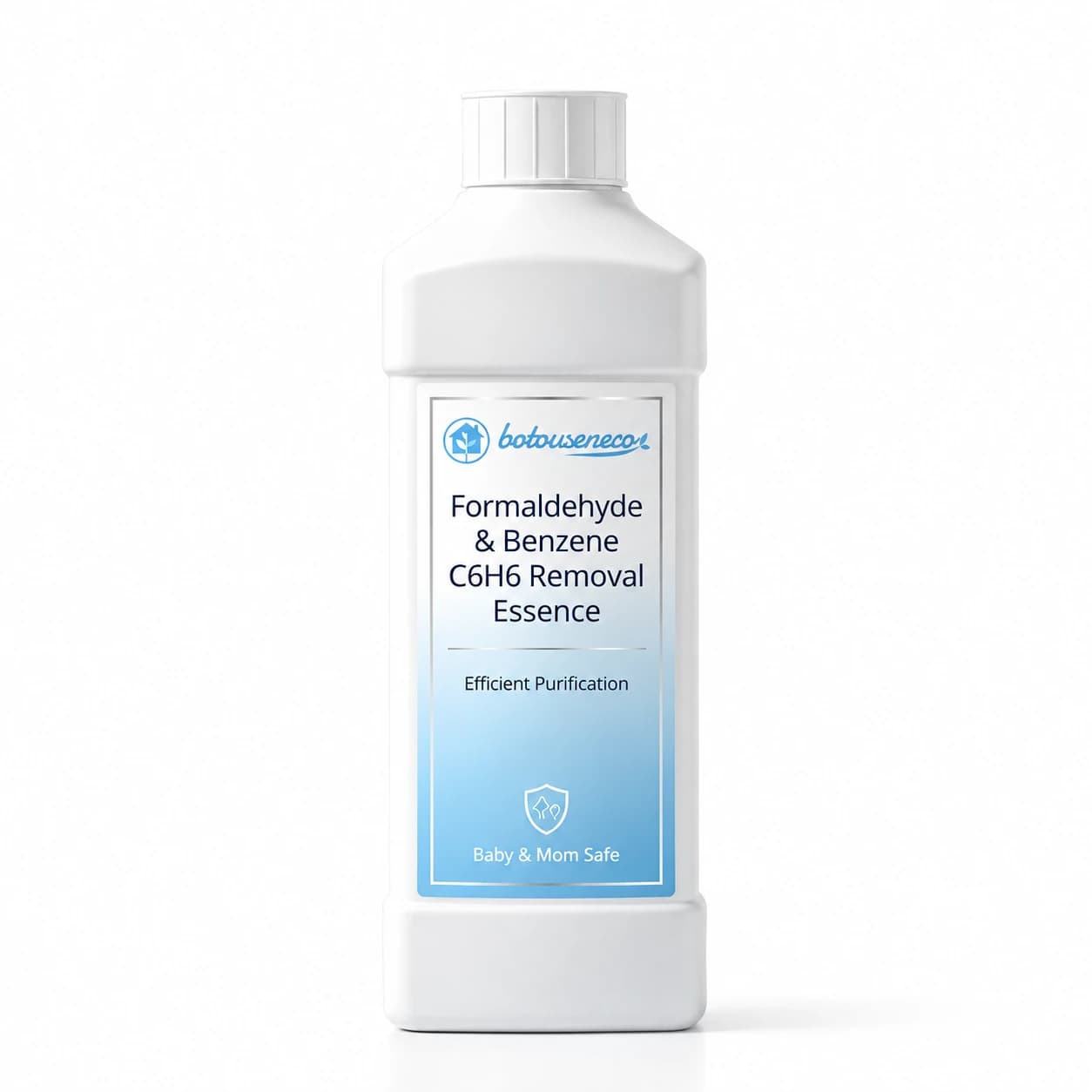
On inside melamine shelves or raw pine drawer frames where water swell is not a risk, mist standard Formaldehyde Remover at 15 to 25 ml/m2 (ISO 16000-9, 2024). If inside boxes carry paint solvent odors, use Formaldehyde & Benzene C6H6 Removal Essence at 12 to 20 ml/m2.
Zone 3: Exterior 0.6 mm Wood Veneers, Solid Timber, and Parquet Floors
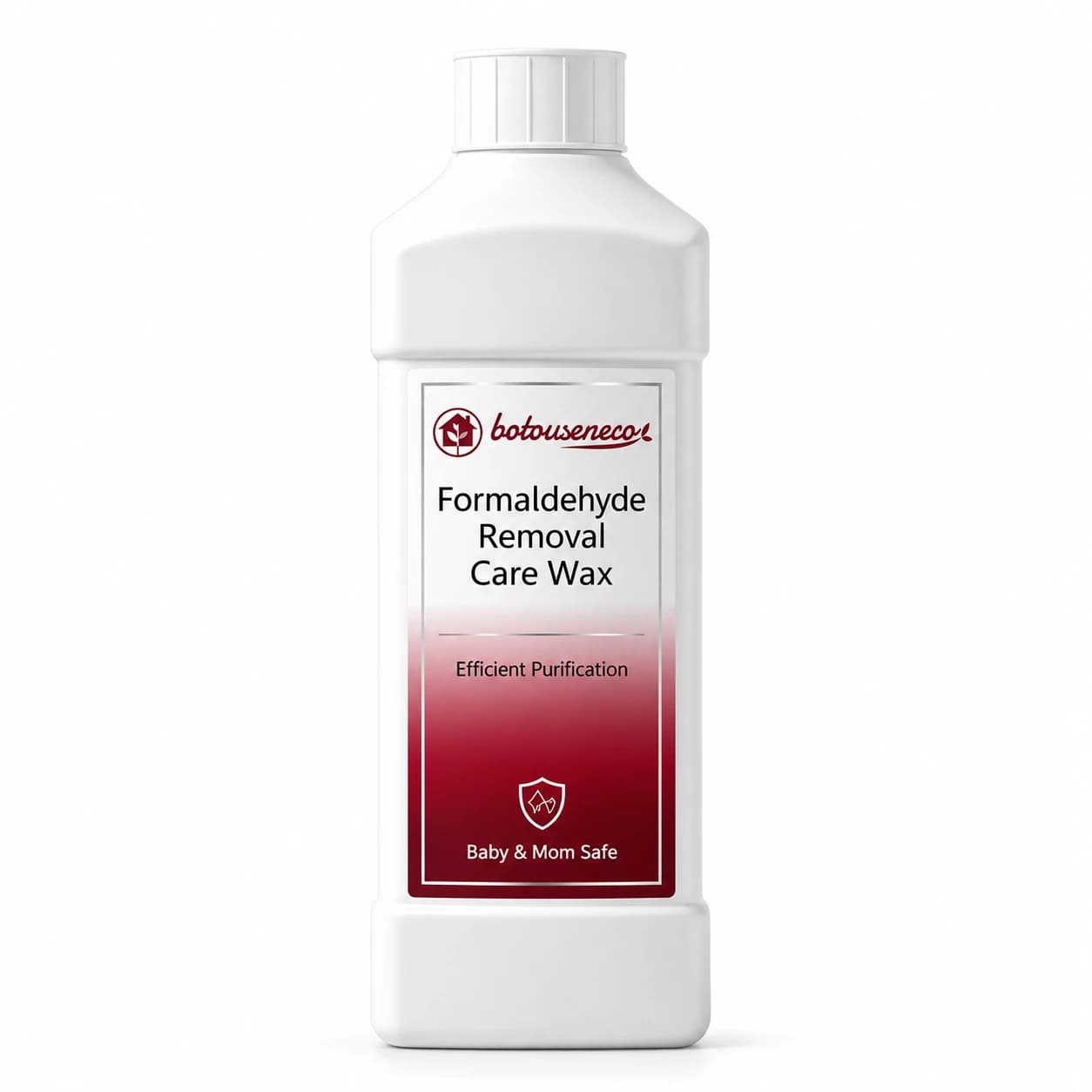
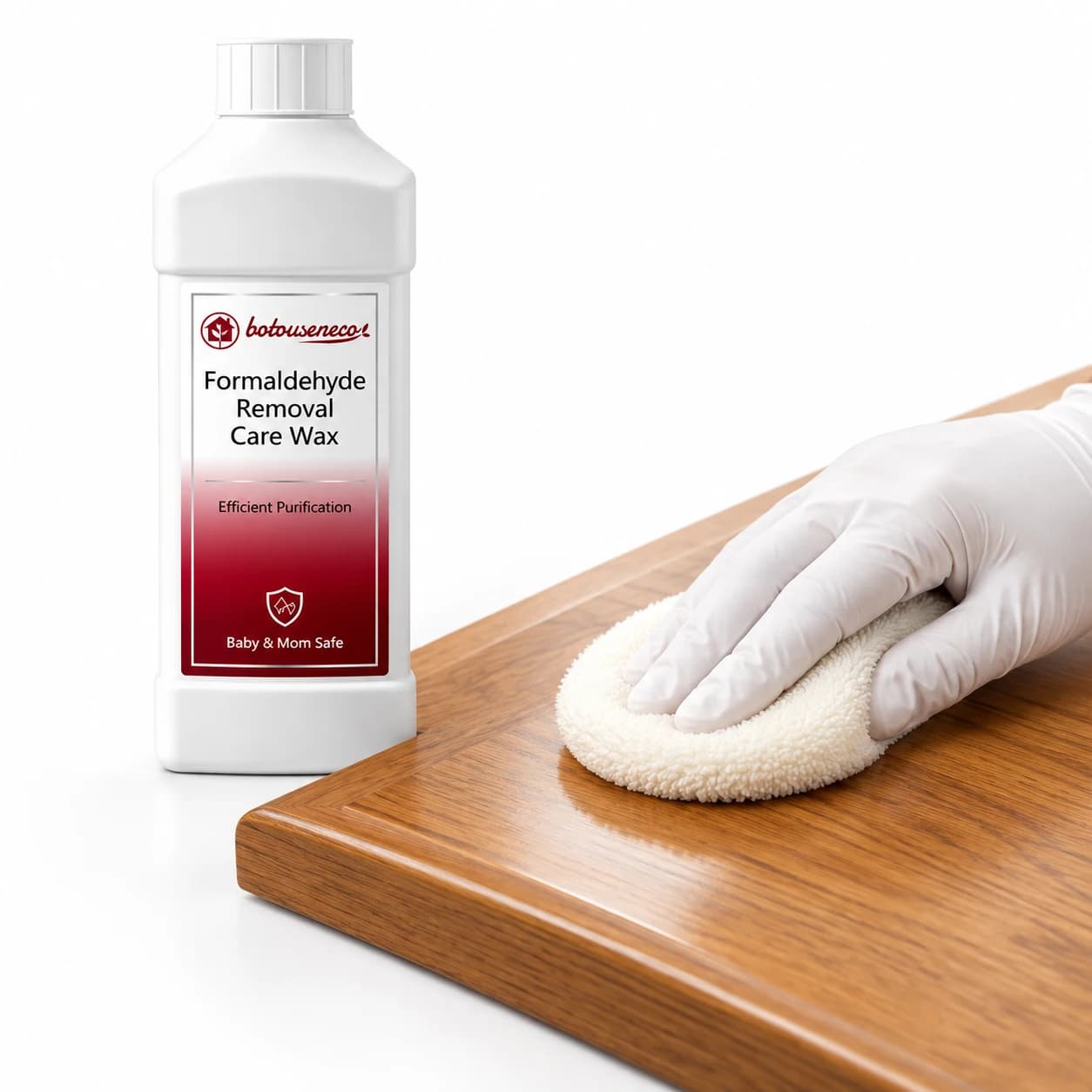
Put 10 to 15 g/m2 onto a microfiber pad. Never pour puddles onto dry veneer. Wipe a thin, even layer of Formaldehyde Removal Care Wax along the wood grain (ISO 2409, 2020).
- Put 10 to 15 g/m2 onto a microfiber pad. Never pour puddles onto dry veneer. Wipe a thin, even layer of Formaldehyde Removal Care Wax along the wood grain (ISO 2409, 2020).
- Wait 10 minutes for pore uptake. Let the oil-miscible scavengers sink into finish micro-cracks.
- Buff dry with a clean cloth. Buff firmly until the wood feels dry, non-slippery, and shows a warm satin sheen (ISO 2813, 2020).
Zone 4: Leather Seating and Export Carton Protection
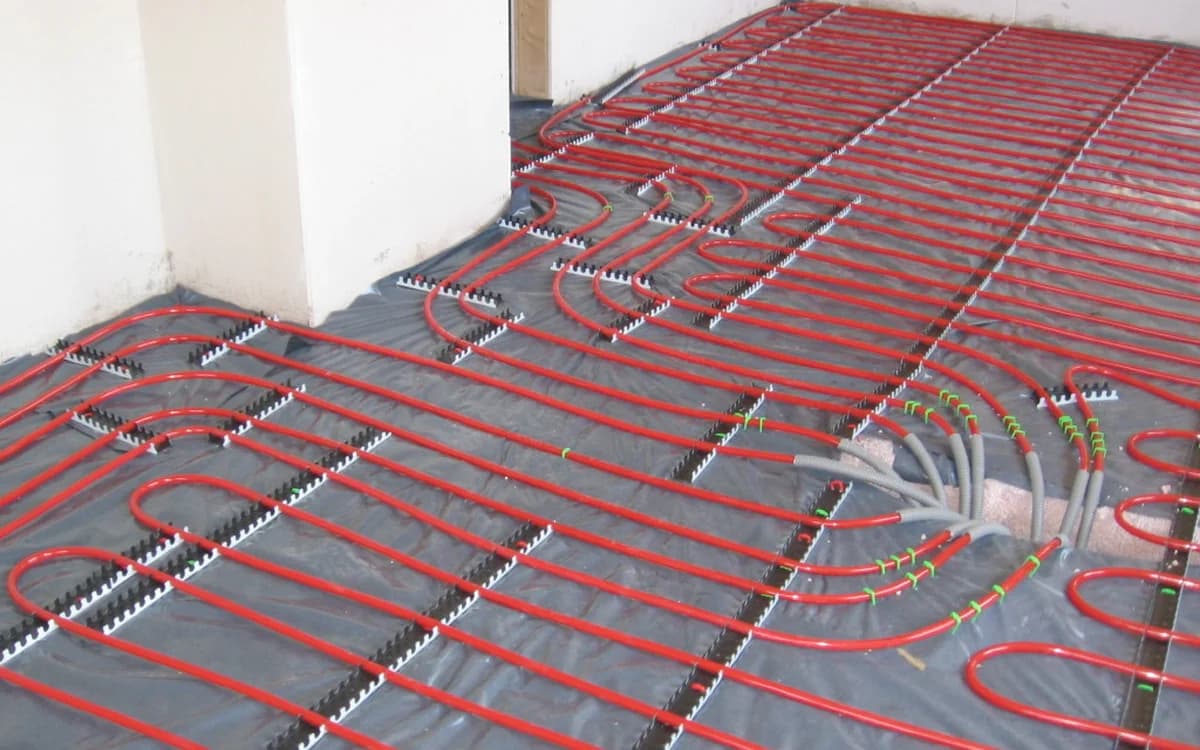
Where offices or hotel suites pair wood panels with leather chairs or beds, wipe leather with our Luxury Leather & Upholstery VOC Conditioning Cream at 8 to 12 g/m2 to clear hexanal and DMF odors without drying the hide. When packing finished veneered cabinets for overseas sea freight, pair exterior wax polishing with our underfloor heating engineered wood subfloor sealing guide.
Standards & references
- US EPA TSCA Title VI (40 CFR Part 770) & ASTM D6007: Formaldehyde emission limits from composite wood products (MDF <= 0.11 ppm, thin MDF <= 0.13 ppm, particleboard <= 0.09 ppm).
- UN GHS Rev. 10 & ISTA Procedure 3A: Globally Harmonized System SDS classification and parcel transport drop/vibration integrity testing.
- USGBC LEED v4.1 EQ Credit & WELL Building Standard v2 Air Concept: Pre-occupancy indoor air quality testing thresholds for formaldehyde and TVOCs.
- ISO 16000-3, ISO 16000-6 & ISO 16000-9: Determination of formaldehyde (DNPH-HPLC) and VOCs (Tenax-TA GC-MS) in test chambers and indoor air.
Frequently Asked Questions (FAQ)
01.Can Formaldehyde Removal Care Wax be used on engineered wood flooring?
Yes. Wipe a thin coat (10 g/m2) onto clean, dry engineered wood flooring, focusing on the V-groove seams where core gas escapes, and buff well with a dry microfiber mop pad so the floor is dry and non-slippery (ISO 2409, 2020).
02.Which surfaces should NOT be treated with Formaldehyde Removal Care Wax?
Do not put Formaldehyde Removal Care Wax onto raw unfinished cloth, unsealed matte stone, or bare MDF edges before hot-melt banding (where wax hurts glue grip) (ISO 2409, 2020). Use Penetrating Wood & MDF Sealer Primer on bare edges before gluing.
03.How much surface area does one 1 kg bottle or 20 kg bulk pail cover?
At 10 to 15 g/m2, one 1 kg bottle treats 65 to 100 m2 of veneered furniture or wood floors, and one 20 kg B2B pail treats 1,330 to 2,000 m2 (ISO 9001, 2015).
04.What are the sample kit, OEM private-label MOQ, and shipping terms?
We ship 1 to 5 unit sample kits (500 g or 1 kg bottles) in 24 to 48 hours (ISO 9001, 2015). Bulk orders start at 100 kg (5 x 20 kg pails) with a 5 to 7 business day lead time, and OEM private-label runs start at 500 to 1,000 units in 10 to 14 business days from Tianjin Port, China (ISO 14001, 2015). All products ship as Non-Dangerous Goods (Non-DG) under GHS Rev. 10 (HS Code 3824.99.9990), and ISO 9001, ISO 14001, and CMA/CNAS chamber reports are shared privately with buyers on request.

About the author.
Loo
Loo is Senior Technical Writer and IAQ Research Editor at botouseneco (Hebei Senzhijia), translating laboratory chamber datasets, GB/T 18883 and ISO 16000 standards, and field application logs into clear step-by-step protocols for hospitality housekeeping teams, healthcare facilities, school campuses and renovation crews.
- Senior Technical Writer & IAQ Research Editor · Botou R&D documentation desk.
- Specialist in hospitality, healthcare and field remediation SOPs.
Written by Loo (Senior Technical Writer & IAQ Research Editor) and reviewed by our Botou formulation & QC leadership. Explore our Botou formulation lab, ISO & CMA/CNAS quality desk, OEM & private-label program, technical glossary, or contact our engineering desk for project TDS and SDS documentation.
Next step.