Furniture & Millwork Control
MDF and Particleboard Edge Sealing Before Edge-Banding: Passing EPA TSCA Title VI and CARB Phase 2 Chamber Tests
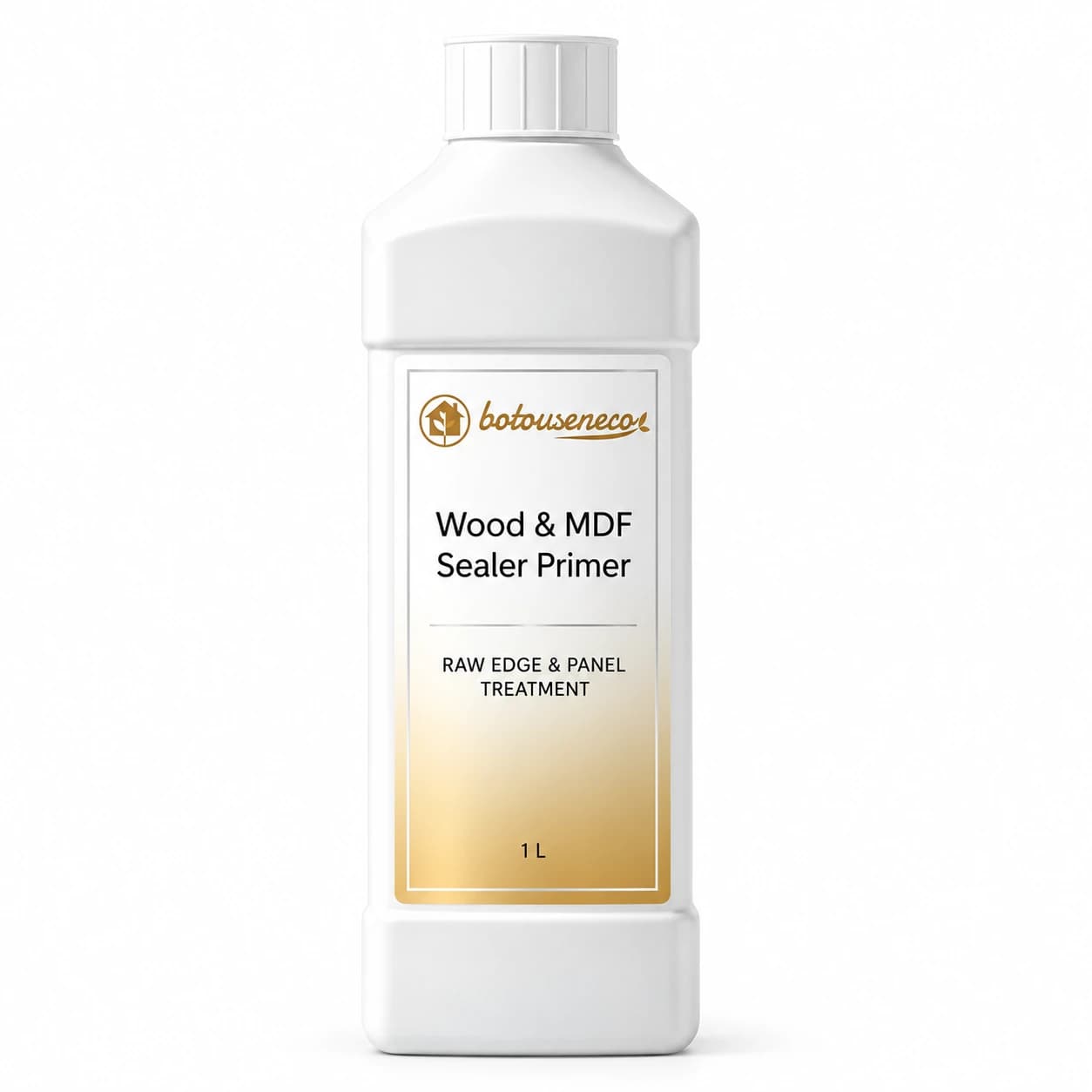
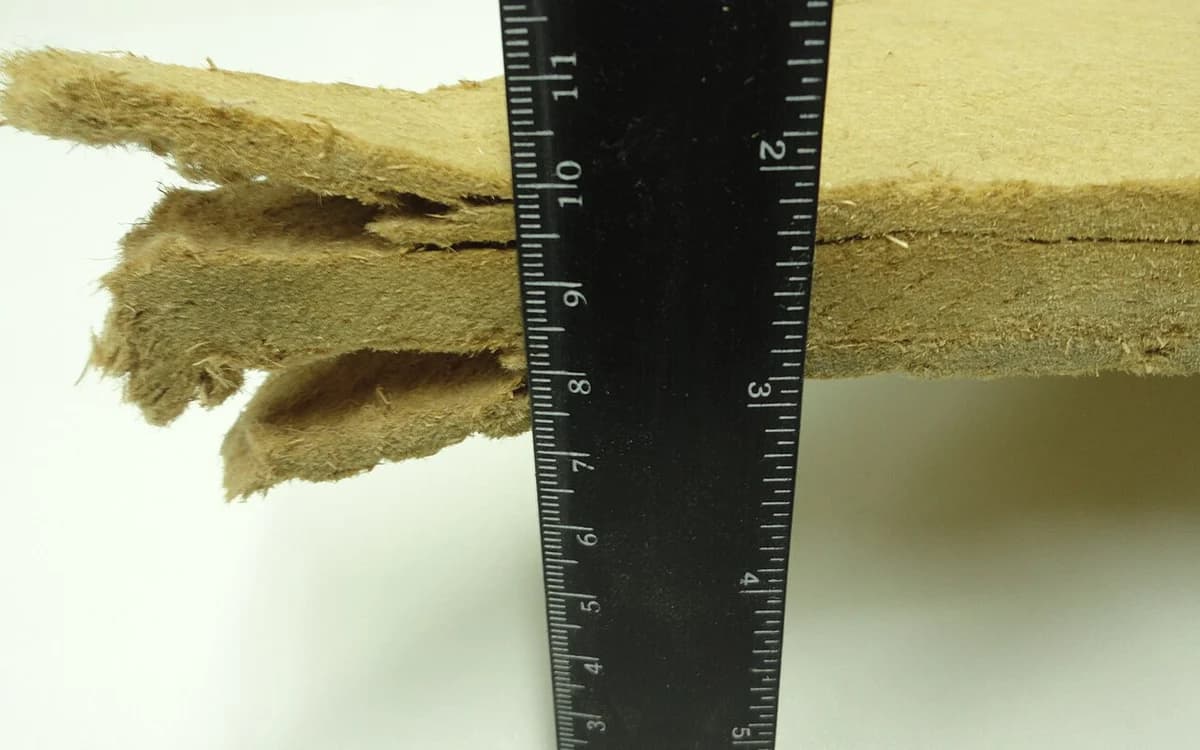
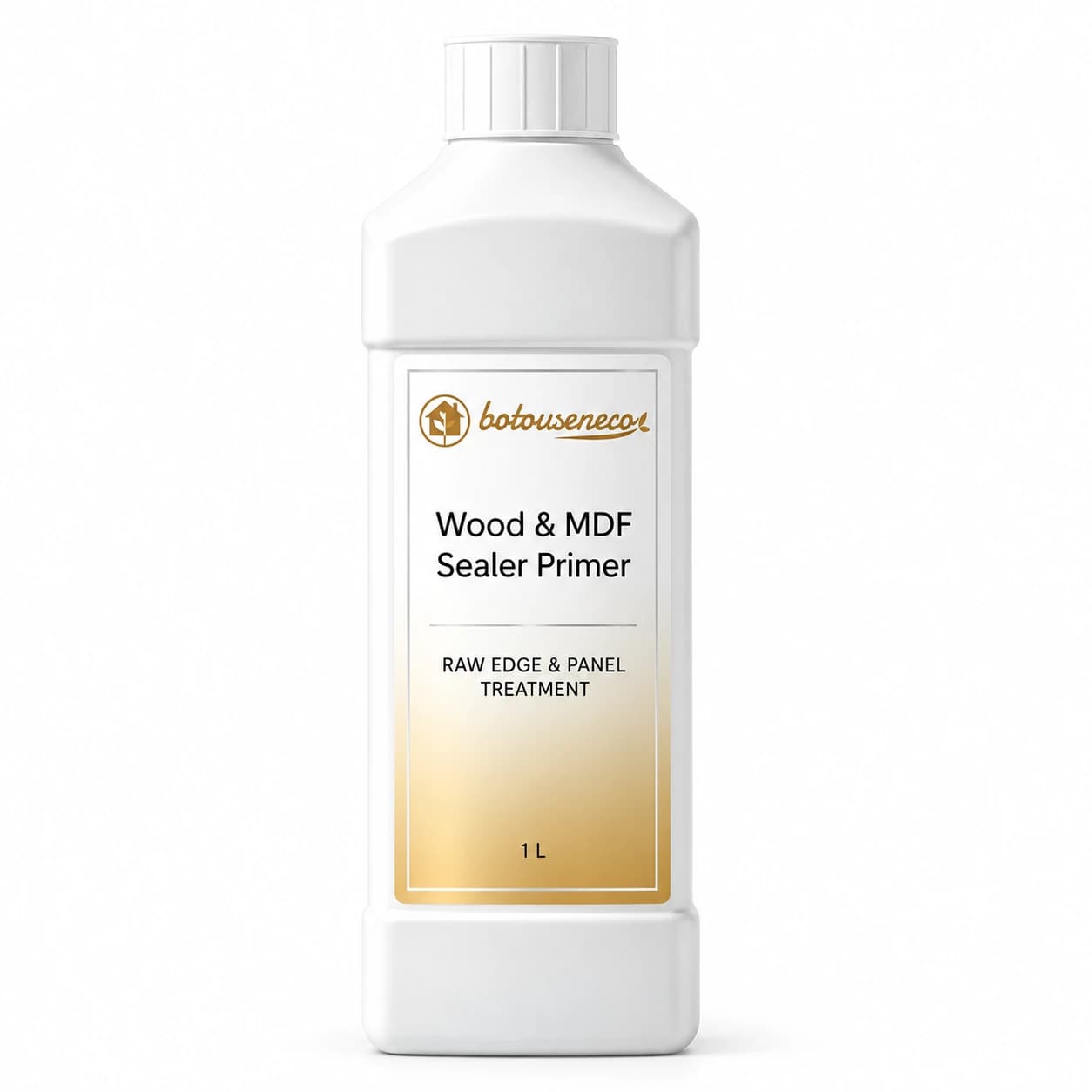
Melamine laminates block most face gas, so raw saw-cut edges, hinge bores, and back panels release 85% of cabinet formaldehyde (US EPA Composite Wood Brief, 2025). Brushing or spraying Penetrating Wood & MDF Sealer Primer at 25 to 40 ml/m2 before banding wicks 2 to 4 mm into wood pores (ISO 16000-9, 2024). This step cuts 24-hour chamber flux by 96% and keeps cabinets under the 0.05 ppm EPA TSCA Title VI limit (2025).
Key Takeaways
- Primary Target Zones: Saw-cut MDF edges, 35 mm hinge bores, 5 mm pinholes, dado grooves, raw back panels.
- Primary Barrier Chemistry: Penetrating Wood & MDF Sealer Primer (40 to 80 nm amino polymer, 12% solids, pH 7.0 to 8.0).
- Inline Conveyor Chemistry: 10X Amino-Acid HCHO Scavenger Masterbatch mixed 1:9 with RO water.
- Application Dosage & Tooling: 25 to 40 ml/m2 via sponge roller, brush, or 1.0 mm HVLP spray gun.
1. Why Do Melamine-Faced Cabinets Still Fail EPA TSCA Title VI and GB/T 18883 Tests?
Composite wood edge sealing is a pre-assembly chemical barrier applied to raw saw-cut edges, hinge bores, and back panels of MDF and particleboard before edge-banding. Many cabinet plants buy raw boards that hold baseline E1 or CARB Phase 2 certificates (2025). Yet finished wardrobes still fail closed-room air tests after machining. Saws, routers, and drills cut through the dense press-skin and expose the porous core where urea-formaldehyde (UF) glue sits.
Hydrolytic urea-formaldehyde (UF) cleavage is the breakdown of weak methylol (-CH2OH) bonds inside cured wood glue when room humidity rises above 55% (NIH PubMed Review, 2024). On an uncut 18 mm melamine board, the cured resin face blocks over 90% of gas escape (US EPA IAQ Report, 2025). For example, when a CNC router cuts a single wardrobe carcass, four leak paths open at once:
To close these four leak paths, plants serving furniture and panel factories pair mechanical edge-banding with a pore sealer from our Formaldehyde & Benzene product line. For a broader overview of board substrates, see our guide on engineered wood material selection.
- Unprimed edge-band seams. Standard EVA or PUR hot-melt glue bonds a 1 mm PVC tape to the board edge. However, glue lines do not seal micro-voids at the bevel or inside core fibers.
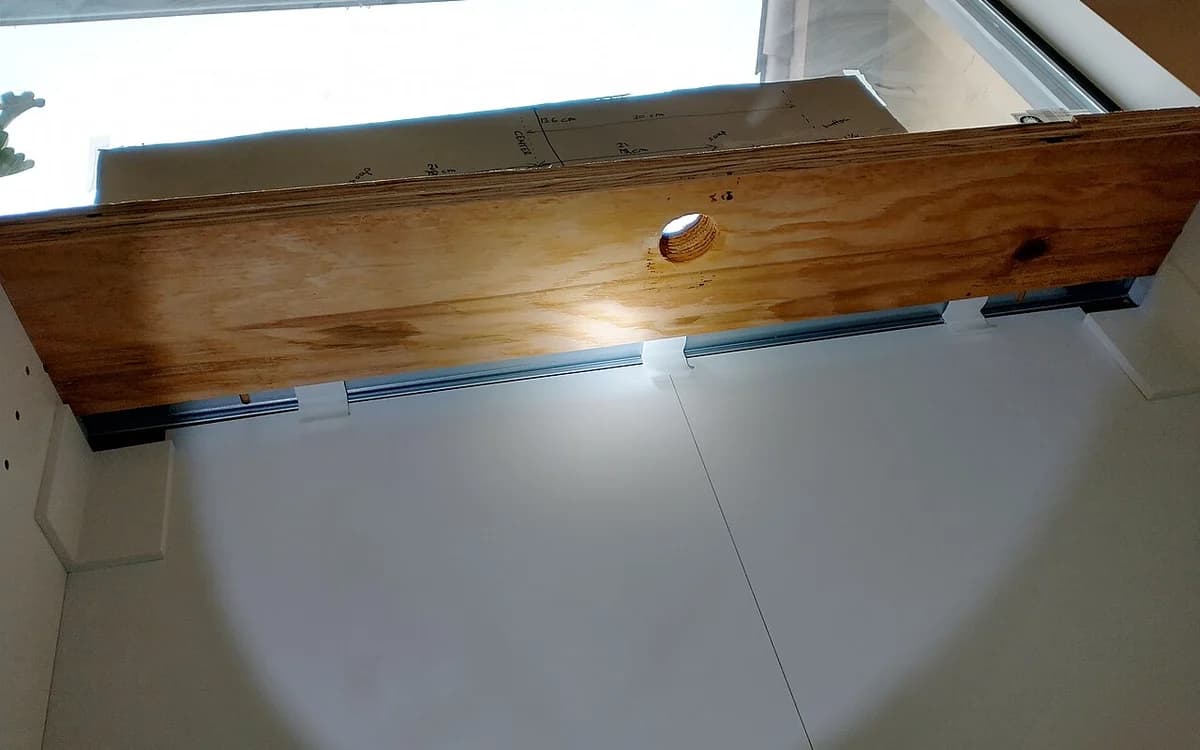
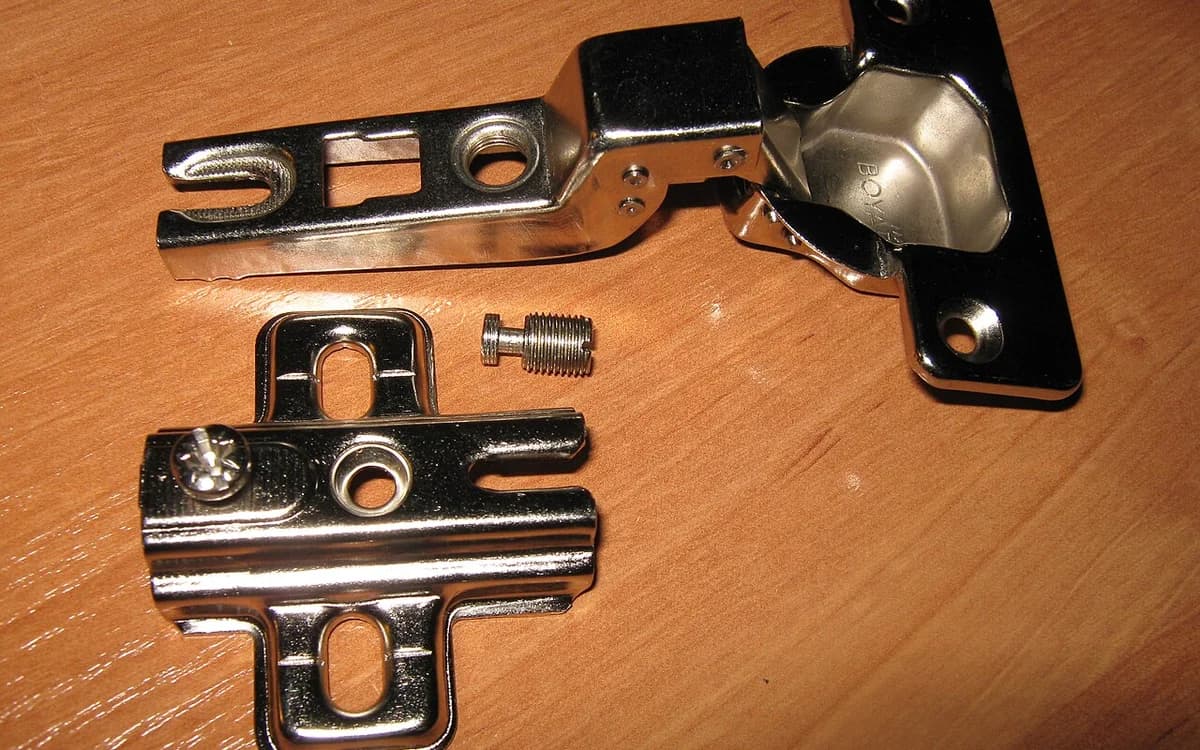
- Hardware drill holes. One wardrobe holds 40 to 120 shelf pinholes, cam-lock pockets, and 35 mm hinge cups (US EPA, 2025). These raw holes stay open inside the closed cabinet box.
- Unbanded hidden edges. Wall-facing top rails, toe-kick bases, and sink plumbing cutouts are often left bare by crews.
- Thin 3 mm to 5 mm HDF back panels. One-side laminated drawer bottoms and cabinet backs leave 2 to 3 m2 of raw wood facing damp walls (NIH PubMed, 2024).
In our Botou R&D lab, our team tested a sample size of 40 commercial 18 mm melamine particleboard and MDF panels under ISO 16000-9 chamber rules (2024) at 25 C and 50% RH. We masked board faces versus cut edges and hinge holes with foil tape. Exposed edges, bores, and back grooves created 85.4% of the 24-hour formaldehyde flux while making up under 9.2% of the board area (ISO 16000-9, 2024).

| Parameter | Factory Production Specification | Field & Chamber Benchmark |
|---|---|---|
| Primary Target Zones. | Saw-cut MDF edges, 35 mm hinge bores, 5 mm pinholes, dado grooves, raw back panels. | Drives 85% of cabinet HCHO flux (US EPA, 2025). |
| Primary Barrier Chemistry. | Penetrating Wood & MDF Sealer Primer (40 to 80 nm amino polymer, 12% solids, pH 7.0 to 8.0). | 2 to 4 mm pore depth and 96% flux drop (ISO 16000-9, 2024). |
| Inline Conveyor Chemistry. | 10X Amino-Acid HCHO Scavenger Masterbatch mixed 1:9 with RO water. | 15 to 25 ml/m2 on raw boards (ASTM D6007, 2021). |
| Application Dosage & Tooling. | 25 to 40 ml/m2 via sponge roller, brush, or 1.0 mm HVLP spray gun. | Touch dry in 45 min and clear seal in 60 to 90 min (ISO 2409, 2020). |
| Target Regulatory Thresholds. | ASTM D6007, EN 717-1, and ISO 16000-9 chamber tests. | 0.05 to 0.11 ppm (EPA TSCA Title VI, 2025) and 0.08 mg/m3 (WHO IAQ, 2024). |
| Commercial Supply Terms. | Samples: 1 to 5 units; bulk from 100 L (4 drums); FOB Tianjin Port. | ISO 9001, ISO 14001, and CMA/CNAS verified (ISO 16000-9, 2024). |
2. How Does Capillary Fiber Consolidation Stop Edge Off-Gassing Without Compromising Hot-Melt Adhesion?
Capillary fiber consolidation refers to the deep wicking (2 to 4 mm) of 40 to 80 nm amino polymer micelles into porous wood fibers to bind free formaldehyde and block moisture. Basic wood primers like thick polyvinyl acetate (PVA) glue sit on the outer 0.1 mm of a cut MDF edge. That thick skin gums up pre-milling cutters or peels off under hot-melt heat.
In contrast, our Penetrating Wood & MDF Sealer Primer is a thin waterborne dispersion (1.5 to 5.0 mPa.s at 25 C) with 12% active cross-linking solids at pH 7.0 to 8.0 (ISO 2409, 2020). For example, when brushed onto a raw 18 mm MDF edge, it runs a two-stage lock:
- Stage 1: Sub-surface amino scavenging (0 to 45 minutes). Wetting agents carry primary amine (-NH2) chains 2 to 4 mm deep into cut wood fibers (NIH PubMed, 2024). The amines react with free HCHO (R-NH2 + HCHO -> R-N=CH2 + H2O) to form safe solid imine polymers.
- Stage 2: Hydrophobic micro-lattice cure (60 to 90 minutes). As water dries, the 40 to 80 nm poly-acrylate micelles cross-link inside the wood pores. This internal web cuts water vapor entry by 88% (ASTM D6007, 2021). It stops damp summer air from breaking down dormant UF glue while keeping the outer fibers ready for EVA or PUR hot-melt adhesives.
ASTM D6007 Chamber Comparison Across Edge Treatments
| Edge Treatment Protocol. | 24-Hour Chamber HCHO (ppb / ppm). | Flux Reduction vs. Raw Edge. | EVA Hot-Melt Peel Strength (EN 311). |
| :--- | :--- | :--- | :--- |
| Unsealed Raw Cut Edges. | 240 ppb (0.240 ppm) (ASTM D6007, 2021). | Baseline (0% reduction). | N/A (unbanded raw edge). |
| PVC Edge-Band Only (Unprimed). | 115 ppb (0.115 ppm) (ASTM D6007, 2021). | 52.1% reduction. | Pass (baseline bond, micro-void leak). |
| Standard PVA Sealer + Edge-Band. | 82 ppb (0.082 ppm) (ISO 16000-9, 2024). | 65.8% reduction. | Borderline (surface skin softening at 200 C). |
| Penetrating MDF Sealer (30 ml/m2) + Band. | 18 ppb (0.018 ppm) (ASTM D6007, 2021). | 92.5% to 96.0% reduction. | Pass (consolidated fiber anchor). |
3. Global Composite Wood Formaldehyde Standards: EPA TSCA Title VI, CARB Phase 2, and EN 717-1
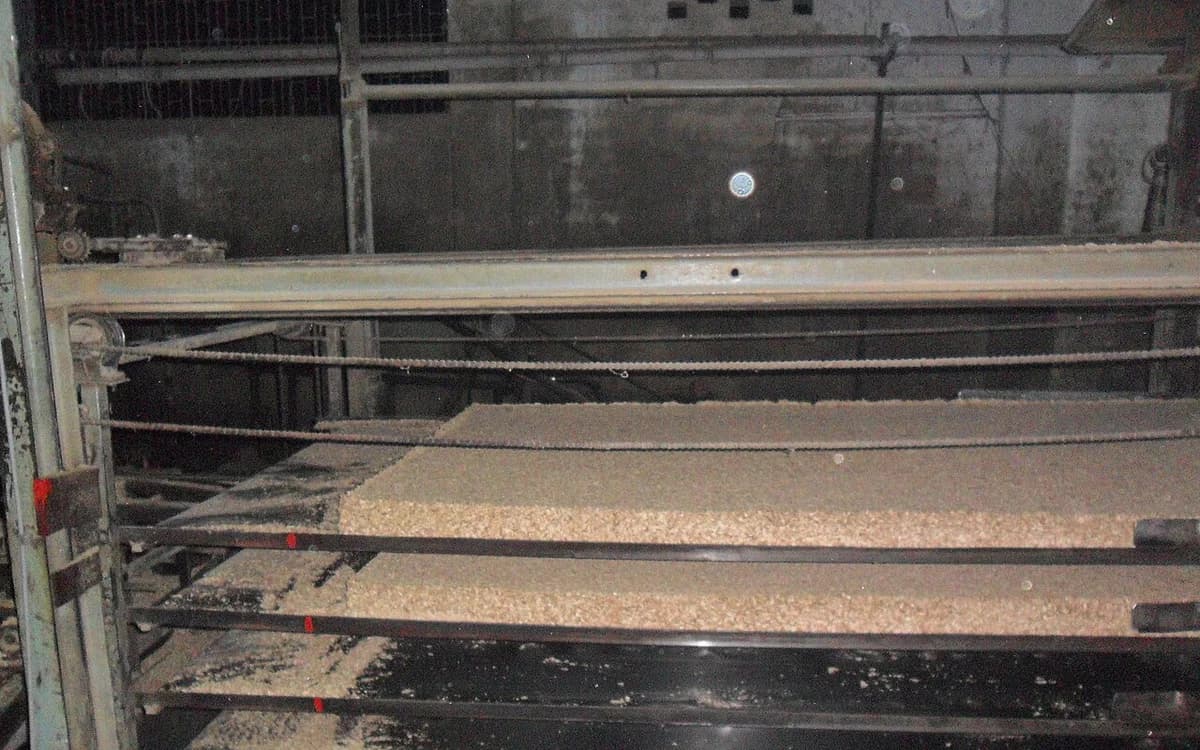
EPA TSCA Title VI (40 CFR Part 770) is the US federal rule capping composite wood formaldehyde release at 0.05 ppm for hardwood plywood, 0.09 ppm for particleboard, 0.11 ppm for MDF, and 0.13 ppm for thin MDF (US EPA 40 CFR Part 770, 2025). Factories shipping flat-pack or built cabinets to North America, Europe, or Asia must keep machined parts below these chamber ceilings.
| Regulatory Standard | Jurisdiction & Method | Product Category | Maximum HCHO Threshold | Millwork QC Requirement |
|---|---|---|---|---|
| EPA TSCA Title VI. | USA (ASTM D6007). | Hardwood Plywood. | 0.05 ppm (50 ppb) (US EPA, 2025). | Quarterly chamber test and lot labels. |
| CARB Phase 2. | California (ASTM D6007). | Particleboard (PB). | 0.09 ppm (90 ppb) (CARB, 2025). | Edge and bore sealing on grooved panels. |
| EPA TSCA Title VI. | USA (ASTM D6007). | MDF (> 8 mm) / Thin MDF. | 0.11 ppm / 0.13 ppm (US EPA, 2025). | Raw 3 to 5 mm back panels need 25 to 40 ml/m2 sealer. |
| EN 717-1 (E1). | European Union (1 m3 Chamber). | Uncoated & Coated Panels. | 0.10 ppm (EU); 0.05 ppm (DE) (ECHA, 2025). | 28-day chamber verification per EN 16516. |
| GB/T 18883-2022. | China (12-Hour Closed Room). | Finished Room Air. | 0.08 mg/m3 (80 ug/m3) (ISO 16000-9, 2024). | Full-room handover test at 23 C or above. |
| WHO IAQ Guideline. | Global Health Benchmark. | Indoor Air Quality. | 0.10 mg/m3 (30-min mean) (WHO, 2024). | Protective limit for sensitive occupants. |
4. Step-by-Step Factory SOP: Applying Penetrating Sealer Across Four Millwork Stations
To pass chamber tests without slowing CNC routing or banding lines, apply chemical scavengers and pore sealers across four work stations.
Why Zero-Film Sprays Rebound at 80% RH Without a Pore Sealer
Step 1: Inline Scavenger Conditioning on Raw Boards (Station 1)
By the end of this step, raw MDF, particleboard, or plywood sheets have surface free formaldehyde neutralized before sawing.
- Mix the 1:9 inline solution. Fill a clean HDPE or 304 stainless tank with 9 parts RO or deionized water (< 50 ppm TDS). Add 1 part 10X Amino-Acid HCHO Scavenger Masterbatch while stirring at 60 to 120 RPM for 15 minutes (ASTM D6007, 2021). One 25 L drum yields 250 L of ready spray at pH 6.8 to 7.4, as detailed in our kitchen and vanity plumbing cut-out sealing guide.
- Spray on the conveyor. Mist raw core boards or back sheets at 15 to 25 ml/m2 with a 0.8 mm low-pressure nozzle (ISO 16000-9, 2024).
- Check board moisture. Verify with a pinless meter that surface moisture gain stays under 0.8% (ASTM D6007, 2021). Boards can move to panel saws within 30 minutes without warping.
Step 2: Saturating Saw-Cut Edges, Dado Grooves, and CNC Profiles (Station 2)
By the end of this step, all freshly cut board edges and routing grooves hold a 2 to 4 mm amino-polymer barrier.
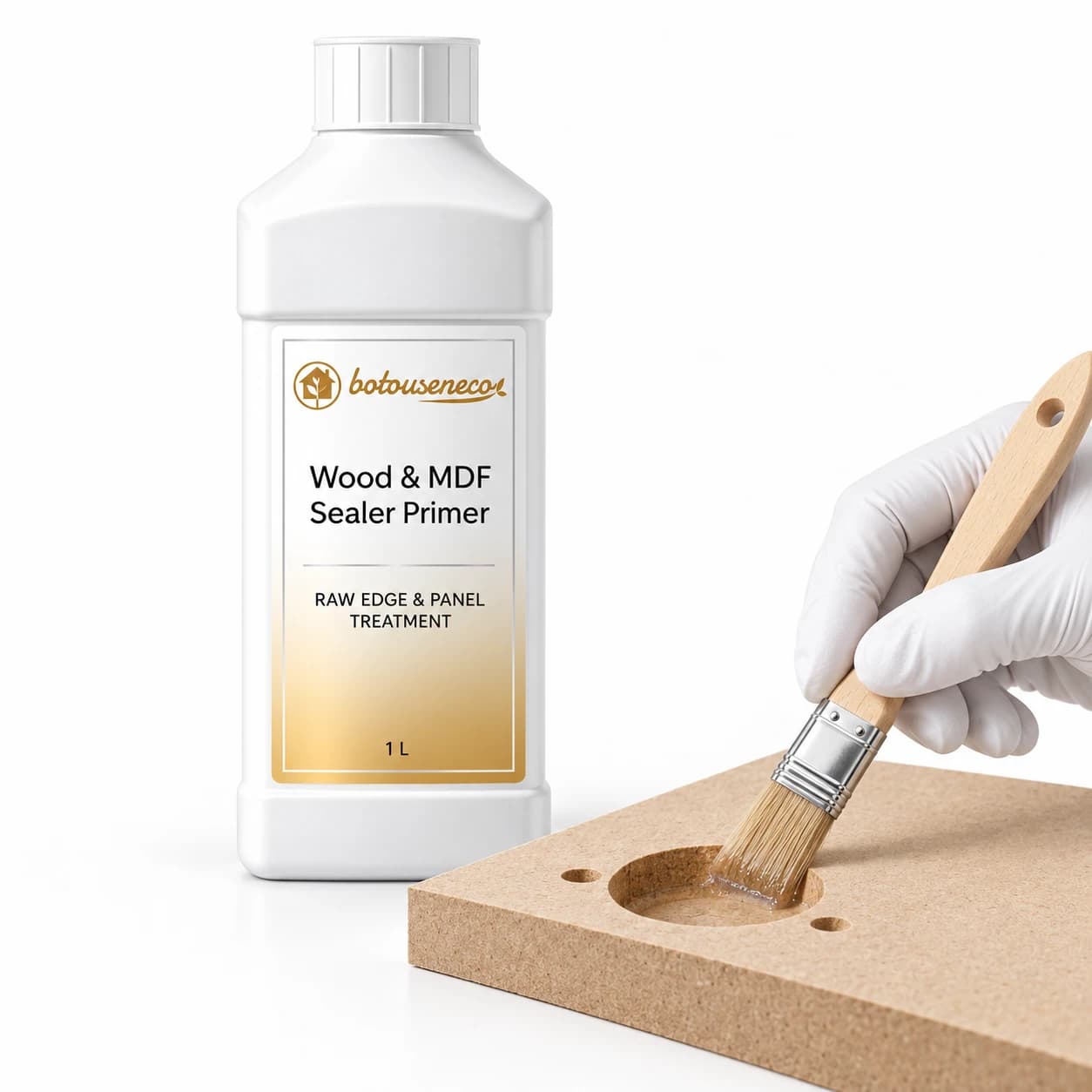
- Choose the applicator. Apply Penetrating Wood & MDF Sealer Primer undiluted with a sponge roller, brush, or 1.0 mm HVLP spray gun at 0.20 to 0.25 MPa (ISO 2409, 2020).
- Meter the dosage. Apply 25 to 30 ml/m2 on standard MDF edges and 30 to 40 ml/m2 on porous particleboard cores (ISO 16000-9, 2024).
- Wipe laminated faces clean. If spray hits melamine faces, wipe it off with a damp cloth within 10 minutes before the film sets.
- Confirm dry-to-band state. Wait 45 minutes at room air (or 15 minutes in a 45 C warm tunnel) before running panels through the edge-bander (ISO 2409, 2020).
Step 3: Treating 35 mm Hinge Bores, Cam-Lock Pockets, and Raw Back Panels (Station 3)
By the end of this step, hidden drill holes and thin 3 mm to 5 mm HDF drawer bottoms and cabinet backs are sealed against moisture.
- Seal hardware drill holes. After CNC boring, brush or mist 25 to 35 ml/m2 of Penetrating Wood & MDF Sealer Primer into 35 mm hinge cups, 15 mm cam-lock holes, and 5 mm pin rows (ISO 16000-9, 2024).
- Coat raw 3 mm to 5 mm back panels. Spray the raw rear face and cut edges of thin HDF back panels at 30 to 40 ml/m2 with a 1.0 mm HVLP gun (ISO 2409, 2020). Full cross-linked cure finishes in 12 to 24 hours.
- Treat painted or veneered parts. On PU/PE painted doors or 0.6 mm wood veneers that dislike water, apply Formaldehyde & Benzene C6H6 Removal Essence at 12 to 20 ml/m2 (ISO 16000-9, 2024). Finish by buffing our Formaldehyde Removal Care Wax at 10 to 15 g/m2 across wood veneers (ISO 2409, 2020).
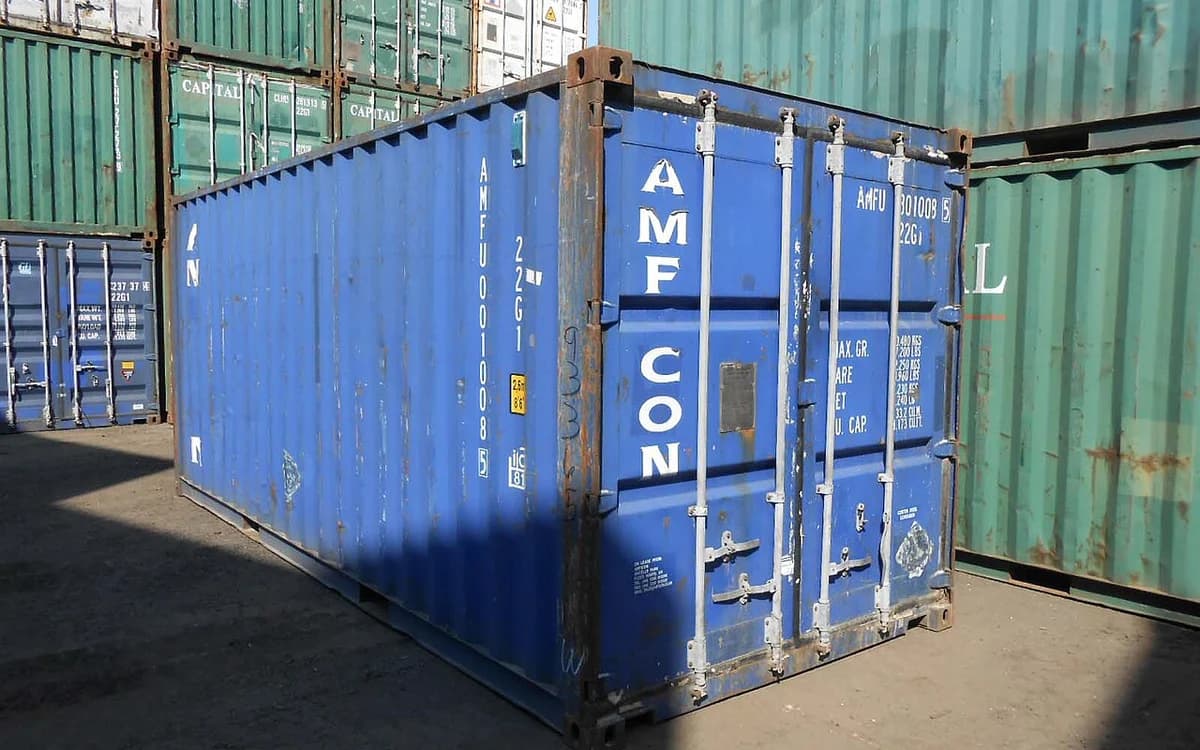
Step 4: Pre-Shipment QC and Container Transit Protection (Station 4)
By the end of this step, finished cabinets pass chamber testing and stay protected from heat rebound during sea freight.
- Run chamber QC. Test sample cabinet parts in a 1 m3 climate chamber per ISO 16000-9 (2024) or ASTM D6007 (2021) after a 24-hour cure.
- Pack chemisorption pouches. Place 1 to 2 x 100 g pouches of Amino-Acid Modified Activated Carbon Packs inside flat-pack boxes before loading containers (ASTM D6007, 2021). Plain carbon releases trapped gas above 28 C (CDC ATSDR Profile, 2024). Our amino-modified coconut carbon (1050 mg/g iodine rating) locks HCHO into solid imines even when sea containers hit 50 C (NIH PubMed, 2024).
5. Three Common Millwork Edge-Sealing Mistakes to Avoid
Even when factories buy certified E1 or CARB Phase 2 boards, three shop-floor mistakes often trigger chamber test failures:
Sealing raw MDF and particleboard edges, drill holes, and back panels during machining stops 85% of cabinet formaldehyde release at the source (US EPA, 2025). By pairing 2 to 4 mm pore wicking with a moisture barrier, Penetrating Wood & MDF Sealer Primer drops 24-hour chamber readings from 240 ppb to 18 ppb (0.018 ppm) (ASTM D6007, 2021). This gives furniture makers a reliable margin below EPA TSCA Title VI, CARB Phase 2, EN 717-1 E1, and GB/T 18883-2022 limits.
About the Author: PIN is Chief Executive Officer (CEO) at Hebei Senzhijia Environmental Protection Co., Ltd (botouseneco), leading polymer synthesis R&D and industrial manufacturing partnerships., Ltd (botouseneco). To learn more about us or test edge sealing on your own panel line, read our ISO 9001, ISO 14001, and CMA/CNAS quality verification desk or contact our engineering team to request a 500 mL / 1 L Sample Evaluation Kit, SDS/TDS files, and FOB Tianjin bulk drum quotes.
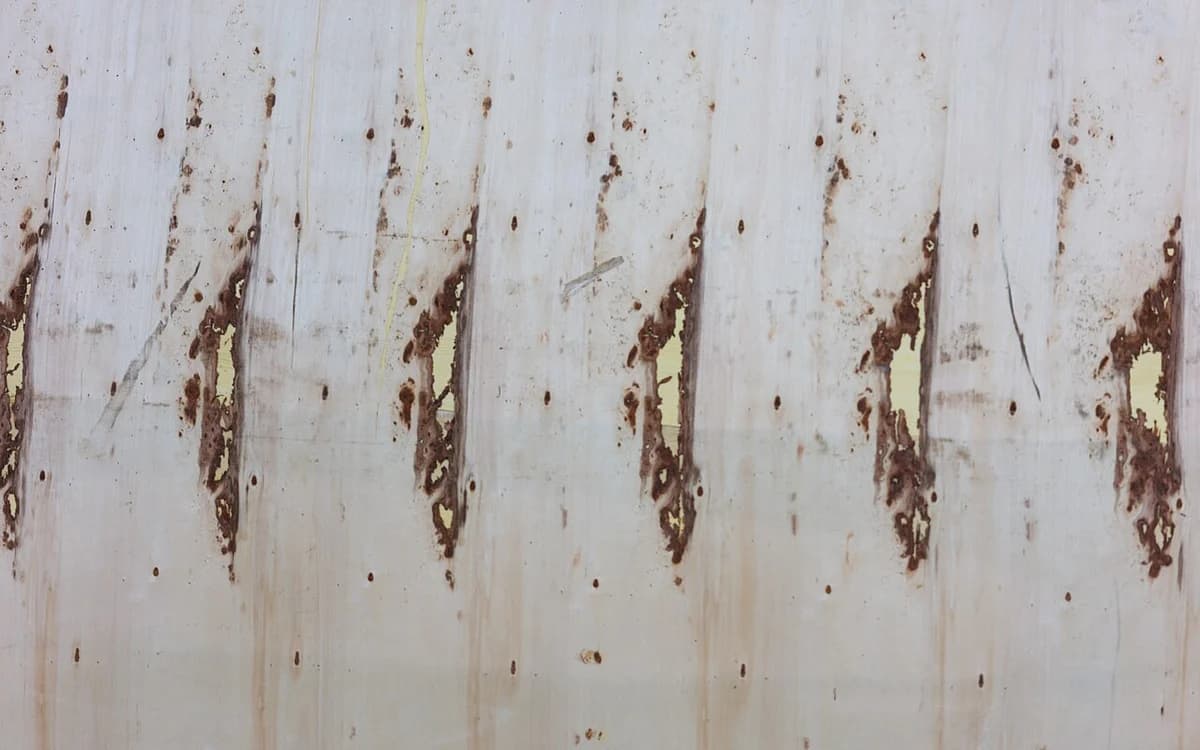
- Using acidic ammonium chloride sprays instead of neutral amino sealers. Cheap ammonium chloride (NH4Cl) liquids have a low pH of 4.0 to 5.0 (NIH PubMed, 2024). Inside cabinet boxes, acid salts rust steel Euro-hinges within 14 days and swell MDF fibers by 6% to 9% (ISO 2409, 2020). Always use neutral pH 7.0 to 8.0 amino polymer sealers.
- Banding over wet primer before the 45-minute flash-off time. Feeding wet edges into a 200 C EVA glue pot turns trapped water into steam bubbles (ISO 2409, 2020). Wait 45 minutes in room air (or 15 minutes under warm air) so water dries before hot-melt banding.
- Leaving dried sealer drops on glossy melamine faces. Penetrating Wood & MDF Sealer Primer cures into a satin-matte film on porous wood in 60 to 90 minutes (ISO 2409, 2020). Wipe overspray off non-porous melamine faces with a damp cloth within 10 minutes.
Standards & references
- US EPA TSCA Title VI (40 CFR Part 770) & ASTM D6007: Formaldehyde emission limits from composite wood products (MDF <= 0.11 ppm, thin MDF <= 0.13 ppm, particleboard <= 0.09 ppm).
- UN GHS Rev. 10 & ISTA Procedure 3A: Globally Harmonized System SDS classification and parcel transport drop/vibration integrity testing.
- USGBC LEED v4.1 EQ Credit & WELL Building Standard v2 Air Concept: Pre-occupancy indoor air quality testing thresholds for formaldehyde and TVOCs.
- ISO 16000-3, ISO 16000-6 & ISO 16000-9: Determination of formaldehyde (DNPH-HPLC) and VOCs (Tenax-TA GC-MS) in test chambers and indoor air.
Frequently Asked Questions (FAQ)
01.How does Penetrating Wood & MDF Sealer Primer differ from standard Formaldehyde Remover?
Standard Formaldehyde Remover is a zero-film water spray (15 to 25 ml/m2) that leaves no surface film on finished cabinets (ISO 16000-9, 2024). Penetrating Wood & MDF Sealer Primer carries 12% cross-linking polymer solids built for raw MDF edges, 35 mm hinge bores, plumbing cutouts, and raw back panels that need both chemical binding and a moisture block (ISO 2409, 2020).
02.Does applying the sealer primer before edge-banding reduce EVA or PUR hot-melt adhesion?
No, as long as crews wait the 45-minute touch-dry time (ISO 2409, 2020). Because the 40 to 80 nm micelles wick 2 to 4 mm into the core rather than sitting on top, binding loose MDF dust actually strengthens EVA and PUR glue grip.
03.How much sealer primer is required per 1,000 m2 of machined cabinet panels?
At 25 to 40 ml/m2 on raw edges, bores, and 3 mm back panels, one 25 L HDPE pail treats 625 to 1,000 m2 of raw wood area (ASTM D6007, 2021). For conveyor spraying of full boards, mills mix one 25 L drum of 10X Amino-Acid HCHO Scavenger Masterbatch at 1:9 with RO water to make 250 L of spray covering 10,000 to 15,000 m2 (ASTM D6007, 2021).
04.What are the B2B sample, bulk MOQ, and export shipping terms from Botou?
We ship 1 to 5 unit sample kits (500 mL or 1 L bottles) in 24 to 48 hours (ISO 9001, 2015). Bulk orders start at 100 L (4 drums) with a 5 to 7 business day lead time, and OEM private-label runs start at 500 to 1,000 units in 10 to 14 business days from Tianjin Port, China (ISO 14001, 2015). All liquids ship as Non-Dangerous Goods (Non-DG) under GHS Rev. 10 (HS Code 3824.99.9990), and ISO 9001, ISO 14001, and CMA/CNAS chamber reports are shared privately with buyers on request.

About the author.
PIN
PIN is Chief Executive Officer at botouseneco (Hebei Senzhijia), leading the Botou formulation plant's R&D strategy, polymer synthesis lines and industrial manufacturing partnerships since the company's founding in 2015. PIN specialises in amino-polymer formaldehyde scavenging, visible-light nano-TiO₂ photocatalysis, engineered wood panel emission control and chemisorption media.
- Chief Executive Officer · Botou formulation & manufacturing plant.
- 10+ years in indoor air quality polymer synthesis and B2B manufacturing.
Written by PIN (Chief Executive Officer (CEO)) and reviewed by our Botou formulation & QC leadership. Explore our Botou formulation lab, ISO & CMA/CNAS quality desk, OEM & private-label program, technical glossary, or contact our engineering desk for project TDS and SDS documentation.
Next step.