Dual Scavenging + Physical Seal
Combines immediate nucleophilic formaldehyde binding with a moisture-resistant internal pore barrier.
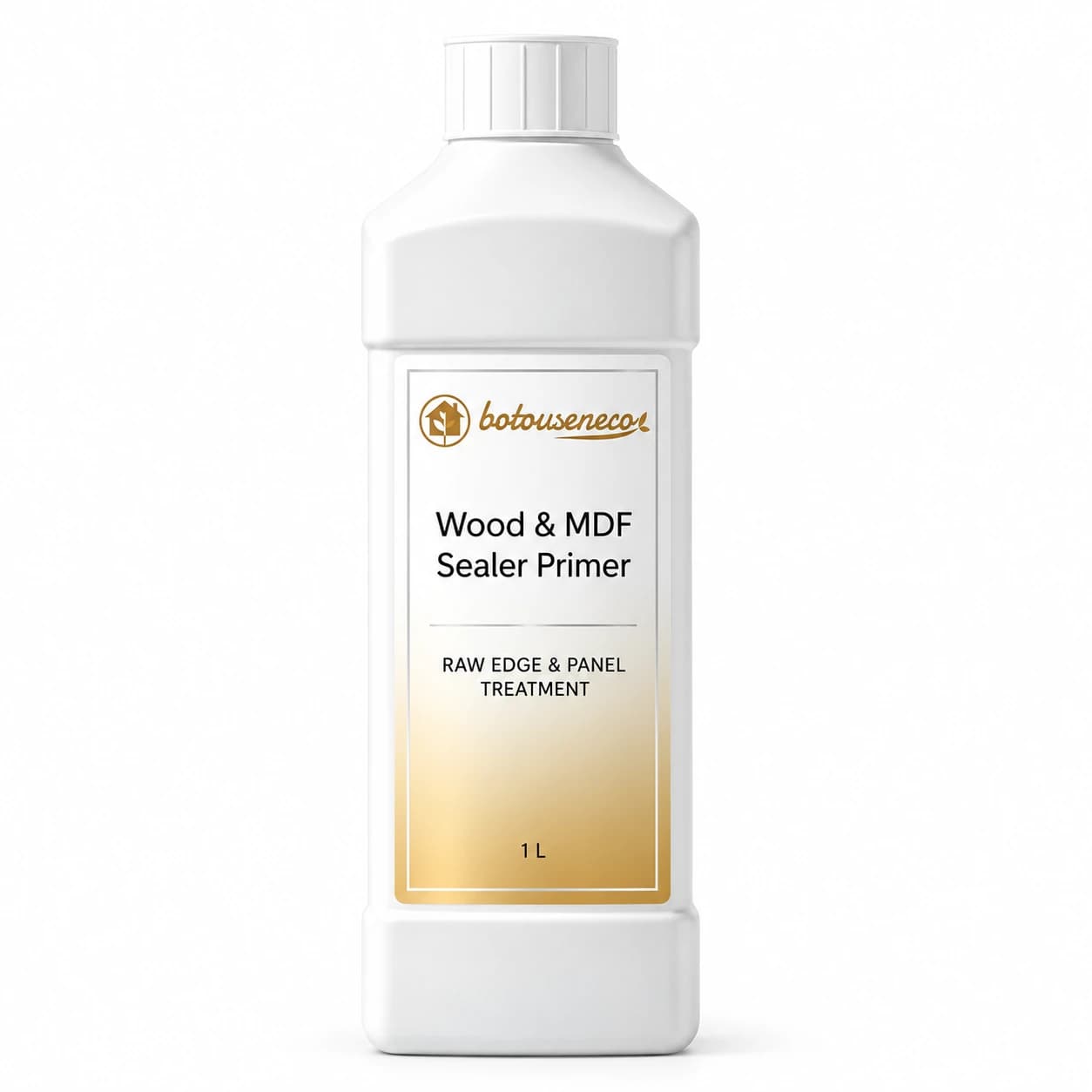 01 / 05 · Studio Packshot
Deep-Pore Barrier & Edge Sealer
botouseneco Penetrating Wood & MDF Sealer Primer is a B2B cross-linking polymeric barrier primer engineered for raw MDF edges, particleboard cutouts, cam-lock drill holes, and wooden subfloors. Applied by brush or HVLP spray at 25–40 ml/m², it penetrates 2–4mm into porous composite wood fibers and cures into a breathable, formaldehyde-scavenging micro-film that blocks up to 96% of long-term urea-formaldehyde resin diffusion.
Last updated
01Overview
Stop severe panel off-gassing at the structural exit points where 85% of cabinet formaldehyde escapes.
While melamine-laminated board faces act as a partial vapor barrier, raw saw-cut edges, hinge cup bores, shelf pinholes, and unsealed back panels expose raw urea-formaldehyde (UF) wood fibers directly to indoor air. botouseneco Penetrating Wood & MDF Sealer Primer combines low-molecular-weight amino scavengers with a self-crosslinking waterborne micro-dispersion. It wicks deep into raw fiber bundles, chemically reacting with free HCHO while forming a durable internal seal that prevents moisture-driven resin hydrolysis.
Combines immediate nucleophilic formaldehyde binding with a moisture-resistant internal pore barrier.
Prevents seasonal high humidity from penetrating raw board edges and triggering fresh UF resin breakdown.
Ultra-fine waterborne dispersion wicks deep into high-density MDF and particleboard cores without surface peeling.
Formulated without aromatic solvents, isocyanates, or pungent odors—safe for enclosed indoor application.
Reaction mechanism
Penetrating Wood & MDF Sealer Primer utilizes 40–80nm functionalized polymer micelles carrying terminal primary amine (-NH₂) groups. Upon wicking into raw MDF or particleboard pores, the amine groups irreversibly trap free formaldehyde while the polymer backbone cross-links into a hydrophobic micro-lattice—blocking ambient humidity from entering the board and hydrolyzing dormant UF adhesive.
Reaction pathway
Poly-Acrylate Cross-Link + Amino Trap02Technical data
Published factory QC parameters for engineering submittals, tenders and procurement files, grouped the way distributors list them.
English TDS, GHS-format SDS and a batch COA for Wood & MDF Sealer Primer.
Request documents| Active Chemistry | Amino-functionalized self-crosslinking micro-polymer dispersion & penetrative surfactants |
|---|
| Solid Content & pH | 12% ± 1% active cross-linking solids; pH 7.0 – 8.0 |
|---|---|
| Grade | Professional IAQ Contractor & Millwork Grade |
| CAS number(s) | 7732-18-5 (Deionized Water) · 9002-98-6 (Polyamine Scavenger Polymer) · 9012-76-4 (Modified Chitosan / Amino Co-Reactant) |
| Appearance | Clear to pale amber homogeneous liquid |
| Odor | Odorless to faint botanical neutral note |
| Density | 1.02 - 1.05 g/cm³ (20 °C) |
| Viscosity | 2.5 - 6.0 mPa·s (25 °C) |
| Flash point | Non-flammable (Aqueous base, >100 °C closed cup) |
| Solubility | 100% miscible in water |
| VOC content | < 5 g/L (Ultra-low VOC, zero added formaldehyde) |
| HS code | 3824.99.9990 |
| Target Substrates | Raw MDF, particleboard, OSB, hardwood plywood, unsealed cabinet backs, wood subfloors |
|---|---|
| Recommended Dosage | 25 – 40 ml/m² (brush saturation or 1.0mm HVLP spray) |
| Drying & Overcoat Time | Touch dry in 45 mins; full cross-linked cure in 12–24 hours |
03Application
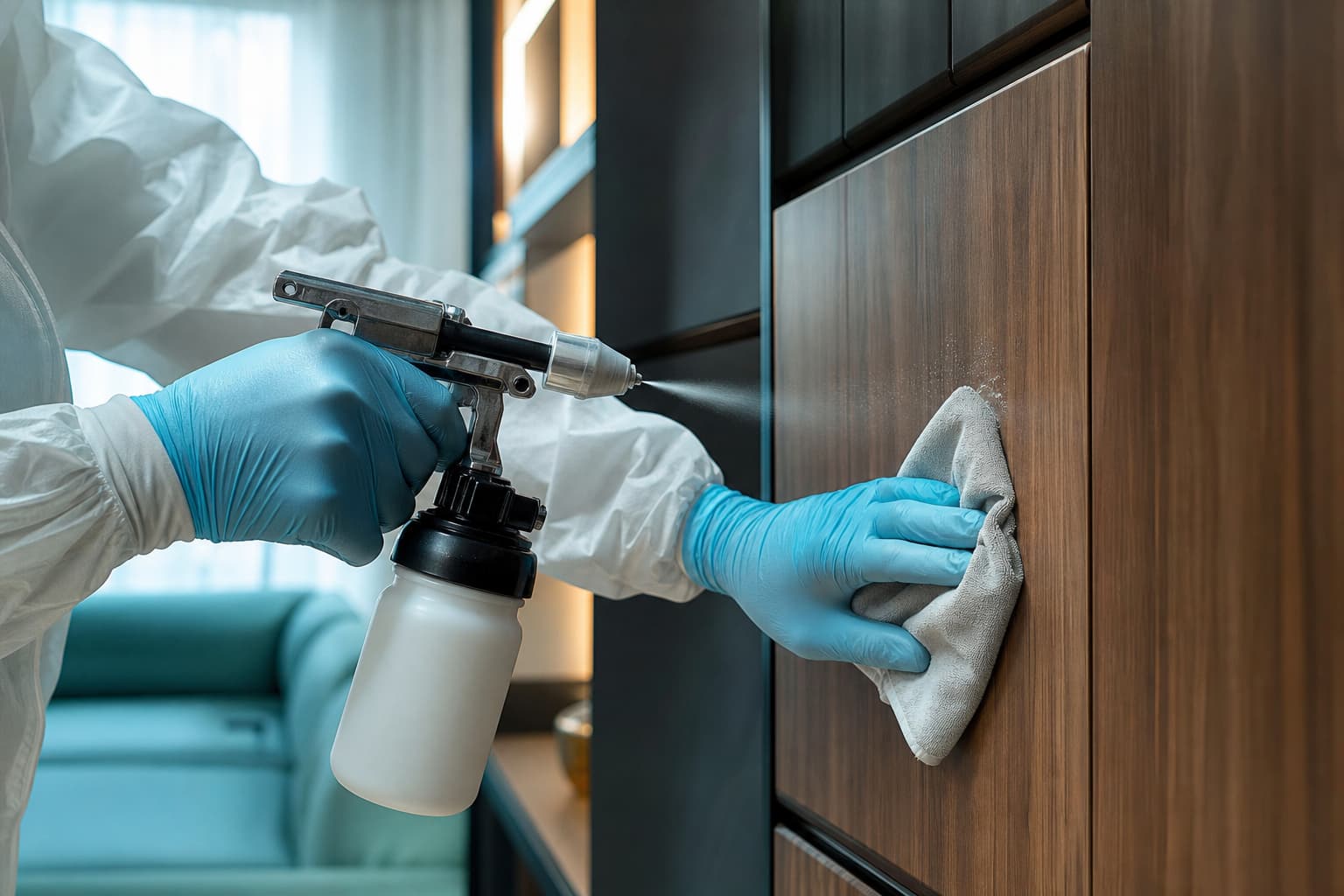
Focus on plumbing cutouts, shelf pinholes, and unbanded back edges.
Before assembling or handing over custom cabinetry, inspect all field-cut openings (sink base cutouts, electrical pass-throughs, and unbanded top/bottom edges). Saturating these raw zones with Penetrating Wood & MDF Sealer Primer eliminates the primary conduit for multi-year HCHO release.
Record initial HCHO/TVOC readings (mg/m³), room temperature (°C), relative humidity (% RH), and closure window (1h vs. 12h).
Identify whether off-gassing stems from urea-formaldehyde MDF/particleboard, phenolic plywood, solvent lacquers, or textile backings.
Calculate total surface area (m²) of panels, walls, and ceilings to determine exact liquid volume (ml/m²) and nozzle gauge (0.5mm–1.0mm).
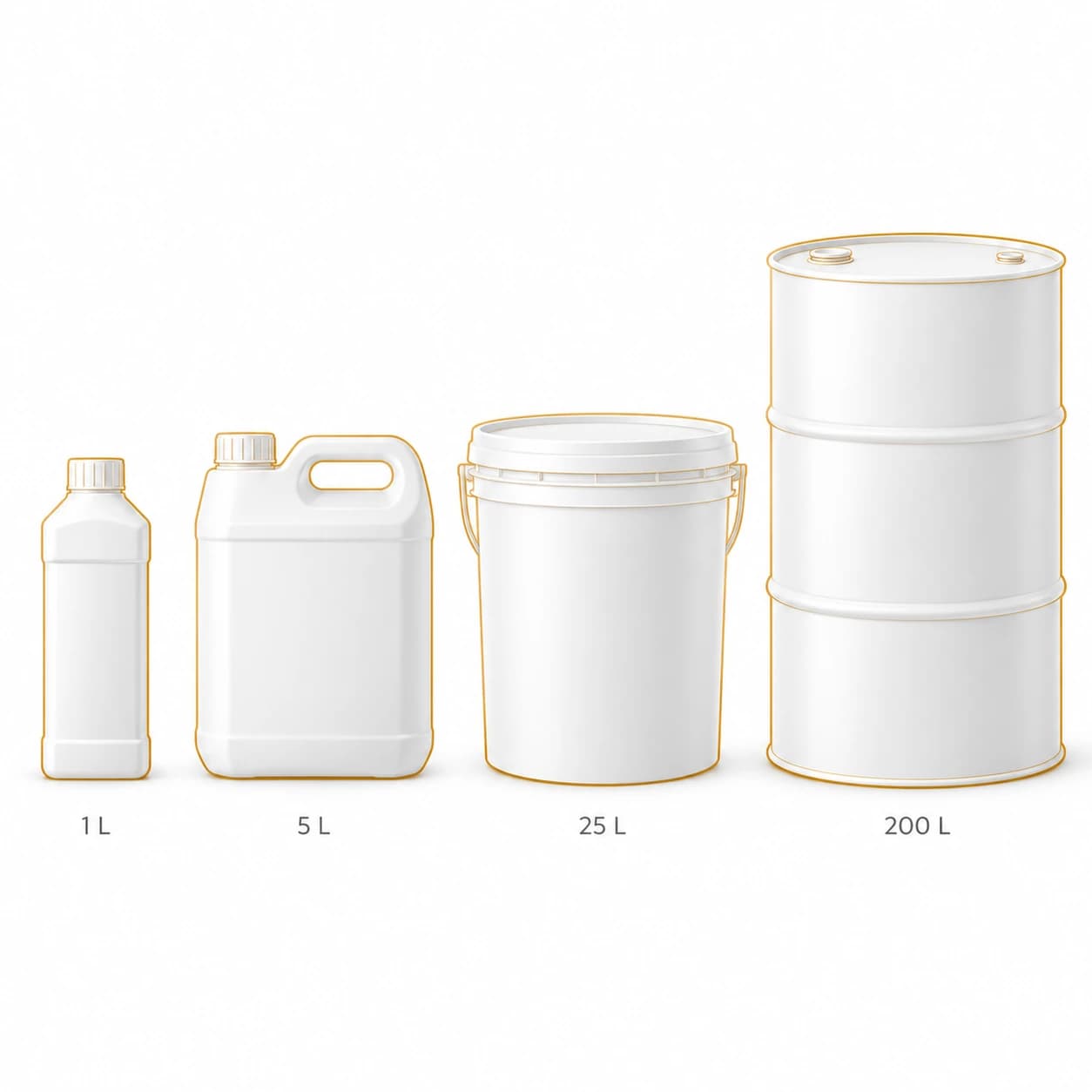
Confirm sample evaluation batch, TDS/MSDS export documentation, and commercial drum sizing (1L / 5L / 20L / 25L / 200L).
Dries clear with a satin-matte seal in 60–90 minutes; wipe off laminated faces before curing
04Safety, handling & compliance
Hazard classification, storage and transport data follow the product's safety data sheet. Request the SDS for the full 16-section document.
Dries clear with a satin-matte seal in 60–90 minutes; wipe off laminated faces before curing
Protective equipment: Nitrile gloves, safety glasses, and FFP2/N95 mist mask during enclosed HVLP atomization.
Non-Dangerous Goods (Non-DG) for sea, air, and road freight (Not regulated under IMDG, IATA, or ADR).
Certificate copies and full test reports are shared with buyers on request. Request copies · Quality & certifications
| Test | Standard | Laboratory | Result |
|---|---|---|---|
| 24h Closed-Chamber Pollutant Abatement | ISO 16000-9 / GB/T 18883-2022 1 m³ Chamber | CMA/CNAS Accredited Environmental Lab & botouseneco QC Center | ≥ 95.8% 24h free HCHO reduction |
| Substrate Corrosion, pH Neutrality & Zero-Stain Verification | GB/T 18883 Annex & ISO 2409 Surface Integrity Protocol | botouseneco Botou R&D Lab (Supervised by Jyen) | Pass (pH 7.0-8.0; 0% yellowing, blistering, or hardware corrosion) |
05Ordering & logistics
06Documents
Every shipment travels with these documents. Download them here when available, or request the current version from our engineers.
07Dosage
Based on the published coverage for Wood & MDF Sealer Primer: 25 – 40 ml/m² on porous raw composite wood surfaces.
Published coverage: 25 – 40 ml/m² on porous raw composite wood surfaces
Use 2–3 passes for raw high-density board or heavy TVOC loads.
Estimated quantity
7.5–12.0L
25–40 ml/m² × 300 m² × 1 pass
Estimate from the published coverage range. Real consumption depends on substrate porosity, nozzle size and baseline readings — our engineers confirm it with your quote.
08Questions
Formaldehyde Remover is a zero-film aqueous scavenger that leaves no coating residue, making it ideal for general furniture surfaces. Penetrating Wood & MDF Sealer Primer contains a cross-linking polymer barrier specifically designed for raw, unbanded MDF/particleboard edges, plumbing cutouts, and raw subfloors where both chemical scavenging and physical moisture sealing are required.
Yes. Treating the raw rear panels and wall-facing edges of wardrobes prior to mounting is the single most effective pre-installation measure to guarantee GB/T 18883-2022 compliance.
09Related
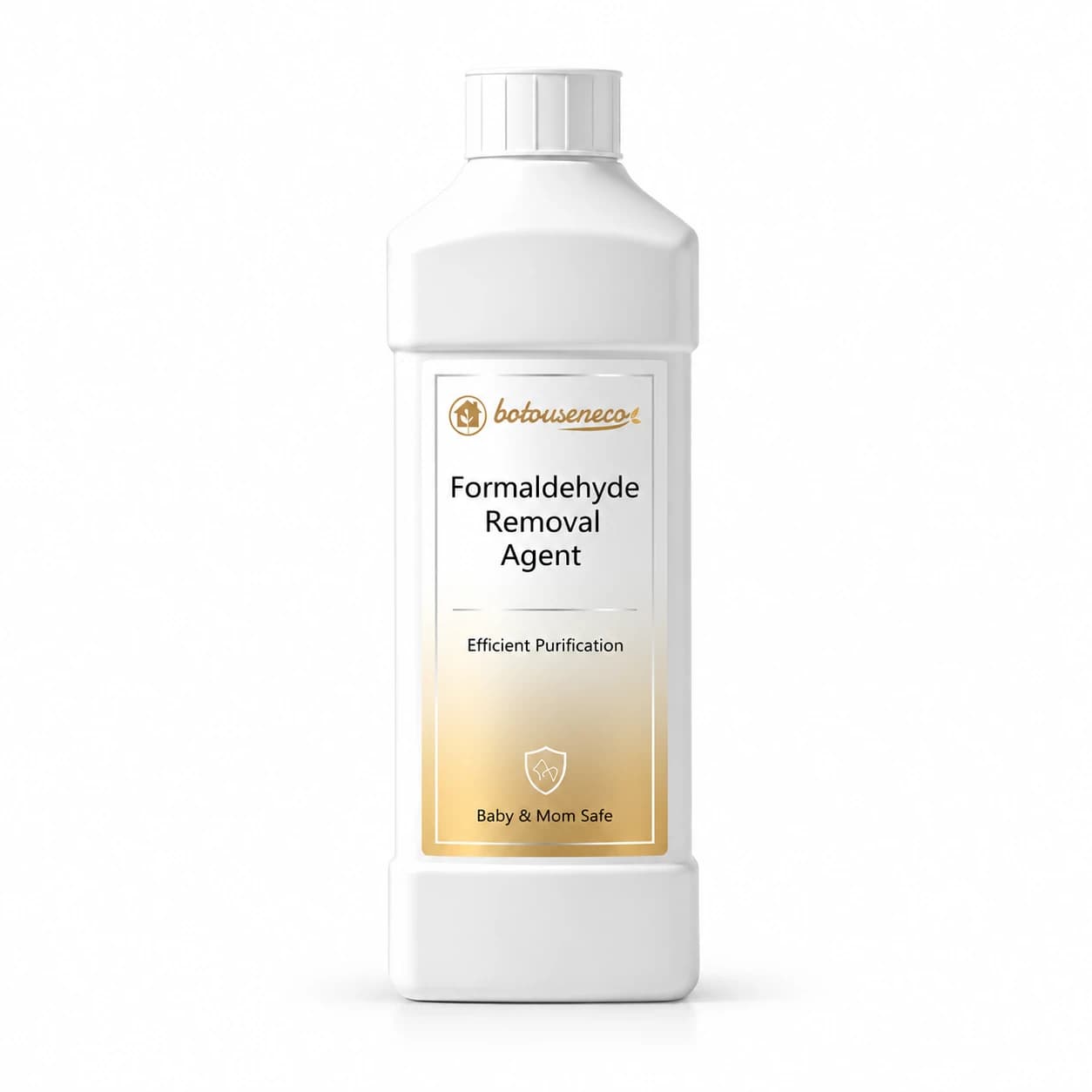
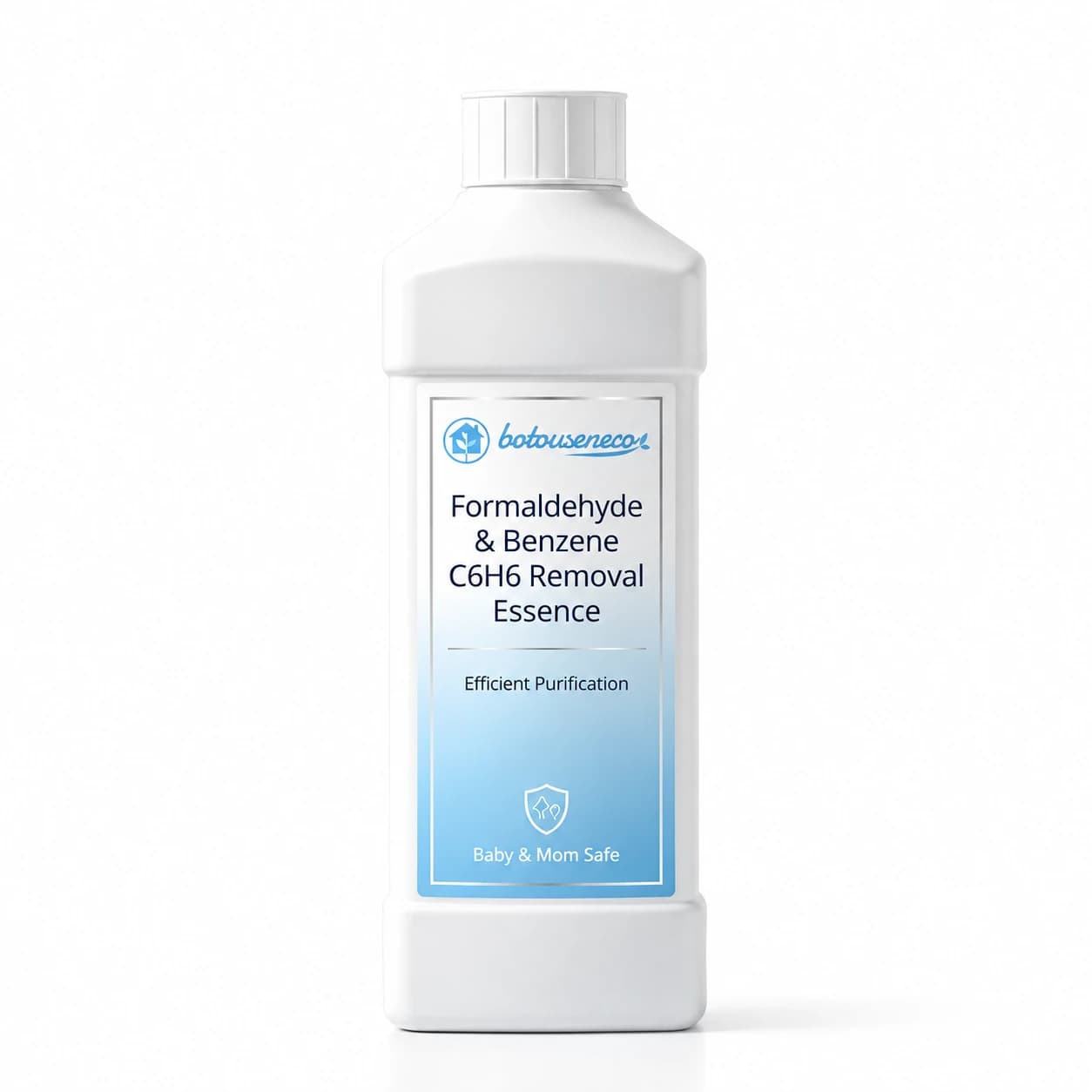
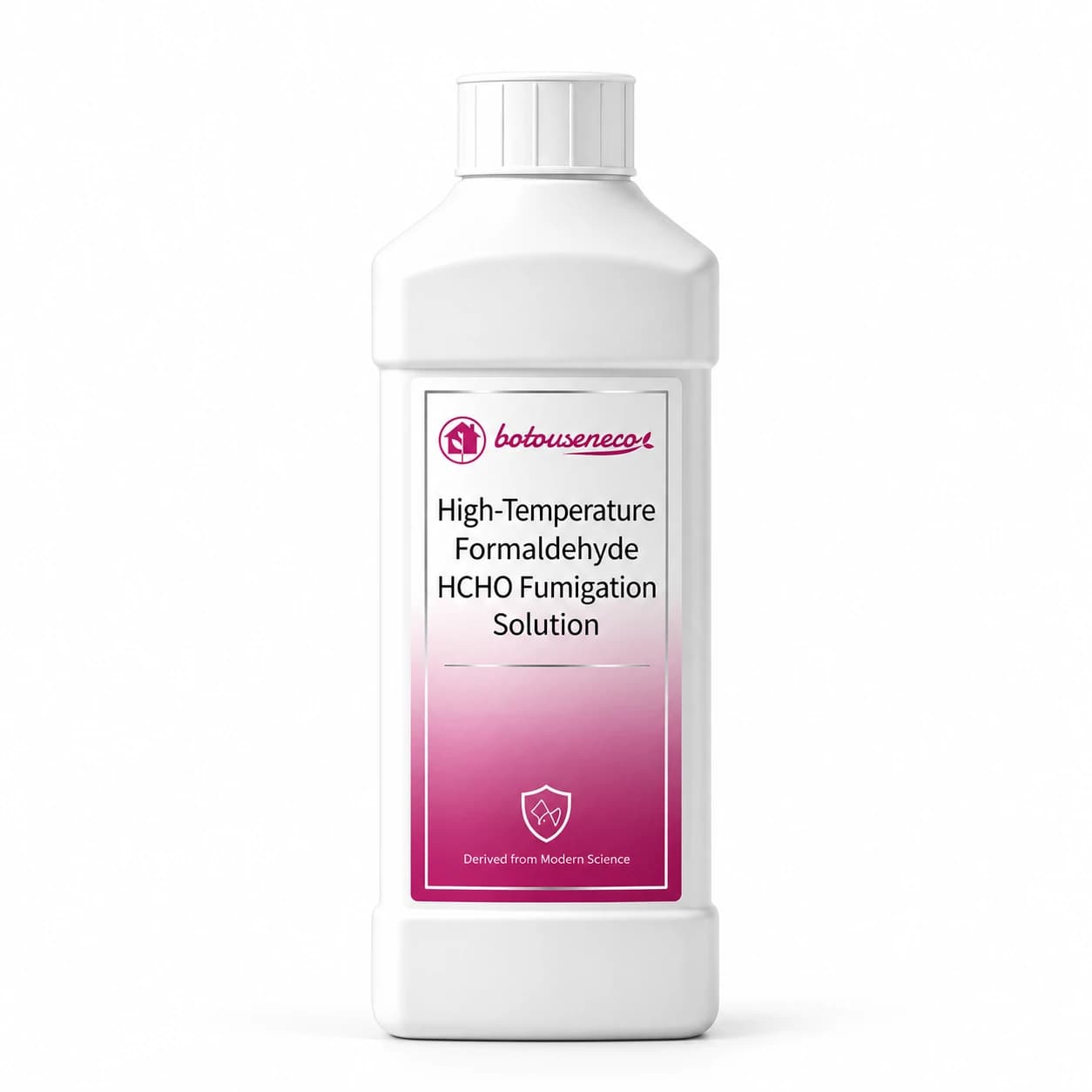
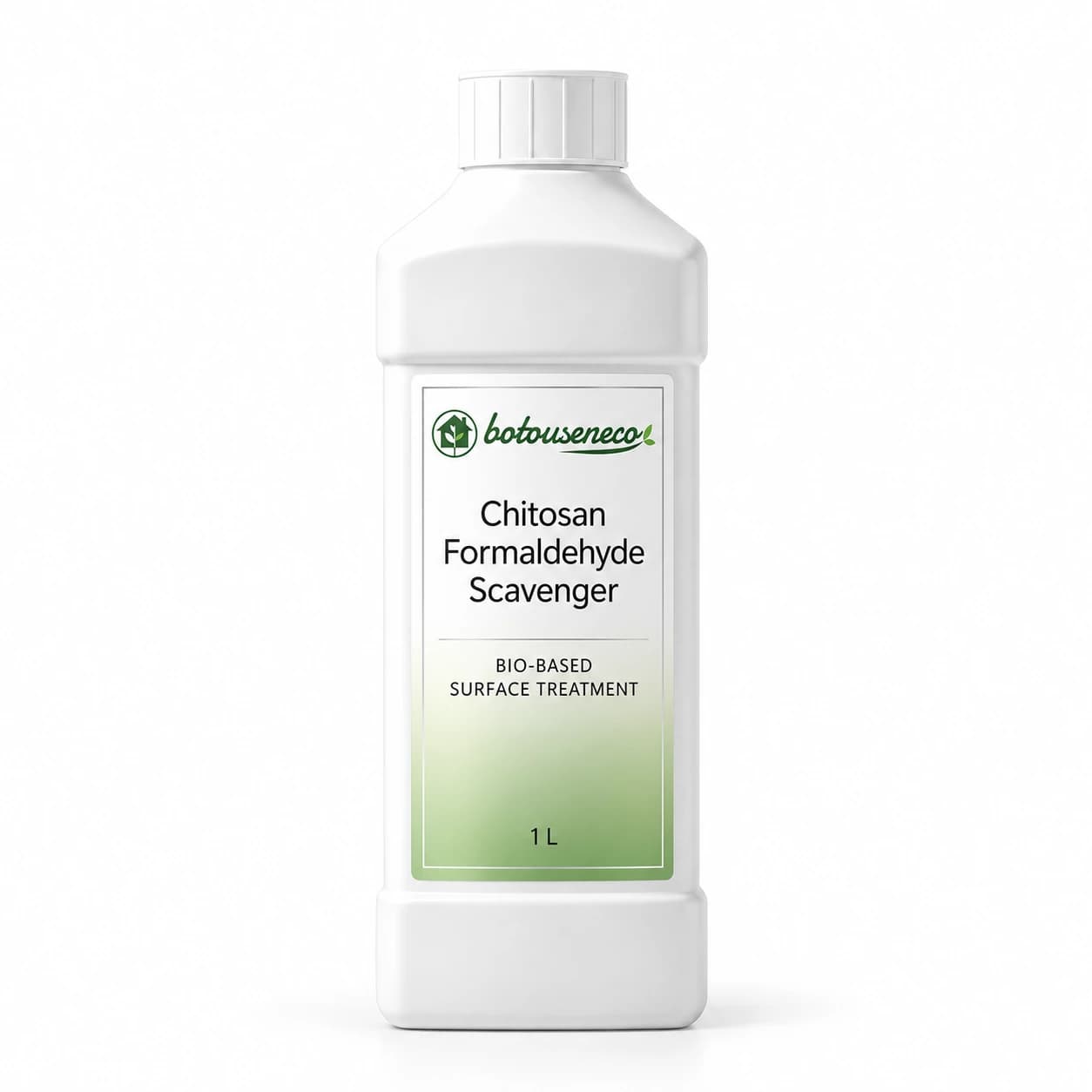
Formaldehyde & Benzene
Dual-phase micro-emulsion
Formaldehyde & Benzene
Thermal steam extraction fluid
Formaldehyde & Benzene
Bio-based chitosan scavenger
Engineering journal
Step-by-step dosing schedules, chamber test datasets and substrate compatibility guides written by our Botou formulation and QC team.
All 66 engineering guidesForensic IAQ contractor guide to diagnosing Day-30 formaldehyde rebound across 50 failed jobs, fixing missed 3 mm MDF drawer backs, baseboard floor gaps, and salt hydrolysis.
 Jyen
Preventive conservation guide to abating acetic acid, formic acid, and formaldehyde in museum vitrines and rare book vaults using amino carbon and KMnO4 media.
Jyen
Step-by-step IAQ guide for RV motorhomes, fiberglass yacht saloons, and sleeper truck cabs to neutralize high-load poplar plywood formaldehyde, FRP hull styrene, and bilge or holding-tank H2S odors.
 Loo
Step-by-step IAQ contractor guide to treating custom walk-in closets and melamine wardrobe systems by targeting 32 mm shelf-pin rows, cam-lock fittings, and unbanded drawer backs at 20 to 30 ml/m2.
Loo
Step-by-step millwork IAQ tutorial on sealing kitchen sink cabinets and bathroom vanities against steam-driven formaldehyde hydrolysis and contact-cement BTEX emissions using Penetrating Sealer Primer (25 to 40 ml/m2) and Dual Essence (12 to 20 ml/m2).
Loo
Step-by-step wood-care IAQ guide to neutralizing tung-oil hexanal, raw lacquer urushiol/aldehydes, and joinery glue formaldehyde on rosewood, mahogany, and oiled solid timber at 10 to 15 g/m2 without water-spot blushing.
Loo
Factory-direct supply
Request a sample with the English TDS and SDS, or send your project size for a bulk or private-label quotation of Wood & MDF Sealer Primer.