True Decomposition (No Masking)
Eliminates odor molecules chemically without leaving heavy artificial perfumes that irritate sensitive occupants.
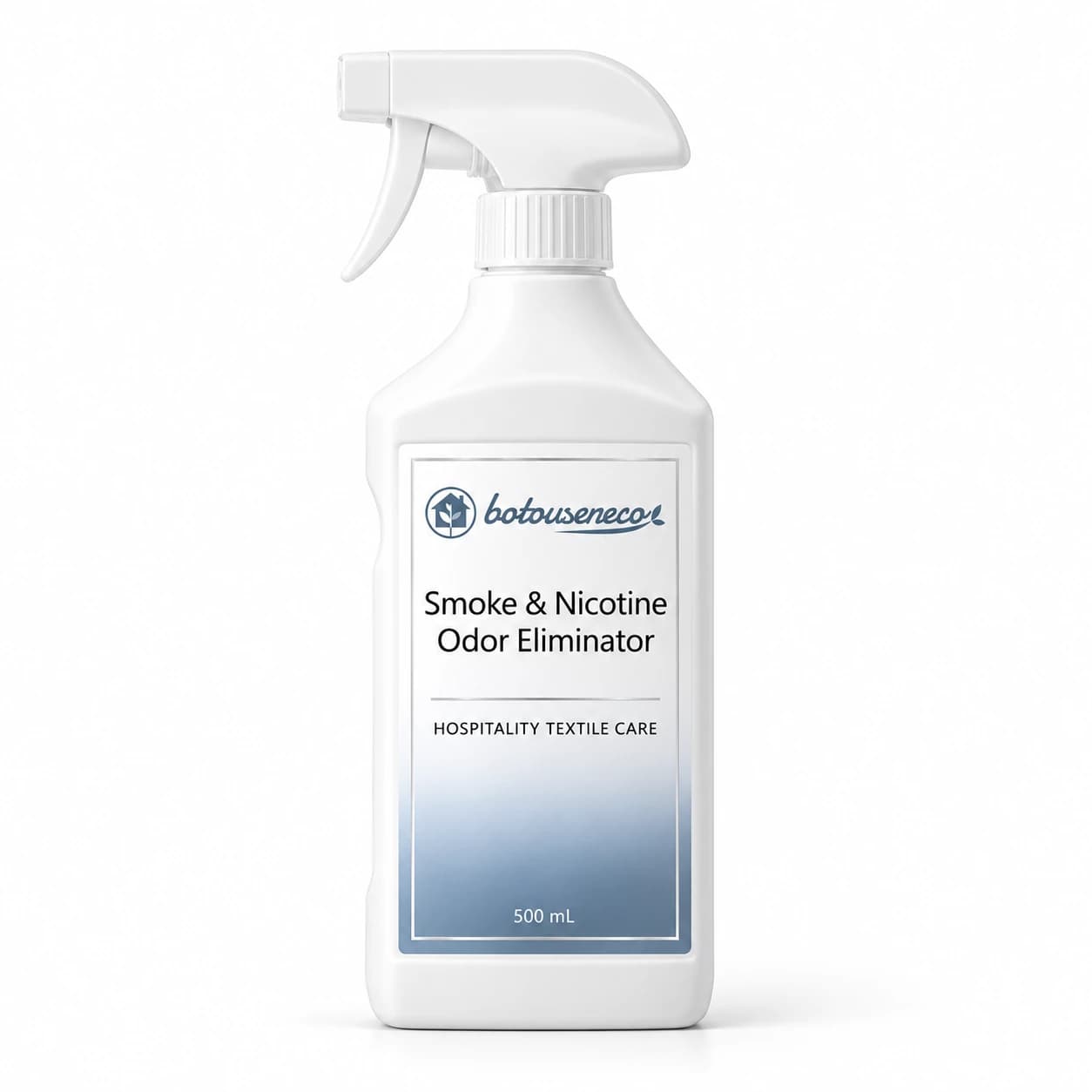
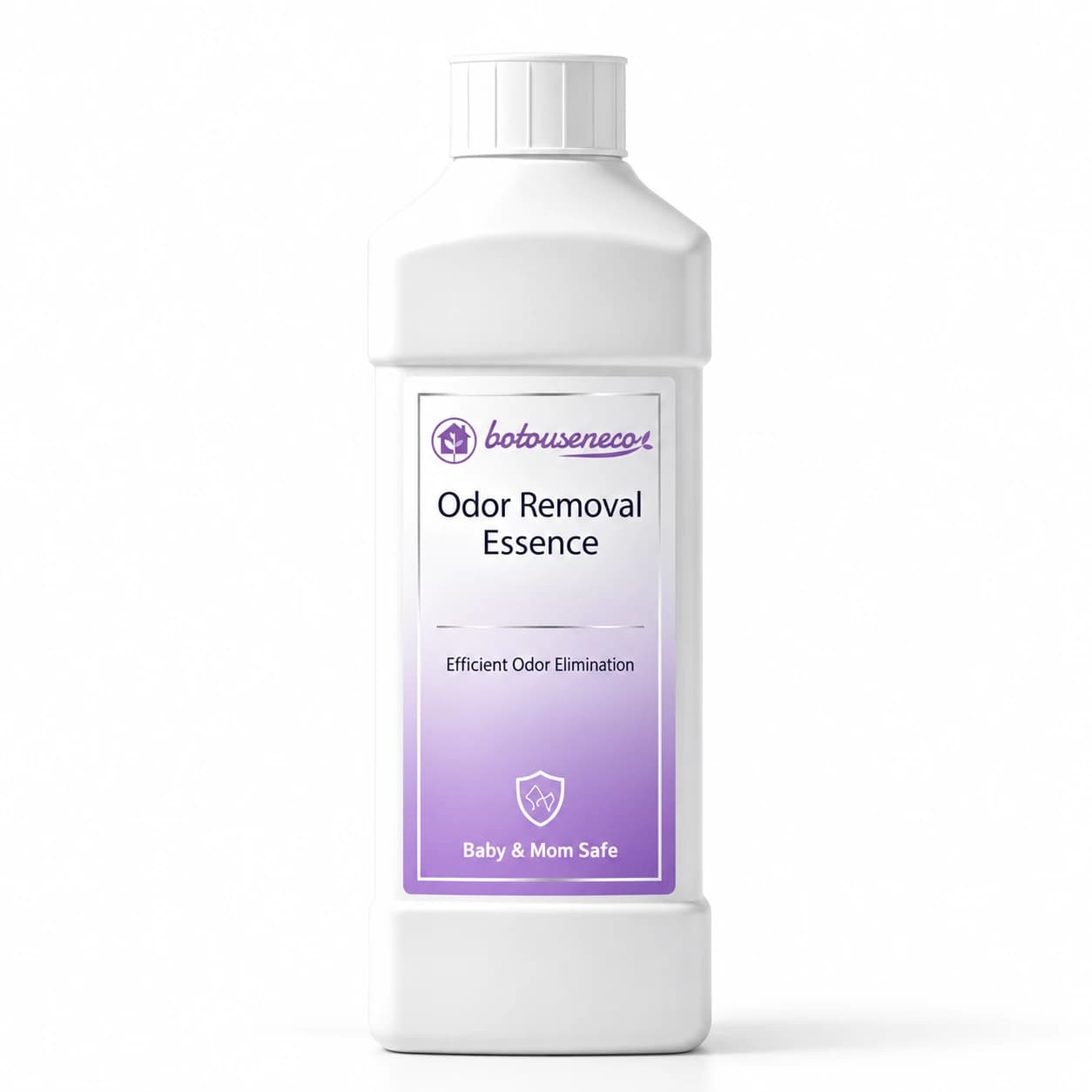 01 / 05 · Studio Packshot
Molecular Odor Decomposition
botouseneco Odor Eliminator is a commercial fragrance-free molecular deodorizer designed for post-renovation handovers, hospitality suites, and commercial real estate. Rather than masking smells with synthetic perfumes, it chemically complexes nitrogenous (ammonia/amines) and sulfurous malodors from concrete additives, glues, carpets, and upholstery.
Last updated
01Overview
Achieve immediate sensory air quality acceptance alongside chemical HCHO/TVOC compliance.
Property owners and hotel guests evaluate indoor air quality first with their sense of smell. Even after formaldehyde readings drop below 0.08 mg/m³, low-threshold odorants—such as ammonia released from concrete curing agents, amines from polyurethane foam, and residual paint smells—can trigger occupant complaints. botouseneco Odor Eliminator neutralizes these malodorous compounds through rapid acid-base complexation and plant-polyphenol deodorization.
Eliminates odor molecules chemically without leaving heavy artificial perfumes that irritate sensitive occupants.
Highly effective against alkaline ammonia emissions from winter concrete anti-freeze admixtures and wall putty.
Safe for direct misting onto curtains, mattresses, carpets, and fabric wall panels.
Rapid action within 30–60 minutes makes it ideal for hotel chains and commercial property managers.
Reaction mechanism
Odor Eliminator contains active plant polyphenols and coordination complexes that bind alkaline gases (NH₃, trimethylamine) and acidic sulfur compounds (H₂S, mercaptans) into non-volatile, odorless macromolecular salts.
Reaction pathway
NH₃ / R-SH + Complex → Inert Salt02Technical data
Published factory QC parameters for engineering submittals, tenders and procurement files, grouped the way distributors list them.
English TDS, GHS-format SDS and a batch COA for Odor Eliminator.
Request documents| Active Chemistry | Extracted plant polyphenols, organic coordination chelators, RO water |
|---|
| pH Value | 6.0 – 7.0 (Mildly buffered for ammonia capture) |
|---|---|
| Grade | Hospitality, Healthcare & Commercial Facility Grade |
| CAS number(s) | 7732-18-5 (Deionized Water) · Extracted Plant Polyphenols & Organic Coordination Chelators (per SDS Section 3) |
| Appearance | Clear to light straw low-foaming liquid |
| Density | 1.00 - 1.02 g/cm³ (20 °C) |
| Viscosity | 1.5 - 4.0 mPa·s (25 °C) |
| Flash point | Non-flammable (>100 °C) |
| Solubility | Completely soluble in water |
| VOC content | < 8 g/L (Biodegradable surfactant system) |
| HS code | 3307.49.0000 |
| Target Odors | Renovation material smells, ammonia (NH₃), amines, sulfides, upholstery & carpet odors |
|---|
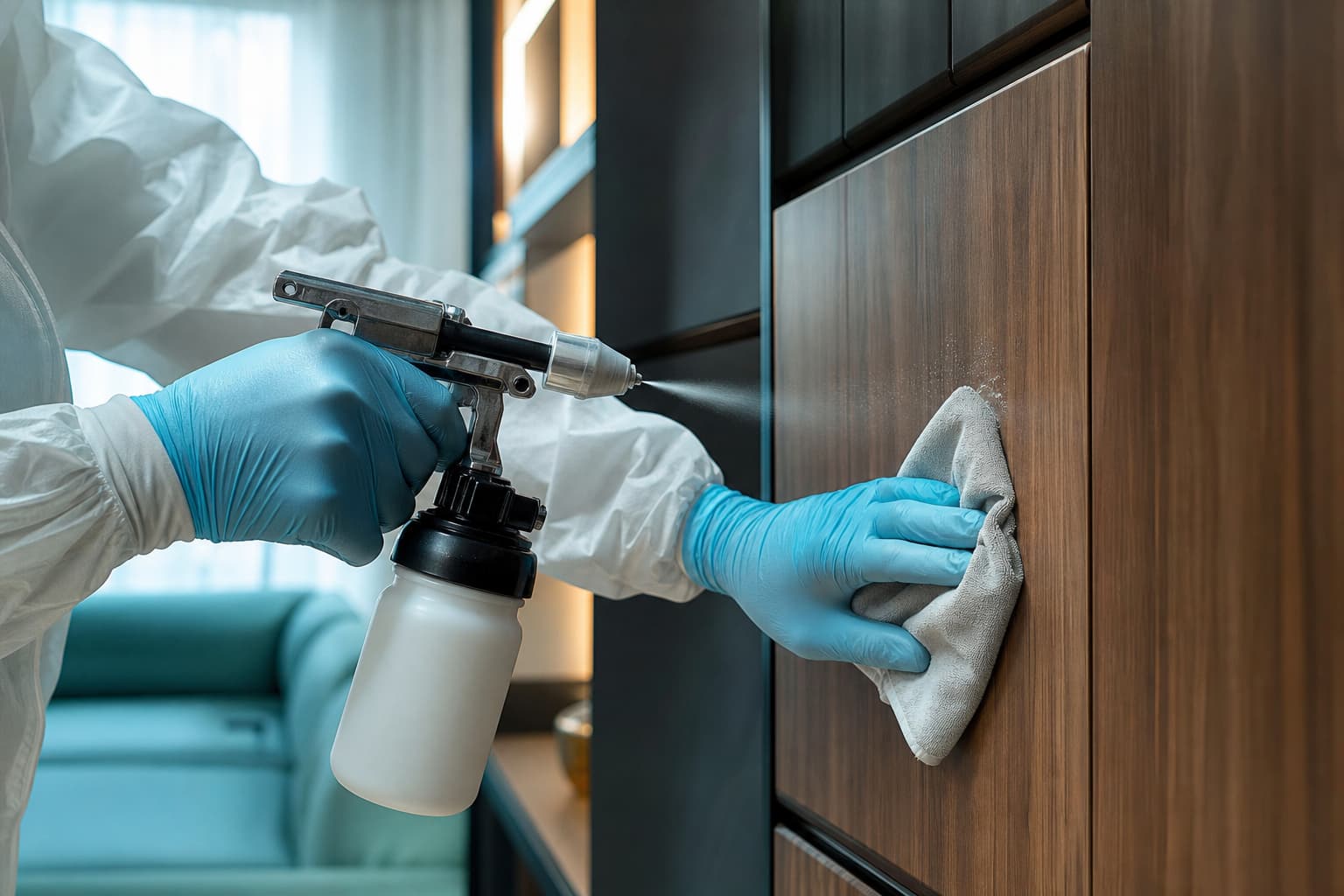
| Application Method | ULV space fogger (20–50 micron mist) or HVLP surface spray |
|---|
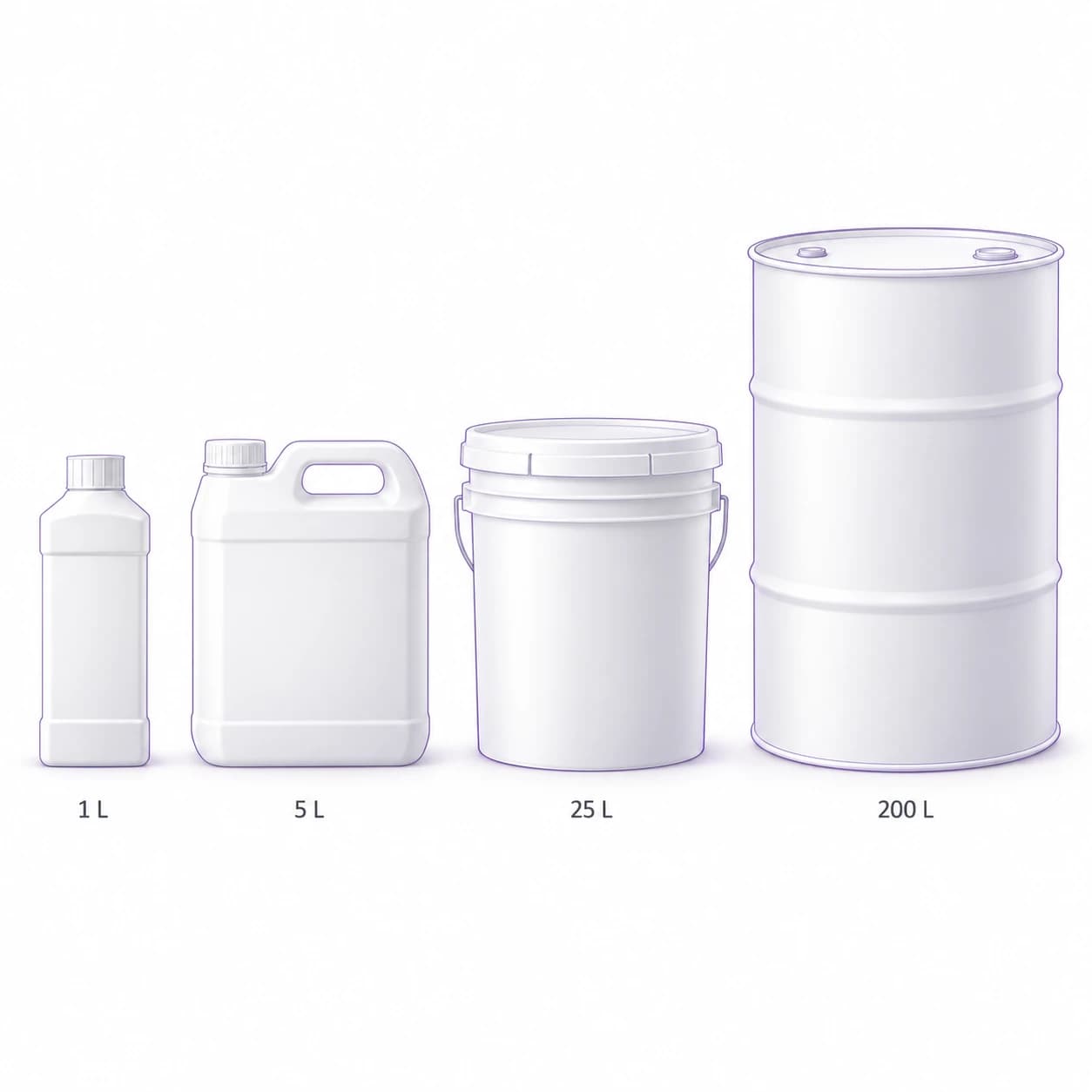
| Packaging Options | 1L / 5L / 20L / 25L / 200L B2B containers |
|---|
03Application
Pair Odor Eliminator with source scavengers for complete client sign-off.
Use Odor Eliminator as the final space and textile finishing step after treating wood panels with Formaldehyde Remover—ensuring the room both passes meter testing and smells completely clean upon client walkthrough.
Record initial HCHO/TVOC readings (mg/m³), room temperature (°C), relative humidity (% RH), and closure window (1h vs. 12h).
Identify whether off-gassing stems from urea-formaldehyde MDF/particleboard, phenolic plywood, solvent lacquers, or textile backings.
Calculate total surface area (m²) of panels, walls, and ceilings to determine exact liquid volume (ml/m²) and nozzle gauge (0.5mm–1.0mm).
Confirm sample evaluation batch, TDS/MSDS export documentation, and commercial drum sizing (1L / 5L / 20L / 25L / 200L).
Fragrance-free neutral profile; leaves zero sticky residue on fabrics
04Safety, handling & compliance
Hazard classification, storage and transport data follow the product's safety data sheet. Request the SDS for the full 16-section document.
Fragrance-free neutral profile; leaves zero sticky residue on fabrics
Protective equipment: Nitrile gloves, safety glasses, and FFP2/N95 mist mask during enclosed HVLP atomization.
Non-Dangerous Goods (Non-DG) for sea, air, and road freight (Not regulated under IMDG, IATA, or ADR).
Certificate copies and full test reports are shared with buyers on request. Request copies · Quality & certifications
| Test | Standard | Laboratory | Result |
|---|---|---|---|
| 24h Closed-Chamber Pollutant Abatement | GB/T 18801 / ASTM E544 Odor Threshold & Ammonia Abatement | CMA/CNAS Accredited Environmental Lab & botouseneco QC Center | ≥ 96.2% ammonia, amine & sulfide neutralization in 60 min |
| Substrate Corrosion, pH Neutrality & Zero-Stain Verification | GB/T 18883 Annex & ISO 2409 Surface Integrity Protocol | botouseneco Botou R&D Lab (Supervised by Jyen) | Pass (pH 6.5-7.5; 0% yellowing, blistering, or hardware corrosion) |
05Ordering & logistics
06Documents
Every shipment travels with these documents. Download them here when available, or request the current version from our engineers.
07Dosage
Based on the published coverage for Odor Eliminator: 8 – 15 ml/m² on surfaces or 5 – 10 ml/m³ via ULV space misting.
Published coverage: 8 – 15 ml/m² on surfaces or 5 – 10 ml/m³ via ULV space misting
Use 2–3 passes for raw high-density board or heavy TVOC loads.
Estimated quantity
2.4–4.5L
8–15 ml/m² × 300 m² × 1 pass
Estimate from the published coverage range. Real consumption depends on substrate porosity, nozzle size and baseline readings — our engineers confirm it with your quote.
08Questions
Odor Eliminator is a true molecular neutralizer. It reacts with ammonia, amines, organic sulfides, and volatile aldehydes to convert them into non-odorous compounds without adding synthetic fragrance.
Yes, Odor Eliminator is water-based and non-viscous, making it ideal for ULV cold foggers to treat entire room volumes and HVAC return zones.
09Related
Bio-Enzyme & Odor
Third-hand smoke decomposer
Bio-Enzyme & Odor
Multi-strain bio-enzyme
Bio-Enzyme & Odor
Non-corrosive coil & duct formula
Engineering journal
Step-by-step dosing schedules, chamber test datasets and substrate compatibility guides written by our Botou formulation and QC team.
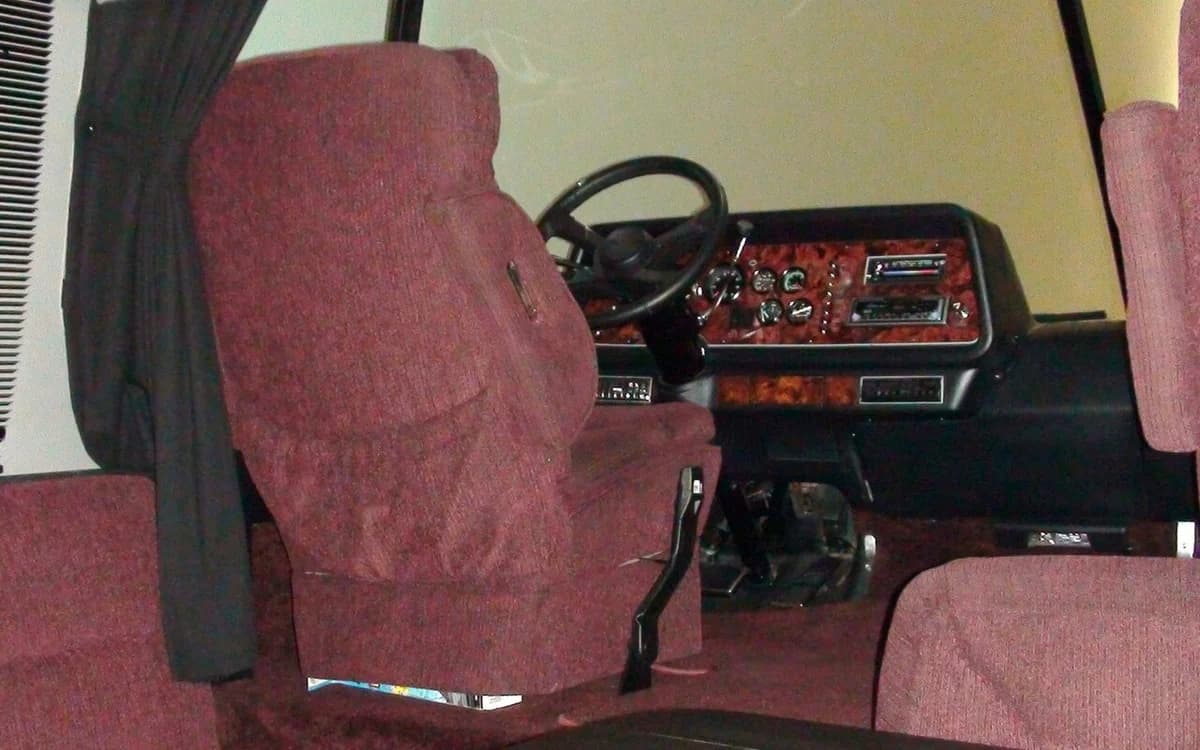
All 66 engineering guidesStep-by-step IAQ guide for RV motorhomes, fiberglass yacht saloons, and sleeper truck cabs to neutralize high-load poplar plywood formaldehyde, FRP hull styrene, and bilge or holding-tank H2S odors.
 Loo
Step-by-step 15-minute fleet car odor turnaround guide to clearing third-hand cigarette nicotine, driver sweat isovaleric acid and amines, and passenger food or vomit spills at under $0.78 per car.
Loo
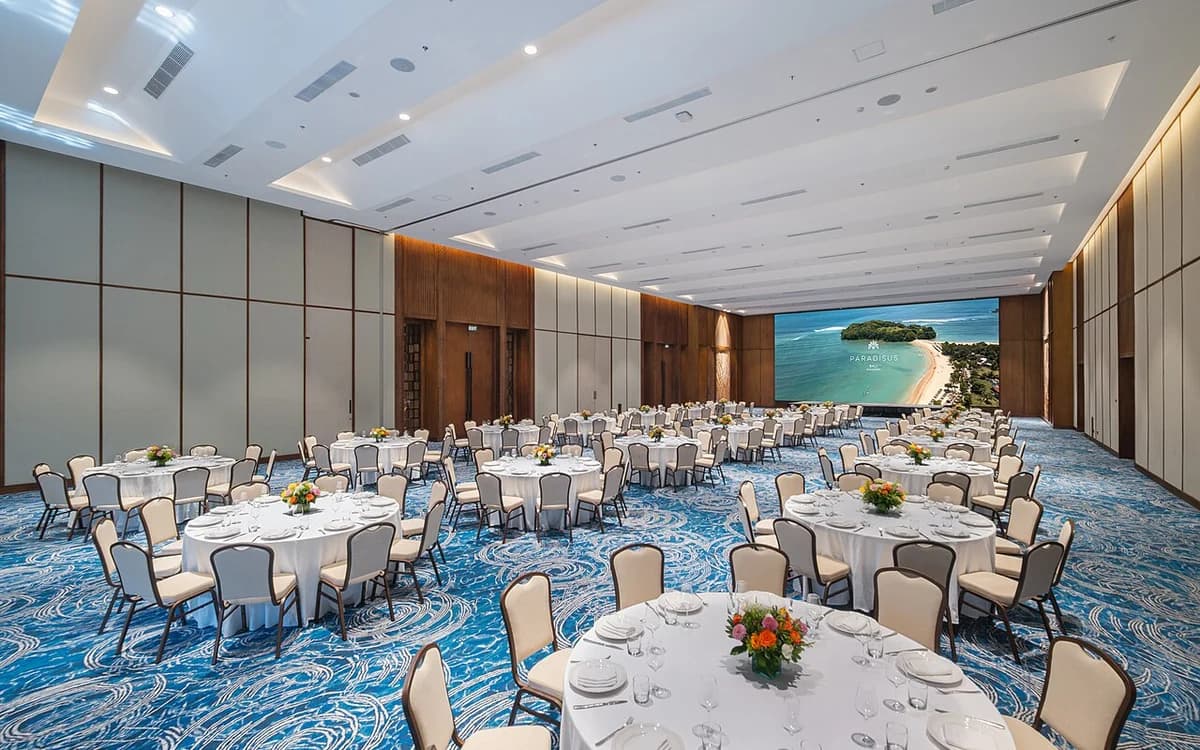
Step-by-step hospitality F&B turnaround guide to neutralizing cooking-oil nonanal, hexanal, acrolein, cigar tar, and vape glycerol on banquet hall carpets and velvet drapes in 90 minutes using micellar protonation sprays and ULV fogging.
Loo
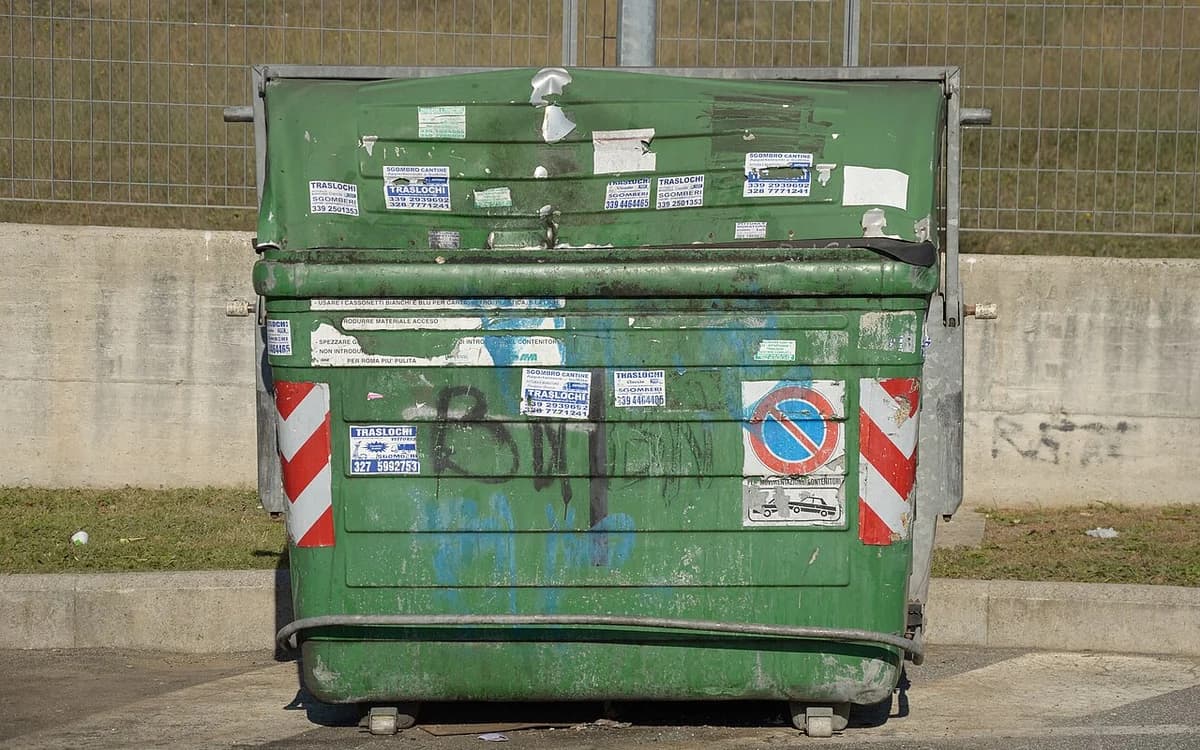
Step-by-step facility management tutorial on eliminating hydrogen sulfide (H2S), methyl mercaptan, trimethylamine, and rancid fat odors in commercial refuse rooms, trash chutes, and grease traps using >=10^8 CFU/mL Bacillus spores and plant polyphenols.
Loo
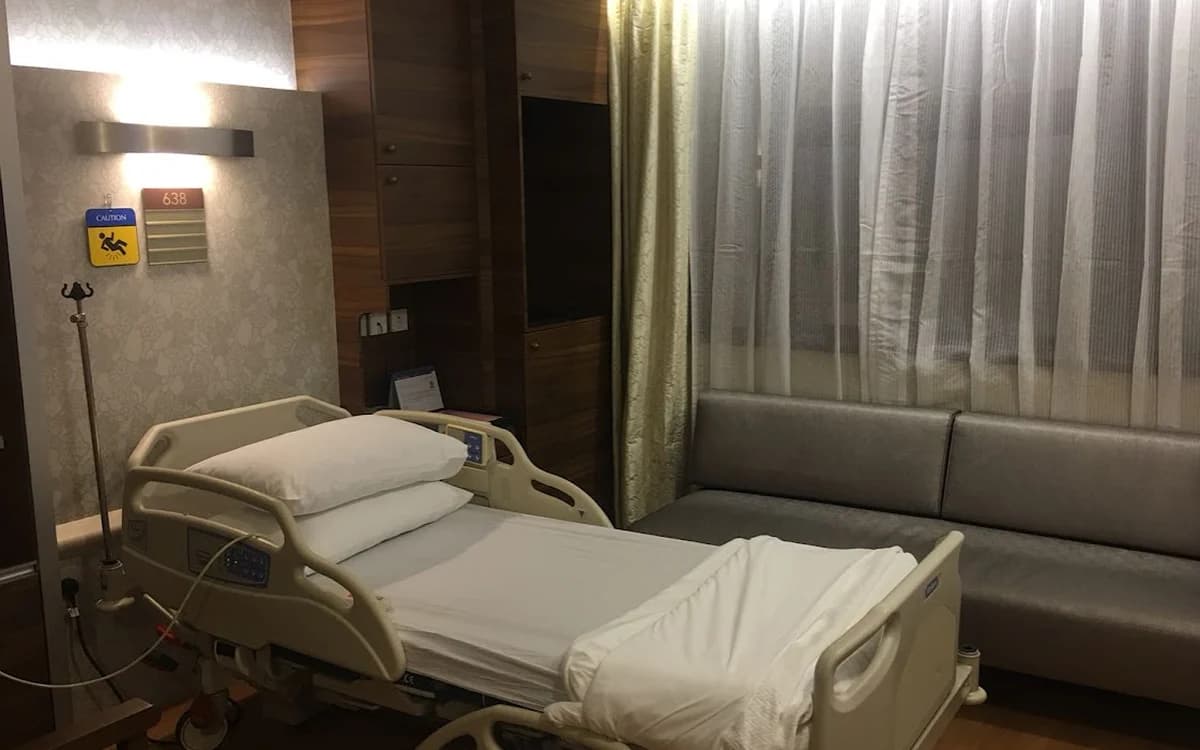
Step-by-step healthcare facility IAQ guide to eliminating human incontinence urine odors, insoluble uric acid crystals, p-cresol, and nonanal in nursing homes and senior living wards using >=10^8 CFU/mL Bacillus spores and fragrance-free plant polyphenols.
Loo
Step-by-step overnight (10:00 PM to 10:00 AM) retail fit-out IAQ guide to neutralizing methyl methacrylate (MMA), cyclohexanone vinyl-graphic solvents, and PU lacquer BTEX/HCHO using TVOC Eliminator and Dual Essence with zero gloss hazing.
 Jyen
Factory-direct supply
Request a sample with the English TDS and SDS, or send your project size for a bulk or private-label quotation of Odor Eliminator.