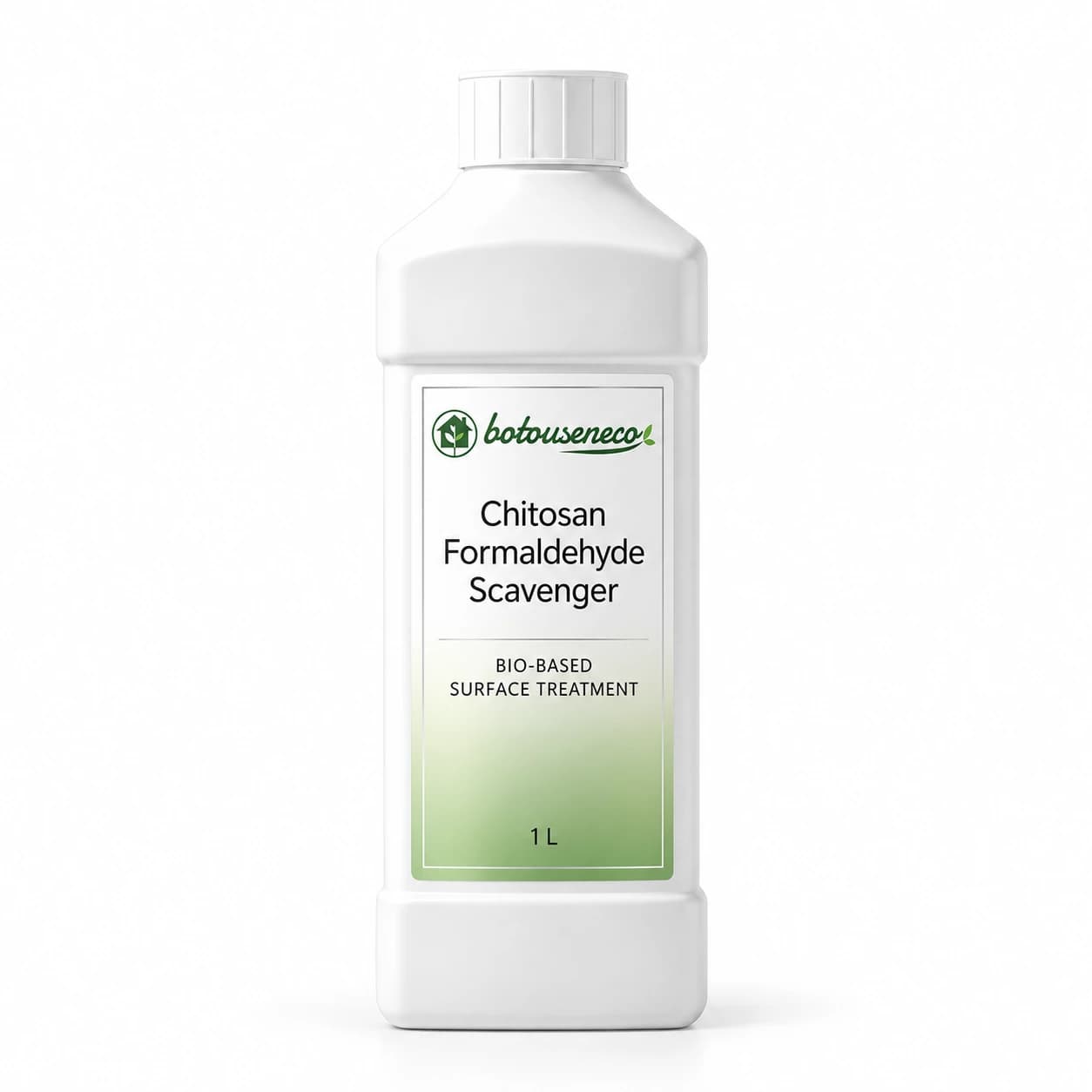
Formaldehyde & Benzene
Chitosan Bio-Based HCHO Scavenger
Bio-based chitosan scavenger
- Dosage
- 15–25 ml/m²
- Packs
- 500 ml – 25 L
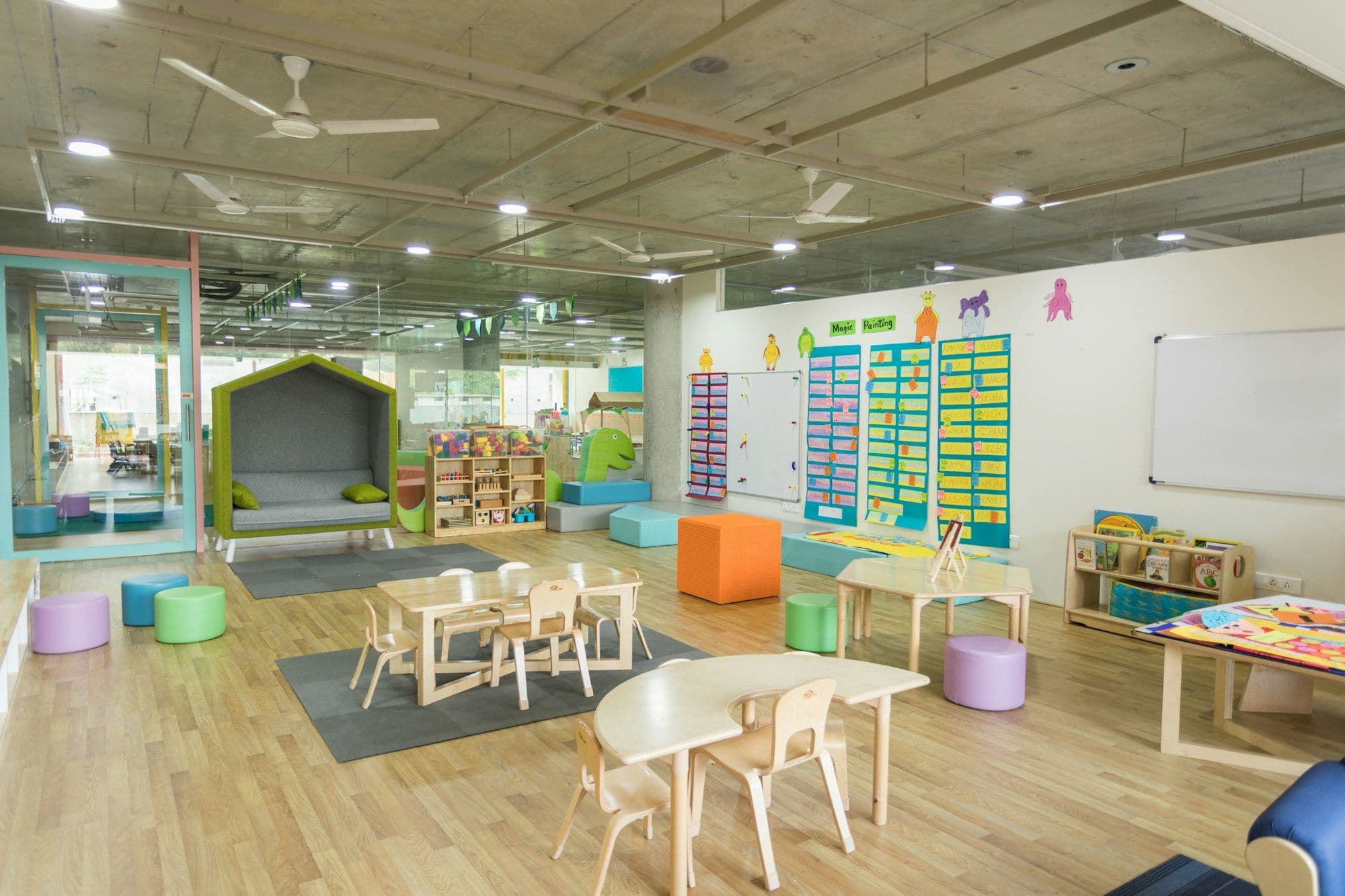
Applications · Schools, clinics & nurseries
Children, patients and expectant mothers spend long hours in freshly furnished rooms. For these spaces we recommend a bio-based chitosan scavenger, a silver-ion photocatalyst that keeps working in the dark, and an engineering-grade TVOC treatment for large floorplates — applied as fine mists, with a ventilation window before rooms reopen.
01The challenge
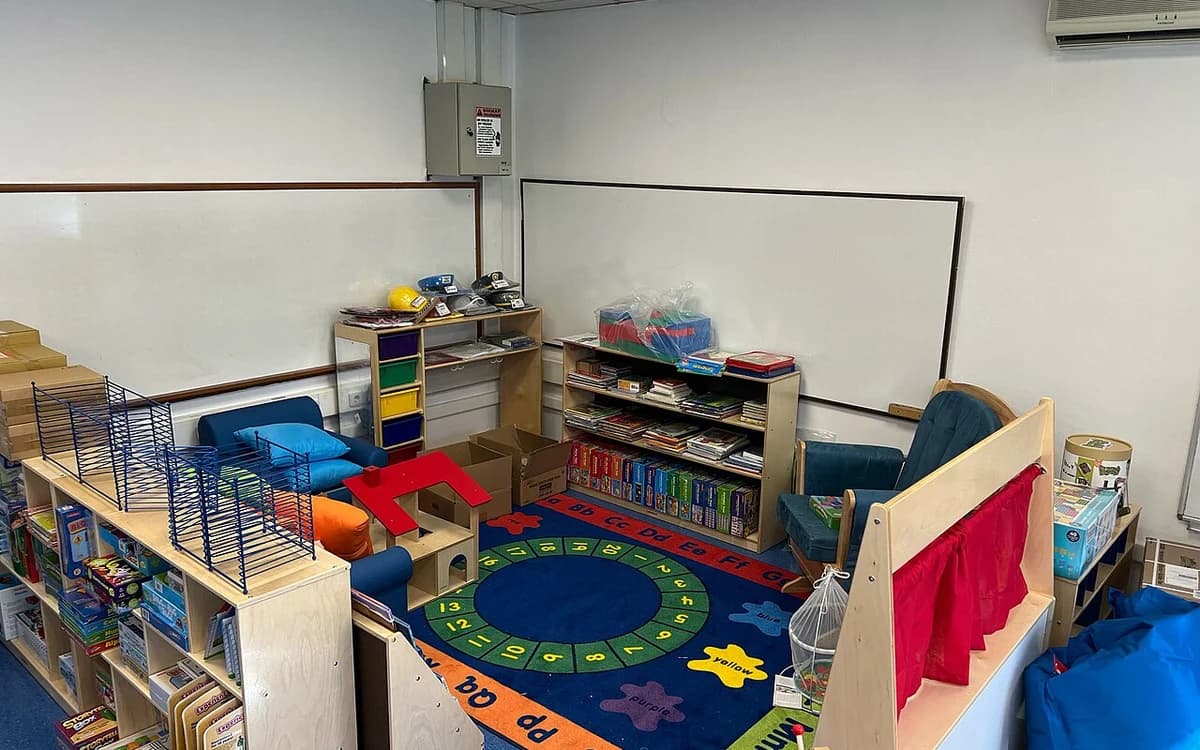
Cribs, nursery furniture, school desks and mattresses sit right where children and patients breathe. Bio-based chemistry and fine-mist application keep the treatment itself gentle.
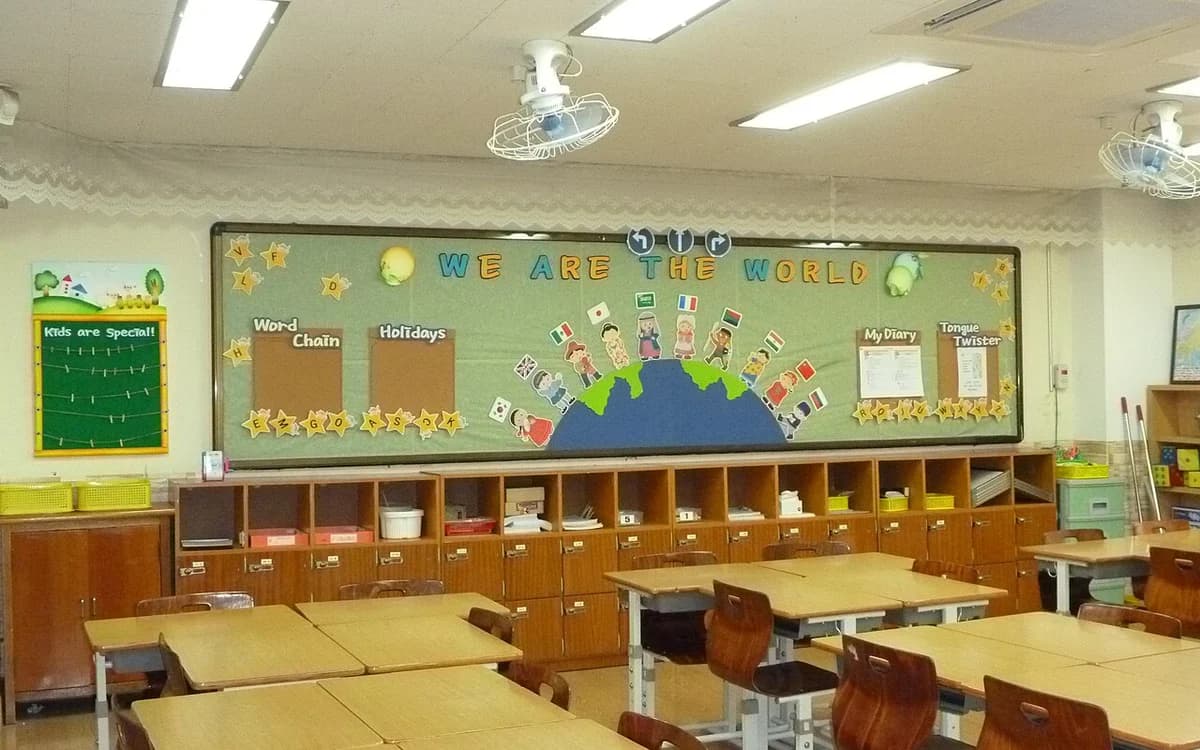
Classrooms and wards are fitted out before term or opening day, with modular furniture, vinyl flooring, carpets and acoustic ceilings across whole floors.
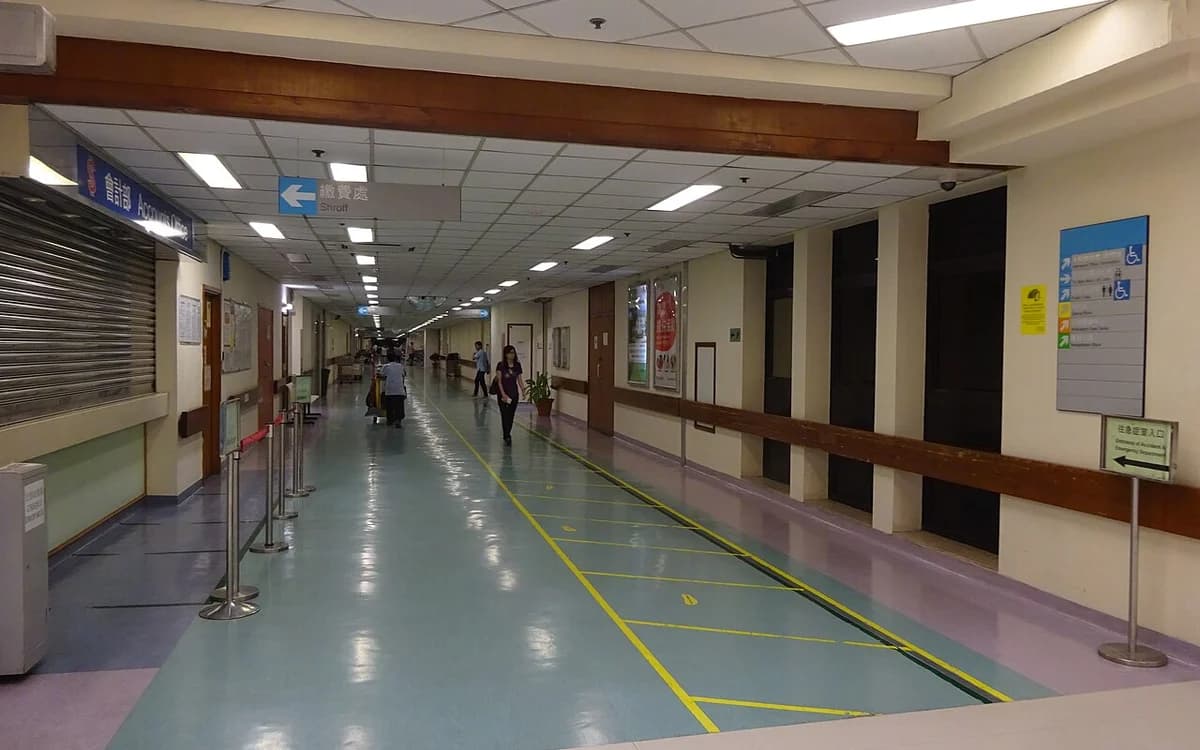
Restrooms, corridors and wards without daylight are where mold and bacteria grow — and where an ordinary photocatalyst has too little light to work.
02Recommended formulations
Open any product for its full technical data sheet, or add it to your inquiry list and request samples in one go.
Browse the full catalogFurniture & bedding
Formaldehyde & Benzene
Bio-based chitosan scavenger
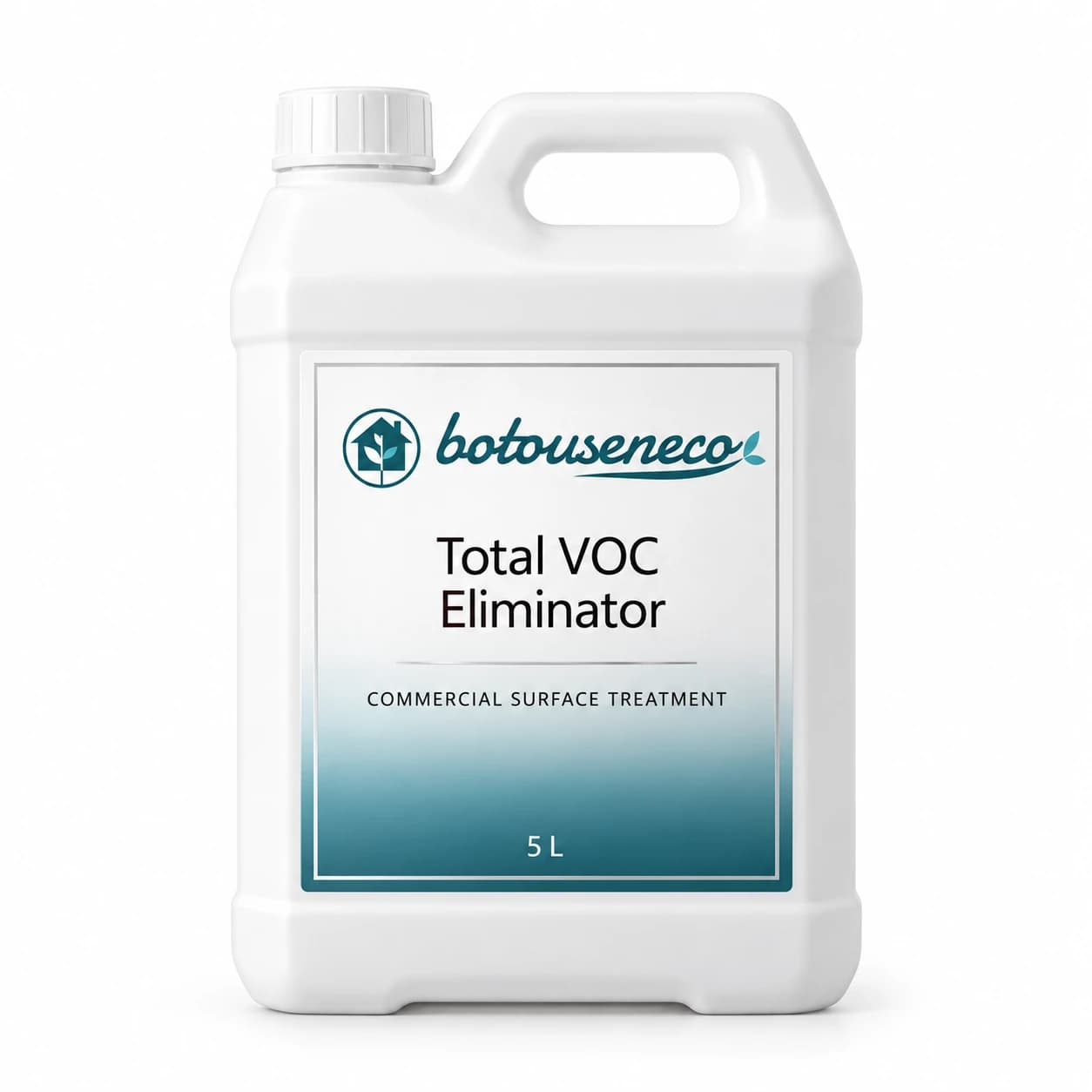
Whole-floor TVOC
TVOC & Photocatalyst
Engineering-grade VOC treatment
Dim & humid areas
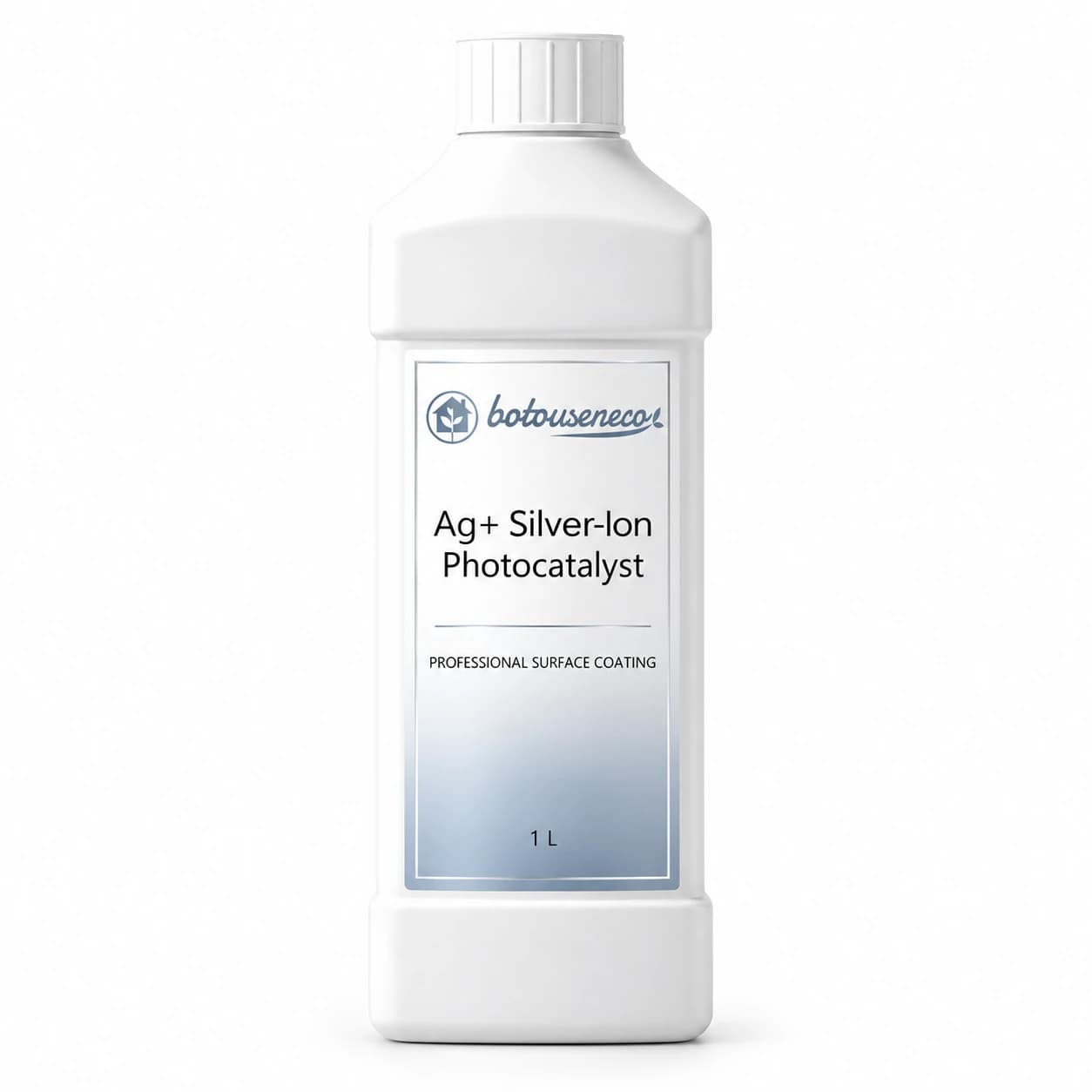
TVOC & Photocatalyst
Ag⁺ dark-active photocatalyst
Daylit classrooms
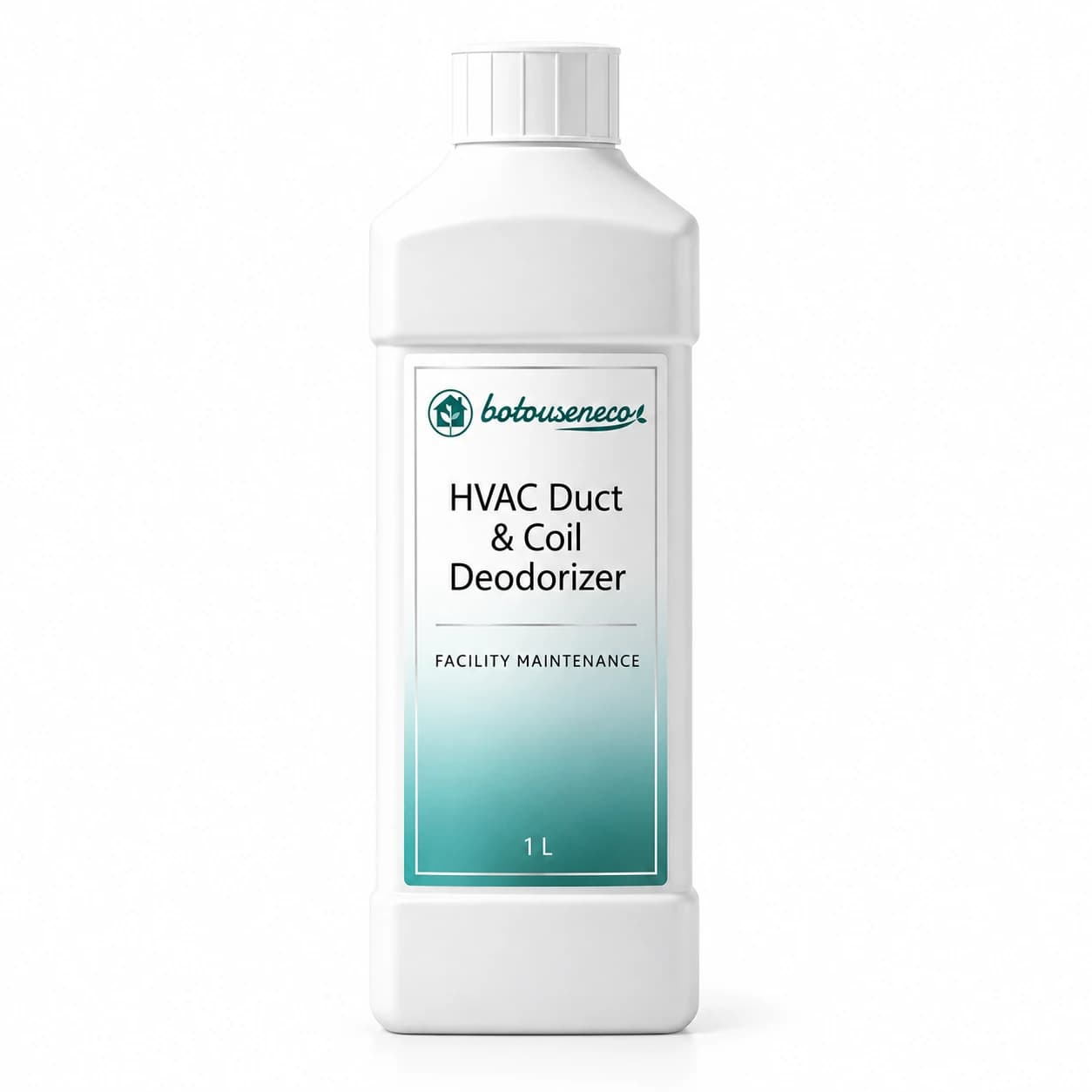
HVAC hygiene
Bio-Enzyme & Odor
Non-corrosive coil & duct formula
03Workflow
Close the rooms for 12 hours and sample at breathing height (0.8–1.5 m). Note the limit the building is accepted against.
Mist cribs, desks, wardrobes, mattresses and cotton textiles with the chitosan scavenger through a 0.5–0.8 mm HVLP gun.
Spray workstations, vinyl flooring, carpets and acoustic ceilings with the engineering-grade TVOC eliminator, keep the floor closed for 24 hours, then purge with the HVAC system.
Coat walls in classrooms, wards, restrooms and corridors with the Ag⁺ photocatalyst at 8–12 ml/m². It keeps working after lights out and does not grey white walls.
Ventilate, then repeat the closed-room measurement 24–48 hours after treatment under the baseline conditions before handing the rooms back.
04By the numbers
WHO indoor air guideline 30-minute average
GB/T 18883-2022 1-hour average, China indoor air quality standard
GB 50325-2020 Class I civil buildings at handover
05Quantity estimate
Pick a formulation and the area to treat. Estimates use the coverage published in each technical data sheet.
Published coverage: 15 – 25 ml/m² across furniture and nursery textiles
Use 2–3 passes for raw high-density board or heavy TVOC loads.
Estimated quantity
4.5–7.5L
15–25 ml/m² × 300 m² × 1 pass
Estimate from the published coverage range. Real consumption depends on substrate porosity, nozzle size and baseline readings — our engineers confirm it with your quote.
06Questions
Chitosan Bio-Based HCHO Scavenger. It is made from marine chitosan and tea polyphenol, was developed for kindergartens, maternity hotels and hospitals, and leaves a breathable biopolymer film on wood and textiles. Ask for its MSDS and test documents with your sample.
No. Ag+ Antibacterial Photocatalyst responds to indoor LED light and daylight, and the silver ions keep it active in complete darkness, which suits windowless corridors, restrooms and wards.
Surfaces are dry in 2–4 hours. For large-area TVOC treatment, keep the floor closed for a 24-hour reaction, then purge with the HVAC system. Re-test 24–48 hours after treatment before handing rooms back.
GB 50325-2020 places housing, hospitals, kindergartens and school classrooms in Class I civil buildings, with a formaldehyde limit of 0.07 mg/m³ at handover. GB/T 18883-2022 sets 0.08 mg/m³ (1-hour average) for occupied indoor air. Other markets have their own limits — confirm the one that applies to your project.
Keep reading
Step-by-step guide to zero-VOC formaldehyde remediation in nurseries, kindergartens, and maternity wards using >=95% deacetylated marine chitosan and tea polyphenols at 15 to 25 ml/m2.
 Loo
Data-driven engineering study on 5 nm anatase TiO2 doped with 150 ppm chelated Ag+ silver ions for 24/7 dark-phase antibacterial action and 2.4x visible LED formaldehyde oxidation at 8 to 12 ml/m2.
Loo
14-day summer recess school refurbishment IAQ tutorial for treating classroom desks, dormitory bunk beds, and gymnasium acoustic panels to pass GB/T 18883-2022 <= 0.08 mg/m3 HCHO checks before September opening.
Loo
Step-by-step textile IAQ guide to removing free and cross-linked formaldehyde from curtains, mattresses, and upholstered acoustic walls at 15 to 20 ml/m2 while keeping ISO 105 colorfastness (Delta E < 0.4) and Class-A infant safety (< 20 mg/kg).
Loo
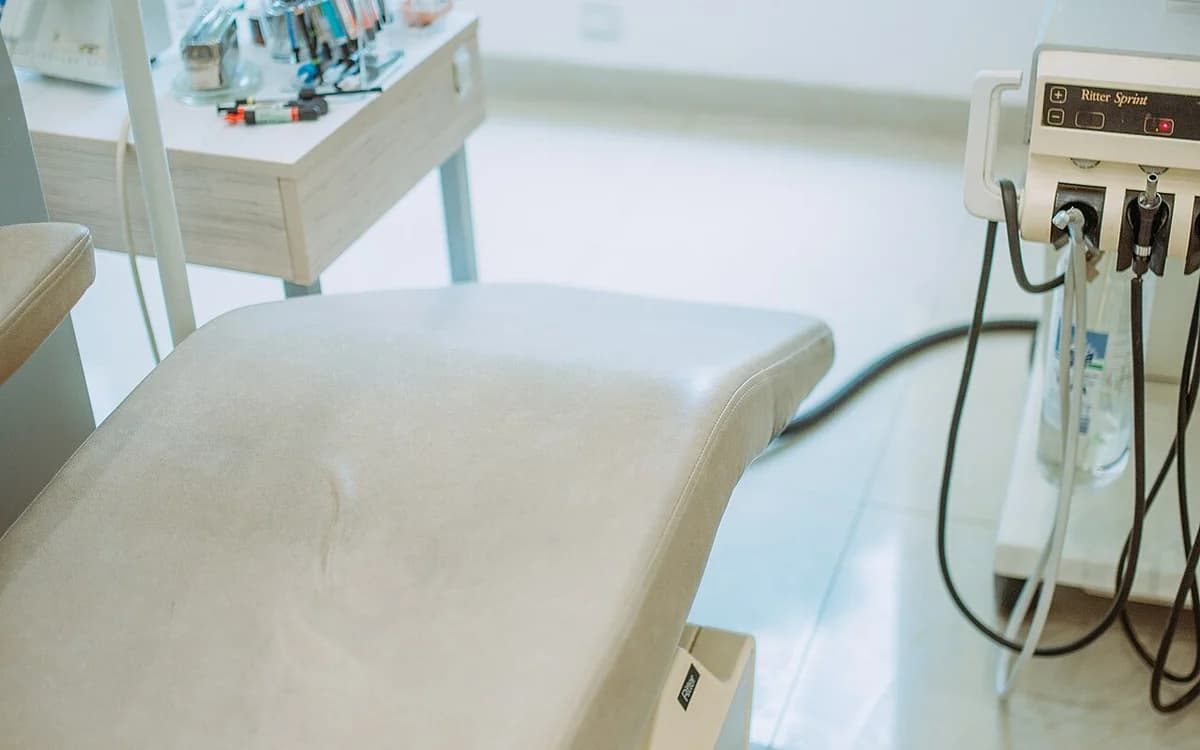
Step-by-step healthcare IAQ guide to co-managing formaldehyde coatings, dental eugenol/monomer odors, and daily 75% ethanol or quaternary ammonium disinfection without chemical cross-reactions or film peeling.
Loo
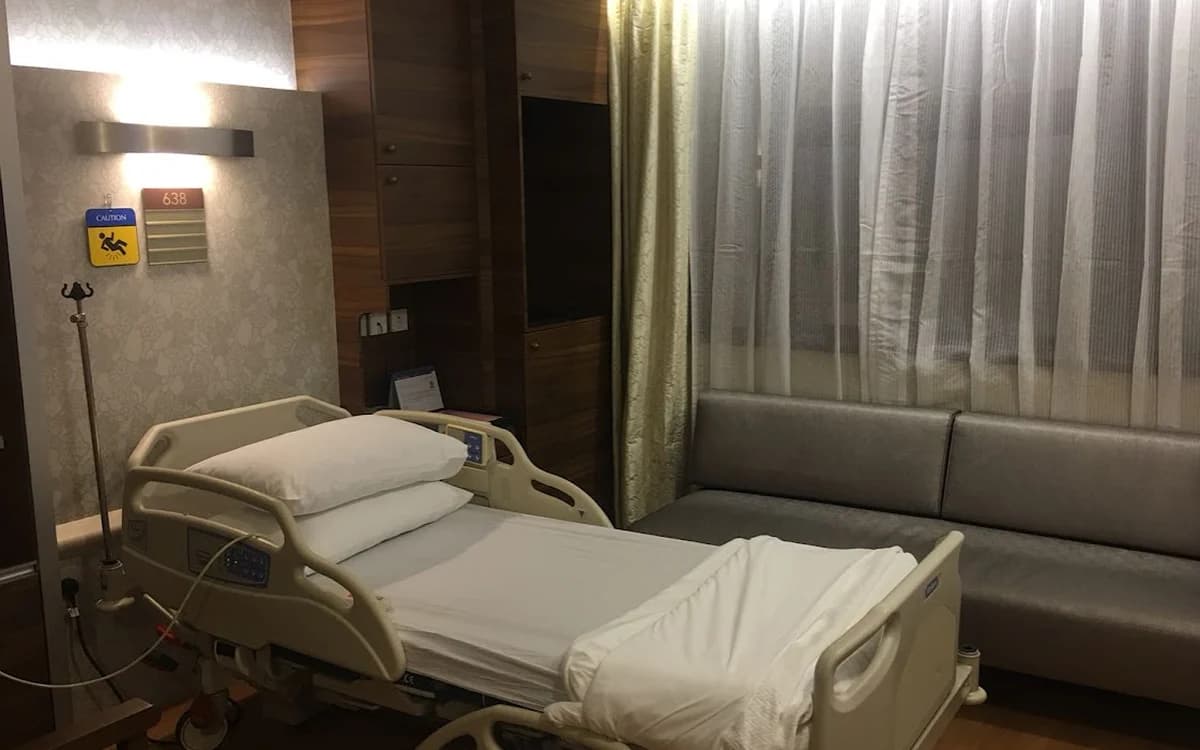
Step-by-step healthcare facility IAQ guide to eliminating human incontinence urine odors, insoluble uric acid crystals, p-cresol, and nonanal in nursing homes and senior living wards using >=10^8 CFU/mL Bacillus spores and fragrance-free plant polyphenols.
Loo
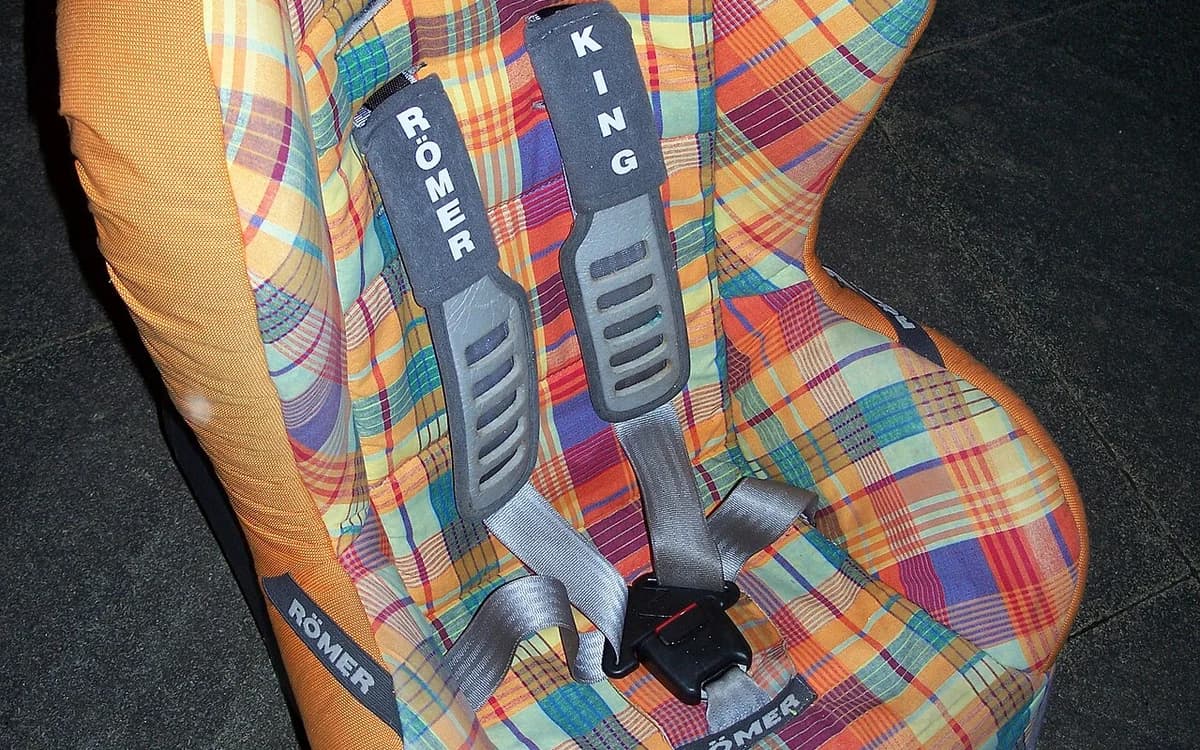
Infant-safe guide to clearing formaldehyde, acetaldehyde, and flame-retardant fabric monomers from child car seats, strollers, and bassinets using >=95% DD marine chitosan.
Loo
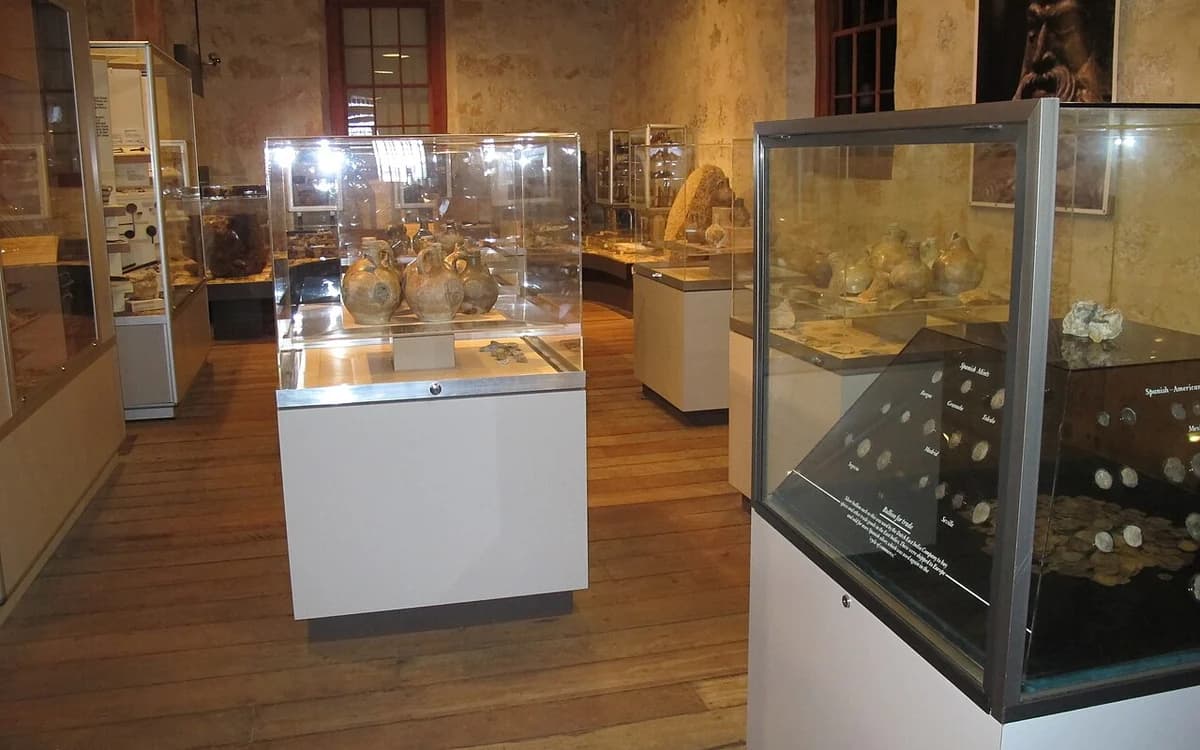
Preventive conservation guide to abating acetic acid, formic acid, and formaldehyde in museum vitrines and rare book vaults using amino carbon and KMnO4 media.
 Jyen
Last updated
Factory-direct supply
Tell us the rooms, materials and volumes involved. Our Botou engineering desk replies with a matched set of formulations, dosages and documents.