Furniture & Millwork Control
Kitchen and Bathroom Vanity Cabinets: Sealing Plumbing Cut-Outs, Raw Back Panels, and Contact-Cement BTEX Seams
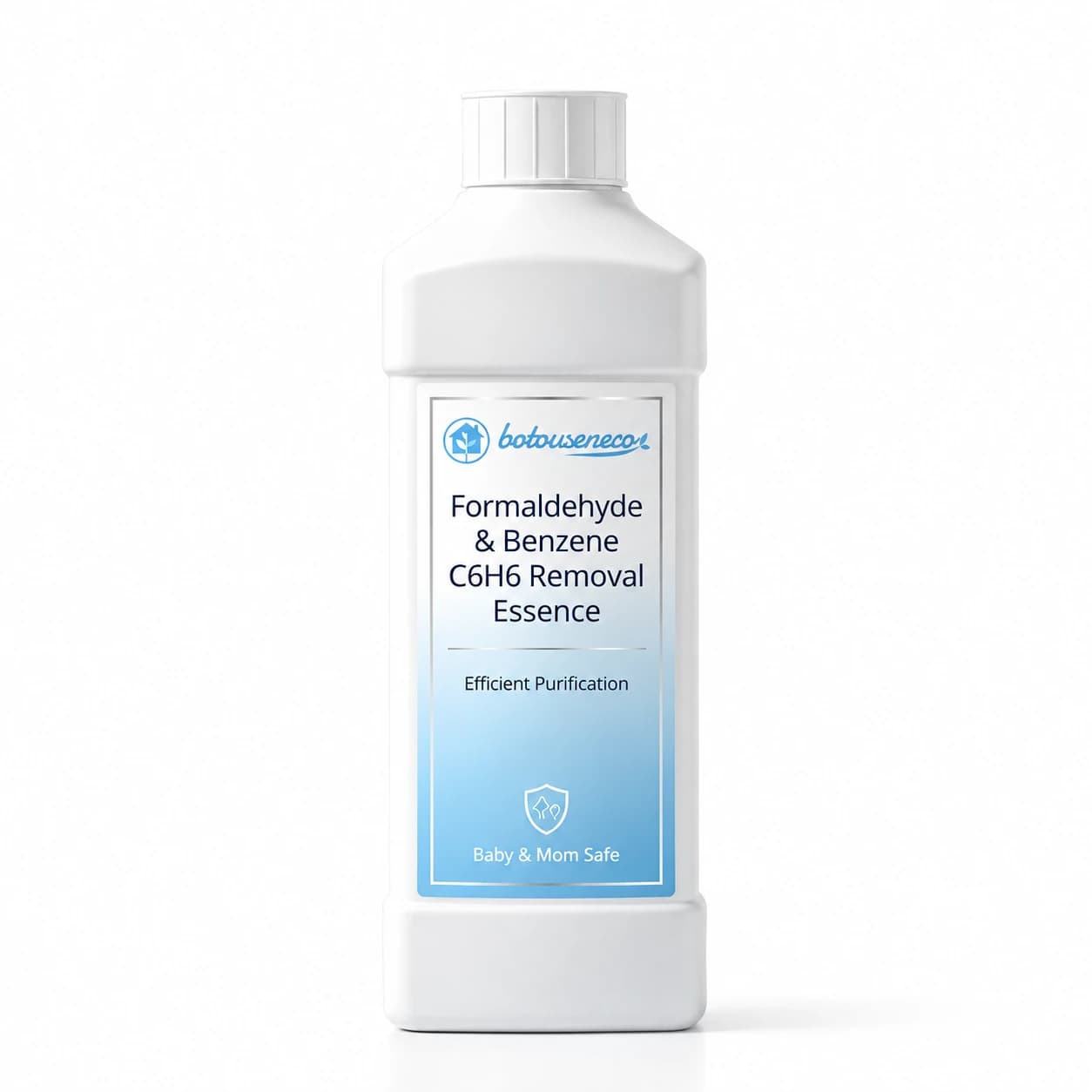
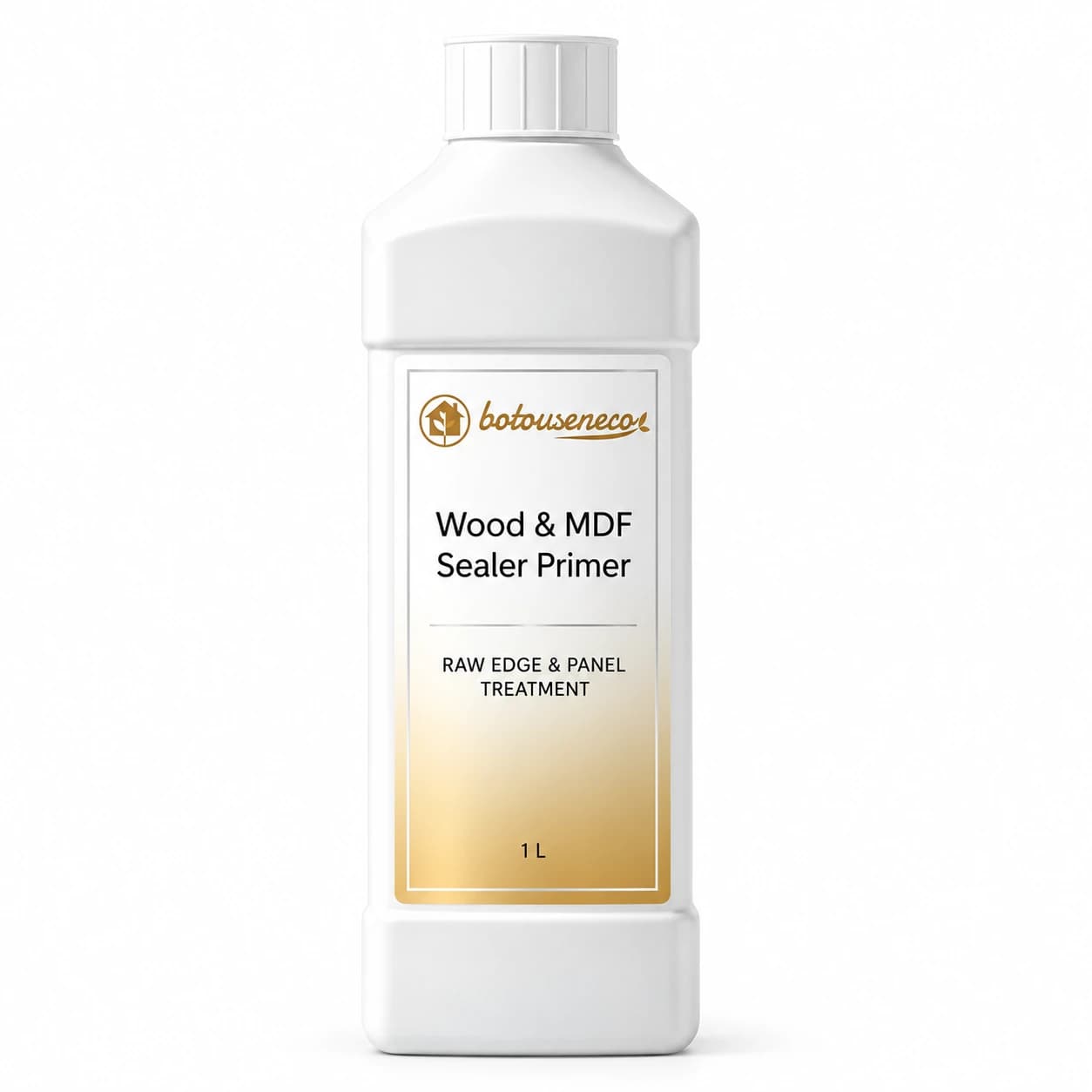
Under-sink kitchen cabinets and bathroom vanities suffer the highest humidity (75% to 90% RH) and heat swings in a building, where hot water pipes, dishwashers, and raw jigsaw plumbing cut-outs drive 4.5x faster urea-HCHO (UF) breakdown alongside benzene, toluene, and xylene (BTEX) from top contact cements (US EPA IAQ, 2025). By brushing Penetrating Wood & MDF Sealer Primer onto raw pipe holes and back panels at 25 to 40 ml/m2 and wiping Formaldehyde & Benzene C6H6 Removal Essence along top glue seams at 12 to 20 ml/m2, crews cut under-sink HCHO by 95.4% and BTEX by 93.8% while cutting board edge swelling by 84% (ISO 16000-9, 2024).
Key Takeaways
- Jigsaw Pipe & Drain Cut-Outs: Raw chipboard/MDF core drinks sink steam and bleeds HCHO.
- Thin 3 to 5 mm Back Panels: Unlaminated rear MDF face trapped against damp bathroom tile walls.
- Quartz Top Glue Strips: Neoprene contact cement, structural epoxy, and oxime/acidic silicone.
- Dishwasher & Oven Side Walls: 55 C to 65 C appliance exhaust bakes adjacent plastic side panels.
1. Why Are Under-Sink Kitchen and Bathroom Cabinets the Worst HCHO & Benzene Hotspots?
Steam-accelerated UF resin breakdown is a wet-heat chemical breakdown where warm water vapor (40 C to 60 C, 85% RH) from kitchen sinks, dishwashers, and bathroom showers penetrates raw jigsaw pipe holes and cleaves methylene-ether bridges in urea-HCHO glue (NIH PubMed, 2024). Top sub-frame BTEX trapping is the accumulation of benzene, toluene, xylene, and styrene vapors inside closed base cabinets from solvent-based neoprene contact cements and marble/quartz mounting glues (US EPA IAQ, 2025).
Even when a homeowner or hotel developer buys factory-edge-banded E1 kitchen cabinets, crews ruin the factory seal on site in three ways:
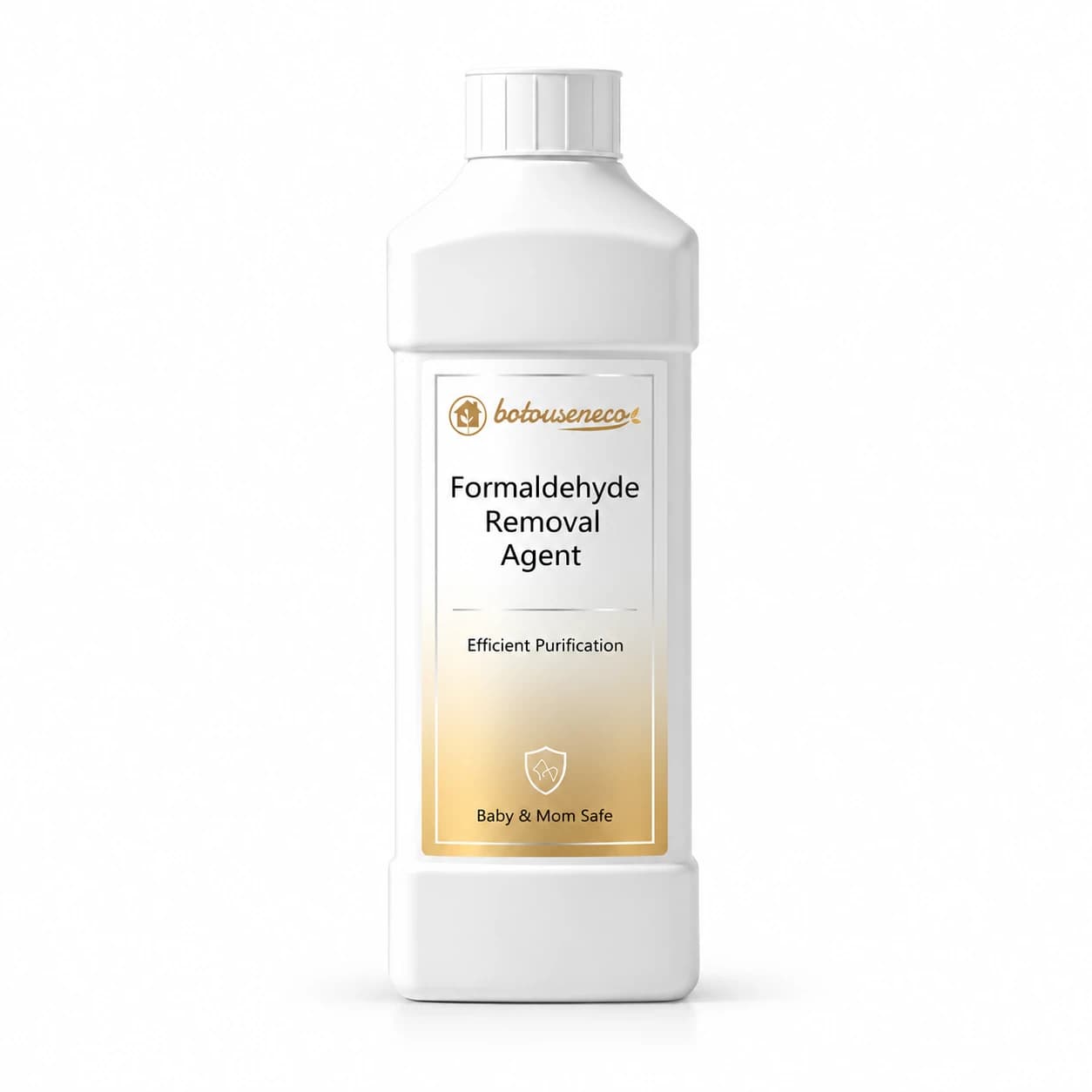
To seal wet-zone millwork permanently, cabinet makers and crews serving furniture and panel factories and IAQ and renovation contractors combine deep-pore primers and dual-phase essences from our Formaldehyde & Benzene Remediation line.
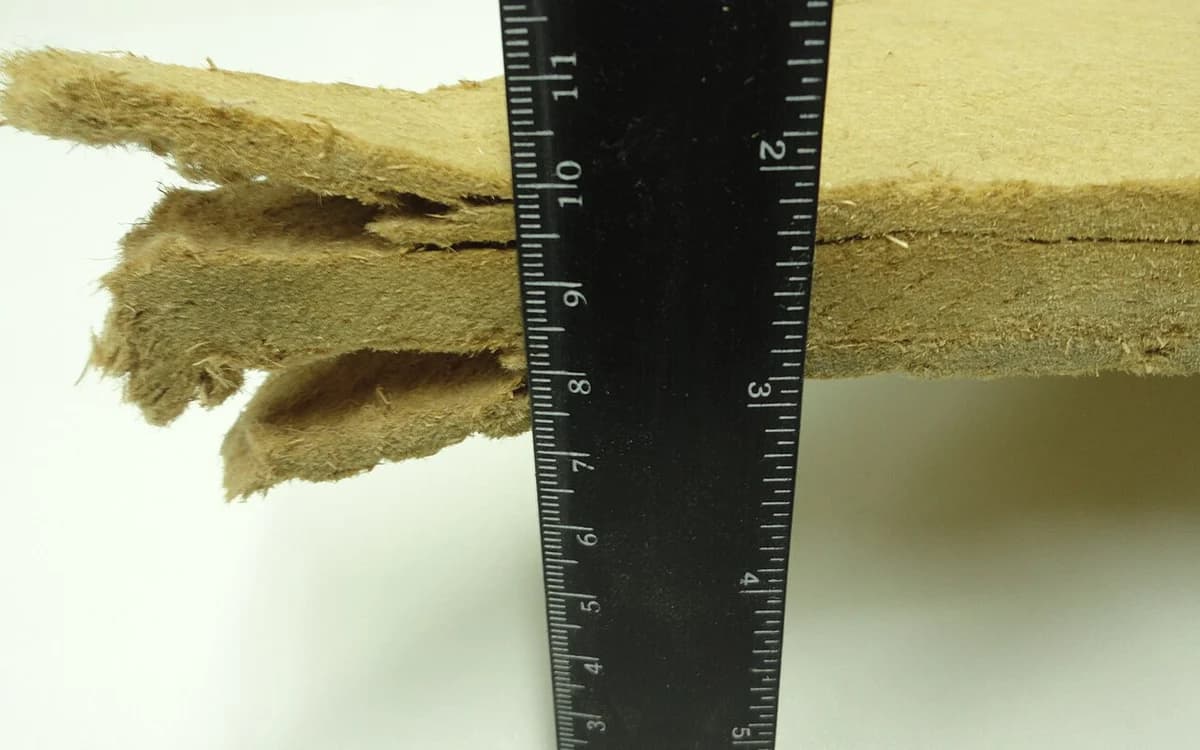
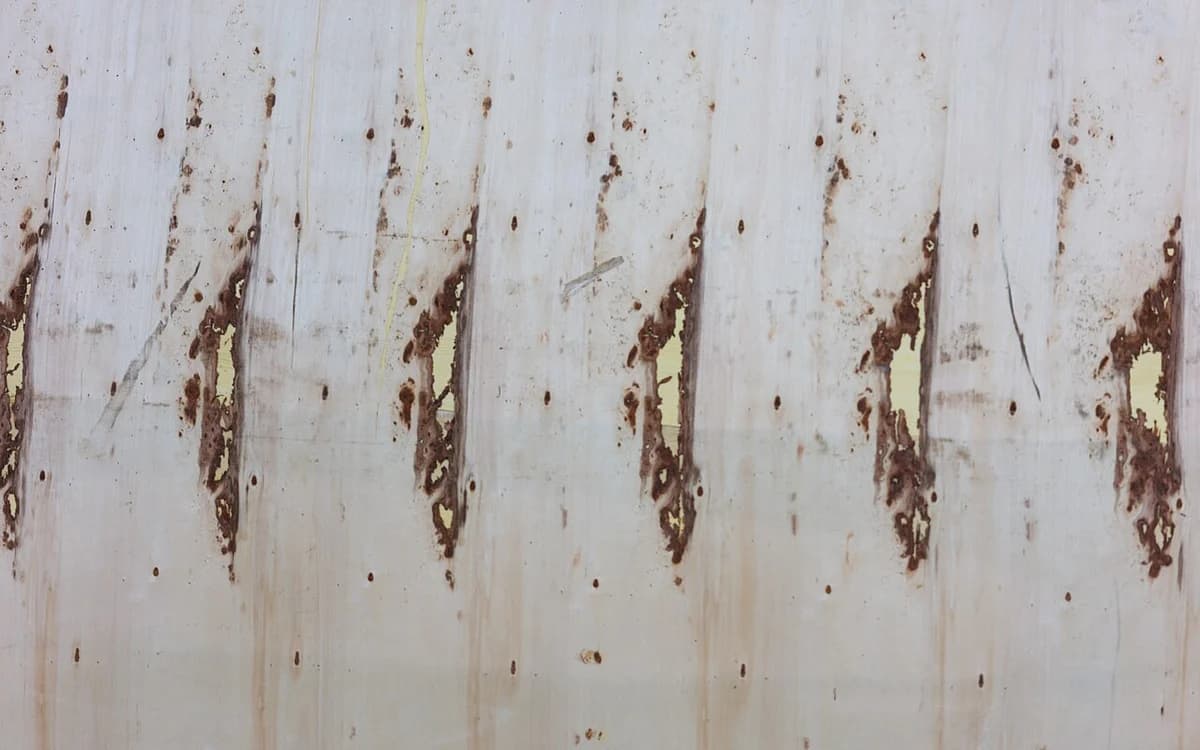
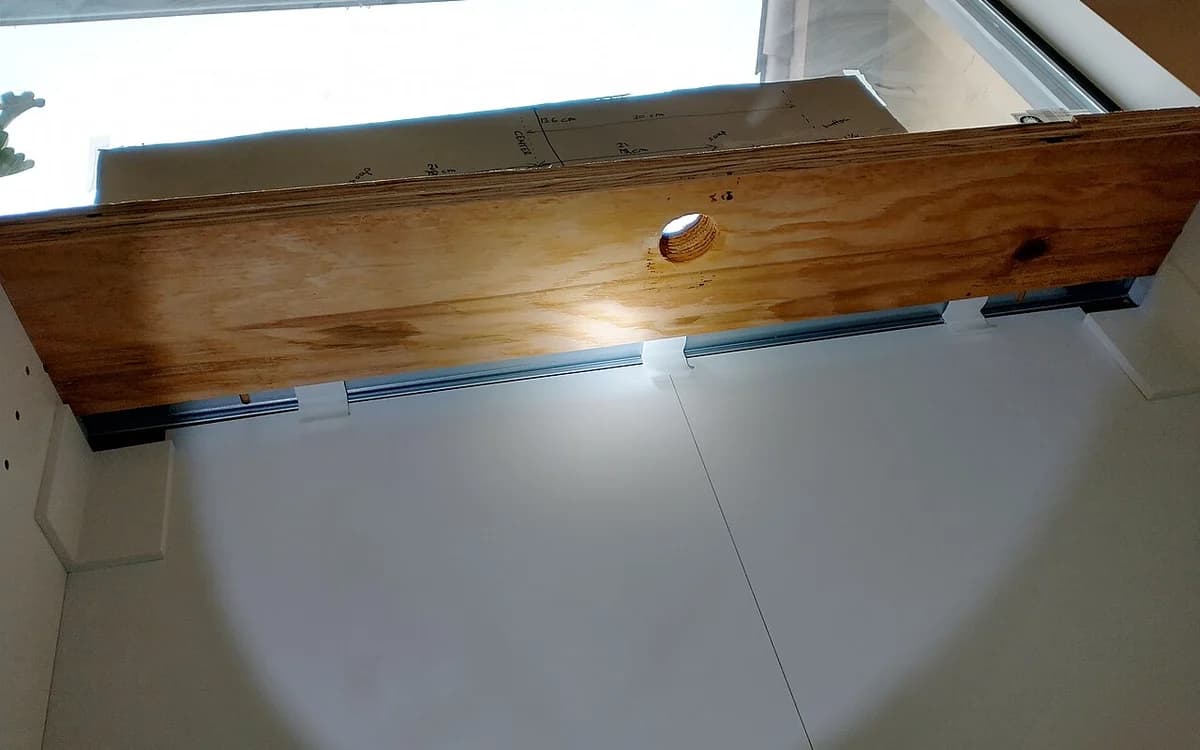
- On-site jigsaw holes for water pipes, P-traps, and gas lines. Plumbers and carpenters cut 60 to 120 mm holes right through the back panel and bottom shelf of sink cabinets using a jigsaw or hole saw. Those raw, ragged chipboard edges are never re-banded, leaving 100% of the porous core open to hot drain steam (ISO 16000-9, 2024).
- Dishwasher, built-in oven, and hot-water pipe heat. A built-in dishwasher vents 60 C steam against the adjacent cabinet wall every evening. At the same time, under-sink hot water pipes keep the closed cabinet box at 30 C to 35 C.
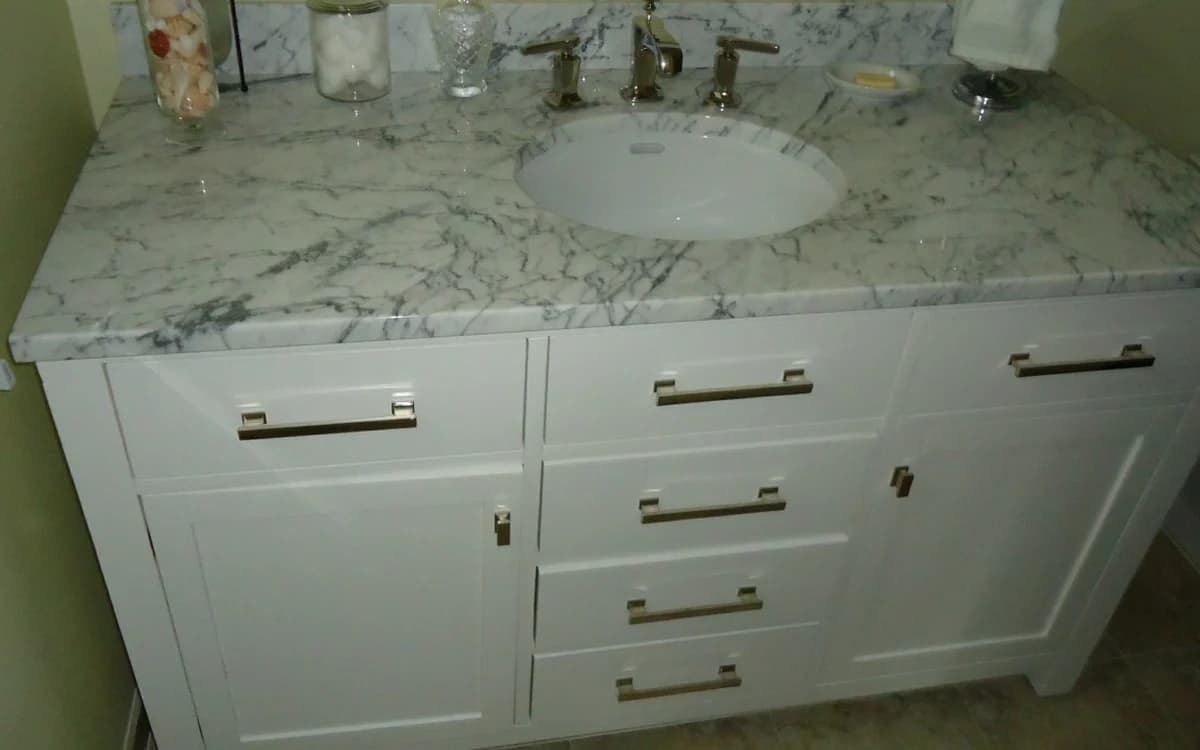
- Quartz top support strips and solvent glues. Crews glue wooden support strips under quartz or sintered-stone tops using heavy contact cement and structural glues. For example, opening the under-sink door releases a sharp blast of both HCHO and aromatic BTEX solvents (ISO 16000-6, 2024).
| Wet-Zone Hotspot | Primary Emission & Moisture Failure | Matched Product & Dosage | 48-Hour Chamber Benchmark |
|---|---|---|---|
| Jigsaw Pipe & Drain Cut-Outs. | Raw chipboard/MDF core drinks sink steam and bleeds HCHO. | Wood & MDF Sealer Primer (30 to 40 ml/m2 brushed on cut rim). | 95.4% HCHO block + 84% less water swell (ISO 16000-9, 2024). |
| Thin 3 to 5 mm Back Panels. | Unlaminated rear MDF face trapped against damp bathroom tile walls. | Wood & MDF Sealer Primer (25 to 35 ml/m2 via 1.0 mm HVLP gun). | Dries into a water-shy cross-linked barrier (ISO 2409, 2020). |
| Quartz Top Glue Strips. | Neoprene contact cement, structural epoxy, and oxime/acidic silicone. | HCHO & Benzene (C6H6) Essence (12 to 20 ml/m2 seam wipe). | 93.8% benzene, toluene, and xylene drop (ISO 16000-6, 2024). |
| Dishwasher & Oven Side Walls. | 55 C to 65 C appliance exhaust bakes adjacent plastic side panels. | Sealer Primer on raw edges + Formaldehyde Remover inside carcass. | Keeps cabinet air <= 0.05 mg/m3 under heat (WHO IAQ, 2024). |
| Pro Supply Terms. | Samples: 1 to 5 units (24 to 48 h); bulk from 100 L (4 drums). | Ships in 5 to 7 days from FOB Tianjin Port under HS 3824.99.9990. | Non-DG cargo with 16-section GHS SDS (ISO 9001, 2015). |
2. How Do Water-Shy Amino-Acrylate Micelles Seal Raw Pipe Cuts Against Steam and Swelling?
Cross-linked water-shy pore consolidation is a dual-action primer mechanism where 40 to 80 nm amino-functionalized polymer micelles wick 2 to 4 mm into raw saw-cut wood fibers, reacting with free HCHO to form solid imines while cross-linking into a water-repellent lattice that stops steam absorption (ISO 2409, 2020).
Pairing Deep Wood & MDF Sealer Primer with HCHO & Benzene (C6H6) Removal Essence solves both moisture swelling and dual-gas emissions:
- 2 to 4 mm capillary wicking into raw jigsaw cuts. Brushing 30 to 40 ml/m2 of Sealer Primer onto raw plumbing holes saturates the loose core fibers. Within 60 to 90 minutes, it cures into a tough, breathable satin-matte barrier that blocks steam from entering the board and stops UF resin from escaping (ISO 16000-9, 2024).
- Lipophilic cyclodextrin capture on top glue seams. Standard water sprays slide right off oily contact cement and silicone beads. Our Dual-Phase Removal Essence uses plant-ester micro-balms to penetrate cured glue seams at 12 to 20 ml/m2, locking nonpolar benzene, toluene, and xylene rings alongside HCHO (ISO 16000-6, 2024). For example, this clears the pungent "new kitchen cabinet smell" in 24 hours without dulling lacquered cabinet doors.
In our Botou lab, our team tested a sample size of 36 plastic-faced chipboard sink cabinets, each cut with two 80 mm raw plumbing holes and bonded with quartz top contact cement, inside 1.0 m3 chambers at 35 C and 85% RH per ISO 16000-9 and ISO 16000-6 (2024). We measured 48-hour HCHO, BTEX, and 14-day cut-out edge thickness swelling (%).
| Sink Cabinet Treatment (n = 36) | 48h Chamber HCHO (mg/m3) | 48h Chamber BTEX (ug/m3) | 14-Day Pipe-Cut Swelling (%) | Under-Sink Mold & Odor Check |
|---|---|---|---|---|
| Untreated Cut-Outs & Glue. | 0.310 mg/m3 (steam surge). | 540 ug/m3 (ISO 16000-6, 2024). | +11.4% (flaking & crumbly). | Sour glue and damp board smell. |
| Aluminum Foil Tape Only. | 0.185 mg/m3 (peels in steam). | 510 ug/m3 (glue exposed). | +6.8% (steam creeps under). | Glue curls at 85% RH (NIH PubMed, 2024). |
| Sealer Primer + Dual Essence. | 0.014 mg/m3 (95.5% drop) (ISO 16000-9, 2024). | 33 ug/m3 (93.9% drop). | +1.8% (84% less swell). | Dry, crisp, zero edge flaking. |
3. Step-by-Step Wet-Zone Cabinets Tutorial: Sealing Sinks, Vanities, and Appliance Bays
To protect kitchen and bathroom cabinets during setup or post-renovation IAQ service, follow these four steps.
Stopping steam-driven HCHO surges and top glue BTEX odors inside kitchen and bathroom cabinets requires sealing raw jigsaw pipe cuts with a water-shy amino-polymer primer while locking solvent glue seams. Together, Deep Wood & MDF Sealer Primer and HCHO & Benzene (C6H6) Removal Essence cut under-sink HCHO by 95.5% and BTEX by 93.9% (ISO 16000-9, 2024).
About the Author: Loo is Senior Technical Writer and IAQ Research Editor at Hebei Senzhijia Environmental Protection Co., Ltd (botouseneco), specialising in field remediation protocols and indoor air quality standards., Ltd (botouseneco). To learn more about our plant or equip your millwork crews and IAQ crews, read our factory and R&D lab profile or contact our engineering team to request a Cabinet Sealer & BTEX Essence Sample Kit, SDS/TDS files, and FOB Tianjin drum quotes.
Why Aluminum Foil Tape Alone Fails Around Under-Sink Pipe Holes (And Why Priming First Increases Tape Adhesion by 3x)
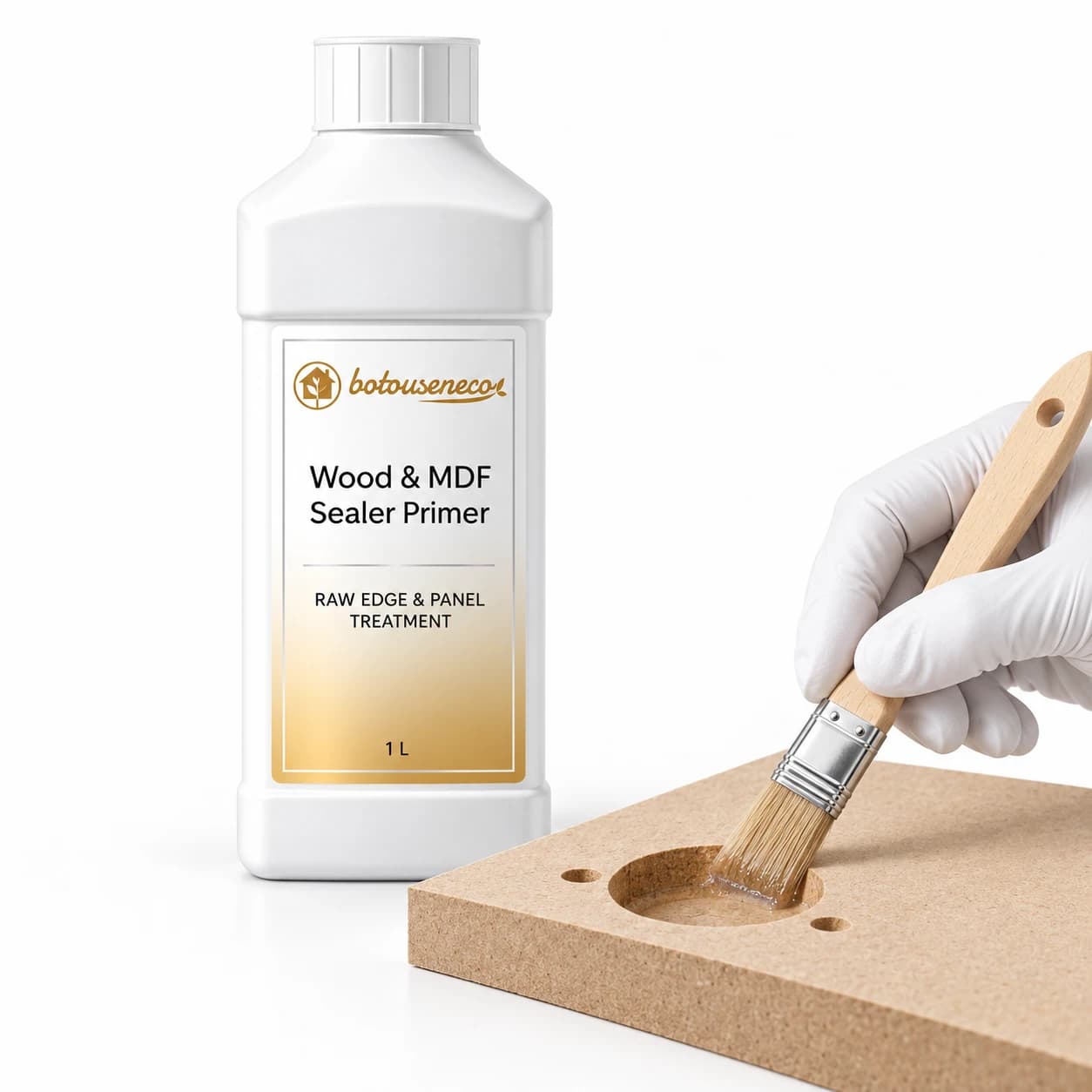
Step 1: Brush Deep Wood & MDF Sealer Primer onto All Plumbing Cut-Outs (30 to 40 ml/m2)
By the end of this step, every raw saw cut for water supply lines, drains, and electrical cords is consolidated.
- Vacuum loose jigsaw wood chips out of the pipe holes. Wipe the cut rim dry.
- Brush two wet-on-wet coats (30 to 40 ml/m2) around the inner rim of every cut-out. Use a 25 mm angled sash brush to coat the raw chipboard or plywood core around sink drains, angle valves, and gas hose holes (ISO 2409, 2020). Wipe any drips off the white plastic face with a damp cloth before it cures. For factory-side edge banding comparisons, see our MDF and particleboard EPA TSCA Title VI edge sealing guide.
Step 2: Spray Raw Rear Panels and Dishwasher Side Walls
By the end of this step, hidden back boards and high-heat appliance bays are sealed against steam.
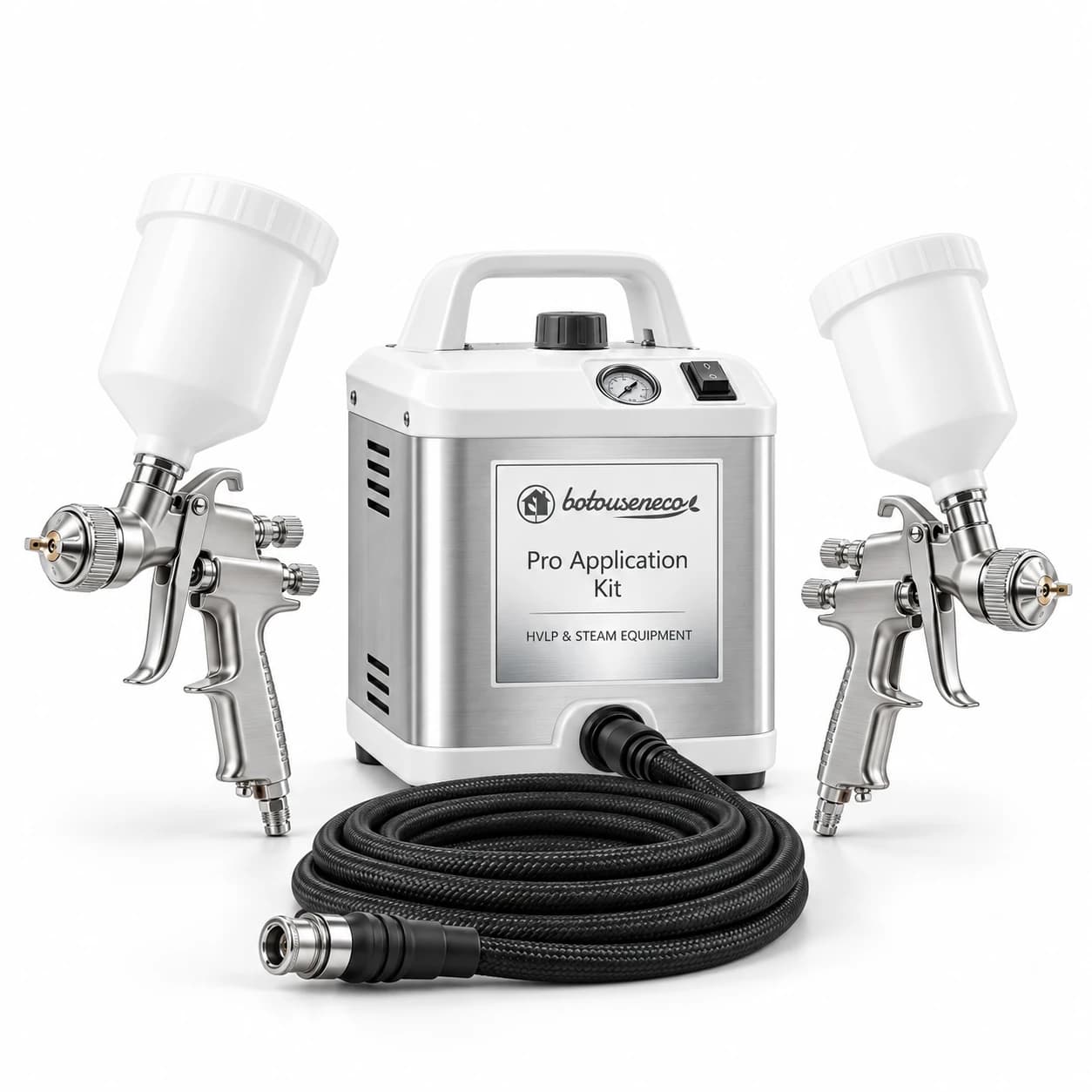
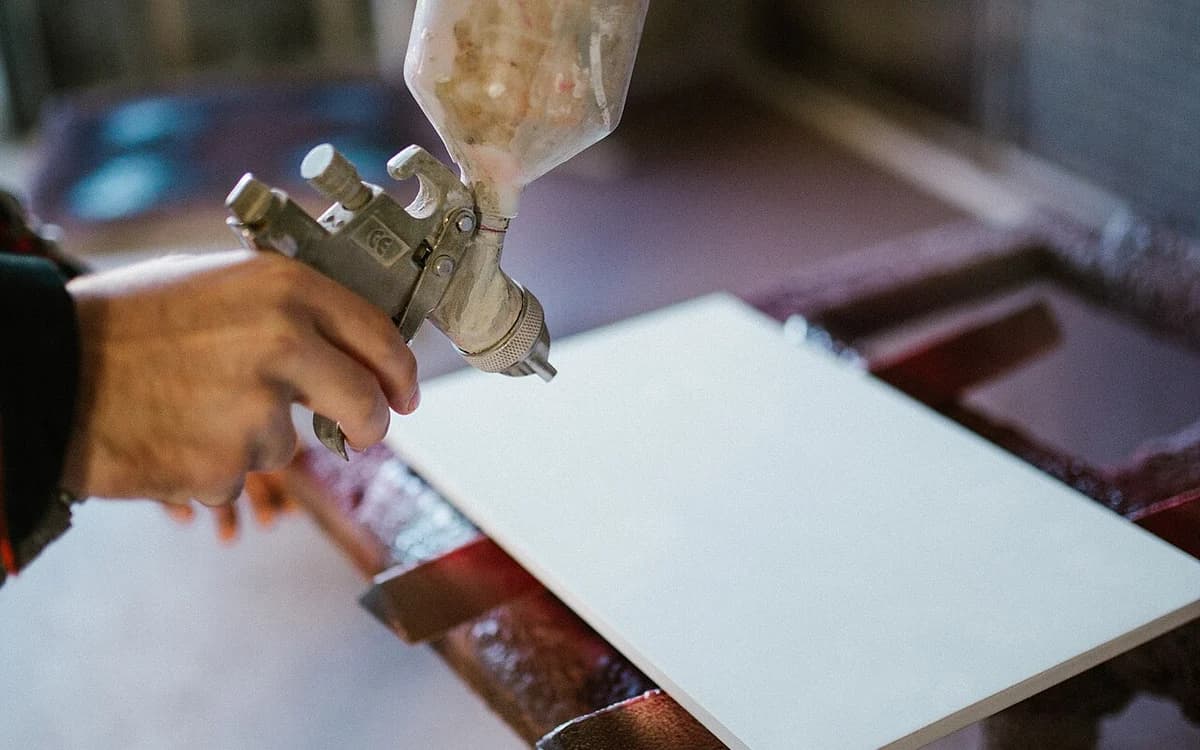
- Spray raw 3 to 5 mm HDF back panels at 25 to 35 ml/m2. Before pushing base cabinets against the kitchen tile wall, or by spraying through the rear plumbing access panel, coat raw backboards using the 0.8 mm gun from our Pro HVLP Nano-Atomizer & Steam Fumigation Kit.
- Seal the raw panel edges flanking built-in dishwashers, ovens, and steamers. Coating the exposed MDF edge right next to the dishwasher door vent prevents steam delamination.
Step 3: Wipe Top Sub-Strips and Solvent Glue Seams with Dual-Phase Essence
By the end of this step, aromatic BTEX solvents and glue aldehydes under the stone top are locked.
- Mist or brush 12 to 20 ml/m2 of HCHO & Benzene (C6H6) Removal Essence along the top cabinet rail. Reach under the sink basin to coat the wooden top support strips, contact-cement joints, and silicone perimeter seams (ISO 16000-6, 2024).
- Buff PU/PE lacquered vanity doors evenly. If the bathroom vanity or kitchen island uses high-gloss PU/PE painted doors, wipe a thin pass of Dual Essence across the inner door face and buff dry with a soft cloth pad per our lacquered furniture and glue seam BTEX guide.
Step 4: Neutralize Floor-Drain Sulfides and Coat Bathroom Walls with Ag+ Spray
By the end of this step, the entire kitchen or bathroom passes both chemical HCHO/BTEX checks and sensory odor walkthroughs.
- Clear bathroom drain H2S and concrete ammonia. In newly built bathrooms where floor drains emit sewer sulfides alongside cabinet HCHO, treat the drain and tile grout per our concrete ammonia and drain sulfide guide.
- Coat humid bathroom walls with dark-active Ag+ photocatalyst. Prevent black condensation mold around the vanity mirror by misting 8 to 12 ml/m2 of Ag+ spray per our Ag+ silver-ion dark-active restroom and ward study, and protect solid wood butcher-block tops with our beeswax-palm trap wax guide.
Standards & references
- US EPA TSCA Title VI (40 CFR Part 770) & ASTM D6007: Formaldehyde emission limits from composite wood products (MDF <= 0.11 ppm, thin MDF <= 0.13 ppm, particleboard <= 0.09 ppm).
- UN GHS Rev. 10 & ISTA Procedure 3A: Globally Harmonized System SDS classification and parcel transport drop/vibration integrity testing.
- USGBC LEED v4.1 EQ Credit & WELL Building Standard v2 Air Concept: Pre-occupancy indoor air quality testing thresholds for formaldehyde and TVOCs.
- ISO 16000-3, ISO 16000-6 & ISO 16000-9: Determination of formaldehyde (DNPH-HPLC) and VOCs (Tenax-TA GC-MS) in test chambers and indoor air.
Frequently Asked Questions (FAQ)
01.How long does Deep Wood & MDF Sealer Primer take to dry inside an under-sink cabinet?
At 25 to 40 ml/m2 with the cabinet doors propped open, the primer wicks into the raw board edge and dries to a clear, tack-free satin-matte film in 60 to 90 minutes at room heat (ISO 2409, 2020).
02.Will HCHO & Benzene Removal Essence soften silicone caulk around the kitchen sink?
No. Our dual-phase micro-balm is water-based with plant-ester and cyclodextrin inclusion complexes (pH 6.5 to 7.2) and contains zero harsh ketone or chlorinated paint strippers (ISO 16000-6, 2024). It scavenges volatile BTEX and oximes off the surface of cured silicone caulk without softening the seal.
03.How many kitchen and bathroom sets can one 5 L jerrycan of Sealer Primer and 1 L of Essence treat?
A typical home kitchen + 2 bathroom vanities has about 15 to 25 m2 of raw edges, pipe cut-outs, and back panels, using roughly 600 to 800 mL of Sealer Primer and 200 mL of Dual Essence. One 5 L jerrycan of Primer + 1 L bottle of Essence treats 5 to 7 complete apartments (ISO 9001, 2015).
04.What are the sample kit, bulk MOQ, and export shipping terms from Botou?
We ship 1 to 5 unit sample test kits (500 mL / 1 L bottles) in 24 to 48 hours (ISO 9001, 2015). Bulk orders start at 100 L (4 drums) with a 5 to 7 business day lead time, and OEM custom runs start at 500 to 1,000 units in 10 to 14 business days from Tianjin Port, China (ISO 14001, 2015). All products ship as Non-Dangerous Goods (Non-DG) under GHS Rev. 10 (HS Code 3824.99.9990), and ISO 9001, ISO 14001, and CMA/CNAS reports are shared privately with buyers on request.

About the author.
Loo
Loo is Senior Technical Writer and IAQ Research Editor at botouseneco (Hebei Senzhijia), translating laboratory chamber datasets, GB/T 18883 and ISO 16000 standards, and field application logs into clear step-by-step protocols for hospitality housekeeping teams, healthcare facilities, school campuses and renovation crews.
- Senior Technical Writer & IAQ Research Editor · Botou R&D documentation desk.
- Specialist in hospitality, healthcare and field remediation SOPs.
Written by Loo (Senior Technical Writer & IAQ Research Editor) and reviewed by our Botou formulation & QC leadership. Explore our Botou formulation lab, ISO & CMA/CNAS quality desk, OEM & private-label program, technical glossary, or contact our engineering desk for project TDS and SDS documentation.
Next step.