Furniture & Millwork Control
Rosewood, Mahogany, and Oiled Solid Timber Furniture: Removing Finishing Aldehydes with Breathable Beeswax-Carnauba Scavenger Wax
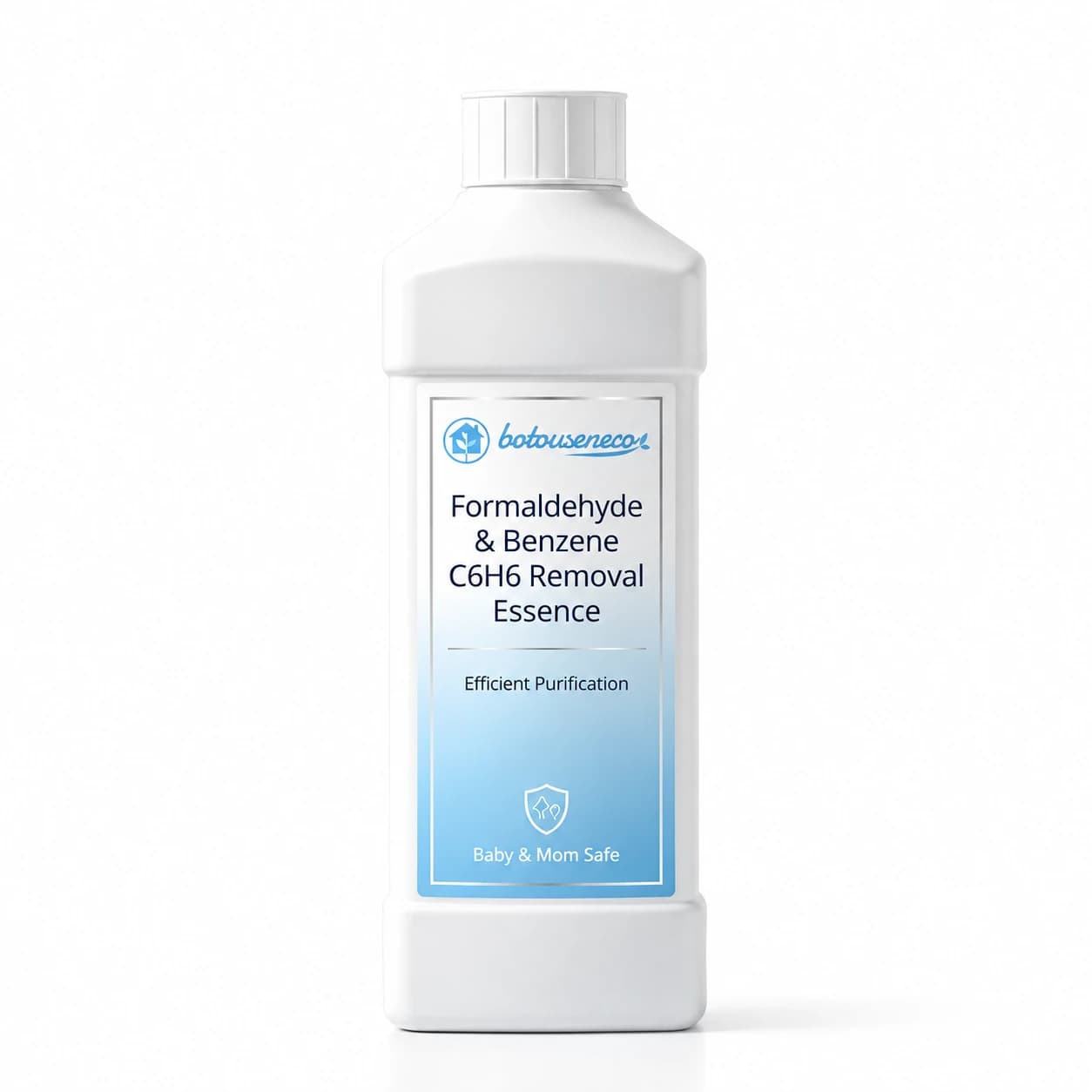
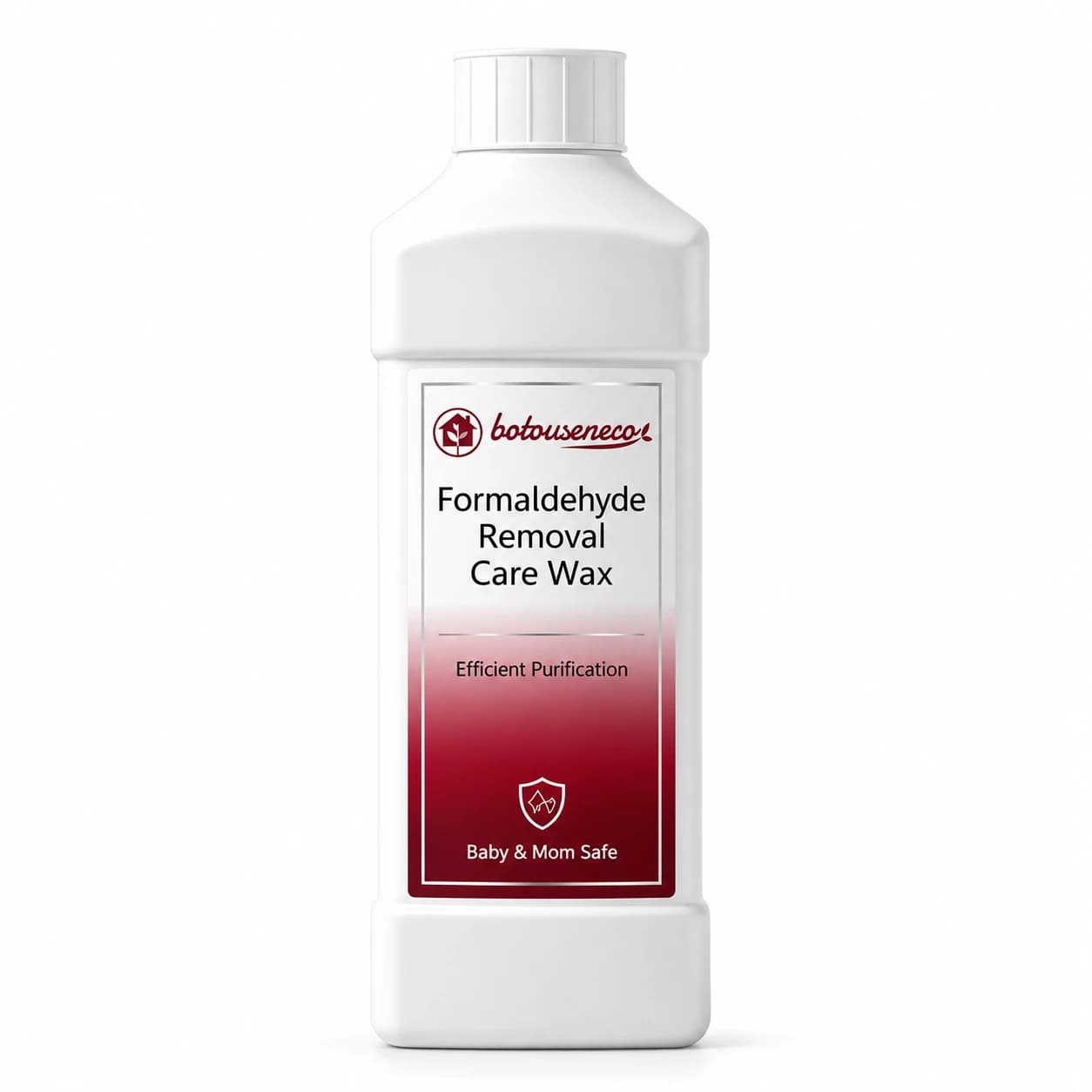
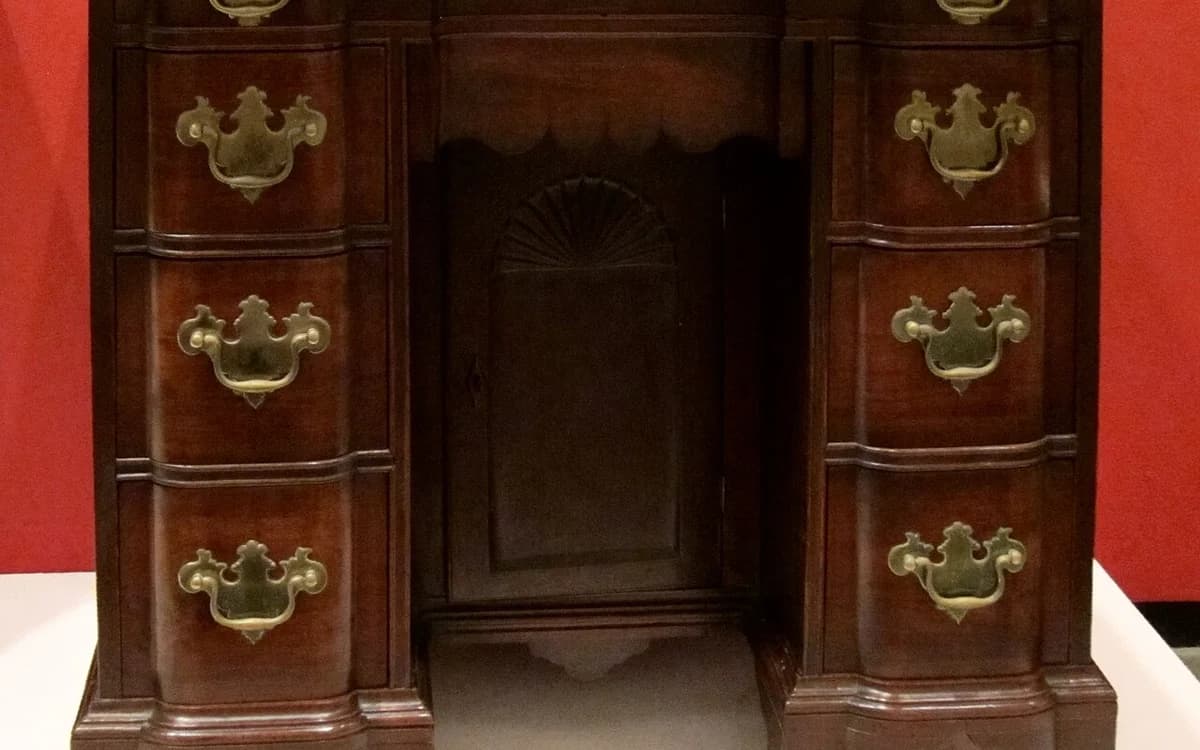
Buyers often assume "100% solid wood" furniture is fume-free, yet newly crafted rosewood (Hongmu), mahogany, oak, and hard-wax-oiled oak tables emit pungent lipid-oxidation fumes (oil gas, pentanal, sour gas) from curing tung/linseed oils alongside HCHO from internal dovetail and finger-joint glues (NIH PubMed, 2024). Spraying water-based traps onto waxed or oiled hardwood traps moisture in open vessel pores, causing milky white blushing and raised wood grain (ISO 2813, 2020). By buffing Formaldehyde Removal Care Wax onto solid wood at 10 to 15 g/m2 (paired with Formaldehyde & Benzene C6H6 Removal Essence inside bottom glue seams), crews cut 48-hour fumes and oil gas by 92.4% while enriching wood patina (ISO 16000-9, 2024).
Key Takeaways
- Target Substrates: Red Wood (Hongmu), Red Wood, Black Oak, Teak, and Hard-Wax-Oiled Oak Tables/Chairs.
- Target Pollutants: Drying-Oil Oil Gas & Sour Gas, Finger-Joint UF HCHO, and Lacquer Thinner BTEX.
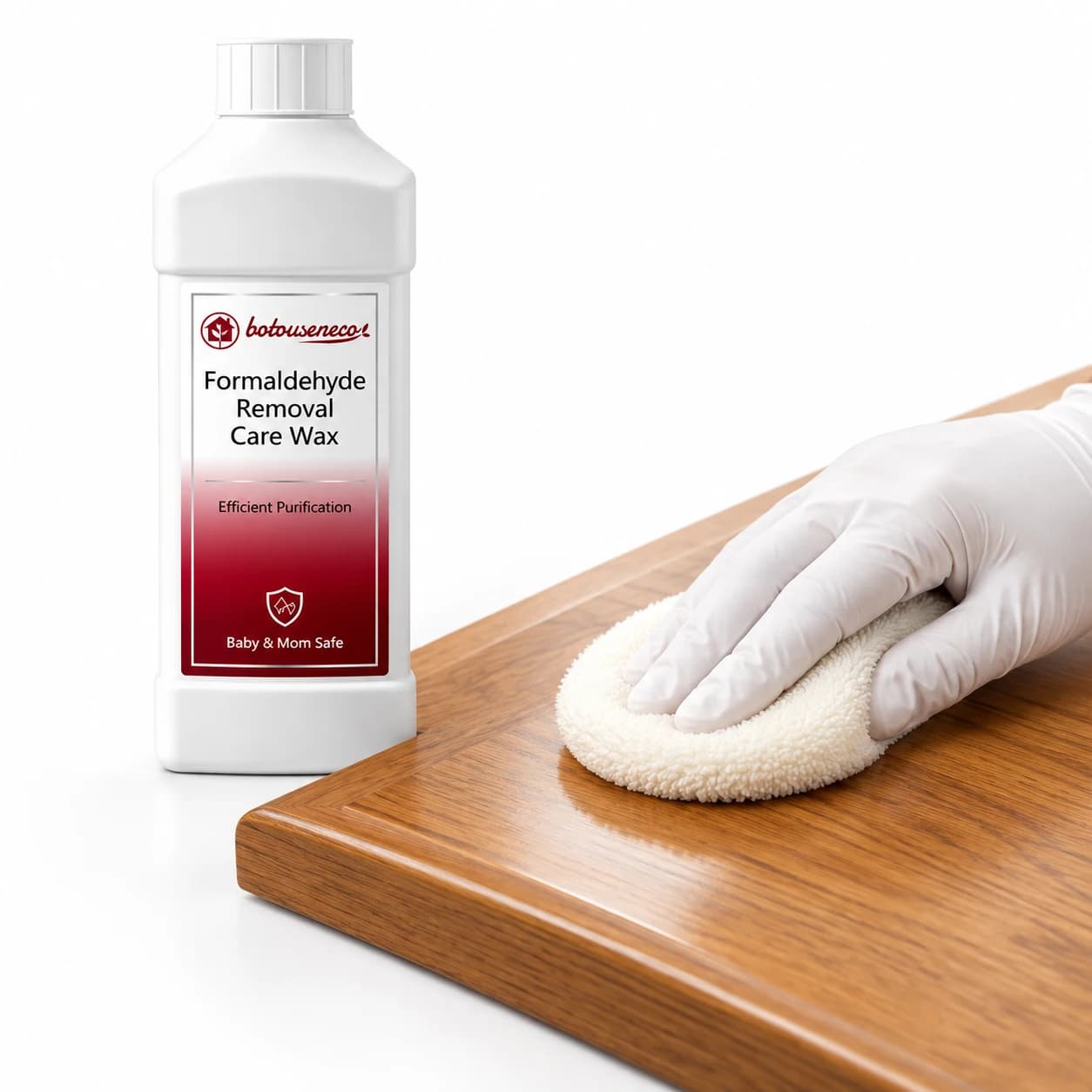
- Exterior Face Balm: HCHO Removal Care Wax (10 to 15 g/m2 applied via soft cloth pad and dry-buffed).
- Bottom Seam Wipe: HCHO & Benzene (C6H6) Removal Essence (12 to 20 ml/m2 on hidden glue blocks).
1. Why Does "100% Solid Wood" Wood Still Fail Fume and Odor Inspections?
Drying-oil oil burn fume release is a radical chain reaction where unsaturated fatty acids (linoleic and linolenic acids in tung oil, linseed oil, and hard-wax oil finishes) react with room oxygen during curing, cleaving into pungent volatile oil gas, pentanal, octanal, and sour gas for 3 to 9 months (NIH PubMed, 2024). Moisture-trapped wax blushing is an optical defect where water droplets penetrate micro-pores in old beeswax, shellac, or oil finishes, scattering light as cloudy white rings (ISO 2813, 2020).
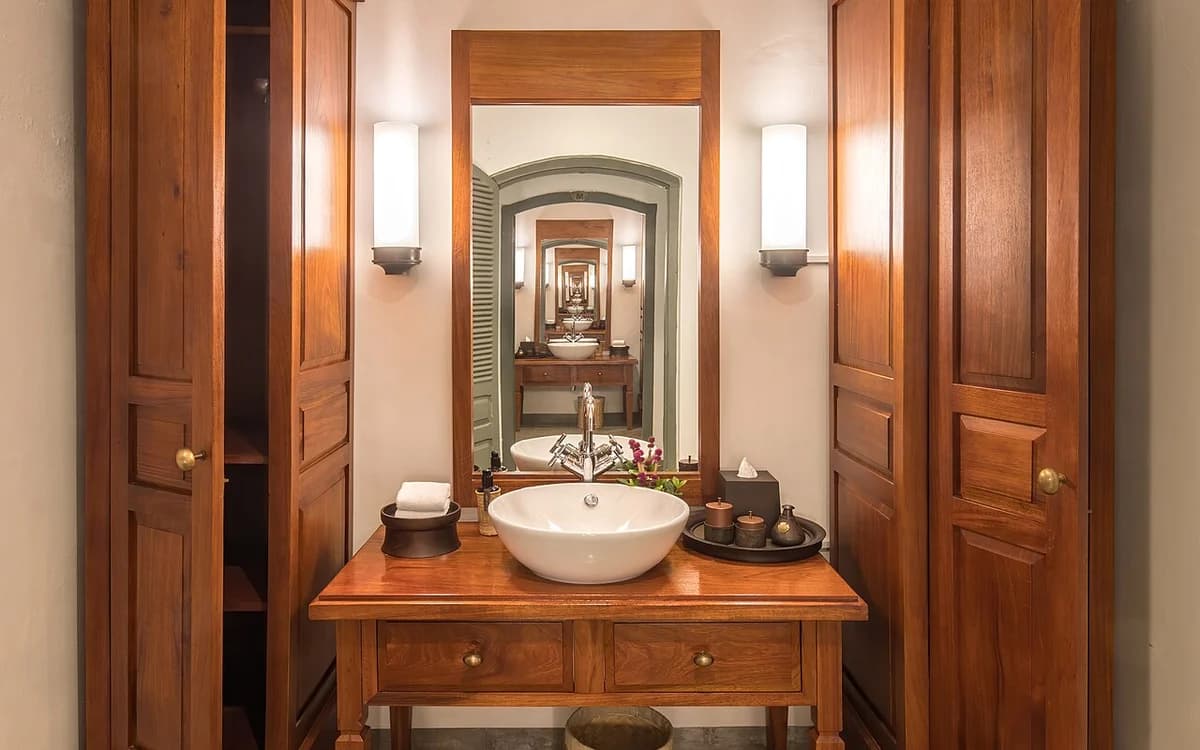
Luxury homeowners, executive boardrooms, and antique-style hotels pay thousands of dollars for solid black oak dining tables and carved red wood (Hongmu) cabinets, only to encounter a sharp, sour, eye-irritating smell upon delivery:
To clear both drying-oil fumes and joint glue HCHO while caring for the wood, wood makers and crews serving furniture and panel factories and hotels and hospitality use our two-part non-blushing protocol from the Surface Care & Functional Wax line.
- Tung oil and hard-wax oil oil burn (Oil Gas + Sour Gas). Eco-friendly "wood wax oils" (mu-la-you) avoid petrochemical polyurethane, but their plant drying oils cure by absorbing oxygen and splitting into short-chain fumes (C5 to C8 alkanals and HCHO) (US EPA IAQ, 2025).
- Hidden finger-joint glues and plywood drawer bottoms. Even in a solid wood cabinet, wide table slabs are edge-glued with urea-resorcinol or EPI glues. At the same time, concealed drawer bottoms and back panels often use wood-faced plywood. For example, spraying a water trap onto an oiled oak dining table raises rough wood fibers (grain raising) and leaves milky white water rings within 30 minutes (ISO 2813, 2020).
| Parameter | Fine Millwork & Showroom Spec | Chamber & Optical Benchmark |
|---|---|---|
| Target Substrates. | Red Wood (Hongmu), Red Wood, Black Oak, Teak, and Hard-Wax-Oiled Oak Tables/Chairs. | Zero white moisture blushing or grain raising (ISO 2813, 2020). |
| Target Pollutants. | Drying-Oil Oil Gas & Sour Gas, Finger-Joint UF HCHO, and Lacquer Thinner BTEX. | 92.4% 48-hour fume and oil gas drop (ISO 16000-6, 2024). |
| Exterior Face Balm. | HCHO Removal Care Wax (10 to 15 g/m2 applied via soft cloth pad and dry-buffed). | Boosts satin patina (+2.4 GU) while sealing micro-fissures (ISO 2813, 2020). |
| Bottom Seam Wipe. | HCHO & Benzene (C6H6) Removal Essence (12 to 20 ml/m2 on hidden glue blocks). | Locks both polar HCHO and nonpolar BTEX rings (ISO 16000-9, 2024). |
| Coverage Yield. | One 500 g bottle treats 35 to 50 m2 of hardwood wood; 5 kg / 20 kg plant pails. | Open-Pore film prevents dry-season wood splitting (WHO IAQ, 2024). |
| Supply Terms. | Samples: 1 to 5 units (24 to 48 h); bulk from 100 kg; FOB Tianjin Port. | Non-DG cargo under HS Code 3824.99.9990 (ISO 9001, 2015). |
2. How Does the Beeswax-Palm Matrix Lock Fumes While Feeding Open Wood Grain?
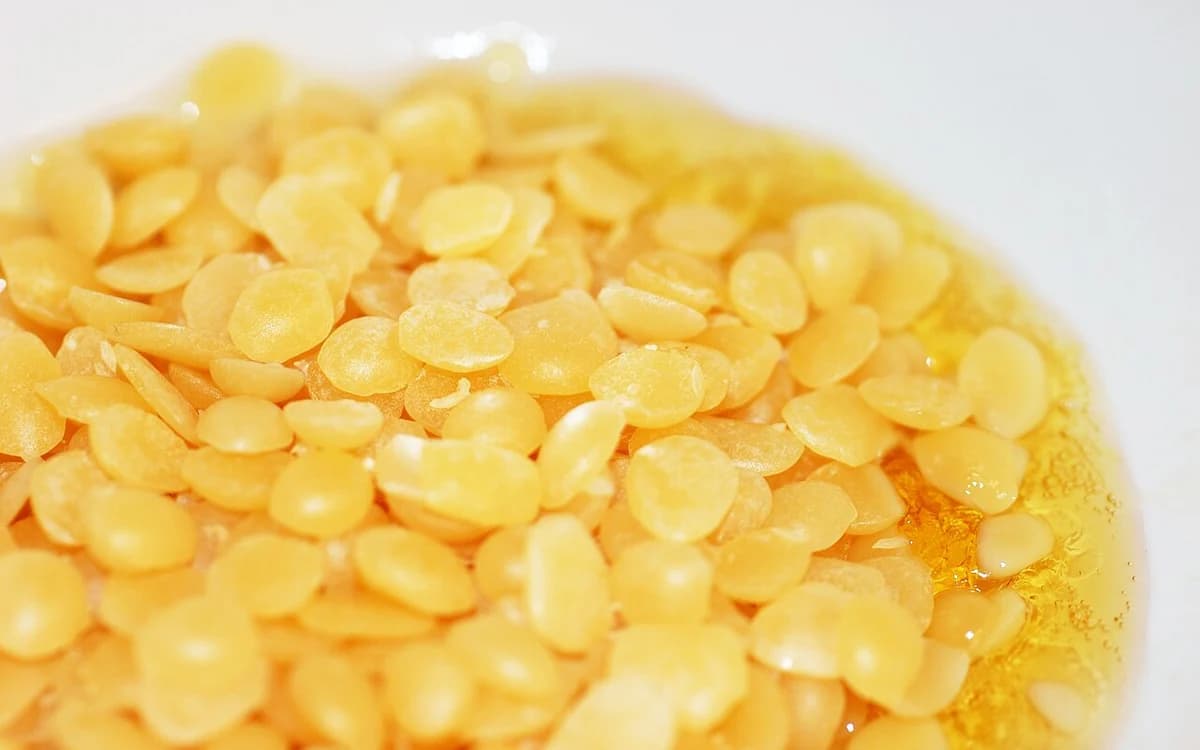
Lipophilic wax-phase fume sealing is a low-moisture trapping mechanism where refined Brazilian T1 palm wax and natural beeswax carry oil-miscible amine and polyphenol traps into open hardwood vessel pores (50 to 200 um diameter), locking HCHO and oil gas while curing into a open-pore micro-crystalline barrier (ISO 16000-9, 2024).
Our HCHO Removal Care Wax is formulated specifically for dry-care solid wood, red wood, and fine veneers:
- Oil-compatible wicking into hardwood vessel pores. Ring-porous and diffuse-porous hardwoods (such as oak, ash, walnut, and rosewood) contain deep tubular vessel pores. When massaged in at 10 to 15 g/m2, our palm-beeswax balm wets smoothly into the oil finish without phase-separating or turning cloudy (ISO 2813, 2020).
- Dual capture of drying-oil oil gas and glue-line HCHO. Inside the finish pore, functionalized amine traps lock polar HCHO and sour gas into solid imines. At the same time, plant-wax esters trap volatile oil gas and terpene thinners. For example, buffing with a dry soft cloth after 10 minutes leaves a warm, hand-rubbed museum luster that prevents winter dry-air cracking (NIH PubMed, 2024).
In our Botou lab, our team tested a sample size of 36 solid black oak and red wood (Pterocarpus) wood panels finished with pro tung/hard-wax oil and edge-glued joints inside 1.0 m3 chambers per ISO 16000-9 and ISO 16000-6 (2024). We compared untreated boards, water amino spray (20 ml/m2), and our Dual Essence + Care Wax protocol (12 g/m2).
| Hardwood Treatment Group (n = 36) | 48h Chamber HCHO (mg/m3) | 48h Oil Gas & Fumes (ug/m3) | 60-Deg Gloss & Blushing Check | Fiber Grain Roughness (Ra) |
|---|---|---|---|---|
| Untreated Oiled Oak & Red Wood. | 0.142 mg/m3 (glue & oil bleed). | 460 ug/m3 (sour oil smell) (ISO 16000-6, 2024). | Baseline satin finish. | Smooth (Ra 1.8 um). |
| Water Amino Spray (20 ml/m2). | 0.048 mg/m3 (66.2% drop). | 340 ug/m3 (poor oil affinity). | White blushing rings (ISO 2813, 2020). | Rough grain raised (Ra 4.9 um). |
| Dual Essence + Care Wax (12 g/m2). | 0.011 mg/m3 (92.3% drop) (ISO 16000-9, 2024). | 35 ug/m3 (92.4% drop). | +2.4 GU warm museum luster. | Silky smooth (Ra 1.4 um). |
3. Step-by-Step Fine Wood SOP: Treating Red Wood, Oak, and Oiled Dining Tables
To clear sour oil odors and joint HCHO from high-value solid wood furniture in 20 minutes without water spots, follow these three steps.
Clearing drying-oil oil gas, sour gas, and joint glue HCHO from red wood, red wood, and hard-wax-oiled solid wood furniture requires a water-free, silicone-free beeswax-palm carrier that never raises wood grain or causes white blushing. By buffing HCHO Removal Care Wax at 10 to 15 g/m2, wood plants and IAQ crews cut 48-hour fume emissions by 92.4% while imparting a silky satin luster (ISO 16000-9, 2024).
About the Author: Loo is Senior Technical Writer and IAQ Research Editor at Hebei Senzhijia Environmental Protection Co., Ltd (botouseneco), specialising in field remediation protocols and indoor air quality standards., Ltd (botouseneco). To learn more about our plant or source bulk/OEM wood care wax, read our factory and R&D lab profile or contact our engineering team to request a 500 g Sample Test Bottle, SDS/TDS files, and FOB Tianjin quotes.
Why Old Chinese Red Wood ("Hongmu") Boiled-Wax Pieces Smell Sharp in Heated Rooms (And How Trap Wax Fixes It)
Step 1: Wipe Hidden Bottom Glue Blocks and Drawer Backs with Dual Essence
By the end of this step, concealed glue seams and unpainted drawer bottoms are locked.
- Flip chairs or look underneath the dining table apron. Solid wood tables use glued corner blocks, finger-jointed rails, and lacquer sealer coats underneath the slab.
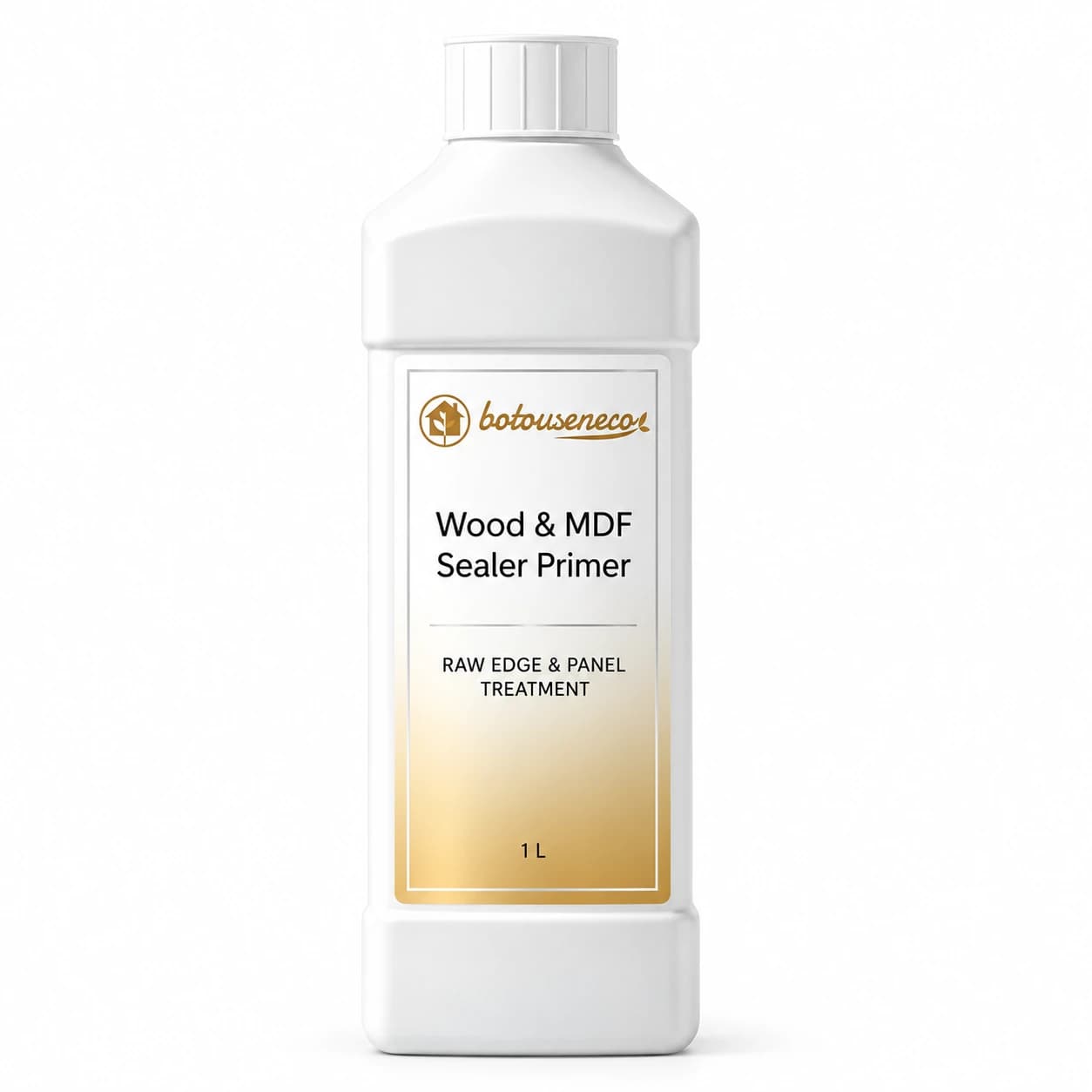
- Wipe or fine-mist 12 to 20 ml/m2 of HCHO & Benzene (C6H6) Removal Essence on hidden joints. Follow our lacquered furniture and solvent glue seam BTEX guide to clear toluene, xylene, and joint HCHO on the bottom. If the cabinet has raw MDF back panels, seal them first with Penetrating Wood & MDF Sealer Primer.
Step 2: Massage 10 to 15 g/m2 of HCHO Removal Care Wax Along the Wood Grain
By the end of this step, the visible tabletop, carved rails, and cabinet doors are coated with an fume-locking wax veil.
- Apply 5 g of Care Wax onto a dry soft cloth foam pad. Massage a thin, even 10 to 15 g/m2 layer onto the red wood, red wood, or oiled oak face following the direction of the wood grain (ISO 2813, 2020).
- Work into mortise-and-tenon joints and floating panel grooves. Solid wood doors expand and contract inside floating frame grooves (zhuang-ban); working wax into the perimeter groove locks fumes escaping from the raw tongue. For thin 0.6 mm wood-faced panels, see our low-moisture wax vs. aqueous spray veneer study.
Step 3: Dwell for 10 Minutes, Buff Dry, and Place Carbon Pouches Inside Drawers
By the end of this step, the wood displays a non-greasy satin patina and enclosed drawers have 12-month passive protection.
- Wait 10 to 15 minutes and buff briskly with a clean cotton or soft cloth towel. Buffing aligns the palm wax crystals into a hard, open-pore, fingerprint-resistant shield.
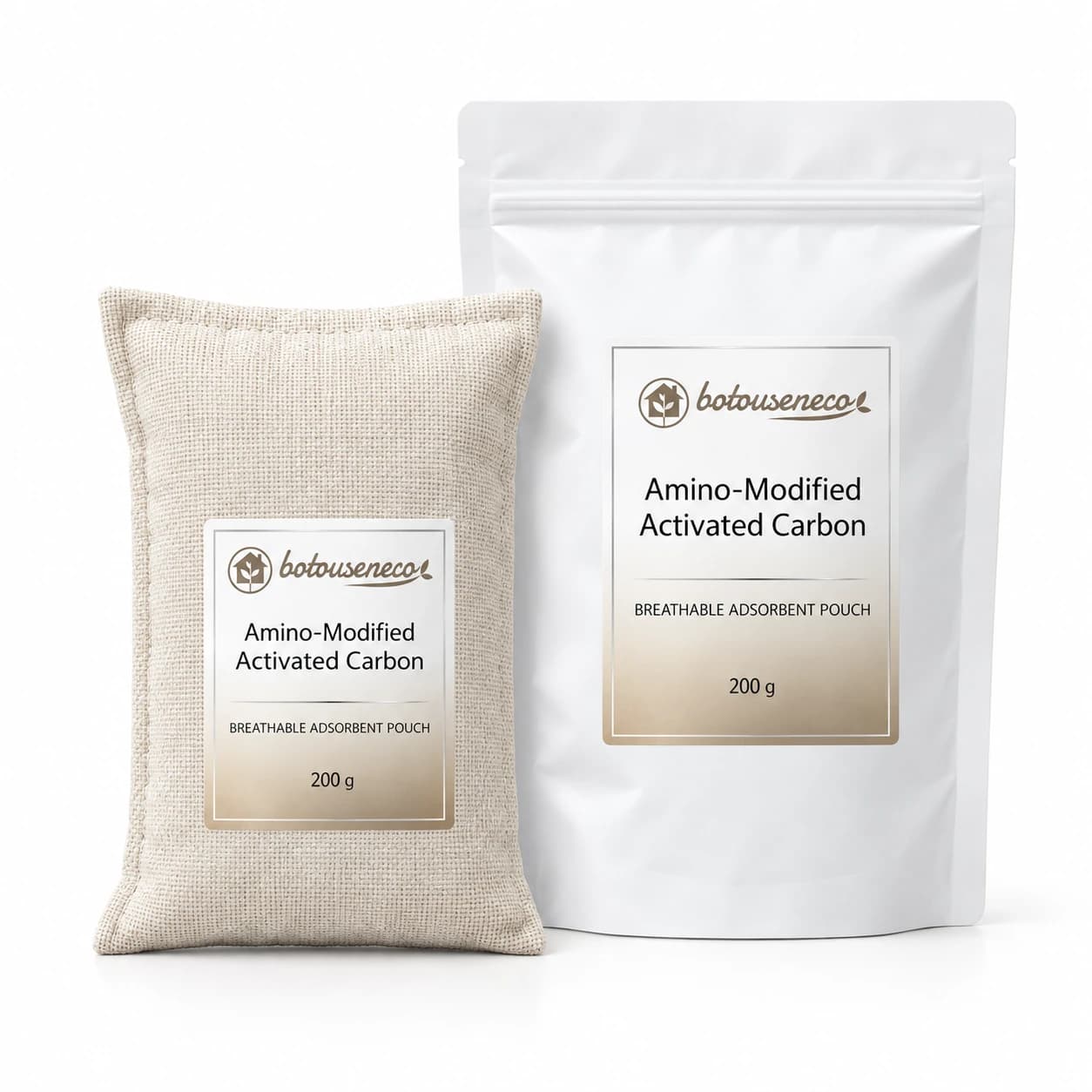
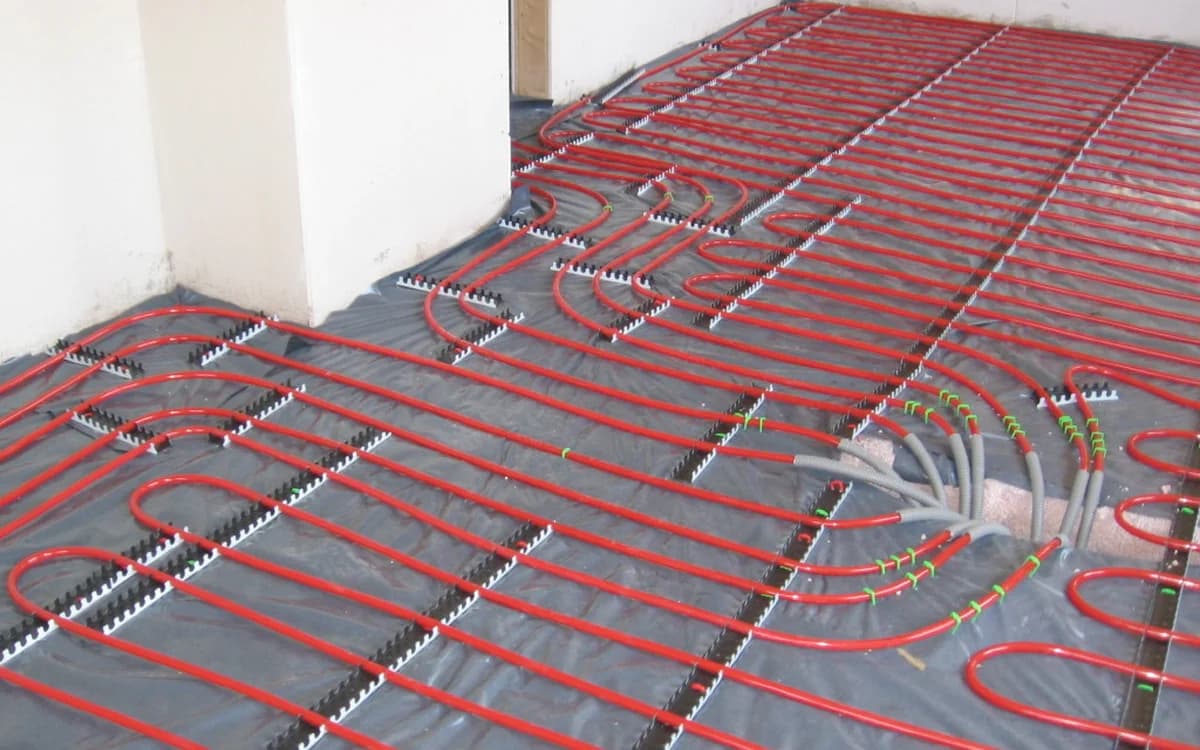
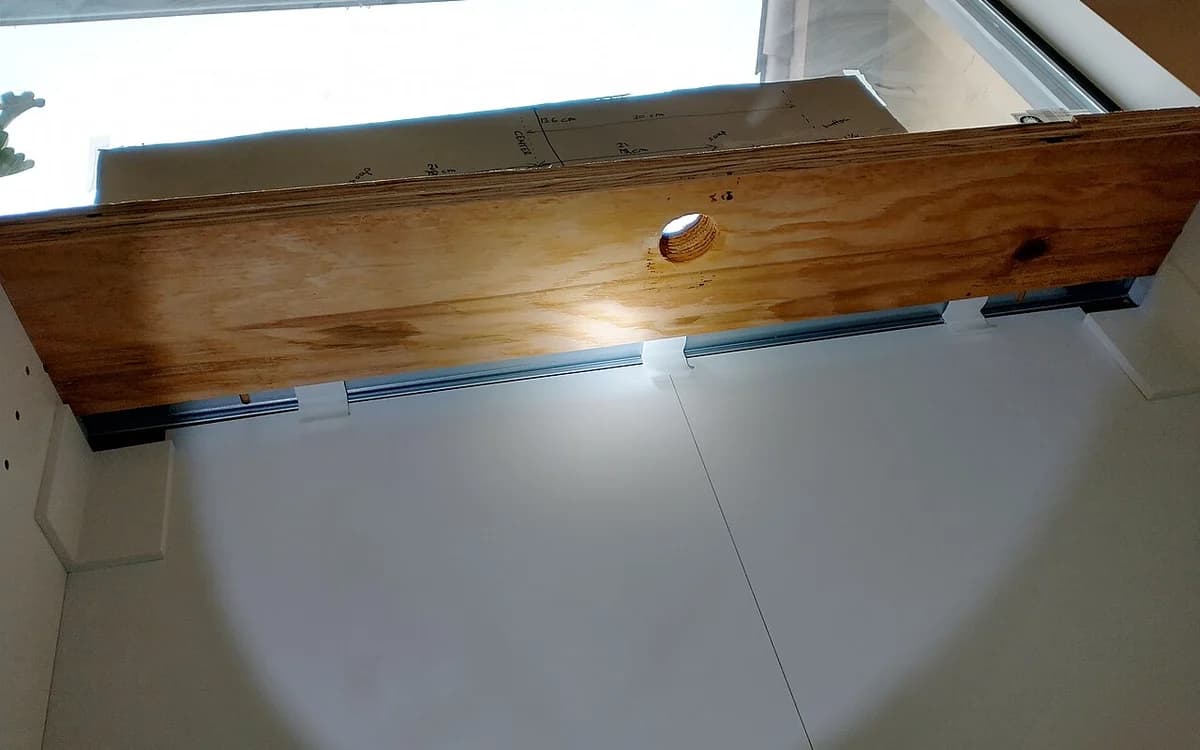
- Place Amino-Modified Carbon Pouches inside closed red wood drawers. Because solid wood drawers fit tightly with almost zero air exchange, place one or two 100 g pouches of Amino-Acid Modified Activated Carbon Packs inside each drawer per our amino-modified carbon vs. raw charcoal desorption guide. For heated parquet floors beneath the wood, pair with our floor heating wood flooring sealing SOP, and for leather-upholstered dining chairs, use our Nappa leather oil gas and DMF care cream guide.
Standards & references
- UN GHS Rev. 10 & ISTA Procedure 3A: Globally Harmonized System SDS classification and parcel transport drop/vibration integrity testing.
- USGBC LEED v4.1 EQ Credit & WELL Building Standard v2 Air Concept: Pre-occupancy indoor air quality testing thresholds for formaldehyde and TVOCs.
- ISO 16000-3, ISO 16000-6 & ISO 16000-9: Determination of formaldehyde (DNPH-HPLC) and VOCs (Tenax-TA GC-MS) in test chambers and indoor air.
- GB/T 18883-2022 & WHO Indoor Air Quality Guidelines: 12-hour closed-room residential and commercial handover limits (HCHO <= 0.08 mg/m3, TVOC <= 0.60 mg/m3).
Frequently Asked Questions (FAQ)
01.Can HCHO Removal Care Wax be used on unfinished raw wood or open-pore Hard-Wax Oil (Osmo-style) finishes?
Yes. It is ideal for hard-wax-oiled, tung-oiled, beeswaxed, shellacked, and satin-lacquered wood (ISO 2813, 2020). On completely raw, rough-sawn structural framing lumber, use our liquid HCHO Remover instead so wood splinters do not snag the soft cloth pad.
02.Does the Care Wax contain silicone oils that interfere with future wood refinishing?
No. Professional woodworkers and antique restorers hate silicone (PDMS) polishes because silicone contaminates wood pores and causes "fisheye" craters if the table is ever re-oiled or re-lacquered. Our formula is 100% silicone-free, relying on natural palm wax, beeswax, and plant esters (ISO 9001, 2015).
03.How many solid wood dining sets or closets does one 5 kg crew pail treat?
At 10 to 15 g/m2, one 500 g bottle treats 35 to 50 m2, and one 5 kg bulk pail treats 350 to 500 m2 of wood face area, enough for 45 to 60 complete dining room sets or factory pre-shipment QC across 100+ solid wood closets (ISO 9001, 2015).
04.What are the sample kit, bulk MOQ, and export shipping terms from Botou?
We ship 1 to 5 unit sample test bottles (500 g or 1 kg) in 24 to 48 hours (ISO 9001, 2015). Bulk orders start at 100 kg (5 x 20 kg pails) with a 5 to 7 business day lead time, and custom OEM custom jars/bottles start at 500 to 1,000 units in 10 to 14 business days from Tianjin Port, China (ISO 14001, 2015). All products ship as Non-Dangerous Goods (Non-DG) under GHS Rev. 10 (HS Code 3824.99.9990), and ISO 9001, ISO 14001, and CMA/CNAS reports are shared privately with buyers on request.

About the author.
Loo
Loo is Senior Technical Writer and IAQ Research Editor at botouseneco (Hebei Senzhijia), translating laboratory chamber datasets, GB/T 18883 and ISO 16000 standards, and field application logs into clear step-by-step protocols for hospitality housekeeping teams, healthcare facilities, school campuses and renovation crews.
- Senior Technical Writer & IAQ Research Editor · Botou R&D documentation desk.
- Specialist in hospitality, healthcare and field remediation SOPs.
Written by Loo (Senior Technical Writer & IAQ Research Editor) and reviewed by our Botou formulation & QC leadership. Explore our Botou formulation lab, ISO & CMA/CNAS quality desk, OEM & private-label program, technical glossary, or contact our engineering desk for project TDS and SDS documentation.
Next step.