Catalog · 23 formulations · 6 lines
Formaldehyde removers, TVOC eliminators & photocatalyst coatings.
Every formulation we make, with target pollutants, dosage and pack range side by side. Filter by pollutant, application or format, add products to your inquiry list and request samples in one go.
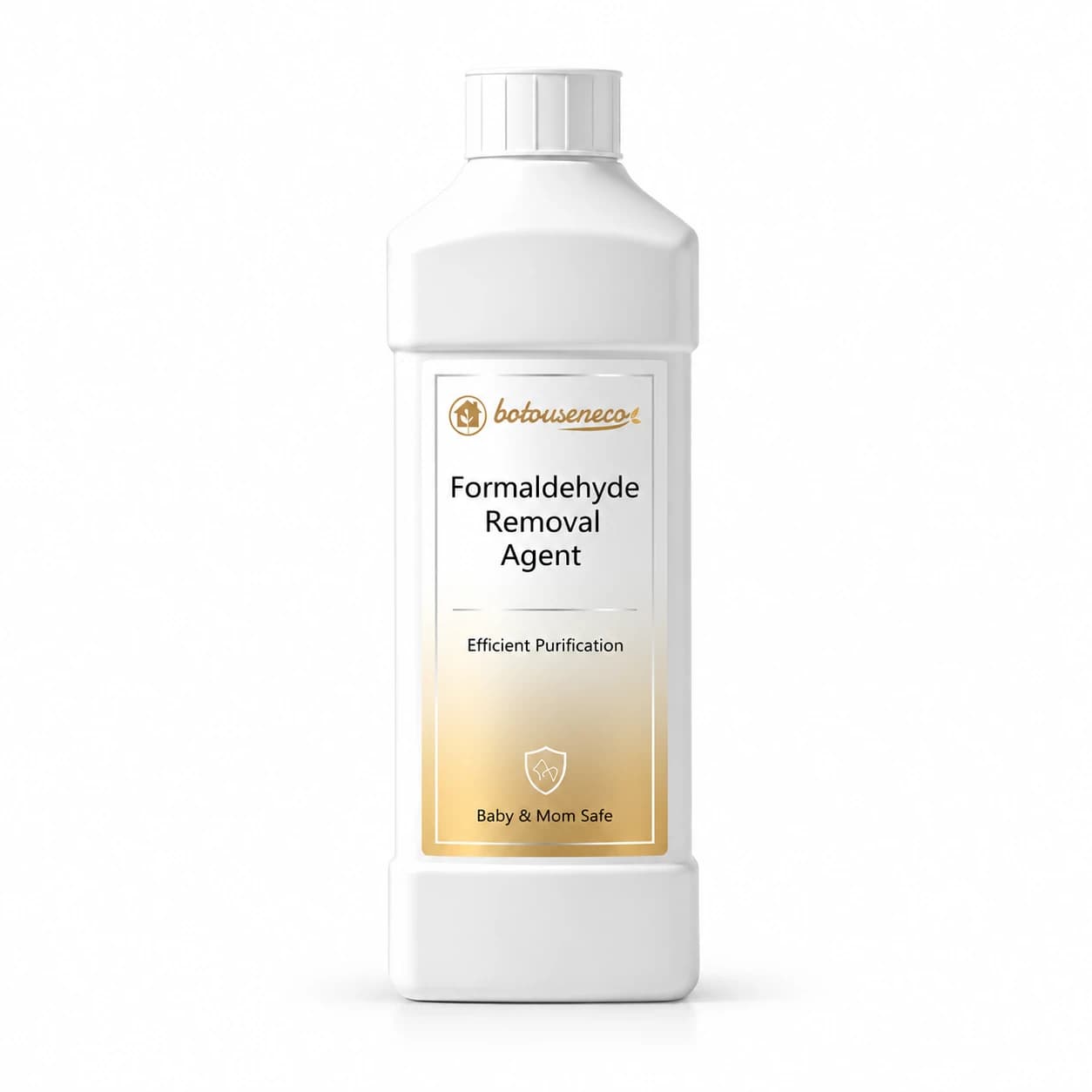
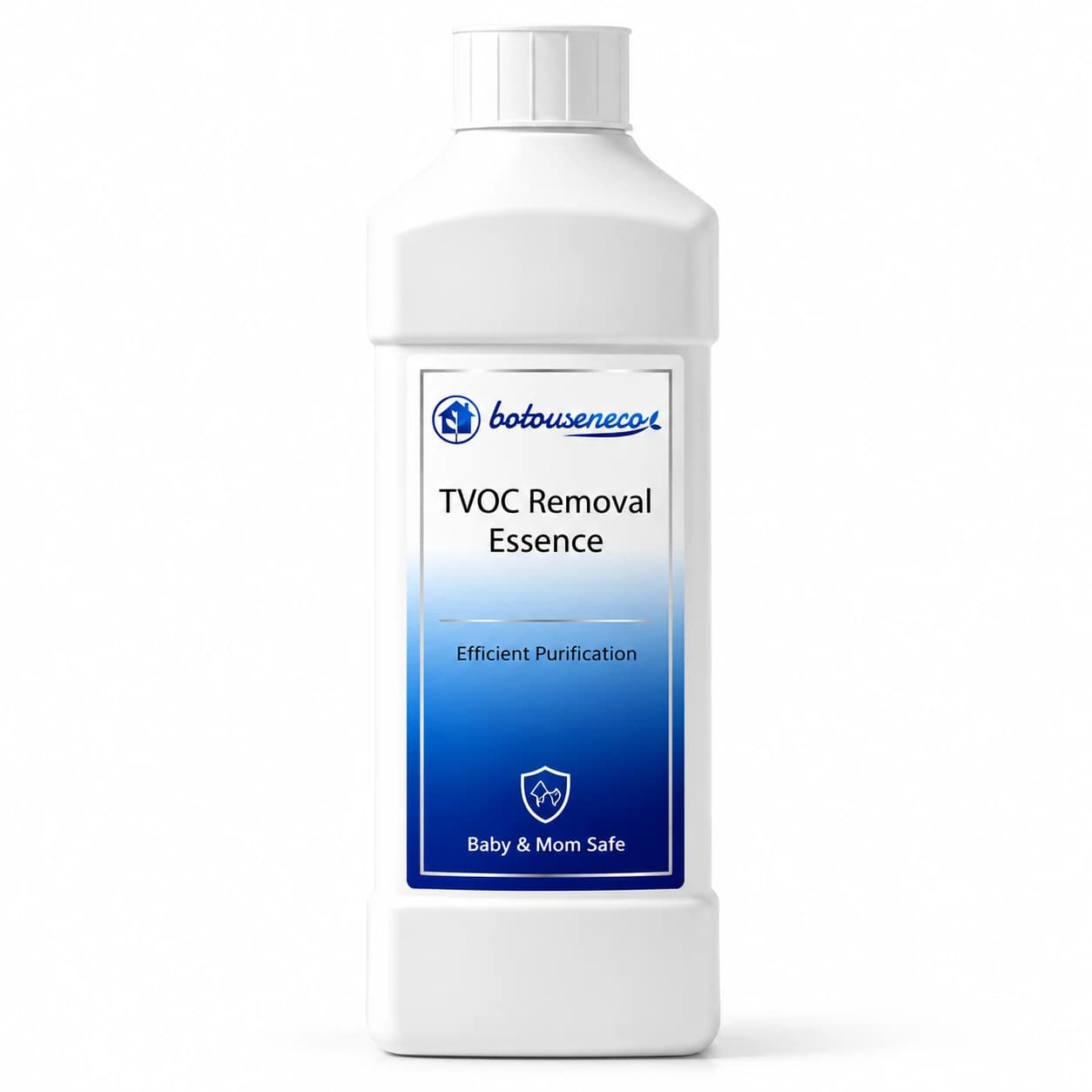
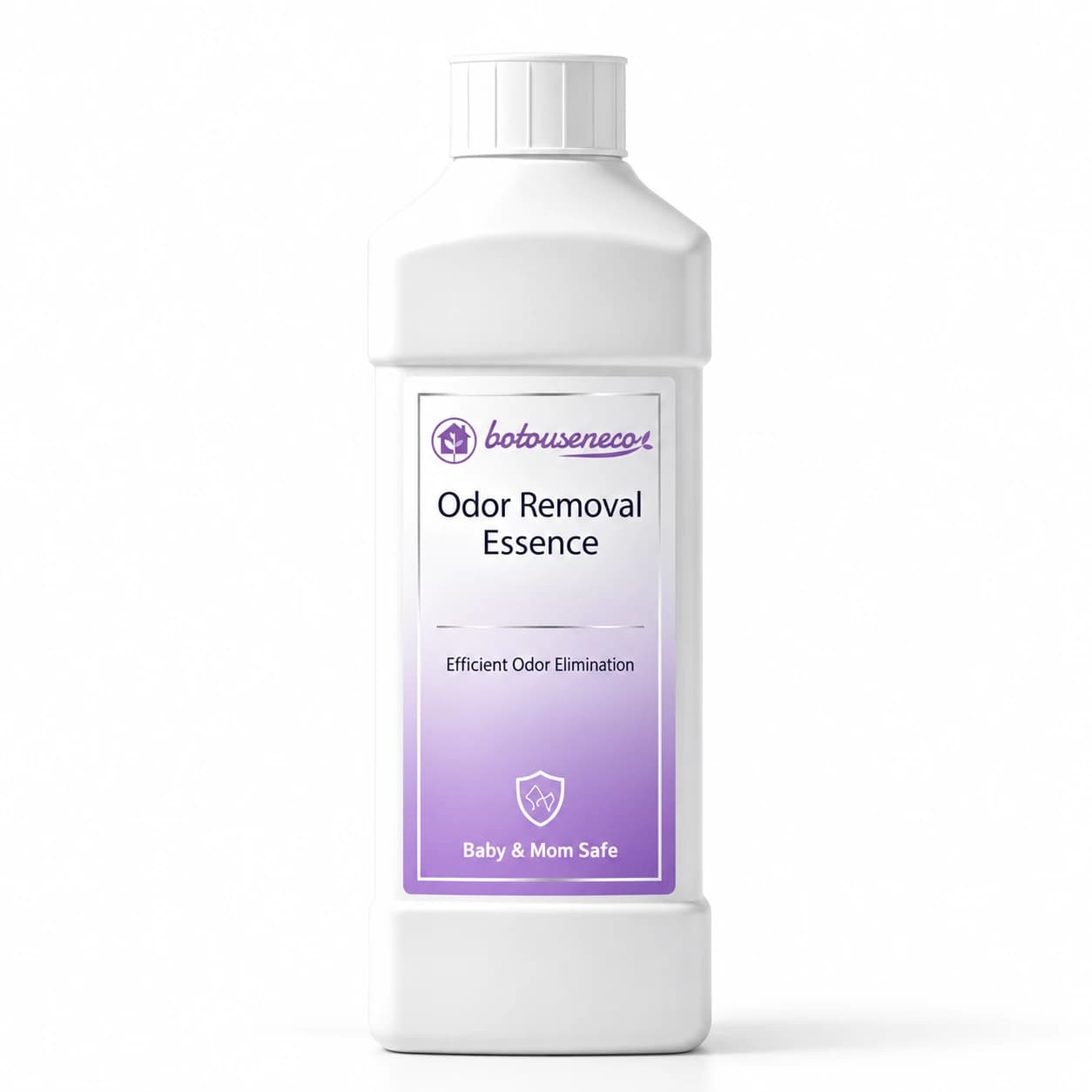
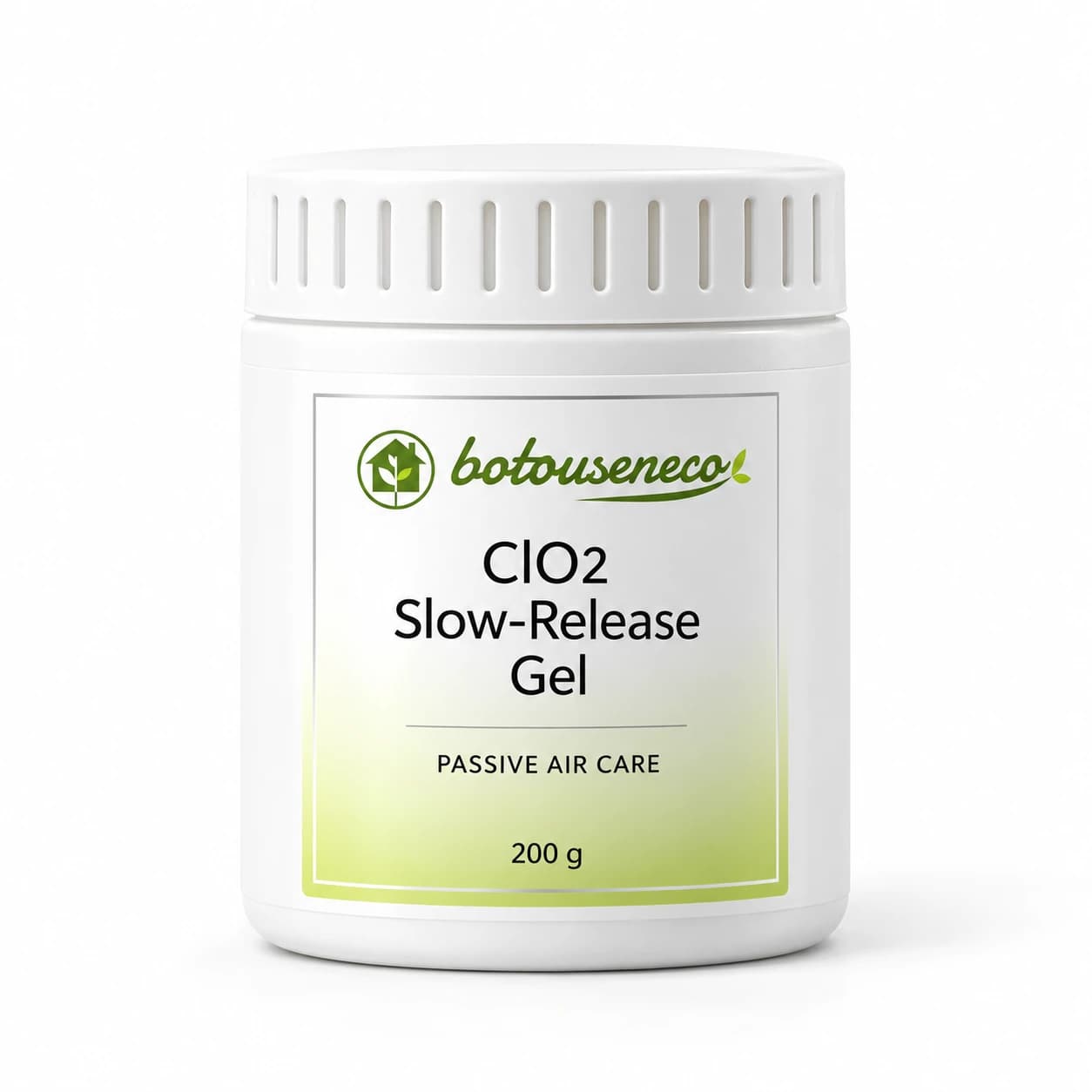
Formaldehyde & Benzene Remediation5
Line overviewHCHO · BTEX · Amino-Polymer
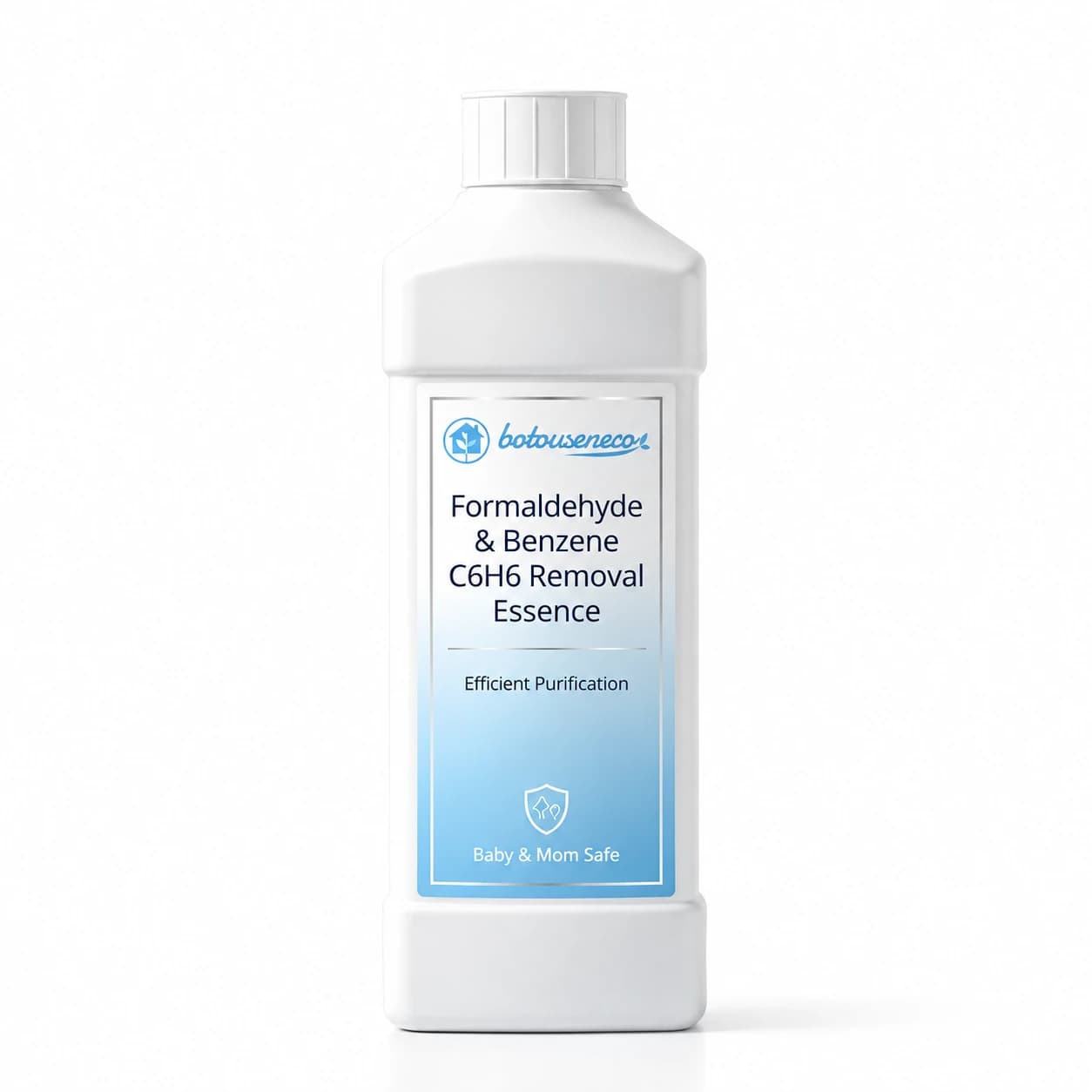
Formaldehyde & Benzene
Formaldehyde & Benzene C6H6 Essence
Dual-phase micro-emulsion
- Dosage
- 12–20 ml/m²
- Packs
- 500 ml – 20 L
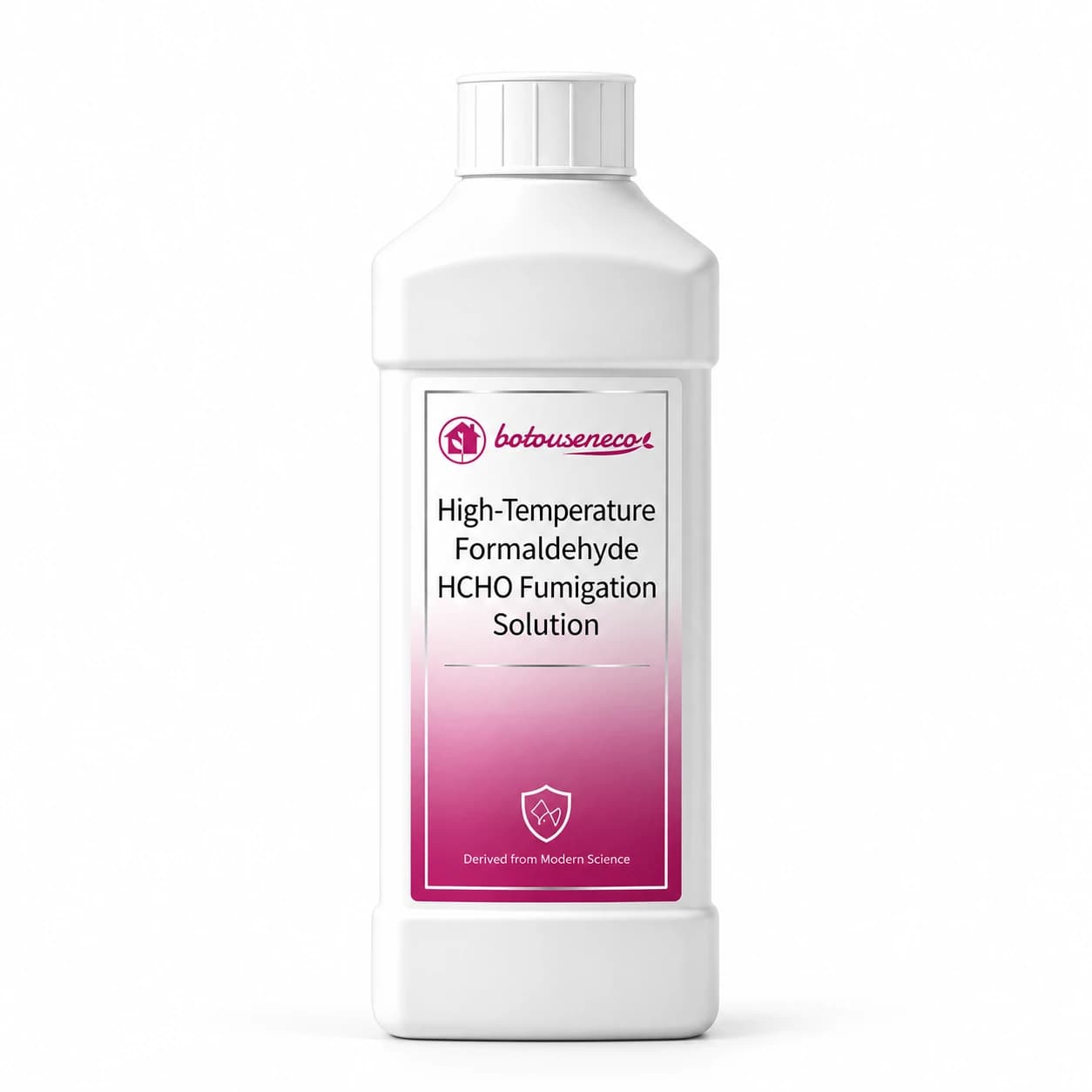
Formaldehyde & Benzene
High-Temperature HCHO Fumigation Solution
Thermal steam extraction fluid
- Dosage
- 20–30 ml/m²
- Packs
- 1 L – 200 L
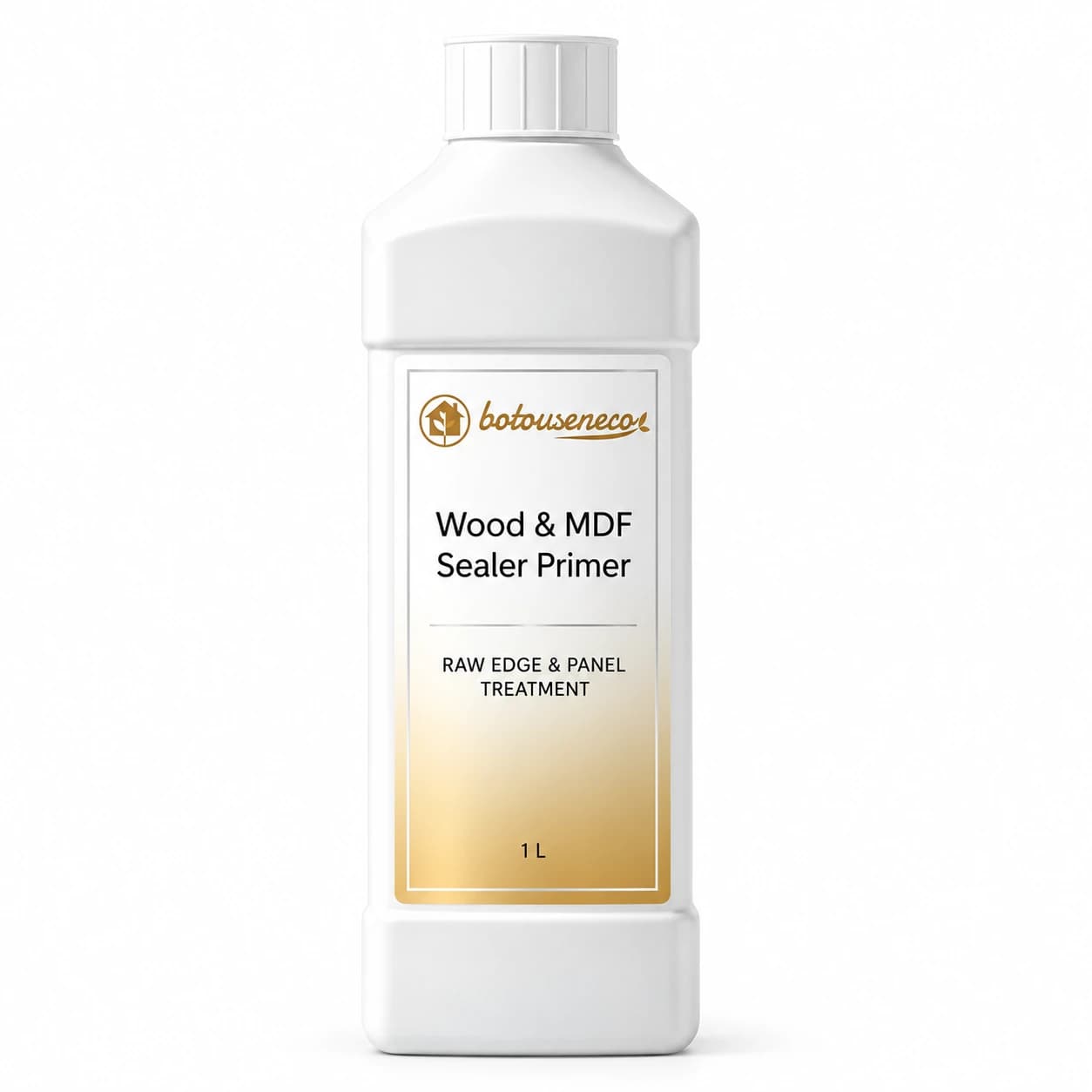
Formaldehyde & Benzene
Wood & MDF Sealer Primer
Deep-pore edge sealer
- Dosage
- 25–40 ml/m²
- Packs
- 1 L – 200 L
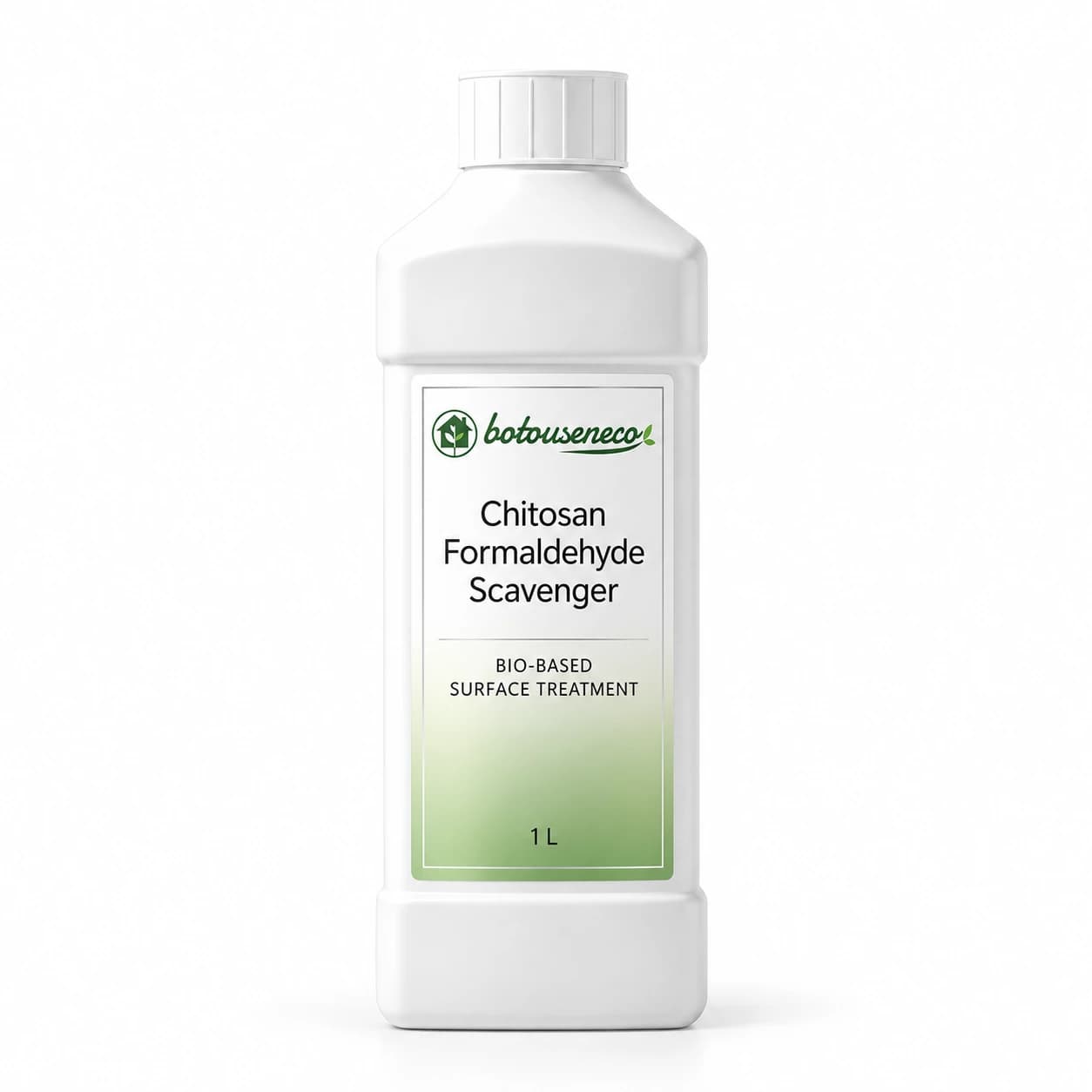
Formaldehyde & Benzene
Chitosan Bio-Based HCHO Scavenger
Bio-based chitosan scavenger
- Dosage
- 15–25 ml/m²
- Packs
- 500 ml – 25 L
TVOC & Photocatalytic Coatings5
Line overview5–10nm TiO₂ · Ag⁺ · TVOC
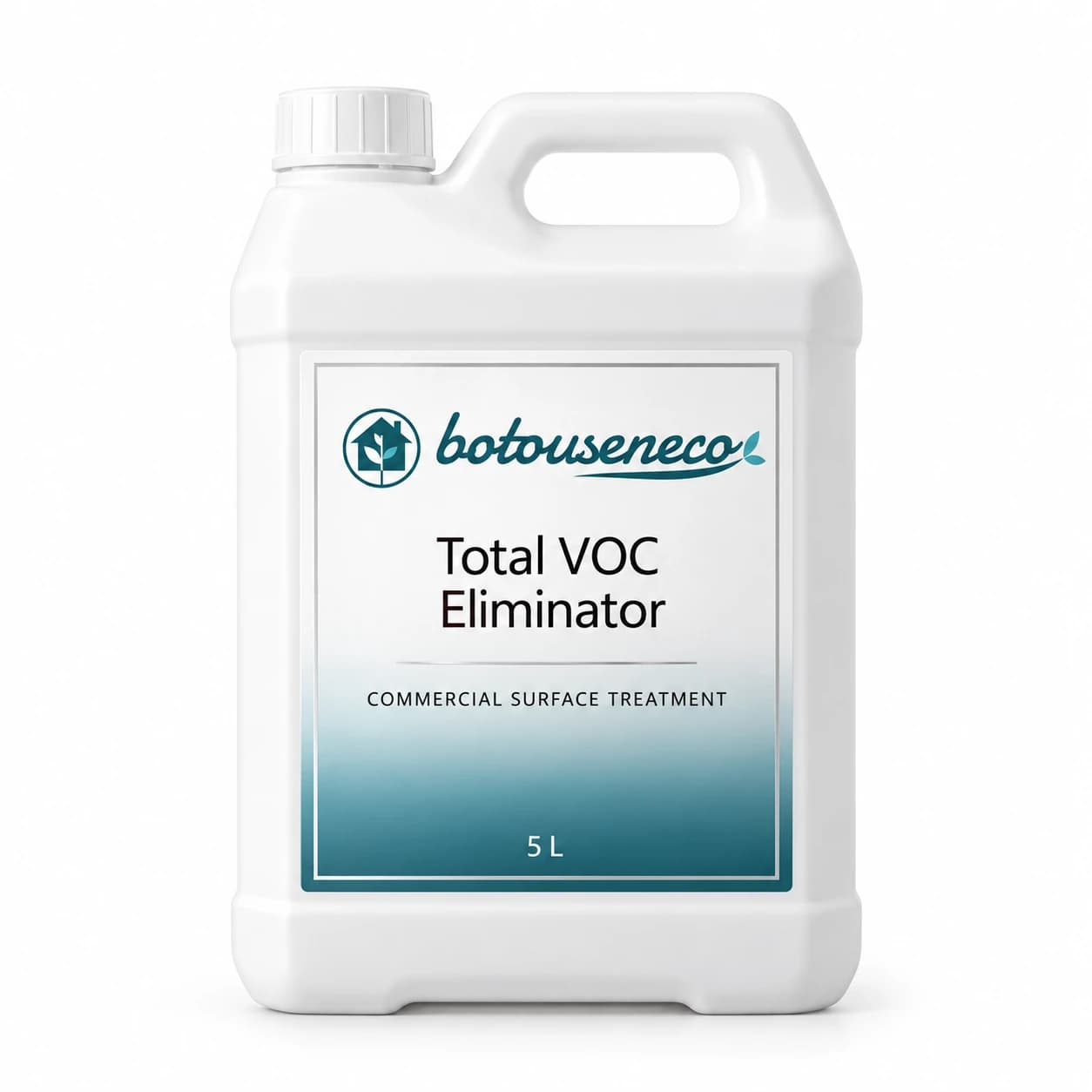
TVOC & Photocatalyst
Total VOC Eliminator
Engineering-grade VOC treatment
- Dosage
- 15–25 ml/m²
- Packs
- 5 L – 200 L
TVOC & Photocatalyst
Ag+ Antibacterial Photocatalyst
Ag⁺ dark-active photocatalyst
- Dosage
- 8–12 ml/m²
- Packs
- 1 L – 200 L
TVOC & Photocatalyst
Carpet & Paint VOC Neutralizer
Carpet & paint VOC specialist
- Dosage
- 10–25 ml/m²
- Packs
- 1 L – 200 L
Bio-Enzyme & Commercial Odor Control4
Line overviewBio-Enzyme · NH₃ · Nicotine
Bio-Enzyme & Odor
Smoke & Nicotine Odor Eliminator
Third-hand smoke decomposer
- Dosage
- 10–15 ml/m²
- Packs
- 500 ml – 25 L
Bio-Enzyme & Odor
Bio-Enzyme Pet & Ammonia Deodorizer
Multi-strain bio-enzyme
- Dosage
- 10–40 ml/m²
- Packs
- 500 ml – 200 L
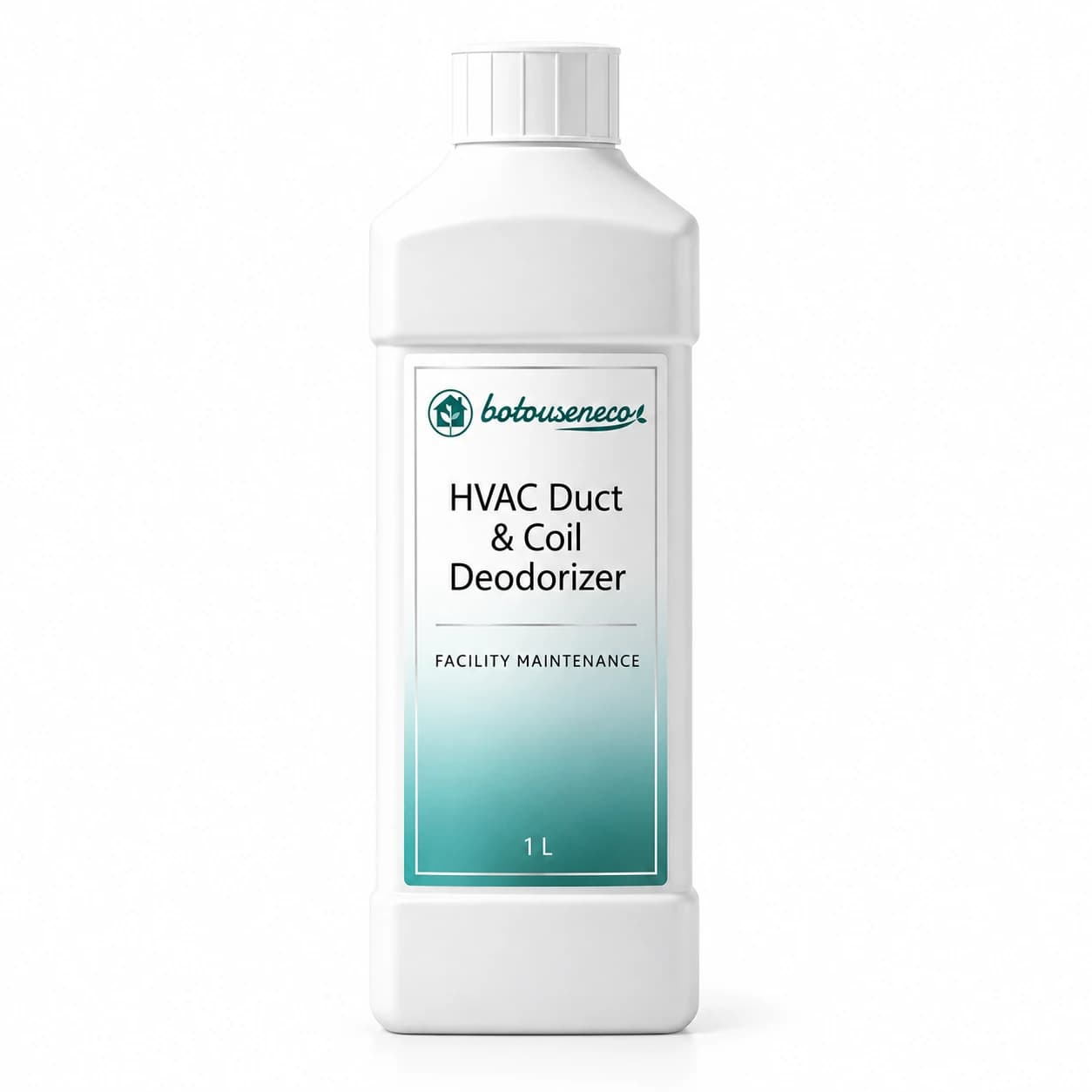
Bio-Enzyme & Odor
HVAC Duct & Coil Deodorizer
Non-corrosive coil & duct formula
- Dosage
- 20–30 ml/m²
- Packs
- 1 L – 200 L
Slow-Release Gels & Solid Adsorbents4
Line overviewClO₂ Gel · Amino Carbon · KMnO₄
Gels & Adsorbents
ClO₂ Slow-Release Removal Gel
90-day ClO₂ slow-release gel
- Dosage
- 1 jar / 10–15 m²
- Packs
- 150–250 g jars
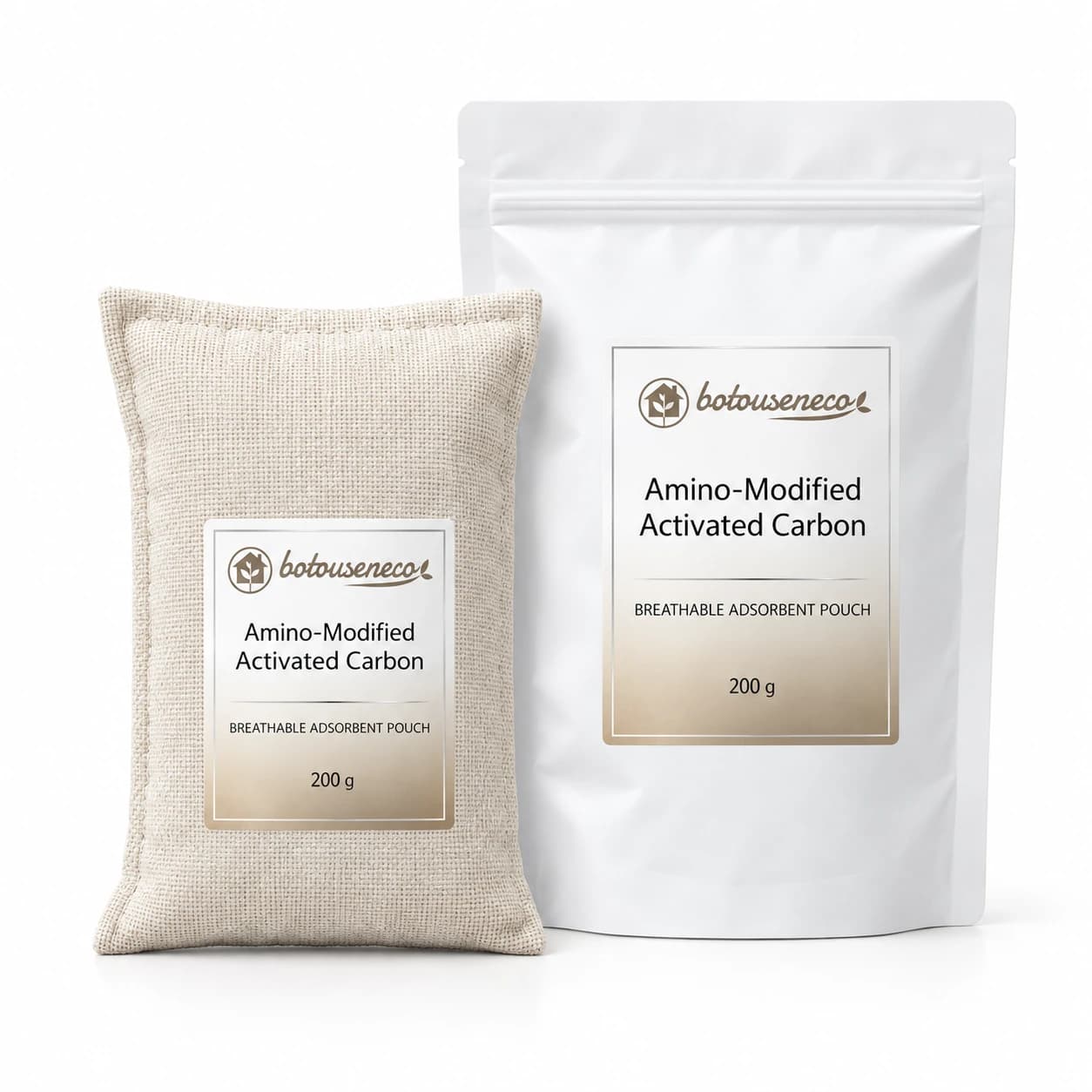
Gels & Adsorbents
Amino-Modified Activated Carbon
Amino-modified activated carbon
- Dosage
- 1–2 × 100 g / drawer
- Packs
- 50 g – 25 kg
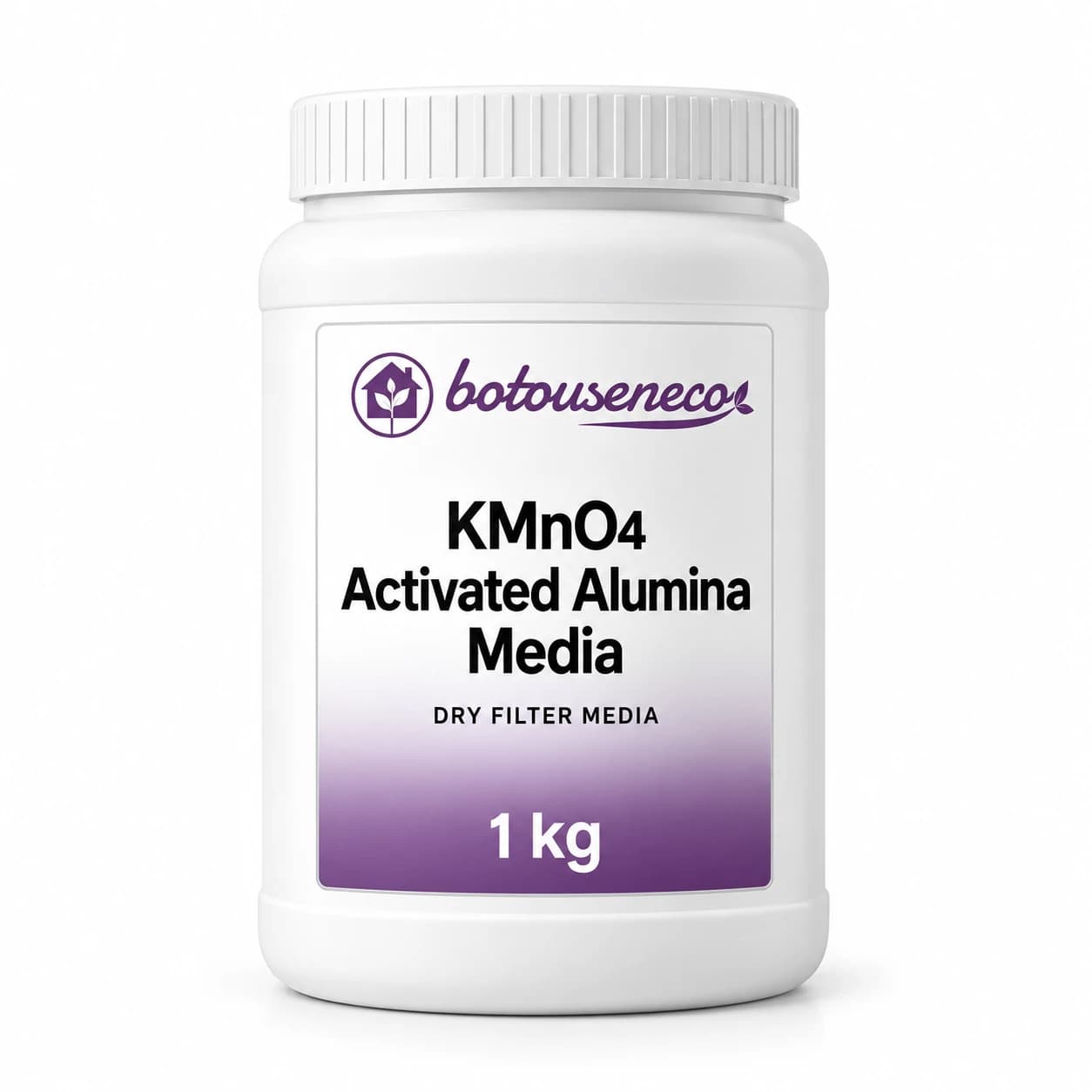
Gels & Adsorbents
KMnO₄ Activated Alumina Media
KMnO₄ chemisorption media
- Dosage
- 50:50 with carbon
- Packs
- 500 g – 25 kg
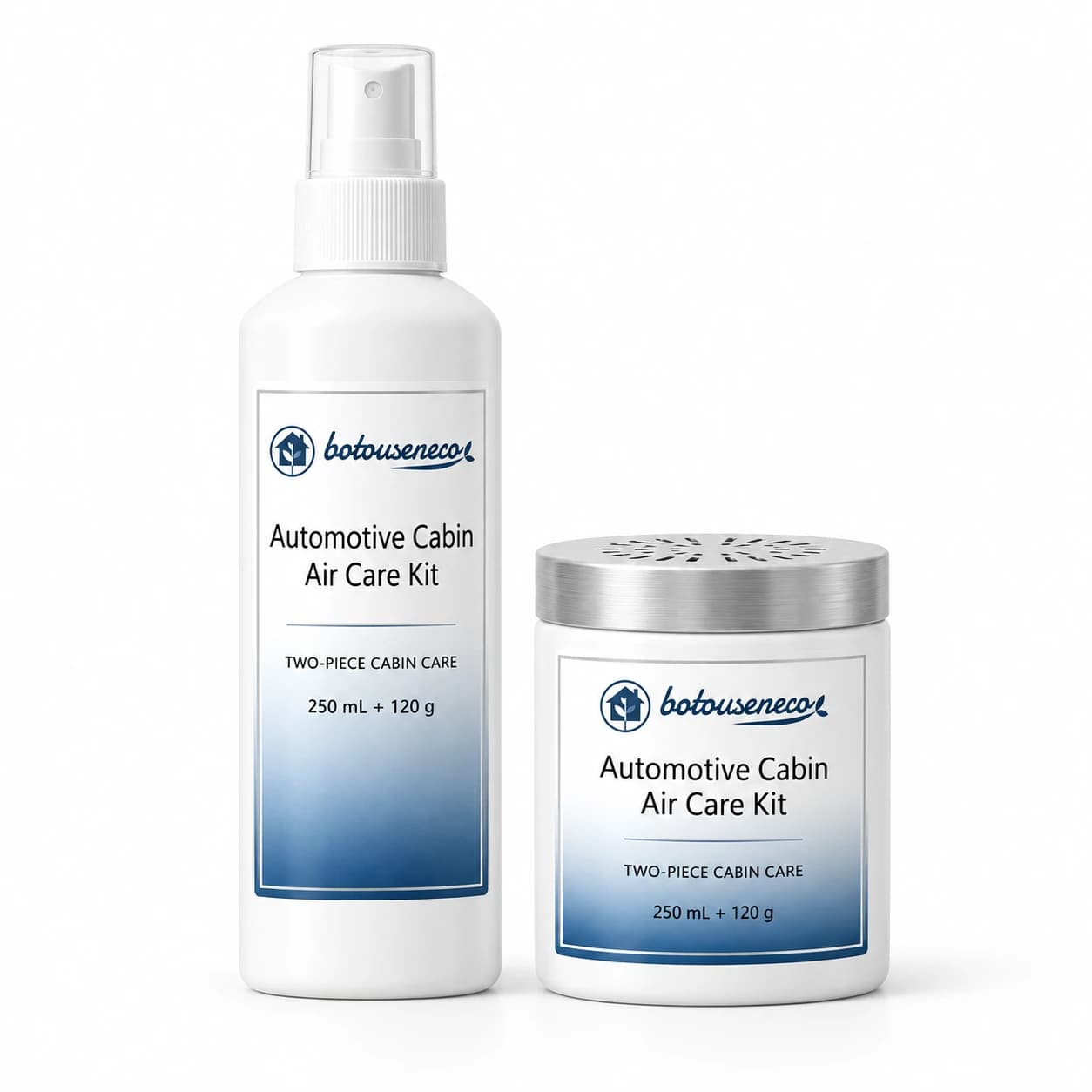
Gels & Adsorbents
Automotive Cabin Air Detox Kit
Two-stage cabin detox kit
- Dosage
- 1 kit / vehicle
- Packs
- 20 kits / carton
Surface Care & Functional Wax2
Line overviewWood Barrier Wax · Leather Balm
Surface & Leather Care
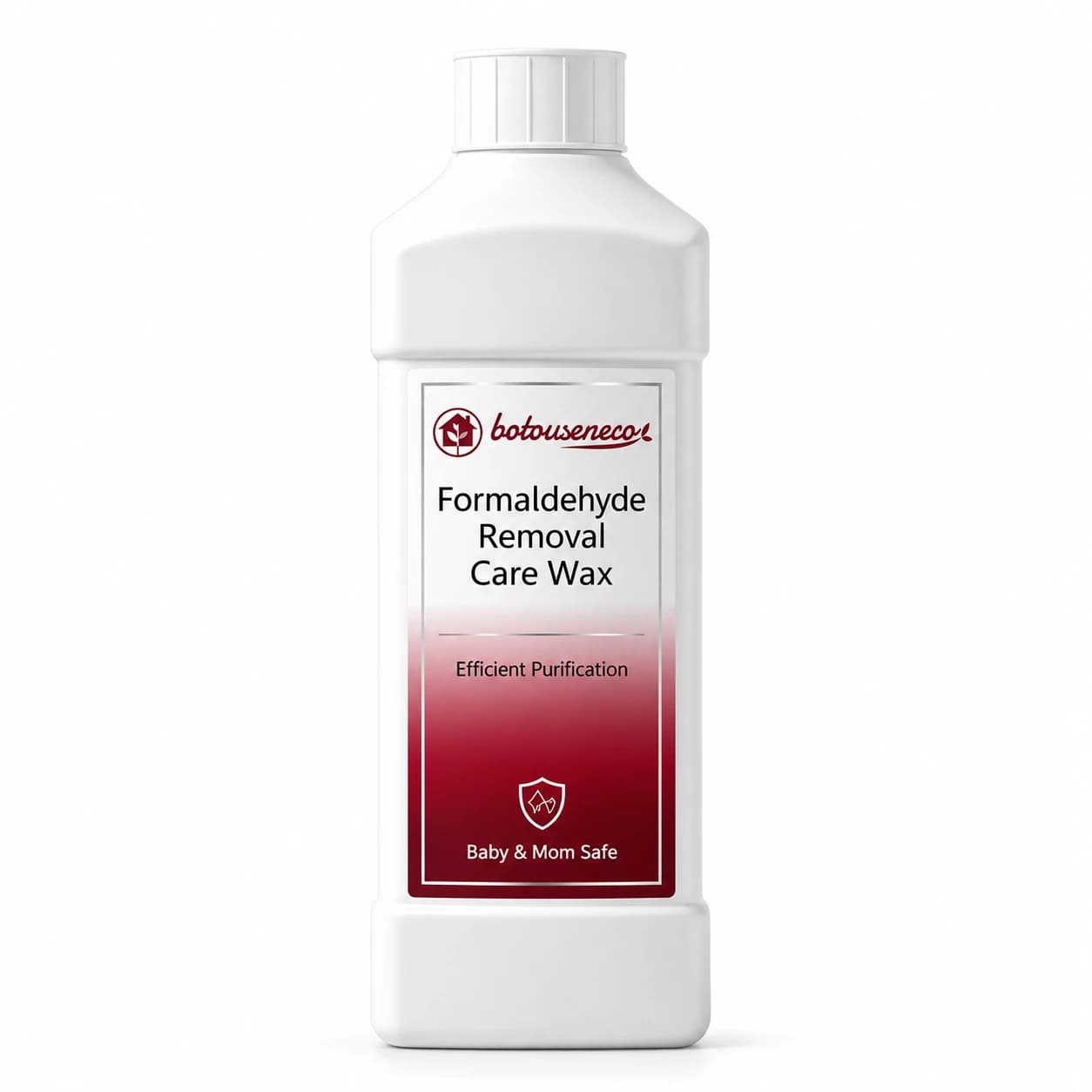
Formaldehyde Removal Care Wax
Wood care barrier wax
- Dosage
- 10–15 g/m²
- Packs
- 500 g – 20 kg
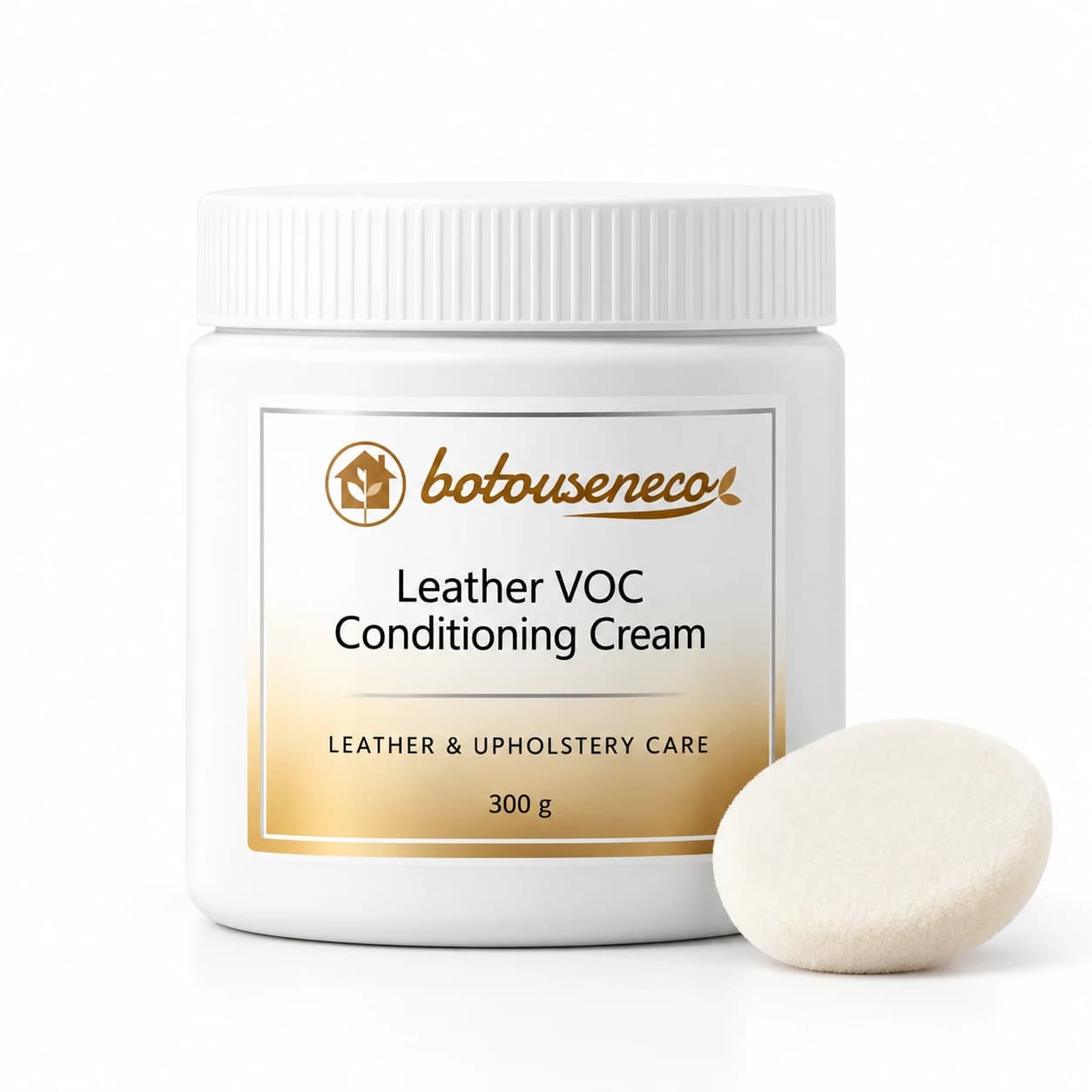
Surface & Leather Care
Leather VOC Conditioning Cream
Leather conditioning balm
- Dosage
- 8–12 g/m²
- Packs
- 300 g – 5 kg
Bulk Concentrates & Pro Equipment3
Line overview10X Masterbatch · 5X Sol · HVLP
Bulk & Pro Equipment
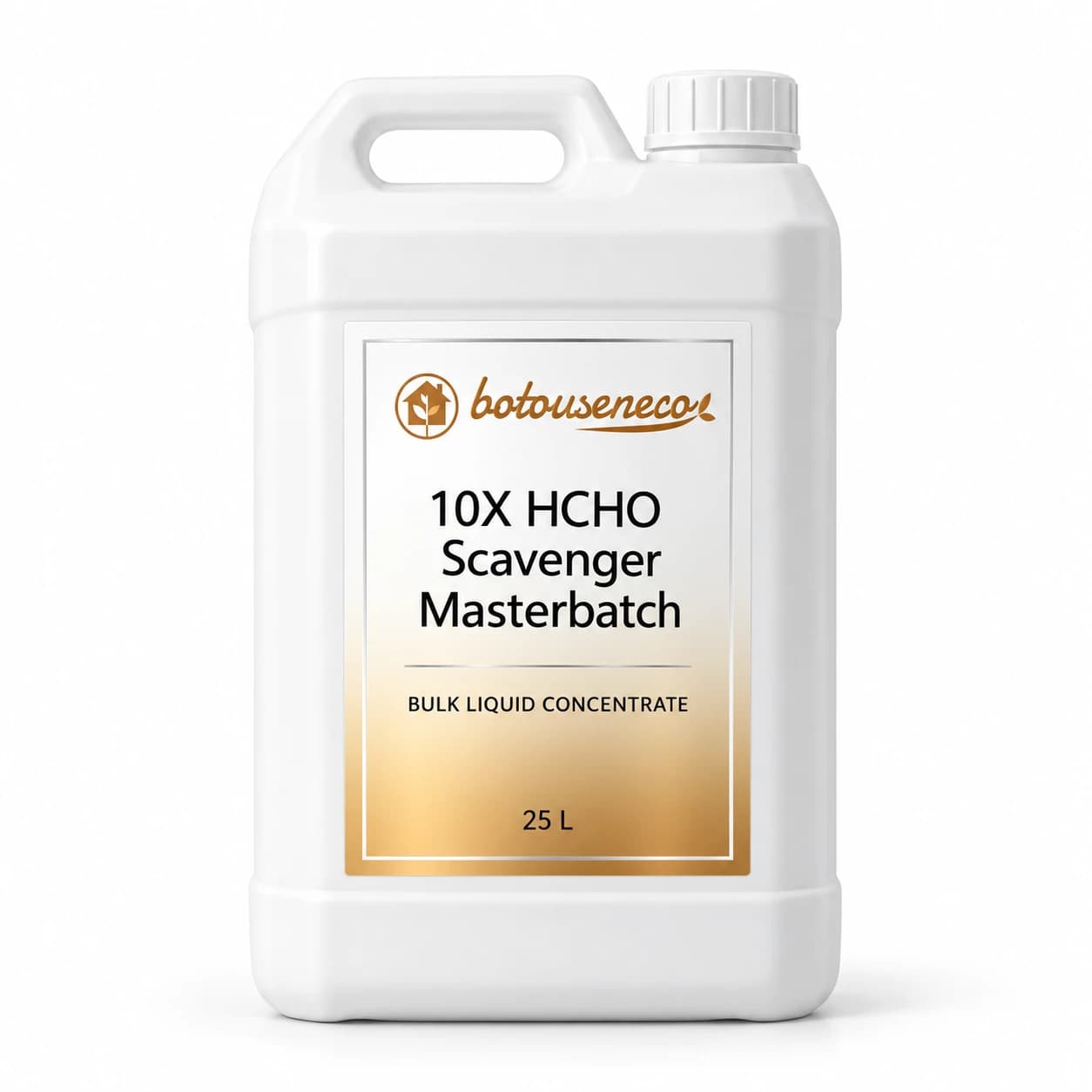
10X HCHO Scavenger Masterbatch
10X export concentrate · 1:9
- Dosage
- 25 L → 250 L RTU
- Packs
- 25 L – 1,000 L
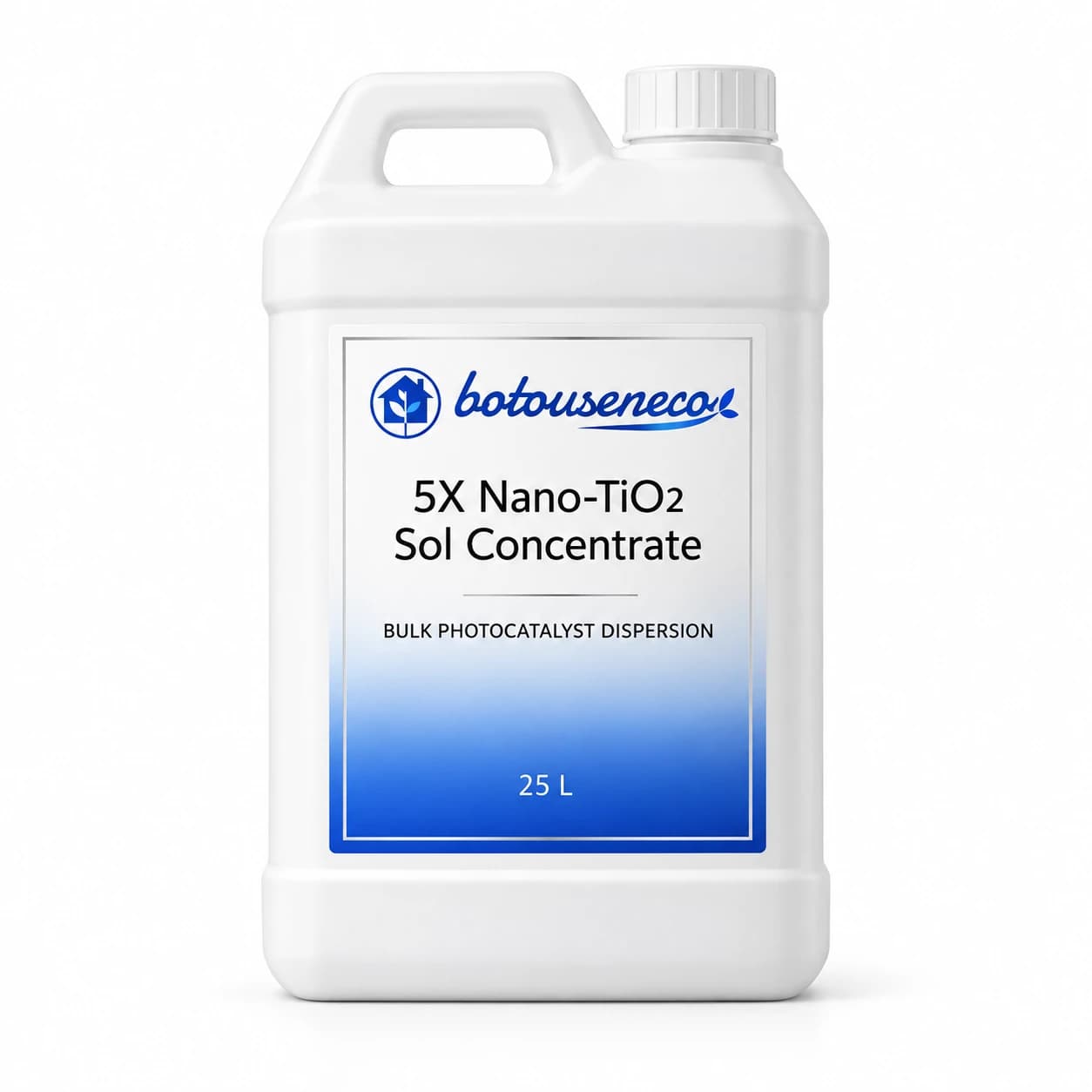
Bulk & Pro Equipment
5X Nano-TiO₂ Sol Concentrate
5X nano-TiO₂ concentrate · 1:4
- Dosage
- 20 L → 100 L RTU
- Packs
- 20 L – 200 L
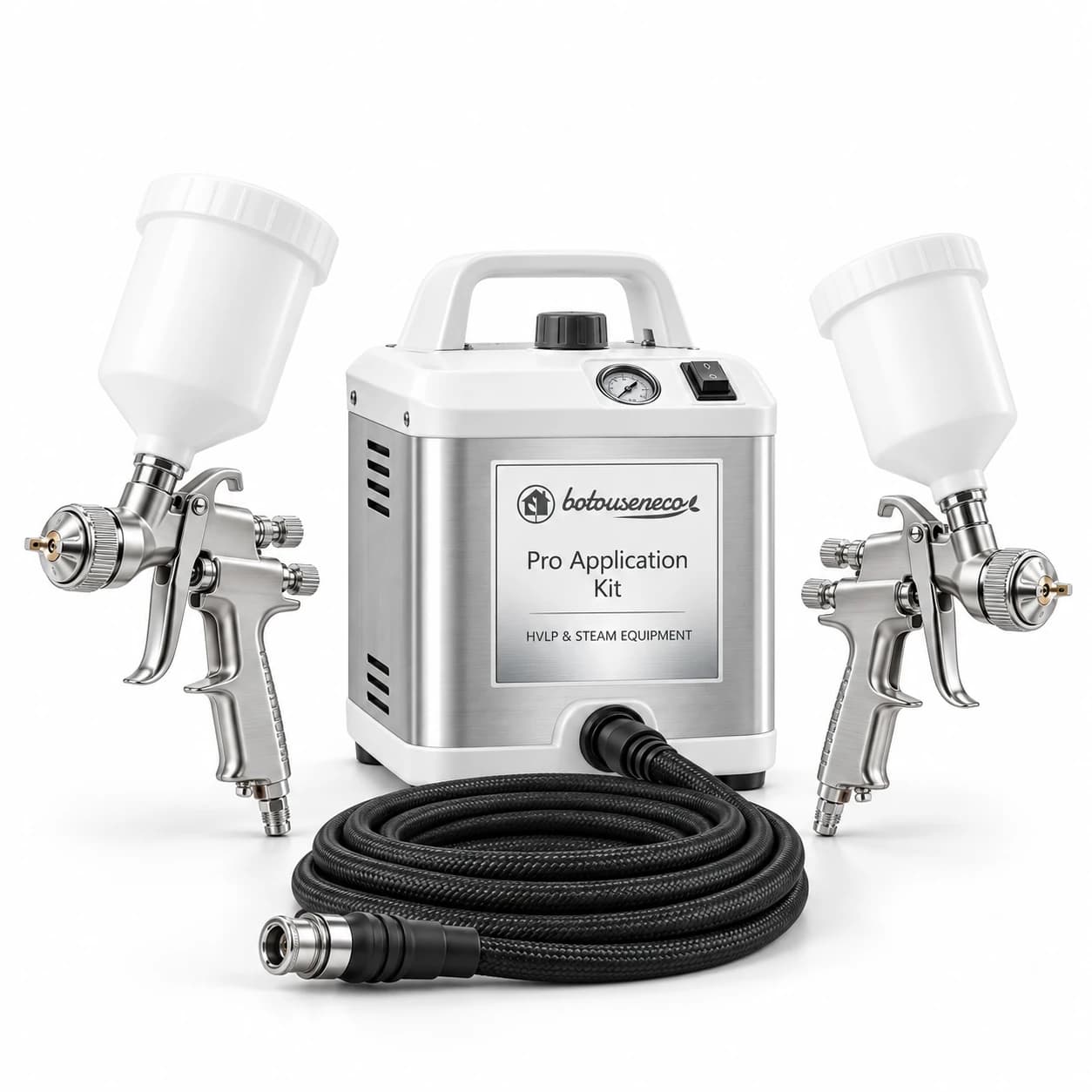
Bulk & Pro Equipment
Pro HVLP & Steam Application Kit
HVLP & steam contractor kit
- Dosage
- 8–25 ml/m² flow
- Packs
- Flight case
01Selector
Find a formulation by problem and setting.
Rows are the pollutant you need to remove; columns are where you are treating. Each cell is the product our engineers would specify first.
| Pollutant | Post-renovation | Furniture factory | Hotel turnaround | Car interior | Commercial & HVAC |
|---|---|---|---|---|---|
| Formaldehyde | Formaldehyde Remover | Wood & MDF Sealer Primer | Chitosan Bio-Based HCHO Scavenger | Automotive Cabin Air Detox Kit | 10X HCHO Scavenger Masterbatch |
| Benzene / TVOC | TVOC Eliminator | Formaldehyde & Benzene C6H6 Essence | Carpet & Paint VOC Neutralizer | Leather VOC Conditioning Cream | Total VOC Eliminator |
| Odor & smoke | Odor Eliminator | — | Smoke & Nicotine Odor Eliminator | Amino-Modified Activated Carbon | HVAC Duct & Coil Deodorizer |
| Bacteria & mold | Nano Photocatalyst Spray | — | Ag+ Antibacterial Photocatalyst | — | 5X Nano-TiO₂ Sol Concentrate |
02Treatment systems
Combine products into one protocol.
Most projects combine a source treatment, a surface coating and an odor step. These are the two sequences our contractors use most.
Post-renovation 3-step system
For apartments, offices and hotel rooms after fit-out. Treat the source, coat the surfaces, then clear residual smell.
Hotel room turnaround system
For smoking rooms and pet-friendly floors. Decompose smoke residue, digest organic odor, then protect fabrics and walls.
03Quantity estimate
How much will your project need?
Pick a formulation and the surface you need to treat. The estimate uses the coverage range published in each technical data sheet.
Published coverage: 15 – 25 ml/m² (single pass); up to 35 ml/m² on raw high-density particleboard
Use 2–3 passes for raw high-density board or heavy TVOC loads.
Estimated quantity
4.5–7.5L
15–25 ml/m² × 300 m² × 1 pass
Estimate from the published coverage range. Real consumption depends on substrate porosity, nozzle size and baseline readings — our engineers confirm it with your quote.
Coverage per pass, all surface-applied liquids
- Nano Photocatalyst Spray8–12 ml/m²
- Ag+ Antibacterial Photocatalyst8–12 ml/m²
- Odor Eliminator8–15 ml/m²
- Smoke & Nicotine Odor Eliminator10–15 ml/m²
- TVOC Eliminator10–20 ml/m²
- Formaldehyde & Benzene C6H6 Essence12–20 ml/m²
- Formaldehyde Remover15–25 ml/m²
- Chitosan Bio-Based HCHO Scavenger15–25 ml/m²
- Total VOC Eliminator15–25 ml/m²
- Carpet & Paint VOC Neutralizer15–25 ml/m²
- High-Temperature HCHO Fumigation Solution20–30 ml/m²
- HVAC Duct & Coil Deodorizer20–30 ml/m²
- Bio-Enzyme Pet & Ammonia Deodorizer20–40 ml/m²
- Wood & MDF Sealer Primer25–40 ml/m²
04Chemistry
Six mechanisms, each matched to a source.
We choose the reaction to fit the pollutant and the surface — chemical binding, catalysis, digestion, oxidation or adsorption.
R–NH₂ + HCHO → R–N=CH₂ + H₂OAmino-polymer scavenging
Amino groups react with formaldehyde and lock it into a stable polymer. Unlike adsorption, there is no release when temperatures rise.
Formaldehyde & BenzeneTiO₂ + hν → •OH → CO₂ + H₂OVisible-light photocatalysis
Nano anatase TiO₂ uses indoor light to generate hydroxyl radicals that oxidise VOCs and bacteria on coated surfaces. The catalyst itself is not consumed.
TVOC & PhotocatalystUric acid + urease → CO₂ + N₂Bio-enzymatic digestion
Enzymes and beneficial microbes digest the organic residue behind persistent odors, such as uric acid crystals in carpet and grout.
Bio-Enzyme & OdorClO₂ + HCHO → CO₂ + H₂O + Cl⁻Chlorine dioxide release
A gel matrix releases low, steady ClO₂ vapour that oxidises airborne formaldehyde and microbes in enclosed spaces for up to three months.
Gels & AdsorbentsAl₂O₃ + KMnO₄ + HCHO → MnO₂ + CO₂Chemisorption media
Potassium permanganate on activated alumina oxidises gases inside filters. Its colour shift from purple to brown signals when to replace it.
Gels & Adsorbents1 × 25 L (10X) + 9 × water → 250 LConcentrate & dilution
Export concentrates are diluted at the destination, cutting freight per litre for distributors and factories that bottle or spray in-line.
Bulk & Pro Equipment05Testing
Measure before, measure after.
Results are judged by closed-room readings against the standard your project is accepted under.
0.10mg/m³
WHO indoor air guideline30-minute average
0.08mg/m³
GB/T 18883-20221-hour average, China indoor air quality standard
0.07mg/m³
GB 50325-2020Class I civil buildings at handover
0.60mg/m³
GB/T 18883-20228-hour average
Measure the baseline
Close doors and windows for 12 hours, then sample at breathing height (0.8–1.5 m) in the centre of the room.
Treat the sources
Apply the recommended dosage to porous surfaces first: board edges, cabinet interiors, subfloors and textiles.
Ventilate and cure
Allow 2–4 hours surface drying, then ventilate. Photocatalyst coatings keep working after curing.
Re-test after 24–48 h
Repeat the closed-room measurement under the same conditions and compare against the reference limit.
Reference values only — confirm the limit, averaging time and sampling method required in your market.
06Buying questions
MOQ, samples, OEM & shipping.
01What is your minimum order quantity?
Sample evaluation kits start at 1–5 units. Bulk wholesale starts at 100 L (4 drums), and OEM private-label orders at 500–1,000 units. Lead times: samples 24–48 hours, standard bulk drums 5–7 business days, custom OEM packaging 10–14 business days.
02Can I get samples before ordering?
Yes. Add the products you want to evaluate to your inquiry list and request samples. Samples come as a 500 mL / 1 L evaluation bottle or 200 g media pack and are dispatched within 24–48 hours.
03Do you offer OEM and private label?
Yes. We can customise label artwork, bottle type, fragrance and concentration, and supply 10X and 5X concentrates for local bottling.
04Which documents do you provide?
Every formulation has an MSDS and a technical data sheet (TDS), and batches are traceable with a certificate of analysis (COA). We hold ISO 9001:2015, ISO 14001:2015, CMA / CNAS-accredited testing; copies of the certificates and full test reports are shared with buyers on request.
05Are your products shipped as dangerous goods?
Water-based liquids, concentrates, creams, carbon packs and the car kit ship as general (non-DG) cargo. The KMnO₄ alumina media and the ClO₂ slow-release gel contain oxidisers: their classification follows SDS Section 14 and is confirmed in writing for each shipment.
06What is the shelf life?
Liquid formulations typically keep for 24 months sealed when stored between 5 °C and 35 °C. The exact shelf life is stated in each product's TDS.
07How fast does a formaldehyde scavenger work?
The reaction starts on contact. Re-test the room 24–48 hours after treatment under closed-room conditions to compare against your baseline.
08Can I combine several products in one project?
Yes. Most projects use a source scavenger first, a photocatalyst coating second and an odor treatment last. See our treatment systems above for dosages.
09Do you support distributors with marketing material?
We provide product photography, technical data sheets and application guides that distributors can adapt for their own markets.
10Which markets do you ship to?
We supply buyers worldwide from Botou, Hebei. Tell us your destination market and we will confirm documents, labelling and shipping for that country.
Factory-direct supply
Shortlisted a few? Request samples together.
Add formulations to your inquiry list from any product card, then send one request for samples, TDS/MSDS and bulk pricing.