
Manufacturer · Botou, Hebei · Est. 2015
Indoor air cleaning solutions, engineered at the source.
Water-based formaldehyde scavengers, TVOC eliminators, nano photocatalyst coatings and odor control for contractors, furniture factories, hotels and distributors — made in our own plant and shipped from 1 L bottles to 1,000 L IBC totes.
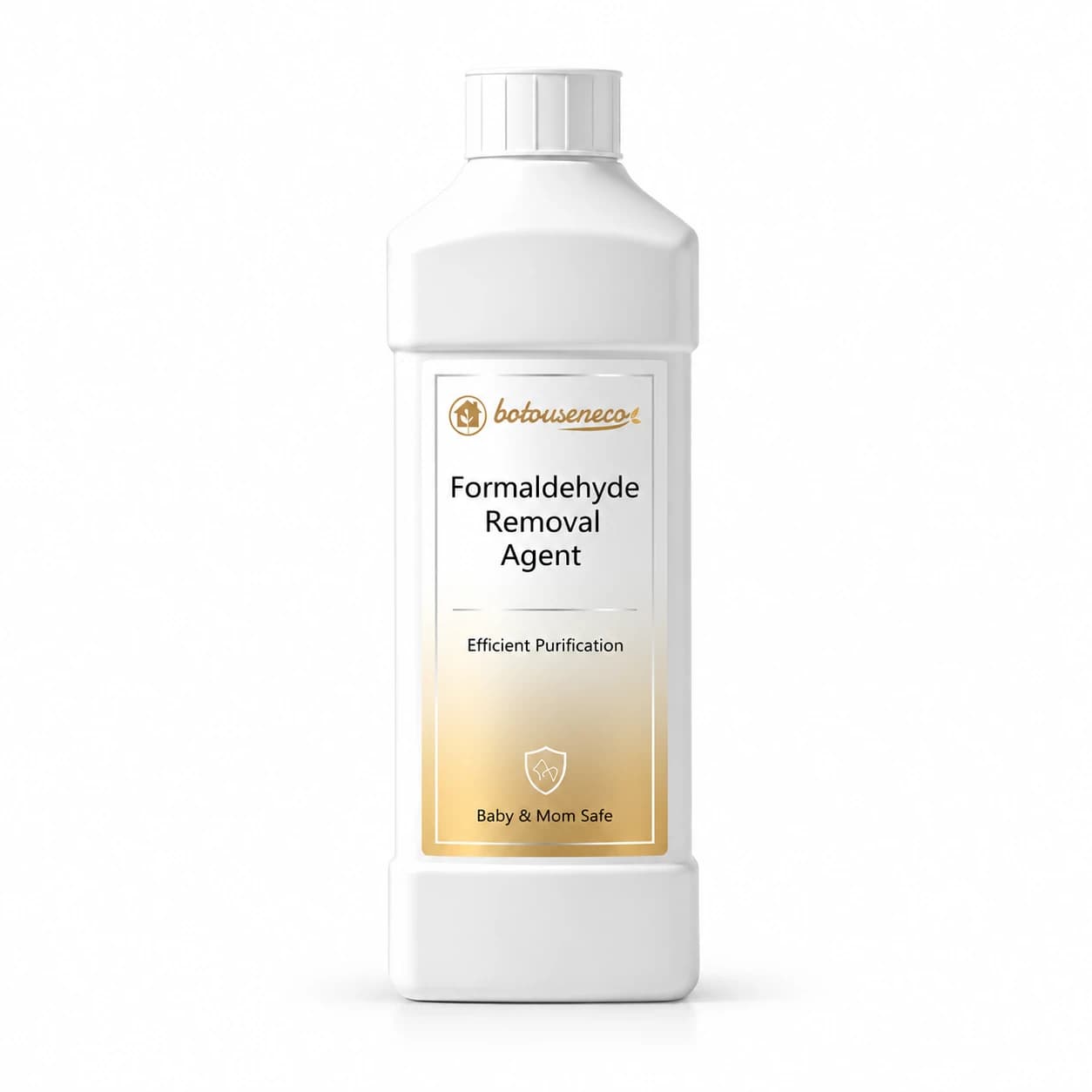 Formaldehyde & Benzene RemediationFormaldehyde RemoverR-NH₂ + HCHO → R-N=CH₂ + H₂O
GB/T 18883-2022 · HCHO limit0.08mg/m³
- Formulations
- 23
- Product lines
- 6
- Pack range
- 1–1,000 L
- Private label
- OEM
- HCHOFormaldehyde
- C₆H₆Benzene
- C₇H₈Toluene
- TVOCTotal VOCs
- CH₃CHOAcetaldehyde
- NH₃Ammonia
- H₂SHydrogen sulfide
- C₁₀H₁₄N₂Nicotine
- 4-PCHNew-carpet odor
- MicrobesBacteria & mold
01Product lines
Six lines, one job: cleaner indoor air.
Each line targets a different source — engineered wood, paint and carpet, organic odor, enclosed spaces, delicate surfaces or bulk production.
View all 23 formulations- 01HCHO · BTEX · Amino-PolymerFormaldehyde & Benzene RemediationFactory-direct formaldehyde scavengers, benzene removers, MDF sealers and thermal fumigation fluids for contractors, furniture factories and OEM brands.5 products
- 02
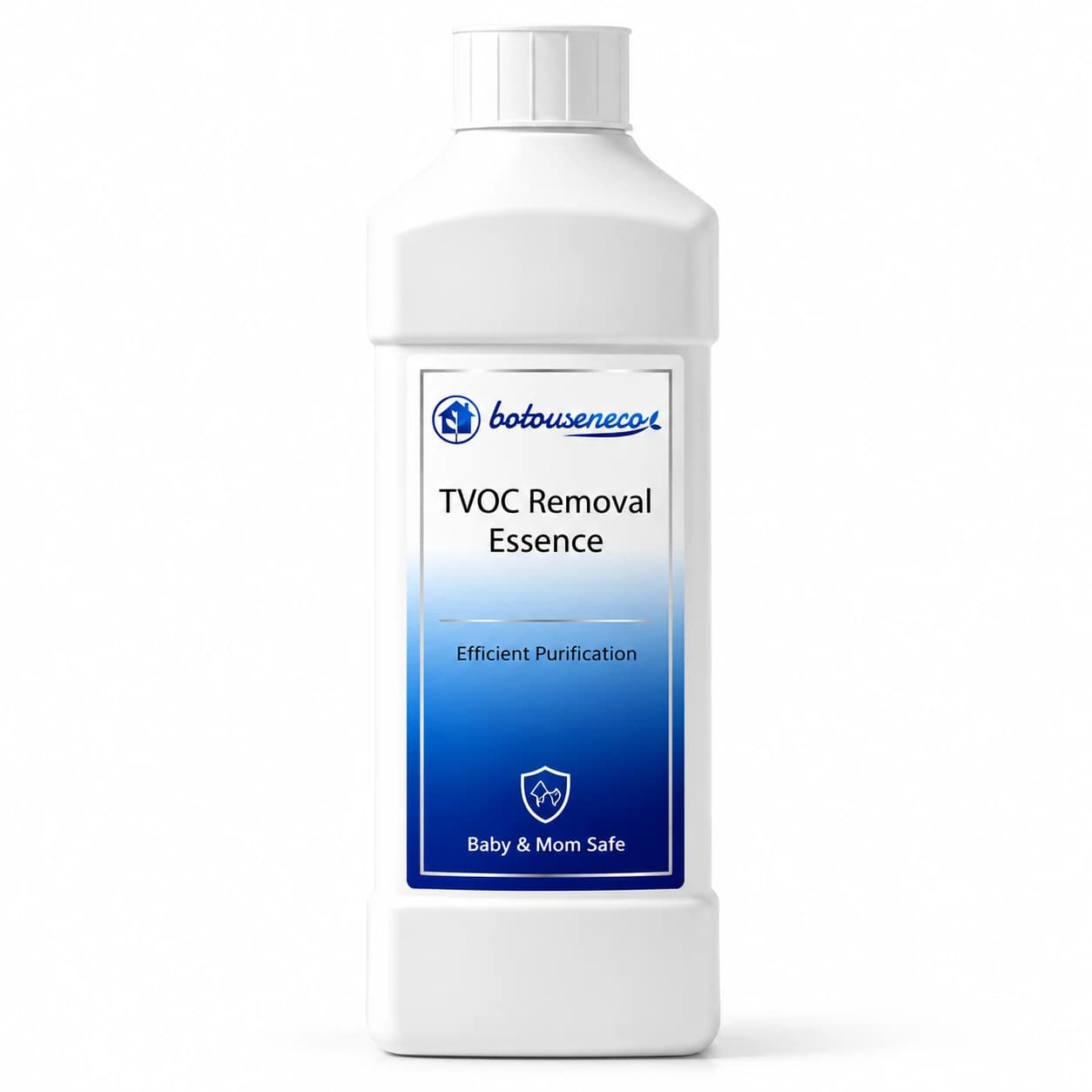 5–10nm TiO₂ · Ag⁺ · TVOCTVOC & Photocatalytic CoatingsVisible-light nano TiO₂ photocatalyst sprays, Ag⁺ antibacterial coatings and TVOC neutralizers for paint, carpet and commercial fit-outs.5 products
- 03
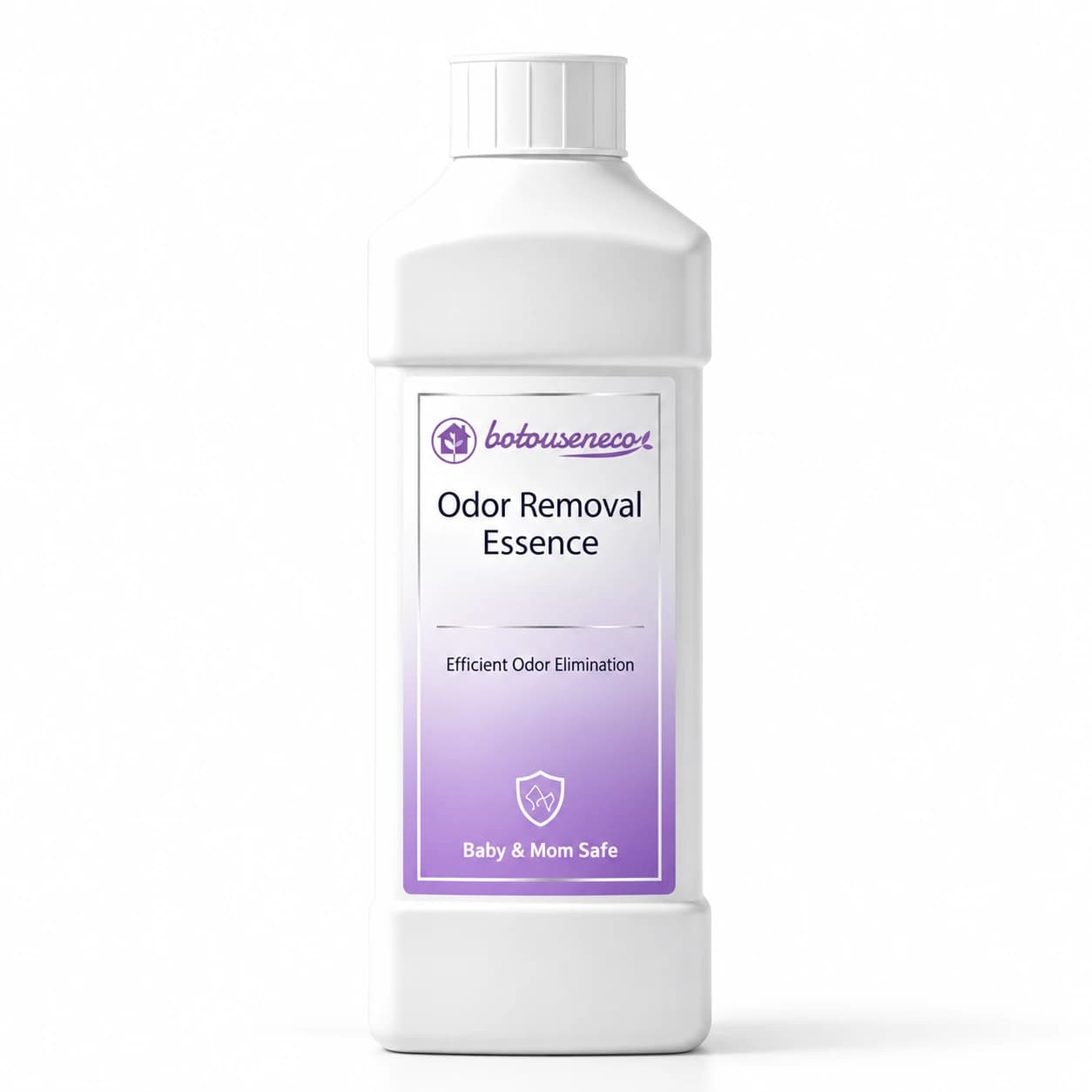 Bio-Enzyme · NH₃ · NicotineBio-Enzyme & Commercial Odor ControlMolecular and bio-enzymatic odor eliminators for hotel smoke, pet urine, renovation smell and HVAC coils.4 products
- 04
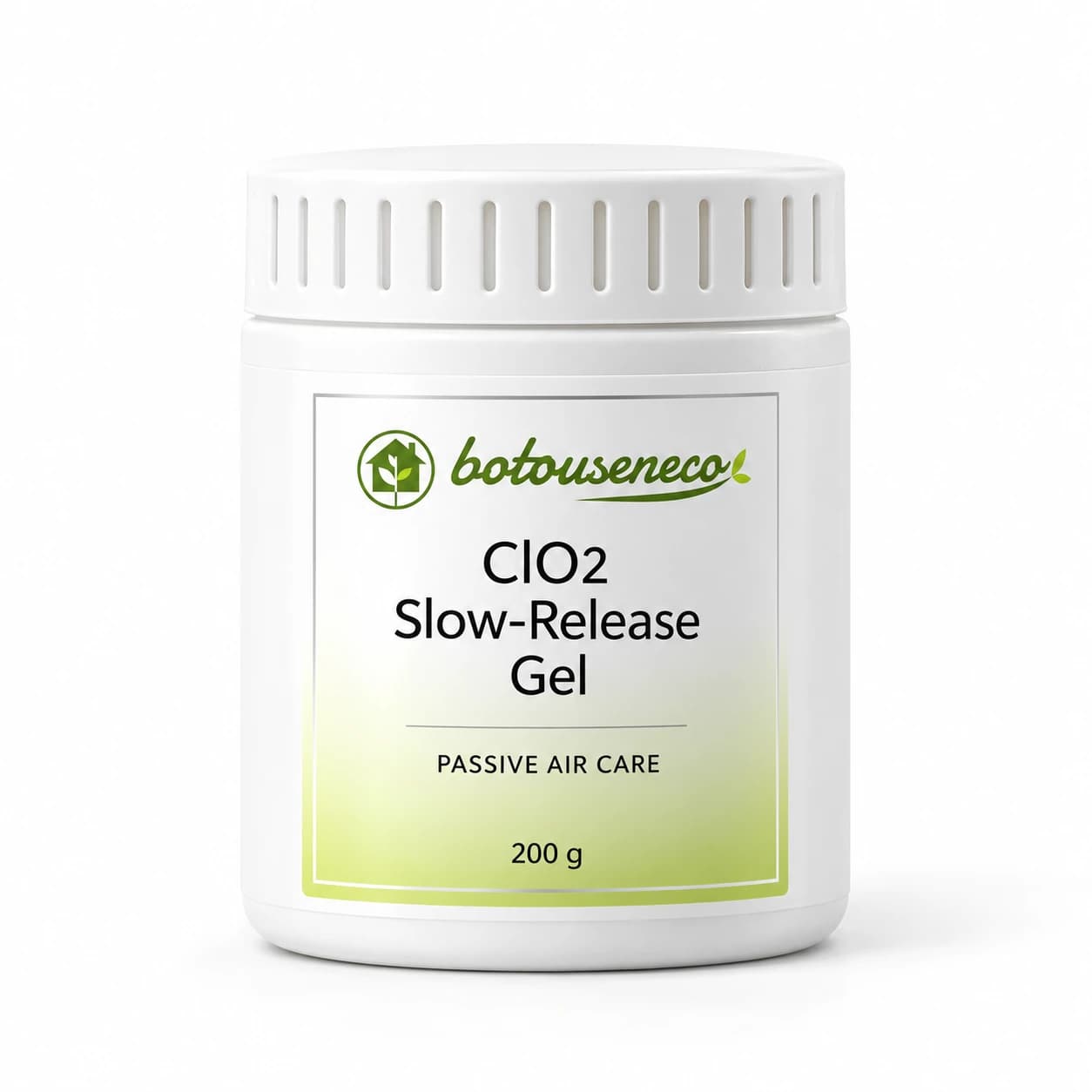 ClO₂ Gel · Amino Carbon · KMnO₄Slow-Release Gels & Solid Adsorbents90-day ClO₂ slow-release gels, amino-modified activated carbon, KMnO₄ alumina media and car cabin detox kits.4 products
- 05
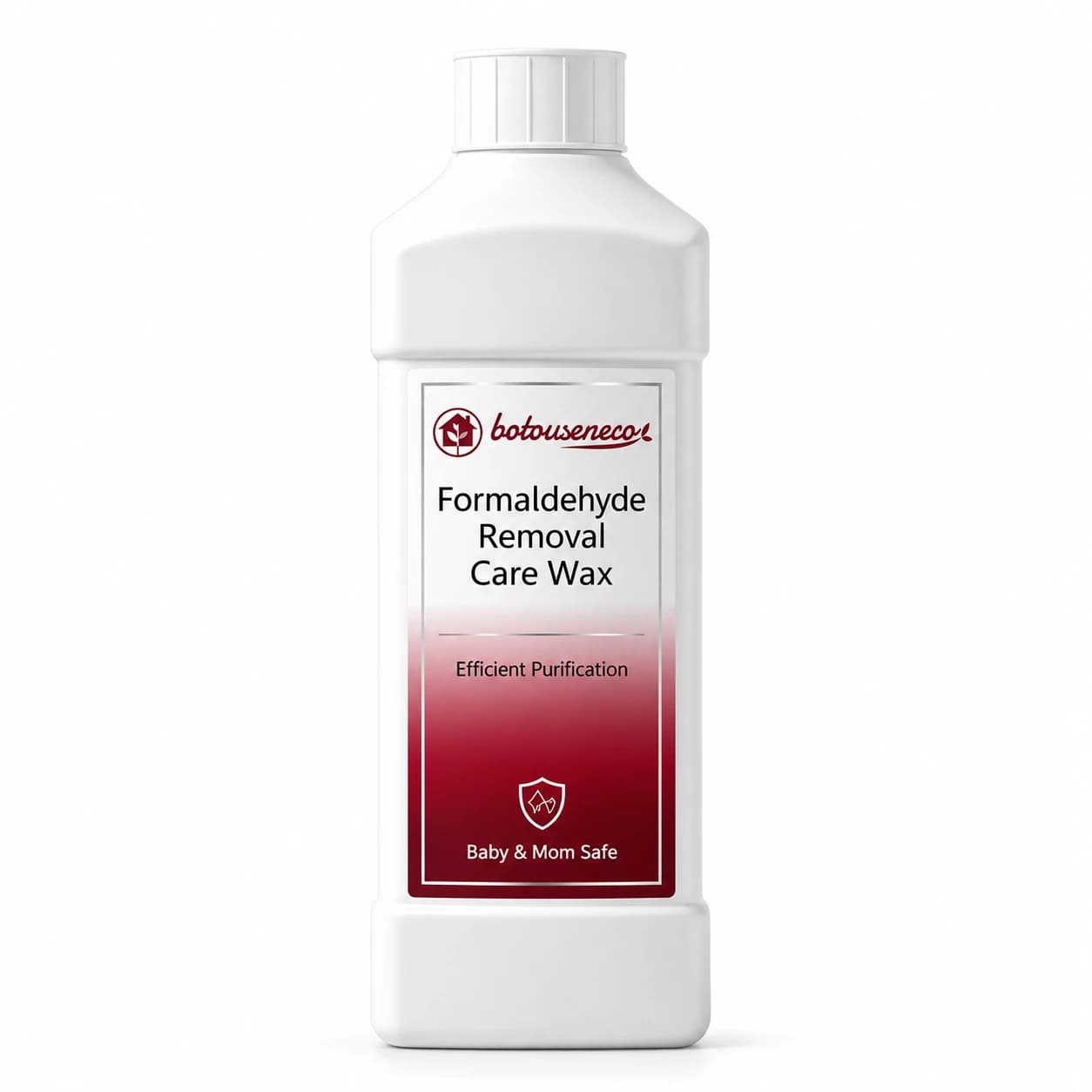 Wood Barrier Wax · Leather BalmSurface Care & Functional WaxLow-moisture wood care wax with a formaldehyde barrier and a leather conditioning balm that neutralises tannery aldehydes.2 products
- 06
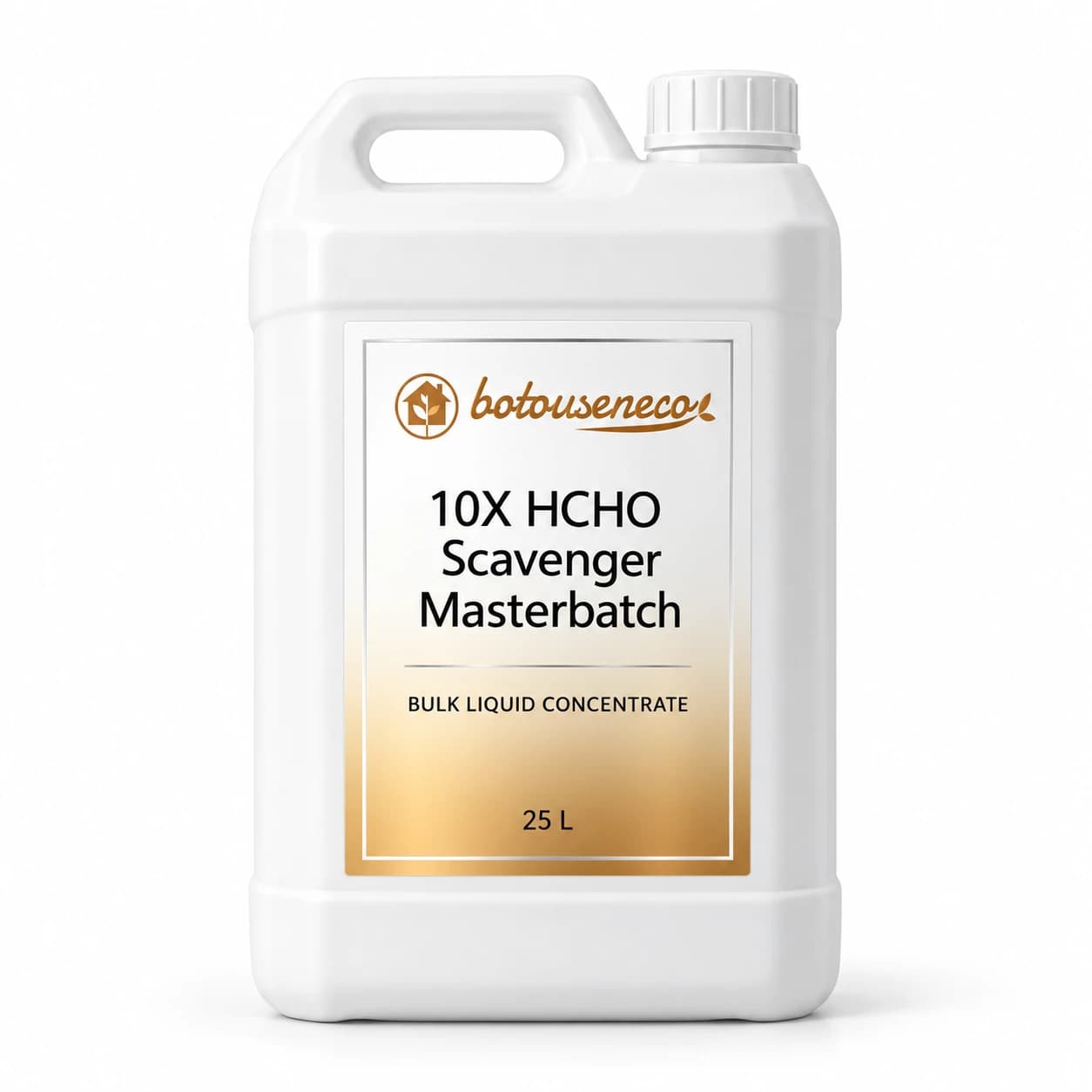 10X Masterbatch · 5X Sol · HVLPBulk Concentrates & Pro Equipment10X formaldehyde scavenger masterbatch and 5X nano-TiO₂ sol concentrate for local bottling and factories, plus HVLP and steam application kits for contractors.3 products
02Most requested
Formulations buyers start with.
Source scavenger, catalytic coating, passive gel and an export concentrate — the four products most projects and distributors begin with.
Compare in the catalogGels & Adsorbents
ClO₂ Slow-Release Removal Gel
90-day ClO₂ slow-release gel
- Dosage
- 1 jar / 10–15 m²
- Packs
- 150–250 g jars
Bulk & Pro Equipment
10X HCHO Scavenger Masterbatch
10X export concentrate · 1:9
- Dosage
- 25 L → 250 L RTU
- Packs
- 25 L – 1,000 L
03Method
Treat the source, not the air around it.
Air purifiers clean the air that has already been polluted. Engineered wood bonded with urea-formaldehyde resin keeps releasing HCHO for years, so our chemistry works where emissions start: board edges, cabinet interiors, paint films, carpet backing and fabrics.
of indoor formaldehyde exceedances in newly renovated spaces trace back to UF-bonded engineered wood products.
Post-renovation 3-step system
- Day 01.5–2.5 L per 100 m²
Formaldehyde Remover
Amino-Polymer Nucleophilic Scavenger
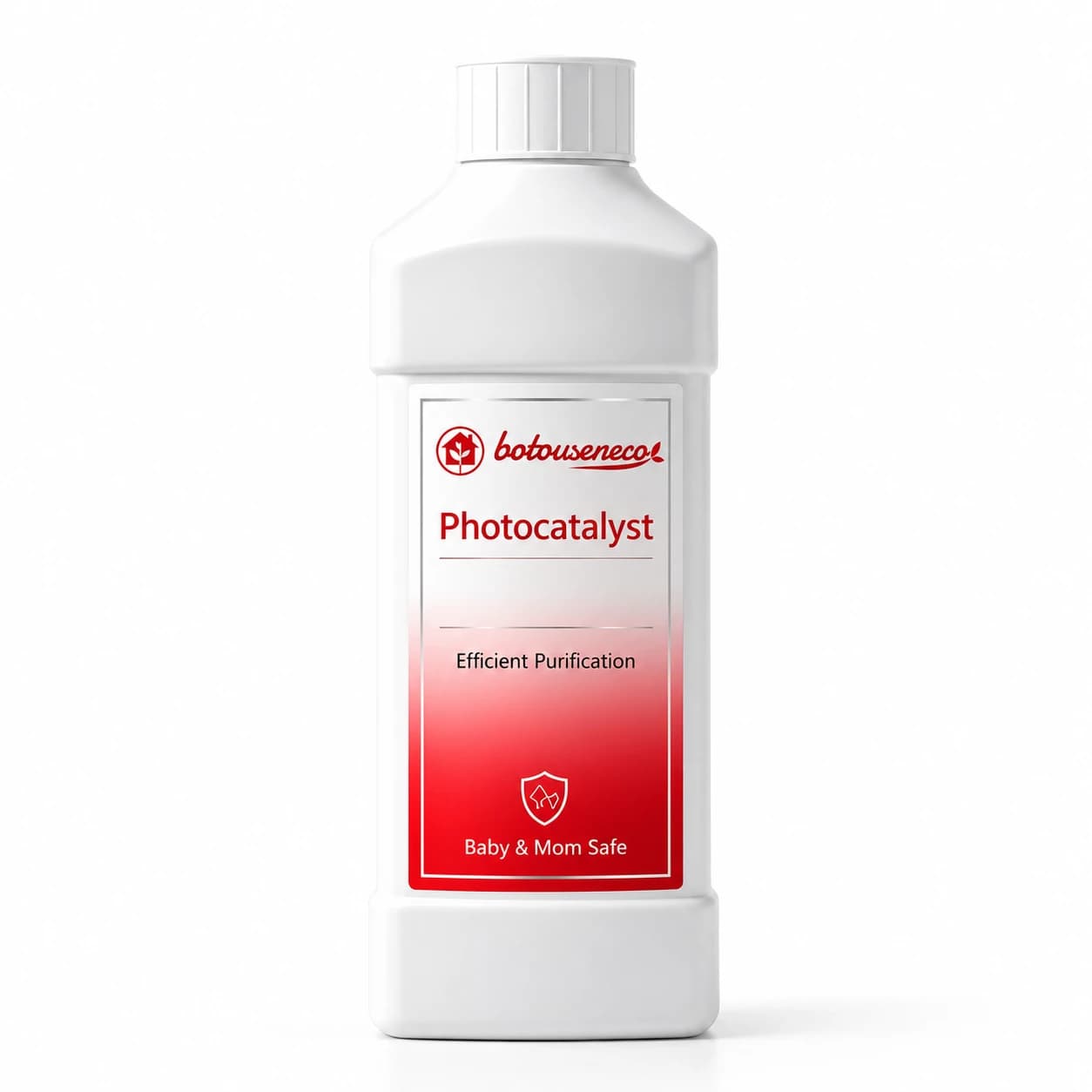 Day 1–20.8–1.2 L per 100 m²
Nano Photocatalyst Spray
5–10nm Visible-Light Anatase TiO₂
- Day 2–30.8–1.5 L per 100 m²
Odor Eliminator
Molecular Odor Decomposition
04Where it hides
Most formaldehyde is still inside the board.
Only a small share of the load is in the air at any moment. The rest is adsorbed in fabrics and walls, or bound in urea-formaldehyde resin that keeps releasing for years, so each source gets its own treatment.
- 1Board edges & cabinet interiorsFormaldehyde
- 2Subfloor & flooringFormaldehyde
- 3Fresh paint & wall coatingsTVOC
- 4Carpet backingTVOC · 4-PCH odor
- 5Curtains & upholsteryAbsorbed HCHO · odor
- Free airborne gas< 5%of the total load
- Shallow adsorbed15–25%of the total load
- Bound in UF resin70–80%of the total load
05Who we supply
Built for the people who hand over the room.
From panel factories and IAQ contractors to hotel groups and regional distributors — each buyer gets a matched set of formulations, dosages and pack sizes.
All applications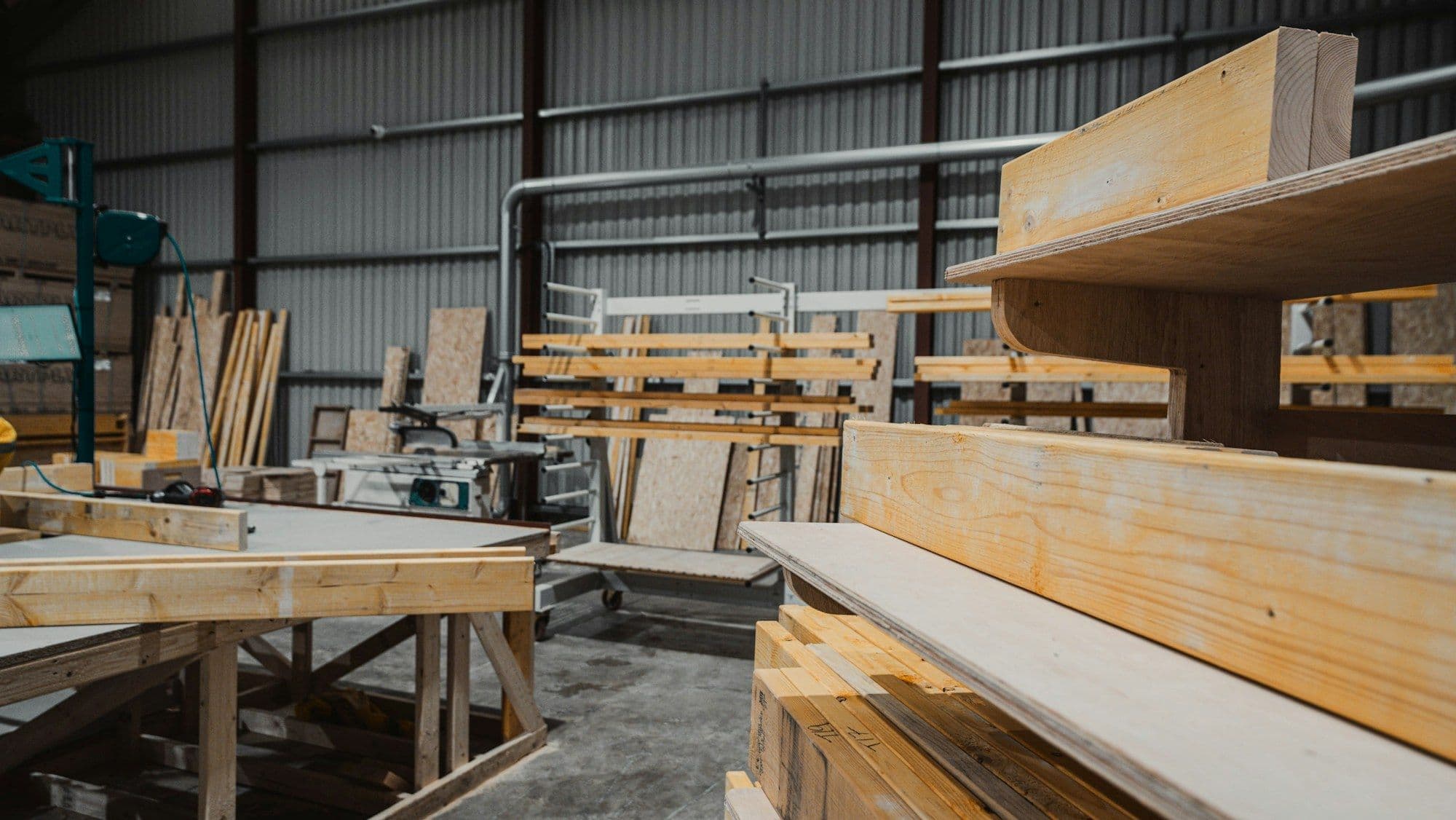
Furniture & panel factories
Seal raw MDF edges before edge-banding and treat finished cabinetry before shipping, so containers arrive below export formaldehyde limits.
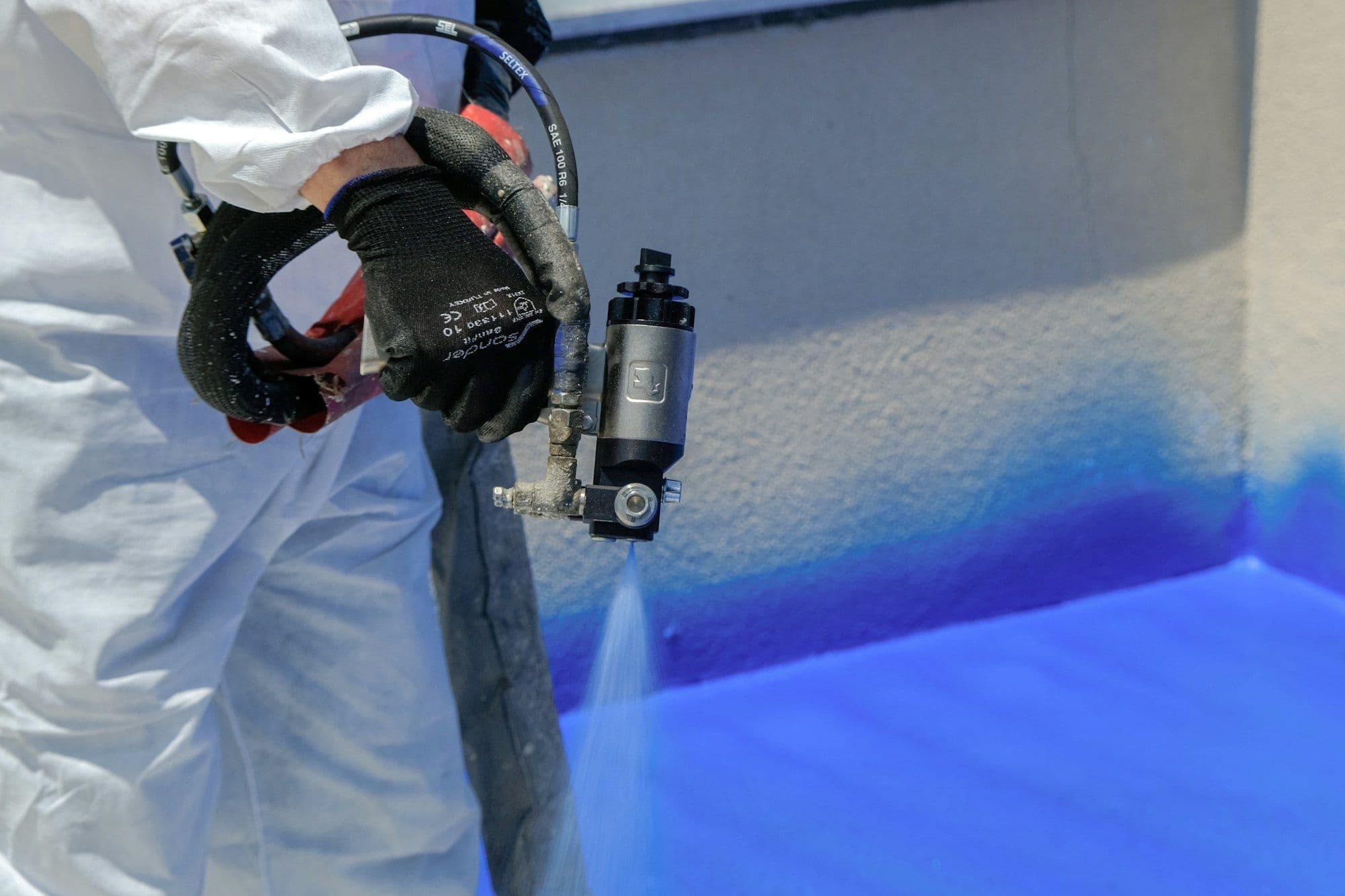
IAQ & renovation contractors
A three-stage service — thermal extraction, source scavenging and photocatalyst coating — with calibrated dosages and re-test windows.
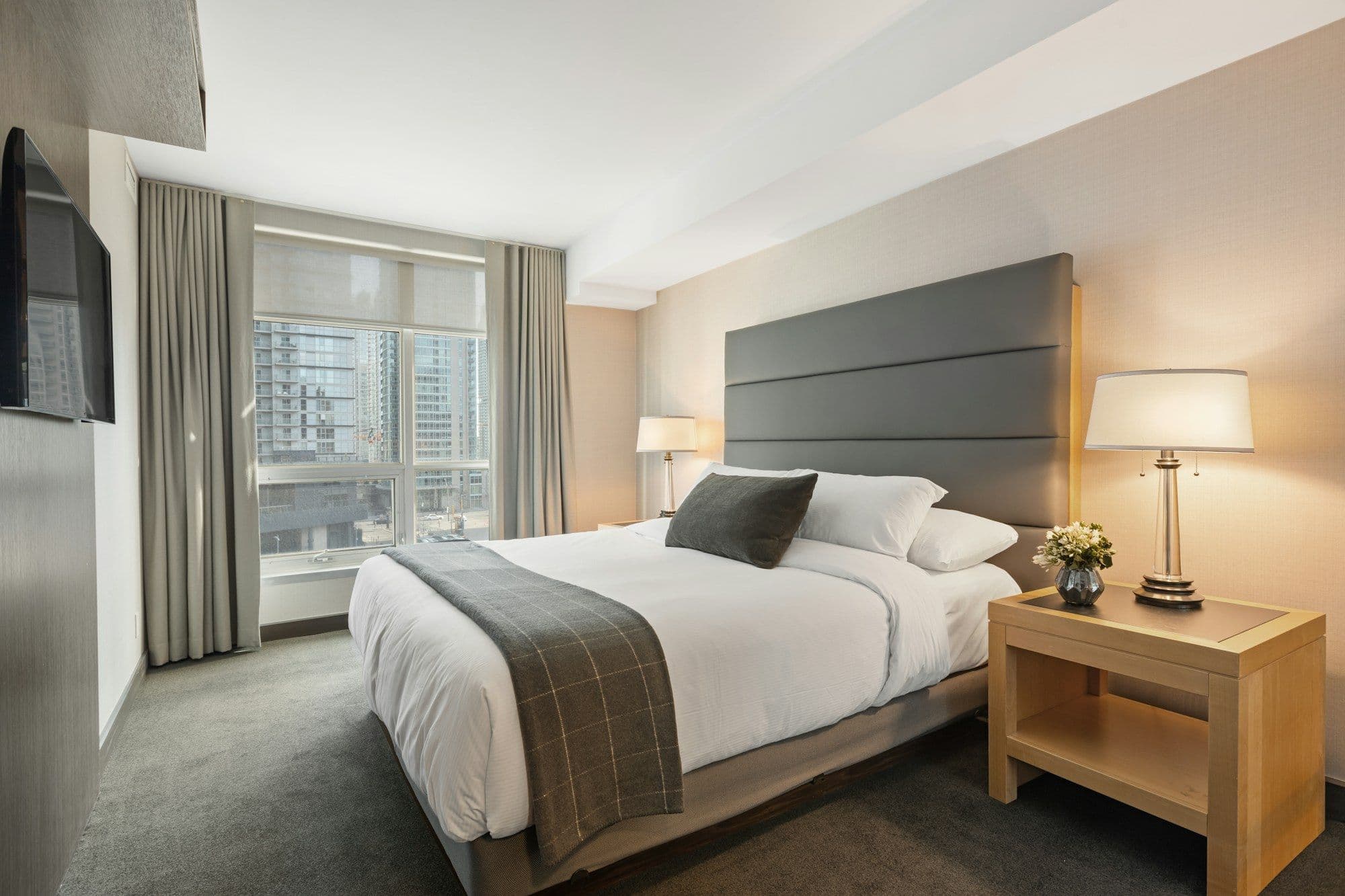
Hotels & hospitality
Turn smoking and pet rooms around in hours, protect fabrics against odor, and keep humid rooms free of mildew between guests.
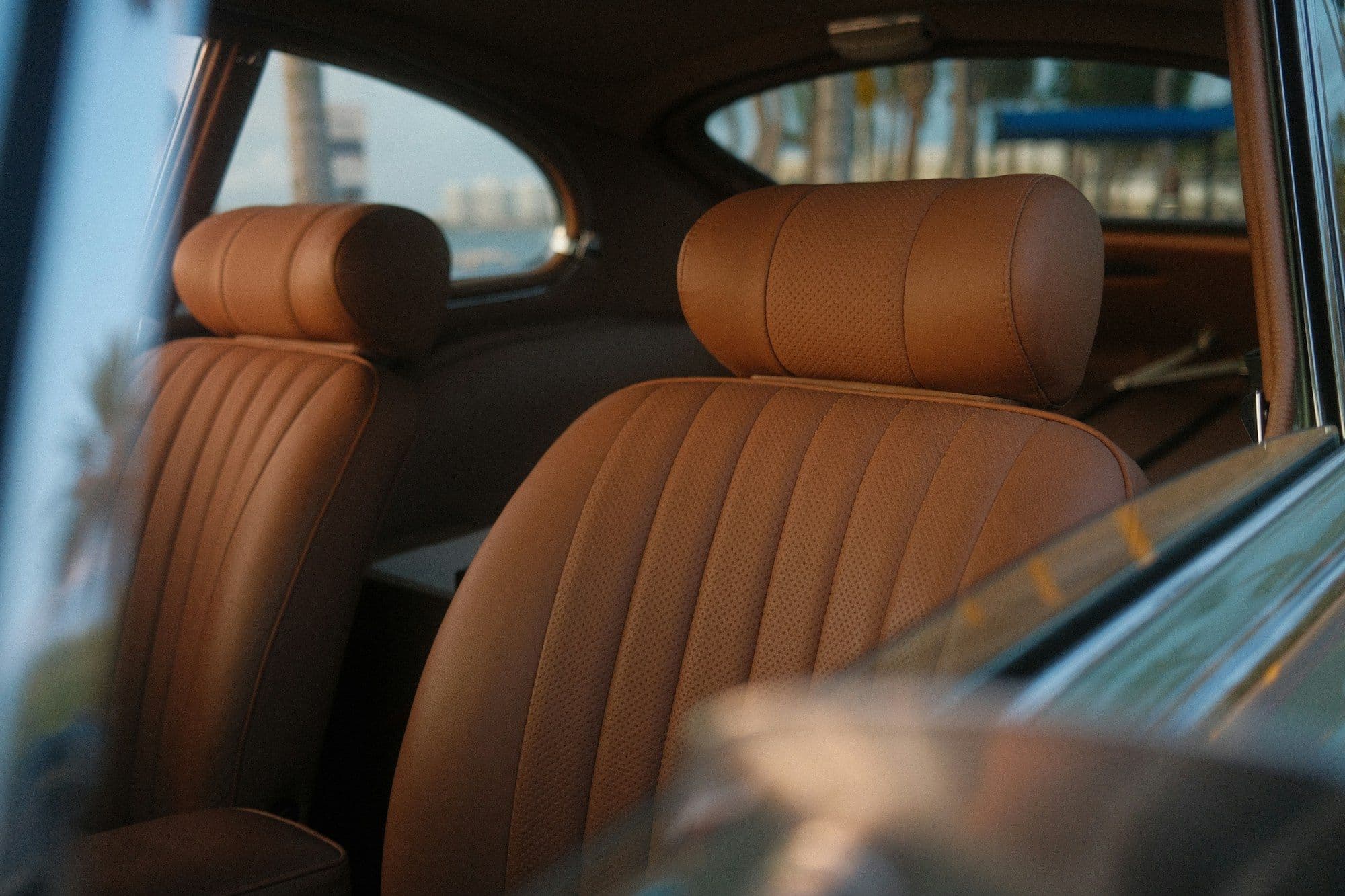
Dealerships & detailers
Treat new-car cabin smell from dashboards, adhesives and leather as part of the delivery package or a detailing add-on.

Schools, clinics & nurseries
Bio-based and antibacterial formulations for sensitive occupants, with gentle chemistry and long-lasting surface protection.
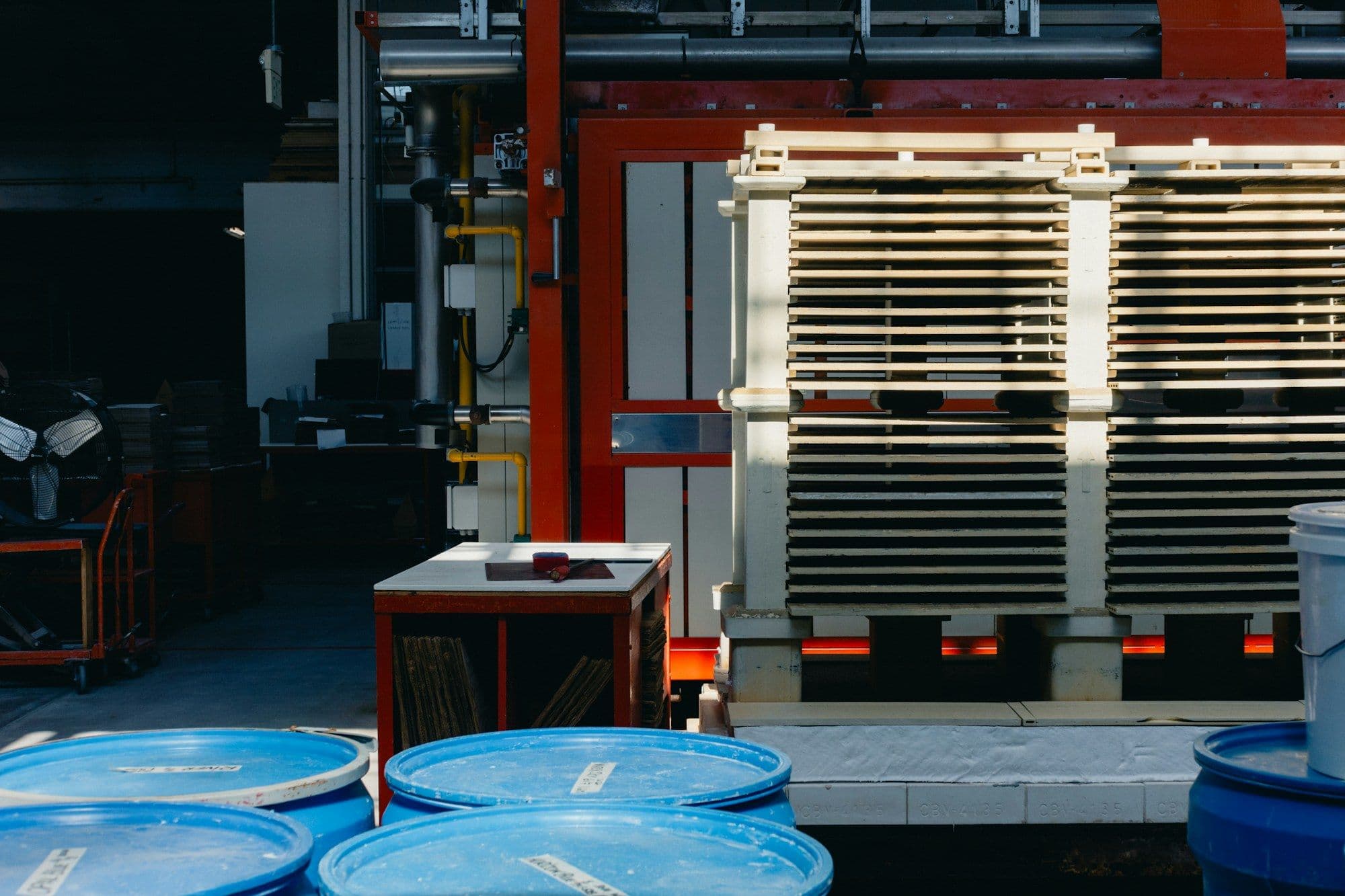
Distributors & private label
Bottle locally from 10X and 5X concentrates, or launch your own brand with custom labels, packaging and retail-ready gels.
06Reference limits
Measured against published limits.
Projects are planned around closed-room readings and the indoor air standards your client is accepted against.
WHO indoor air guideline 30-minute average
0.10 mg/m³GB/T 18883-2022 1-hour average, China indoor air quality standard
0.08 mg/m³GB 50325-2020 Class I civil buildings at handover
0.07 mg/m³
0.60mg/m³
GB/T 18883-20228-hour average
Reference values only. Always confirm the limit, averaging time and sampling method required in your market before quoting a result to a client.
07Factory-direct
Made in Botou. Shipped worldwide.
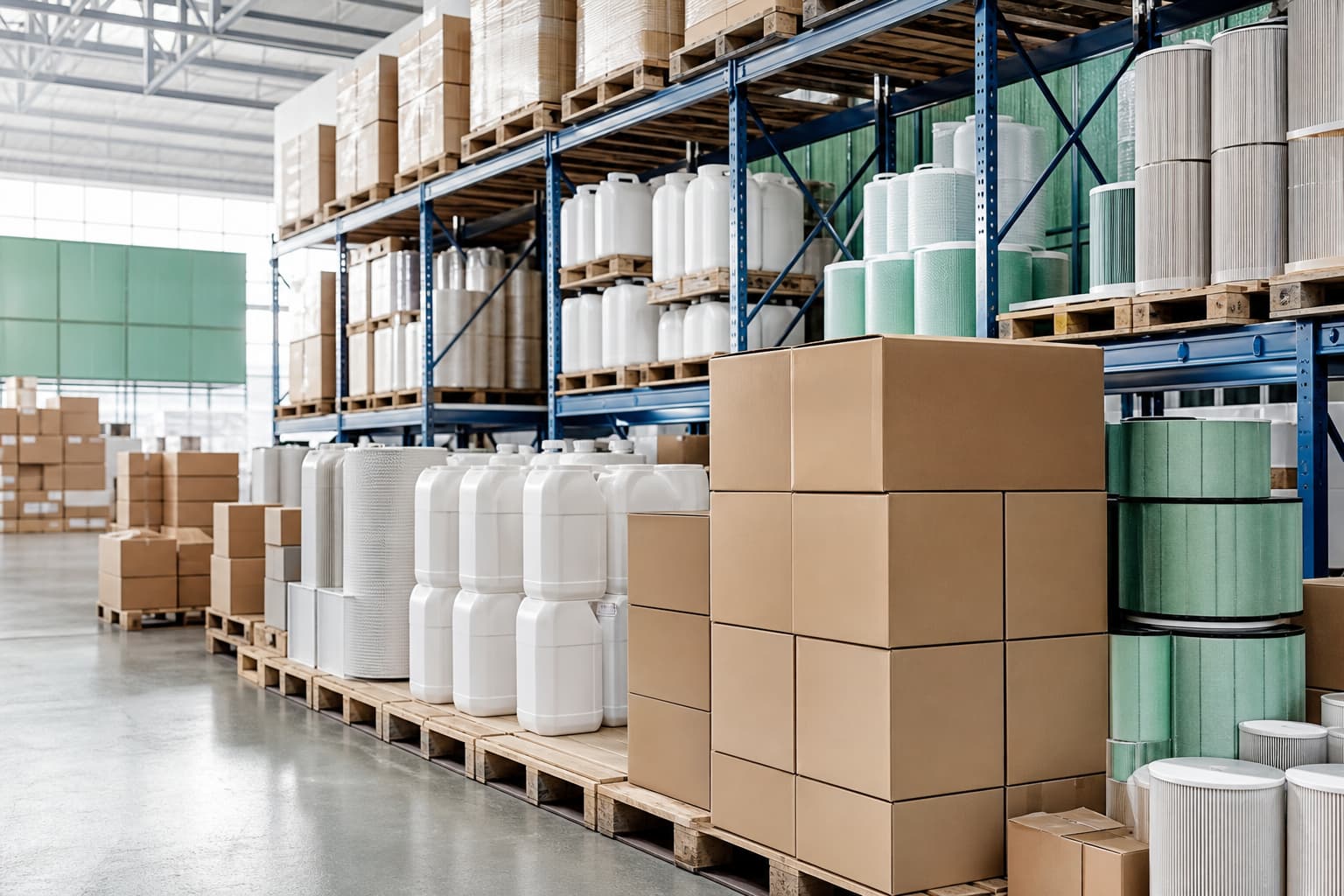
We formulate, fill and test in our own facility in the Botou Industrial Zone, about 180 km from Tianjin Port. Distributors bottle locally from our 10X and 5X concentrates; brands launch private-label lines on our formulations.
- Pack range
- 1 L bottles → 1,000 L IBC
- Private label
- Label · bottle · scent · strength
- Documents
- MSDS · TDS · batch COA
- Certifications
- ISO 9001:2015 · ISO 14001:2015 · CMA / CNAS-accredited testing
- Samples
- Kit of 1–5 units, ships in 24–48 hours
- MOQ
- Bulk from 100 L (4 drums) · OEM from 500–1,000 units
- Lead time
- Bulk 5–7 business days · OEM 10–14 business days
- Trade terms
- EXW Botou · FOB Tianjin · CIF / CFR Global Port
- ISO 9001:2015
- ISO 14001:2015
- CMA / CNAS-accredited testing
Certificate copies and full test reports are shared with buyers on request. Request copies · Quality & certifications
From a 1 L evaluation bottle to a 1,000 L IBC tote
08Engineering journal
Notes from the lab and the job site.
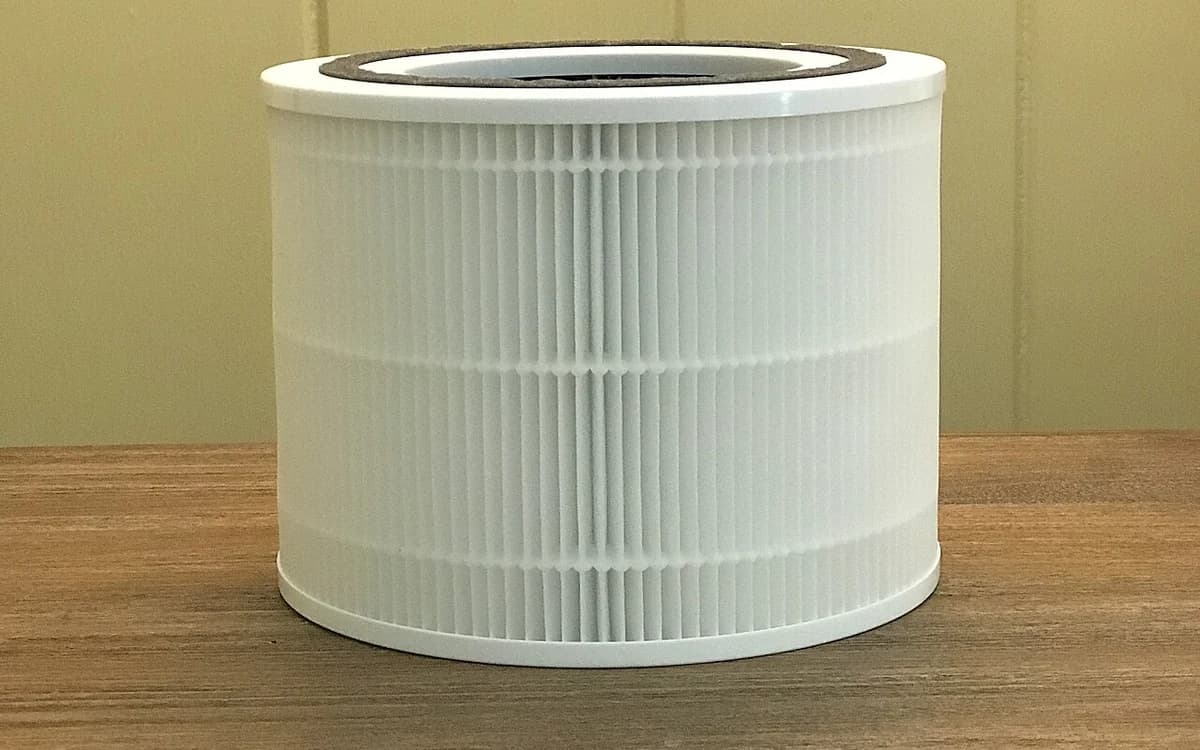
Coating HEPA and Non-Woven Air Filter Media with 5X Visible-Light Nano-TiO2 Sol: Dip/Spray Loading, 120 C Drying, and LED Reactor Design
OEM air filter coating guide for loading 5X Visible-Light Nano-TiO2 Sol onto PET non-woven, H13 fiberglass HEPA, and aluminum honeycomb media with under 3 Pa pressure drop and 405 to 450 nm LED reactors.
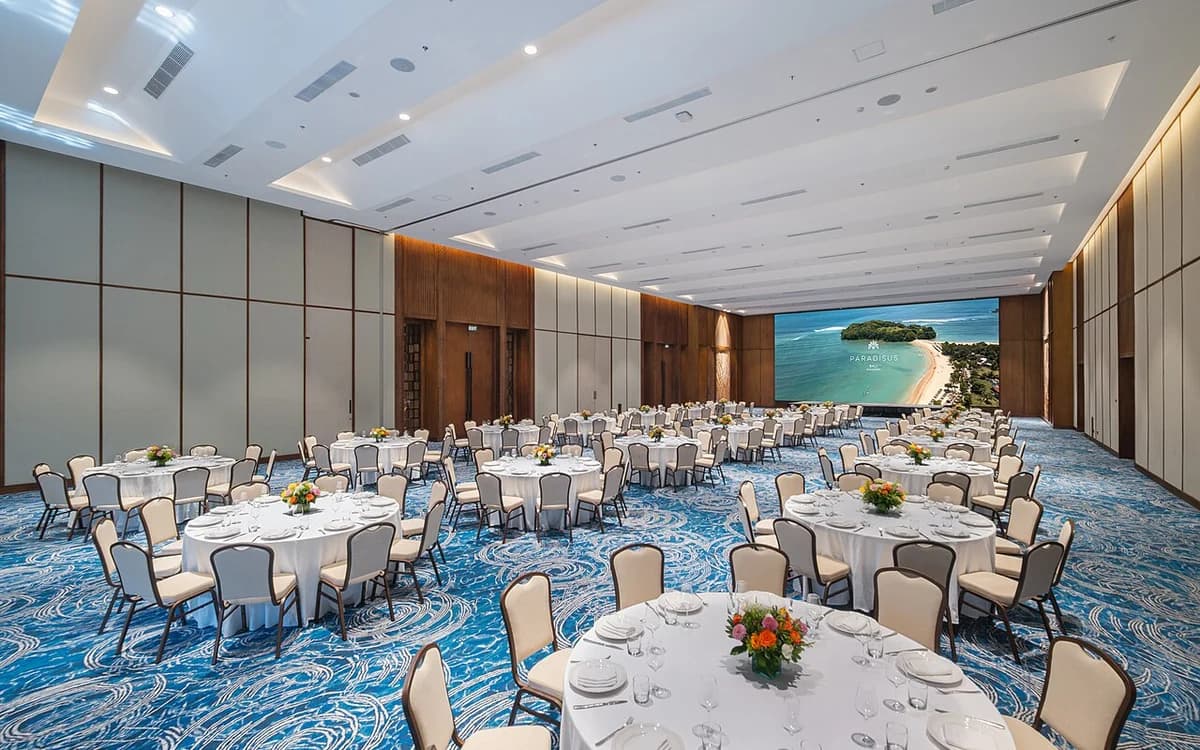
Hotel Banquet Halls, Hotpot Restaurants, and Lounge Drapes: Clearing Persistent Cooking Grease Aldehydes, Cigar Tar, and Vape Glycerol
Step-by-step hospitality F&B turnaround guide to neutralizing cooking-oil nonanal, hexanal, acrolein, cigar tar, and vape glycerol on banquet hall carpets and velvet drapes in 90 minutes using micellar protonation sprays and ULV fogging.
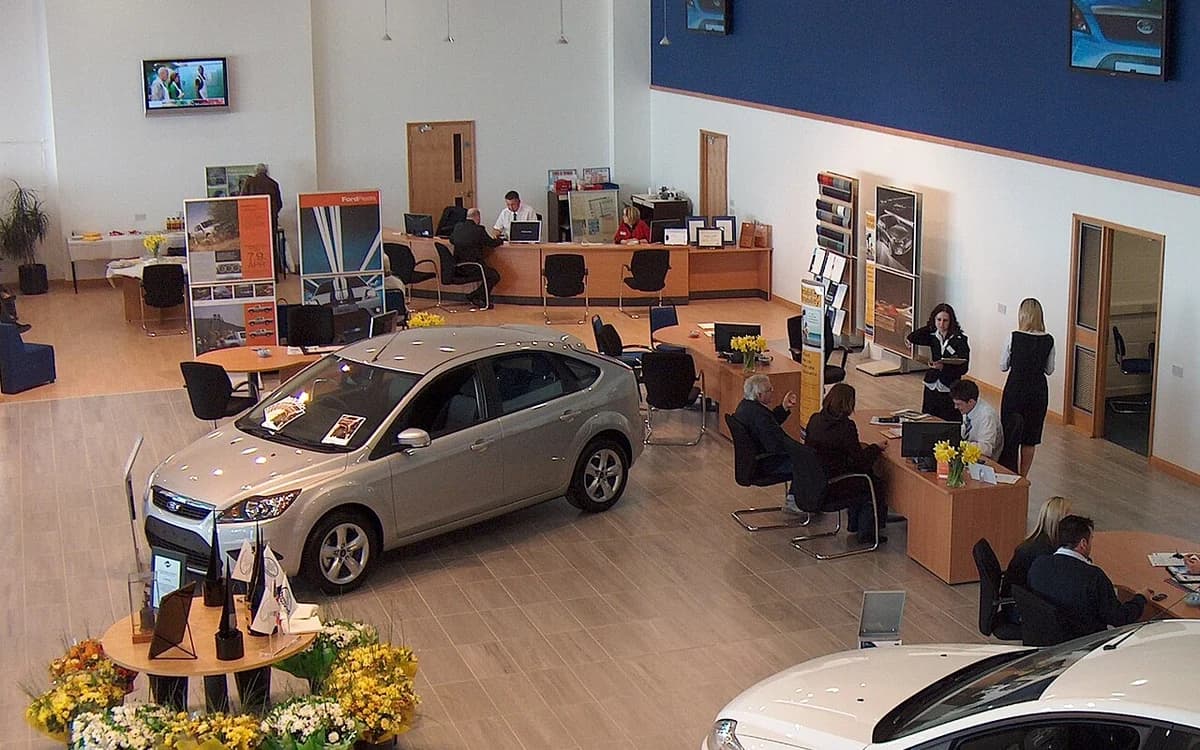
Automotive Cabin Rapid Air Detox for 4S Dealerships and Detailing Chains: VDA 275/276 Aldehyde Abatement and 75 C Solar Heat Stability
Step-by-step 20-minute automotive cabin air detox guide for 4S dealerships and detailing chains using a 250 mL amino-cyclodextrin mist and 120 g 75 C heat-stable cup-holder gel to pass GB/T 27630 and VDA 275/276 checks.
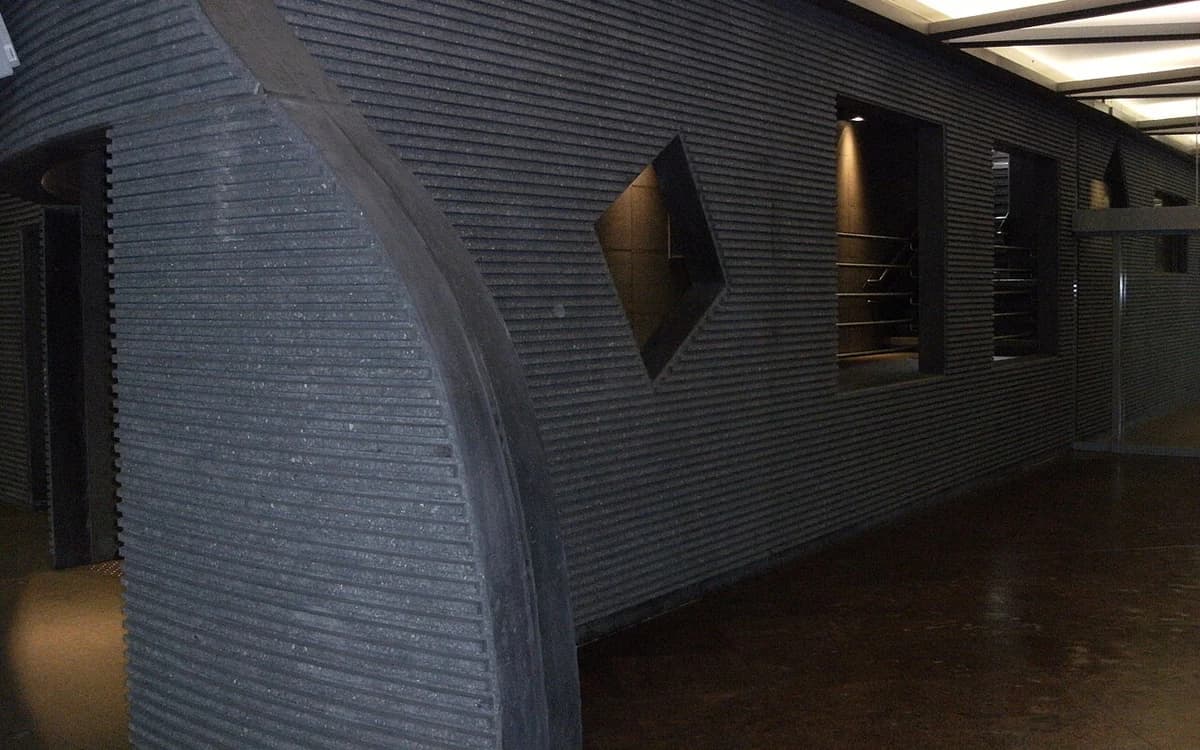
Neutralizing Concrete Anti-Freeze Ammonia (NH3) and Drain Sulfides in Newly Built Commercial Restrooms and Basements
Step-by-step guide to neutralizing winter-poured concrete anti-freeze ammonia (NH3) and restroom floor drain hydrogen sulfide (H2S) at 8 to 15 ml/m2 using fragrance-free plant polyphenol chelation.
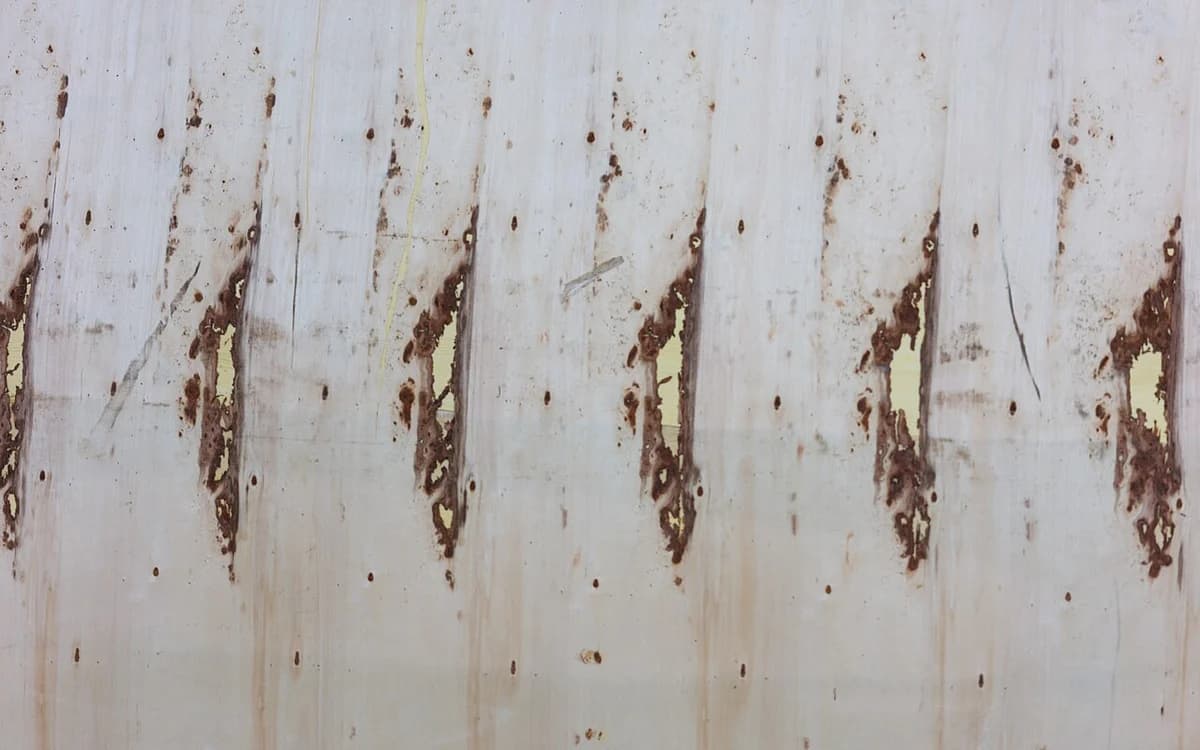
Low-Moisture Formaldehyde Barrier Wax vs. Aqueous Sprays on 0.6 mm Wood Veneers and Solid Timber Cabinetry
Technical comparison of low-moisture Formaldehyde Removal Care Wax (10 to 15 g/m2) versus aqueous sprays on 0.6 mm natural wood veneers, solid timber tables, and parquet floors to prevent grain raising and seam swelling.
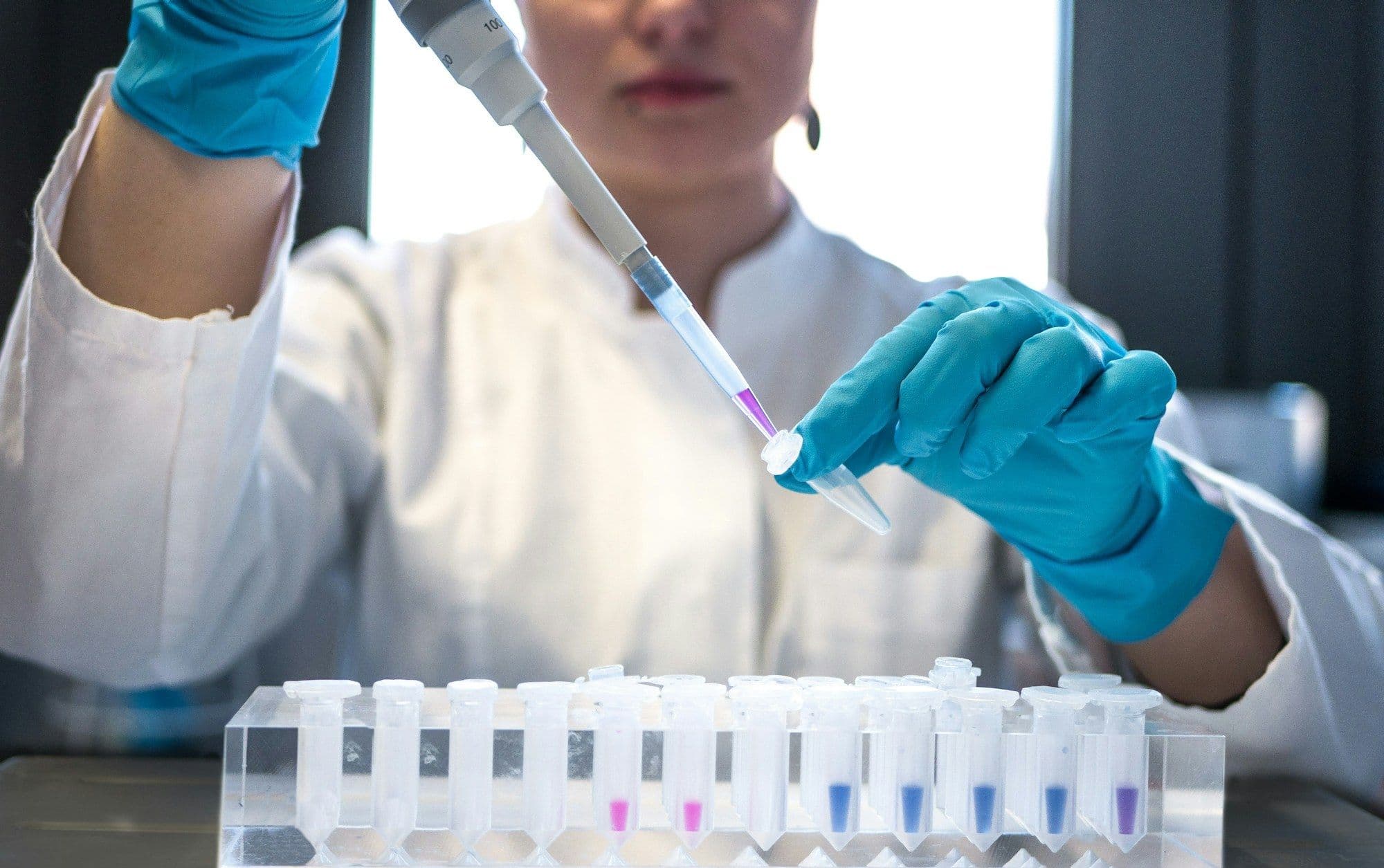
B2B Indoor Air Cleaning Solution Specifications: Batch QC, Dosage Calculations & Export Documentation
Buying guide for IAQ contractors and distributors: ml/m2 dosage math, 4-point batch QC checks, surface spot-testing, and non-DG sea freight files.
09Questions
What buyers ask first.
01Why can't a single spray product permanently remove all indoor formaldehyde and TVOC?
Indoor air pollutants originate from distinct chemical matrices with different release kinetics. Free formaldehyde inside urea-formaldehyde (UF) wood resins off-gasses for 3–15 years and requires deep-penetrating amino-polymer scavengers or thermal hydrolysis extraction. Conversely, benzene homologues and TVOC from paints and carpets require lipophilic micro-emulsions and visible-light nano-TiO₂ photocatalytic coatings. Combining source scavengers with catalytic surface films achieves both rapid 24-hour knockdown and long-term rebound prevention.
02What B2B packaging sizes and MOQ options does BotouSeneco provide?
We supply flexible B2B formats ranging from 500ml/1L contractor bottle kits to 5L jerrycans, 20L/25L commercial pails, and 200L IBC drums for bulk industrial users. Sample evaluation kits are available prior to bulk orders so your technical team can verify substrate compatibility and HCHO/TVOC reduction efficiency. Minimum orders: sample kits 1–5 units, bulk wholesale from 100 L (4 drums), OEM private label from 500–1,000 units.
03How do your formulations prevent white residue or surface damage on dark furniture and metals?
Our Formaldehyde Remover and Odor Eliminator are clear, neutral-pH aqueous solutions that dry without chalking. For Nano Photocatalyst Spray, we use a 5–10nm dispersed anatase TiO₂ sol; when applied with a 0.5mm–0.8mm HVLP nozzle at 8–12 ml/m², it forms an optically transparent film. For moisture-sensitive veneers or high-gloss lacquer, we recommend our Formaldehyde Removal Care Wax.
04Can BotouSeneco provide MSDS/SDS, TDS, and OEM private-label customization for overseas markets?
Yes. Founded in 2015 in Botou City, Hebei, our factory provides English Technical Data Sheets (TDS), Material Safety Data Sheets (MSDS/SDS), and batch Certificates of Analysis (COA) for international sea and land freight, along with custom concentration and private-label packaging for regional distributors in Southeast Asia, the Middle East, and Europe.
Factory-direct supply
Send us a reading. We'll design the treatment.
Share your closed-room HCHO or TVOC values, substrates and project size. Our engineering desk replies within one business day with recommended formulations, dosage and pack sizes.