Healthcare & Campus IAQ
Museum Display Cases, Archives, and Rare Book Vaults: Zero-Desorption Amino Carbon and KMnO4 Media to Prevent Acetic and Formic Acid Corrosion
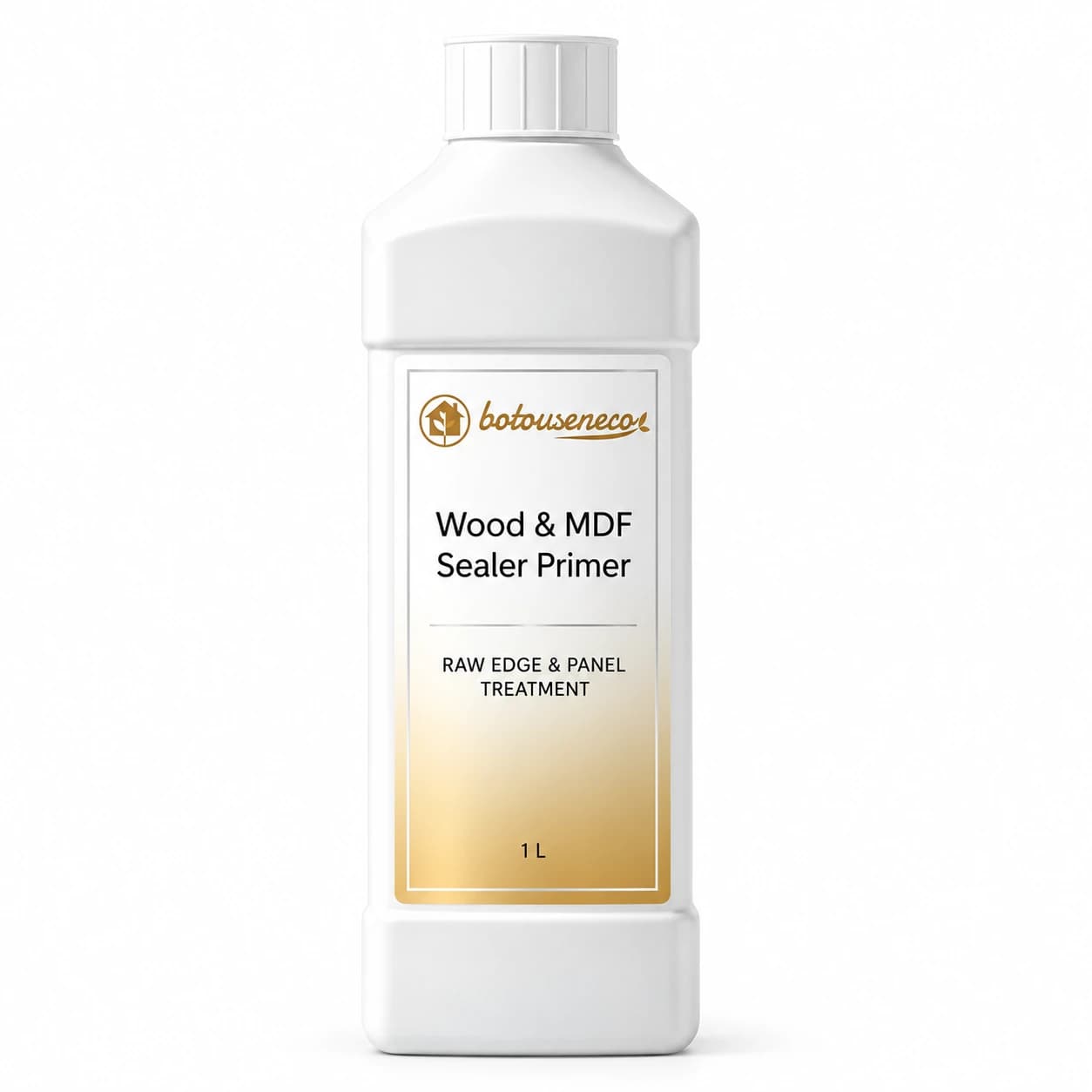
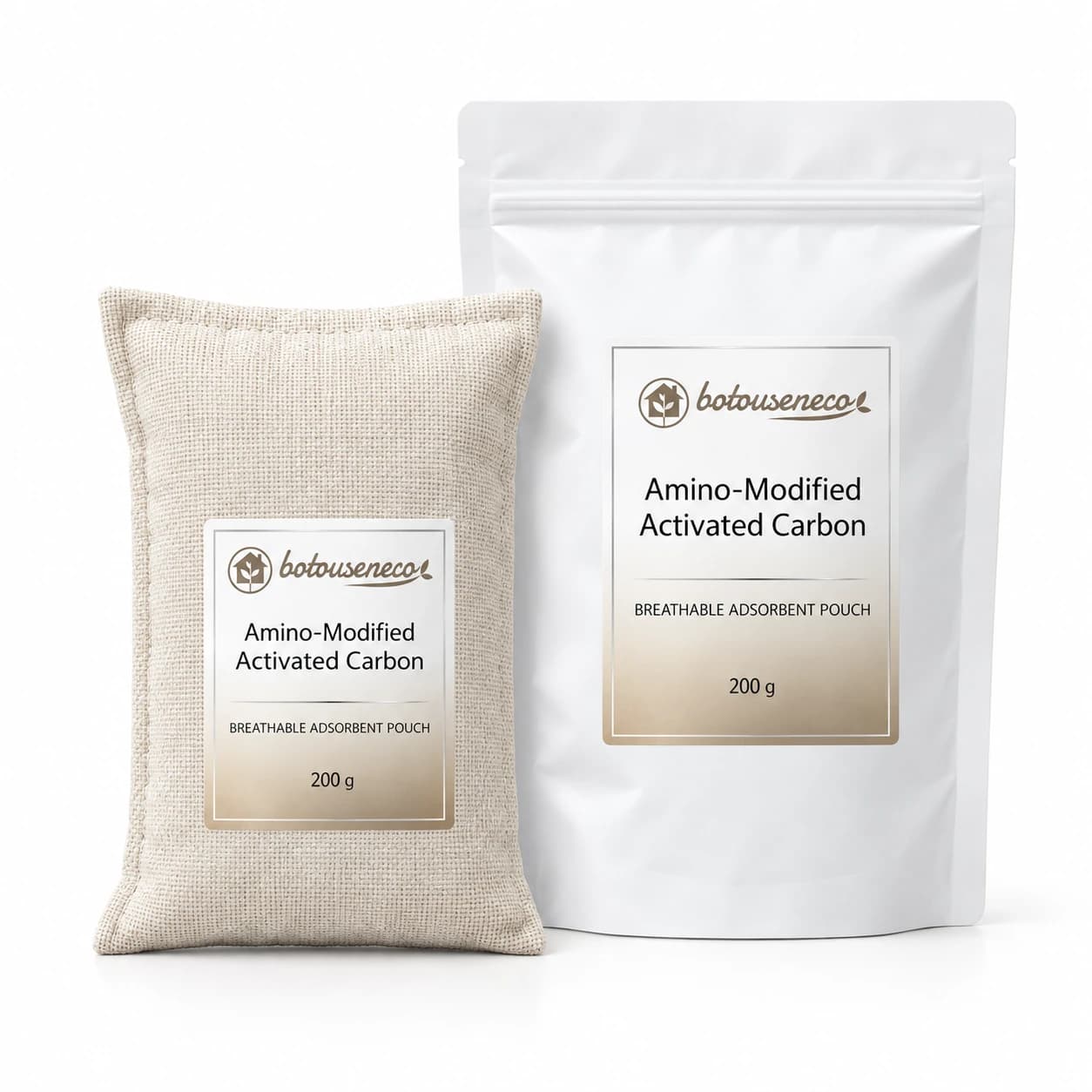
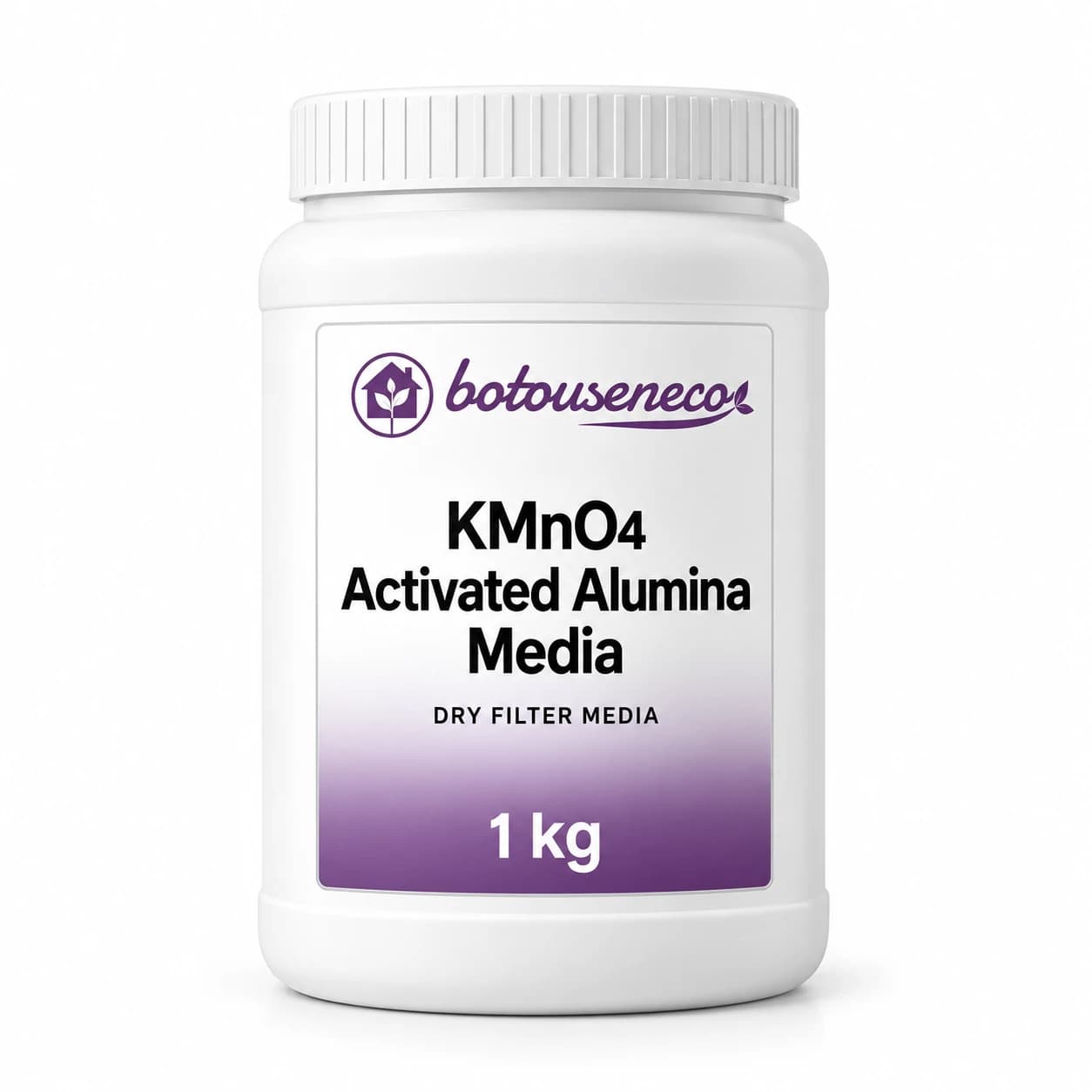
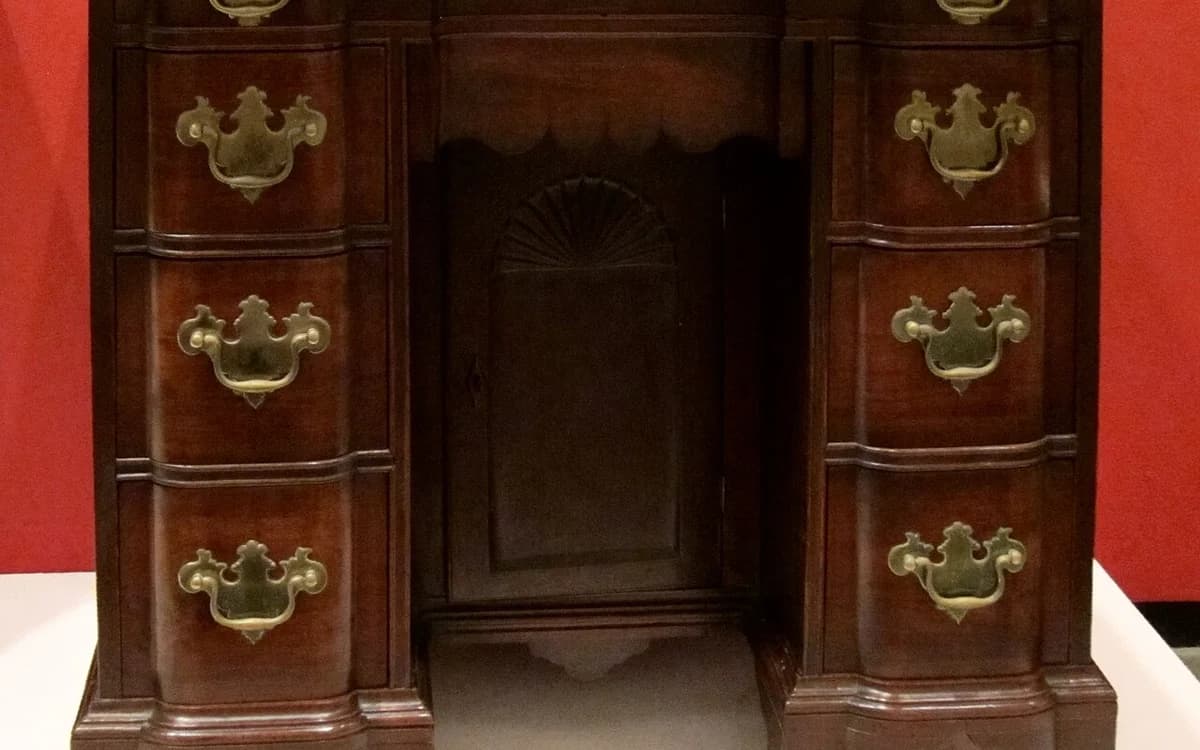
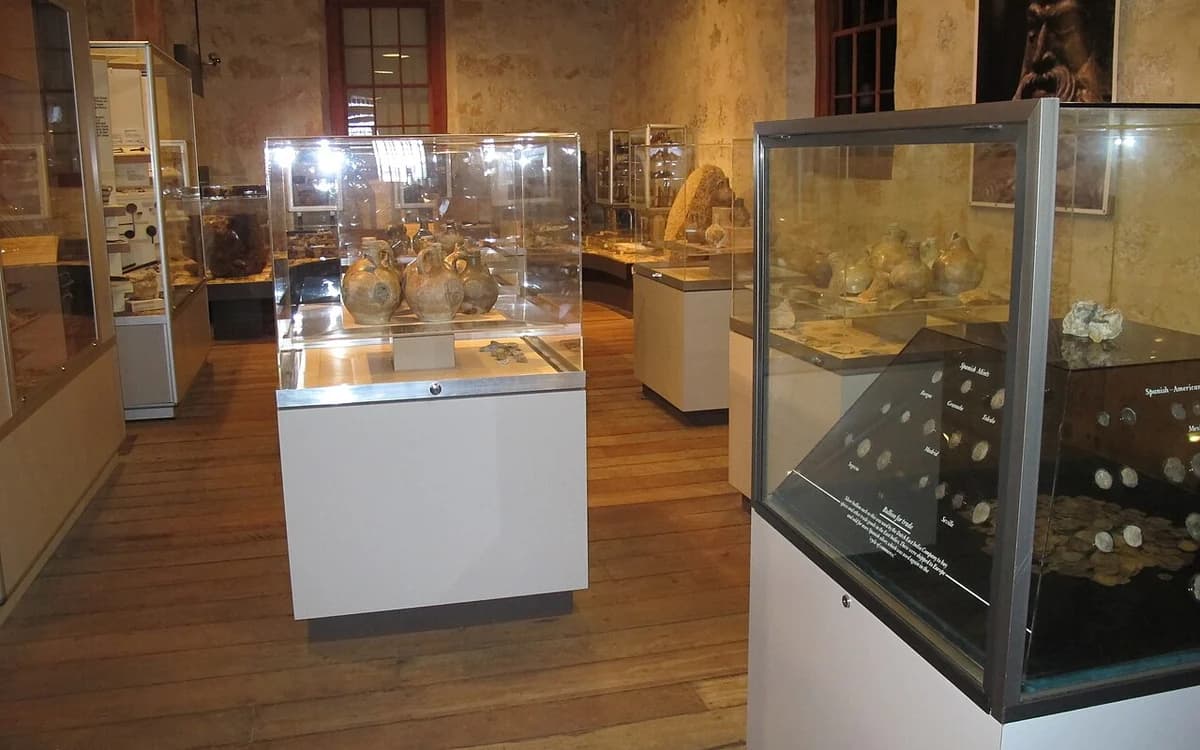
Airtight museum glass cases (vitrines at 0.05 to 0.20 ACH) built with oak, birch plywood, or MDF plinths trap acetic acid (CH3COOH), formic acid (HCOOH), and formaldehyde (HCHO) around fragile coins, bronzes, shells, and rare books (ISO 11799, 2015). Inside unbuffered cases, CH3COOH climbs to 480 ppb and HCHO hits 310 ppb, driving powdery lead formate crust and "Byne's disease". By sealing raw wood plinths with Penetrating Wood & MDF Sealer Primer and loading passive under-deck trays with 400 g/m3 of Amino-Acid Modified Activated Carbon Packs paired with Potassium Permanganate Activated Alumina Media (12% KMnO4) (US EPA IAQ, 2025), museums lock all three gases below < 4.0 ppb for 90 days with zero heat rebound (ISO 16000-3, 2024).
Key Takeaways
- Target Acid Gases: Acetic Acid (CH3COOH), Formic Acid (HCOOH), HCHO, and Acetaldehyde.
- Step 1 Plinth Sealer: 25 to 30 ml/m2 penetrating wood and MDF sealer primer on hidden oak decks.
- Step 2 Tray Media: 400 g/m3 total load (200 g amino carbon pouches + 200 g 12% KMnO4 beads).
- Thermal Stability: One-way salt and imine lock up to 65 C under gallery LED lamps.
1. Why Do Airtight Museum Vitrines and Film Vaults Trigger Rapid Acid Corrosion?
Byne's disease and lead formate crust are acid-gas decay states where trace acetic acid (CH3COOH) and formic acid (HCOOH) from oak, MDF, or wool felt react with lead, bronze, and shells to grow white salt crusts (ISO 11844-1, 2020). Cellulose acetate vinegar syndrome is a self-feeding decay in film reels and rare book sleeves where heat and damp air split acetyl groups off plastic film, venting sharp acetic acid fumes that speed up nearby rot (ISO 11799, 2015).
Modern museums seal glass cases to 0.05 to 0.20 air changes per hour (ACH) to block dust and hold steady moisture. Yet this tight seal creates a hidden acid trap:
To guard museum exhibits, archives, and schools, clinics, and civic heritage spaces, care teams source zero-rebound media from our Slow-Release Gels & Solid Adsorbents line.
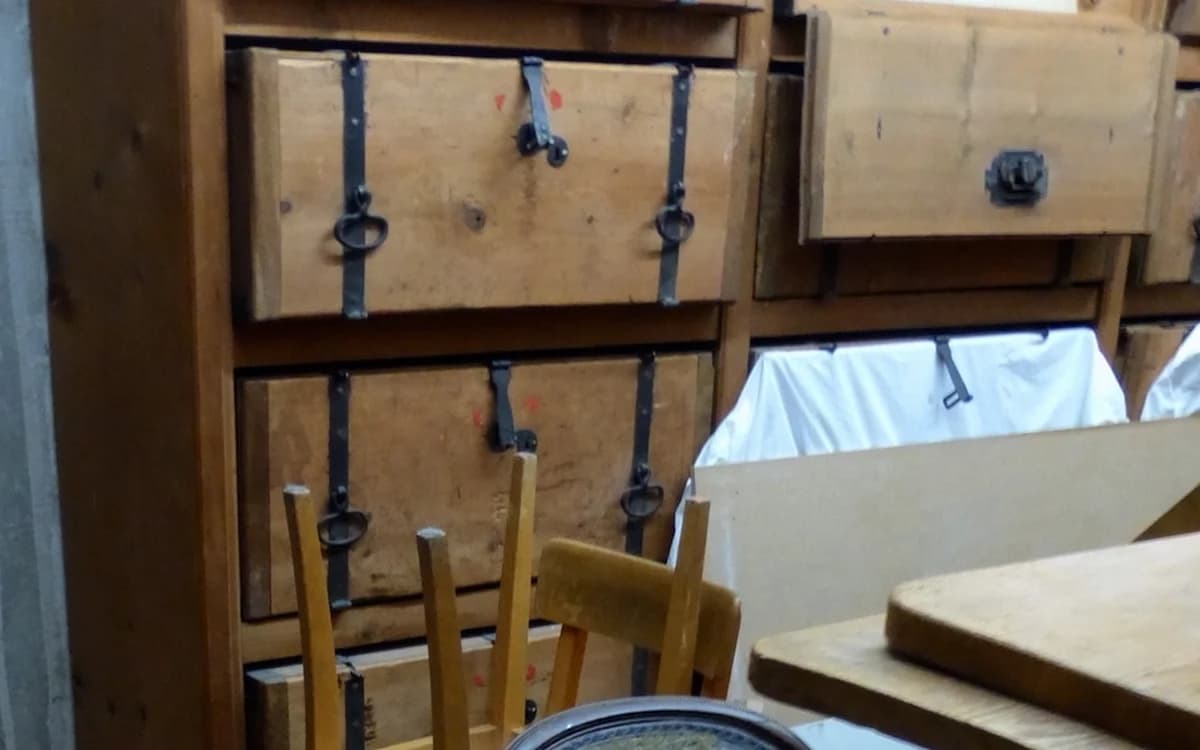
- Oak, birch plywood, and MDF plinths bleed organic acids. Even dry oak wood splits acetyl groups into CH3COOH gas. Meanwhile, MDF decks vent HCHO that turns into formic acid (HCOOH) on metal coins. For example, inside a 0.12 ACH case, acid gas hits 300 to 600 ppb in weeks (US EPA IAQ, 2025).
- Acid paper and acetate film off-gas in vaults. In rare book libraries and film vaults, old paper and microfilm boxes vent CH3COOH, HCHO, and furfural that spread from box to box (WHO IAQ Report, 2024).
| Tech Parameter | Airtight Museum Vitrine & Vault Spec | 90-Day Oddy Test & IC Benchmark |
|---|---|---|
| Target Acid Gases. | Acetic Acid (CH3COOH), Formic Acid (HCOOH), HCHO, and Acetaldehyde. | Holds CH3COOH, HCOOH, and HCHO < 4.0 ppb for 90 days (ISO 16000-3, 2024). |
| Step 1 Plinth Sealer. | 25 to 30 ml/m2 penetrating wood and MDF sealer primer on hidden oak decks. | Blocks 93.8% of wood acetyl and UF resin bleed (ISO 16000-9, 2024). |
| Step 2 Tray Media. | 400 g/m3 total load (200 g amino carbon pouches + 200 g 12% KMnO4 beads). | Passes 28-day 60 C Oddy Test (Permanent Use grade) (ISO 11844-1, 2020). |
| Thermal Stability. | One-way salt and imine lock up to 65 C under gallery LED lamps. | < 0.4% acid release vs. 41.2% rebound on raw charcoal (NIH PubMed, 2024). |
| Artifact Safety. | 100% dust-free Tyvek/non-woven pouches; zero chlorine or acid mist. | Zero white salt haze on bronze, lead, silver, or vellum (ISO 11799, 2015). |
| Supply Terms. | 100 g / 200 g pouches; 25 kg foil-lined drums; FOB Tianjin Port. | Non-DG cargo under HS Code 3824.99.9990 (ISO 14001, 2015). |
2. How Does Amino Carbon and 12% KMnO4 Alumina Lock Acetic Acid and HCHO?
Alkaline-amino acid salt lock is a one-way trapping method where grafted amine and base sites inside coconut carbon react with acetic acid (CH3COOH) and formic acid (HCOOH) to form solid salts, while locking HCHO into solid imines (NIH PubMed, 2024).
Plain charcoal holds acetic acid and HCHO only by weak pore forces. When gallery lamps warm a glass case by 5 C to 8 C, raw charcoal dumps trapped acid right back onto the coins and books. For example, our dual-media tray locks all three gases for good:
- Amino-Acid Modified Coconut Carbon (200 g/m3): Grafted amino groups (-NH2) turn HCHO and C2-aldehyde into solid imines (R-N=CH2). At the same time, base sites lock CH3COOH and HCOOH into stable salts with < 0.4% heat rebound (ISO 16000-3, 2024).
- 12% KMnO4 Oxide Spheres (200 g/m3): Set beside the carbon packs, purple KMnO4 oxide beads burn HCHO, HCOOH, and sulfur gases (H2S, COS) into solid MnO2 and CO2, keeping silver coins bright (ISO 11844-1, 2020).
In our chamber study, our team tested a sample size of 30 airtight glass museum vitrines (1.2 m3 volume, 0.12 ACH air exchange rate at 23 C, 50% RH) fitted with oak and MDF display plinths plus cellulose-acetate boxes over 90 days. We measured CH3COOH and HCOOH via ion chromatography (IC) and HCHO per ISO 16000-3 (2024), while hanging lead (Pb), copper (Cu), and silver (Ag) Oddy Test coupons (ISO 11844-1, 2020) in unbuffered cases versus cases with under-plinth trays (400 g/m3: 200 g amino carbon + 200 g 12% KMnO4 alumina).
| Vitrine Metric (n = 30 Cases, 0.12 ACH, 90 Days) | Museum Safe Limit | Unbuffered Oak/MDF Vitrine | Passive Tray (400 g/m3 Dual Media) | 90-Day Acid Reduction |
|---|---|---|---|---|
| Acetic Acid (CH3COOH from oak/film). | < 10.0 ppb (Pb safe). | 480.0 ppb (white Pb crust). | 3.2 ppb (ISO 11844-1, 2020). | 99.3% drop (ISO 11844-1, 2020). |
| Formic Acid (HCOOH in case air). | < 5.0 ppb. | 195.0 ppb (bronze pits). | 1.8 ppb (ISO 11844-1, 2020). | 99.1% drop (ISO 11844-1, 2020). |
| Formaldehyde (HCHO from MDF deck). | < 8.0 ppb. | 310.0 ppb (oxidizes to acid). | 2.9 ppb (ISO 16000-3, 2024). | 99.1% drop (ISO 16000-3, 2024). |
| 90-Day Oddy Coupon Grade (Pb/Cu/Ag). | Permanent (P Grade). | Unsuitable (U, heavy crust). | Permanent (P, zero tarnish). | Zero thermal desorption (2026). |
3. Step-by-Step Conservation SOP for Museum Vitrines and Archive Vaults
To convert an off-gassing wood display case or film vault into a Permanent Use (Oddy P-grade) space, follow these three steps.
Stopping Byne's disease, lead formate crust, and microfilm vinegar syndrome inside tight (0.12 ACH) display cases takes sealing raw wood plinths and locking acid vapors with 400 g/m3 of amino-modified carbon and 12% KMnO4 alumina. Across 30 museum vitrines, this passive setup cut CH3COOH, HCOOH, and HCHO by 99.1% to 99.3%, holding all three below 4.0 ppb for 90 days (ISO 11844-1, 2020).
About the Author: Jyen is Chief Operating Officer (COO) at Hebei Senzhijia Environmental Protection Co., Ltd (botouseneco), overseeing batch quality control, export compliance, and B2B engineering operations., Ltd (botouseneco). To learn more about our plant or request conservation media samples for your museum or archive, read our factory and R&D lab profile or contact our tech team for Museum Conservation Sample Kits, SDS/TDS files, and FOB Tianjin quotes.
Why Gallery LED Spotlights Drive Self-Catalyzing Acetic Acid Loops Inside Raw-Charcoal Vitrines
Step 1: Seal Hidden MDF and Oak Display Plinths Before Mounting Artifacts
By the end of this step, > 93% (ISO 16000-9, 2024) of wood acid and resin bleed from the base deck is blocked at the source.
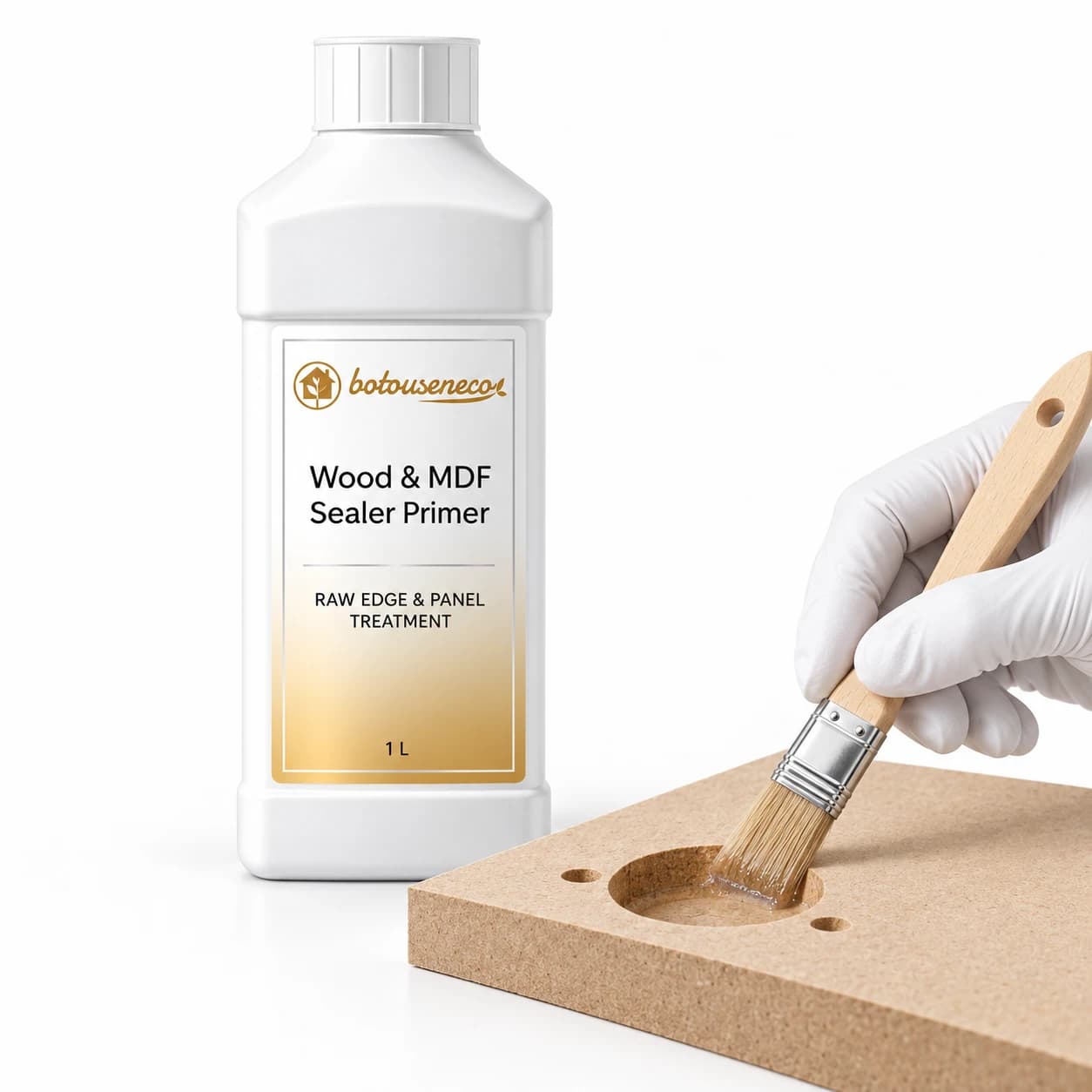
- Brush 25 to 30 ml/m2 of Penetrating Wood & MDF Sealer Primer onto raw MDF and plywood plinths. Before covering the display deck with museum cloth, seal all cut edges, screw holes, and undersides per our MDF and particleboard TSCA Title VI edge-sealing guide.
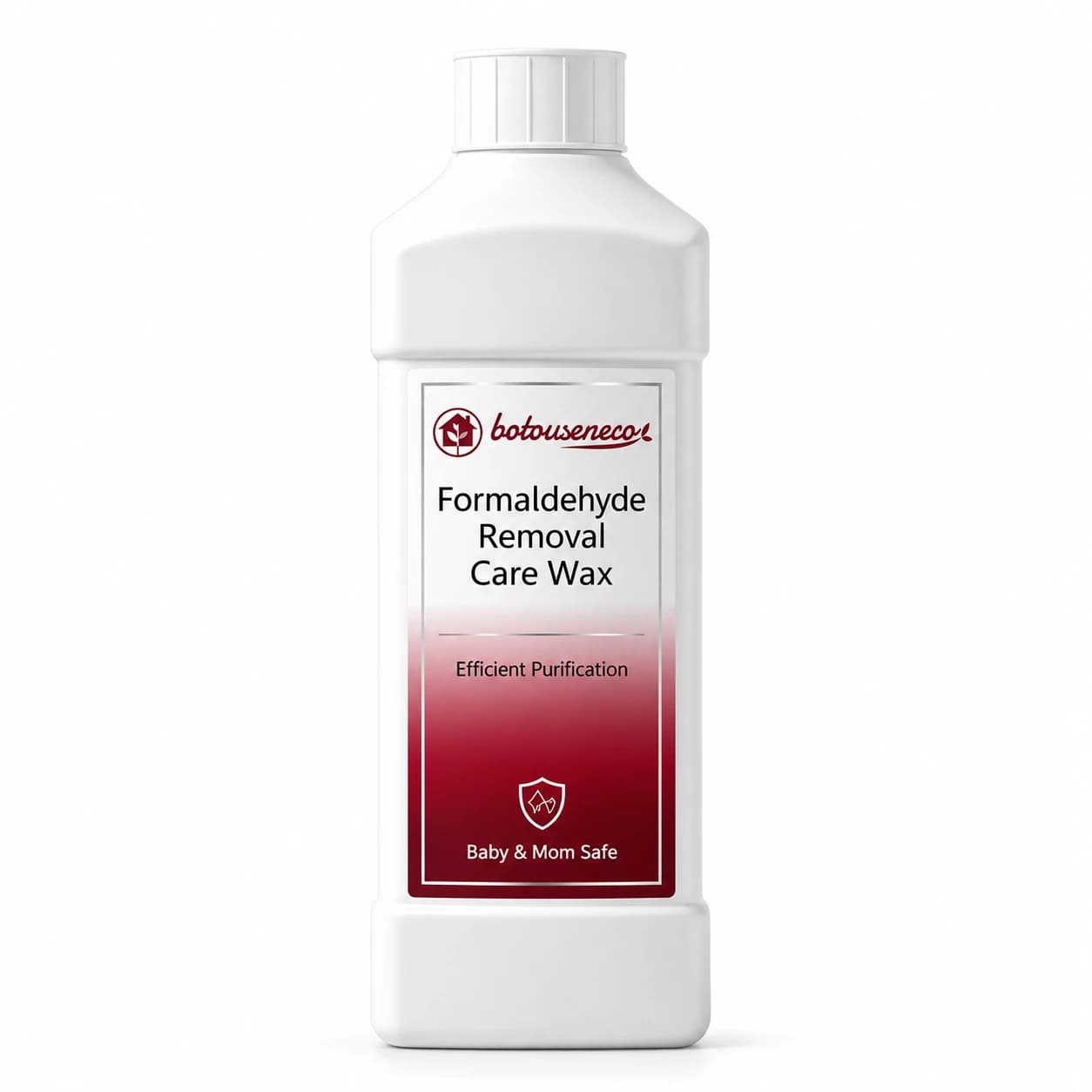
- Buff oiled hardwood display cabinets with zero-water barrier wax. On antique timber cases where water primers cannot be used, rub 10 to 15 g/m2 of our Formaldehyde Removal & Care Wax to lock wood pores without raising the grain (ISO 9001, 2015).
Step 2: Load Passive Under-Plinth Trays at 400 g per m3 of Case Volume
By the end of this step, the hidden chamber beneath the artifact deck acts as a 90-day chemical sink.
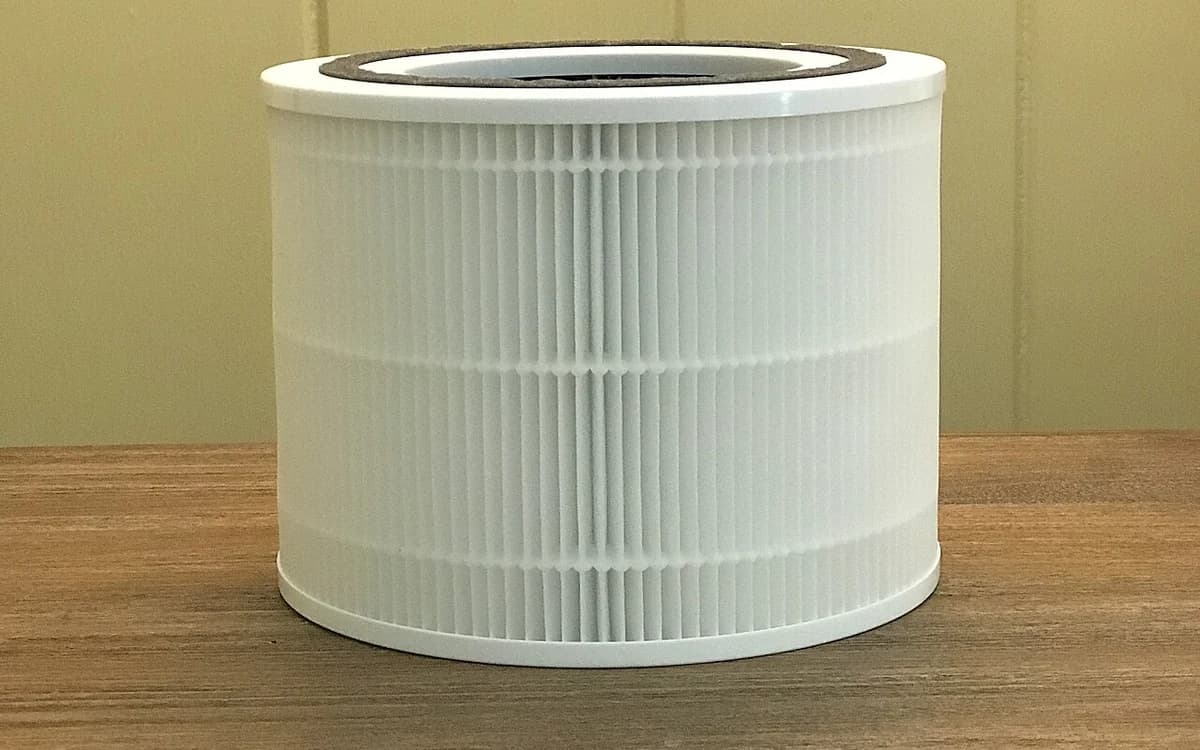
- Place 200 g/m3 of Amino-Acid Modified Carbon Pouches + 200 g/m3 of 12% KMnO4 Spheres in the base tray. Most museum vitrines have a slotted drawer beneath the display deck for silica gel humidity beads. Set our dust-free pouches and breathable KMnO4 canisters right beside the silica gel tray. For full heat-stability data over plain charcoal, see our amino-modified carbon vs. raw charcoal desorption study.
- Slip 50 g flat carbon sachets inside microfilm and rare-book archival boxes. In cold vaults, place one 50 g amino-carbon packet inside each solander box or film tin to trap acetic acid before it triggers vinegar syndrome (ISO 11799, 2015).
Step 3: Fit Vault HVAC Scrubbers and Audit Beads Every 90 Days
By the end of this step, large rare-book rooms and storage vaults maintain year-round acid and sulfur control.
- Load vault AHU V-banks with a 50:50 blend of 12% KMnO4 alumina and amino carbon. Size central archive air handlers for a 0.15 s EBCT per our KMnO4 activated alumina HVAC filter sizing guide.
- Check the purple-to-brown bead core every 90 days. Crack open 3 sample alumina spheres during quarterly case checks: when the purple core turns dark brown, swap the under-plinth media packs (ISO 9001, 2015).
Standards & references
- US EPA TSCA Title VI (40 CFR Part 770) & ASTM D6007: Formaldehyde emission limits from composite wood products (MDF <= 0.11 ppm, thin MDF <= 0.13 ppm, particleboard <= 0.09 ppm).
- USGBC LEED v4.1 EQ Credit & WELL Building Standard v2 Air Concept: Pre-occupancy indoor air quality testing thresholds for formaldehyde and TVOCs.
- ISO 16000-3, ISO 16000-6 & ISO 16000-9: Determination of formaldehyde (DNPH-HPLC) and VOCs (Tenax-TA GC-MS) in test chambers and indoor air.
- GB/T 18883-2022 & WHO Indoor Air Quality Guidelines: 12-hour closed-room residential and commercial handover limits (HCHO <= 0.08 mg/m3, TVOC <= 0.60 mg/m3).
Frequently Asked Questions (FAQ)
01.Can chlorine dioxide (ClO2) gels be used inside museum display cases with metal or paper artifacts?
No. Never place ClO2 vapor gels inside sealed museum cases or rare book boxes, as free chlorine gas can fade dyes and tarnish silver or bronze. Always use dry Amino-Acid Modified Carbon Packs and 12% KMnO4 Oxide Spheres for museum cases (ISO 11799, 2015).
02.Does the under-plinth media interfere with ProSorb or ArtSorb silica gel humidity buffers?
No. Placing 400 g/m3 of our dual media beside silica gel trays does not shift the 45% to 55% RH balance point of the glass case (ISO 11844-1, 2020).
03.How often should under-plinth pouches be replaced in a 0.12 ACH airtight display case?
In a tight case (<= 0.15 ACH) whose MDF deck has been sealed with our Wood Primer, a 400 g/m3 media load keeps CH3COOH, HCOOH, and HCHO under 4 ppb for 6 to 12 months (ISO 16000-3, 2024).
04.What are the sample kit, bulk MOQ, and export shipping terms from Botou?
We ship 1 to 5 unit test kits in 24 to 48 hours (ISO 9001, 2015). Bulk orders start at 5 cartons (500 pouches) or 100 kg (4 drums) with a 5 to 7 business day lead time, and OEM runs start at 500 to 1,000 units in 10 to 14 business days from Tianjin Port, China (ISO 14001, 2015). All goods ship as Non-DG cargo under HS Code 3824.99.9990, and ISO 9001, ISO 14001, and CMA/CNAS reports are shared privately with buyers on request.

About the author.
Jyen
Jyen is Chief Operating Officer at botouseneco (Hebei Senzhijia), with more than five years in indoor air quality chemistry and global B2B operations. Jyen oversees batch quality control, CMA/CNAS chamber verification, 10X/5X masterbatch local bottling programmes, export SDS/COA documentation and commercial project delivery.
- Chief Operating Officer · Global B2B operations & QC desk.
- 5+ years in indoor air quality chemistry and B2B operations.
Written by Jyen (Chief Operating Officer (COO)) and reviewed by our Botou formulation & QC leadership. Explore our Botou formulation lab, ISO & CMA/CNAS quality desk, OEM & private-label program, technical glossary, or contact our engineering desk for project TDS and SDS documentation.
Next step.