Chemisorbents & Automotive IAQ
Data Center and Server Room ISA-71.04 G1 Copper Corrosion Control: Scrubbing H2S, SO2, and Cl2 with 12% KMnO4 Activated Alumina V-Banks
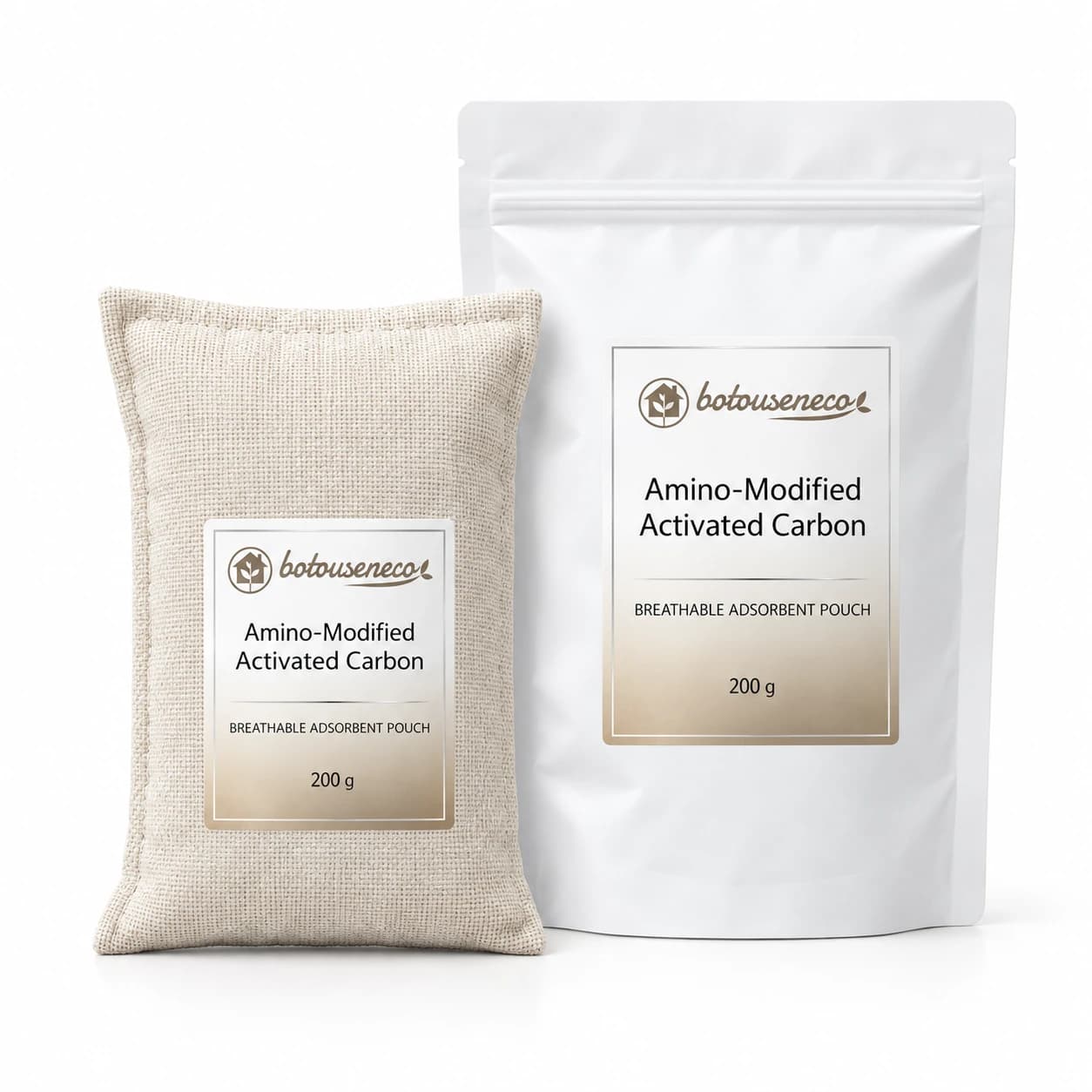
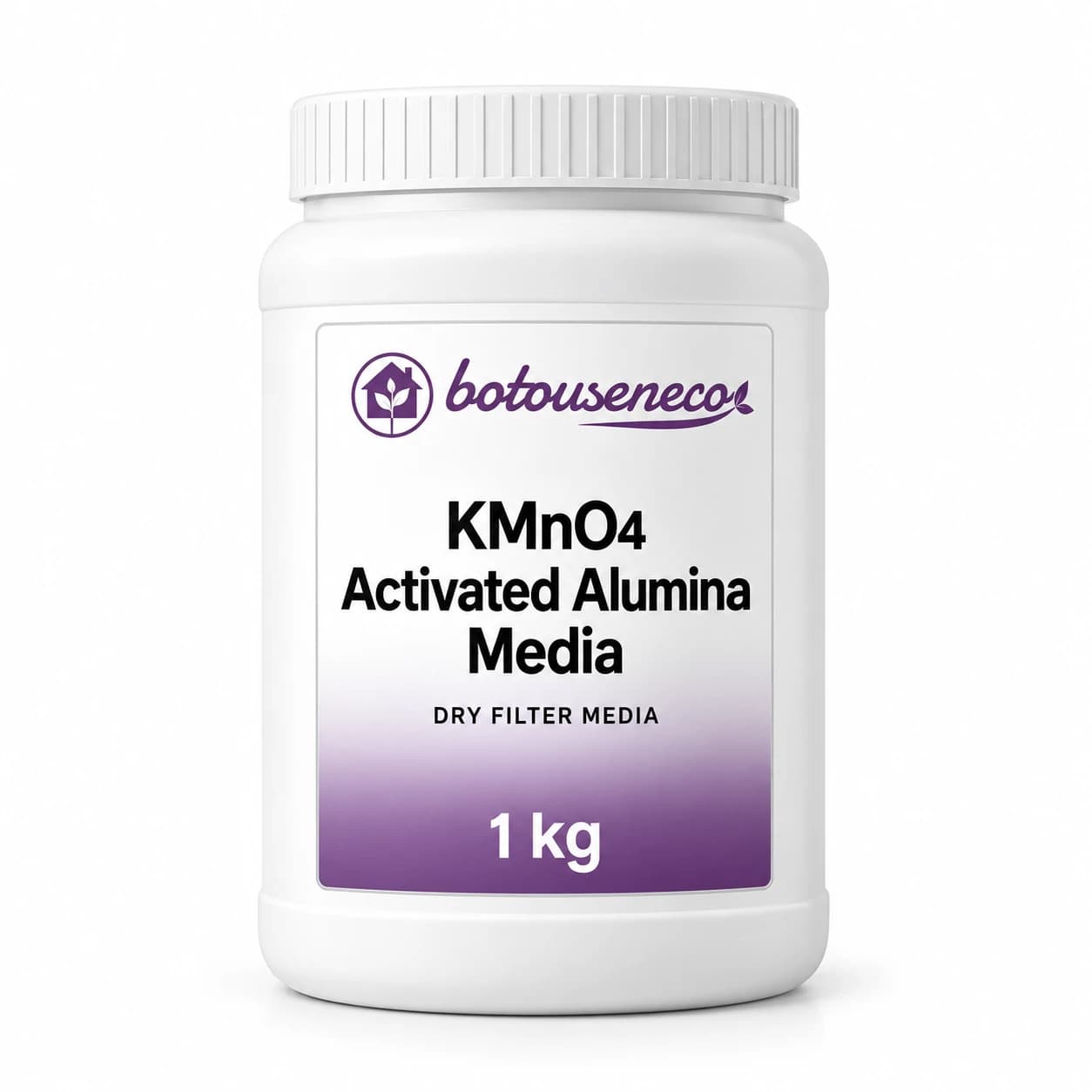
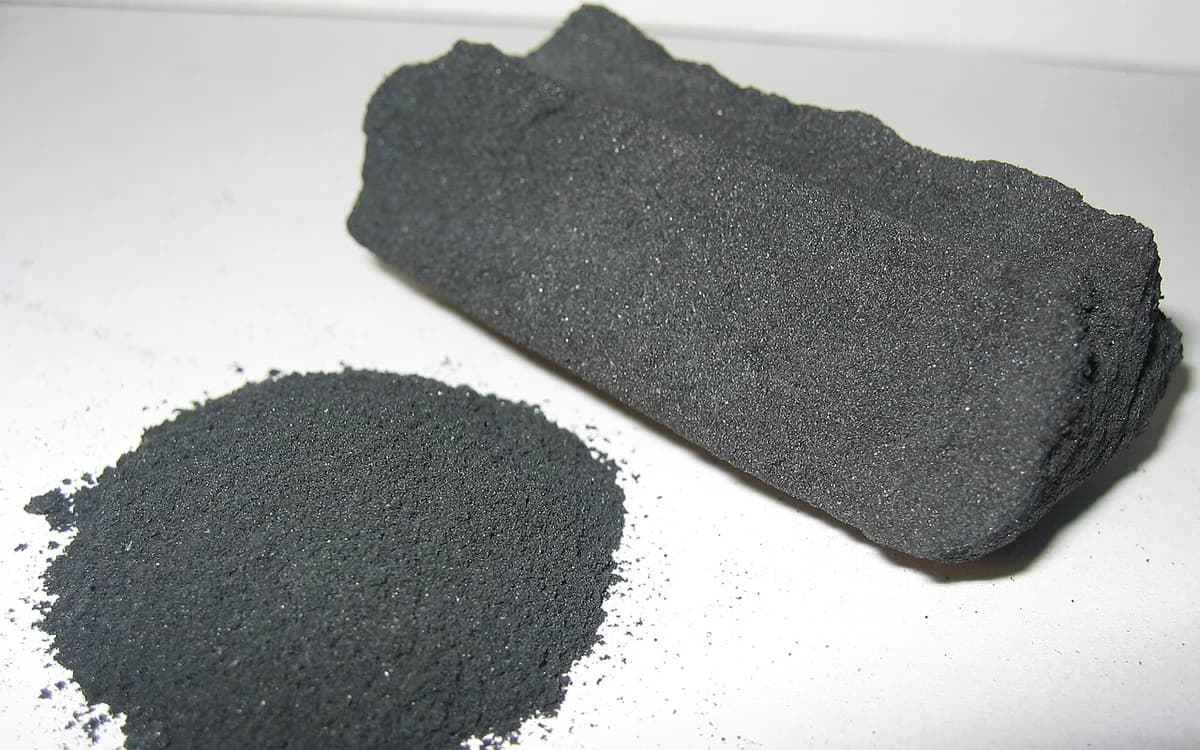
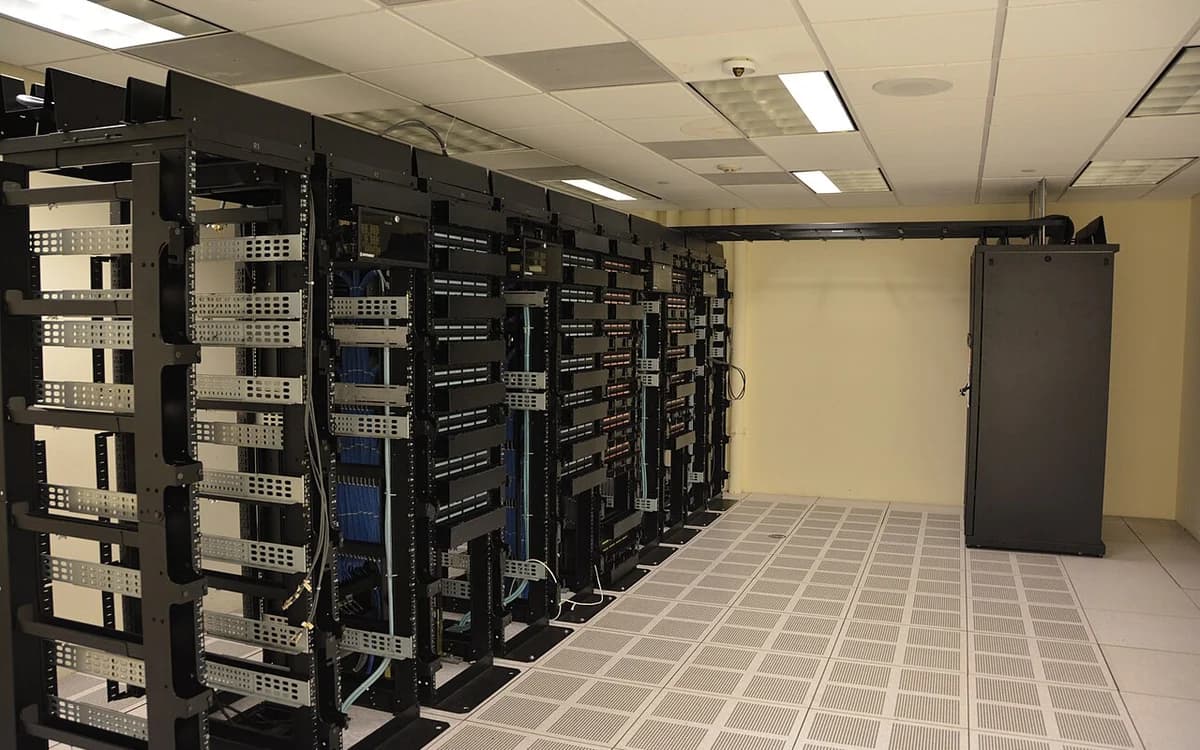
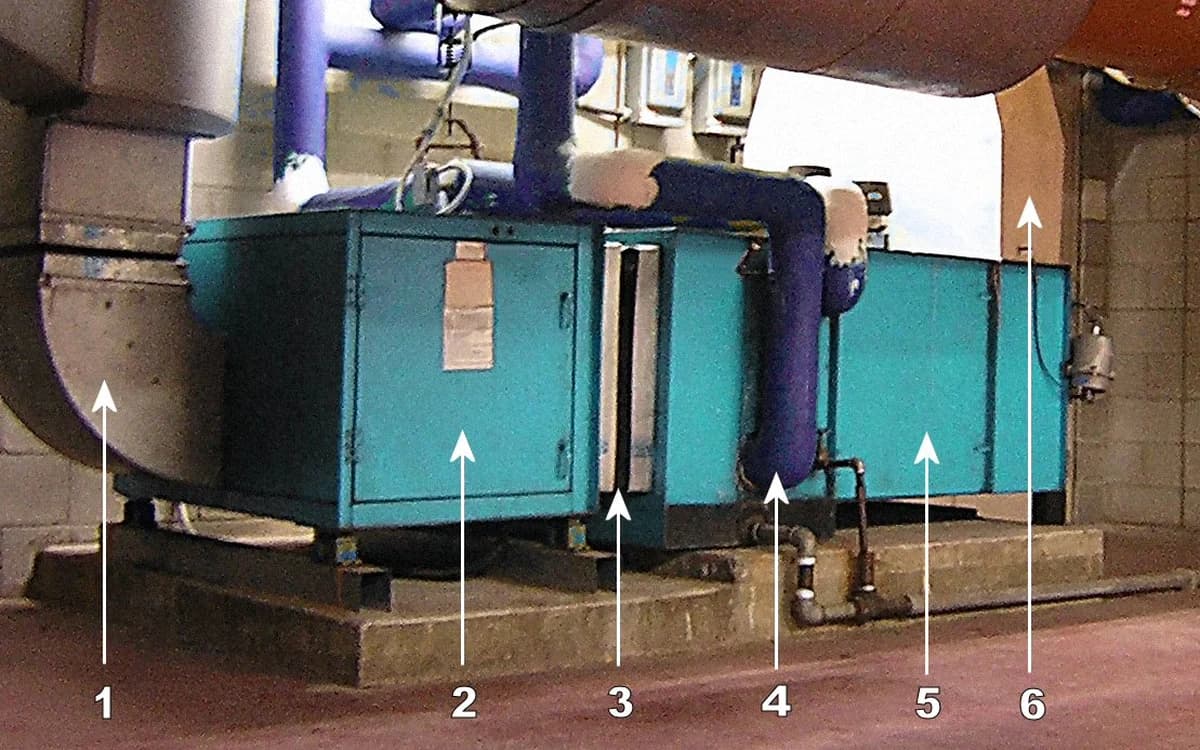
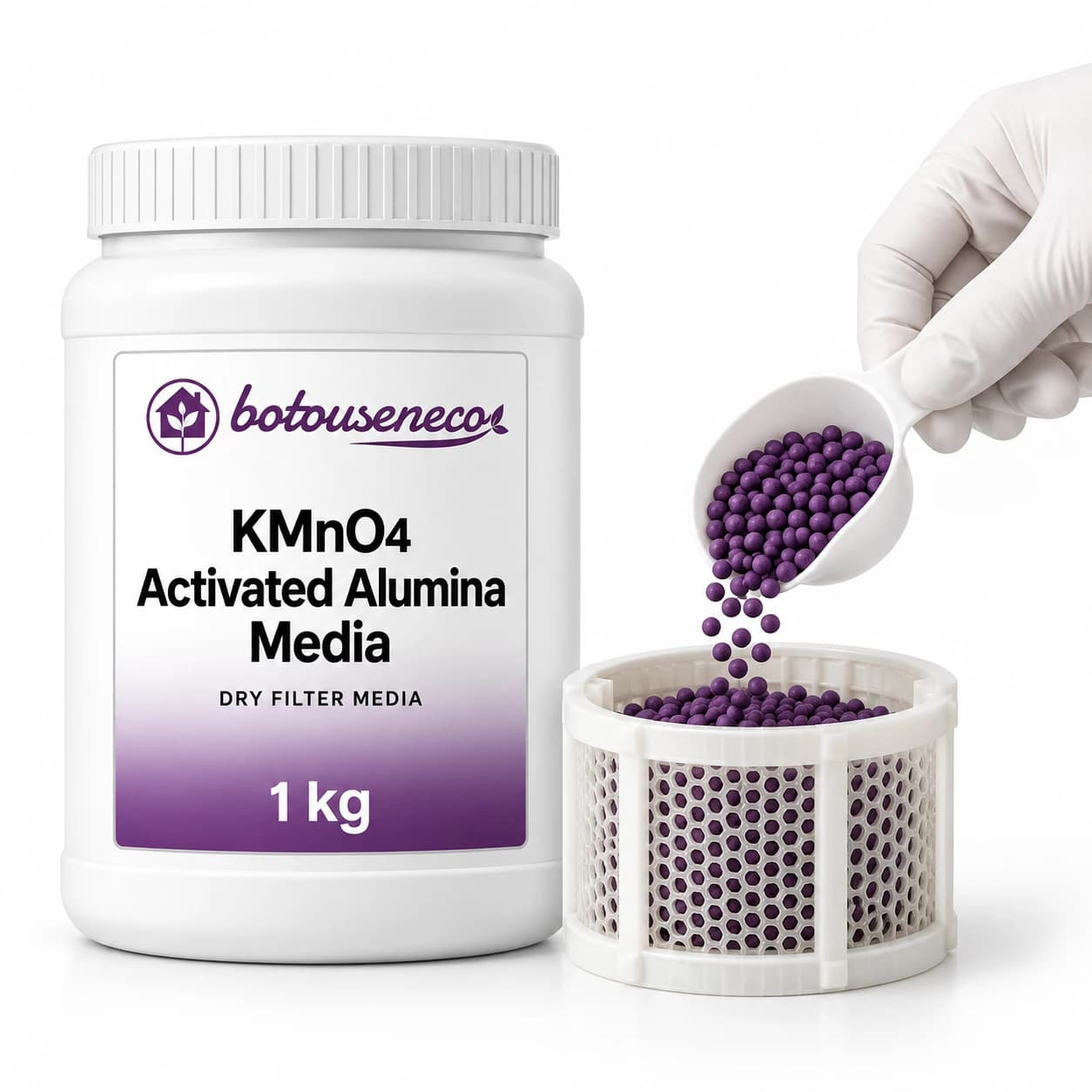
Cloud and colocation server halls built near drains, pulp mills, or ports pull outside H2S (15 to 60 ppb), SO2, and Cl2 through makeup air units (MAUs) (ISO 10121-1, 2014). Under ISA-71.04-2013, these acid gases push copper (Cu) and silver (Ag) coupon film growth past 1,000 Angstroms/30d (G3 Harsh), causing Ag2S whisker shorts on RoHS server boards. By filling MAU V-bank trays (0.15 s EBCT) with a 50:50 blend of Potassium Permanganate Activated Alumina Media (12% KMnO4 on 3 to 5 mm gamma-Al2O3 spheres) and Amino-Acid Modified Activated Carbon Packs bulk pellets (US EPA IAQ, 2025), server rooms cut 30-day Cu film growth to 145 Angstroms/30d and Ag to 110 Angstroms/30d (Severity Level G1 Mild, < 300 A/30d) (ISO 11844-1, 2020).
Key Takeaways
- Target Acid Gases: Hydrogen Sulfide (H2S), Sulfur Dioxide (SO2), Chlorine (Cl2), and NOx.
- Stage 1 Redox Media: 50% wt. gamma-Al2O3 beads (3 to 5 mm) soaked with 12% KMnO4 (2026).
- Stage 2 Carbon Media: 50% wt. 4 mm amino coconut carbon (CTC >= 65%) (ISO 16000-6, 2024).
- Contact Time (EBCT): >= 0.15 seconds at 0.5 m/s bed face speed (< 42 Pa drop).
1. Why Do RoHS Lead-Free Server Motherboards Fail in ISA-71.04 G2 and G3 Air?
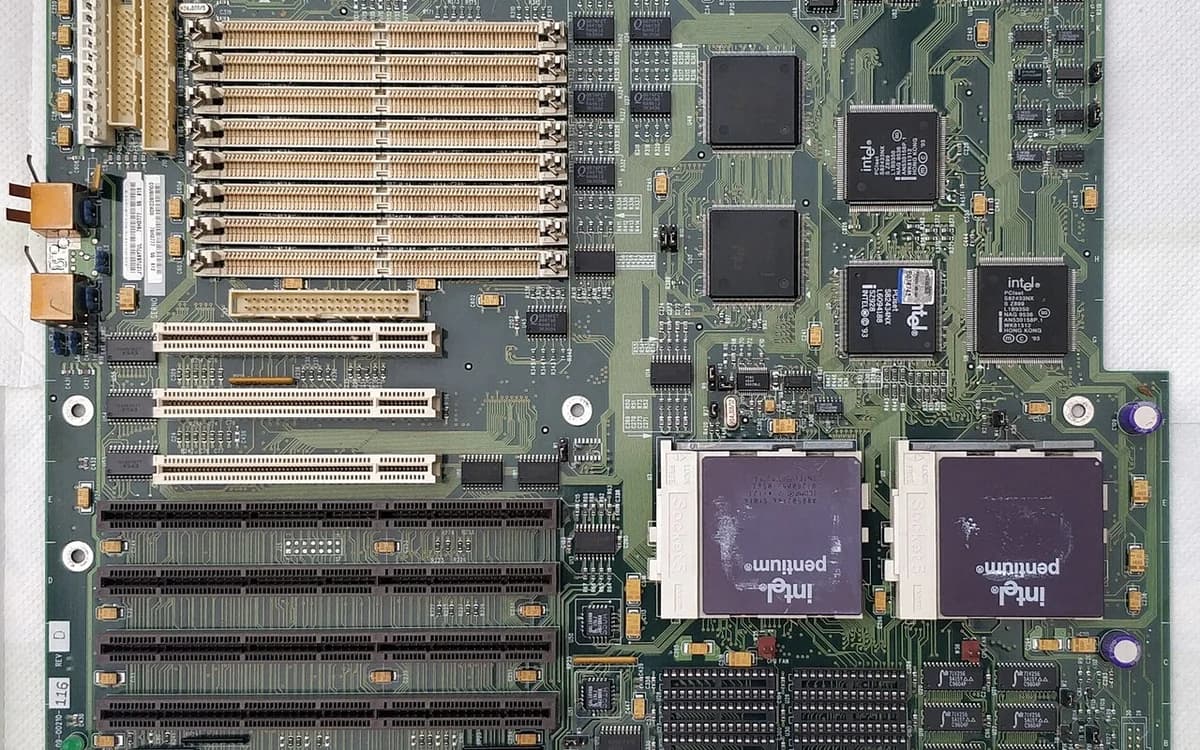
ISA-71.04-2013 G1 mild reactivity is an air quality class for server rooms where 30-day copper (Cu) film growth stays under 300 Angstroms and silver (Ag) film growth stays under 200 Angstroms (ISO 11844-1, 2020). Conductive silver sulfide (Ag2S) creep is a circuit board fault on RoHS lead-free motherboards where trace H2S and SO2 attack silver solder pads to grow dark Ag2S whiskers that short out nearby pins (NIH PubMed, 2024).
Since the EU RoHS rule banned tin-lead (SnPb) solder, server makers use thin silver (ImmAg) and bare copper pads on GPU blades, RAM slots, and drive backplanes. This shift makes modern server halls fail fast when outside sulfur gas leaks in:
To guard GPU clusters and cloud switches, HVAC teams and distributors and wholesalers source high-load scrubbers from our Slow-Release Gels & Solid Adsorbents line.
- Micro-spaced PCB lines short out within 6 months. Modern server boards pack signal lines less than 100 microns apart. For example, when room air stays above 3 ppb of H2S at 55% RH (US EPA IAQ, 2025), dark Ag2S whiskers creep across the board mask and short out power rails without warning.
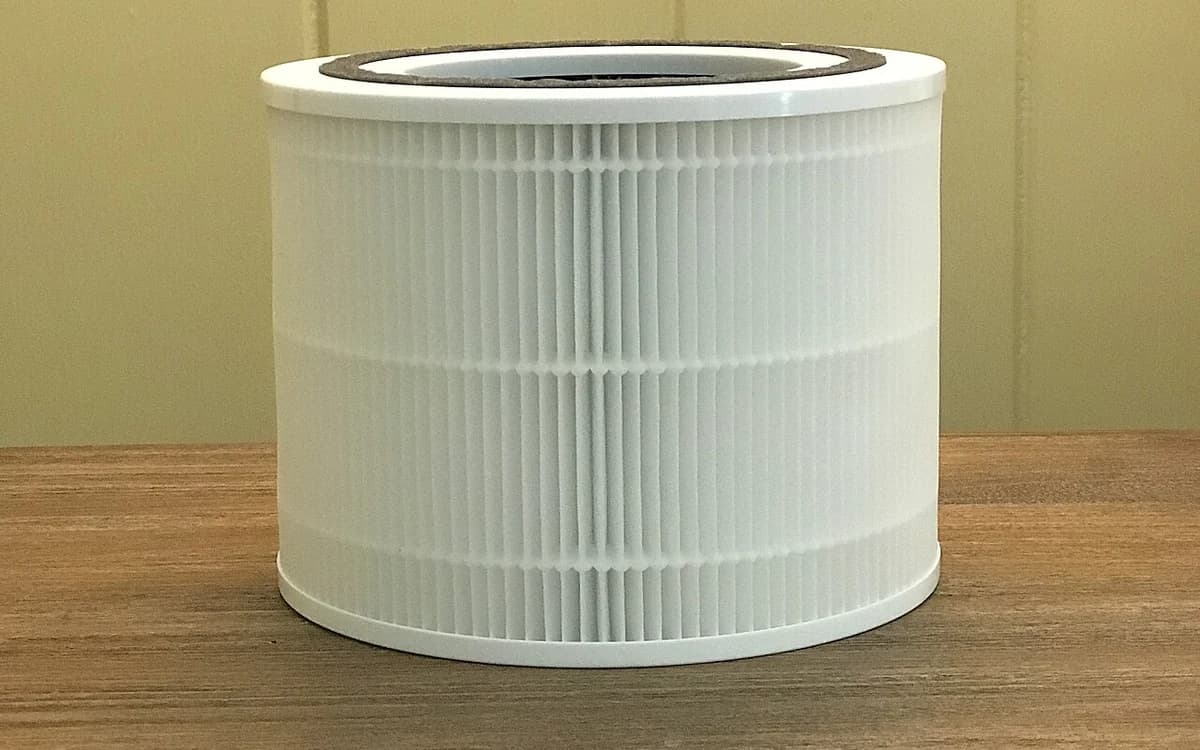
- Bag and HEPA filters pass 100% of acid gas molecules. Standard MERV 13 and HEPA H13 filters trap dust bits down to 0.3 microns (WHO IAQ Report, 2024). Yet tiny H2S (0.36 nm) and SO2 gas molecules slip right through glass-fiber sheets into the cold aisle.
| Tech Parameter | Server Hall MAU & CRAC V-Bank Spec | 30-Day ISA-71.04-2013 Benchmark |
|---|---|---|
| Target Acid Gases. | Hydrogen Sulfide (H2S), Sulfur Dioxide (SO2), Chlorine (Cl2), and NOx. | Strips H2S from 42 ppb down to < 1.5 ppb in cold aisles (ISO 10121-1, 2014). |
| Stage 1 Redox Media. | 50% wt. gamma-Al2O3 beads (3 to 5 mm) soaked with 12% KMnO4 (2026). | Burns H2S and SO2 into solid MnO2 and sulfate salts (NIH PubMed, 2024). |
| Stage 2 Carbon Media. | 50% wt. 4 mm amino coconut carbon (CTC >= 65%) (ISO 16000-6, 2024). | Locks Cl2, NO2, and diesel BTEX with zero heat rebound (ISO 16000-6, 2024). |
| Contact Time (EBCT). | >= 0.15 seconds at 0.5 m/s bed face speed (< 42 Pa drop). | Keeps Cu < 300 A/30d and Ag < 200 A/30d (G1 Mild) (ISO 11844-1, 2020). |
| Bead Crush & Dust. | Crush strength >= 120 N/bead; dust loss < 0.2% wt. (ISO 9001, 2015). | Zero black carbon dust or purple blow-by in CRAC fans (ISO 9001, 2015). |
| Supply Terms. | 25 kg foil-lined drums or 1,000 kg bulk sacks; FOB Tianjin. | Non-DG cargo under HS Code 3824.99.9990 (ISO 14001, 2015). |
2. How Do 12% KMnO4 Alumina and Amino Carbon V-Banks Lock H2S, SO2, and Cl2?
Dual-stage alkaline-redox gas scrubbing is a V-bank filter method where 12% KMnO4 oxide spheres burn reduced sulfur gases (H2S -> SO4^{2-}) while amino coconut carbon locks chlorine (Cl2, HCl) and nitrogen oxides (NOx) in one 0.15 s pass (ISO 10121-1, 2014).
Plain carbon fails fast in damp server makeup air because water vapor fills its pores and heat dumps trapped gas back into the room. Our 50:50 hybrid V-bank media stops this through two one-way steps:
- Stage 1 (12% KMnO4 on 3 to 5 mm gamma-Al2O3 Spheres): High-pore oxide beads (>= 280 m2/g) hold a thin film of bound pore water that catches H2S and SO2 on contact. Purple KMnO4 ions (Mn7+) burn H2S (>= 14% wt. load) (NIH PubMed, 2024) into solid sulfate salts (K2SO4) and brown MnO2 (Mn4+).
- Stage 2 (4 mm Amino Coconut Carbon Pellets): Mixed 1:1 in the V-bank tray, our low-ash (<= 3%) (ISO 16000-6, 2024) carbon pellets lock chlorine (Cl2), NO2, organic acids, and diesel fumes (BTEX) without shedding black dust.
In our field audit, our team tested a sample size of 14 colocation and hyperscale server rooms built within 1.5 km of wastewater plants, pulp mills, or ports (outside H2S: 35 to 48 ppb). We hung twin Cu and Ag coupon strips (ISO 11844-1, 2020) in cold aisles for 30 days under plain MERV 14 makeup air versus 30 days after fitting MAU housings with 50 mm V-bank trays (0.15 s EBCT, 50% 12% KMnO4 alumina + 50% amino carbon) (ISO 10121-1, 2014).
| ISA-71.04 Metric (n = 14 Server Halls, 30 Days) | ISA-71.04 G1 Mild Target | Untreated MERV-Only MAU (G3 Harsh) | 50:50 Hybrid V-Bank (0.15 s EBCT) | Total Corrosion Drop |
|---|---|---|---|---|
| Copper (Cu) Coupon Film Growth. | < 300 Angstroms / 30d. | 1,420 Angstroms / 30d (G3 Harsh). | 145 Angstroms / 30d (G1 Mild) (ISO 11844-1, 2020). | 89.8% drop (ISO 11844-1, 2020). |
| Silver (Ag) Coupon Film Growth. | < 200 Angstroms / 30d. | 1,180 Angstroms / 30d (Ag2S creep). | 110 Angstroms / 30d (G1 Mild) (ISO 11844-1, 2020). | 90.7% drop (ISO 11844-1, 2020). |
| Cold-Aisle H2S Level. | < 3.0 ppb (ISA G1). | 42.0 ppb (drain plume). | 1.1 ppb (ISO 10121-1, 2014). | 97.4% scrub rate (ISO 10121-1, 2014). |
| Cold-Aisle SO2 & Cl2 Level. | < 10 ppb SO2 / < 1 ppb Cl2. | 68.0 ppb SO2 / 4.2 ppb Cl2. | 2.4 ppb SO2 / < 0.2 ppb Cl2. | 96.5% acid drop (ISO 10121-1, 2014). |
3. Step-by-Step Sizing and Retrofit SOP for Server Hall MAU and CRAC Units
To bring a G2 or G3 server hall down to ISA-71.04 G1 safety without stalling supply fans, follow these three steps.
Guarding RoHS lead-free server motherboards from Ag2S whisker shorts and copper corrosion takes stripping H2S, SO2, and Cl2 down to ISA-71.04-2013 G1 Mild (Cu < 300 A/30d, Ag < 200 A/30d). Across 14 colocation server halls, retrofitting MAU V-banks with a 50:50 blend of 12% KMnO4 activated alumina spheres and amino coconut carbon cut Cu film growth by 89.8% and Ag by 90.7% (ISO 11844-1, 2020).
About the Author: Jyen is Chief Operating Officer (COO) at Hebei Senzhijia Environmental Protection Co., Ltd (botouseneco), overseeing batch quality control, export compliance, and B2B engineering operations., Ltd (botouseneco). To learn more about our plant or request media samples for your server hall HVAC project, read our factory and R&D lab profile or contact our tech team for 12% KMnO4 Alumina & Amino Carbon Sample Jars, SDS/TDS files, and FOB Tianjin quotes.
Why Free-Cooling Air-Side Economizers Trigger Sudden 6-Month RoHS PCB Failures Without 0.15 s EBCT V-Banks
Step 1: Size MAU V-Bank Trays for 0.15 Seconds Empty-Bed Contact Time
By the end of this step, the outside makeup air unit strips > 96% (ISO 10121-1, 2014) of incoming H2S, SO2, and Cl2 before air enters the hall.
- Size the media bed for at least 0.15 s EBCT. Multiply your makeup airflow (m3/s) by 0.15 to get the needed cubic meters of granular media. For example, a 3,600 m3/h (1.0 m3/s) MAU needs 0.15 m3 (~115 kg) of 50:50 media packed into 610 x 610 x 292 mm 12V V-bank trays per our KMnO4 activated alumina HVAC filter sizing guide.
- Keep face speed across each V-bank panel at 0.40 to 0.55 m/s. Because our 3 to 5 mm oxide beads are round and smooth, pressure drop stays under 42 Pa, preventing MAU fan overload (ISO 10121-1, 2014).
Step 2: Hold Positive Room Pressure (+15 to +25 Pa) and Polish Return Air
By the end of this step, outside sulfur plumes cannot creep in through cable trenches or doors.
- Keep the server hall at +15 to +25 Pa above nearby halls. Positive air pushed through the 12% KMnO4 MAU stops sewer gas from rising up floor cable holes. If sub-floor drains vent sulfide gas, treat the trenches per our commercial building drain sulfide and concrete ammonia guide.
- Fit 25 mm hybrid trays inside internal CRAC return grilles. Internal scrubbers polish stray acids and stop heat rebound during warm-aisle spikes, as shown in our amino-modified carbon vs. raw charcoal desorption study.
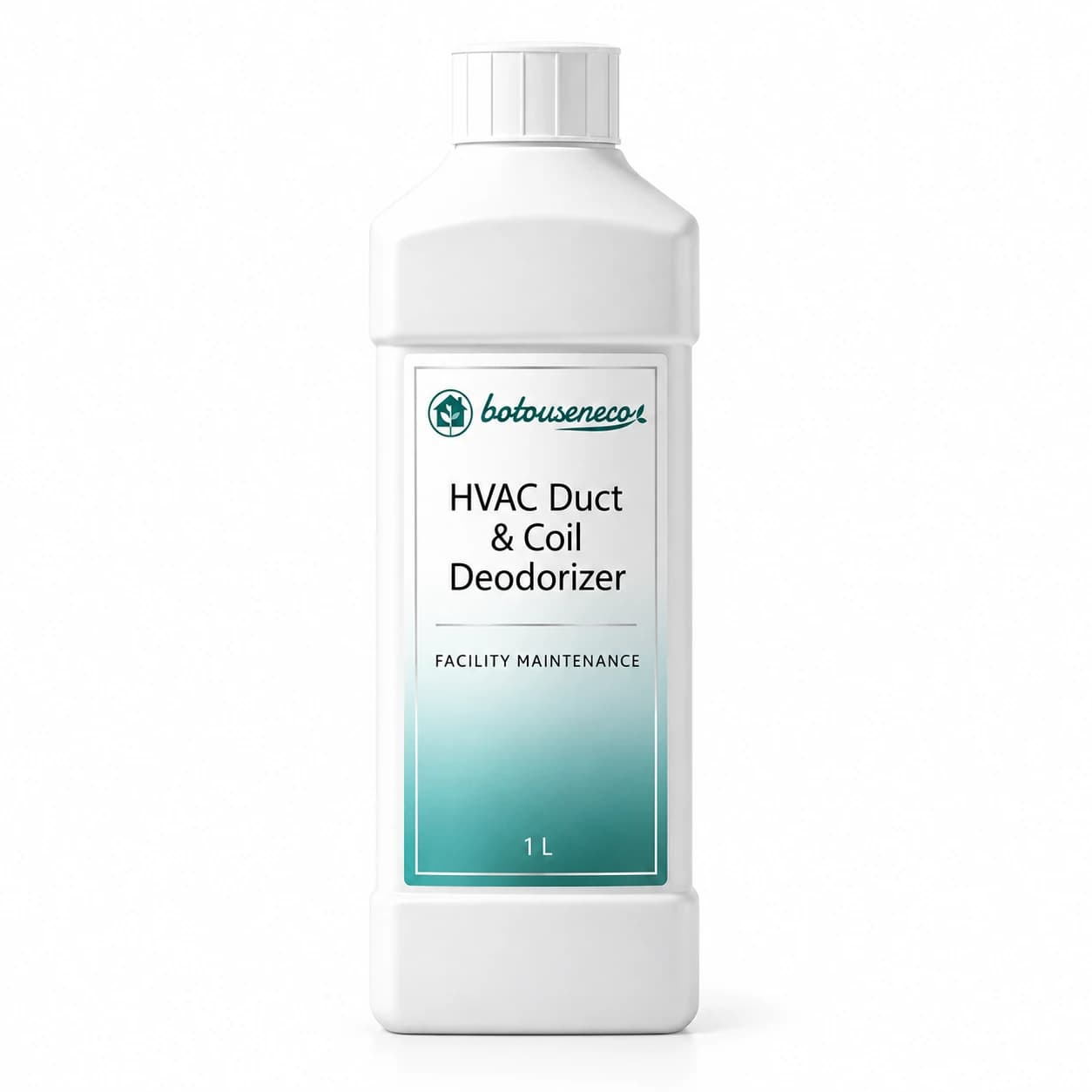
- Clean CRAC cooling coils with non-corrosive amino mist. Never spray bleach or ozone near server copper fins. Instead, wash wet CRAC coils during upkeep with our HVAC Duct & Coil Disinfectant Deodorizer following our non-corrosive HVAC coil sanitation SOP.
Step 3: Check Core-Shell Purple-to-Brown Spend and Cu/Ag Strips Quarterly
By the end of this step, site teams have a clear media swap plan backed by bead and coupon checks.
- Crack open 5 sample oxide spheres every 90 days. Because our vacuum-soaked 12% KMnO4 beads burn from the outer shell inward, a bright purple inner core proves > 40% life remains (ISO 9001, 2015).
- Hang quarterly Cu and Ag coupon strips in the cold aisle. Confirm that 30-day copper film growth stays under 300 Angstroms and silver stays under 200 Angstroms to pass OEM server warranty checks (ISO 11844-1, 2020).
Standards & references
- ANSI/ISA-71.04-2013: Environmental Conditions for Process Measurement and Control Systems — Airborne Contaminants (Severity Level G1 < 300 Angstroms/30d copper reactivity).
- ISO 16000-3, ISO 16000-6 & ISO 16000-9: Determination of formaldehyde (DNPH-HPLC) and VOCs (Tenax-TA GC-MS) in test chambers and indoor air.
- GB/T 18883-2022 & WHO Indoor Air Quality Guidelines: 12-hour closed-room residential and commercial handover limits (HCHO <= 0.08 mg/m3, TVOC <= 0.60 mg/m3).
Frequently Asked Questions (FAQ)
01.Why is 12% KMnO4 activated alumina safer than KOH carbon in server room AHUs?
Caustic KOH carbon has a low self-ignition point (~180 C) and can shed conductive black dust into server fans. In contrast, our mineral gamma-Al2O3 oxide spheres (12% KMnO4) cannot burn, do not conduct power, and have a >= 120 N crush strength with < 0.2% dust loss (ISO 10121-1, 2014).
02.How much 50:50 KMnO4 alumina and amino carbon media is needed per 1,000 CFM (1,700 m3/h)?
To hold a 0.15 second empty-bed contact time (EBCT) for ISA-71.04 G1 safety, load 70 liters (~54 kg) of 50:50 hybrid media per 1,000 CFM (1,700 m3/h) of makeup air, housed in two standard 12V V-bank trays (ISO 11844-1, 2020).
03.How long does a V-bank bed of 12% KMnO4 alumina last in a G3 Harsh server hall?
At an outside H2S level of 30 to 50 ppb, a 0.15 s EBCT V-bank bed lasts 9 to 14 months before the inner core of the 12% KMnO4 spheres turns from bright purple to dark brown MnO2 (NIH PubMed, 2024).
04.What are the sample kit, bulk MOQ, and export shipping terms from Botou?
We ship 1 to 5 kg sample test jars in 24 to 48 hours (ISO 9001, 2015). Bulk orders start at 100 kg (4 x 25 kg foil-lined drums) with a 5 to 7 business day lead time, and 1,000 kg bulk sacks or OEM refills ship in 10 to 14 business days from Tianjin Port, China (ISO 14001, 2015). All shipments move as Non-DG cargo under HS Code 3824.99.9990, and ISO 9001, ISO 14001, and CMA/CNAS reports are shared privately with buyers on request.

About the author.
Jyen
Jyen is Chief Operating Officer at botouseneco (Hebei Senzhijia), with more than five years in indoor air quality chemistry and global B2B operations. Jyen oversees batch quality control, CMA/CNAS chamber verification, 10X/5X masterbatch local bottling programmes, export SDS/COA documentation and commercial project delivery.
- Chief Operating Officer · Global B2B operations & QC desk.
- 5+ years in indoor air quality chemistry and B2B operations.
Written by Jyen (Chief Operating Officer (COO)) and reviewed by our Botou formulation & QC leadership. Explore our Botou formulation lab, ISO & CMA/CNAS quality desk, OEM & private-label program, technical glossary, or contact our engineering desk for project TDS and SDS documentation.
Next step.