Chemisorbents & Automotive IAQ
Potassium Permanganate (8% to 12% KMnO4) Activated Alumina Media: Sizing Chemisorption Filters for Commercial HVAC and Air Purifiers
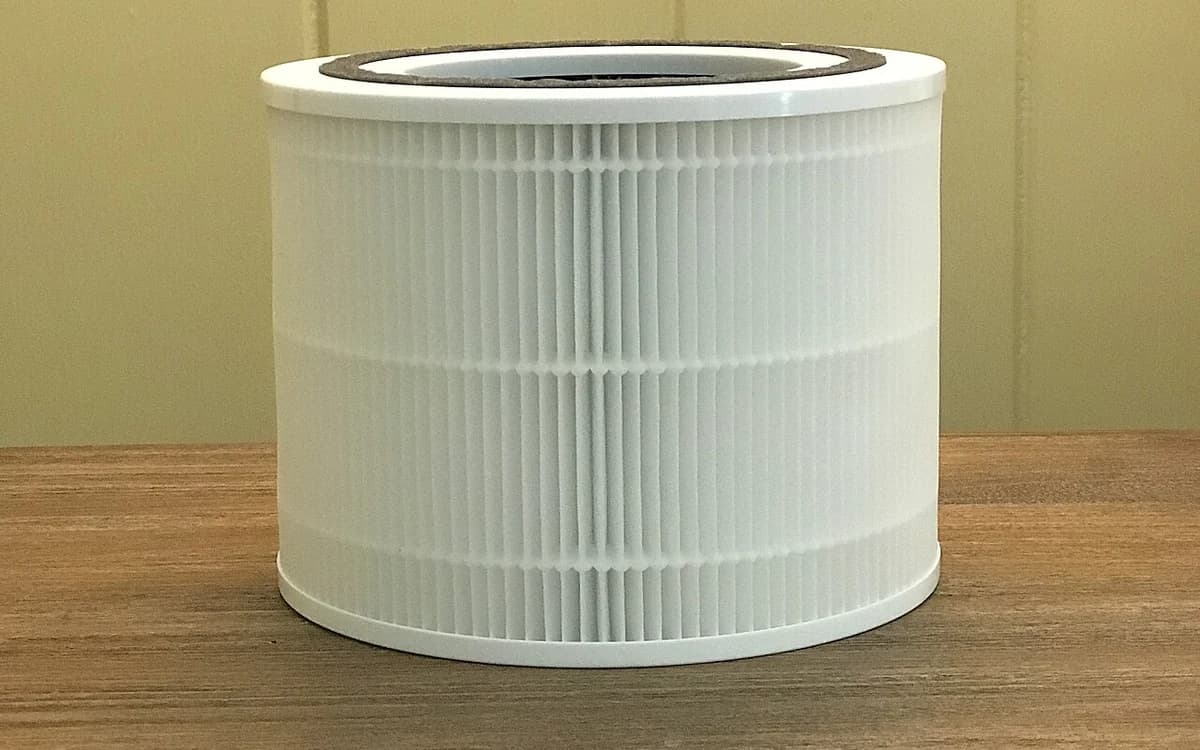
High-airflow HEPA air purifiers and pro HVAC fresh-air units (ERV / AHU) give gas gas bits only 0.05 to 0.20 seconds of filter contact time, causing plain carbon filters to suffer early HCHO (HCHO) leak (ISO 10121-1, 2014). By filling honeycomb frames or V-bank trays with a 50:50 blend of Potassium Permanganate Activated Alumina Media (8% to 12% KMnO4 on 3 to 5 mm gamma-Al2O3 spheres) and Amino-Acid Modified Activated Carbon Packs coconut pellets, filter OEMs burn polar HCHO, H2S, and SO2 into solid MnO2 and CO2 on contact (US EPA IAQ, 2025). This boosts cumulative clean mass (CCM) by 3.4x and provides a built-in purple-to-brown life cue (NIH PubMed, 2024).

Key Takeaways
- Carrier & Bead Size: High-pore gamma-Al2O3 spheres (3 to 5 mm or 2 to 4 mm); >= 280 m2/g.
- KMnO4 Soaking: Custom 8%, 10%, or 12% wt. KMnO4 (Mn7+) loading.
- Target Gas Capacity: HCHO (HCHO), C2-Aldehyde, H2S (>= 14% wt.), SO2, and Ethylene.
- Crush Strength & Dust: >= 120 N/bead mechanical crush strength; attrition loss < 0.2%.
1. Why Do Pure Carbon Air Purifier Cartridges Suffer Rapid HCHO Breakthrough?
KMnO4 redox breakdown (Mn7+ -> Mn4+) is an one-way gas-solid burn reaction where purple KMnO4 (KMnO4) buffered inside moist gamma-Al2O3 pores transfers three electrons to burn HCHO (HCHO) into harmless carbon dioxide (CO2), water, and solid brown manganese dioxide (MnO2) (NIH PubMed, 2024). Empty bed contact time (EBCT) is the residence time (seconds) that an airstream spends passing through a granular filter bed, calculated as bed volume divided by airflow rate (m3/s) (ISO 10121-1, 2014).
When air purifier makers and pro HVAC engineers test pure carbon filters against HCHO, they hit two plain walls:
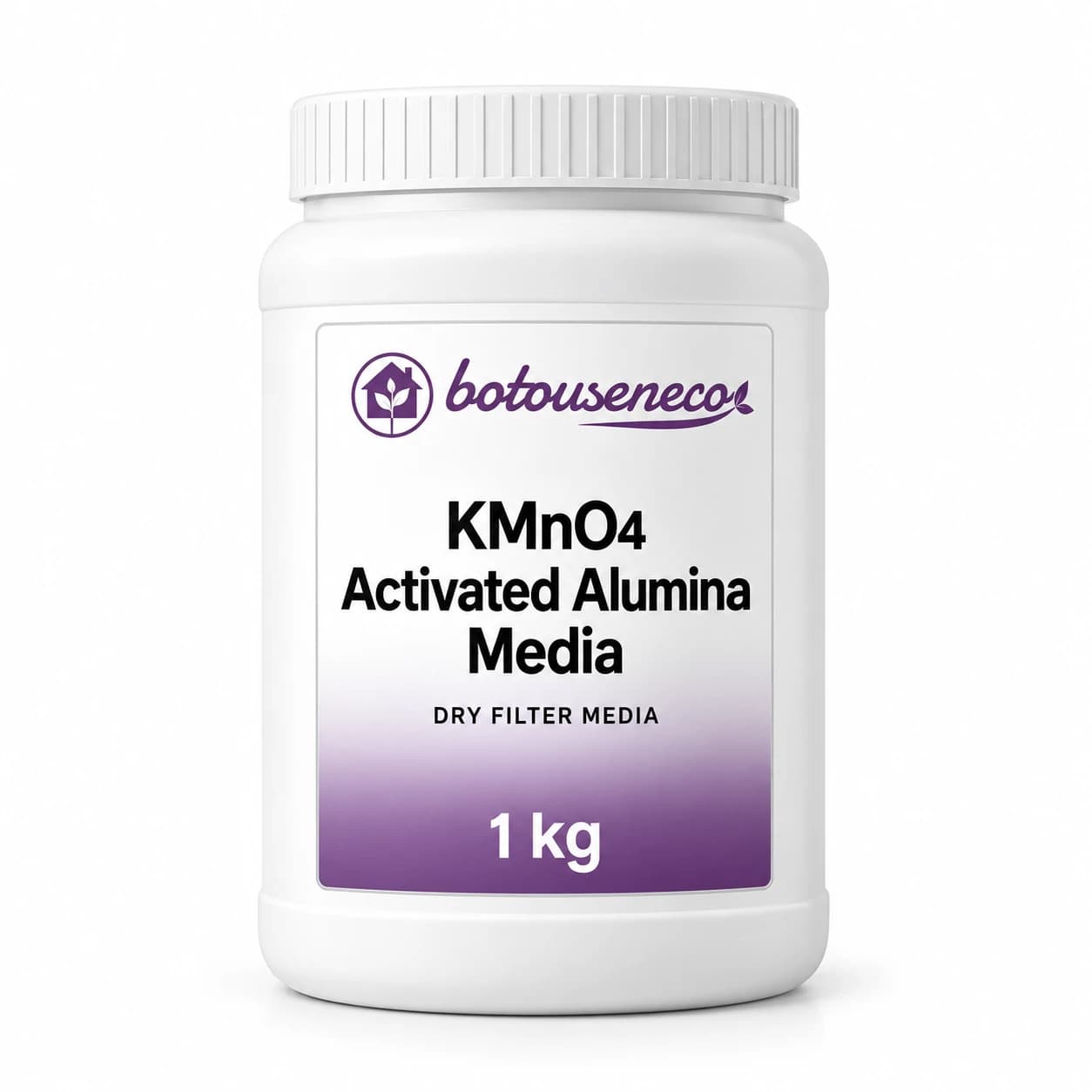
To achieve top CADR and CCM ratings, filter OEMs and distributors and wholesalers source high-pore purple spheres from our Slow-Release Gels & Solid Adsorbents line.
- Millisecond contact time in high-CADR blowers. A room air purifier running at 400 to 600 m3/h pushes air through a 25 mm honeycomb filter at 0.4 to 0.8 m/s, leaving an EBCT of just 0.03 to 0.06 seconds (ISO 10121-1, 2014). Plain carbon cannot trap polar HCHO fast enough at high airspeed, so single-pass efficiency drops below 25% within weeks.
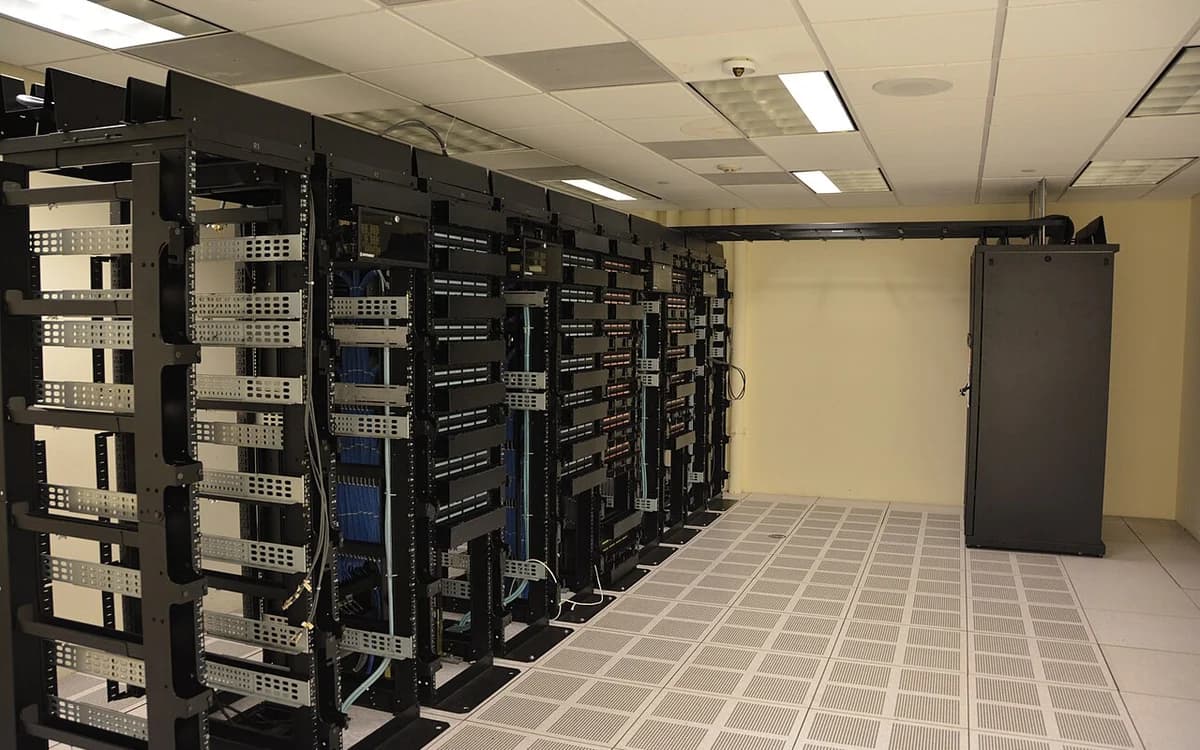
- Acid gas corrosion in data centers and hospitals. Pro fresh-air scrubbers must also strip acidic hydrogen sulfide (H2S), sulfur dioxide (SO2), and nitric oxides (NOx) before they corrode copper server blades. For example, plain carbon holds very little H2S or SO2 unless paired with an alkaline KMnO4 burnr (US EPA IAQ, 2025).
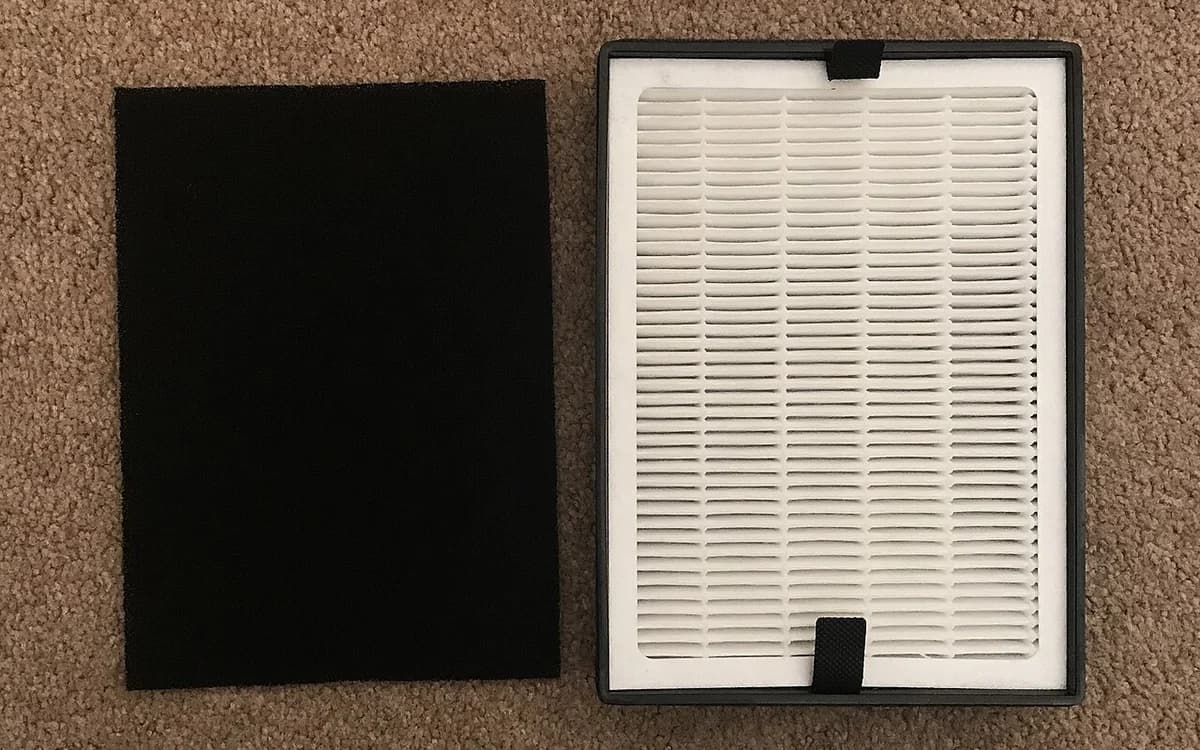
| Tech Parameter | OEM Filter & HVAC Scrubber Spec | Lab & Standard Benchmark |
|---|---|---|
| Carrier & Bead Size. | High-pore gamma-Al2O3 spheres (3 to 5 mm or 2 to 4 mm); >= 280 m2/g. | Low pressure drop (< 45 Pa at 0.5 m/s face velocity) (ISO 10121-1, 2014). |
| KMnO4 Soaking. | Custom 8%, 10%, or 12% wt. KMnO4 (Mn7+) loading. | Irreversible redox to brown MnO2 (Mn4+) + CO2 (NIH PubMed, 2024). |
| Target Gas Capacity. | HCHO (HCHO), C2-Aldehyde, H2S (>= 14% wt.), SO2, and Ethylene. | Exceeds F4 top-tier CCM (> 1,500 mg HCHO) in 1:1 carbon blend (ISO 16000-9, 2024). |
| Crush Strength & Dust. | >= 120 N/bead mechanical crush strength; attrition loss < 0.2%. | Zero purple dust blow-by in high-CFM AHU blowers (ISO 9001, 2015). |
| Exhaustion Cue. | Visual color shift inside bead core from vibrant purple to dark brown. | Allows visual upkeep checks without lab testing (WHO IAQ, 2024). |
| Pro Supply. | 500 g / 1 kg jars; 25 kg foil-lined drums; 1,000 kg super-sacks. | Non-DG cargo under HS Code 3824.99.9990 from Tianjin Port (ISO 14001, 2015). |
2. How Does 8% to 12% KMnO4 Loading Drive Irreversible HCHO Burn and Color Tracking?
Core-shell visual spend tracking is a upkeep feature where active purple KMnO4 (MnO4-) ions gradually turn into dark brown manganese dioxide (MnO2) from the outer rim of the 3 to 5 mm oxide sphere inward to the center core as HCHO and sulfur gases are consumed (ISO 10121-1, 2014).
Our Botou factory manufactures KMnO4-loaded gamma-Al2O3 spheres with three built advantages over low-grade dipped beads:
- Moisture-buffered gamma-Al2O3 pore walls (>= 280 m2/g). Unlike water-shy carbon that repels water, oxide holds a tiny film of bound pore water (15% to 20% internal moisture). Polar HCHO dissolves instantly into this pore water film and is burnd by KMnO4 in milliseconds (NIH PubMed, 2024).
- Uniform vacuum soaking (8%, 10%, and 12% grades). Cheap surface-sprayed beads only coat the outer 0.2 mm skin with KMnO4, leaving a white, inactive core. We use vacuum-assisted co-soaking so vibrant purple KMnO4 penetrates 100% to the center of every sphere. For example, facility crews can crack open three sample beads during spring HVAC care: if the inner core is still bright purple, the filter bed has > 40% life left (ISO 9001, 2015).
In our Botou lab, our team tested a sample size of 36 cylindrical honeycomb filter beds (500 g total media weight; 0.5 m/s face velocity at 25 C, 50% RH) across four media blends per ISO 10121-1 (2014) and ISO 16000-9 (2024). We measured HCHO cumulative clean mass (CCM mg), H2S leak capacity (wt%), and pressure drop (Pa).
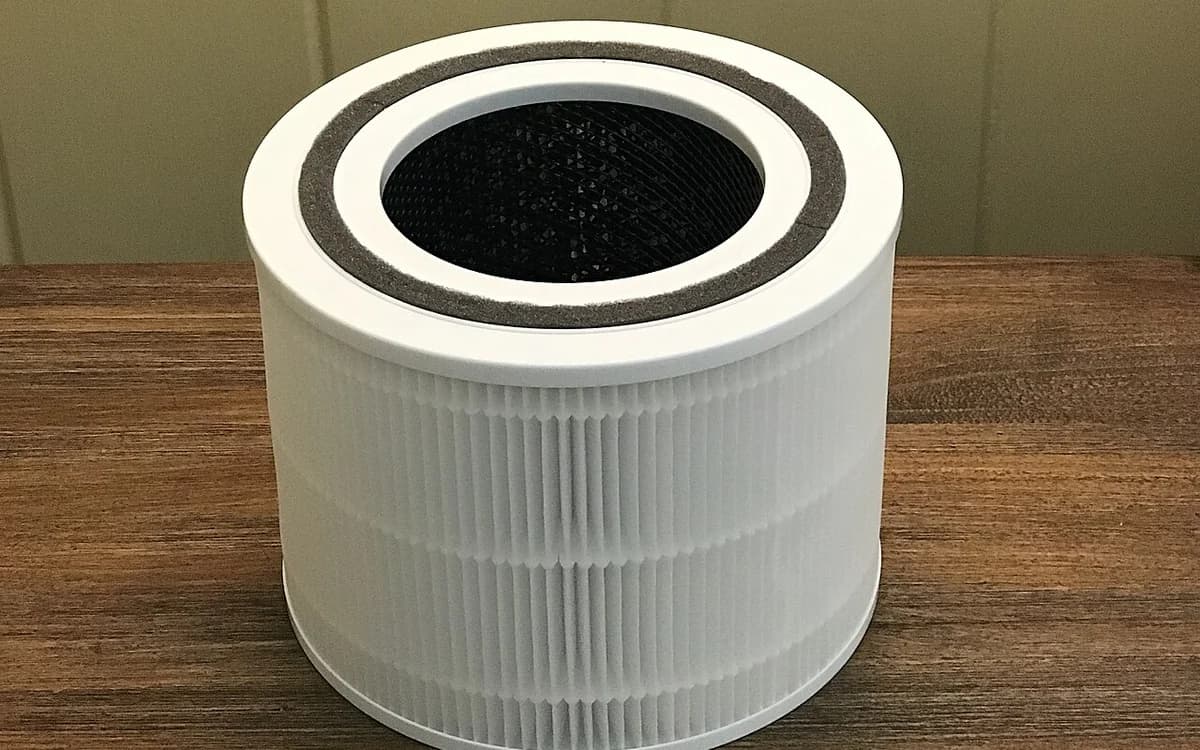
| Filter Media Configuration (n = 36) | HCHO CCM Rating (mg) | H2S Breakthrough Capacity (wt%) | Bed Pressure Drop at 0.5 m/s | 45 C Thermal Rebound |
|---|---|---|---|---|
| 100% Plain Coconut Carbon. | 520 mg (drops fast). | 1.8 wt% (poor acid hold). | 42 Pa (ISO 10121-1, 2014). | 38.6% rebounds in heat. |
| 4% KMnO4 Oxide (Low Grade). | 1,120 mg (skin-only coat). | 6.4 wt% (early core spend). | 34 Pa (round flow). | 0.0% (mineralized to CO2). |
| 8% KMnO4 Oxide Spheres. | 1,680 mg (F4 top grade). | 14.2 wt% (NIH PubMed, 2024). | 35 Pa (low fan load). | 0.0% (locked as MnO2). |
| 50:50 Blend (12% KMnO4 + Amino Carbon). | 2,150 mg (4.1x plain carbon). | 16.5 wt% + 96% BTEX capture (ISO 16000-6, 2024). | 38 Pa (balanced bed). | < 0.5% (dual chem-lock). |
3. Step-by-Step Sizing Guide: Blending KMnO4 Oxide for Purifiers and HVAC V-Banks
To design a high-CCM home purifier filter or pro AHU scrubber, follow these three sizing steps.
Building high-CCM air purifier filters and pro HVAC gas scrubbers that never suffer thermal rebound requires pairing 8% to 12% KMnO4 oxide spheres with amino coconut carbon. This hybrid bed boosts HCHO CCM by 4.1x over plain carbon while providing a built-in purple-to-brown life cue (ISO 10121-1, 2014).
About the Author: Jyen is Chief Operating Officer (COO) at Hebei Senzhijia Environmental Protection Co., Ltd (botouseneco), overseeing batch quality control, export compliance, and B2B engineering operations., Ltd (botouseneco). To learn more about our plant or request 8% / 10% / 12% KMnO4 media samples for your filter line, read our ISO 9001, ISO 14001, and CMA/CNAS quality verification desk or contact our tech team to request a 500 g / 1 kg Sample Jar, SDS/TDS files, and FOB Tianjin bulk quotes.
Why 3 to 5 mm Round Oxide Cuts Filter Fan Noise by 3 to 5 dB(A) Compared to Crushed Irregular Carbon Granules
Step 1: Select 50:50 Hybrid Blending for Broad-Spectrum HCHO + BTEX Control
By the end of this step, the filter bed captures both polar aldehydes and nonpolar ring solvents.
- Pair 50% KMnO4 Oxide with 50% Amino Coconut Carbon. KMnO4 oxide excels at burning polar HCHO, C2-aldehyde, H2S, and SO2. At the same time, coconut carbon excels at trapping nonpolar benzene, toluene, and styrene (BTEX) (ISO 16000-6, 2024). Blending them 1:1 by volume inside honeycomb cells maximizes both HCHO and TVOC CADR.
- Choose 2 to 4 mm beads for thin purifier frames and 3 to 5 mm for HVAC V-banks. Smaller 2 to 4 mm beads prevent air channeling in 15 to 25 mm domestic filters. At the same time, 3 to 5 mm spheres minimize static pressure drop (< 45 Pa) in 50 mm pro V-bank trays. For full carbon vs. charcoal rebound data, see our amino-acid modified carbon vs. raw charcoal study.
Step 2: Calculate Media Weight for Target CCM and Service Life
By the end of this step, the exact kilogram loading per filter or AHU tray is locked in.
- Size home purifier drums at 400 g to 800 g of 50:50 blend. At 8% to 12% KMnO4 loading, 600 g of hybrid media easily clears the 1,500 mg F4 CCM threshold with a 9 to 12 month home swap cycle.
- Size pro HVAC and server-room V-banks for 0.10 to 0.25 s EBCT. In hospital, office, or data-center AHUs, pair V-bank chem-lock trays with our HVAC fan-coil and ductwork non-corrosive sanitation SOP and our commercial office LEED and GB/T 18883 handover guide.
Step 3: Deploy Open-Pore Jars in Wardrobes, Cold Chains, and Restrooms
By the end of this step, unpowered dead-air spaces gain continuous redox scavenging.
- Pack 200 g to 500 g open-pore jars for closets and cold rooms. Beyond powered filters, KMnO4 spheres placed in vented jars burn ethylene gas in fruit cold-storage rooms and sewer H2S in pro restrooms per our concrete ammonia and drain sulfide guide.
- Compare with vapor-phase ClO2 gels. When treating deep wardrobe corners without airflow, compare passive oxide jars against our data center ISA-71.04 G1 copper corrosion KMnO4 scrubber guide.
Standards & references
- ANSI/ISA-71.04-2013: Environmental Conditions for Process Measurement and Control Systems — Airborne Contaminants (Severity Level G1 < 300 Angstroms/30d copper reactivity).
- UN GHS Rev. 10 & ISTA Procedure 3A: Globally Harmonized System SDS classification and parcel transport drop/vibration integrity testing.
- USGBC LEED v4.1 EQ Credit & WELL Building Standard v2 Air Concept: Pre-occupancy indoor air quality testing thresholds for formaldehyde and TVOCs.
- ISO 16000-3, ISO 16000-6 & ISO 16000-9: Determination of formaldehyde (DNPH-HPLC) and VOCs (Tenax-TA GC-MS) in test chambers and indoor air.
Frequently Asked Questions (FAQ)
01.How do upkeep teams know when KMnO4 Oxide Media is exhausted?
Fresh beads are vibrant purple (Mn7+). As they burn HCHO, H2S, and SO2, they convert into brown manganese dioxide (Mn4+) (NIH PubMed, 2024). Simply crush 3 to 5 sample beads: when the inner core has turned fully dark brown, replace the filter filter.
02.Why should filter OEMs blend KMnO4 oxide 1:1 with coconut carbon instead of using 100% oxide?
KMnO4 oxide is unmatched at burning polar gases (HCHO, C2-aldehyde, H2S, SO2). In contrast, fine-pore coconut carbon excels at trapping nonpolar ring rings (benzene, toluene, xylene) (ISO 16000-6, 2024). A 50:50 blend delivers top scores on both HCHO and TVOC CADR/CCM tests.
03.How is bulk KMnO4 oxide packaged to prevent premature moisture or air burn during sea freight?
We pack bulk orders in 25 kg moisture-proof, heat-sealed aluminum-foil-lined fiber drums or 1,000 kg lined super-sacks, preserving 100% of the active KMnO4 titer for 24 months in storage (ISO 9001, 2015).
04.What are the sample kit, bulk MOQ, and export shipping terms from Botou?
We ship 1 to 5 unit sample jars (500 g or 1 kg) in 24 to 48 hours (ISO 9001, 2015). Bulk orders start at 100 kg (4 drums) with a 5 to 7 business day lead time, and OEM custom jars start at 500 to 1,000 units in 10 to 14 business days from Tianjin Port, China (ISO 14001, 2015). All shipments move with full GHS Rev. 10 SDS files, and ISO 9001, ISO 14001, and CMA/CNAS reports are shared privately with buyers on request.

About the author.
Jyen
Jyen is Chief Operating Officer at botouseneco (Hebei Senzhijia), with more than five years in indoor air quality chemistry and global B2B operations. Jyen oversees batch quality control, CMA/CNAS chamber verification, 10X/5X masterbatch local bottling programmes, export SDS/COA documentation and commercial project delivery.
- Chief Operating Officer · Global B2B operations & QC desk.
- 5+ years in indoor air quality chemistry and B2B operations.
Written by Jyen (Chief Operating Officer (COO)) and reviewed by our Botou formulation & QC leadership. Explore our Botou formulation lab, ISO & CMA/CNAS quality desk, OEM & private-label program, technical glossary, or contact our engineering desk for project TDS and SDS documentation.
Next step.