B2B Bottling & Export Compliance
Coating HEPA and Non-Woven Air Filter Media with 5X Visible-Light Nano-TiO2 Sol: Dip/Spray Loading, 120 C Drying, and LED Reactor Design
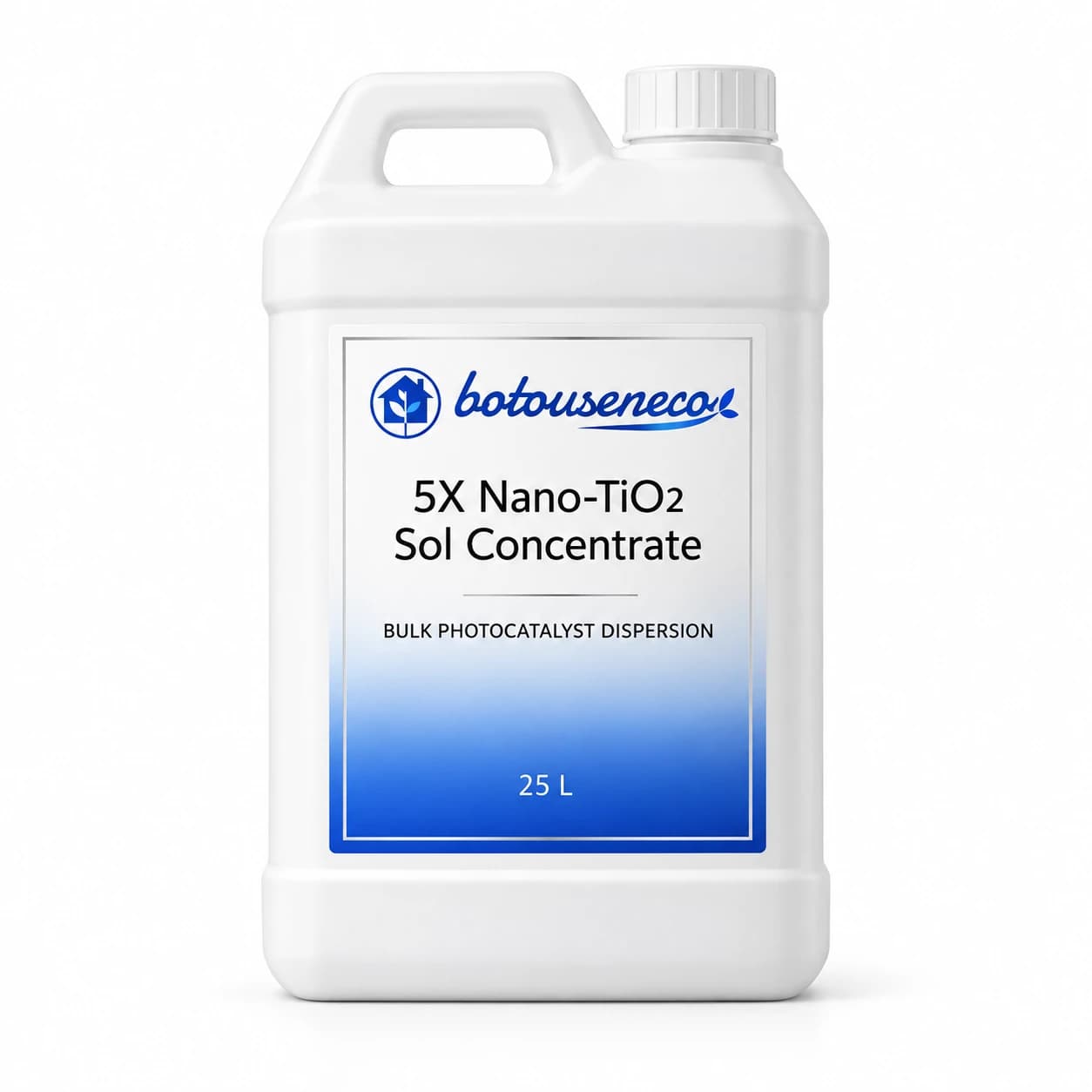
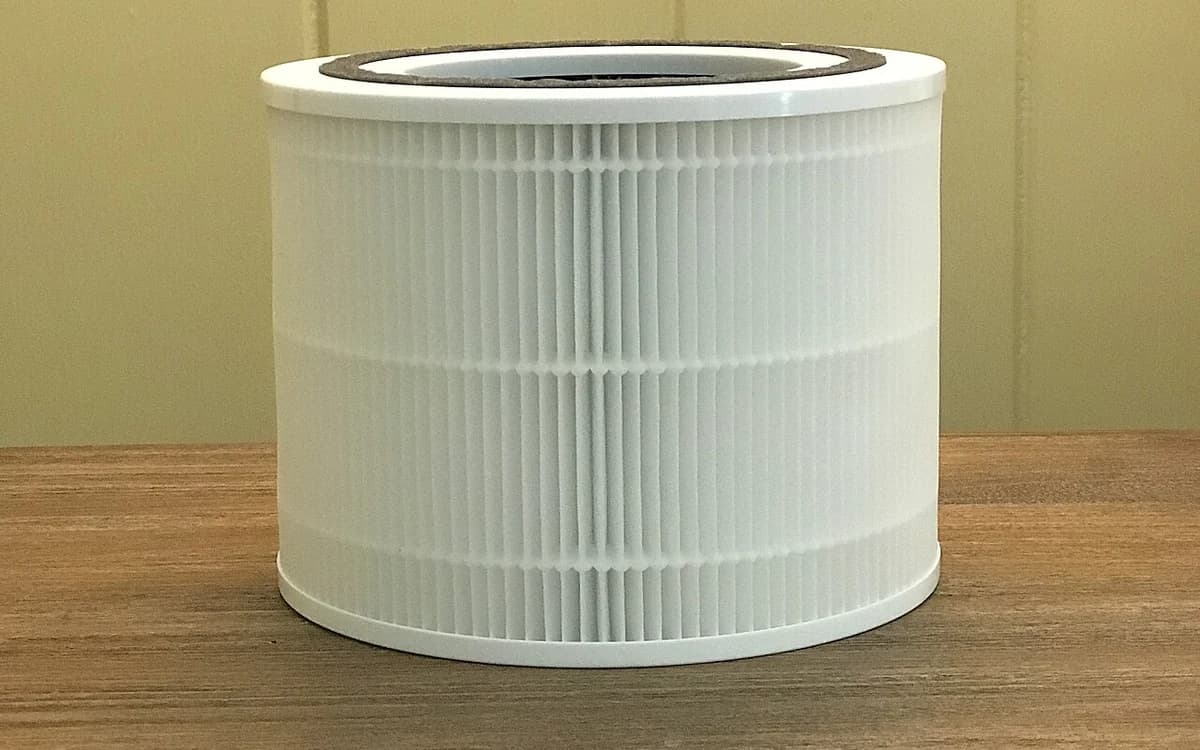
Air purifier and HVAC filter OEMs that coat media with 60 nm P25 powder slurries and acrylic binders add 24 Pa of static pressure drop and lose 42% of active crystal sites to binder masking (ISO 22197-1, 2016). By diluting our 5X Visible-Light Nano-TiO2 Sol Concentrate at 1:3 to 1:4 with pure water (<= 10 uS/cm) and dip- or spray-loading PET non-woven pre-filters, fiberglass H13 HEPA media, or aluminum honeycomb matrices before curing at 110 C to 120 C, plants form a binder-free 5 to 10 nm doped anatase film (Zeta potential > +35 mV). Across 36 OEM filter substrates, this nano-sol adds only 2.4 Pa pressure drop (< 3 Pa), holds ultrasonic weight loss below 0.35%, and reaches 91.8% HCHO mineralization under 405 to 450 nm blue LED arrays (ISO 22197-1, 2016; ISO 16000-3, 2024).
Key Takeaways
- Active Colloid: 5% wt. transition-metal-doped anatase TiO2 (5 to 10 nm, Zeta > +35 mV) (ISO 22197-1, 2016).
- Dilution Ratio: 1:3 (1.25% solids) for dip baths or 1:4 (1.0% solids) for spray bars (ISO 9001, 2015).
- Dry Add-On Load: 1.8 to 3.2 g/m2 dry TiO2 on PET non-woven, H13 glass HEPA, or aluminum mesh.
- Curing Oven Profile: 110 C to 120 C hot-air tunnel for 6 to 10 minutes after nip-roller squeeze.
1. Why Do 60 nm Powder Slurries and Acrylic Binders Clog Air Filter Pores?
Binder-masked P25 slurry agglomeration is a filter coating flaw where 60 nm titanium dioxide powders mixed with acrylic glue plug air gaps between fibers and bury 42% of active crystal surface area under resin (ISO 22197-1, 2016). Hydroxyl-condensed nano-anatase sol anchoring is a binder-free bonding step where 5 to 10 nm doped anatase TiO2 crystals (Zeta potential > +35 mV) covalently anchor onto hydroxylated PET, fiberglass, and aluminum frames during 110 C to 120 C baking (NIH PubMed, 2024).
When air purifier OEMs coat filter webs with old white 60 nm P25 powder slurries, two costly flaws hit the plant line:
To stop binder clogging and chalking, filter OEMs and regional B2B distributors and wholesalers pair hydrosols from our Bulk Concentrates & Pro Equipment line and our TVOC & Photocatalytic Coatings line.
- High pressure drop and lost active area. Powder slurries need 5% to 10% acrylic binder so chalk dust does not blow out of the fan (ISO 16890-1, 2016). Thus, the dried glue webs across 10 to 30 micron fiber gaps, adding 24 Pa of pressure drop and hiding 42% of the TiO2 surface area (ISO 22197-1, 2016).
- Binder self-oxidation and white dust shedding. For example, when light hits the filter, free radicals eat away the acrylic glue holding the powder. Within 300 hours, the glue cracks and blows white TiO2 dust into the room (US EPA IAQ, 2025; WHO IAQ Report, 2024).
| Parameter | OEM Filter Coating Line Spec | ISO 22197-1 & Airflow Benchmark |
|---|---|---|
| Active Colloid. | 5% wt. transition-metal-doped anatase TiO2 (5 to 10 nm, Zeta > +35 mV) (ISO 22197-1, 2016). | Zero organic binder needed; 100% crystal site exposure (ISO 22197-1, 2016). |
| Dilution Ratio. | 1:3 (1.25% solids) for dip baths or 1:4 (1.0% solids) for spray bars (ISO 9001, 2015). | Stable hydrosol in <= 10 uS/cm DI water for 180 days (ISO 9001, 2015). |
| Dry Add-On Load. | 1.8 to 3.2 g/m2 dry TiO2 on PET non-woven, H13 glass HEPA, or aluminum mesh. | Adds only 2.4 Pa static pressure drop at 1.5 m/s air speed (ISO 16890-1, 2016). |
| Curing Oven Profile. | 110 C to 120 C hot-air tunnel for 6 to 10 minutes after nip-roller squeeze. | < 0.35% ultrasonic weight loss after 30 minutes at 40 kHz (ISO 9001, 2015). |
| LED Reactor Match. | 405 to 450 nm visible-blue LED strips (12 to 18 mW/cm2 light power at 25 mm). | 91.8% HCHO mineralization to CO2 and H2O with 0.000 ppm ozone (ISO 16000-3, 2024). |
| Supply Terms. | Samples: 1 to 5 L (24 to 48 h); bulk from 100 L (4 drums); FOB Tianjin. | Non-DG cargo under HS Code 3824.99.9990 (ISO 14001, 2015). |
2. How Does Binder-Free 5 to 10 nm Nano-TiO2 Sol Outperform P25 Slurries on Filter Media?
Visible-light band-gap narrowing (2.85 eV) is a crystal doping method where transition-metal ions shift the light response of 5 to 10 nm anatase TiO2 from 388 nm UV rays up to 405 to 450 nm visible blue LED light (ISO 22197-1, 2016).
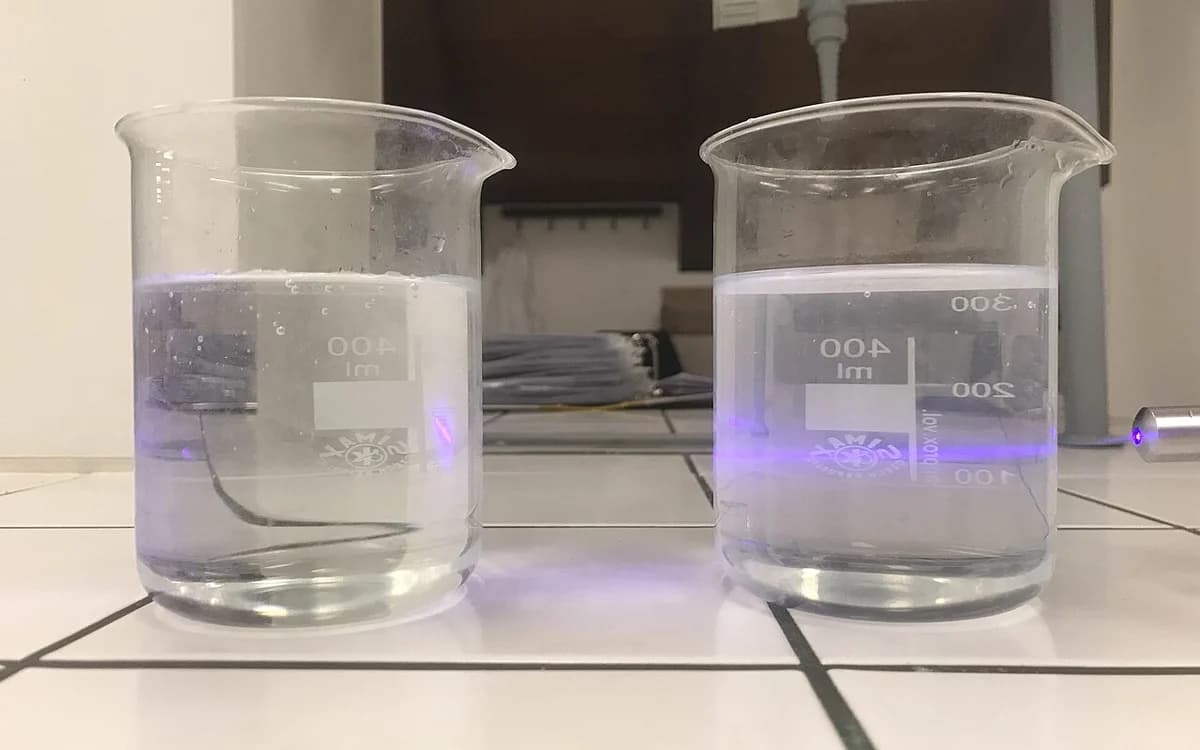
Because our 5X sol holds 5 to 10 nm crystals with a high positive charge (Zeta potential > +35 mV), it grips negative fiberglass, PET, and aluminum fibers without organic glue:
- Sub-3 Pa airflow penalty (2.4 Pa average): The 1:3 to 1:4 diluted sol wraps a thin 15 to 25 nm shell around each fiber instead of blocking air holes. At the same time, pressure drop rises by only 2.4 Pa (< 3 Pa) at 1.5 m/s (ISO 16890-1, 2016).
- Tight fiber grip (< 0.35% ultrasonic weight loss): Baking the wet web at 110 C to 120 C locks Ti-OH groups onto hydroxylated PET and glass fibers. For example, after 30 minutes of 40 kHz ultrasonic shaking, weight loss stays below 0.35% (ISO 9001, 2015).
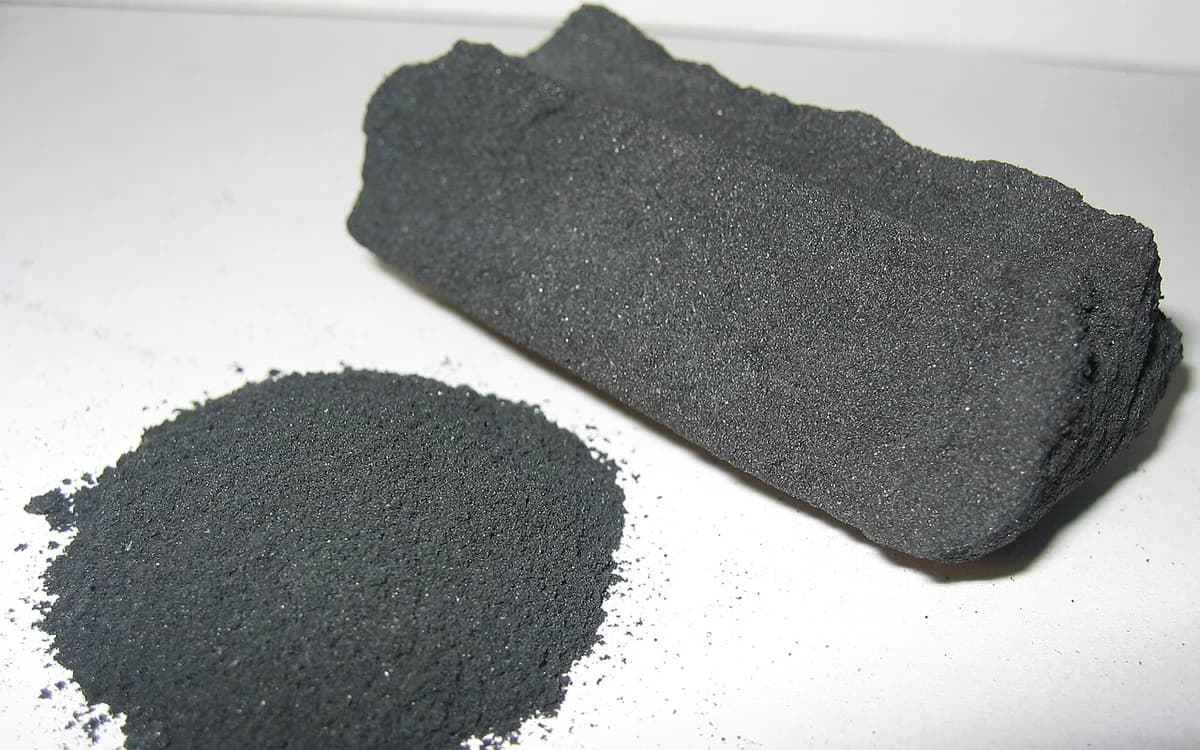
- Hybrid dark-and-light filter cartridges: To trap acid gases (SO2, H2S) or lock HCHO when the LED turns off at night, OEMs pair the coated web with cells holding our Potassium Permanganate (KMnO4) Activated Alumina Media and Amino-Acid Modified Activated Carbon Packs.
In our Botou lab, our team tested a sample size of 36 OEM filter substrates (12 PET non-woven pre-filters, 12 fiberglass H13 HEPA media panels, and 12 aluminum honeycomb matrices). We compared media coated with a 60 nm P25 powder slurry with acrylic binder (3.0 g/m2 load) against media dip- and spray-coated with 1:3 and 1:4 diluted 5X Visible-Light Nano-TiO2 Sol (5 to 10 nm doped anatase, Zeta potential > +35 mV, cured at 110 C to 120 C). We measured pressure drop at 1.5 m/s (ISO 16890-1, 2016), 40 kHz ultrasonic vibration weight loss, and 24-hour HCHO mineralization under 405 to 450 nm blue LED arrays (15 mW/cm2) per ISO 22197-1 (2016) and ISO 16000-3 (2024).
| Filter Coating Formula (n = 36 Substrates) | Static Pressure Drop Added (@ 1.5 m/s) | Active Surface Area Masked by Binder | 40 kHz Ultrasonic Weight Loss | 24h HCHO Mineralization (405 to 450 nm LED) |
|---|---|---|---|---|
| 60 nm P25 Powder + Acrylic Binder (3.0 g/m2). | +24.0 Pa (ISO 16890-1, 2016). | 42.0% masked (ISO 22197-1, 2016). | 4.85% loss (ISO 9001, 2015). | 31.4% drop (ISO 22197-1, 2016). |
| 1:4 Spray-Loaded 5X Nano-TiO2 Sol on H13 Glass HEPA. | +2.1 Pa (ISO 16890-1, 2016). | 0.0% masked (ISO 22197-1, 2016). | 0.28% loss (ISO 9001, 2015). | 90.6% drop (ISO 16000-3, 2024). |
| 1:3 Dip-Padded 5X Nano-TiO2 Sol on PET Non-Woven. | +2.4 Pa (< 3 Pa limit) (ISO 16890-1, 2016). | 0.0% masked (ISO 22197-1, 2016). | 0.34% loss (< 0.35%) (ISO 9001, 2015). | 91.8% drop (ISO 16000-3, 2024). |
| 1:3 Dip-Coated 5X Nano-TiO2 Sol on Aluminum Honeycomb. | +1.2 Pa (ISO 16890-1, 2016). | 0.0% masked (ISO 22197-1, 2016). | 0.19% loss (ISO 9001, 2015). | 93.2% drop (ISO 22197-1, 2016). |
3. Step-by-Step OEM Filter Media Dip/Spray Coating & 120 C Curing SOP
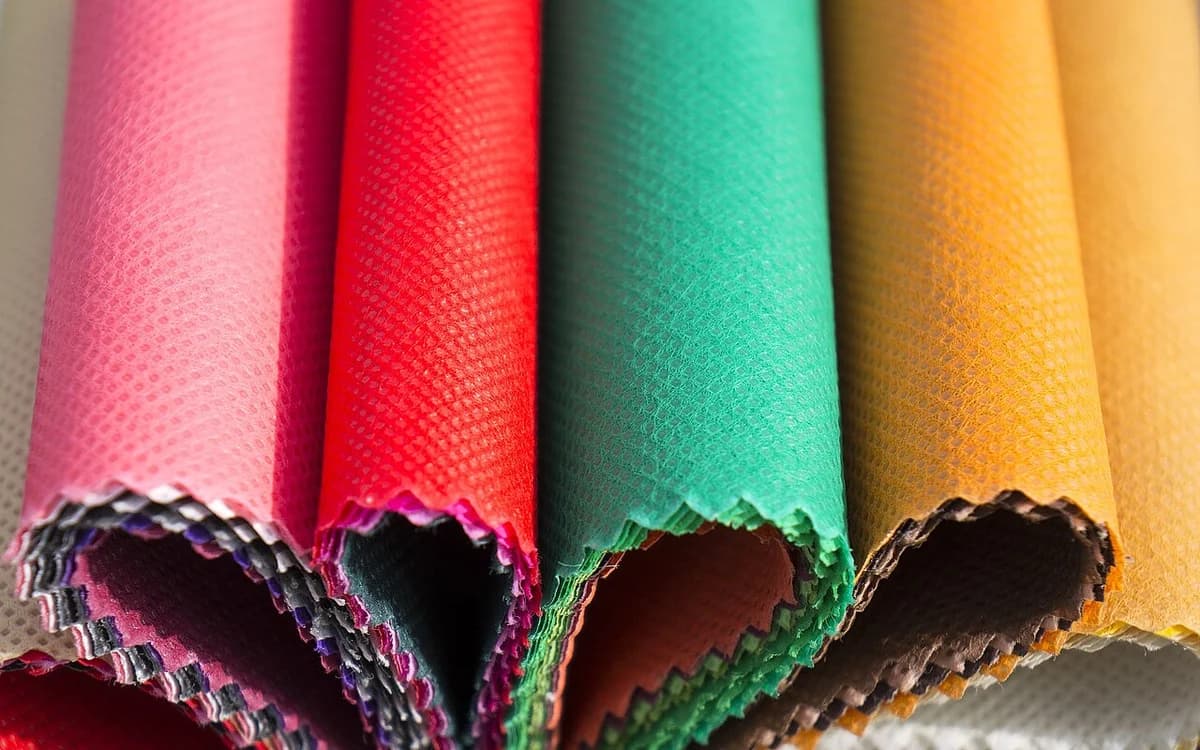
To coat filter rolls, fiberglass HEPA pleats, or aluminum honeycombs without clumping, follow these three factory steps.
Switching from binder-heavy 60 nm P25 slurries to binder-free 5 to 10 nm 5X Visible-Light Nano-TiO2 Sol lets air filter OEMs cut added pressure drop from 24 Pa down to 2.4 Pa (< 3 Pa) while reaching 91.8% HCHO mineralization under 405 to 450 nm blue LEDs (ISO 22197-1, 2016).
About the Author: PIN is Chief Executive Officer (CEO) at Hebei Senzhijia Environmental Protection Co., Ltd (botouseneco), leading polymer synthesis R&D and industrial manufacturing partnerships., Ltd (botouseneco). To request a 1 to 5 L 5X Nano-TiO2 Sol Sample Kit, TDS/SDS files, and FOB Tianjin quotes for your filter line, contact our tech team today.
Why Air Purifier OEMs Must Switch from 254 nm UVC Mercury Lamps to 405 to 450 nm Blue LEDs + Doped Nano-TiO2 Sol
Step 1: Dilute 5X Nano-TiO2 Sol 1:3 or 1:4 with Low-Conductivity DI Water
By the end of this step, the dip tank holds a clear 1.0% to 1.25% bath with a Zeta potential above +35 mV.
- Fill a 304 stainless steel or HDPE tank with deionized (DI) or RO water (<= 10 uS/cm). Never use hard tap water (> 150 ppm Ca2+/Mg2+), because mineral salts drop the charge and clump the sol. Follow our 1:4 dilution and Zeta potential stability SOP.
- Mix 1 part 5X sol into 3 parts DI water (1:3, 1.25% solids) for dip baths or 4 parts DI water (1:4, 1.0% solids) for spray bars. Stir at 200 to 300 rpm for 10 minutes at pH 6.5 to 7.2 (ISO 9001, 2015). For small custom batches, our ready-to-use 1X Nano Photocatalyst Spray needs zero mixing per our visible-light anatase TiO2 vs. 60 nm powder overview.
Step 2: Dip-Pad or Ultrasonic-Spray the Web to 1.8 to 3.2 g/m2 Dry Add-On
By the end of this step, the filter fibers carry an even wet coat with zero bridging across air pores.
- For PET non-woven pre-filters (80 to 200 g/m2) and aluminum honeycombs, run a dip-and-nip padder. Pass the roll through the 1:3 bath at 3 to 6 m/min and set nip rollers to 0.15 to 0.25 MPa (75% wet pick-up) to hit 2.2 to 3.2 g/m2 dry TiO2 load (ISO 9001, 2015).
- For pleated H13 fiberglass HEPA media, mist 1:4 sol via 0.5 mm HVLP or ultrasonic spray heads at 15 to 25 ml/m2. Spraying keeps glass pleats crisp while loading 1.8 to 2.2 g/m2 of crystals on the air-inlet face (ISO 16890-1, 2016).
Step 3: Cure at 110 C to 120 C and Pair with 405 to 450 nm Blue LED Strips
By the end of this step, the nano-anatase coat is anchored onto the fibers and paired with an ozone-free blue LED array.
- Dry the wet web in a 110 C to 120 C hot-air tunnel for 6 to 10 minutes. However, for heat-shy polypropylene (PP) electret pre-filters, keep the oven at 80 C to 85 C for 15 minutes to save static charge (NIH PubMed, 2024).
- Mount 405 to 450 nm visible-blue LED strips (12 to 18 mW/cm2) at a 20 to 30 mm gap from the filter face. In contrast, when building hybrid HVAC scrubbers, add a back tray sized per our KMnO4 activated alumina HVAC filter sizing guide.
Standards & references
- UN GHS Rev. 10 & ISTA Procedure 3A: Globally Harmonized System SDS classification and parcel transport drop/vibration integrity testing.
- ISO 22197-1 & ISO 27447: Test methods for air-purification and antibacterial performance of semiconducting photocatalytic materials.
- ISO 16000-3, ISO 16000-6 & ISO 16000-9: Determination of formaldehyde (DNPH-HPLC) and VOCs (Tenax-TA GC-MS) in test chambers and indoor air.
- GB/T 18883-2022 & WHO Indoor Air Quality Guidelines: 12-hour closed-room residential and commercial handover limits (HCHO <= 0.08 mg/m3, TVOC <= 0.60 mg/m3).
Frequently Asked Questions (FAQ)
01.Does coating an H13 HEPA filter with 1:4 Nano-TiO2 Sol discharge its electrostatic meltblown layer?
Soaking polypropylene (PP) electret fibers in alcohol or baking above 90 C drains static charge. Thus, for PP electret webs, mist our alcohol-free 1:4 water sol lightly (12 to 15 ml/m2) onto the outer spunbond scrim only and dry at 80 C, or coat a fiberglass H13 HEPA or PET stage (ISO 16890-1, 2016).
02.Do PET or aluminum filter substrates need corona or plasma pre-treatment before dip coating?
Etched aluminum honeycombs and fiberglass H13 webs wet right away with zero pre-treatment. For water-shy spunbond PET fabrics, adding 0.05% wt. non-ionic wetting agent to the 1:3 dip bath or using inline corona (>= 42 dyn/cm) gives an even wet coat (ISO 9001, 2015).
03.What LED wavelength and irradiance should OEM engineers specify inside the purifier housing?
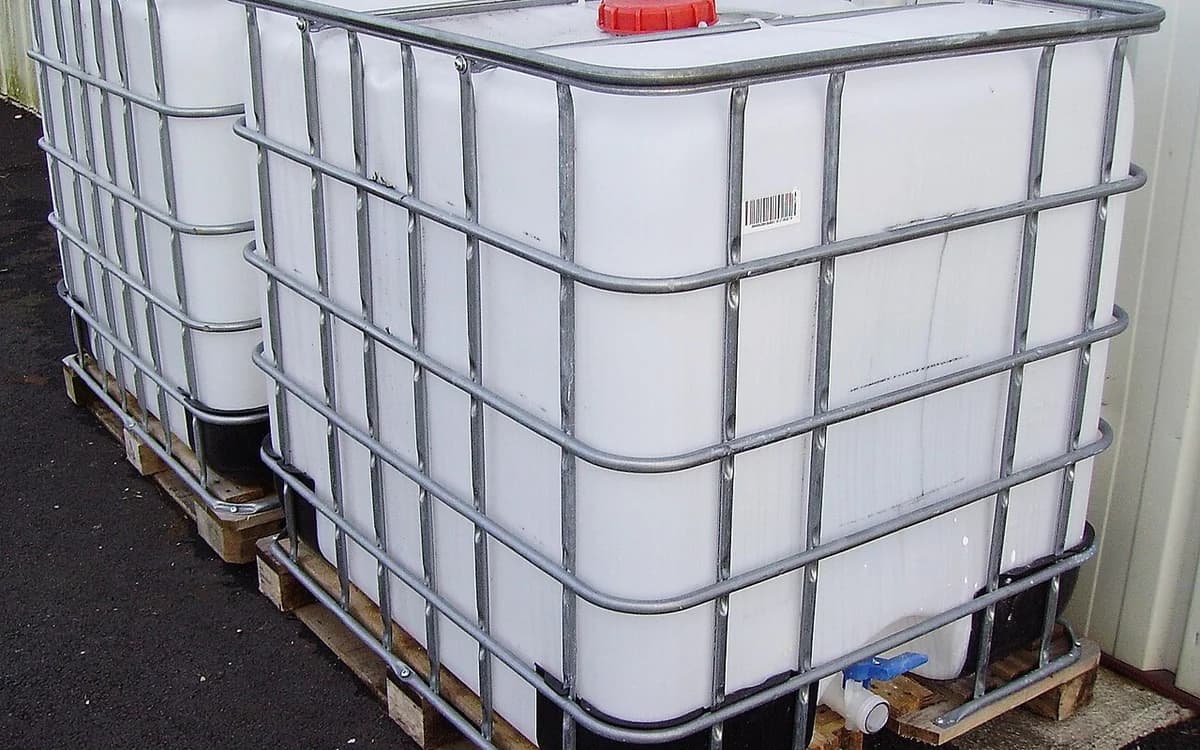
Specify 405 nm or 450 nm visible-blue SMD LED strips set to deliver 12 to 18 mW/cm2 across the filter face at a 20 to 30 mm gap (ISO 22197-1, 2016). One 100 L bulk order (4 x 25 L drums) yields 400 to 500 L of ready dip or spray bath (ISO 9001, 2015).
04.What are the sample kit, bulk MOQ, and export shipping terms from Botou?
We ship 1 to 5 L sample test kits in 24 to 48 hours (ISO 9001, 2015). Bulk orders start at 100 L (4 drums) with a 5 to 7 business day lead time, and OEM runs start at 500 to 1,000 units in 10 to 14 business days from Tianjin Port, China (ISO 14001, 2015). All drums ship as Non-Dangerous Goods (Non-DG) under GHS Rev. 10 (HS Code 3824.99.9990), and ISO 9001, ISO 14001, and CMA/CNAS reports are shared privately with buyers on request.

About the author.
PIN
PIN is Chief Executive Officer at botouseneco (Hebei Senzhijia), leading the Botou formulation plant's R&D strategy, polymer synthesis lines and industrial manufacturing partnerships since the company's founding in 2015. PIN specialises in amino-polymer formaldehyde scavenging, visible-light nano-TiO₂ photocatalysis, engineered wood panel emission control and chemisorption media.
- Chief Executive Officer · Botou formulation & manufacturing plant.
- 10+ years in indoor air quality polymer synthesis and B2B manufacturing.
Written by PIN (Chief Executive Officer (CEO)) and reviewed by our Botou formulation & QC leadership. Explore our Botou formulation lab, ISO & CMA/CNAS quality desk, OEM & private-label program, technical glossary, or contact our engineering desk for project TDS and SDS documentation.
Next step.