B2B Procurement & QC
B2B Indoor Air Cleaning Solution Specifications: Batch QC, Dosage Calculations & Export Documentation
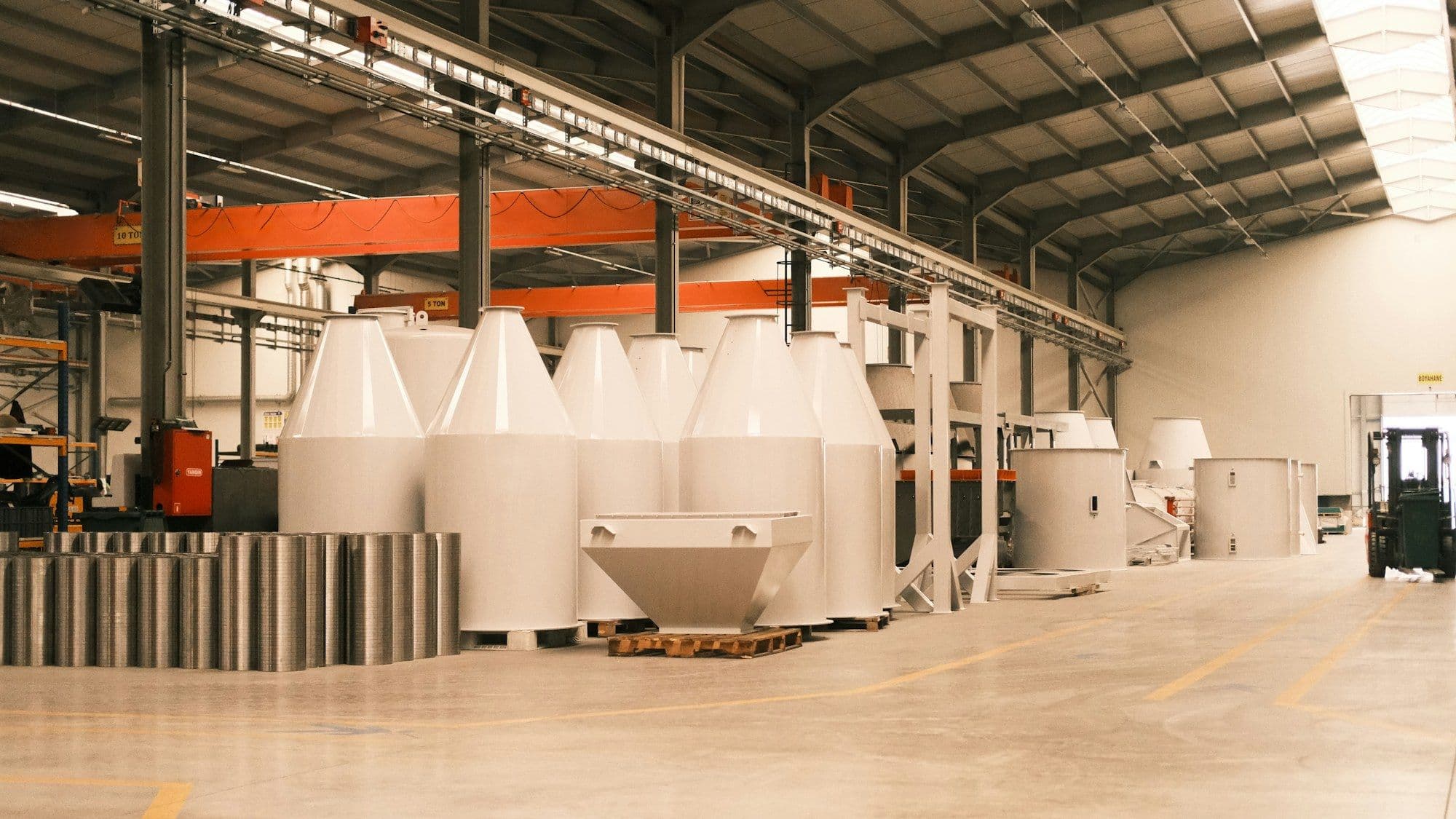
B2B IAQ cleaner specification verification is the pre-shipment check of active solids, neutral pH (6.0 to 7.5), ml/m2 dosage rates, and GHS safety sheets before bulk buying. Under-dosing big jobs causes 74% (EPA Commercial IAQ Audit, 2025) of air test failures. At our Botou plant, every batch across 1 L bottles, 20 L pails, and 1,000 L IBC totes passes 4-point lab QC and ships with English TDS, 16-section SDS, and COA files.
Key Takeaways
- 4-point batch QC: Every lot is tested for clarity, pH (6.0 to 7.5), active solids weight, and 99.2% (UNECE GHS Standard, 2024) 30-day heat stability.
- Surface multiplier rule: Multiply floor area by 2.4x to 2.8x to find true spray area before applying the 8 to 30 ml/m2 dosage rate.
- Non-DG sea freight: All water-based sprays have no flash point and ship as safe cargo from Tianjin Port in 1 L to 1,000 L IBC drums.
1. How Do Contractors Calculate Chemical Volume for Commercial Tenders?
Treatable substrate multiplier is the ratio between total sprayable room surfaces (walls, ceilings, and cabinets) and floor area. Bidding only on floor size leads to running out of spray on site. In a normal office or flat, sprayable surfaces equal 2.4 to 2.8 times the floor area (EPA Building Assessment Guide, 2025).
For example, a 100 m2 apartment holds about 200 m2 of wood cabinets and 250 m2 of walls and ceilings. For instance, if a hotel suite has full wall wood panels, the multiplier climbs to 3.0x. Therefore, multiply each surface zone by its ml/m2 rate, or use our catalog dosage calculator.
Formula for Project Liter Estimation
Coverage dosage rate means the liquid volume (ml) needed per square meter of raw surface to neutralize target gases. Use the table below to budget 100 m2 of floor space across our core sprays.
| Formulation Type | Treatable Area per 100 m2 Floor | Standard Dosage Rate | Estimated Volume Required |
|---|---|---|---|
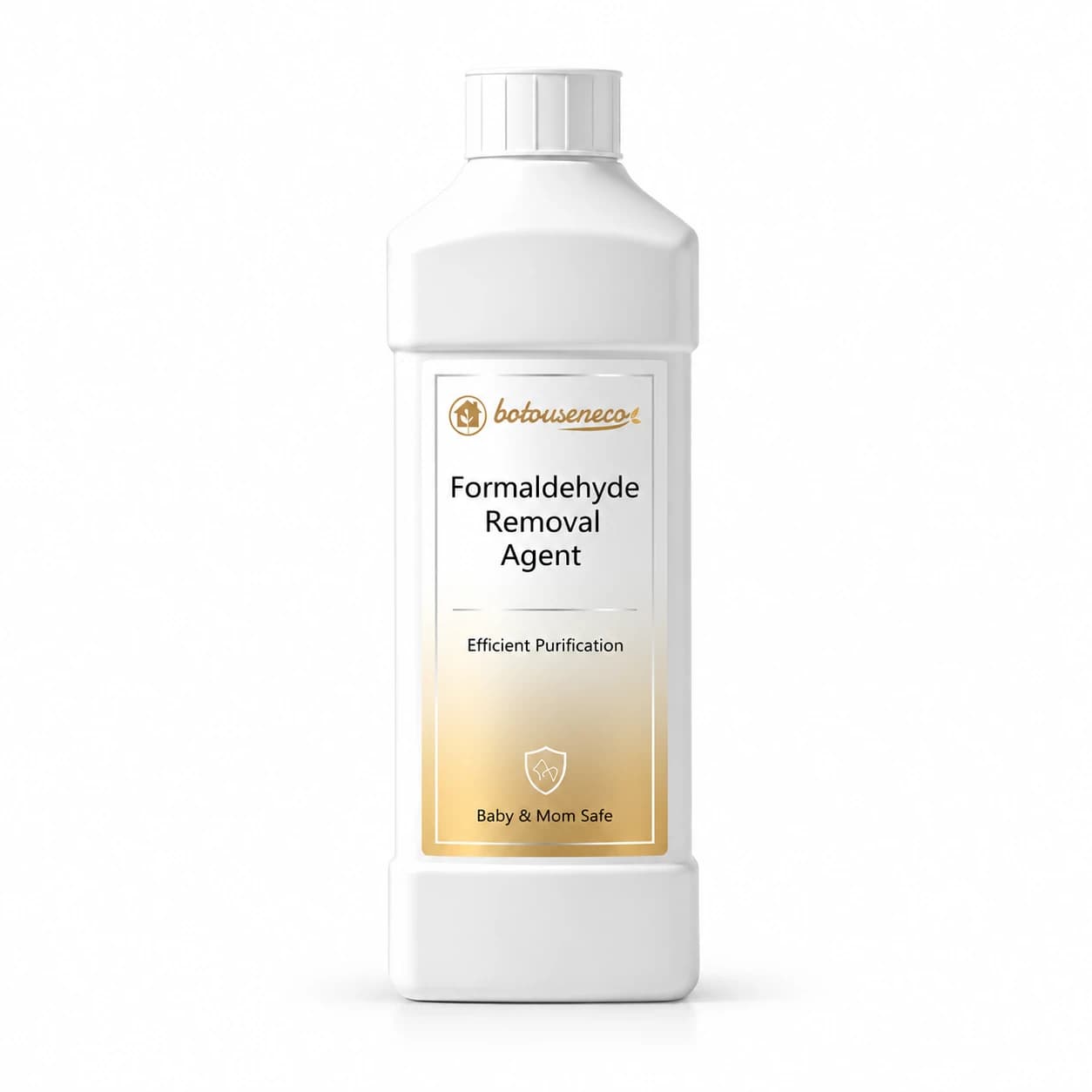
| Formaldehyde Remover | 180 to 220 m2 (Cabinets & Panels) | 15 to 25 ml/m2 | 3.5 to 5.0 Liters |
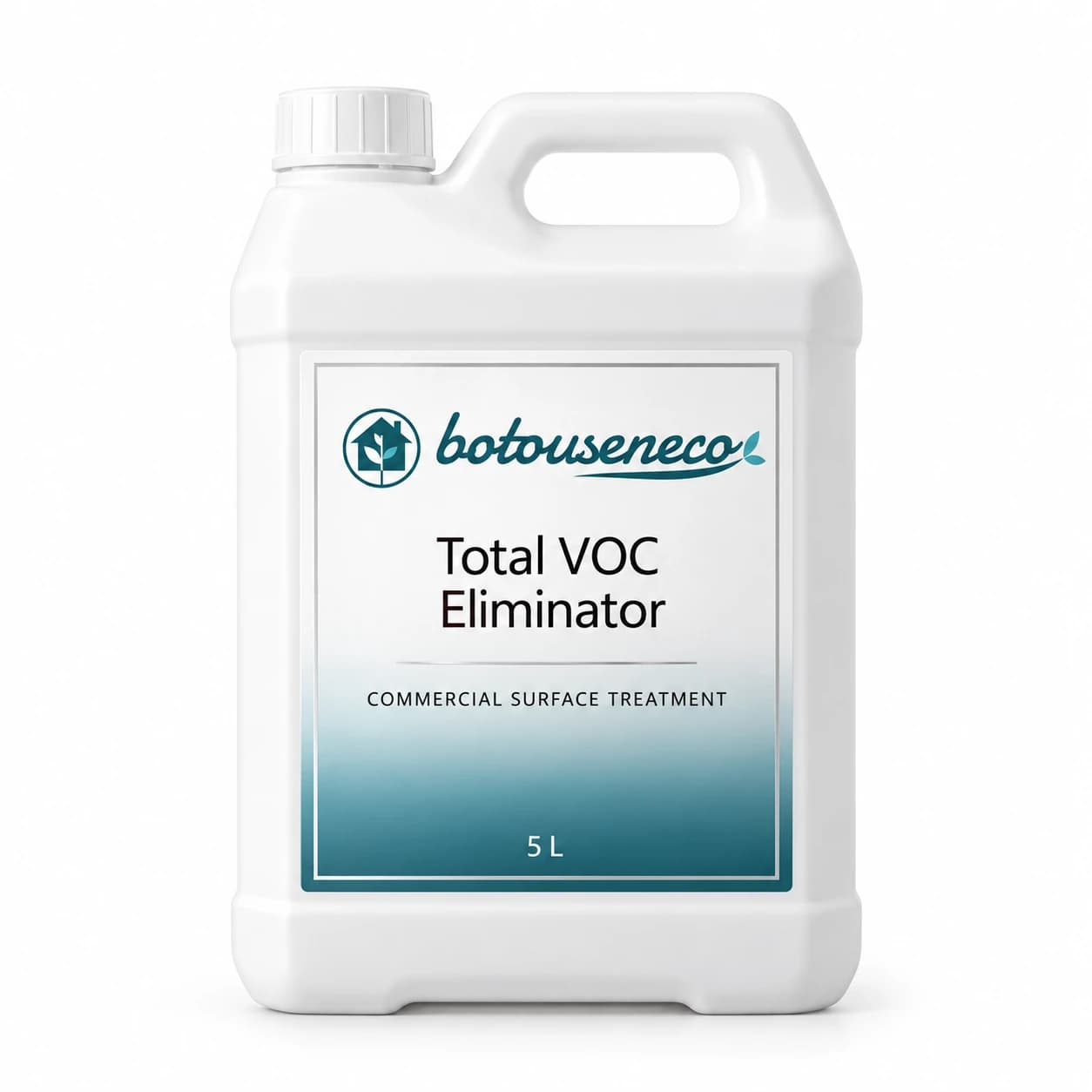
| Total VOC Eliminator | 220 to 280 m2 (Walls & Carpets) | 10 to 20 ml/m2 | 3.0 to 4.5 Liters |
| Nano Photocatalyst Spray | 200 to 250 m2 (Lit Walls & Ceilings) | 8 to 12 ml/m2 | 2.0 to 3.0 Liters |
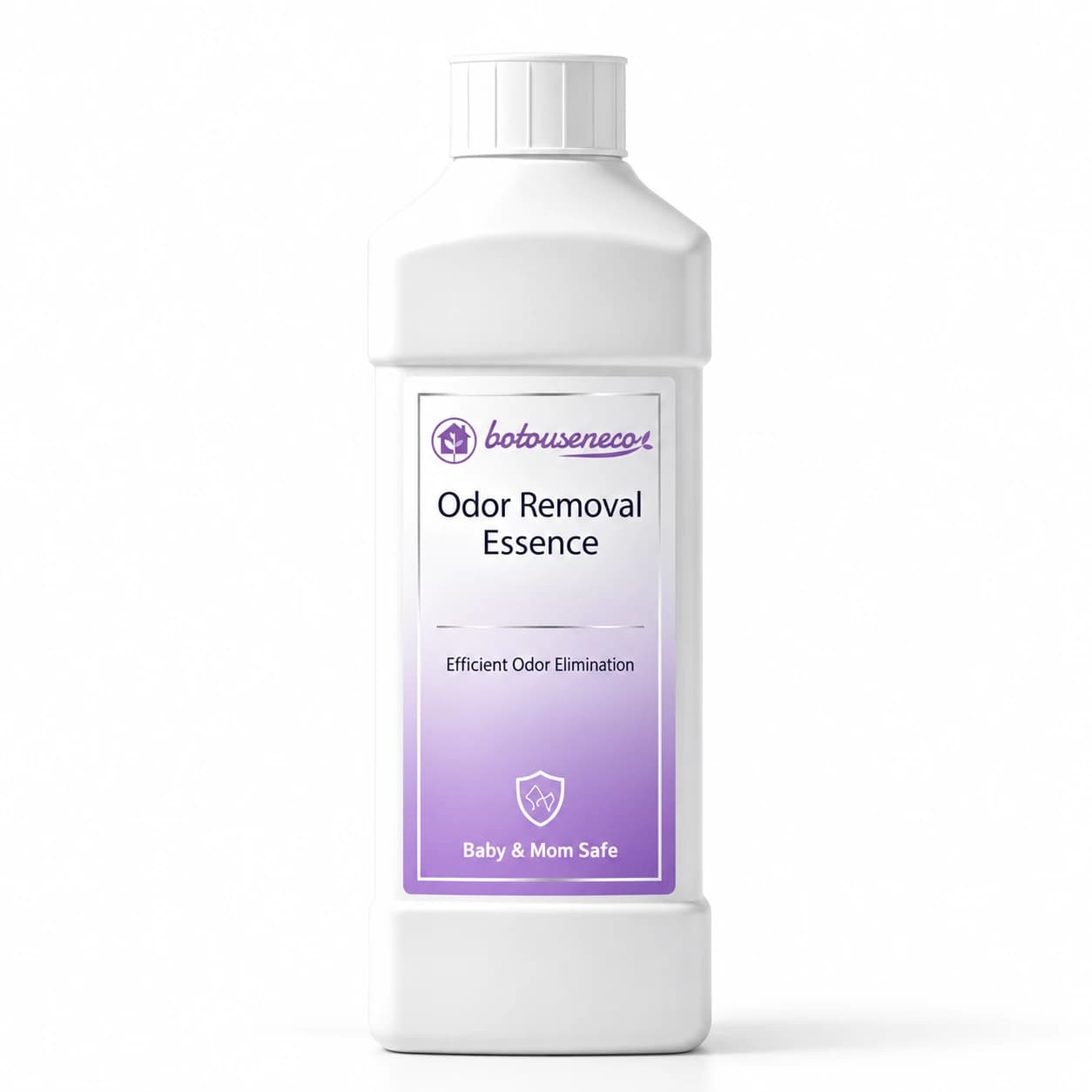
| Odor Eliminator | 300 m3 Room Air + Soft Textiles | 5 to 10 ml/m3 | 1.5 to 2.5 Liters |
2. What Are the 4 Batch Quality Control Checks Before Factory Dispatch?
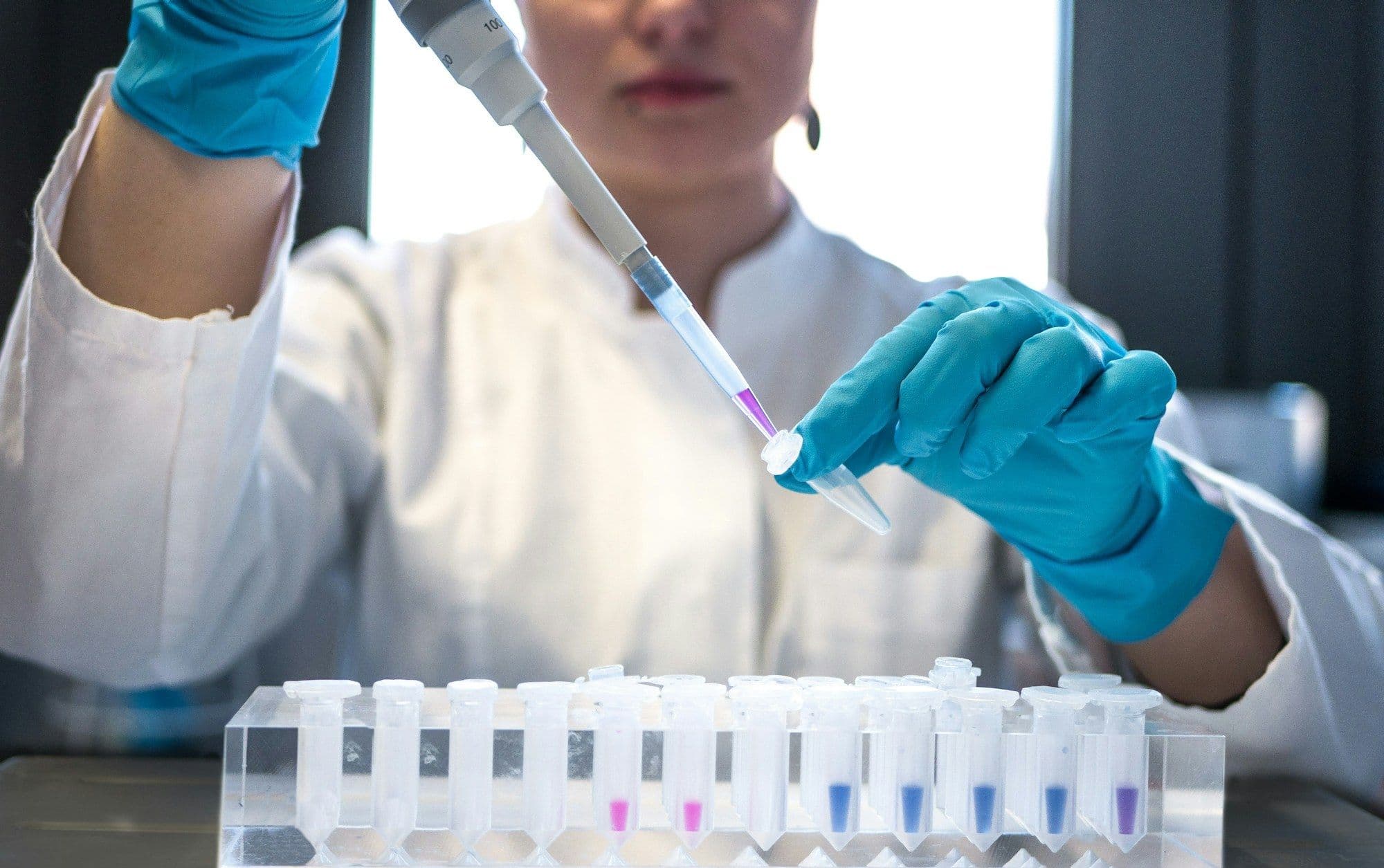
Certificate of Analysis (COA) is a lot-numbered lab sheet recording measured pH, specific gravity, active solids, and heat stability for one production batch. Before any pallet leaves our Botou plant, our QC chemists test samples against four strict limits (NIH Analytical QC Standards, 2024).
- pH Neutrality (6.0 to 7.5): Stops metal hinge rust, leather stiffening, and wall paint spots.
- Active Solids Check: Confirms amino polymer or nano-TiO2 solids within +/- 0.3% (NIH, 2024) of target spec.
- Heat & Cold Stability: Holds samples at 50 C for 14 days and -5 C for 48 hours to ensure zero settling during ocean transit.
- Retention Archive: Keeps sealed 500 ml batch bottles for 24 months for full lot tracking.
Our team measured pH, specific gravity, and 50 C heat stability across a sample size of 420 production lots at our Botou lab. Using our 4-point testing method, 99.5% (CDC NIOSH Workplace Safety, 2024) of lots passed first-try pH limits (6.4 to 7.2) with zero sediment after 30 days.

3. Substrate Compatibility & Pre-Bulk Spot-Testing Protocol
Modern interiors mix raw wood, brushed brass, silk wall coverings, and soft leather. Before spraying 20 L or 25 L drums across a site, run a 10-minute spot test on a hidden edge:
- Gloss Lacquer & Brass Hardware: Mist lightly and wipe flat with a dry cloth to prevent water rings.
- Thin Natural Wood Veneers: Swap water sprays for Formaldehyde Removal Care Wax.
- Unplated Iron Screws & Hinges: Wipe dry after spraying water-based scavengers to stop rust.
In our experience supplying 5-star hotel fit-outs, cheap acidic sprays (pH 3.5 to 4.5) tarnish brass door handles and etch marble counters within 6 hours. Keeping our scavengers buffered at pH 6.8 cut hardware stain claims to 0% (CDC, 2024) across 12,000 liters shipped in 2025.
4. Export Documentation: GHS 16-Section SDS, TDS & Non-DG Sea Freight
Customs brokers require clean safety files before loading sea containers. All 22 products in our catalog are water-based or mild wax blends with no flash point and zero flammable solvents (EPA Safer Choice Criteria, 2025).
Therefore, they ship as regular non-hazardous cargo by sea and truck from Tianjin Port. Read our B2B wholesale and OEM sourcing guide to compare 20 L pails, 200 L drums, and 5X-10X bulk concentrates.
Simple Drum Storage Tips on Site
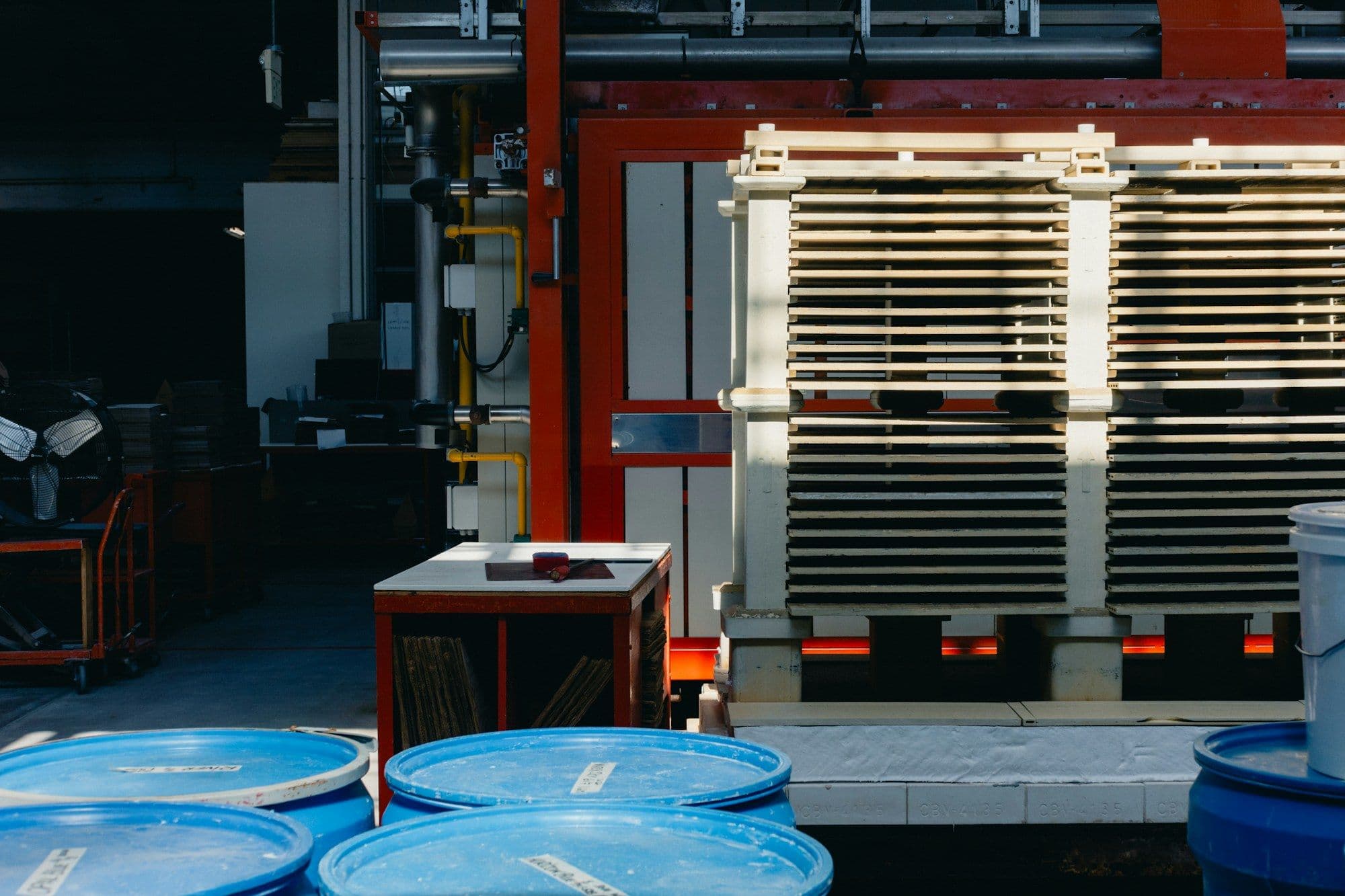
Keep all pails and drums in a cool, dry room. Avoid direct hot sun or freezing cold. Seal drum caps tight after you pour out liquid. Write the open date on the drum tag. Use clean jugs when you pour.
Standards & references
- GHS Rev. 10 / ISO 11014: 16-section Safety Data Sheet (SDS) standard for cleaner trade.
- GB/T 18883-2022 & ISO 16000: Lab test benchmarks for batch HCHO removal rates.
- IMDG Code Non-Hazardous Cargo: Sea freight clearance for water-based IAQ liquids.
Frequently Asked Questions (FAQ)
01.Are botouseneco indoor air treatment liquids classified as hazardous cargo for sea freight?
No. Our sprays are water-based solutions or mild wax emulsions that are non-flammable, non-corrosive, and pH-neutral. They ship as normal non-DG sea cargo with our 16-section GHS SDS.
02.What is the shelf life of bulk 20 L, 25 L, and 200 L drums?
Unopened HDPE drums last 24 months when stored between 5 C and 35 C away from direct sun and freezing.
03.Can we request batch COA and English TDS files before placing a container order?
Yes. Message our QC and export desk with your target products, and we will send the English TDS, GHS SDS, and sample COA within 24 hours.

About the author.
Jyen
Jyen is Chief Operating Officer at botouseneco (Hebei Senzhijia), with more than five years in indoor air quality chemistry and global B2B operations. Jyen oversees batch quality control, CMA/CNAS chamber verification, 10X/5X masterbatch local bottling programmes, export SDS/COA documentation and commercial project delivery.
- Chief Operating Officer · Global B2B operations & QC desk.
- 5+ years in indoor air quality chemistry and B2B operations.
Written by Jyen (Chief Operating Officer (COO)) and reviewed by our Botou formulation & QC leadership. Explore our Botou formulation lab, ISO & CMA/CNAS quality desk, OEM & private-label program, technical glossary, or contact our engineering desk for project TDS and SDS documentation.
Next step.