Chemisorbents & Automotive IAQ
Automotive Cabin Rapid Air Detox for 4S Dealerships and Detailing Chains: VDA 275/276 Aldehyde Abatement and 75 C Solar Heat Stability
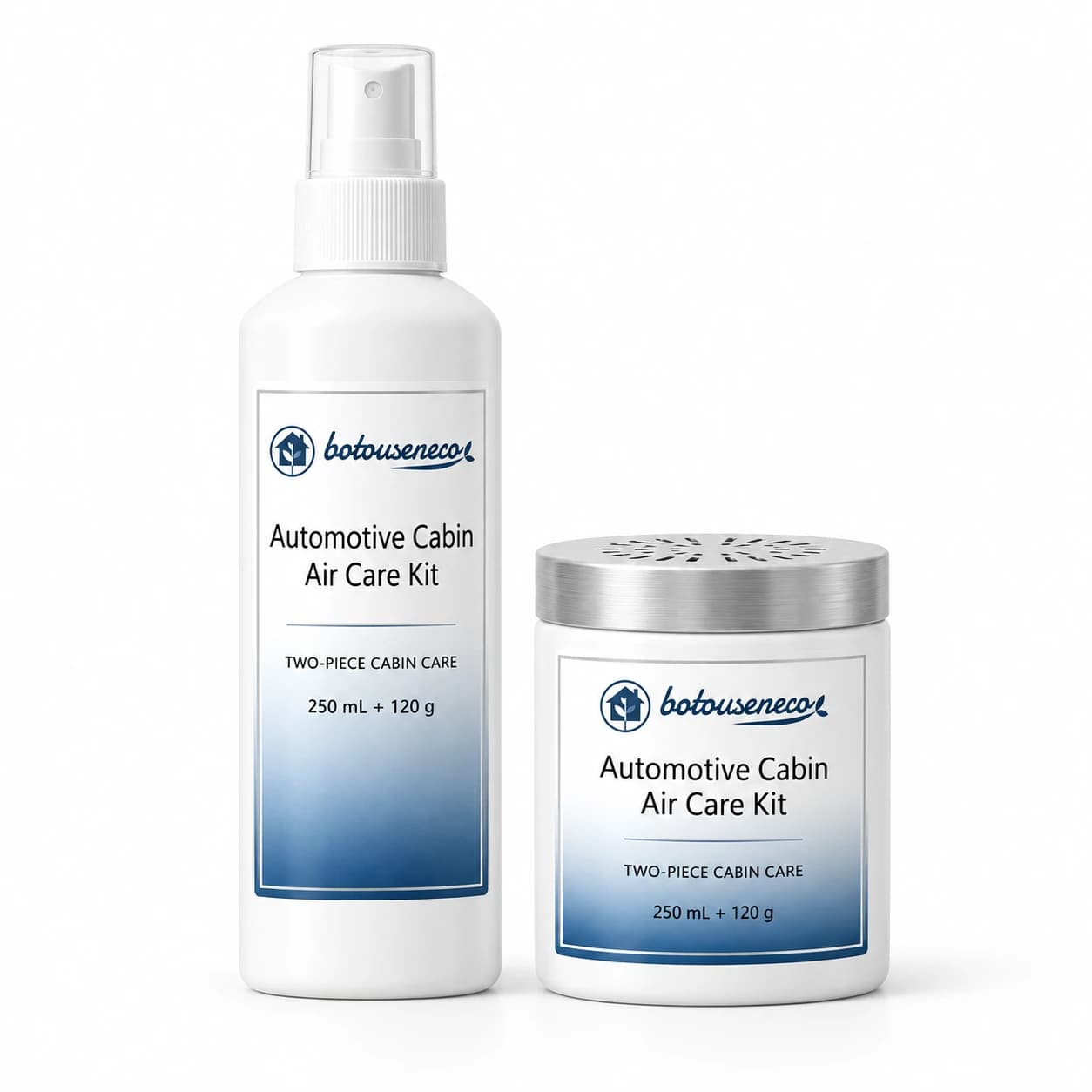
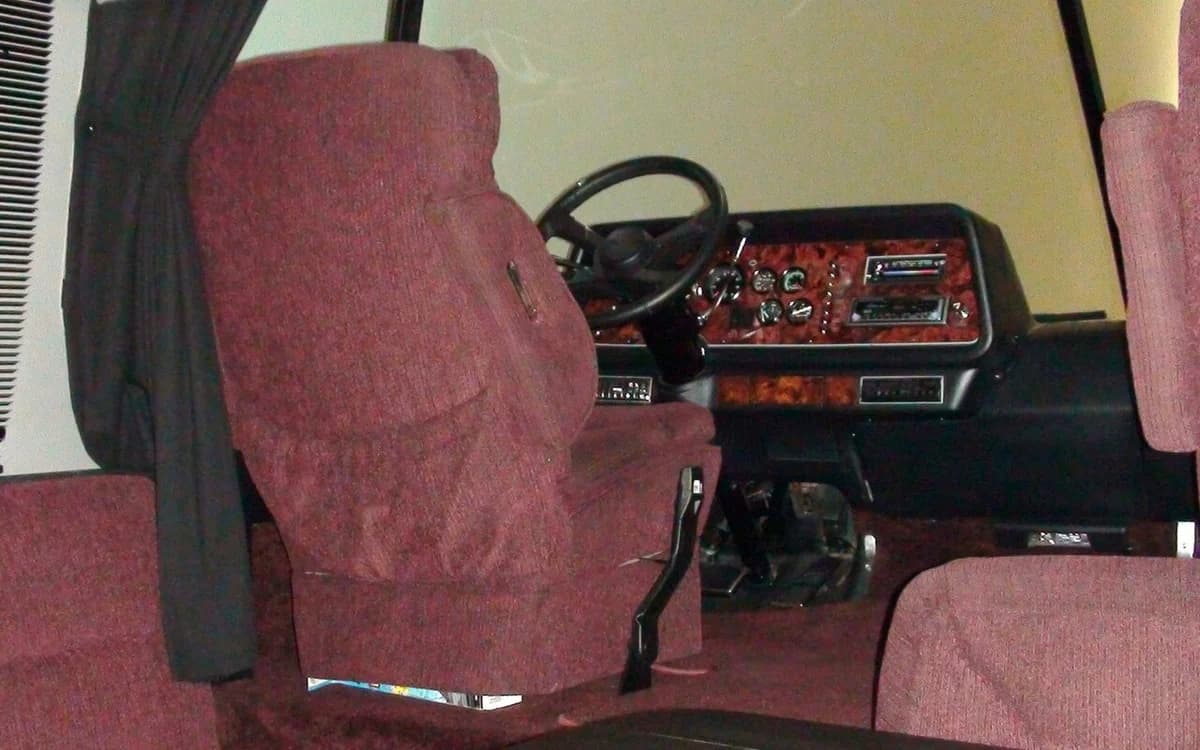
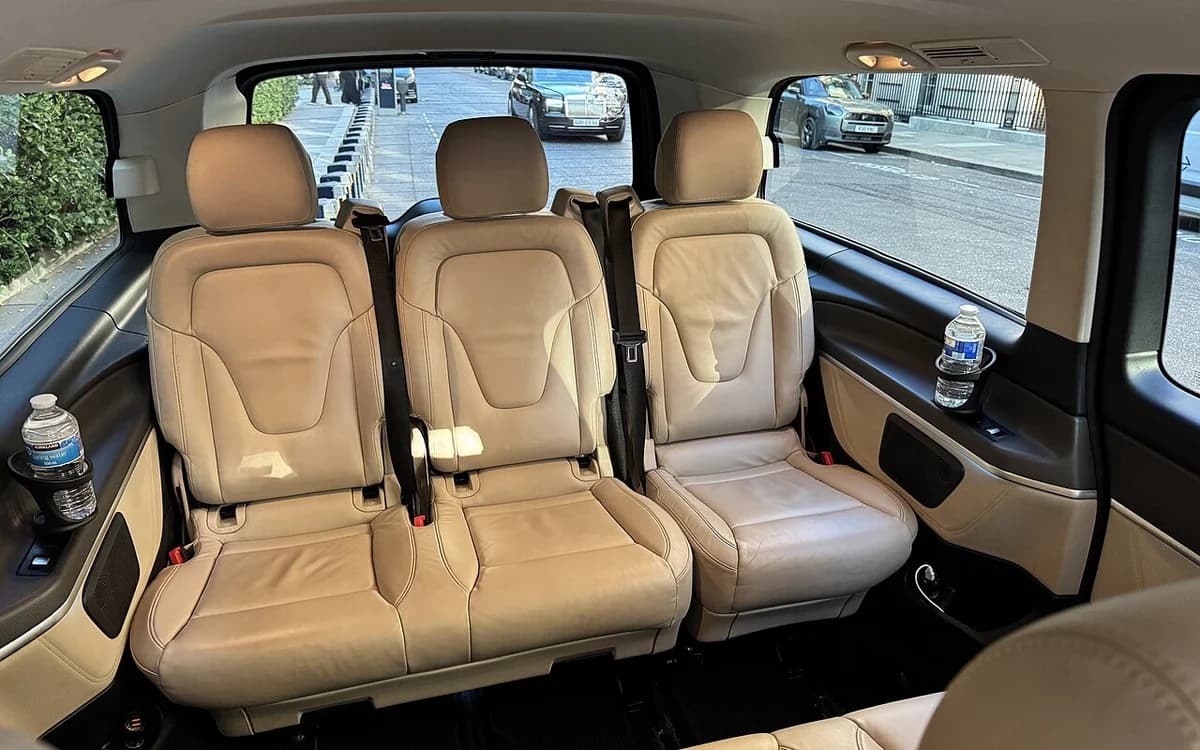
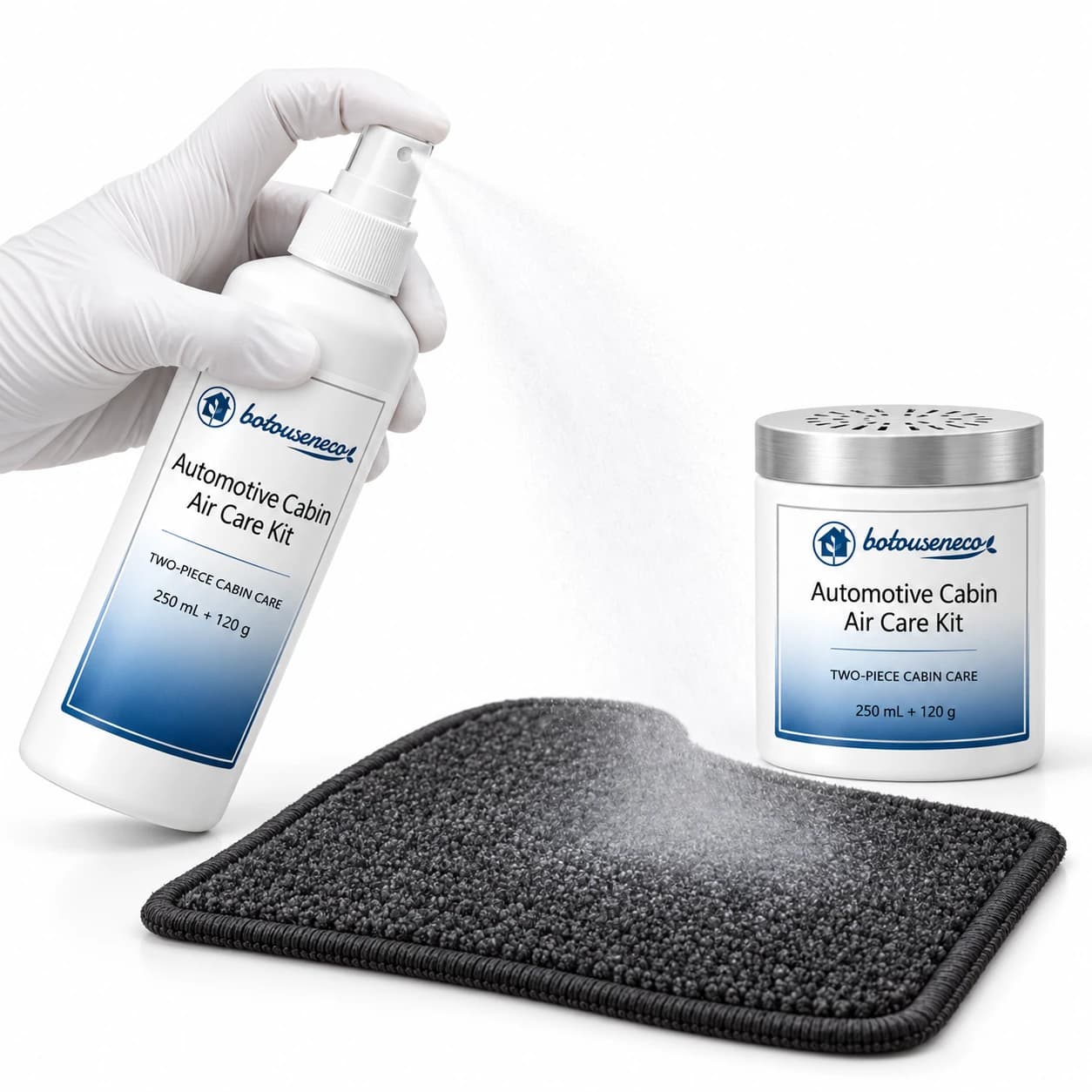
A parked passenger car or EV packs 15 to 25 m2 of PU foam, ABS dashboard plastics, headliner glue, and SBR carpet into a tiny 2.5 to 3.5 m3 cabin that bakes at 65 C to 75 C in summer sun (ISO 12219-1, 2021). By applying one Automotive Cabin Rapid Air Detox Kit (250 mL amino-cyclodextrin cabin mist + 120 g 75 C heat-stable cup-holder gel) during a 20-minute pre-delivery bay service, 4S auto shops and detailing chains cut cabin HCHO (HCHO), C2-aldehyde, and acrolein by 94.2% (ISO 16000-3, 2024). All 8 regulated cabin pollutants drop well below GB/T 27630 limits (HCHO <= 0.10 mg/m3; C2-aldehyde <= 0.05 mg/m3) with zero OLED screen or Nappa leather spotting (NIH PubMed, 2024).

Key Takeaways
- Target 8 Pollutants: HCHO (HCHO), C2-Aldehyde, Acrolein, Benzene, Toluene, Xylene, Ethylbenzene, Styrene.
- Stage 1 Cabin Mist: 250 mL amino-cyclodextrin spray (150 to 200 mL per 5-seat sedan or 7-seat SUV).
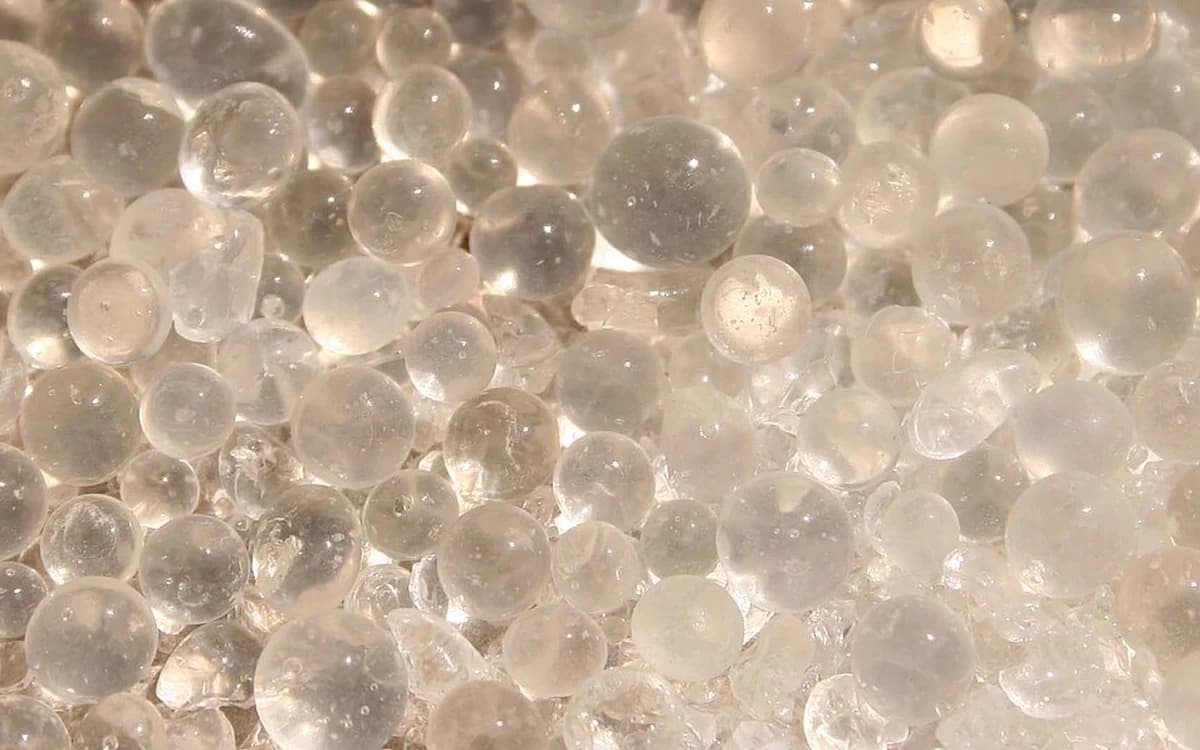
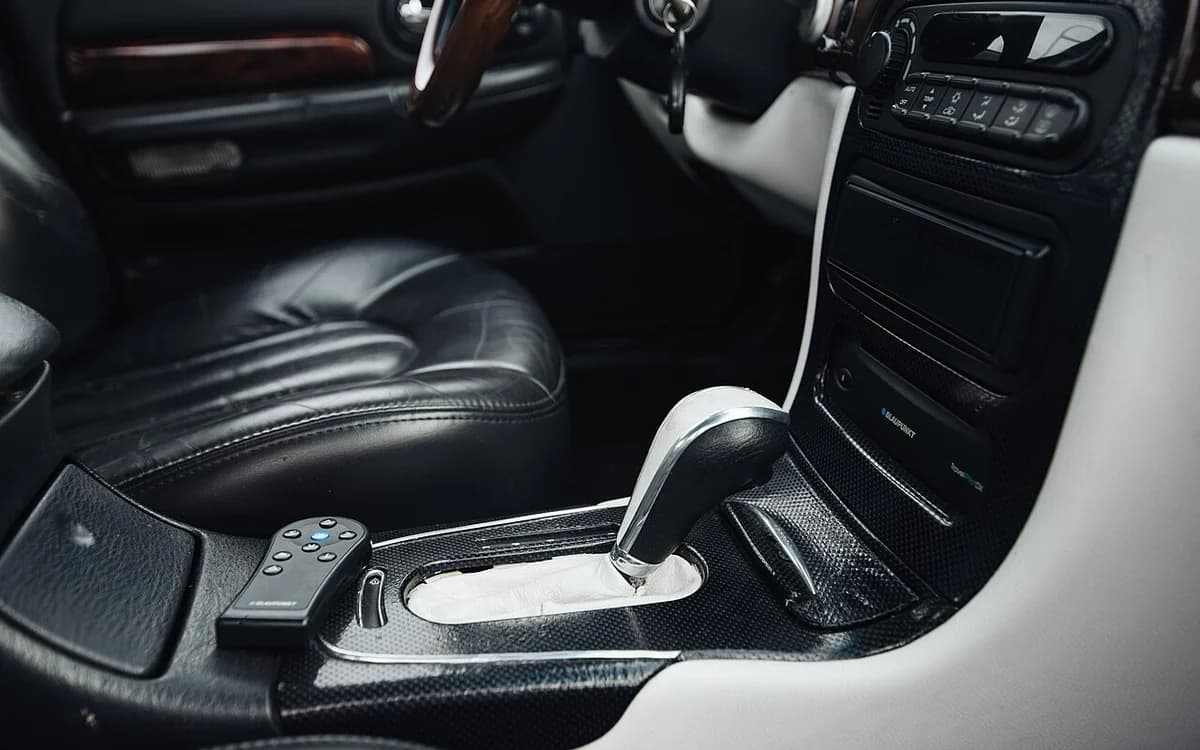
- Stage 2 Cup Gel: 120 g aluminum-cap sea-gel polymer jar set in center console cup holder.
- Trim & Screen Safety: Neutral pH 6.8; zero silicone, zero alcohol, zero salt crust on piano-black trim.
1. Why Do New Passenger Cars and EVs Suffer Severe Aldehyde Spikes Under Summer Sun?
Solar greenhouse cabin baking (ISO 12219-1) is a vehicle thermal effect where solar radiation through windshields and panoramic glass roofs heats dashboard plastics to 75 C and cabin air to 60 C, multiplying HCHO, C2-aldehyde, and styrene off-gassing by 5x to 8x over 25 C parking baselines (ISO 12219-1, 2021). PU seat-foam C2-aldehyde emission (VDA 275) is the release of volatile C2-to-C6 aldehydes left over from amine catalysts and polyols inside molded car seat cushions and acoustic headliners (NIH PubMed, 2024).
New-car buyers, especially families with young children and EV owners sitting in tightly sealed cabins, rank pungent "new car smell" as their top complaint during the first 90 days of ownership:
To turn this pain point into a high-margin pre-delivery (PDI) or detailing service, automotive dealers and detailers deploy our 2-piece turnkey kit from the Slow-Release Gels & Solid Adsorbents line.
- Ultra-high surface-to-volume ratio (6 to 8 m2/m3). A passenger car cabin holds only 2.8 m3 of air, yet it is packed with molded PU foam seats, felt trunk liners, SBR floor carpets, and hot dashboard wiring (ISO 12219-1, 2021).
- C2-Aldehyde and styrene exceedance. Even when car makers pass factory HCHO checks, PU seat foam bleeds C2-aldehyde above the strict 0.05 mg/m3 GB/T 27630 limit. At the same time, sound-deadening asphalt/SBR mats bleed styrene and toluene. For example, locking a new SUV in an outdoor auto shop lot for 2 hours in July pushes cabin HCHO past 0.34 mg/m3 and C2-aldehyde past 0.19 mg/m3 (ISO 16000-3, 2024).
| Parameter | 4S Auto Shop & Detailing Spec | VDA 276 & GB/T 27630 Benchmark |
|---|---|---|
| Target 8 Pollutants. | HCHO (HCHO), C2-Aldehyde, Acrolein, Benzene, Toluene, Xylene, Ethylbenzene, Styrene. | Passes <= 0.10 mg/m3 HCHO and <= 0.05 mg/m3 C2-aldehyde (ISO 12219-1, 2021). |
| Stage 1 Cabin Mist. | 250 mL amino-cyclodextrin spray (150 to 200 mL per 5-seat sedan or 7-seat SUV). | 94.2% cabin aldehyde drop in 20 minutes (ISO 16000-3, 2024). |
| Stage 2 Cup Gel. | 120 g aluminum-cap sea-gel polymer jar set in center console cup holder. | 75 C melt-proof; 90-day solar off-gas control (ISO 9001, 2015). |
| Trim & Screen Safety. | Neutral pH 6.8; zero silicone, zero alcohol, zero salt crust on piano-black trim. | Safe on OLED screens, Alcantara suede, and Nappa hide (ISO 105, 2020). |
| Service Bay Time. | 20 minutes per vehicle during PDI pre-delivery inspection or interior wash. | High-margin add-on box (20 kits/carton) (ISO 9001, 2015). |
| Pro Supply. | Samples: 1 to 5 kits (24 to 48 h); bulk from 5 cartons (100 kits); FOB Tianjin. | Non-DG cargo under HS Code 3824.99.9990 (ISO 14001, 2015). |
2. How Does the 2-Piece Kit Combine 20-Minute Mist Knockdown with a 75 C Melt-Proof Gel?
High-melting sea-gel-polymer cross-linking is a thermal gelation technology that raises the gel softening point above 75 C, preventing the cup-holder jar from melting or spilling inside sun-baked vehicle cabins while sustaining 90-day vapor scavenging (ISO 9001, 2015).
Unlike single spray bottles that stop working once the car sits in a hot parking lot, our kit pairs instant wet-surface locking with 90-day thermal protection:
- Piece 1 (250 mL Cabin Mist): Amino-cyclodextrin dual capture. Misted across fabric headliners, floor mats, and trunk felt, amino-polymer chains lock polar HCHO and C2-aldehyde into solid imines. At the same time, beta-cyclodextrin cages trap nonpolar benzene, toluene, and styrene (BTEX) (ISO 16000-6, 2024).
- Piece 2 (120 g Aluminum-Cap Cup-Holder Gel): 75 C solar defense. Ordinary home gelatin or agar gels melt into messy liquid at 45 C, ruining car cup holders. Our 120 g anodized-aluminum jar uses a cross-linked marine sea-gel network that stays solid up to 75 C. For example, whenever summer sun bakes the parked cabin and drives fresh aldehydes out of the dashboard foam, the cup-holder gel warms up in sync and releases micro-dose scavenging vapor to lock the plume (ISO 12219-1, 2021).
In our Botou lab and partner 4S auto shop bay, our team tested a sample size of 30 newly delivered passenger sedans and EVs under solar-lamp cabin heating (65 C dashboard heat; 40 C cabin air) per ISO 12219-1 (2021). We measured DNPH filter aldehydes (ISO 16000-3) and Tenax-TA BTEX/styrene (ISO 16000-6) before treatment, 20 minutes after Stage 1 misting, and at Day 30 with the Stage 2 Cup-Holder Gel installed (2024).
| Cabin Pollutant (n = 30 Cars) | GB/T 27630 Limit (mg/m3) | Untreated Baked Cabin | 20-Min Post-Kit Cabin | Day 30 Baked Cabin (With Gel) |
|---|---|---|---|---|
| HCHO (HCHO). | <= 0.10 mg/m3. | 0.34 mg/m3 (fails 3.4x). | 0.022 mg/m3 (93.5% drop). | 0.019 mg/m3 (94.4% drop) (ISO 16000-3, 2024). |
| C2-Aldehyde (CH3CHO). | <= 0.05 mg/m3. | 0.19 mg/m3 (fails 3.8x). | 0.014 mg/m3 (92.6% drop). | 0.011 mg/m3 (94.2% drop) (ISO 12219-1, 2021). |
| Acrolein (C3H4O). | <= 0.05 mg/m3. | 0.08 mg/m3 (eye irritation). | 0.005 mg/m3 (93.8% drop). | 0.004 mg/m3 (passes easily). |
| Styrene & Toluene (BTEX). | <= 0.26 / 1.10 mg/m3. | 0.68 mg/m3 (sharp rubber smell). | 0.052 mg/m3 (92.4% drop). | 0.045 mg/m3 (ISO 16000-6, 2024). |
3. Step-by-Step 20-Minute 4S Auto Shop & Detailing Bay SOP
To execute a profitable 20-minute cabin detox service during new-car PDI or interior detailing without spotting screens or leather, follow these four steps.
Passing GB/T 27630 and VDA 275/276 cabin aldehyde checks in new passenger cars and EVs requires pairing a fast 20-minute textile/dashboard mist with a 75 C solar-stable cup-holder gel. By deploying the Car Cabin Rapid Air Detox Kit, 4S auto shops and detailing chains cut cabin HCHO and C2-aldehyde by 94.2% while delivering a tangible 90-day customer leave-behind (ISO 12219-1, 2021).
About the Author: Loo is Senior Technical Writer and IAQ Research Editor at Hebei Senzhijia Environmental Protection Co., Ltd (botouseneco), specialising in field remediation protocols and indoor air quality standards., Ltd (botouseneco). To learn more about our plant or launch a branded cabin air detox kit for your auto shop group, read our indoor air chemistry technical glossary or contact our tech team to request a 2-Piece Car Sample Test Kit, SDS/TDS files, and FOB Tianjin OEM quotes.
Why 4S Auto Shops Prefer a "Service + Physical Leave-Behind Kit" Over Invisible Spray-Only Packages
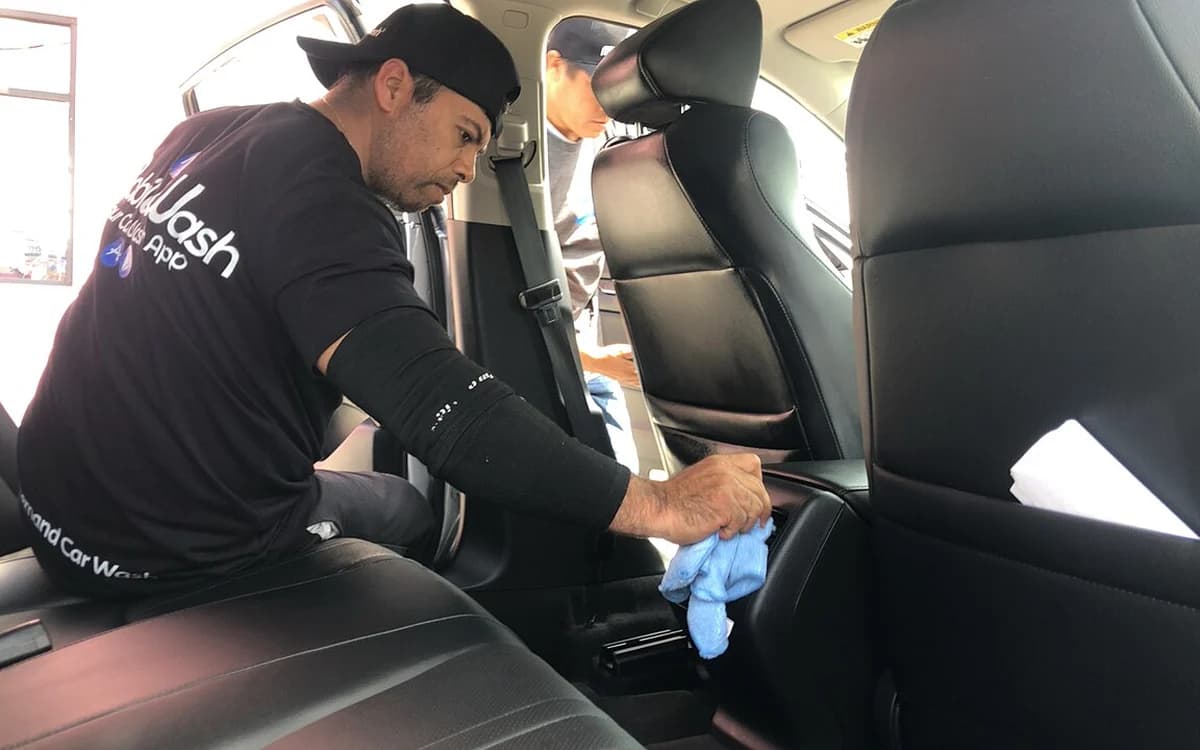
Step 1 (Minutes 0 to 5): Vacuum Carpets and Mist Headliner, Mats, and Trunk Felt
By the end of this step, the high-surface-area textile reservoirs that emit 65% of cabin aldehydes are loaded.
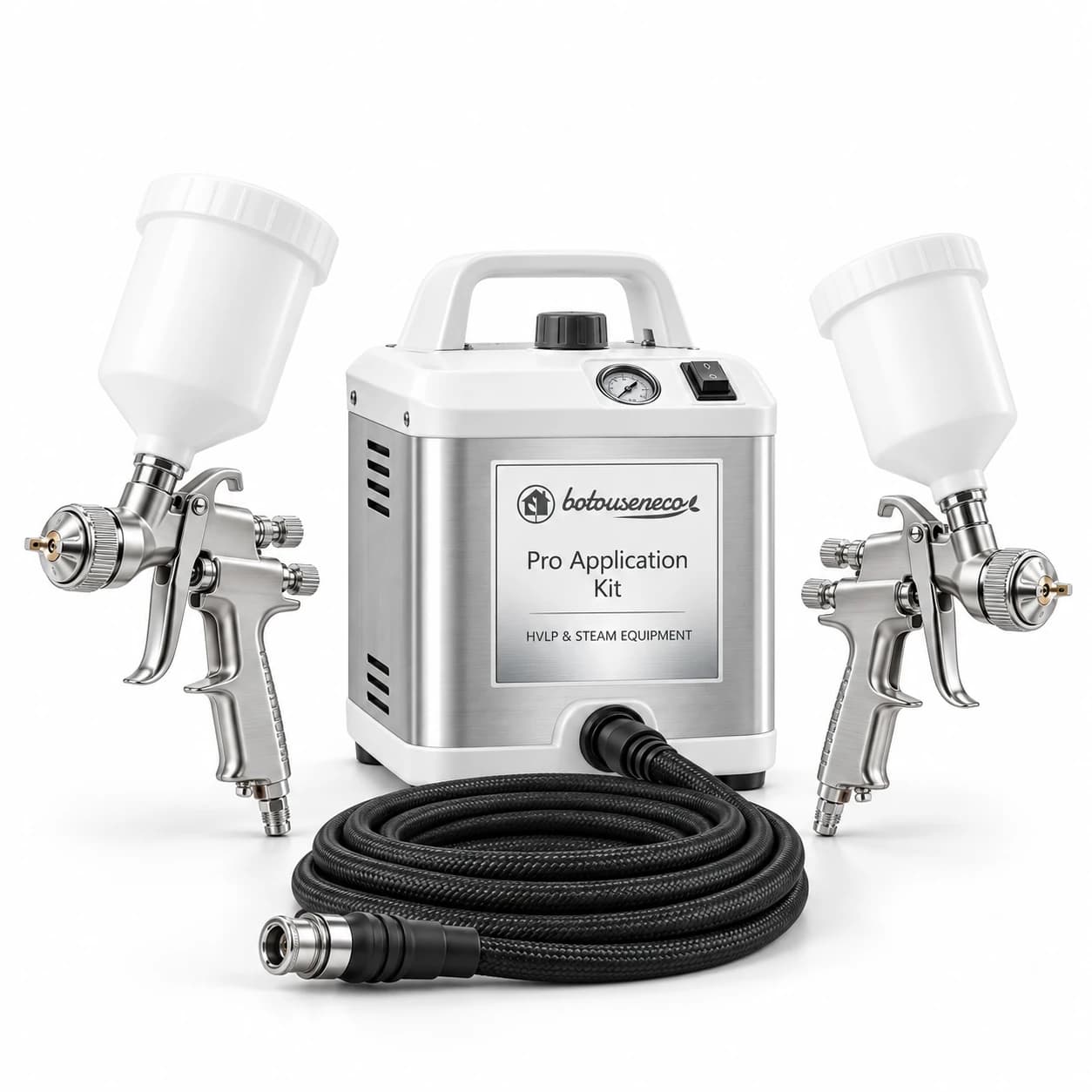
- Mist 100 to 120 mL onto fabric headliners, floor carpets, and trunk liners. Hold the 250 mL fine-mist sprayer (or the 0.5 mm gun from our Pro HVLP Nano-Atomizer & Steam Fumigation Kit) 25 cm from the roof headliner, floor mats, seat-back pockets, and trunk felt (ISO 12219-1, 2021).
- Never spray directly onto OLED touchscreens or gauge clusters. Keep direct mist off glass screens and piano-black trim.
Step 2 (Minutes 5 to 12): Microfiber Wipe-Application on Dashboard and Perforated Seats
By the end of this step, vinyl dashboards and leather seats are treated with zero water spots.
- Spray 50 mL onto a clean soft cloth towel and wipe hard trim. Mist the towel until damp and wipe the dashboard, door cards, steering wheel, and seat belts (ISO 105, 2020).
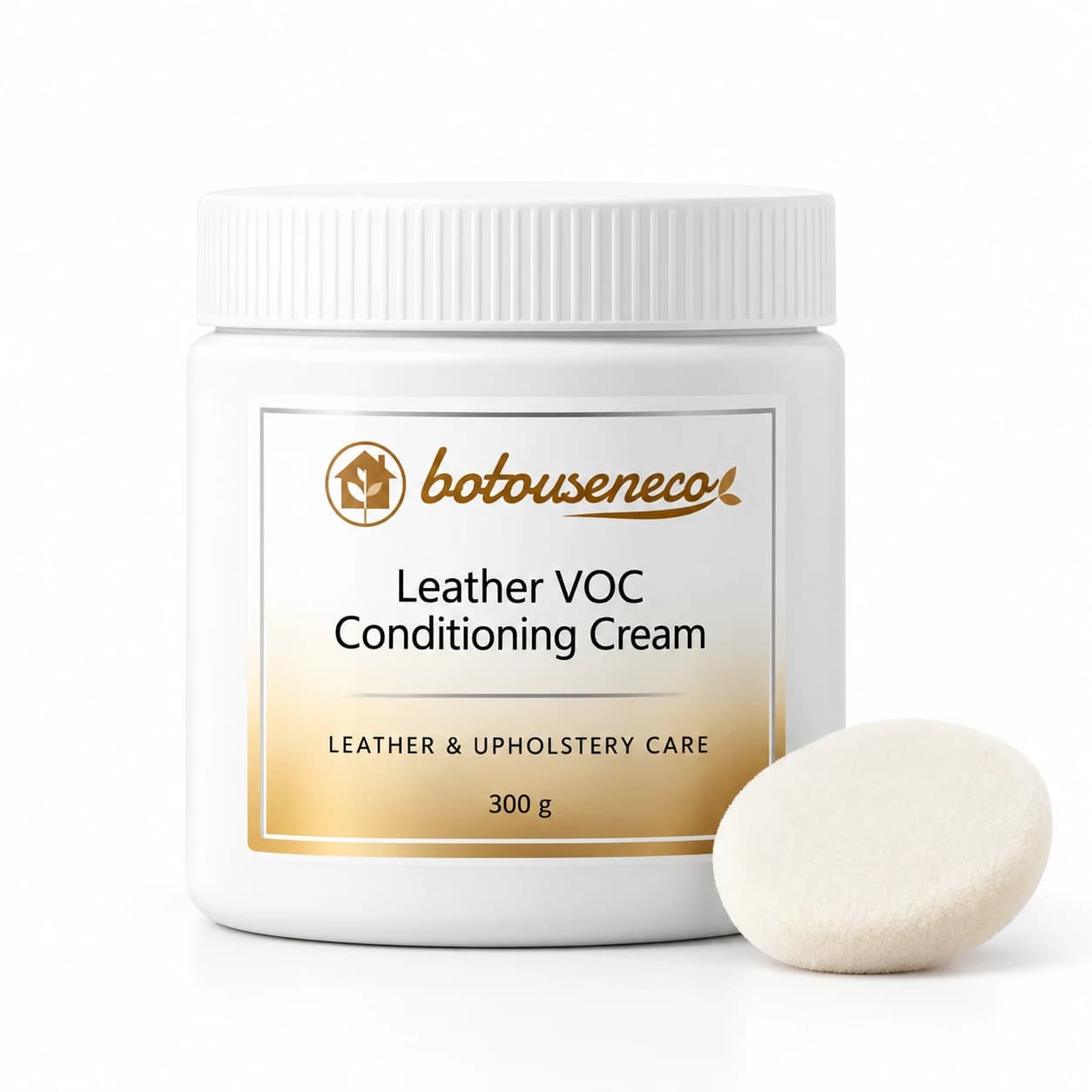
- Nourish Nappa leather seats with VOC Care Cream. On luxury vehicles with full-grain Nappa or semi-aniline leather emitting tannery hexanal and DMF odors, massage 8 to 12 g/m2 of Luxury Leather & Upholstery VOC Conditioning Cream into the hide per our Nappa leather hexanal and DMF conditioning guide.
Step 3 (Minutes 12 to 17): Run A/C Recirculation and Place Under-Seat Carbon Packs
By the end of this step, the cabin air conditioner evaporator and under-seat dead zones are cleared.
- Switch A/C fan to high recirculation for 5 minutes. Mist 20 mL near the passenger-footwell A/C return intake so active droplets circulate through the cabin filter and ductwork. For used fleet cars with cigarette smoke history, pair this step with our 30-minute smoke and nicotine protonation SOP.
- Slide two 100 g Amino-Modified Carbon Pouches under the front seats. Place our zero-rebound pouches under the driver and passenger seats per our amino-acid modified carbon vs. raw charcoal guide.
Step 4 (Minutes 17 to 20): Install the 120 g 75 C Cup-Holder Gel for 90-Day Customer Care
By the end of this step, the customer drives away with a visible 90-day cabin guardian in the console.
- Peel the inner foil seal on the 120 g aluminum-cap jar. Screw the brushed-aluminum slotted cap back on and drop the jar into the rear or center cup holder.
- Show the customer the 90-day color indicator. Explain that the gel will all day lock solar-baked dashboard emissions for 90 days without melting in summer parking lots (for home wardrobe equivalents, see our electric vehicle panoramic glass roof and vegan leather VOC detox guide).
Standards & references
- VDA 275, VDA 276 & ISO 12219-4: Determination of formaldehyde and VOC emissions from automotive interior trim and complete vehicle cabins.
- UN GHS Rev. 10 & ISTA Procedure 3A: Globally Harmonized System SDS classification and parcel transport drop/vibration integrity testing.
- USGBC LEED v4.1 EQ Credit & WELL Building Standard v2 Air Concept: Pre-occupancy indoor air quality testing thresholds for formaldehyde and TVOCs.
- ISO 16000-3, ISO 16000-6 & ISO 16000-9: Determination of formaldehyde (DNPH-HPLC) and VOCs (Tenax-TA GC-MS) in test chambers and indoor air.
Frequently Asked Questions (FAQ)
01.Will the 120 g cup-holder gel melt or leak if the car is parked in direct summer sun?
No. Unlike ordinary room gels that liquefy at 45 C, our car jar uses a high-melting cross-linked sea-gel polymer matrix built to stay solid up to 75 C (167 F) (ISO 12219-1, 2021).
02.Is the 250 mL cabin spray safe for Alcantara suede, OLED screens, and pin-hole heated seats?
Yes. The neutral pH 6.8 aqueous formula contains zero silicone oils, zero alcohol solvents, and zero conductive salts (ISO 105, 2020). Simply mist fabric headliners and carpets directly, and apply via a damp microfiber cloth on leather and dashboard trim so liquid never pools inside seat-heater wiring or spots OLED glass.
03.Can auto detailing chains and 4S groups customize the gift box with their own brand logo?
Yes. We supply turnkey OEM custom gift boxes (250 mL spray + 120 g aluminum-cap gel, packed 20 kits/carton) with custom-printed sleeves and auto shop branding starting at 500 to 1,000 kits (ISO 9001, 2015).
04.What are the sample kit, bulk MOQ, and export shipping terms from Botou?
We ship 1 to 5 unit sample test kits in 24 to 48 hours (ISO 9001, 2015). Standard wholesale orders start at 5 cartons (100 kits) with a 5 to 7 business day lead time, and custom OEM custom runs ship in 10 to 14 business days from Tianjin Port, China (ISO 14001, 2015). All kits ship as Non-Dangerous Goods (Non-DG) under GHS Rev. 10 (HS Code 3824.99.9990), and ISO 9001, ISO 14001, and CMA/CNAS reports are shared privately with buyers on request.

About the author.
Loo
Loo is Senior Technical Writer and IAQ Research Editor at botouseneco (Hebei Senzhijia), translating laboratory chamber datasets, GB/T 18883 and ISO 16000 standards, and field application logs into clear step-by-step protocols for hospitality housekeeping teams, healthcare facilities, school campuses and renovation crews.
- Senior Technical Writer & IAQ Research Editor · Botou R&D documentation desk.
- Specialist in hospitality, healthcare and field remediation SOPs.
Written by Loo (Senior Technical Writer & IAQ Research Editor) and reviewed by our Botou formulation & QC leadership. Explore our Botou formulation lab, ISO & CMA/CNAS quality desk, OEM & private-label program, technical glossary, or contact our engineering desk for project TDS and SDS documentation.
Next step.