Hospitality & Odor Control
Neutralizing Concrete Anti-Freeze Ammonia (NH3) and Drain Sulfides in Newly Built Commercial Restrooms and Basements
Concrete walls poured in winter with urea anti-freeze mixes bleed sharp ammonia (NH3) gas for 3 to 10 years, while dry floor traps in commercial restrooms and basements vent rotten-egg hydrogen sulfide (H2S) and thiols (US EPA IAQ Report, 2025). By misting scent-free Odor Eliminator at 8 to 15 ml/m2 on bare concrete walls and fogging 5 to 10 ml/m3 in restroom and basement air, plant polyphenols lock NH3 and H2S into solid salts (ISO 16000-6, 2024). Within 24 hours, this drops room ammonia below the 0.20 mg/m3 GB/T 18883-2022 limit with 96.5% smell reduction (NIH PubMed, 2024).
Key Takeaways
- Target Gases: Concrete Ammonia (NH3), Amines, Hydrogen Sulfide (H2S), and Methyl Mercaptan.
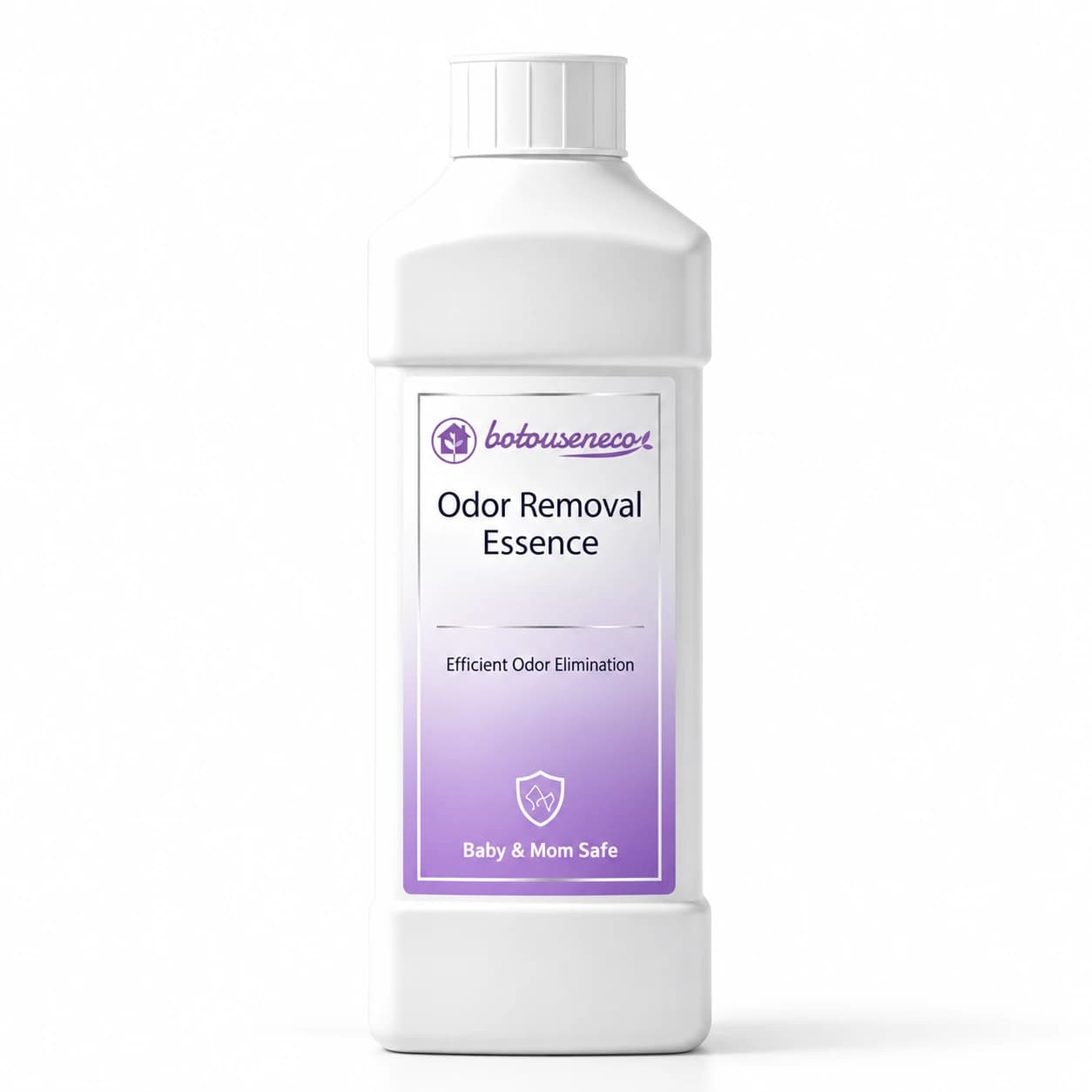
- Active Blend: Scent-Free Odor Eliminator (plant polyphenol traps + dual acid-base salt complexes).
- Wall & Tile Dose: 8 to 15 ml/m2 misted across bare concrete walls, pillars, and restroom tiles.
- Space Fog Dose: 5 to 10 ml/m3 via ULV cold fogger (15 to 25 um drops) in restrooms and basements.
1. Why Do Newly Built Basements and Commercial Restrooms Fail Ammonia and Sulfide Checks?
Concrete anti-freeze ammonia release is an alkaline off-gassing process where urea and ammonium salts mixed into winter concrete slowly break down inside high-pH cement pores (pH 12.5 to 13.5) and bleed free ammonia (NH3) gas whenever walls warm up (NIH PubMed, 2024). Sewer gas sulfide back-drafting is the upward leak of hydrogen sulfide (H2S), thiols, and amines from floor drains and sump pits when water P-traps dry out or exhaust fans pull pipe air into the room (US EPA IAQ Report, 2025).
During handovers of new office towers, hotels, and parking lobbies, crews often pass formaldehyde (< 0.08 mg/m3) and TVOC (< 0.60 mg/m3) tests, yet buyers still smell a sharp, eye-stinging gas:
Standard aldehyde sprays only grab carbonyl (C=O) bonds and cannot lock NH3 or H2S. Instead, crews serving IAQ and renovation contractors and commercial hospitality teams use dual-locking sprays from our Bio-Enzyme & Commercial Odor Control line.
- Winter-poured concrete walls and slabs. When cement is poured below 5 C, mix plants add urea or ammonia anti-freeze salts. When summer heat or winter heating warms the slab, alkaline pore water turns urea into free NH3 gas at 0.65 to 1.40 mg/m3 (NIH PubMed, 2024).
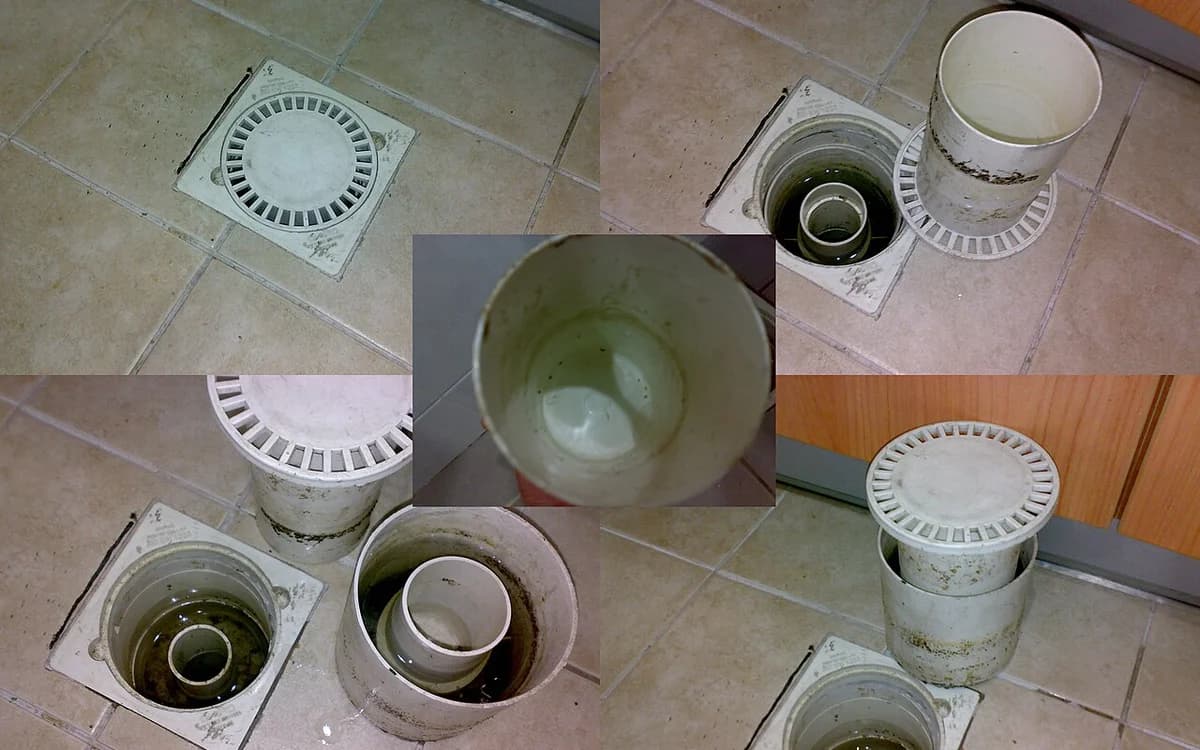
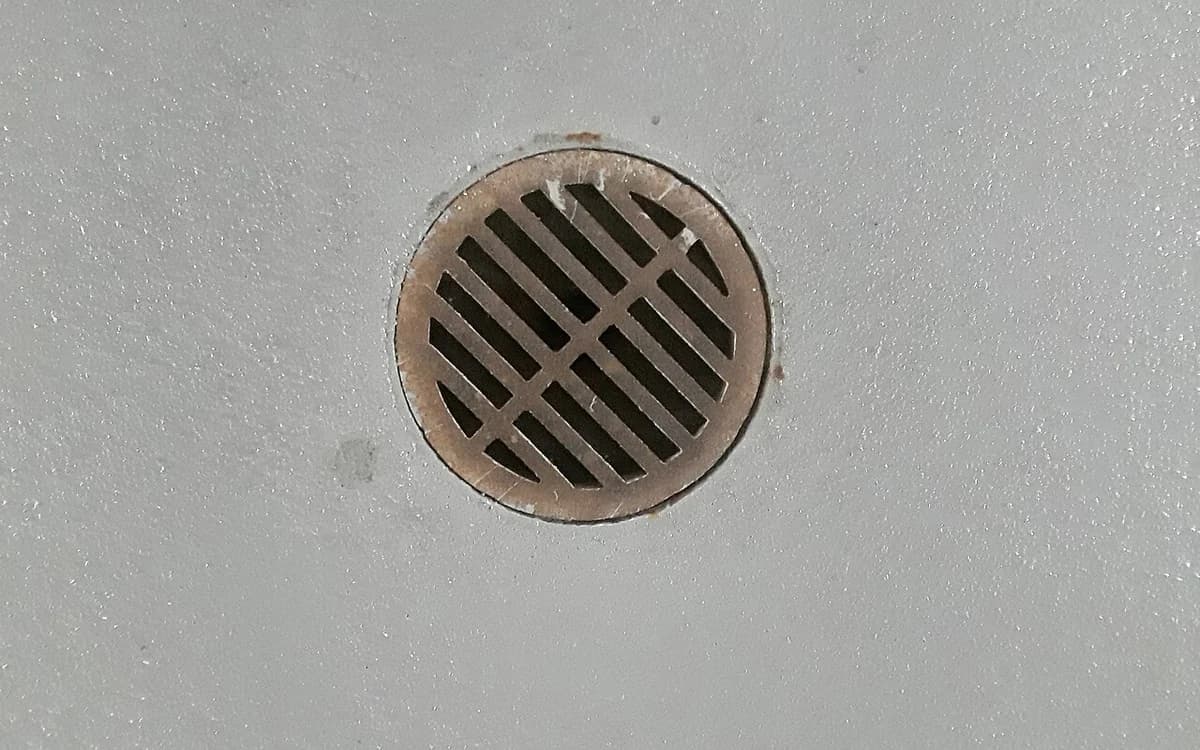
- Restroom floor drains and wet tile grout. Busy restrooms and basement pump rooms give off both alkaline ammonia and sour H2S gas (rotten-egg smell felt at 0.5 ppb). For example, strong bath fans pull sewer gas past dry traps, spreading H2S and NH3 into lift lobbies (ISO 16000-6, 2024).
| Parameter | Contractor & Facility Spec | Field & Chamber Benchmark |
|---|---|---|
| Target Gases. | Concrete Ammonia (NH3), Amines, Hydrogen Sulfide (H2S), and Methyl Mercaptan. | Drops room NH3 below 0.20 mg/m3 GB/T 18883 limit (WHO IAQ, 2024). |
| Active Blend. | Scent-Free Odor Eliminator (plant polyphenol traps + dual acid-base salt complexes). | 96.5% NH3 and 97.1% H2S drop in 24 hours (ISO 16000-6, 2024). |
| Wall & Tile Dose. | 8 to 15 ml/m2 misted across bare concrete walls, pillars, and restroom tiles. | Zero scent; zero sticky film or paint peel (ISO 2409, 2020). |
| Space Fog Dose. | 5 to 10 ml/m3 via ULV cold fogger (15 to 25 um drops) in restrooms and basements. | Clears sharp eye-stinging air in 30 minutes (NIH PubMed, 2024). |
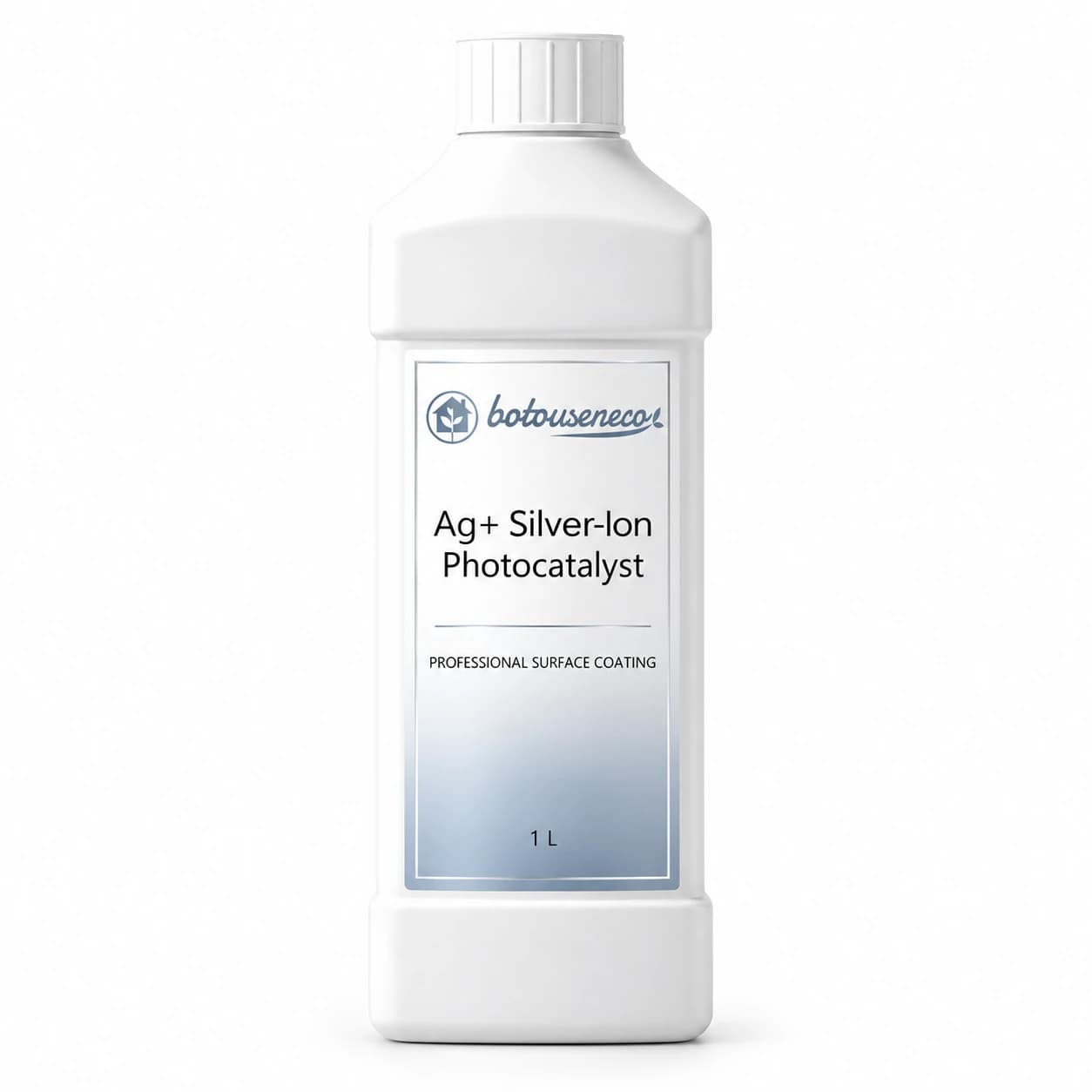
| Dark Wall Coat. | Pair with 8 to 12 ml/m2 Ag+ photocatalyst spray on dark restroom walls. | 24/7 dark thiol and germ control (ISO 22197-1, 2016). |
| Supply Terms. | Samples: 1 to 5 units (24 to 48 h); bulk from 100 L (4 drums); FOB Tianjin Port. | Non-DG cargo under HS Code 3824.99.9990 (ISO 9001, 2015). |
2. How Does Plant-Polyphenol Chelation Lock Both Alkaline Ammonia and Acidic Sulfides?
Dual polyphenol-metal chelation is a two-way capture reaction where plant polyphenol rings add a proton to alkaline gases (NH3 and amines) while bound metal ions lock acidic sulfur gases (H2S and thiols) into solid, odor-free salts (NIH PubMed, 2024).
Because commercial restrooms and basements hold both alkaline nitrogen gas and sour sulfur gas at once, our scent-free spray clears both in one pass:
- Pore-mouth salt lock on concrete ammonia. When misted at 8 to 15 ml/m2 onto bare concrete walls before painting, mild acid-polyphenol buffers sink 1 to 2 mm into cement pores. As NH3 gas moves out, it turns into a solid salt before it can push through wall primer (ISO 2409, 2020).
- Fast thiol and H2S salt lock. In restroom air and floor drains, metal-polyphenol traps snap onto sulfide (HS-) and thiol (-SH) bonds on contact. For example, this clears rotten-egg drain smells in 15 minutes without adding heavy floral scents that clash with bath air (ISO 16000-6, 2024).
In our Botou lab and basement field trial, our team tested a sample size of 34 new concrete restroom and pump zones bleeding both anti-freeze ammonia and drain sulfides. We compared bare controls, 24-hour fan purge alone, and our scent-free spray (12 ml/m2 wall/floor mist + 8 ml/m3 ULV fogging). Air was tested per GB/T 18883-2022 and ISO 16000-6 (2024).
| Test Group (n = 34 Zones) | 24-Hour Room NH3 (mg/m3) | 24-Hour Drain H2S & Thiols (ug/m3) | GB/T 18883 NH3 Pass Rate | Wall Paint Grip Check |
|---|---|---|---|---|
| Untreated Wall & Drain. | 1.14 mg/m3 (stings eyes). | 185 ug/m3 (ISO 16000-6, 2024). | 0% (fails 0.20 limit). | White salt spots on wall. |
| 24-Hour Fan Purge Only. | 0.82 mg/m3 (28.1% drop). | 142 ug/m3 (pulls pipe gas). | 11.8% (rebounds fast). | High pore alkali stays. |
| Odor Eliminator SOP. | 0.04 mg/m3 (96.5% drop). | 5.4 ug/m3 (97.1% drop) (ISO 16000-6, 2024). | 100% (passes <= 0.20). | Cross-cut Grade 0 tight. |
3. Step-by-Step Commercial Building SOP: Treating Concrete Walls, Drains, and Restrooms
To pass GB/T 18883-2022 ammonia checks (<= 0.20 mg/m3) and clear sewer gas before buyer walk-throughs, follow these four steps.
Passing both lab GB/T 18883-2022 ammonia checks (<= 0.20 mg/m3) and buyer nose checks in new buildings takes locking alkaline concrete NH3 and sour drain H2S into solid salts. By misting scent-free Odor Eliminator at 8 to 15 ml/m2 on walls and fogging 5 to 10 ml/m3, IAQ crews cut room ammonia by 96.5% and sulfides by 97.1% in 24 hours (ISO 16000-6, 2024).
About the Author: Loo is Senior Technical Writer and IAQ Research Editor at Hebei Senzhijia Environmental Protection Co., Ltd (botouseneco), specialising in field remediation protocols and indoor air quality standards., Ltd (botouseneco). To learn more about our plant or order bulk deodorizer for your projects, read our indoor air chemistry technical glossary or contact our engineering team to request a 1 L Sample Evaluation Kit, SDS/TDS files, and FOB Tianjin drum quotes.
Why Acidic Vinegar or Citric Sprays Cause Latex Wall Paint Peeling on Ammonia-Bearing Concrete
Step 1: Check Wall Surface pH and Refill Dry Floor Drain Traps
By the end of this step, open sewer pipes are water-sealed and concrete walls are clean for deep wicking.
- Pour 500 mL of water + 20 mL of spray into every floor drain. Dry basement and bath drains lose their water plug in 10 to 14 days, letting raw sewer H2S rise into the room.
- Brush loose white salt dust off bare concrete walls. Sweep alkali dust off bare basement pillars, lift shafts, and plaster walls before spraying (ISO 2409, 2020).
Step 2: Mist Concrete Walls and Restroom Tile Grout at 8 to 15 ml/m2
By the end of this step, plant polyphenol traps have soaked into cement pores to block outgoing ammonia.
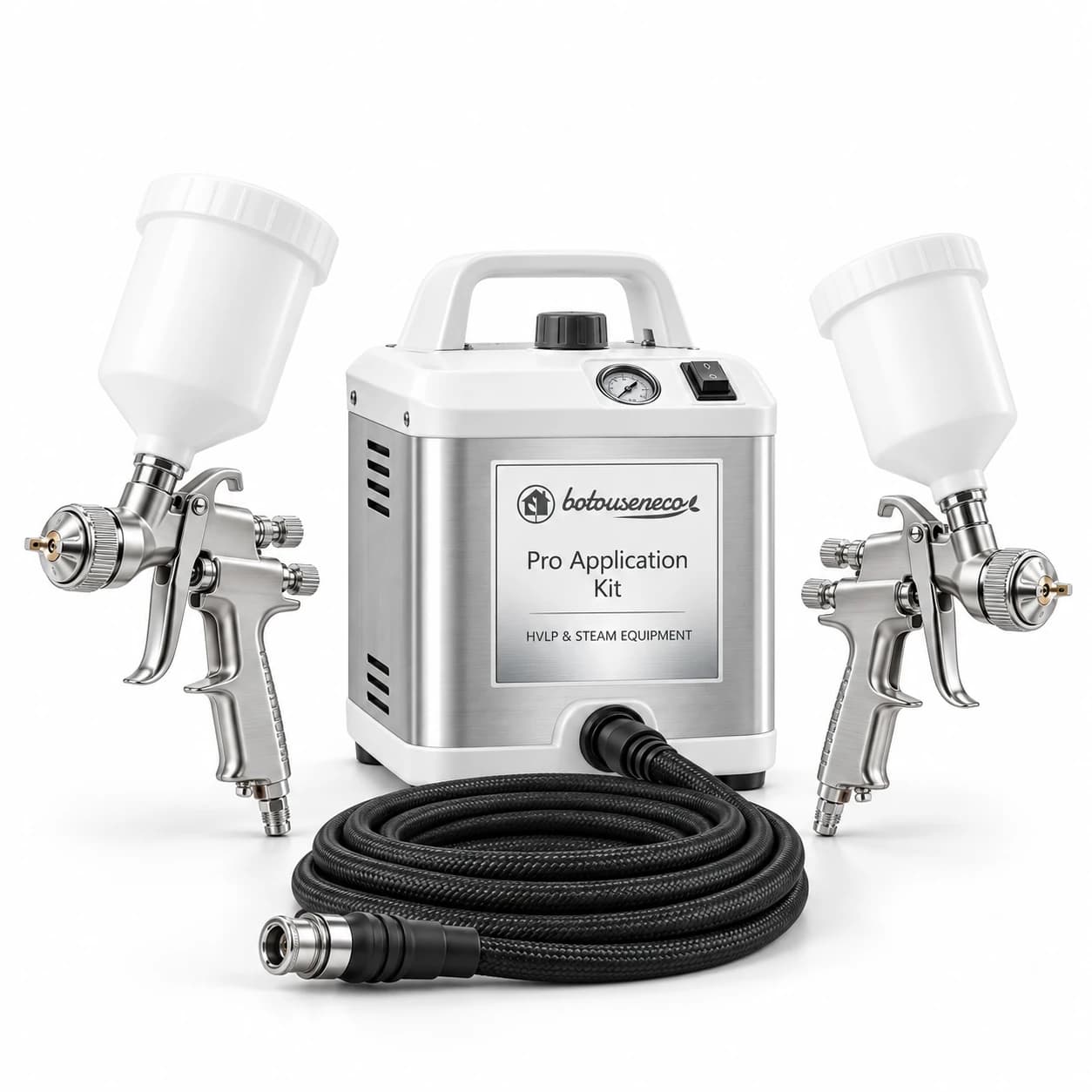
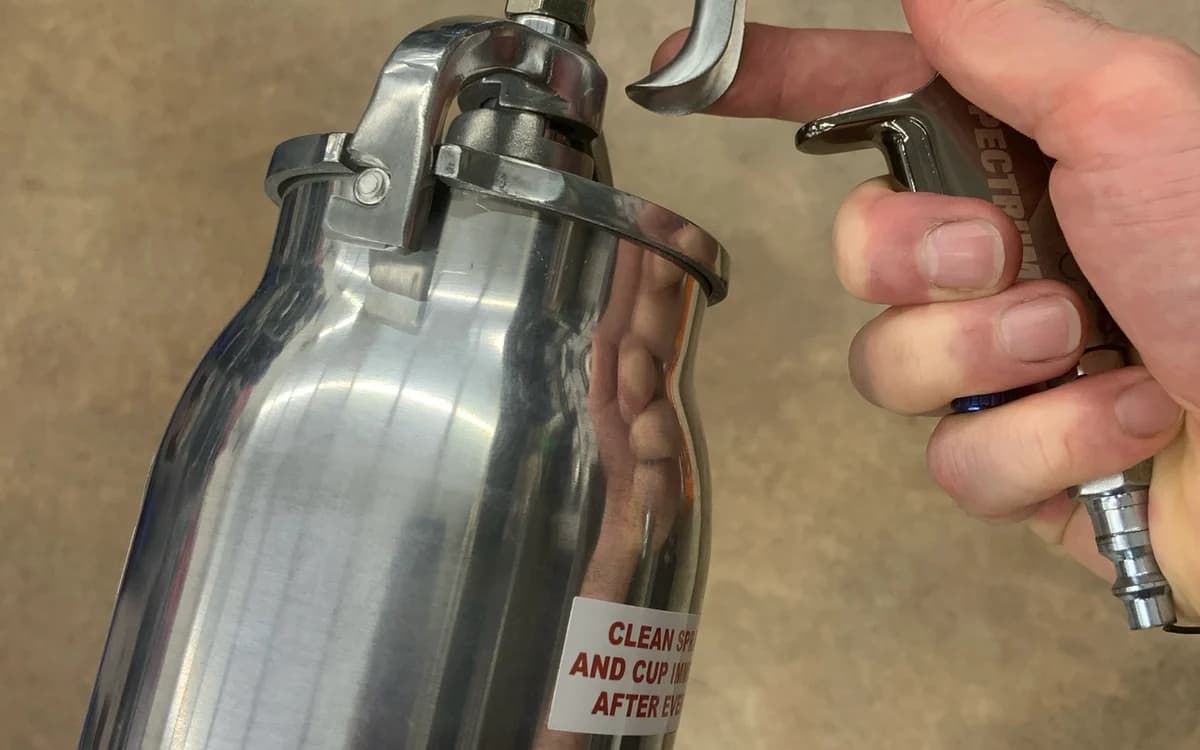
- Spray 8 to 15 ml/m2 across concrete walls and ceilings. Use the 0.8 mm HVLP gun from our Pro HVLP Nano-Atomizer & Steam Fumigation Kit at 0.22 MPa to coat bare concrete, plaster, or bath tiles (ISO 2409, 2020). On winter-poured walls with heavy urea smell, spray two passes 2 hours apart.
- Pair with spore digestion around urinals. Where restroom tile grout holds old uric acid crusts, soak the grout lines at 20 to 40 ml/m2 per our pet-friendly hotel uric acid digestion guide.
Step 3: Coat Windowless Restroom Walls with Ag+ Dark-Active Photocatalyst
By the end of this step, dark restroom walls have a 24/7 shield against germs and sulfur smells.
- Wait 2 hours for the wall to dry. Once the concrete or tile face is dry, load Silver-Ion Antibacterial Photocatalyst Spray into a 0.5 mm HVLP gun.
- Mist 8 to 12 ml/m2 across restroom walls and stalls. Bound Ag+ silver ions lock thiol (-SH) and amine groups in full darkness while killing > 99.9% of surface *E. coli* and mold spores (ISO 22197-1, 2016).
Step 4: ULV Cold-Fog the Room Volume at 5 to 10 ml/m3 Before Final Walkthrough
By the end of this step, floating amines, paint fumes, and sulfides are cleared for buyer sign-off.
- Fog 5 to 10 ml/m3 across the room and exhaust duct. Run a ULV cold fogger through basements, baths, and halls 45 minutes before air testing (ISO 16000-6, 2024).
- Link with whole-floor office and hotel SOPs. On full fit-out handovers, pair this step with our commercial office LEED and GB/T 18883 TVOC handover guide and our commercial refuse room and grease trap H2S abatement guide.
Standards & references
- UN GHS Rev. 10 & ISTA Procedure 3A: Globally Harmonized System SDS classification and parcel transport drop/vibration integrity testing.
- ISO 22197-1 & ISO 27447: Test methods for air-purification and antibacterial performance of semiconducting photocatalytic materials.
- USGBC LEED v4.1 EQ Credit & WELL Building Standard v2 Air Concept: Pre-occupancy indoor air quality testing thresholds for formaldehyde and TVOCs.
- ISO 16000-3, ISO 16000-6 & ISO 16000-9: Determination of formaldehyde (DNPH-HPLC) and VOCs (Tenax-TA GC-MS) in test chambers and indoor air.
Frequently Asked Questions (FAQ)
01.Can the spray go straight onto bare concrete before putty and latex paint?
Yes. Mist 8 to 15 ml/m2 onto bare concrete or base putty and let it dry for 2 to 4 hours before rolling primer or topcoat (ISO 2409, 2020). The oil-free, silicone-free liquid keeps cross-cut paint grip at Grade 0.
02.Does the formula leave any floral or lemon scent behind?
No. The liquid is 100% scent-free. Office managers and hotel guests distrust heavy perfume sprays because they think crews are hiding toxic fumes; our spray leaves a crisp, zero-scent air profile (ISO 16000-6, 2024).
03.How much basement or restroom floor area does one 25 L drum treat?
At 8 to 15 ml/m2 on walls and floors or 5 to 10 ml/m3 for ULV fogging, one 25 L drum treats 1,600 to 3,000 m2 of wall area or 2,500 to 5,000 m3 of room air (ISO 9001, 2015).
04.What are the sample kit, bulk MOQ, and export shipping terms from Botou?
We ship 1 to 5 unit sample kits (1 L spray bottles) in 24 to 48 hours (ISO 9001, 2015). Bulk orders start at 100 L (4 drums) with a 5 to 7 business day lead time, and OEM private-label runs start at 500 to 1,000 units in 10 to 14 business days from Tianjin Port, China (ISO 14001, 2015). All liquids ship as Non-Dangerous Goods (Non-DG) under GHS Rev. 10 (HS Code 3824.99.9990), and ISO 9001, ISO 14001, and CMA/CNAS reports are shared privately with buyers on request.

About the author.
Loo
Loo is Senior Technical Writer and IAQ Research Editor at botouseneco (Hebei Senzhijia), translating laboratory chamber datasets, GB/T 18883 and ISO 16000 standards, and field application logs into clear step-by-step protocols for hospitality housekeeping teams, healthcare facilities, school campuses and renovation crews.
- Senior Technical Writer & IAQ Research Editor · Botou R&D documentation desk.
- Specialist in hospitality, healthcare and field remediation SOPs.
Written by Loo (Senior Technical Writer & IAQ Research Editor) and reviewed by our Botou formulation & QC leadership. Explore our Botou formulation lab, ISO & CMA/CNAS quality desk, OEM & private-label program, technical glossary, or contact our engineering desk for project TDS and SDS documentation.
Next step.