2.4x Visible-Light Quantum Yield
Ag⁺ Schottky junction suppresses electron-hole recombination, dramatically boosting indoor LED catalytic efficiency.
 01 / 05 · Studio Packshot
Dual-Mode Dark + Light Nano-Coating
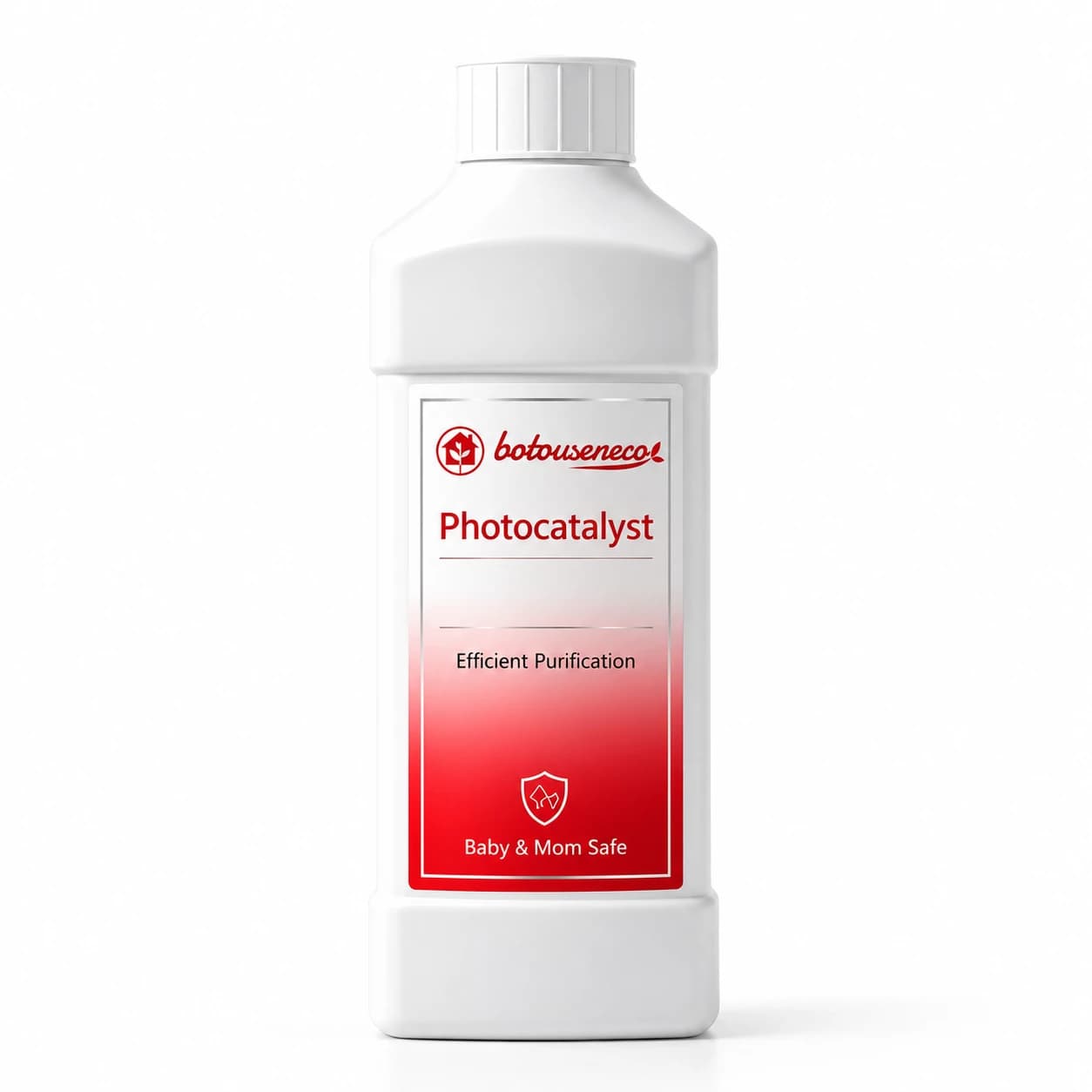
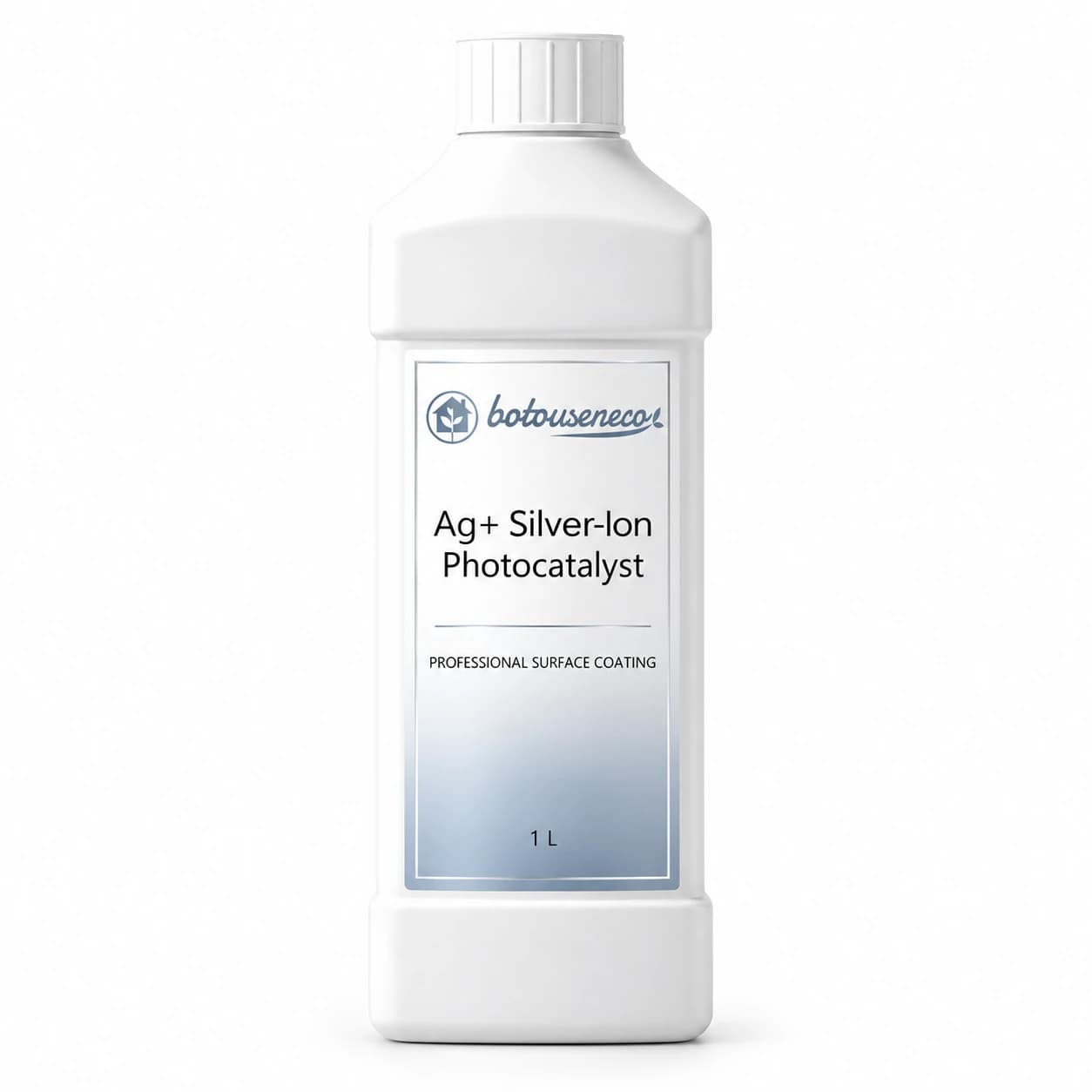
botouseneco Ag+ Silver-Ion Antibacterial Photocatalyst is a dual-mode B2B nano-coating combining 5nm anatase TiO₂ with chelated nano-silver ions (Ag⁺). Applied at 8–12 ml/m² via 0.5mm HVLP atomization, the Ag⁺ co-catalyst narrows the TiO₂ bandgap for boosted visible-light HCHO/TVOC oxidation while delivering >99.9% continuous antibacterial and anti-mold protection even in complete darkness.
Last updated
01Overview
Hospital- and hospitality-grade photocatalytic coating that remains active after lights out.
Standard TiO₂ photocatalysts require light photons to generate reactive oxygen species, pausing their catalytic activity at night or inside dimly lit corridors. botouseneco Ag+ Silver-Ion Antibacterial Photocatalyst solves this limitation through noble-metal surface plasmon resonance (SPR) doping. Nano-silver (Ag⁺) clusters anchored onto 5nm anatase TiO₂ crystals act as electron traps that prevent electron-hole recombination under weak indoor LED light, while continuously disrupting microbial cell membranes and catalytic odor bonds 24 hours a day.
Ag⁺ Schottky junction suppresses electron-hole recombination, dramatically boosting indoor LED catalytic efficiency.
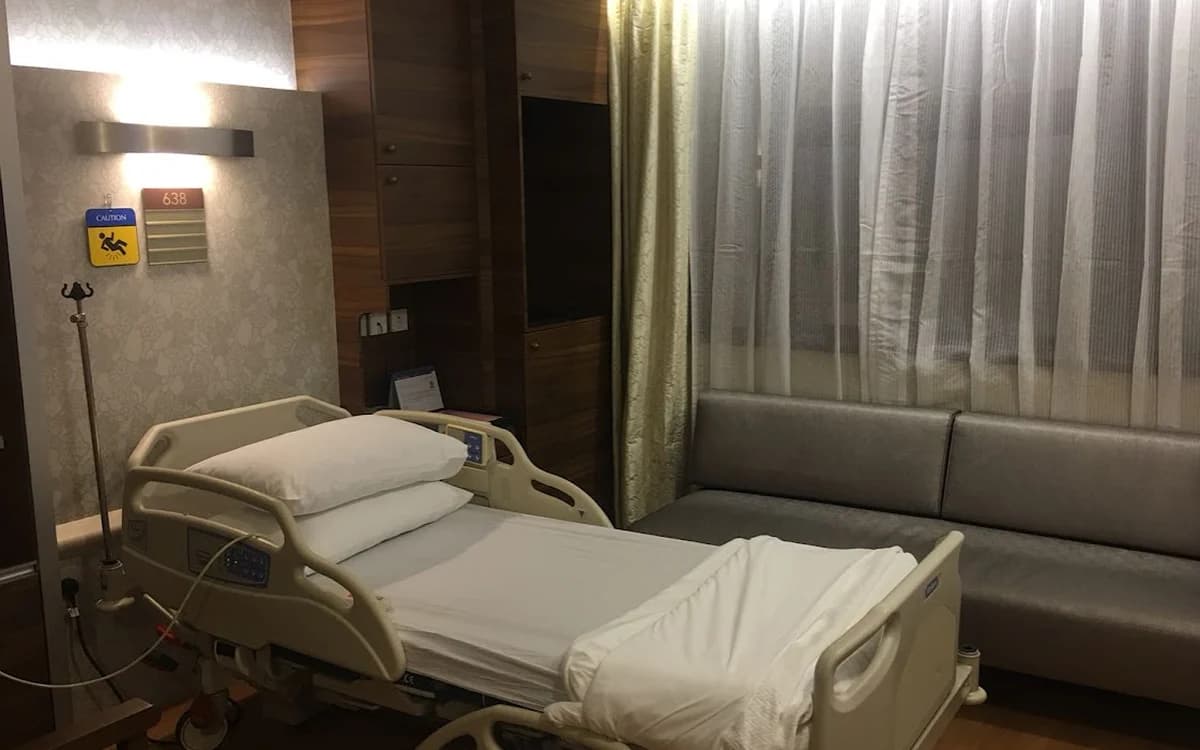
Continues neutralizing bacteria, mold spores, and organic odors in pitch-dark rooms and night-time cycles.
Chelated nano-silver stabilization prevents photoreduction darkening on white latex ceilings and walls.
Inhibits Aspergillus niger and wall mildew growth in humid hotel guestrooms and healthcare wards.
Reaction mechanism
Under indoor light, Ag⁺ nanoparticles create a Schottky barrier on the TiO₂ crystal lattice, multiplying hydroxyl radical (•OH) yield by 2.4x compared to undoped TiO₂. In total darkness, immobilized Ag⁺ ions bind to thiol (-SH) and amino groups in bacterial cell walls and malodorous gases, providing uninterrupted sanitation and deodorization.
Reaction pathway
Ag⁺ / Nano-TiO₂ → 24h Dark + Light Catalysis02Technical data
Published factory QC parameters for engineering submittals, tenders and procurement files, grouped the way distributors list them.
English TDS, GHS-format SDS and a batch COA for Ag+ Antibacterial Photocatalyst.
Request documents| Active Dispersion | 5nm Anatase Nano-TiO₂ doped with 150 ppm chelated Nano-Silver (Ag⁺) |
|---|---|
| Light Activation Range | 380nm – 600nm visible LED/daylight + dark-phase Ag⁺ catalytic activity |
| Grade | Visible-Light Architectural & Commercial Photocatalytic Grade |
| CAS number(s) | 7732-18-5 (Deionized Water) · 1317-70-0 (Anatase Nano-TiO₂ Sol, 5-10 nm) · 7440-22-4 (Chelated Ag⁺ Co-Catalyst, trace) |
| Appearance | Translucent bluish-white Tyndall-effect nano-colloid |
| Odor | Odorless (Fragrance-free) |
| Density | 1.01 - 1.03 g/cm³ (20 °C) |
| Viscosity | 1.2 - 2.5 mPa·s (25 °C, optimized for 0.5 mm HVLP) |
| Flash point | Non-flammable (Aqueous dispersion) |
| Solubility | Stable aqueous nano-sol dispersion |
| VOC content | 0 g/L (100% inorganic aqueous carrier) |
| HS code | 3815.90.0000 |
| Antimicrobial Efficacy | >99.9% reduction against E. coli, S. aureus, and common indoor mold spores |
|---|
| Recommended Dosage | 8 – 12 ml/m² via 0.5mm HVLP nozzle |
|---|
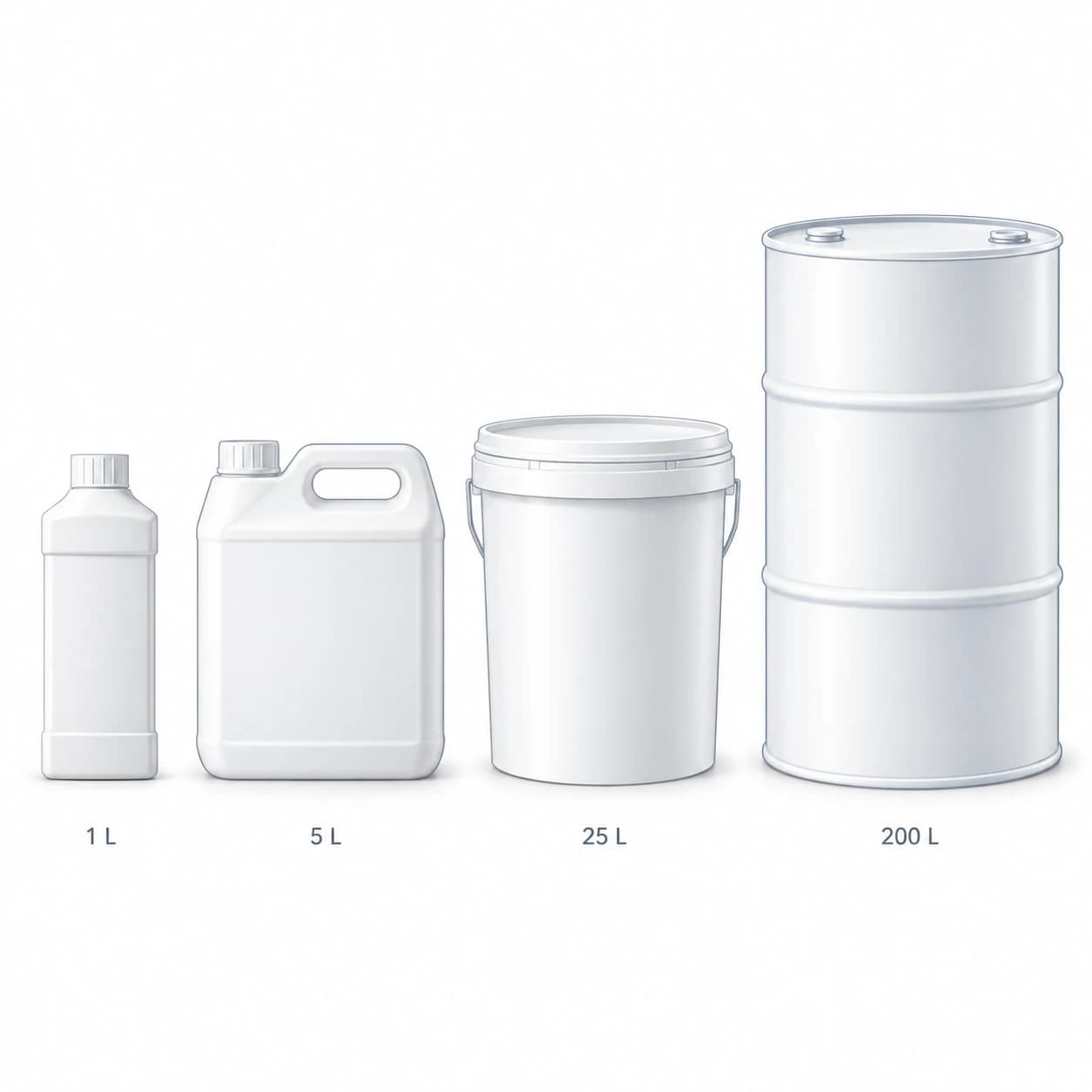
| Packaging Options | 1L / 5L / 20L / 25L / 200L B2B containers |
|---|
03Application
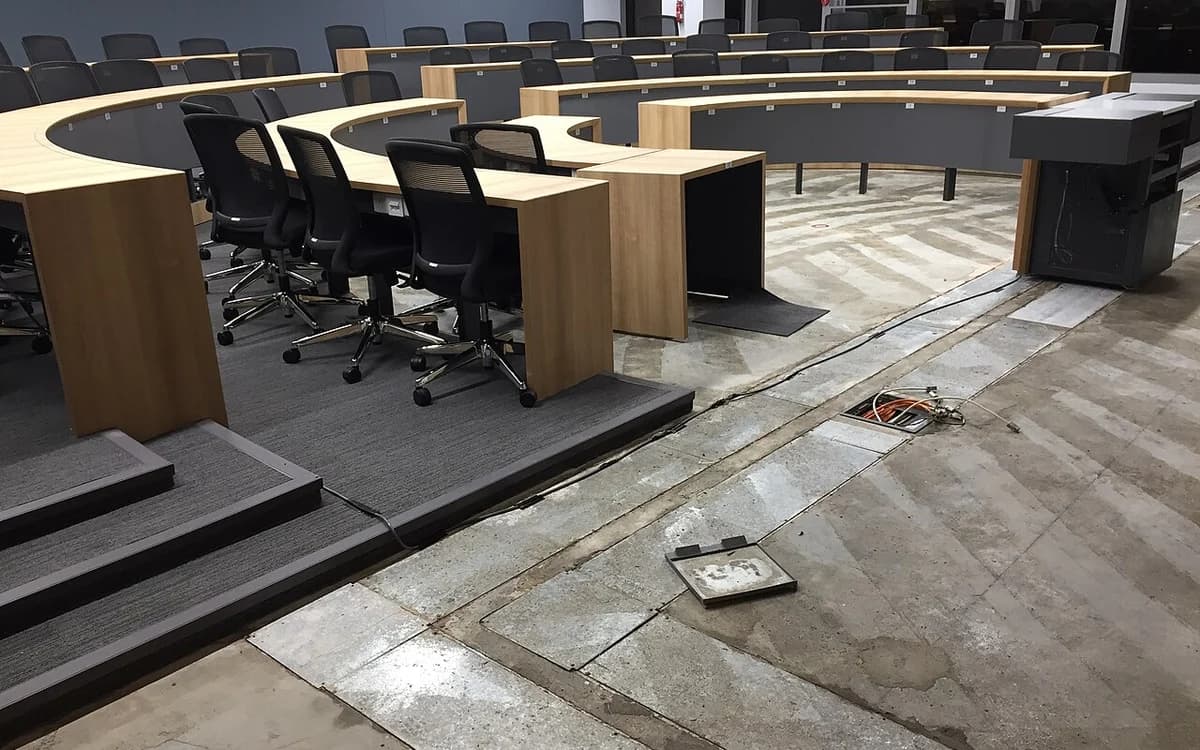
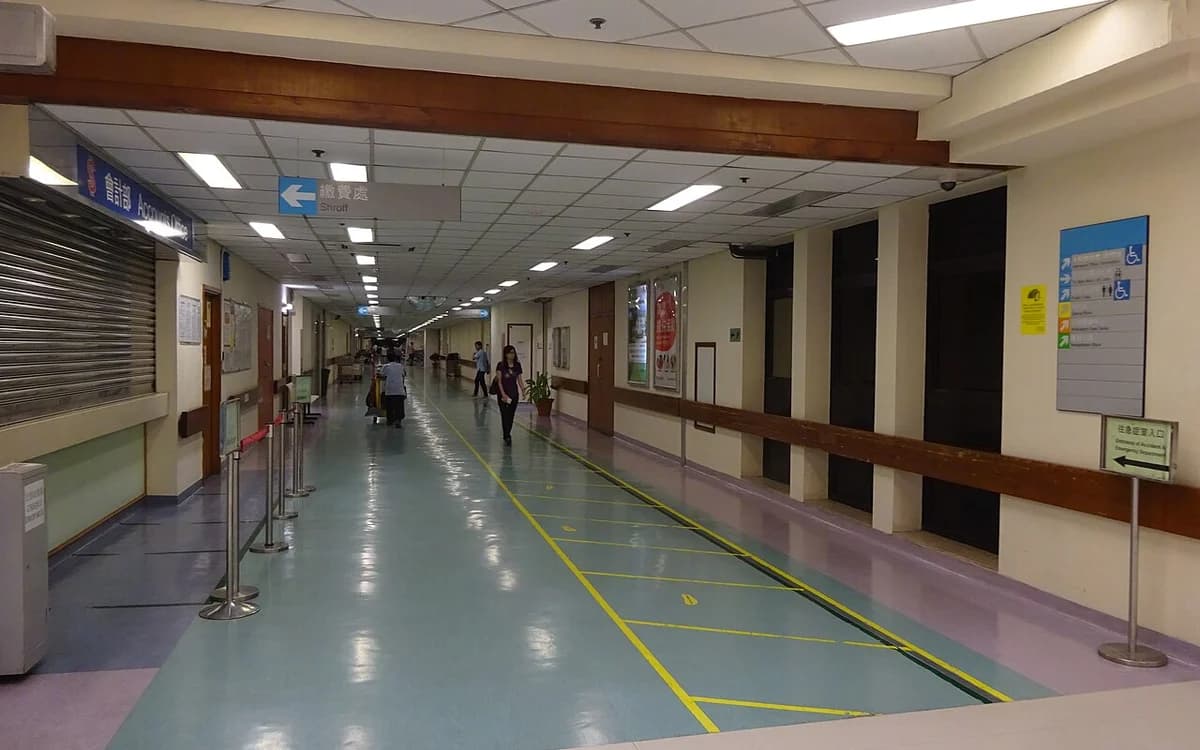
Specify Ag+ TiO₂ for corridors, basements, clinics, and humid climates.
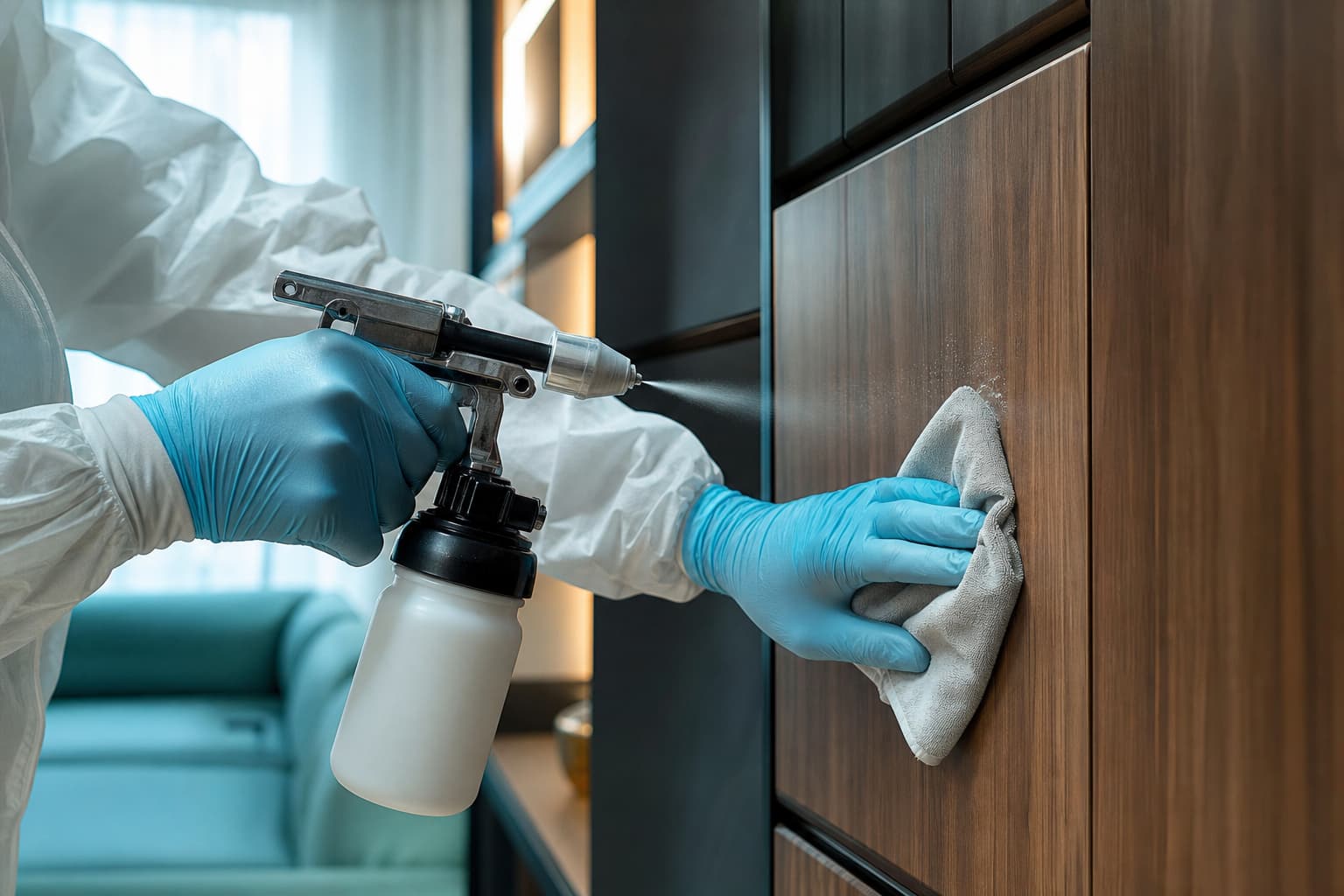
In Southeast Asian, coastal, or healthcare projects where high humidity and low indoor lighting limit standard photocatalysts, Silver-Ion Antibacterial Photocatalyst Spray prevents wall mildew while maintaining high-efficiency HCHO and TVOC decomposition.
Record initial HCHO/TVOC readings (mg/m³), room temperature (°C), relative humidity (% RH), and closure window (1h vs. 12h).
Identify whether off-gassing stems from urea-formaldehyde MDF/particleboard, phenolic plywood, solvent lacquers, or textile backings.
Calculate total surface area (m²) of panels, walls, and ceilings to determine exact liquid volume (ml/m²) and nozzle gauge (0.5mm–1.0mm).
Confirm sample evaluation batch, TDS/MSDS export documentation, and commercial drum sizing (1L / 5L / 20L / 25L / 200L).
Stabilized non-oxidizing Ag⁺ chelate prevents grey discoloration on white walls
04Safety, handling & compliance
Hazard classification, storage and transport data follow the product's safety data sheet. Request the SDS for the full 16-section document.
Stabilized non-oxidizing Ag⁺ chelate prevents grey discoloration on white walls
Protective equipment: Nitrile gloves, safety glasses, and FFP2/N95 mist mask during enclosed HVLP atomization.
Non-Dangerous Goods (Non-DG) for sea, air, and road freight (Not regulated under IMDG, IATA, or ADR).
Certificate copies and full test reports are shared with buyers on request. Request copies · Quality & certifications
| Test | Standard | Laboratory | Result |
|---|---|---|---|
| 24h Closed-Chamber Pollutant Abatement | ISO 22197-1 / JIS R 1701-1 Photocatalytic Oxidation | CMA/CNAS Accredited Environmental Lab & botouseneco QC Center | 92.4% HCHO & 89.6% TVOC mineralization under 420-450 nm LED |
| Substrate Corrosion, pH Neutrality & Zero-Stain Verification | GB/T 18883 Annex & ISO 2409 Surface Integrity Protocol | botouseneco Botou R&D Lab (Supervised by Jyen) | Pass (pH 6.5-7.5; 0% yellowing, blistering, or hardware corrosion) |
05Ordering & logistics
06Documents
Every shipment travels with these documents. Download them here when available, or request the current version from our engineers.
07Dosage
Based on the published coverage for Ag+ Antibacterial Photocatalyst: 8 – 12 ml/m² (single uniform cross-hatch nano-coating pass).
Published coverage: 8 – 12 ml/m² (single uniform cross-hatch nano-coating pass)
Use 2–3 passes for raw high-density board or heavy TVOC loads.
Estimated quantity
2.4–3.6L
8–12 ml/m² × 300 m² × 1 pass
Estimate from the published coverage range. Real consumption depends on substrate porosity, nozzle size and baseline readings — our engineers confirm it with your quote.
08Questions
No. Our Ag⁺ ions are coordination-stabilized within the anatase TiO₂ crystal lattice rather than suspended as free silver nitrate, preventing photoreduction staining on white walls.
09Related
TVOC & Photocatalyst
Engineering-grade VOC treatment
TVOC & Photocatalyst
Carpet & paint VOC specialist
Engineering journal
Step-by-step dosing schedules, chamber test datasets and substrate compatibility guides written by our Botou formulation and QC team.
All 66 engineering guidesStep-by-step property restoration IAQ guide to stopping 48-hour carpet sub-pad butyric acid souring, wet SBR 4-PCH hydrolysis, and drywall Aspergillus MVOCs after floods or sprinkler leaks using cationic biofilm strippers and Bacillus enzymes.
 Loo
Step-by-step healthcare facility IAQ guide to eliminating human incontinence urine odors, insoluble uric acid crystals, p-cresol, and nonanal in nursing homes and senior living wards using >=10^8 CFU/mL Bacillus spores and fragrance-free plant polyphenols.
Loo
Step-by-step hospitality engineering guide to preventing black mold (Aspergillus niger) and musty geosmin odors in coastal and tropical resort hotels at 85% RH using pH 7.0 FCU coil cleaners, Ag+ dark-active coatings (8 to 12 ml/m2), and 90-day ClO2 gels.
Loo
Step-by-step IAQ tutorial for windowless cinemas, KTV lounges, and theaters combining 95 C thermal steam extraction (20 to 30 ml/m2) on fire-retardant velvet seating with 0-Lux dark-active Ag+ silver-ion coatings (8 to 12 ml/m2).
Loo
Step-by-step healthcare IAQ guide to co-managing formaldehyde coatings, dental eugenol/monomer odors, and daily 75% ethanol or quaternary ammonium disinfection without chemical cross-reactions or film peeling.
Loo
Data-driven engineering study on 5 nm anatase TiO2 doped with 150 ppm chelated Ag+ silver ions for 24/7 dark-phase antibacterial action and 2.4x visible LED formaldehyde oxidation at 8 to 12 ml/m2.
Loo
Factory-direct supply
Request a sample with the English TDS and SDS, or send your project size for a bulk or private-label quotation of Ag+ Antibacterial Photocatalyst.