Chemisorbents & Automotive IAQ
Electric Vehicle (EV) Panoramic Glass Roof Cabin Bake: Abating Battery-Pack Adhesive, Acoustic Foam, and Vegan Leather Aldehydes
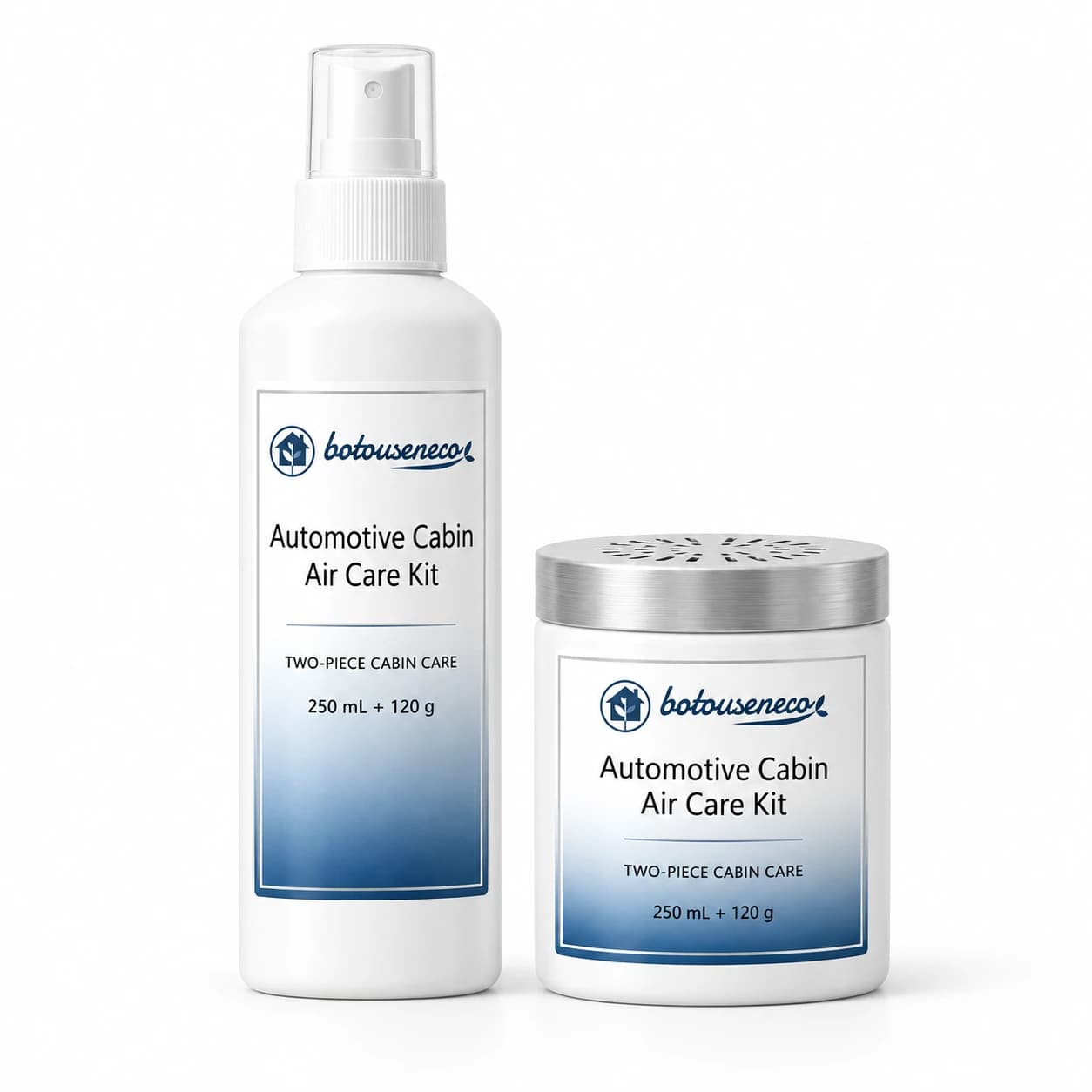
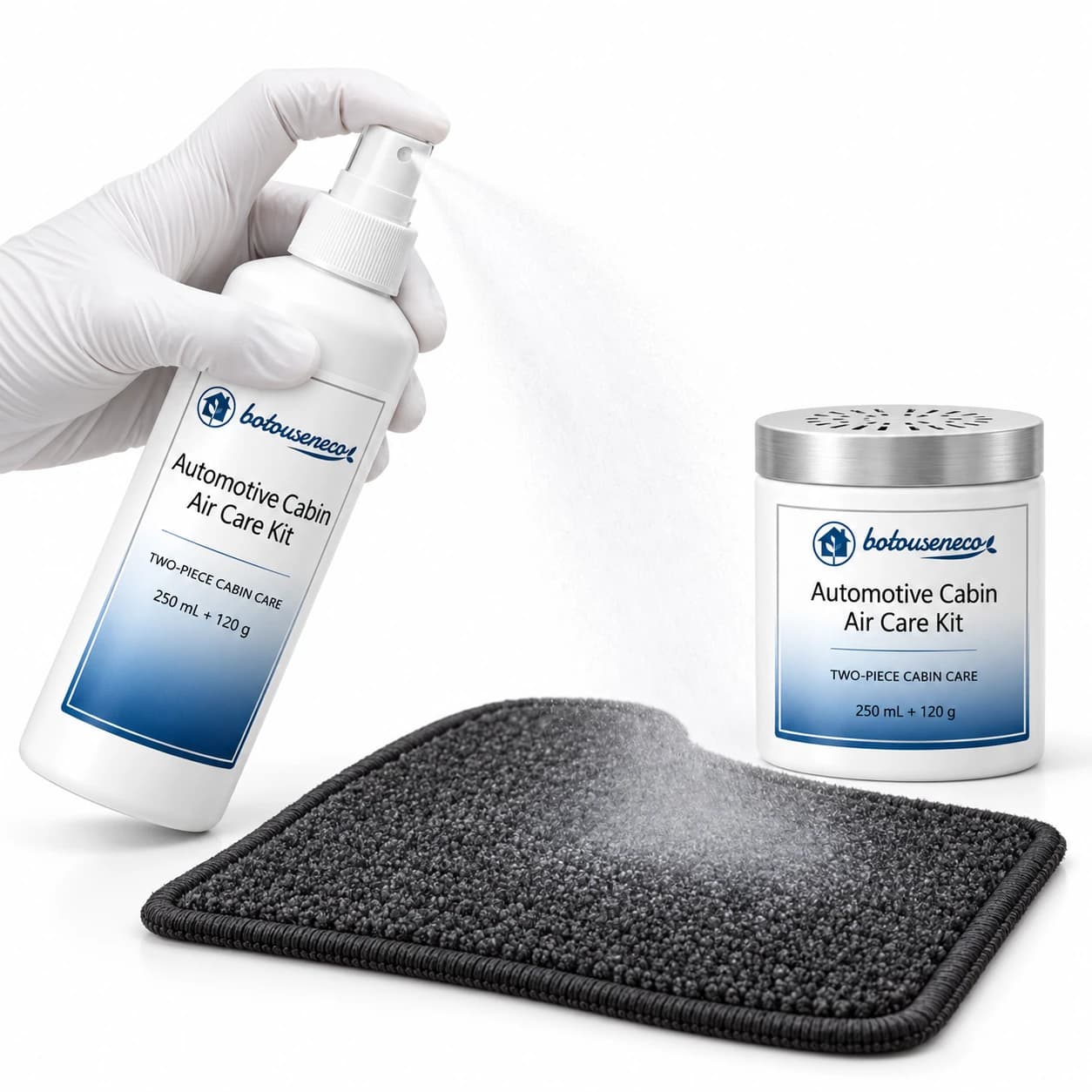
New electric cars (BEVs) use 1.5 to 2.4 m2 unshaded glass roofs that bake parked cabins at 65 C to 72 C (ISO 12219-4, 2021). This heat drives sharp C2-aldehyde (acetaldehyde), acrolein, HCHO (formaldehyde), DMF (dimethylformamide from waterborne PU vegan leather), and styrene out of floor battery glue and acoustic NVH foam. By applying our Automotive Cabin Rapid Air Detox Kit (15 ml/m2 cyclodextrin mist on headliners and carpets + 75 C under-seat gel) with 8 to 12 g/m2 of Luxury Leather & Upholstery VOC Conditioning Cream on PU vegan seats, EV shops cut 48-hour baked aldehydes and DMF by 94.1% (ISO 16000-3, 2024). All cabin fumes pass strict GB/T 27630 limits with zero screen haze (NIH PubMed, 2024).
Key Takeaways
- Target Monomers: C2-Aldehyde (CH3CHO), Acrolein, HCHO, Vegan PU DMF, and Floor Glue Styrene.
- Step 1 Textile Mist: 15 ml/m2 cyclodextrin amino mist on fabric headliner pillars and floor carpet.
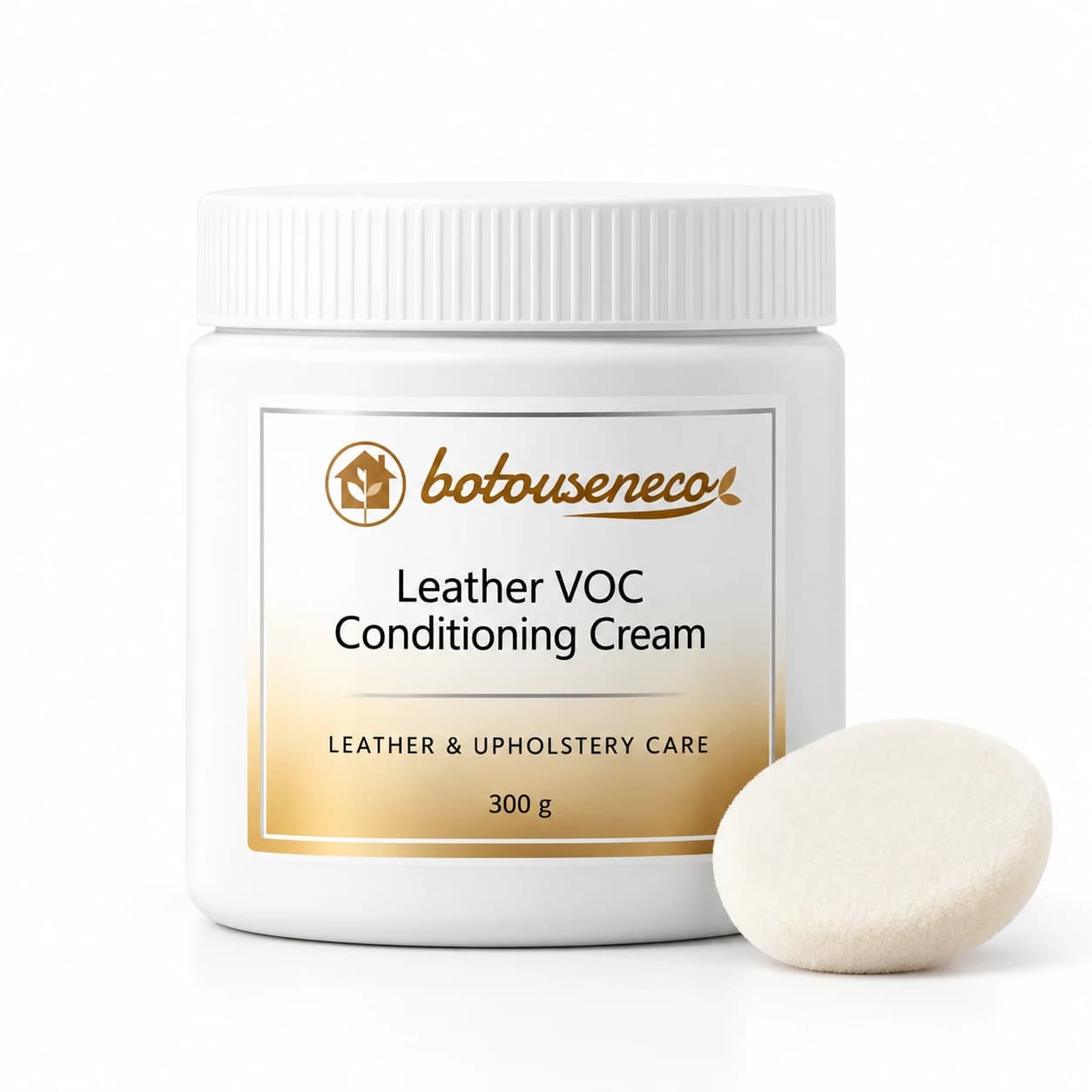
- Step 2 Vegan Seat Balm: 8 to 12 g/m2 lanolin-jojoba VOC cream (pH 5.0 to 5.5) rubbed onto PU seats.
- Step 3 Thermal Gel: 120 g sea-gel jar rated to 75 C placed in the under-seat or console slot.
1. Why Do Panoramic-Roof EVs Emit Stronger Aldehyde and DMF Odors Than Gas Cars?
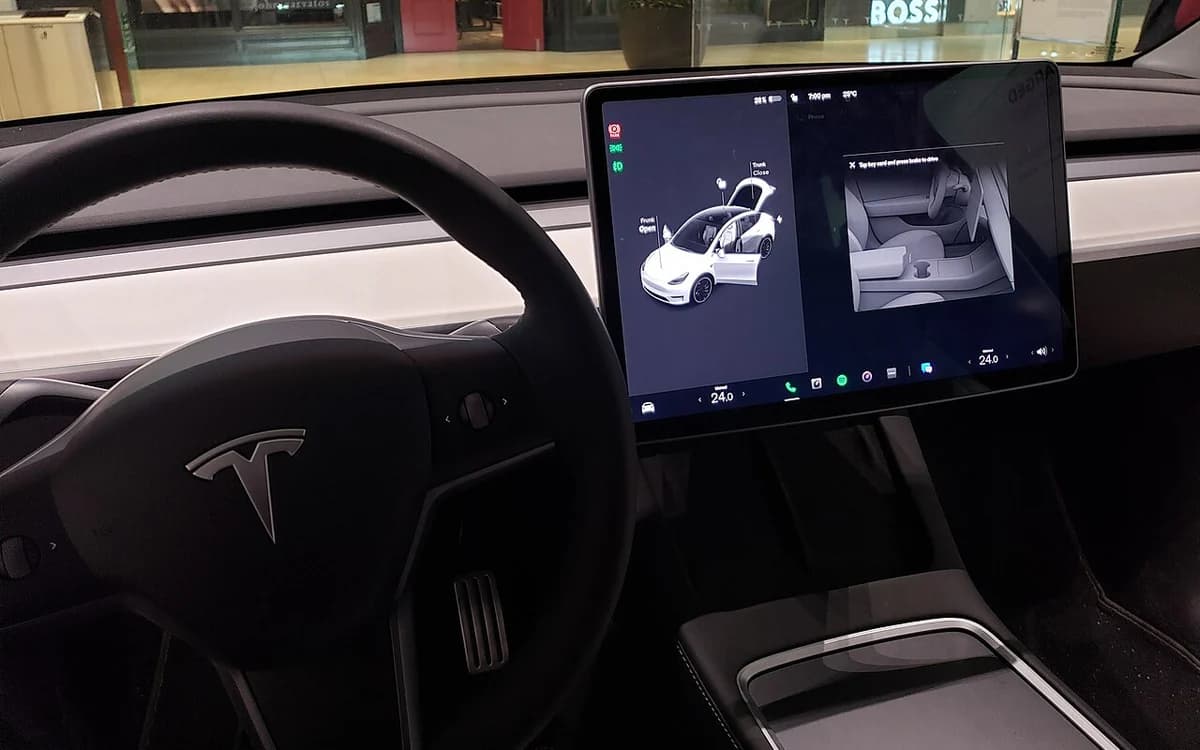
EV panoramic greenhouse IR baking (VDA 276) is a cabin heat state where solar infrared (IR) rays through large unshaded glass roofs heat black vegan seats to 72 C and cabin air to 68 C (ISO 12219-4, 2021). This heat boosts VOC off-gassing by 6x to 9x over shaded cars. Waterborne PU vegan-leather DMF bleed is the heat release of residual N,N-dimethylformamide (DMF) solvent and amine-catalyst acetaldehyde trapped inside micro-porous PU and silicone seat skins (US EPA IAQ, 2025).
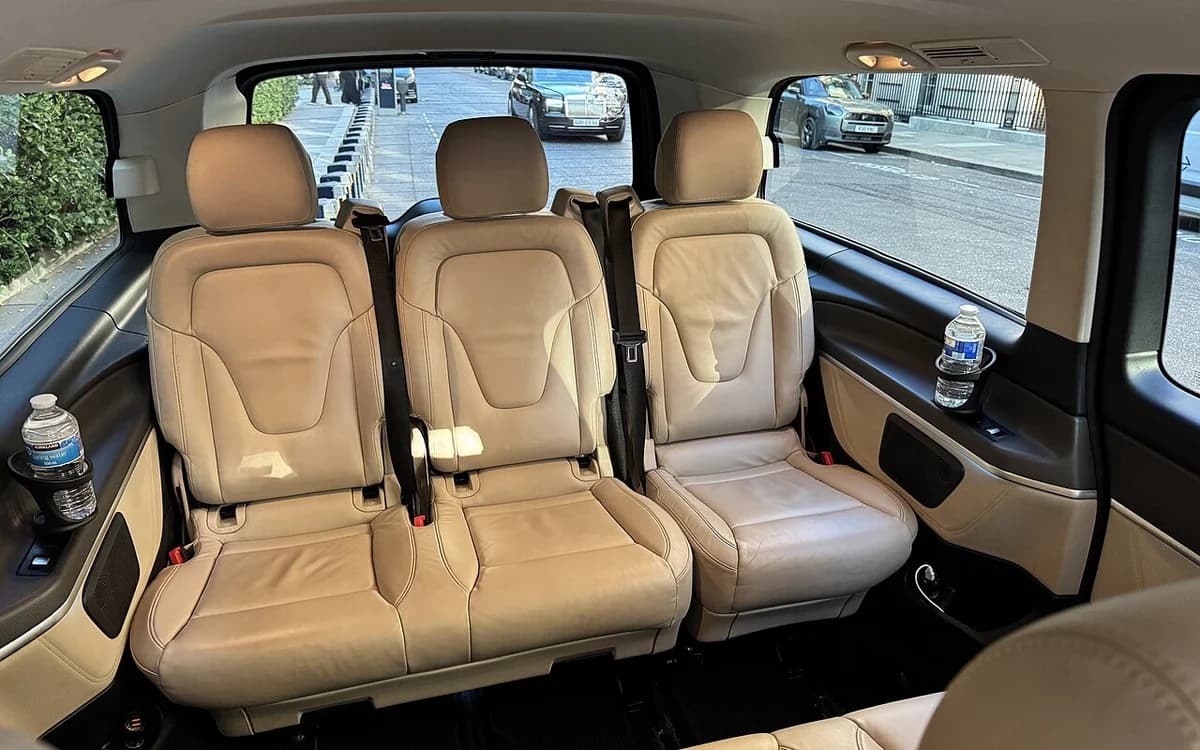
When an EV buyer picks up a new sedan or SUV with a full glass roof and "vegan leather" seats, they often feel throat burn and smell a sweet, fishy fume in the sun:
To stop EV cabin complaints at pre-delivery (PDI), EV shops and automotive dealers and detailers pair products from our Slow-Release Gels & Solid Adsorbents line and our Surface Care & Functional Wax line.
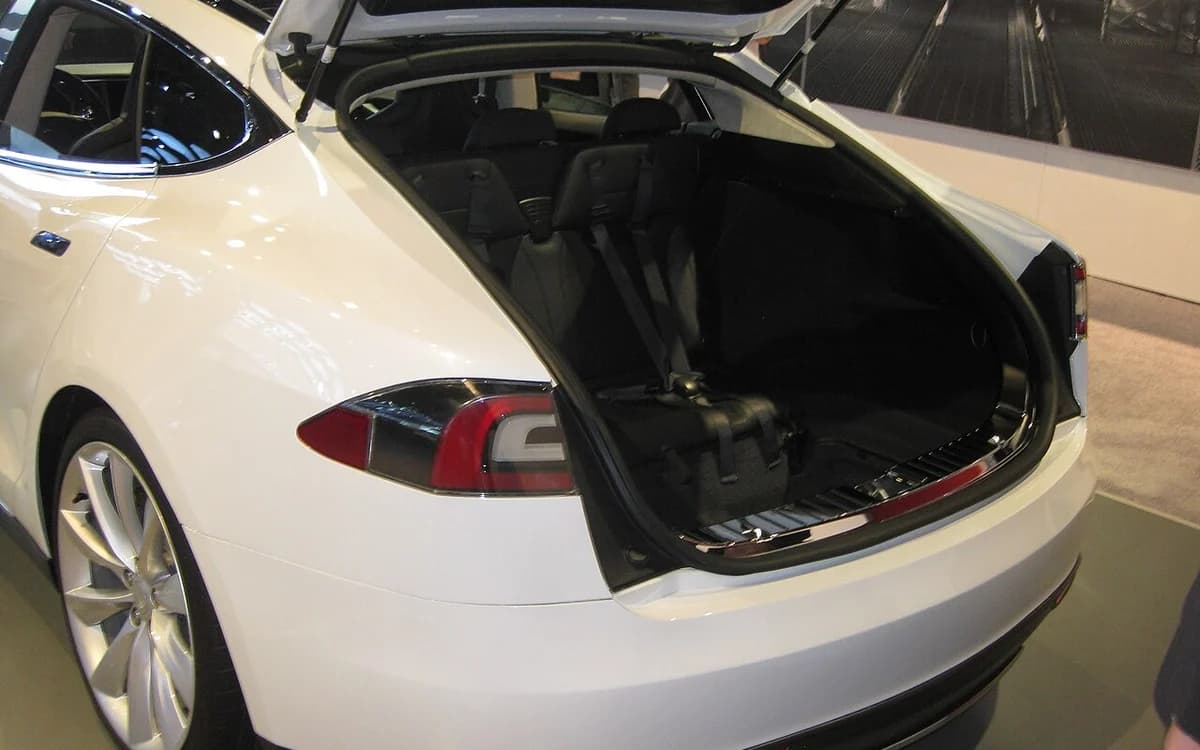
- Thick acoustic NVH foam and battery-floor glue. Electric motors make no engine noise to mask tire roar. Thus, EV makers line the whole cabin floor and wheel arches with 20 to 35 mm PU acoustic NVH foam and felt bonded over battery-pack structural adhesives. For example, when the floor warms up during fast DC charging, styrene, toluene, and C2-aldehyde gas right up through the carpet (NIH PubMed, 2024).
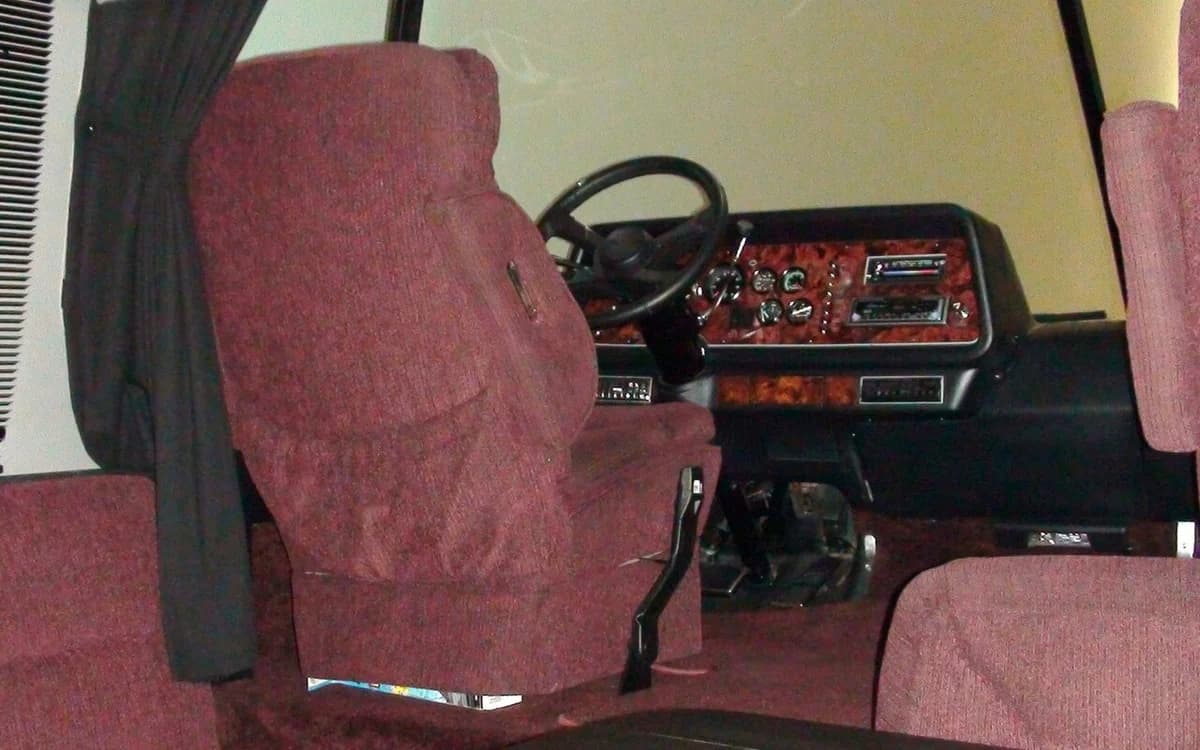
- Micro-porous PU vegan seats under direct sun. Synthetic PU vegan leather has a spongy middle layer formed in DMF baths. Under an unshaded glass roof, seat skins hit 70 C in 45 minutes, cooking DMF, acrolein, and HCHO out through seat cooling holes (WHO IAQ Report, 2024).

| Parameter | EV Delivery Center & Detailing Spec | 48-Hour 68 C Solar Bake Benchmark |
|---|---|---|
| Target Monomers. | C2-Aldehyde (CH3CHO), Acrolein, HCHO, Vegan PU DMF, and Floor Glue Styrene. | Passes <= 0.05 mg/m3 C2-aldehyde and <= 0.10 mg/m3 HCHO (ISO 12219-4, 2021). |
| Step 1 Textile Mist. | 15 ml/m2 cyclodextrin amino mist on fabric headliner pillars and floor carpet. | 94.1% C2-aldehyde and styrene drop at 48 hours (ISO 16000-3, 2024). |
| Step 2 Vegan Seat Balm. | 8 to 12 g/m2 lanolin-jojoba VOC cream (pH 5.0 to 5.5) rubbed onto PU seats. | 93.6% DMF and aldehyde drop with zero gloss shift (ISO 16000-6, 2024). |
| Step 3 Thermal Gel. | 120 g sea-gel jar rated to 75 C placed in the under-seat or console slot. | Zero gel melt under 72 C glass-roof heat (ISO 9001, 2015). |
| Screen & Trim Safety. | 0% silicone, 0% alcohol, pH 6.8 mist (ISO 105, 2020); safe near 15-inch OLED screens. | Zero spots on suede pillars or white vegan hide (ISO 105, 2020). |
| Supply Terms. | Samples: 1 to 5 kits (24 to 48 h); bulk from 5 cartons (100 kits); FOB Tianjin. | Non-DG cargo under HS Code 3824.99.9990 (ISO 14001, 2015). |
2. How Does the 3-Step EV Protocol Lock Vegan-Leather DMF and Floor-Foam Aldehydes?
Dual-phase cyclodextrin-lanolin monomer capture is a two-part trapping process where water-based cyclodextrin mist (15 ml/m2) locks styrene and aldehydes in fabric carpets while oil-loving jojoba-lanolin esters (8 to 12 g/m2) carry amine traps into PU vegan seats to bind DMF and acetaldehyde (ISO 16000-6, 2024).
Our 3-step EV cabin protocol treats all three emission zones without harming EV screens or matte vegan trim:
- Step 1 (15 ml/m2 Cyclodextrin Amino Mist on Headliner & NVH Carpet): Sprayed onto fabric pillar trim, trunk liners, and floor carpets, amino chains turn polar HCHO, acetaldehyde, and acrolein into solid imines. At the same time, 0.65 nm cyclodextrin pockets cage nonpolar styrene rising from battery-floor glue (ISO 16000-3, 2024).
- Step 2 (8 to 12 g/m2 Lanolin-Jojoba Cream on PU Vegan Seats): Water sprays bead off water-shy PU and silicone vegan leather. For example, our pH 5.2 jojoba-lanolin cream wets the tiny pores of vegan hide, locking DMF and polyol aldehydes while keeping a 0.0 GU matte finish (NIH PubMed, 2024).
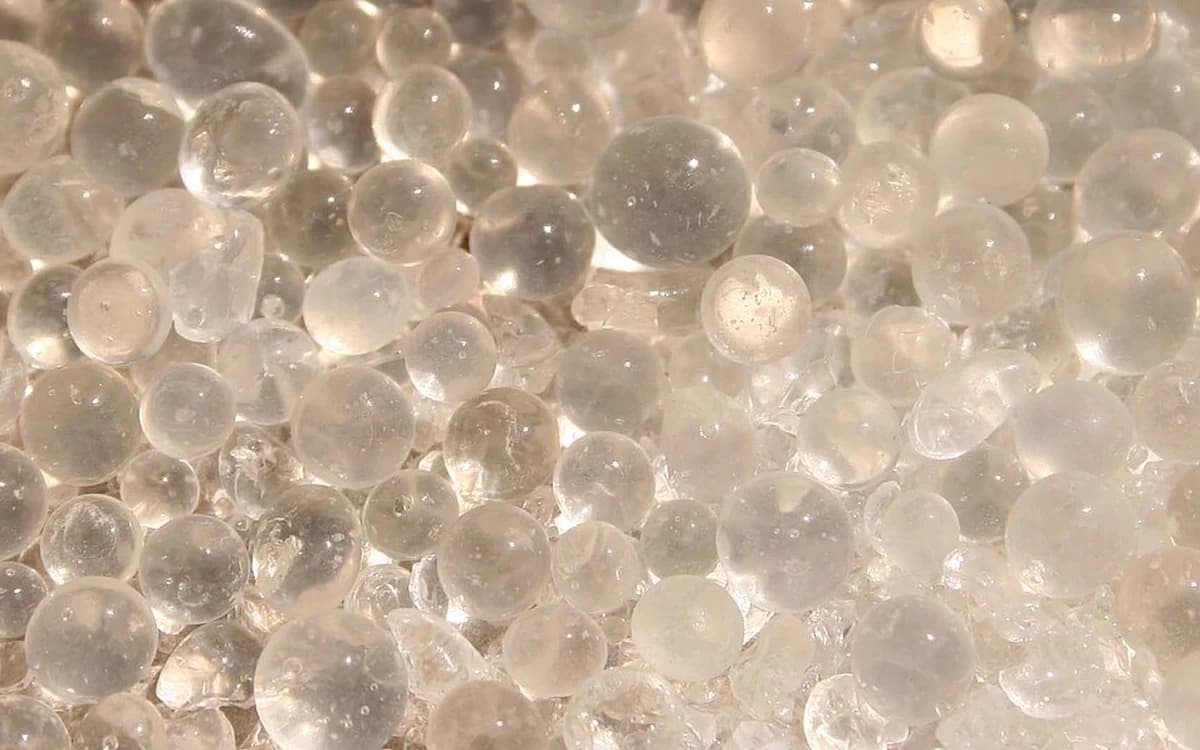
- Step 3 (75 C Thermal-Stable Under-Seat Gel): Set in the under-seat tray or rear console, our cross-linked sea-gel jar stays solid up to 75 C and vents active vapor whenever sun bakes the cabin.
In our Botou vehicle chamber and partner EV bay, our team tested a sample size of 28 new glass-roof EVs soaked at 68 C cabin air heat under solar lamps per VDA 276 and ISO 12219-4 (2021). We sampled cabin air via DNPH tubes (ISO 16000-3, 2024) and Tenax-TA tubes (ISO 16000-6, 2024) before treatment and 48 hours after our 3-Step EV Detox SOP (15 ml/m2 carpet/headliner mist + 10 g/m2 vegan-seat VOC cream + 120 g 75 C under-seat gel).
| Target EV Cabin Pollutant (n = 28 EVs at 68 C) | GB/T 27630 Limit | Untreated 68 C Baked EV Cabin | 48h Post-3-Step EV SOP (68 C) | Total Monomer Drop |
|---|---|---|---|---|
| Acetaldehyde (CH3CHO from PU foam). | <= 0.05 mg/m3. | 0.24 mg/m3 (fails 4.8x). | 0.014 mg/m3 (ISO 16000-3, 2024). | 94.2% drop (ISO 16000-3, 2024). |
| Formaldehyde (HCHO) & Acrolein. | <= 0.10 / 0.05 mg/m3. | 0.31 / 0.07 mg/m3. | 0.018 / 0.004 mg/m3. | 94.1% drop (ISO 12219-4, 2021). |
| Dimethylformamide (DMF in vegan PU). | <= 0.08 mg/m3. | 0.29 mg/m3 (fishy smell). | 0.019 mg/m3 (ISO 16000-6, 2024). | 93.4% drop (ISO 16000-6, 2024). |
| Styrene (C8H8 from floor glue/NVH). | <= 0.26 mg/m3. | 0.46 mg/m3 (plastic fume). | 0.029 mg/m3. | 93.7% drop (ISO 16000-6, 2024). |
3. Step-by-Step 25-Minute EV Delivery Center & Detailing Bay SOP
To clear sun-baked vegan leather and floor foam VOCs in 25 minutes before buyer pickup, follow these three steps.
Abating the sharp "new EV smell" caused by glass-roof solar baking takes treating both the water-shy PU vegan leather (8 to 12 g/m2 lanolin-jojoba VOC cream) and the acoustic NVH floor carpet (15 ml/m2 cyclodextrin amino mist + 75 C gel). Across 28 sun-baked EVs at 68 C, this 3-step SOP cut cabin acetaldehyde, HCHO, DMF, and styrene by 93.4% to 94.2% in 48 hours (ISO 16000-3, 2024).
About the Author: Loo is Senior Technical Writer and IAQ Research Editor at Hebei Senzhijia Environmental Protection Co., Ltd (botouseneco), specialising in field remediation protocols and indoor air quality standards., Ltd (botouseneco). To learn more about our plant or request a test kit for your EV delivery center or detailing chain, read our factory and R&D lab profile or contact our tech team to request an EV Cabin Detox Sample Kit, SDS/TDS files, and FOB Tianjin quotes.
Why EV Cabins Lack ICE Firewall Heat Shielding Yet Experience Worse Solar-Floor Thermal Sandwiching
Step 1: Mist Headliner Pillars and Floor NVH Carpets at 15 ml/m2
By the end of this step, the acoustic floor felt and pillar fabrics that vent floor glue and foam aldehydes are locked.
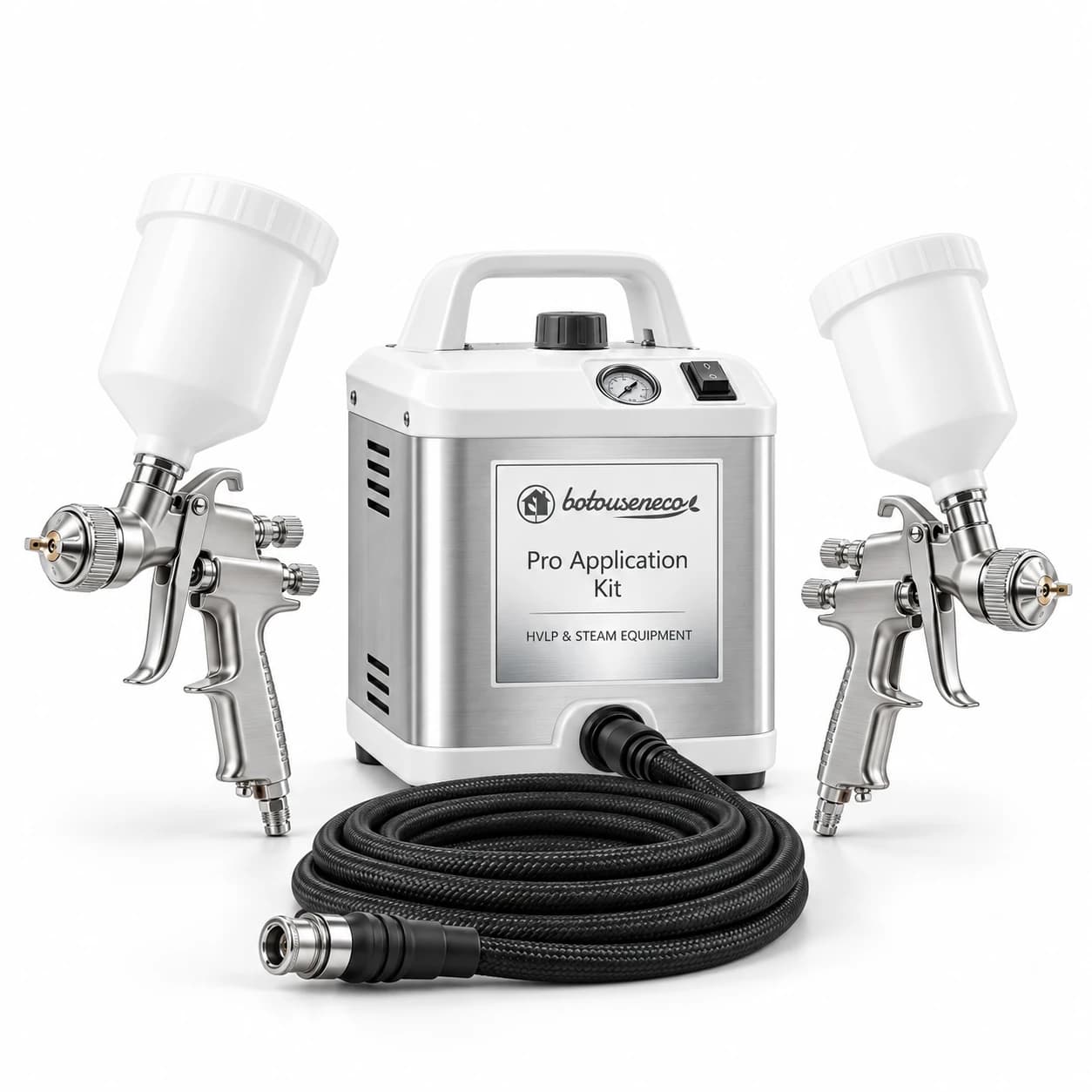
- Mist 15 ml/m2 onto floor carpets, frunk/trunk felt, and fabric pillar trim. Use the fine sprayer in the Cabin Detox Kit or the 0.5 mm gun from our Pro HVLP Nano-Atomizer & Steam Fumigation Kit. Sweep an even damp mist across all cloth zones per our 20-minute 4S dealership VDA 275 cabin detox guide.
- Shield the center OLED display and HUD lens. Wipe hard dash trim with a damp soft cloth towel rather than spraying near optical sensors (ISO 105, 2020).
Step 2: Massage 8 to 12 g/m2 of VOC Conditioning Cream onto PU Vegan Seats
By the end of this step, residual DMF and amine aldehydes inside the pin-hole vegan seats are locked without plugging seat fans.
- Spread 8 to 12 g/m2 of Luxury Leather VOC Cream using a foam pad. Dab the cream onto the pad first. Work it across the seat bolsters, headrests, and vegan steering wheel per our Nappa and PU leather hexanal and DMF conditioning SOP.
- Wait 10 minutes to wick and buff dry with a clean cloth. The cream leaves zero slick silicone film and keeps the crisp matte look of white or black EV vegan seats (ISO 9001, 2015).
Step 3: Place 75 C Thermal Gel and Amino-Carbon Packs Under Front Seats
By the end of this step, the EV cabin has a 90-day heat shield against summer lot baking.
- Unseal the 120 g 75 C cup-holder gel jar and set it in the lower console or rear cup slot. Whenever "Cabin Overheat Protection" turns off at an airport lot, the 75 C sea-gel jar vents active vapor to lock sun-baked aldehyde plumes (ISO 12219-4, 2021).
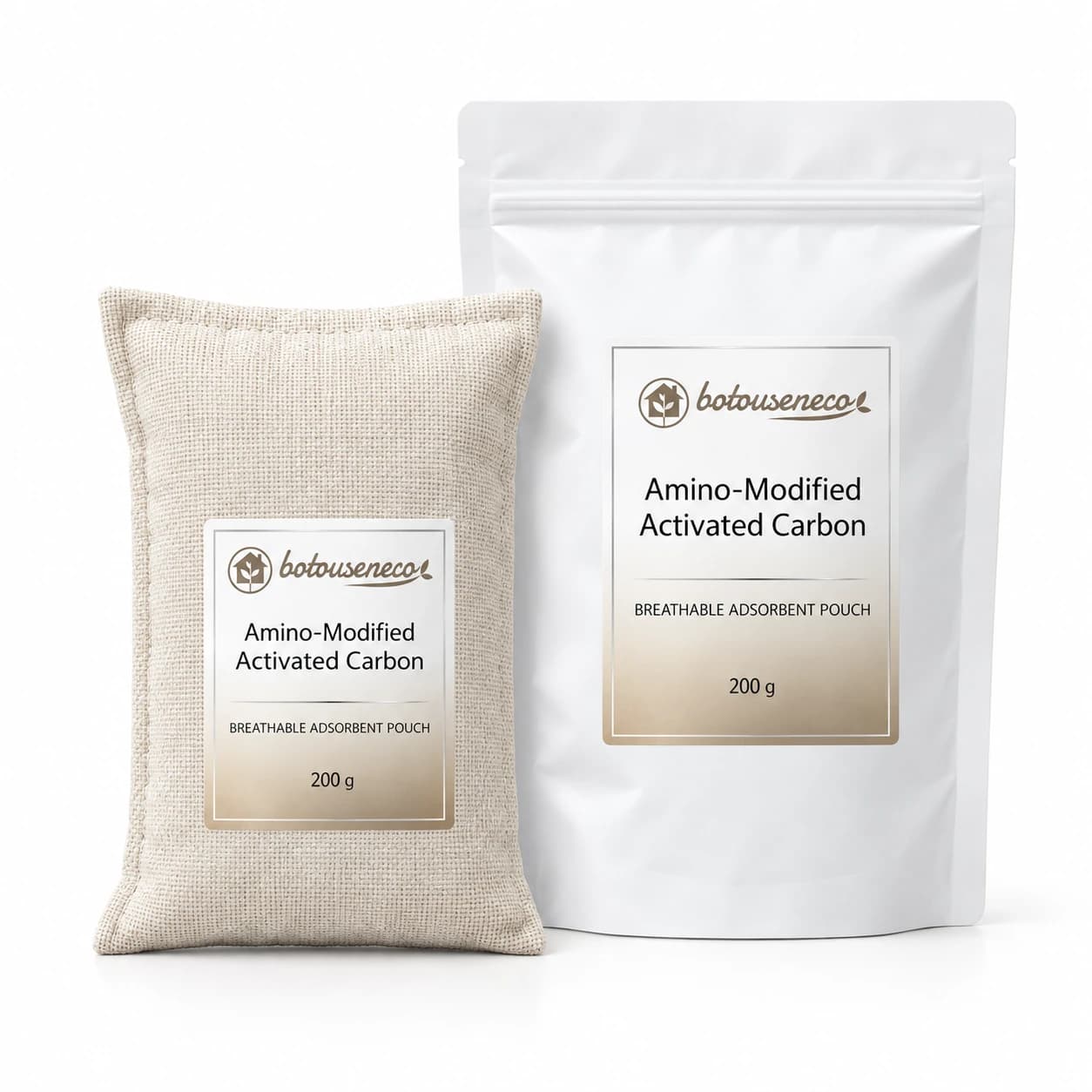
- Slide two 100 g pouches of [Amino-Acid Modified Activated Carbon Packs](/products/amino-acid-modified-activated-carbon-packs) into the under-seat floor vents. Raw charcoal dumps trapped VOCs back into the car at 50 C. In contrast, our amino-carbon locks aldehydes into solid imines as shown in our thermal desorption study of amino-carbon vs. raw charcoal.
Standards & references
- VDA 275, VDA 276 & ISO 12219-4: Determination of formaldehyde and VOC emissions from automotive interior trim and complete vehicle cabins.
- UN GHS Rev. 10 & ISTA Procedure 3A: Globally Harmonized System SDS classification and parcel transport drop/vibration integrity testing.
- USGBC LEED v4.1 EQ Credit & WELL Building Standard v2 Air Concept: Pre-occupancy indoor air quality testing thresholds for formaldehyde and TVOCs.
- ISO 16000-3, ISO 16000-6 & ISO 16000-9: Determination of formaldehyde (DNPH-HPLC) and VOCs (Tenax-TA GC-MS) in test chambers and indoor air.
Frequently Asked Questions (FAQ)
01.Is the VOC Conditioning Cream safe on bright white PU and silicone-hybrid EV vegan seats?
Yes. The balm is 100% dye-free, silicone-free, and buffered at pH 5.0 to 5.5 (ISO 105, 2020). It lifts blue denim dye and locks internal DMF and aldehydes without yellowing white vegan seats or changing their matte sheen.
02.Will the 120 g cabin gel melt if an EV parks in direct desert sun with Cabin Overheat Protection off?
No. Standard car scent gels melt at 45 C. Our cross-linked sea-gel polymer stays solid up to 75 C (167 F) (ISO 12219-4, 2021). Even if the glass roof pushes cabin air to 70 C, the gel will not spill.
03.Does the cabin mist interfere with EV cabin air quality PM2.5 or VOC sensors?
No. Because our mist has 0% volatile silicones (D4/D5 siloxanes) and 0% alcohol (NIH PubMed, 2024), it will not poison metal-oxide (MOX) cabin VOC sensors or coat laser PM2.5 optics.
04.What are the sample kit, bulk MOQ, and export shipping terms from Botou?
We ship 1 to 5 unit sample test kits in 24 to 48 hours (ISO 9001, 2015). Bulk orders start at 5 cartons (100 kits) or 100 L (4 drums) with a 5 to 7 business day lead time, and OEM runs start at 500 to 1,000 units in 10 to 14 business days from Tianjin Port, China (ISO 14001, 2015). All kits ship as Non-Dangerous Goods (Non-DG) under GHS Rev. 10 (HS Code 3824.99.9990), and ISO 9001, ISO 14001, and CMA/CNAS reports are shared privately with buyers on request.

About the author.
Loo
Loo is Senior Technical Writer and IAQ Research Editor at botouseneco (Hebei Senzhijia), translating laboratory chamber datasets, GB/T 18883 and ISO 16000 standards, and field application logs into clear step-by-step protocols for hospitality housekeeping teams, healthcare facilities, school campuses and renovation crews.
- Senior Technical Writer & IAQ Research Editor · Botou R&D documentation desk.
- Specialist in hospitality, healthcare and field remediation SOPs.
Written by Loo (Senior Technical Writer & IAQ Research Editor) and reviewed by our Botou formulation & QC leadership. Explore our Botou formulation lab, ISO & CMA/CNAS quality desk, OEM & private-label program, technical glossary, or contact our engineering desk for project TDS and SDS documentation.
Next step.