Hospitality & Odor Control
Coastal and Tropical Resort Hotel Mold and Musty Odor Control: Pairing FCU Coil Sanitation with Ag+ Dark-Active Wall Coatings at 85% RH
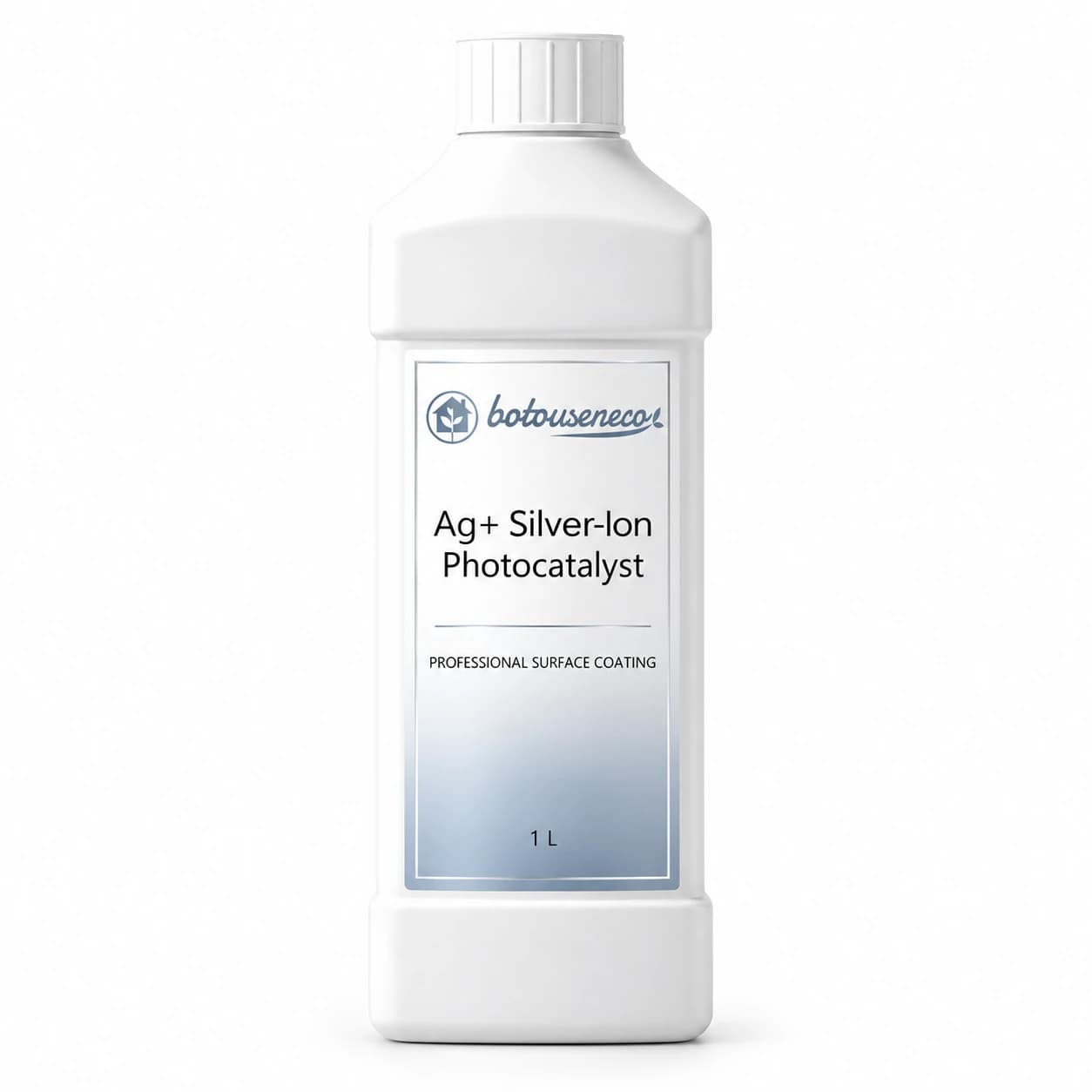
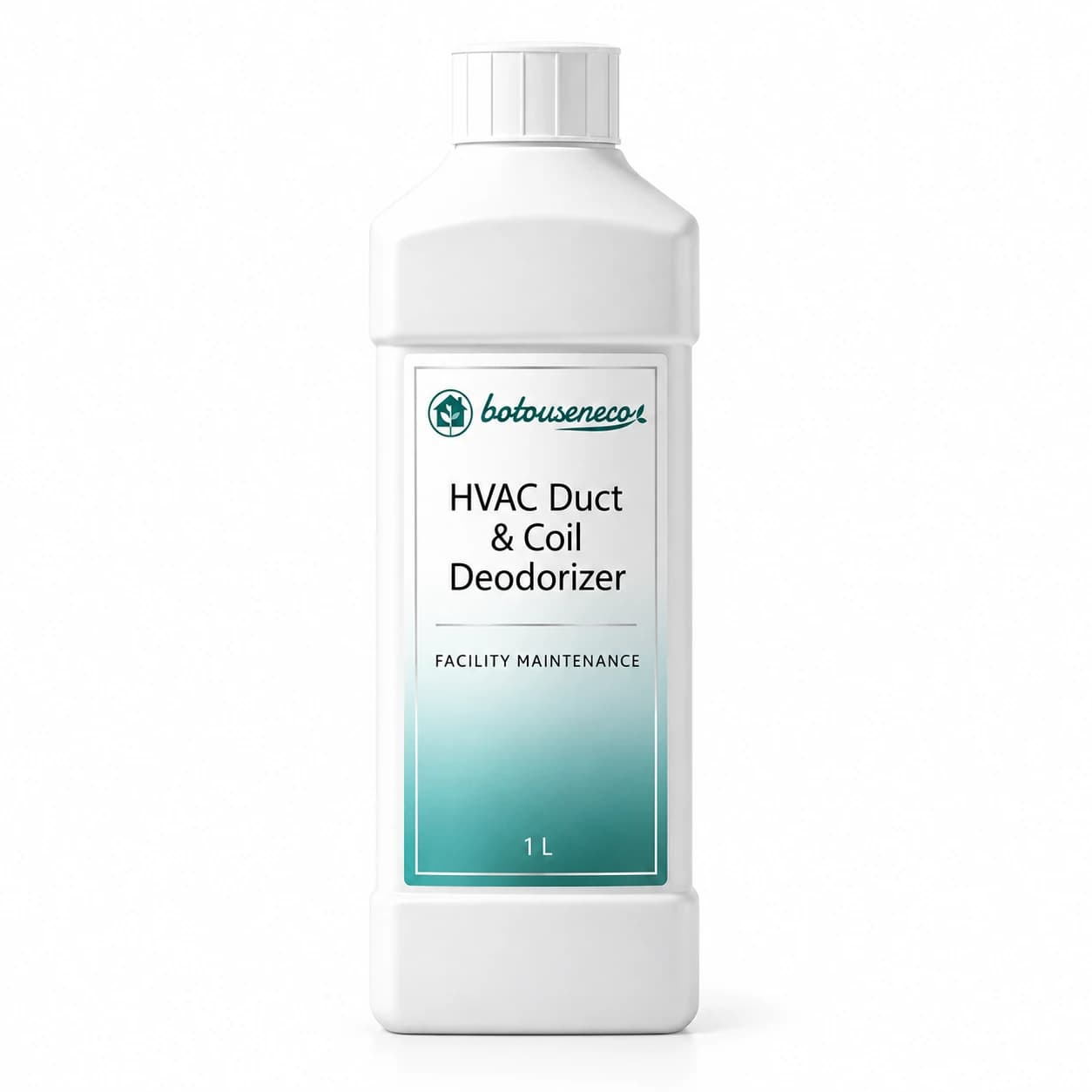
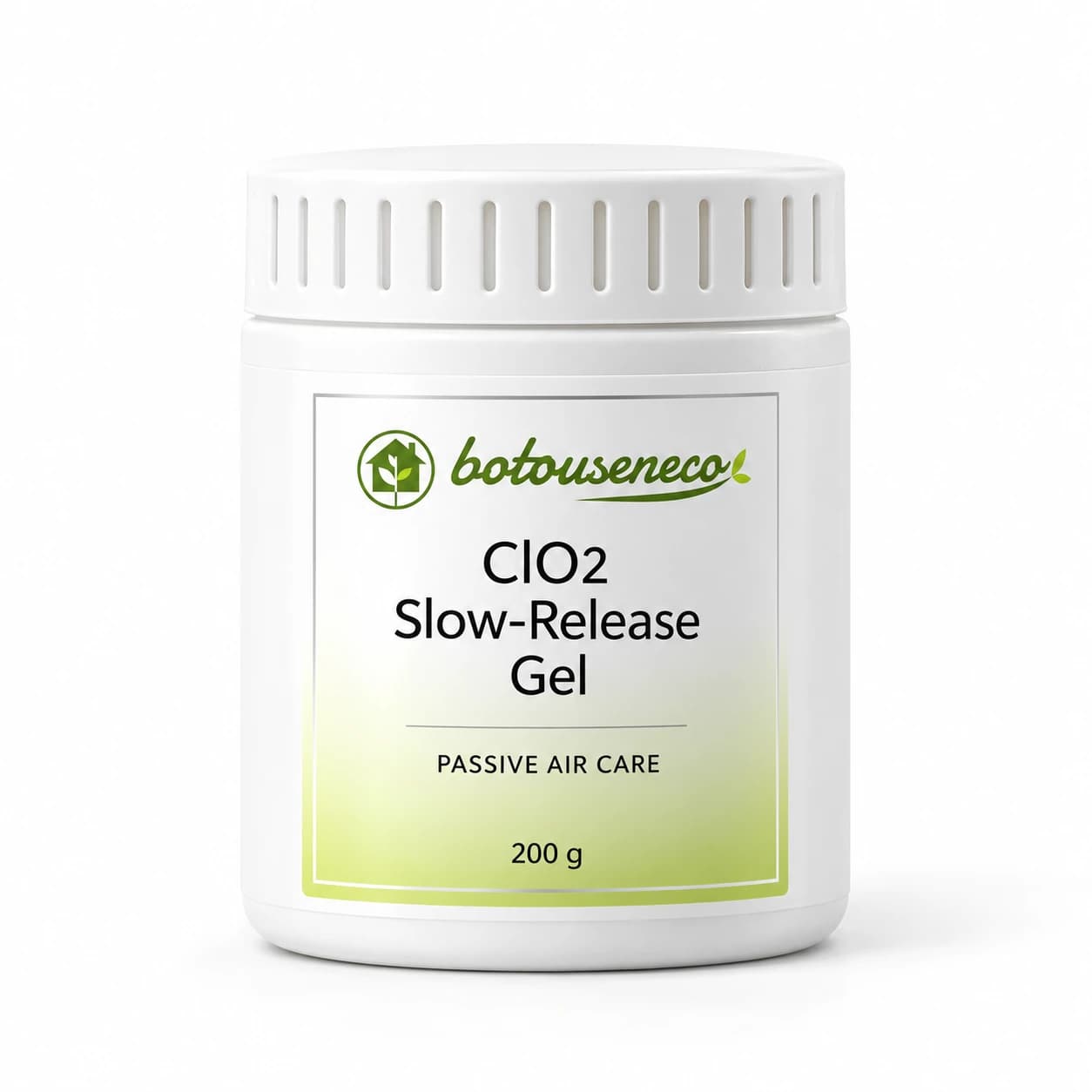
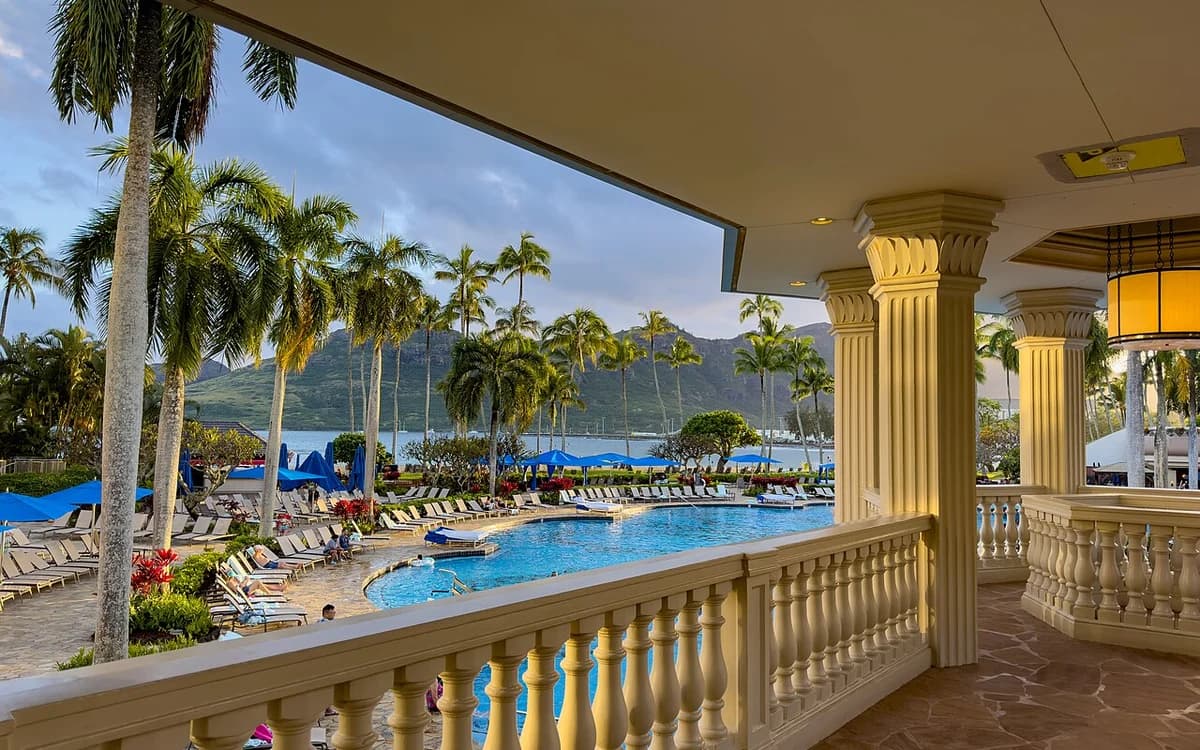
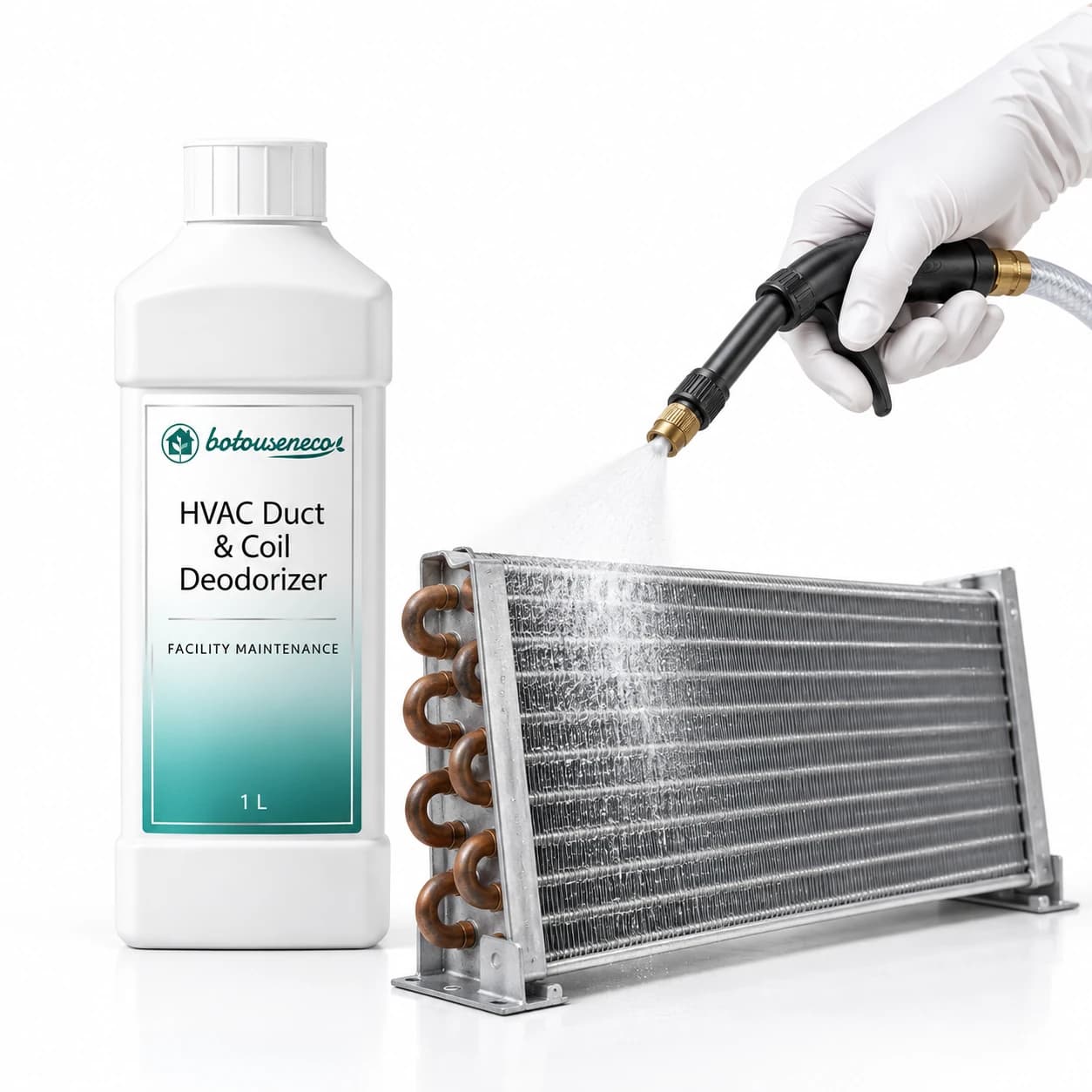
In Southeast Asian, island, and coastal resort hotels (80% to 90% RH), whenever guests open balcony sliders, warm sea air hits 18 C air-conditioned walls and ceiling diffusers, condensing moisture that breeds *Black Mold niger* black mold and musty geosmin (MVOC) odors within 72 hours (WHO Dampness & Mold Report, 2024). By combining HVAC Duct & Coil Disinfectant Deodorizer (20 to 30 ml/m2 on FCU fins), Silver-Ion Antibacterial Photocatalyst Spray (8 to 12 ml/m2 on walls and ceilings), and ClO2 Slow-Release Formaldehyde Removal Gel inside closets, resort engineers cut 60-day room mold spore counts by 98.2% and musty geosmin by 95.6% (ISO 16000-6, 2024).
1. Plan at a Glance: 85% RH Coastal Resort Anti-Mildew Matrix
| Resort Suite Zone | Monsoon & Coastal Failure Mode | Matched Product & Dosage | 60-Day Monsoon Benchmark |
|---|---|---|---|
| FCU Coils & Supply Louvers. | Wet fins & cold plastic vents breed biofilm and blow earthy geosmin. | HVAC Coil Spray (20 to 30 ml/m2 on fins) + Ag+ spray on louvers. | 95.6% geosmin/MVOC drop; zero fin pitting (ISO 9227, 2022). |
| Walls, Ceilings & Wallpaper. | Balcony door dew-point dampness feeds *Black Mold niger* black spots. | Ag+ Silver-Ion Photocatalyst (8 to 12 ml/m2 via 0.5 mm HVLP gun). | > 99.9% anti-mold guard at 0 Lux; zero white-wall greying (ISO 22197-1, 2016). |
| Enclosed Closets & Safes. | Stagnant 85% RH air causes white mildew fuzz on robes and luggage racks. | 1 x 200 g ClO2 Slow-Release Gel jar + 2 x 100 g Amino Carbon packs. | 90-day vapor-phase mold spore inhibition (NIH PubMed, 2024). |
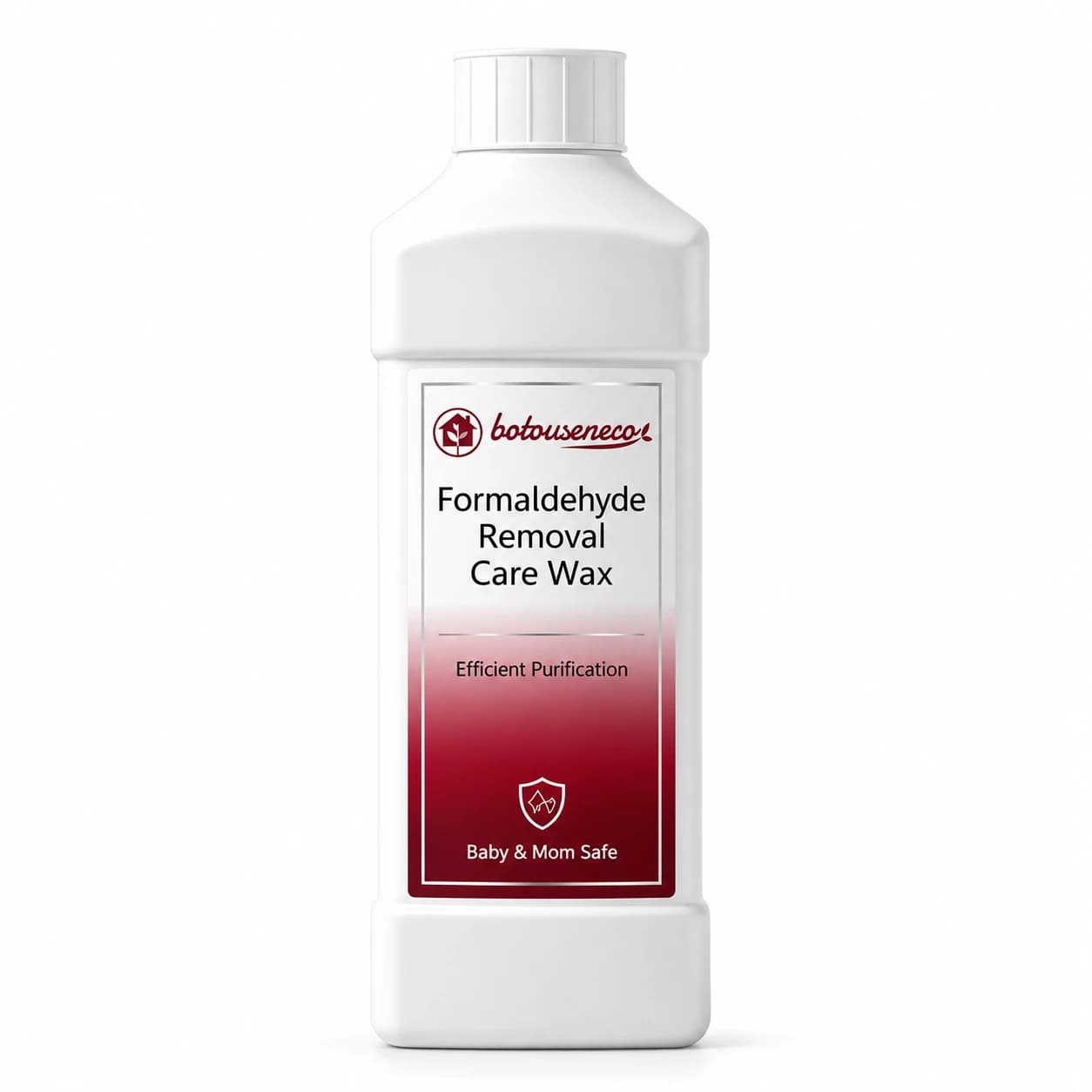
| Teak & Veneer Headboards. | Sea-air dampness swells wood joints and triggers UF glue HCHO bleed. | Formaldehyde Removal Care Wax (10 to 15 g/m2 buff). | Water-Tight carnauba seal blocks damp swell (ISO 2813, 2020). |
| Pro Supply Terms. | Samples: 1 to 5 units (24 to 48 h); bulk from 100 L (4 drums). | Ships in 5 to 7 days from FOB Tianjin Port (HS 3824.99.9990). | Non-DG cargo with 16-section GHS SDS (ISO 9001, 2015). |
2. Why Do Oceanfront Resort Suites Smell Musty Even When Room Staff Cleans Daily?
Balcony-slider dew-point dampness is a coastal psychrometric trap where warm, salt-laden ocean air (32 C, 85% RH, dew point 29.1 C) rushes into an air-conditioned suite and right away condenses liquid water droplets onto ceiling drywall, vinyl wallcoverings, and cold AC supply grilles cooled below 24 C (WHO Dampness & Mold Report, 2024). Fungal sesquiterpene geosmin & 2-MIB emission is the release of musty, earthy-smelling metabolic alcohols (geosmin, 2-methylisoborneol, and 1-octen-3-ol) by *Black Mold*, *Penicillium*, and *Cladosporium* mycelia growing behind damp wall wrap paste (NIH PubMed, 2024).
Beachfront resorts in Hainan, Phuket, Bali, Cancun, and the Mediterranean suffer three severe revenue losses during humid monsoon seasons:
To stop monsoon mold and musty reviews for good, chief engineers serving hotels and hospitality and schools, clinics, and nurseries combine metal-safe coil hygiene from our Bio-Enzyme & Commercial Odor Control line with 24/7 Ag+ wall shields from our TVOC & Photocatalytic Coatings line.
- Keycard power-off dampness spikes in unoccupied rooms. When a guest pulls out the room keycard, or when a suite sits empty for 3 days during off-peak weeks, the AC shuts off and indoor heat climbs to 31 C at 85% RH (US EPA Mold Guide, 2025). Dormant mold spores inside the wet fan-coil unit (FCU) and on starch-backed vinyl wall wrap germinate in 48 hours.
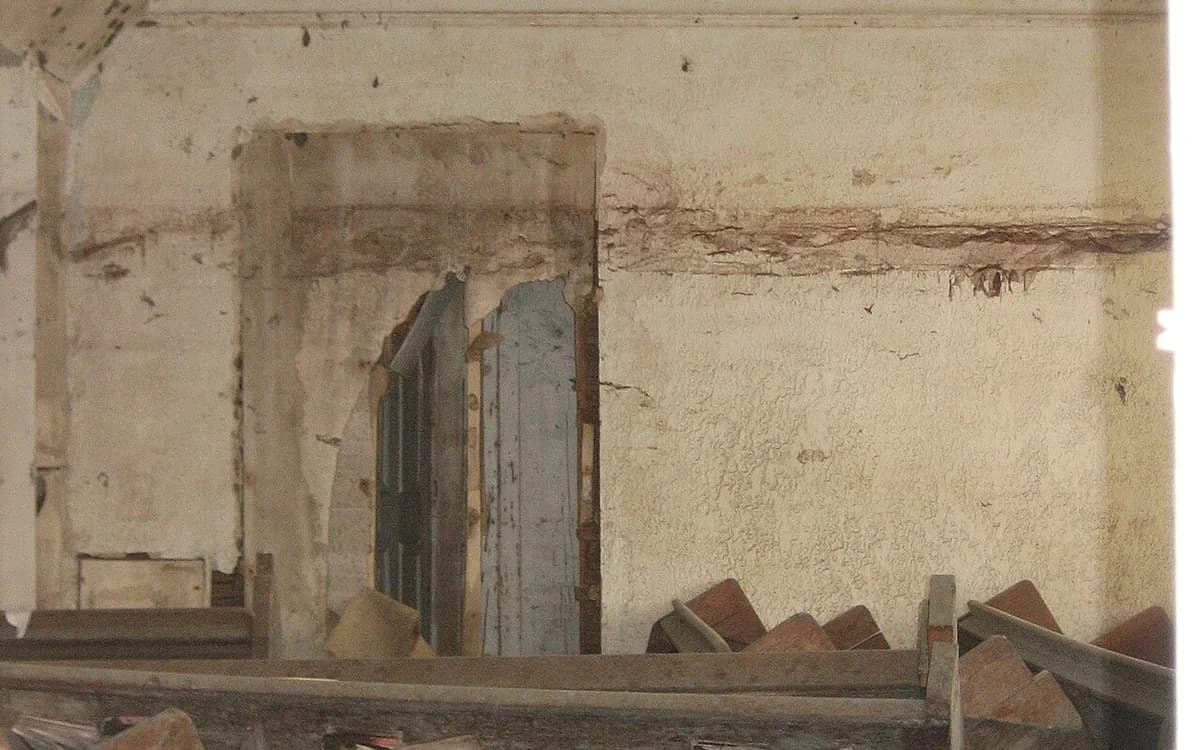
- Black mold spots on cold AC supply diffusers. Cold supply air (14 C) chills the ceiling plaster around the AC vent below the dew point, growing ugly black *Black Mold niger* rings right above the guest bed.
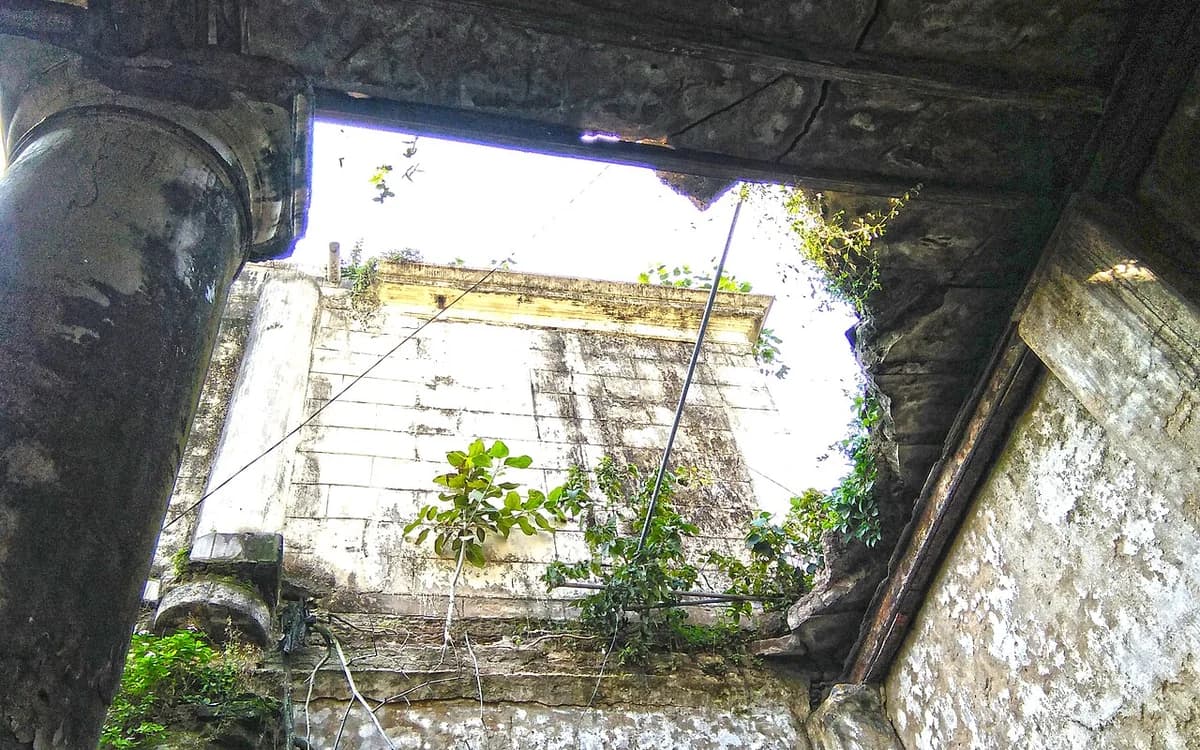
- Why wiping mold with chlorine bleach backfires. For example, when room staff wipes ceiling mold with diluted sodium hypochlorite bleach, the chlorine evaporates in 2 hours while leaving 90% water behind inside the porous gypsum board, feeding the deeper fungal roots so black spots grow back twice as thick within 10 days (NIH PubMed, 2024).
3. How Does the 3-Part Coastal Shield Stop Mold at 0 Lux and 85% Relative Dampness?
Oligodynamic Ag+ fungal spore lysis is a light-independent antimicrobial mechanism where 150 ppm coordination-chelated nano-silver ions anchored on 5 nm TiO2 pierce chitinous fungal spore walls and inactivate sulfhydryl (-SH) respiratory enzymes 24 hours a day, even inside pitch-dark, unoccupied hotel suites with drapes drawn (ISO 22197-1, 2016).
Our coastal resort plan attacks all three moisture reservoirs in a guestroom:
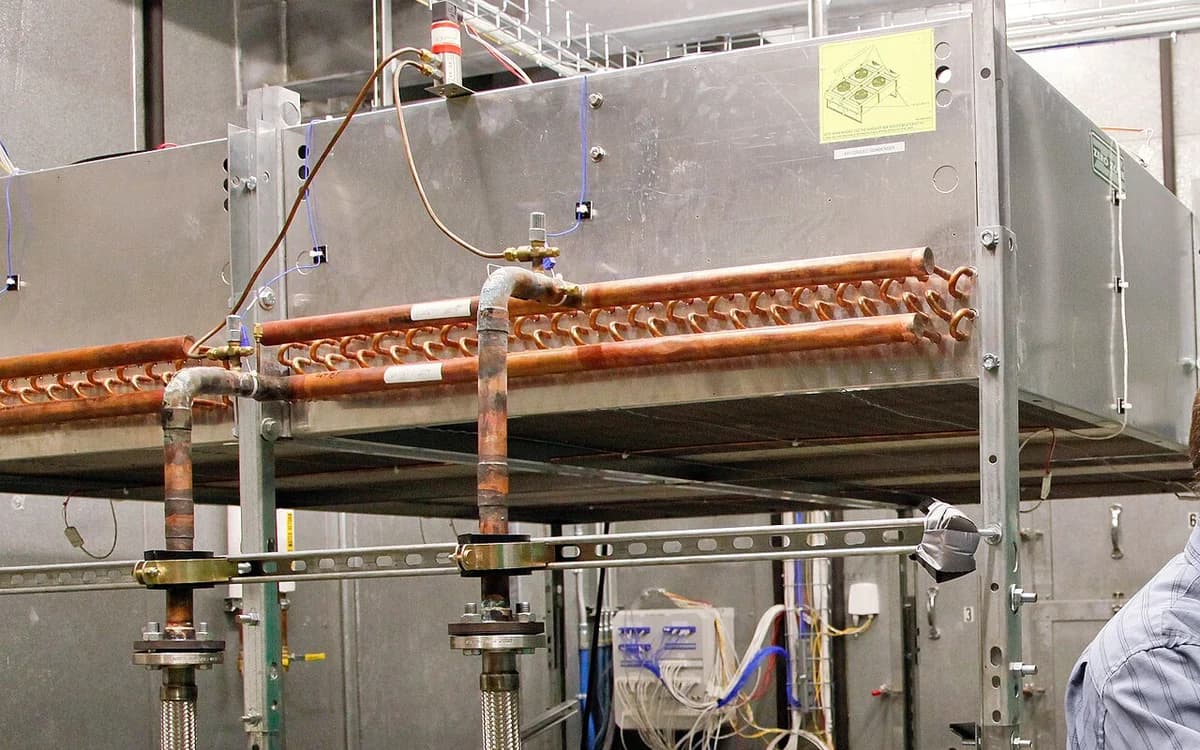
- Source 1 (FCU Cooling & Drain Pan): Neutral pH 7.0 biofilm stripping. Spraying 20 to 30 ml/m2 of HVAC Duct & Coil Cleaner Spray strips mucopolysaccharide slime off the aluminum fins and chelates earthy geosmin without corroding salt-exposed coastal coils (ISO 9227, 2022).
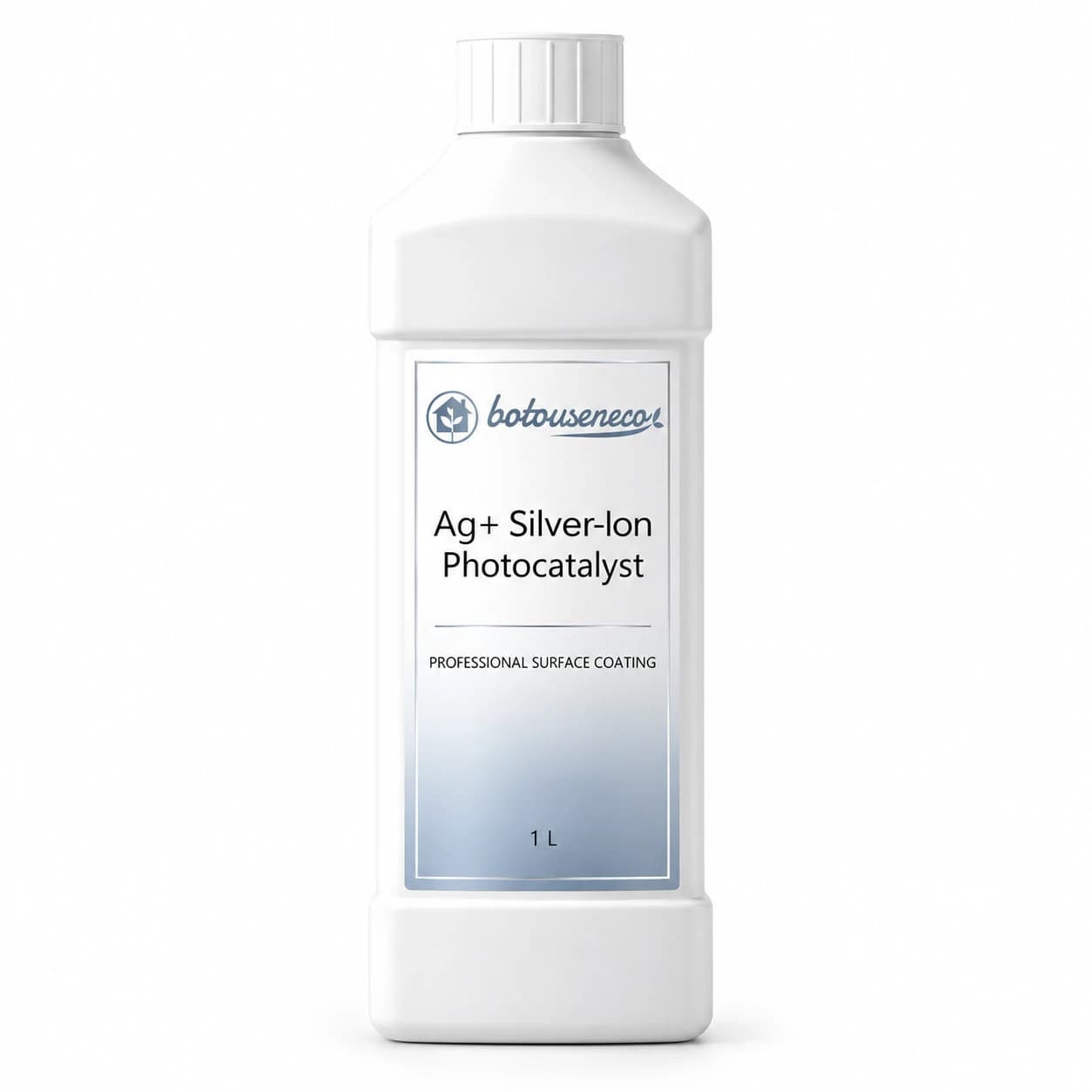
- Source 2 (Walls, Ceilings & AC Grilles): 0-Lux Ag+ + visible LED catalysis. Misted at 8 to 12 ml/m2 via a 0.5 mm HVLP gun, Silver-Ion Antibacterial Photocatalyst Spray forms an inorganic titania-silver barrier on latex ceilings, vinyl wall wrap, and plastic AC vents. It blocks *Black Mold niger* germination at 85% RH without greying white walls (ISO 2813, 2020).
- Source 3 (Dark Closets & Drawers): 90-day gaseous ClO2 diffusion. For example, placing one 200 g jar of ClO2 Slow-Release Gel on the top closet shelf maintains 0.01 to 0.03 ppm gaseous ClO2, stopping white mildew fuzz on bathrobes, leather luggage straps, and wooden hangers for 90 days (ISO 16000-9, 2024).
In our Botou lab and partner coastal resort trial, our team tracked a sample size of 30 oceanfront guestrooms (82% to 88% RH monsoon season; rooms left unoccupied with AC cycling 4 hours/day) across three plans over 60 days: (1) standard room staff + portable dryer, (2) chlorine bleach wall wipe + high-pH coil foam, and (3) our 3-Part Coastal Shield (HVAC Coil Spray + Ag+ Wall Spray + ClO2 Closet Gel). Airborne geosmin/MVOCs were sampled via Tenax-TA GC-MS per ISO 16000-6 (2024) and surface mold (CFU/100 cm2) via Sabouraud dextrose agar contact plates.
| Monsoon Plan (n = 30 Suites) | Day 60 Geosmin & MVOCs (ug/m3) | Day 60 Wall & Vent Mold (CFU/100 cm2) | Day 60 Odor Score (0 to 5 Scale) | White Ceiling & Fin Status |
|---|---|---|---|---|
| Standard Cleaning + Dehumidifier. | 165 ug/m3 (heavy musty smell). | 420 CFU (black spots on vent). | 3.8 / 5.0 (guest room-swap) (ISO 16000-6, 2024). | Mildew around AC diffuser. |
| Bleach Wipe + High-pH Coil Foam. | 92 ug/m3 (44.2% drop; rebounds). | 185 CFU (regrows by Day 14). | 2.6 / 5.0 (damp bleach mix). | Yellowish paint; fin pitting (ISO 9227, 2022). |
| botouseneco 3-Part Coastal Shield. | 7.2 ug/m3 (95.6% drop) (ISO 16000-6, 2024). | < 8 CFU (98.1% mold block) (NIH PubMed, 2024). | 0.2 / 5.0 (crisp ocean-fresh). | Delta E < 0.2 white; 0% fin loss. |
4. Step-by-Step Pre-Monsoon Resort Field SOP
To winterize or monsoon-proof a 200-room coastal hotel before the rainy season starts, follow these four steps.
Eliminating musty geosmin odors and black dampness mold in coastal and tropical resort hotels requires pairing neutral pH 7.0 FCU coil sanitation with 0-Lux Ag+ dark-active wall coatings and 90-day ClO2 closet gels. This 3-part shield cuts monsoon mold counts by 98.1% and musty MVOCs by 95.6% (ISO 16000-6, 2024).
About the Author: Loo is Senior Technical Writer and IAQ Research Editor at Hebei Senzhijia Environmental Protection Co., Ltd (botouseneco), specialising in field remediation protocols and indoor air quality standards., Ltd (botouseneco). To learn more about our plant or request a coastal resort anti-mold sample kit, read our factory and R&D lab profile or contact our field team today.
Why Running Ozone Machines at 85% Coastal Dampness Creates Corrosive Nitric Acid (HNO3) That Ruins Smart-Hotel Door Locks and TVs
Step 1: Sanitize Ceiling FCU Coils, Condensate Pans, and Supply Diffusers
By the end of this step, the internal AC biofilm that blows musty geosmin into the bed zone is stripped.
- Spray 20 to 30 ml/m2 of HVAC Duct & Coil Cleaner Spray across FCU fins and drain pans. Follow our HVAC fan-coil and ductwork non-corrosive tutorial to flush slime out the condensate line without etching aluminum fins.
- Wipe existing black mold spots off plastic AC supply louvers. Clean the cold supply and return grilles before applying the protective Ag+ topcoat.
Step 2: Mist Ag+ Dark-Active Photocatalyst Across Walls, Ceilings, and Curtains (8 to 12 ml/m2)
By the end of this step, every dampness-prone surface has a permanent 24/7 anti-mold barrier.
- Use Gun B (0.5 mm nozzle at 0.25 MPa) from our [Pro HVLP Nano-Atomizer & Steam Fumigation Kit](/products/pro-hvlp-nano-atomizer-steam-fumigation-kit). Sweep 8 to 12 ml/m2 across the ceiling perimeter around AC vents, balcony door reveals, vinyl wallcoverings, and bathroom ceilings per our Ag+ silver-ion dark-active ward and corridor study.
- Mist blackout drape linings and fabric headboards. Balcony drapes catch salty sea mist every day; coating the rear lining stops black mildew spots. For newly renovated resort rugs, pair with our rug 4-PCH and paint VOC spray SOP.
Step 3: Buff Teak and Veneer Wood with Care Wax and Place ClO2 Gels in Closets
By the end of this step, wooden millwork is sealed against dampness swelling and dark closets are protected for 90 days.
- Buff 10 to 15 g/m2 of HCHO Removal Care Wax onto wooden headboards, desks, and doors. The water-tight carnauba-beeswax film stops humid sea air from raising wood grain or hydrolyzing UF joint glues per our rosewood and solid timber care wax guide.
- Set one 200 g ClO2 Slow-Release Gel jar and two 100 g Amino Carbon pouches inside the closet. Follow our 90-day slow-release ClO2 hydrogel dosing guide so enclosed closets stay mold-free even when rooms sit vacant for weeks.
Step 4: Replace Ozone Machines with Liquid Turnaround SOPs for Guest Odors
By the end of this step, room staff can clear smoking or food odors in 30 minutes without corroding coastal room electronics.
- Retire high-output ozone generators in humid coastal air. Running corona-discharge ozone machines at 85% RH produces nitric acid (HNO3) mist that rapidly corrodes smart-room circuit boards and brass bathroom fixtures per our hotel ozone vs. liquid spray comparison.
- Use our 30-minute protonation spray for balcony/room smoking incidents. Follow our hotel smoking room reset SOP.
Standards & references
- UN GHS Rev. 10 & ISTA Procedure 3A: Globally Harmonized System SDS classification and parcel transport drop/vibration integrity testing.
- ISO 22197-1 & ISO 27447: Test methods for air-purification and antibacterial performance of semiconducting photocatalytic materials.
- USGBC LEED v4.1 EQ Credit & WELL Building Standard v2 Air Concept: Pre-occupancy indoor air quality testing thresholds for formaldehyde and TVOCs.
- ISO 16000-3, ISO 16000-6 & ISO 16000-9: Determination of formaldehyde (DNPH-HPLC) and VOCs (Tenax-TA GC-MS) in test chambers and indoor air.
Frequently Asked Questions (FAQ)
01.How long does one use of Ag+ Silver-Ion Photocatalyst protect coastal hotel walls against mold?
Because the 5 nm TiO2 + 150 ppm Ag+ lattice cross-links inorganically onto paint and vinyl wall wrap without washing off or evaporating, a single 8 to 12 ml/m2 use provides 12 to 24 months of continuous anti-mildew shield, even through repeated monsoon seasons (ISO 22197-1, 2016).
02.Will salty ocean air deactivate the silver ions on balcony-facing walls?
No. Our Ag+ ions are coordination-chelated inside the anatase TiO2 crystal lattice rather than sitting as free soluble silver salts, resisting chloride precipitation from sea-breeze aerosols (ISO 9227, 2022).
03.How many 40 m2 resort suites can a 20 L drum of Ag+ Spray and a 25 L drum of HVAC Coil Spray treat?
One 20 L drum of Ag+ Silver-Ion Photocatalyst coats the walls and ceilings of 20 to 25 resort suites (80 to 100 m2 of wall/ceiling area per suite), and one 25 L drum of HVAC Coil Spray services 100 to 125 guestroom fan-coil units (ISO 9001, 2015).
04.What are the sample kit, bulk MOQ, and export shipping terms from Botou?
We ship 1 to 5 unit sample test kits in 24 to 48 hours (ISO 9001, 2015). Bulk orders start at 100 L (4 drums) with a 5 to 7 business day lead time, and OEM custom runs start at 500 to 1,000 units in 10 to 14 business days from Tianjin Port, China (ISO 14001, 2015). All products ship as Non-Dangerous Goods (Non-DG) under GHS Rev. 10 (HS Code 3824.99.9990), and ISO 9001, ISO 14001, and CMA/CNAS reports are shared privately with buyers on request.

About the author.
Loo
Loo is Senior Technical Writer and IAQ Research Editor at botouseneco (Hebei Senzhijia), translating laboratory chamber datasets, GB/T 18883 and ISO 16000 standards, and field application logs into clear step-by-step protocols for hospitality housekeeping teams, healthcare facilities, school campuses and renovation crews.
- Senior Technical Writer & IAQ Research Editor · Botou R&D documentation desk.
- Specialist in hospitality, healthcare and field remediation SOPs.
Written by Loo (Senior Technical Writer & IAQ Research Editor) and reviewed by our Botou formulation & QC leadership. Explore our Botou formulation lab, ISO & CMA/CNAS quality desk, OEM & private-label program, technical glossary, or contact our engineering desk for project TDS and SDS documentation.
Next step.