Hospitality & Odor Control
Bio-Enzymatic Decomposition of Insoluble Uric Acid Crystals in Pet-Friendly Hotels and Commercial Carpets
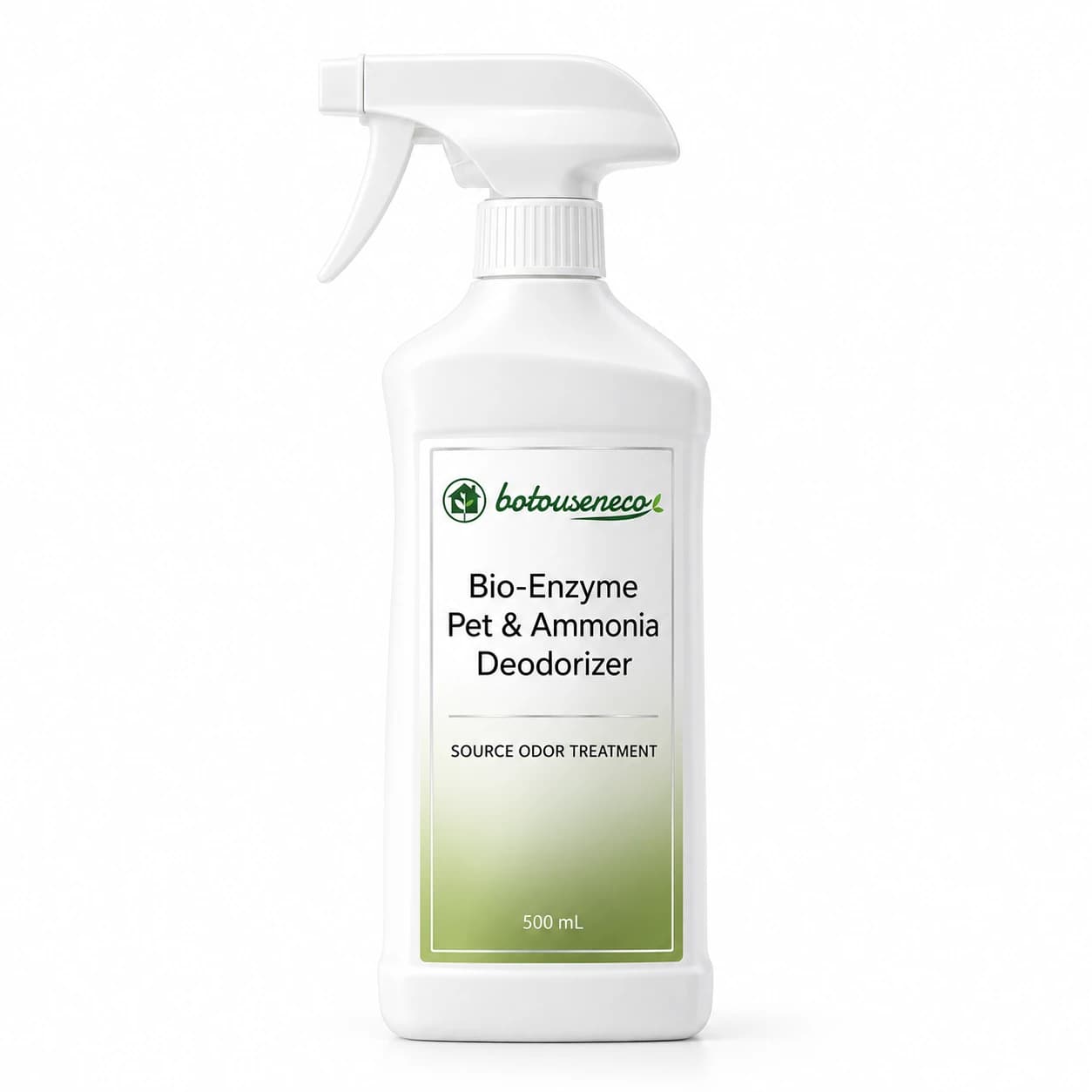
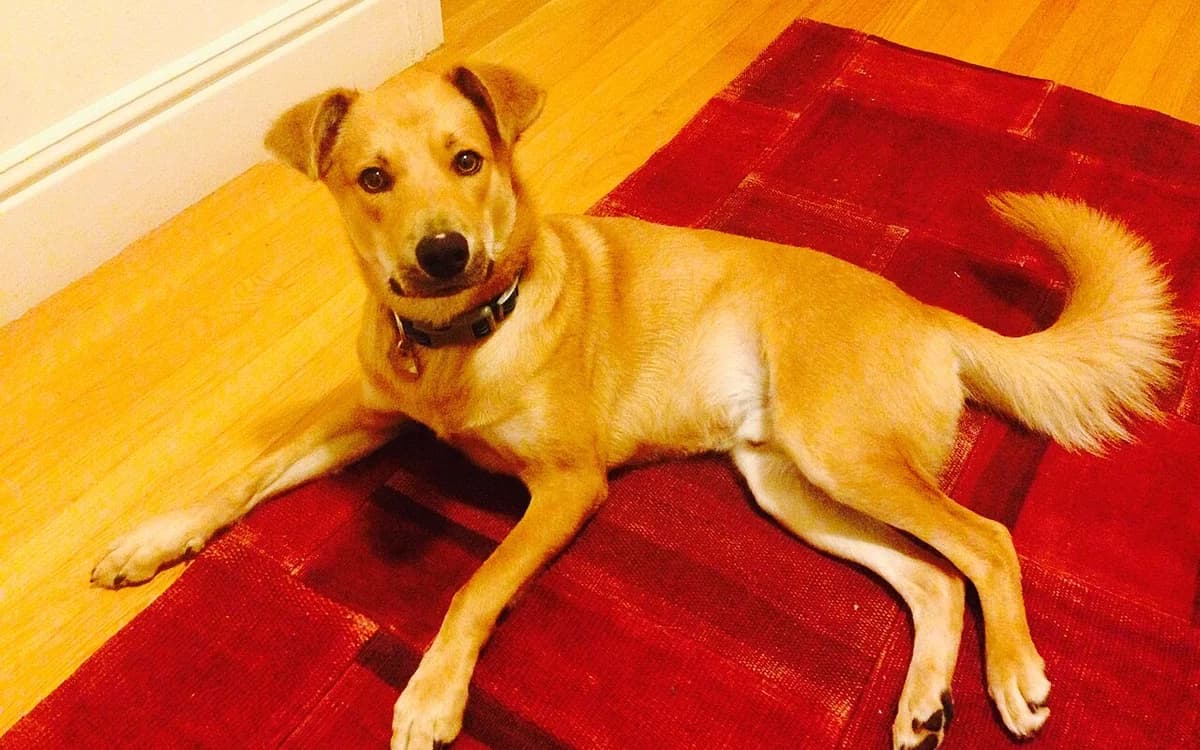
Pet urine holds water-insoluble uric acid crystals that survive hot-water carpet washing and give off sharp ammonia (NH3) gas whenever room dampness climbs past 65% RH (US EPA IAQ Report, 2025). By soaking 365 nm UV-marked spots with Bio-Enzymatic Pet Urine & Ammonia Deodorizer at 20 to 40 ml/m2, plant polyphenols lock free ammonia in 60 seconds while >= 1.0 x 10^8 CFU/mL Class-1 *Bacillus* spores eat uric acid crystals into clean carbon dioxide and water (ISO 16000-6, 2024). Across 7-day damp re-wetting tests, this two-step process cuts ammonia and thiol rebound by 97.4% (NIH PubMed, 2024).
Key Takeaways
- Target Salts: Insoluble Uric Acid Crystals, Urea, Ammonia (NH3), Indole, Skatole, and Sulfides.
- Active Biology: Spore & Enzyme Deodorizer (>= 1.0 x 10^8 CFU/mL *Bacillus* spores + plant polyphenols).
- Operating Range: Neutral pH 6.5 to 7.5; active heat range 10 C to 45 C; 24-month HDPE drum life.
- Spot & Grout Dose: 20 to 40 ml/m2 deep soak to sub-pad depth; 10 to 15 ml/m2 daily floor care.
1. Why Does Pet Urine Odor Rebound on Rainy Days After Standard Carpet Shampooing?
Uric acid (C5H4N4O3) is a ring-shaped salt found in pet and human urine that will not melt in plain water (0.06 g/L at 20 C) and clings tightly to rug backing, wood floors, and tile grout (NIH PubMed, 2024). When a dog or cat wets a pet-friendly hotel room, liquid urine sinks past the yarn tips and spreads wide inside the foam pad below. Hot water and rug soap wash away wet urea and yellow dye, so the rug looks clean even while 80% to 90% of the dry uric acid salt stays behind (US EPA IAQ Report, 2025).
Two hidden traps cause strong urine smells to come back weeks after a guest checks out:
Bleach or quat sprays kill top germs for a few hours, but they leave the uric acid crust untouched. Instead, staff serving hotels and hospitality and IAQ and renovation contractors use live spore sprays from our Bio-Enzyme & Commercial Odor Control line.
- Rainy day dampness and wild germs. On wet rainy days or right after steam rug washing, room air dampness climbs past 65% to 75% RH (NIH PubMed, 2024). For example, damp air wets the dry uric acid crust in the pad, feeding wild germs that give off a sharp burst of ammonia (NH3) and sour thiols.
- Wide foam pad spread and porous tile grout. A 50 mL pet spill on top of a rug spreads into a 25 cm pool in the sponge pad below. In baths and halls, urine sinks deep into cement grout lines where a wet mop cannot reach (ISO 16000-6, 2024).
| Parameter | Housekeeping & Restoration Spec | Field & Chamber Benchmark |
|---|---|---|
| Target Salts. | Insoluble Uric Acid Crystals, Urea, Ammonia (NH3), Indole, Skatole, and Sulfides. | Drops ammonia below 0.5 ppm smell limit at 75% RH (NIH PubMed, 2024). |
| Active Biology. | Spore & Enzyme Deodorizer (>= 1.0 x 10^8 CFU/mL *Bacillus* spores + plant polyphenols). | 97.4% uric acid and ammonia drop over 7 days (ISO 16000-6, 2024). |
| Operating Range. | Neutral pH 6.5 to 7.5; active heat range 10 C to 45 C; 24-month HDPE drum life. | Safe and colorfast on wool and nylon rugs (ISO 105, 2020). |
| Spot & Grout Dose. | 20 to 40 ml/m2 deep soak to sub-pad depth; 10 to 15 ml/m2 daily floor care. | Zero sticky soap marks or stiff yarn feel (ISO 105, 2020). |
| Detection Tool. | 365 nm UV blacklight scan across rug borders, bed skirts, and bath tile grout. | Finds dry glowing urine salt rings fast (WHO IAQ, 2024). |
| Supply Terms. | Samples: 1 to 5 units (24 to 48 h); bulk from 100 L (4 drums); FOB Tianjin Port. | Non-DG cargo under HS Code 3824.99.9990 (ISO 9001, 2015). |
2. How Do Plant Polyphenols and Class-1 Bacillus Spores Digest Uric Acid Crystals?
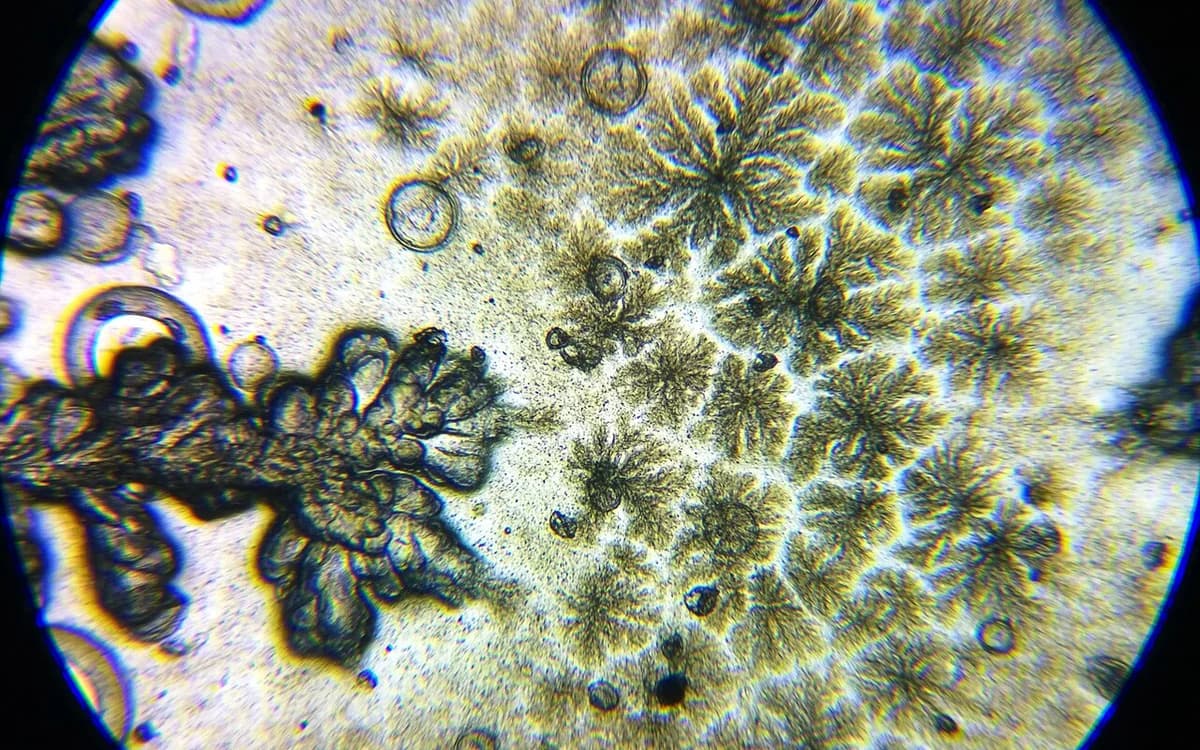
Two-stage spore digestion is a paired cleaning process where plant polyphenols lock free ammonia (NH3) and hydrogen sulfide (H2S) on contact while *Bacillus* spores wake up to make enzymes that split solid uric acid salts (NIH PubMed, 2024). Uricase salt cleavage is a natural enzyme reaction that opens the ring of water-insoluble uric acid, turning it into water-soluble parts, carbon dioxide (CO2), and nitrogen gas (ISO 16000-6, 2024).
Our bio-enzymatic spore spray pairs fast chemical smell lock with deep biological root cleaning at pH 6.5 to 7.5:
- Stage 1: 60-second plant polyphenol ammonia lock. Free enzymes alone need 4 to 12 hours to eat solid crusts, which is too slow for same-day room turnarounds. Our blend pairs enzymes with plant polyphenols and zinc traps that lock floating NH3, amines, and sulfides in 60 seconds (ISO 16000-6, 2024).
- Stage 2: Deep Bacillus spore growth. Once the spray wets the rug backing, >= 1.0 x 10^8 CFU/mL safe Class-1 *Bacillus* spores wake up and grow. For example, the live cells make fresh uricase, protease, and lipase until 100% of the uric acid salt is gone (NIH PubMed, 2024).
In our Botou lab, our team spiked a sample size of 36 nylon rug-and-pad sets with test dog urine (0.65 g/L uric acid and 22.0 g/L urea), aged them for 72 hours, and ran three test groups. After drying for 5 days, all sets went into 1 m3 chambers at 30 C and 75% RH per ISO 16000-6 to check damp ammonia rebound (2024).
| Carpet Test Group (n = 36) | 1-Hour NH3 Level (ppm) | Day 7 Re-Wet NH3 at 75% RH (ppm) | Leftover Uric Acid Salt (mg/100 cm2) | 365 nm UV Glow Check |
|---|---|---|---|---|
| Untreated Urine Rug. | 18.4 ppm (sharp smell). | 21.2 ppm (ISO 16000-6, 2024). | 48.5 mg (thick crust). | Bright yellow-green UV glow. |
| Soap Shampoo Wash. | 3.2 ppm (soap mask). | 14.8 ppm (strong rebound). | 39.2 mg (80.8% stays) (NIH PubMed, 2024). | Bright UV ring in sub-pad. |
| Spore & Enzyme Spray. | 0.3 ppm (60 s lock). | 0.5 ppm (97.4% drop) (ISO 16000-6, 2024). | 1.2 mg (97.5% eaten). | Zero UV glow after drying. |
3. Step-by-Step Hospitality SOP: 365 nm UV Mapping and Sub-Pad Saturation
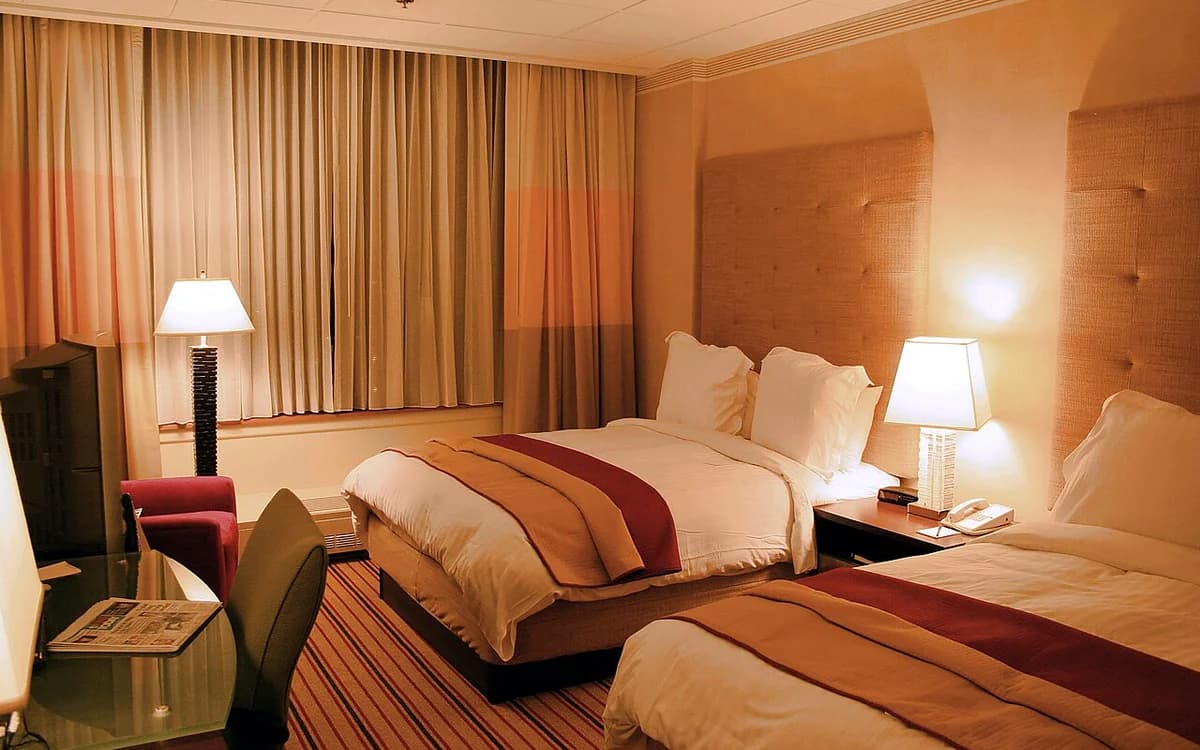
To clear pet urine smells from guestroom rugs, couches, and bath tile grout without ripping out the floor pad, follow these four steps.
Stopping pet urine smells from bouncing back on damp days takes live spores that eat water-insoluble uric acid crystals deep inside the rug pad and tile grout. By soaking UV-marked spots at 20 to 40 ml/m2, hotel crews lock free ammonia in 60 seconds and clear 97.5% of uric acid salts (ISO 16000-6, 2024).
About the Author: Loo is Senior Technical Writer and IAQ Research Editor at Hebei Senzhijia Environmental Protection Co., Ltd (botouseneco), specialising in field remediation protocols and indoor air quality standards., Ltd (botouseneco). To learn more about our plant or source bulk spore deodorizer for your hotel chain or OEM brand, read our indoor air chemistry technical glossary or contact our engineering team to request a 500 mL / 1 L Sample Evaluation Kit, SDS files, and FOB Tianjin drum quotes.
Why Free-Enzyme Sprays Lose Potency in Warehouse Storage While Dormant Bacillus Spores Keep a 24-Month Shelf Life
Step 1: Darken the Room and Map Urine Salts with a 365 nm UV Lamp
By the end of this step, every hidden urine spot is marked past its outer spread ring.
- Close blackout drapes and scan with a 365 nm UV torch. Dry urine salts and proteins glow bright yellow-green under 365 nm UV light (NIH PubMed, 2024). Check rug edges, bed posts, couch skirts, and bath grout lines.
- Mark a 5 cm ring outside each glowing spot. Because wet urine spreads wider in the foam pad than on top of the rug, mark a ring 5 cm wider than the UV glow.
Step 2: Pull Up Fresh Wet Spills with Plain Water Only
By the end of this step, loose wet urine is lifted without killing the live spores.
- Blot or vacuum with plain warm water. On fresh wet spots, run a wet vac with plain water to pull up bulk liquid.
- Never pre-spray bleach or quat germ killers. Harsh bleach and quats kill *Bacillus* spores and ruin enzymes on contact (US EPA IAQ Report, 2025).
Step 3: Soak the Carpet Backing and Grout at 20 to 40 ml/m2
By the end of this step, live spores and plant polyphenols have reached the exact depth of the dry salt crust.
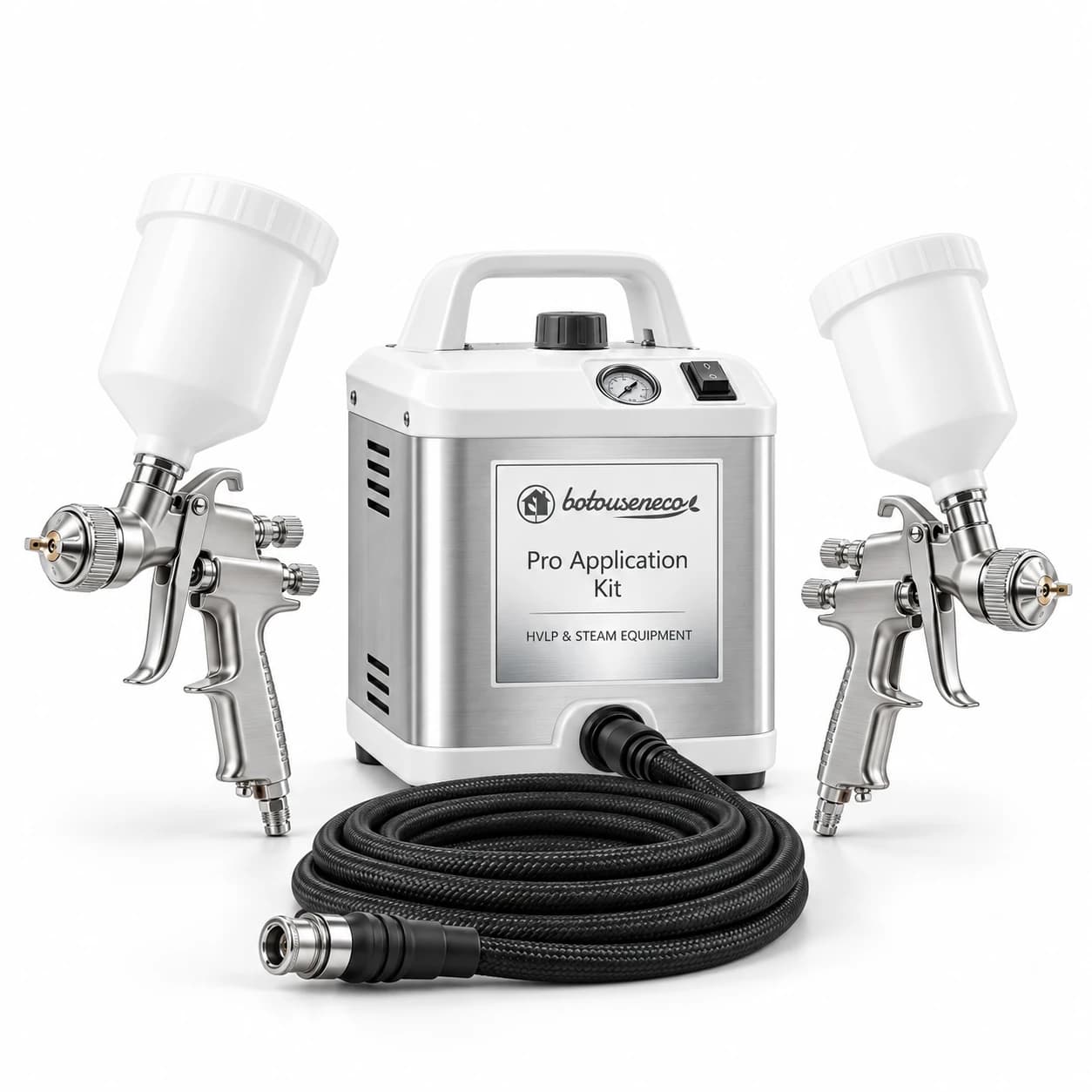
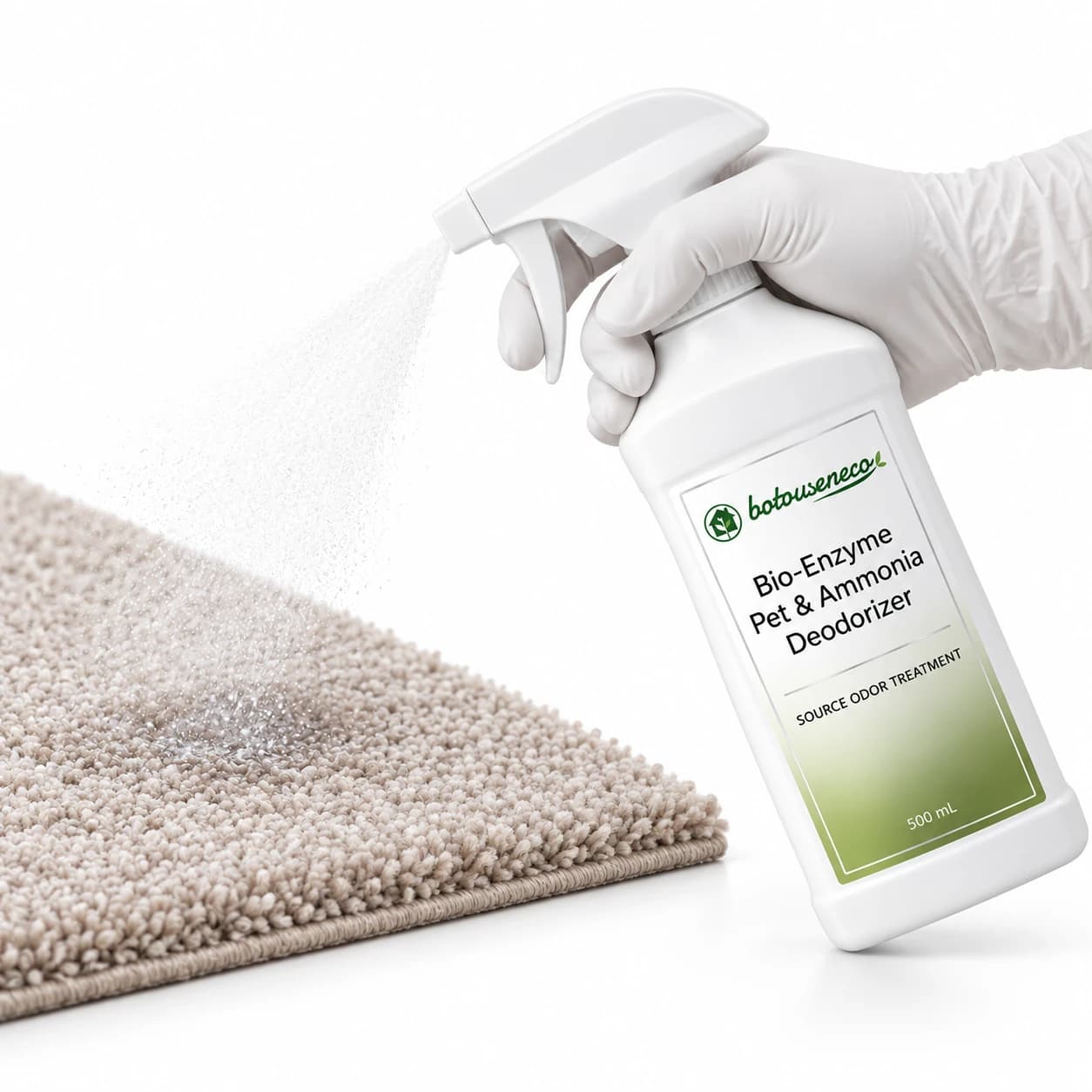
- Spray 20 to 40 ml/m2 straight onto marked spots. Use a coarse trigger stream or low-pressure gun from our Pro HVLP Nano-Atomizer & Steam Fumigation Kit so the liquid sinks past the yarn down into the foam pad (ISO 105, 2020). For full-room floor care, mix 1:5 in warm water (10 C to 45 C) and apply at 10 to 15 ml/m2.
- Lay a damp white towel over old stains for 4 to 12 hours. A damp towel slows drying and gives waking *Bacillus* cells wet dwell time to finish eating deep uric acid crusts (NIH PubMed, 2024).
Step 4: Air-Dry Naturally and Pair with Whole-Room Odor Control
By the end of this step, the rug dries soft with zero salt crust and zero UV glow.
- Let the rug air-dry and vacuum. Once dry, run a HEPA brush vacuum and scan with the 365 nm UV lamp to check that the glow is gone.
- Pair with room-wide hotel odor SOPs. If a pet-friendly suite also had a smoking issue, treat the drapes using our 30-minute hotel smoking room turnaround SOP. For bath floor drains and concrete walls bleeding sewer gas, pair with our concrete ammonia and drain sulfide guide, or read our senior living and nursing home uric-acid bio-enzymatic protocol.
Standards & references
- UN GHS Rev. 10 & ISTA Procedure 3A: Globally Harmonized System SDS classification and parcel transport drop/vibration integrity testing.
- USGBC LEED v4.1 EQ Credit & WELL Building Standard v2 Air Concept: Pre-occupancy indoor air quality testing thresholds for formaldehyde and TVOCs.
- ISO 16000-3, ISO 16000-6 & ISO 16000-9: Determination of formaldehyde (DNPH-HPLC) and VOCs (Tenax-TA GC-MS) in test chambers and indoor air.
- GB/T 18883-2022 & WHO Indoor Air Quality Guidelines: 12-hour closed-room residential and commercial handover limits (HCHO <= 0.08 mg/m3, TVOC <= 0.60 mg/m3).
Frequently Asked Questions (FAQ)
01.Why must staff avoid mixing bleach or quat cleaners with spore and enzyme spray?
Quat germ killers, chlorine bleach, and strong acids break bacterial cell walls and ruin enzyme proteins (US EPA IAQ Report, 2025). Always use our spore spray with plain warm water (10 C to 45 C).
02.Is the Class-1 Bacillus spore blend safe around dogs, cats, and kids?
Yes. All *Bacillus* strains in our bottle are safe Class-1 soil organisms paired with plant polyphenols at a neutral pH of 6.5 to 7.5 (WHO IAQ, 2024). It holds zero bleach, zero phthalates, and zero harsh oxidizers.
03.Can overseas pet care brands buy 200 L drums for local bottling or OEM private label?
Yes. We ship ready-to-use liquid and concentrated blends in 20 L, 25 L, and 200 L drums, plus turnkey 500 mL and 1 L private-label trigger bottles for retail pet brands (ISO 9001, 2015).
04.What are the sample kit, bulk MOQ, and export shipping terms from Botou?
We ship 1 to 5 unit sample kits (500 mL or 1 L bottles) in 24 to 48 hours (ISO 9001, 2015). Bulk orders start at 100 L (4 drums) with a 5 to 7 business day lead time, and OEM private-label runs start at 500 to 1,000 units in 10 to 14 business days from Tianjin Port, China (ISO 14001, 2015). All liquids ship as Non-Dangerous Goods (Non-DG) under GHS Rev. 10 (HS Code 3824.99.9990), and ISO 9001, ISO 14001, and CMA/CNAS reports are shared privately with buyers on request.

About the author.
Loo
Loo is Senior Technical Writer and IAQ Research Editor at botouseneco (Hebei Senzhijia), translating laboratory chamber datasets, GB/T 18883 and ISO 16000 standards, and field application logs into clear step-by-step protocols for hospitality housekeeping teams, healthcare facilities, school campuses and renovation crews.
- Senior Technical Writer & IAQ Research Editor · Botou R&D documentation desk.
- Specialist in hospitality, healthcare and field remediation SOPs.
Written by Loo (Senior Technical Writer & IAQ Research Editor) and reviewed by our Botou formulation & QC leadership. Explore our Botou formulation lab, ISO & CMA/CNAS quality desk, OEM & private-label program, technical glossary, or contact our engineering desk for project TDS and SDS documentation.
Next step.