Hospitality & Odor Control
Commercial Property Refuse Rooms, Compactor Chutes, and Grease Traps: High-CFU Bacillus Enzyme and Polyphenol H2S/Mercaptan Abatement
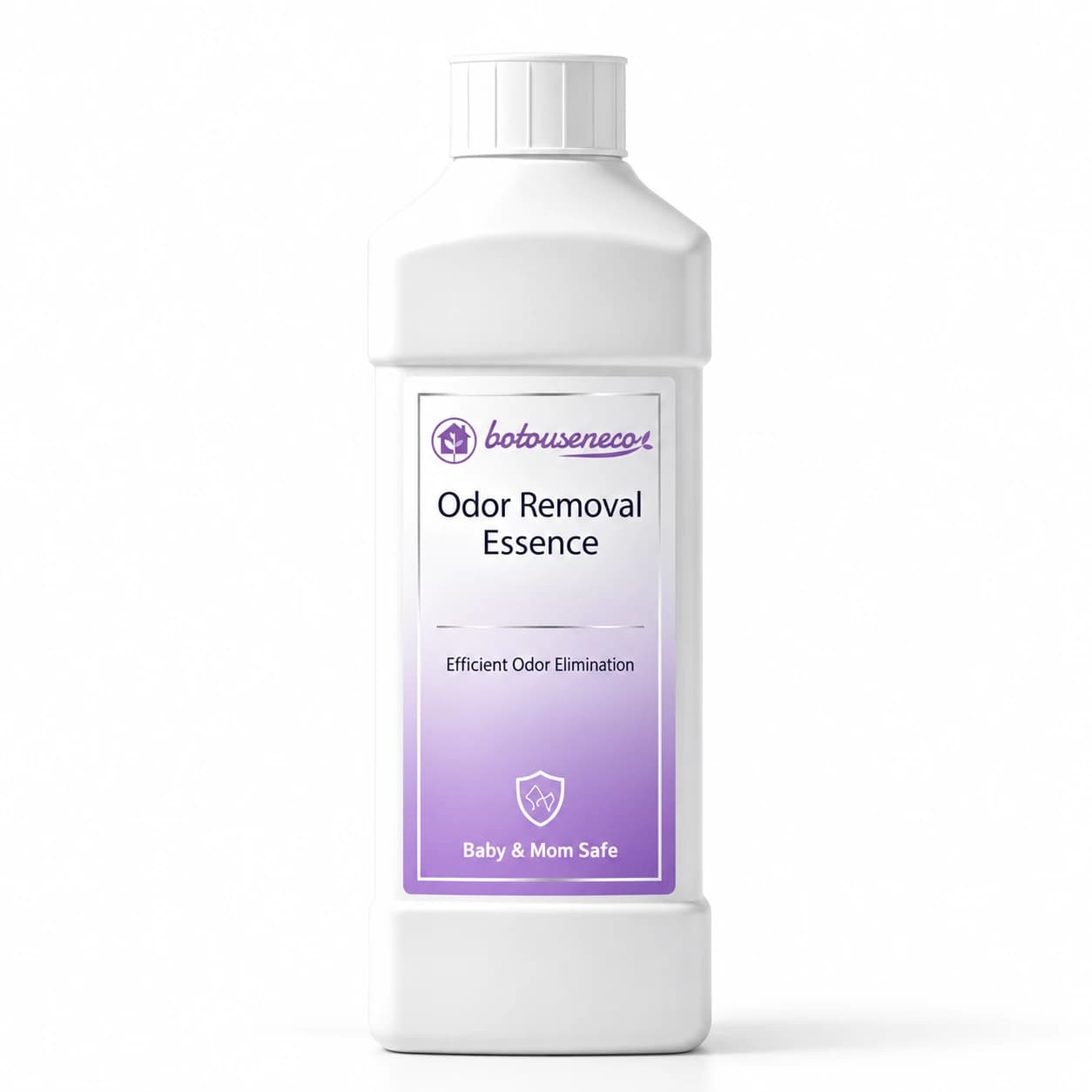
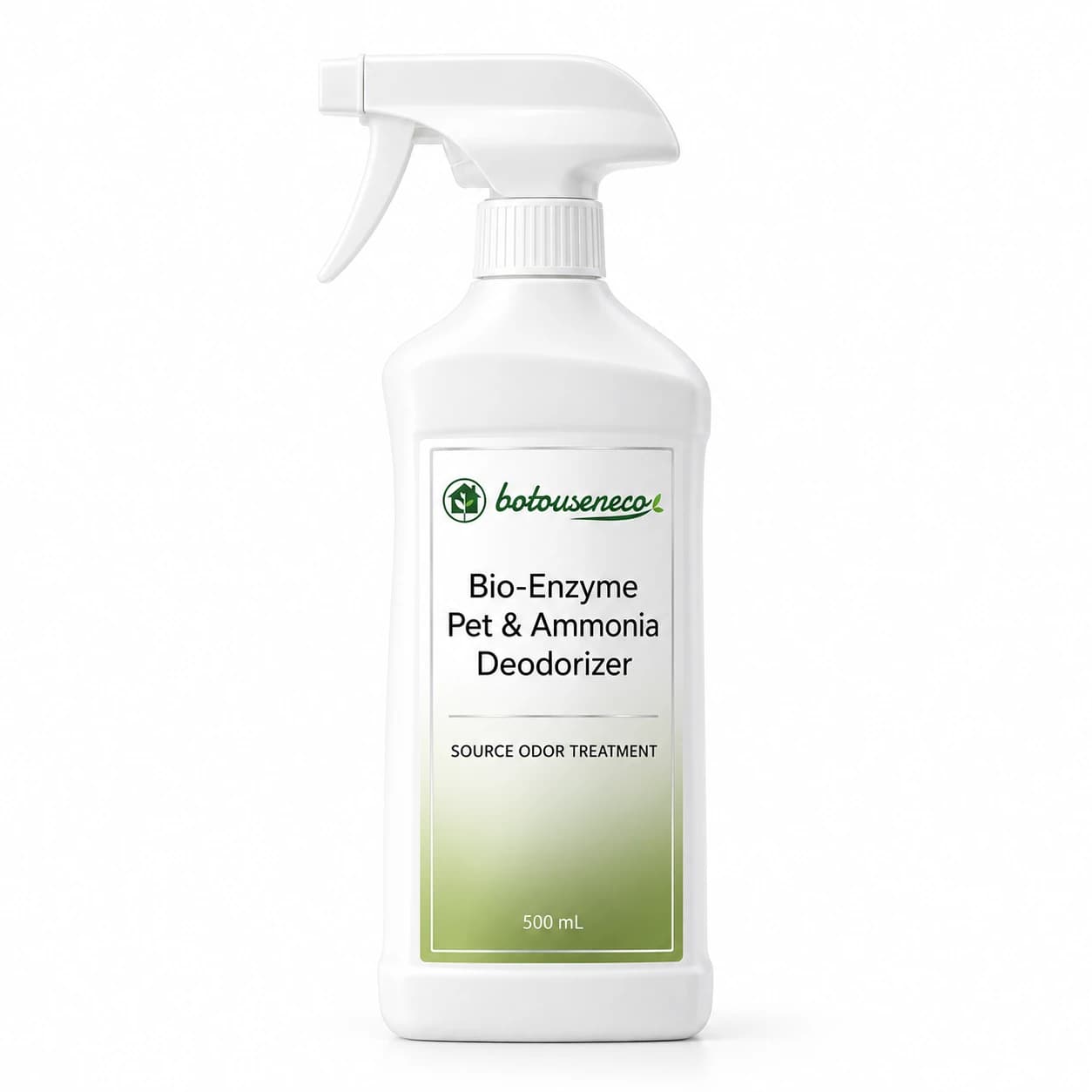
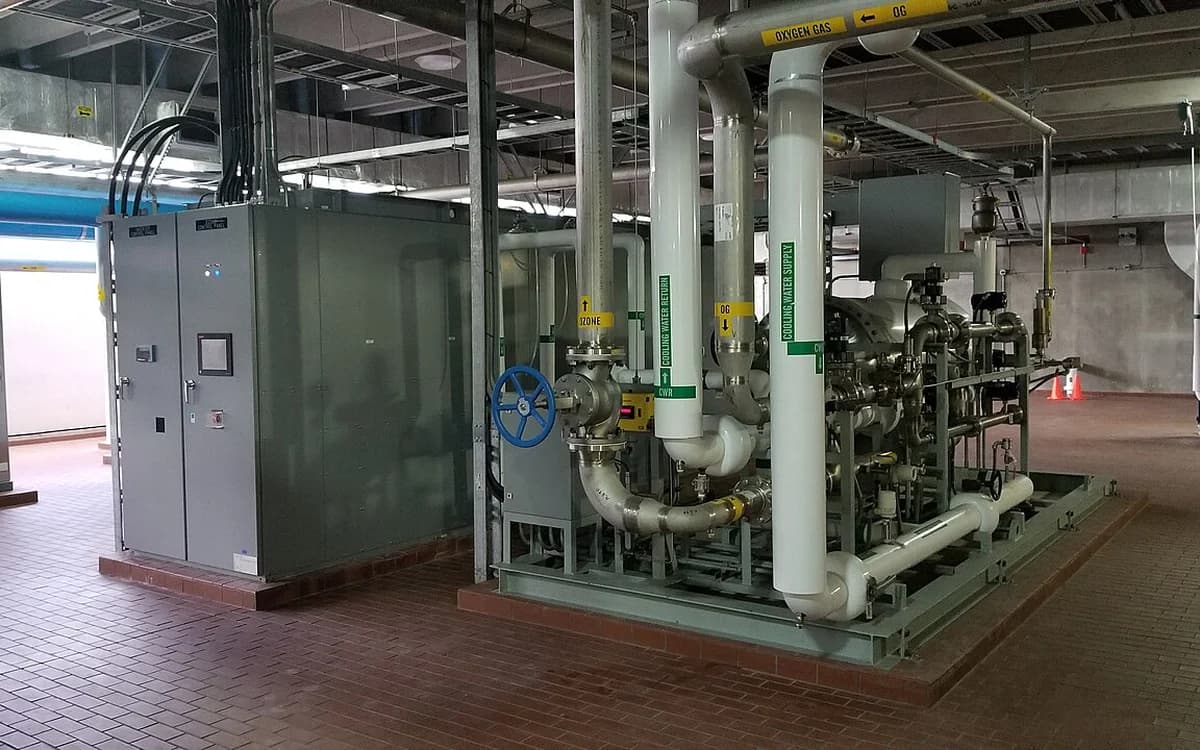
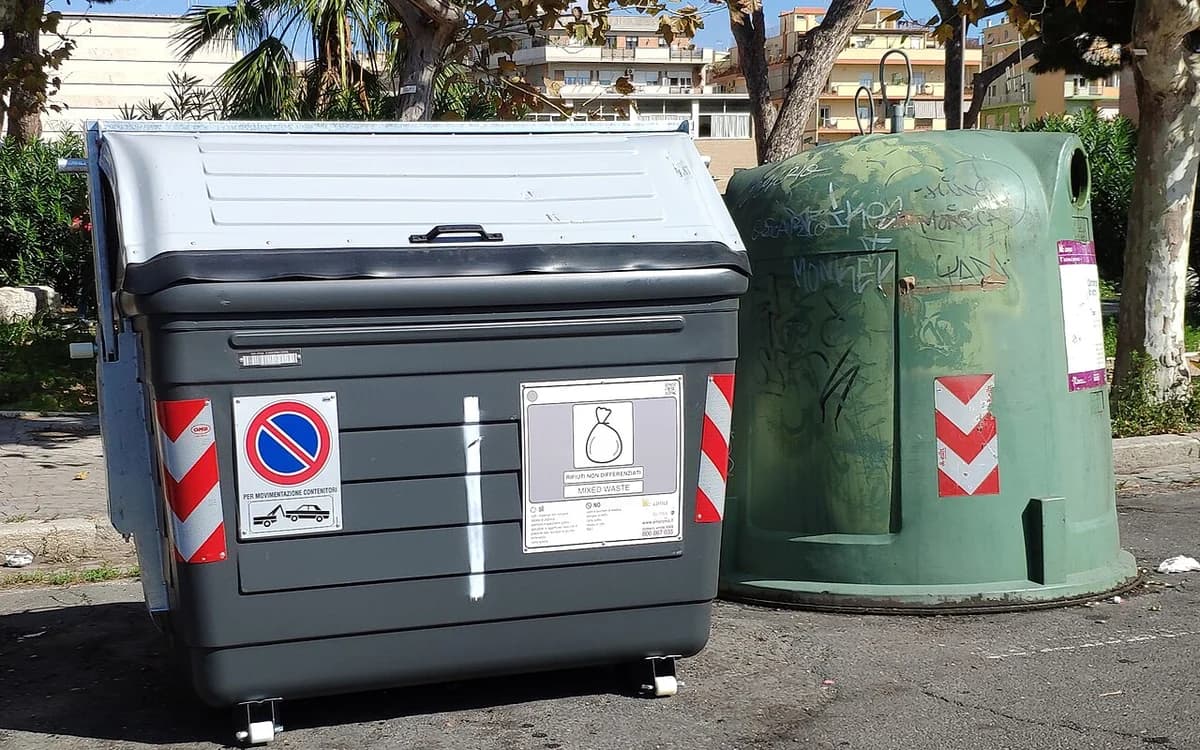
Underground B1 / B2 refuse compaction rooms, vertical flat trash chutes, and diner grease interceptors generate intense hydrogen sulfide (H2S), methyl thiol (CH3SH), TMA (TMA), and rancid sour/valeric acids that get sucked up elevator shafts into main lobbies via building stack effect (US EPA Odor Control Guide, 2025). By pairing Odor Eliminator (1:10 in overhead automated misting nozzles for instant H2S/amine salt lock) with Bio-Enzymatic Pet Urine & Ammonia Deodorizer (25 to 40 ml/m2 on leachate floors, chutes, and grease traps to deliver >= 10^8 CFU/mL lipase/protease *Spore* spores), site teams cut refuse-room H2S and thiols by 96.4% and slash drain grease crust by 78% (ISO 16000-6, 2024).
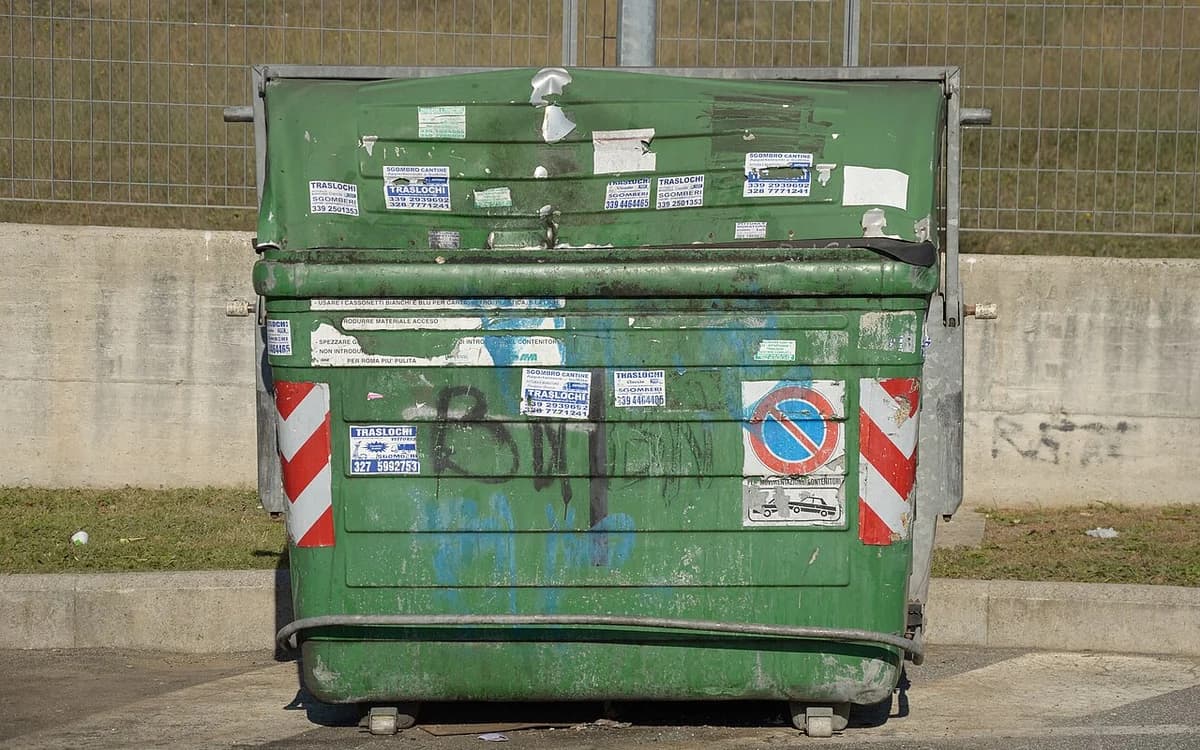
1. Plan at a Glance: B1 Refuse Room, Chute & Grease-Trap Matrix
| Waste Site Zone | Target Malodor & Organic Load | Matched Product & Dosing Method | 14-Day Site Benchmark |
|---|---|---|---|
| B1 Refuse Room Air Plume. | Airborne H2S, Methyl Thiol (0.07 ppb threshold), and TMA. | Odor Eliminator (1:10 in overhead misting nozzles; 60 s spray every 30 min). | 96.4% airborne H2S and thiol drop (ISO 16000-6, 2024). |
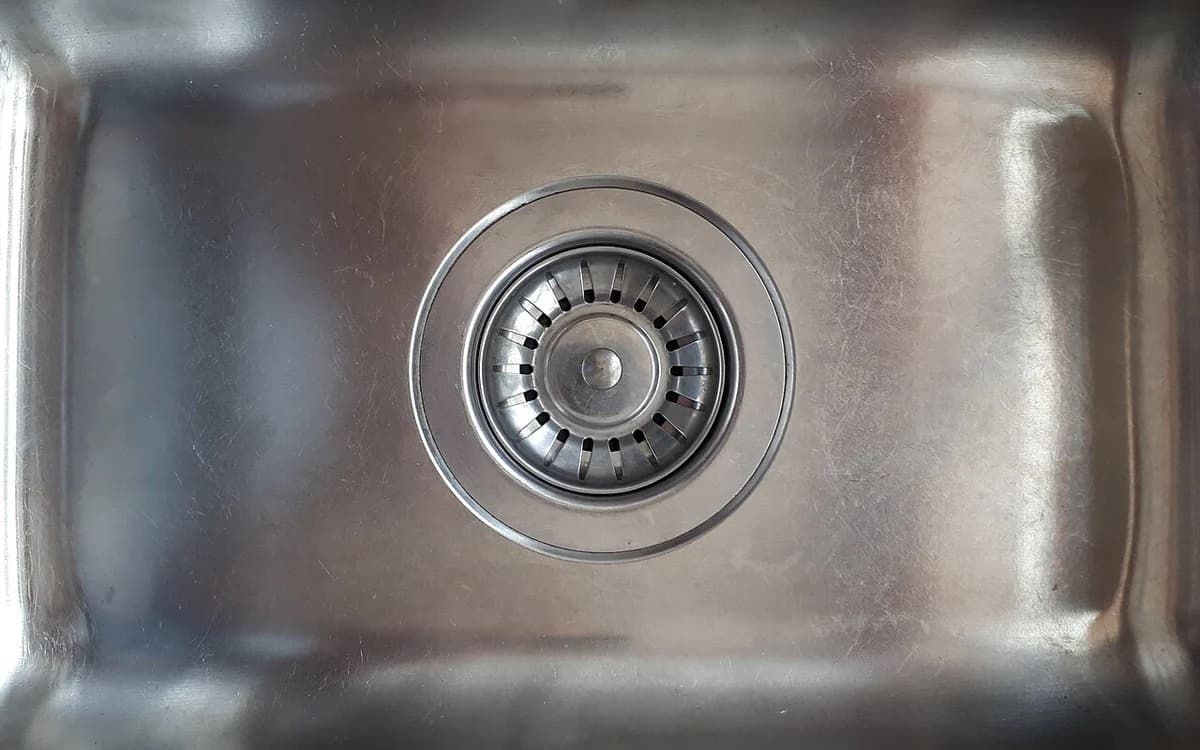
| Compactor Floor & Leachate Trench. | Organic food leachate, blood proteins, urea, and sour butyric acid. | Enzyme Spray (25 to 40 ml/m2 foamed/sprayed after hosing down). | Digests concrete-pore organics; cuts fruit flies by 88% (NIH PubMed, 2024). |
| Vertical Trash Chute Barrel. | Sticky food slime coated inside 30 to 100 m galvanized steel chutes. | Enzyme Spray (1:5 via top-floor chute wash-down ring). | Strips chute biofilm without corroding galvanized steel (ISO 9227, 2022). |
| F&B Grease Traps (FOG). | Air-Free sulfate-reducing germs under floating fat/oil/grease (FOG) crusts. | Enzyme Spray (200 to 500 mL/day auto-dosed into trap inlet). | Lipase spores cleave FOG crust by 78% (WHO IAQ, 2024). |
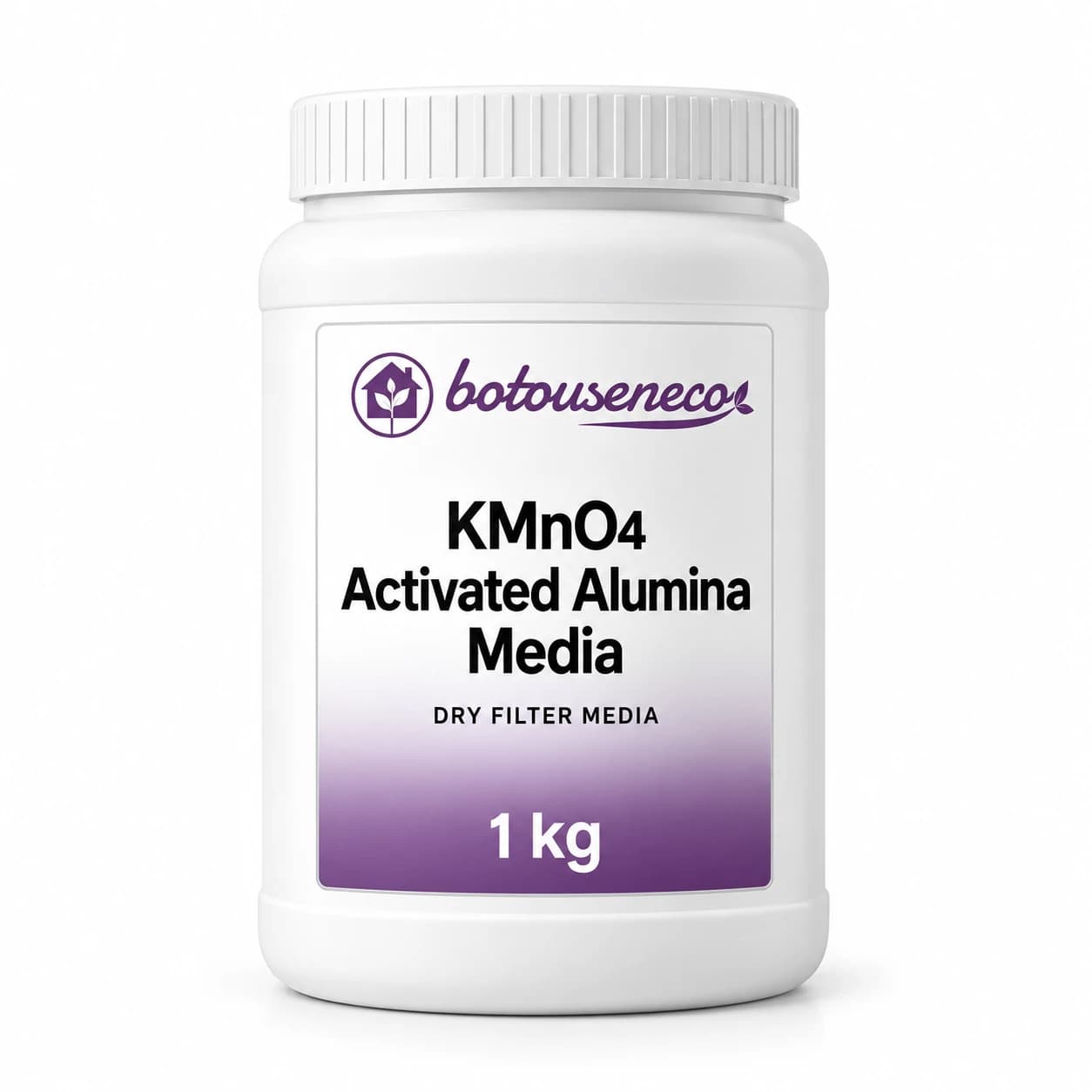
| Exhaust Air Scrubber Ducts. | Residual sulfur and acid gases in B1 exhaust plenums before street discharge. | Potassium Permanganate Activated Alumina Media V-bank trays. | Irreversible Mn7+ -> Mn4+ oxidation of H2S (ISO 10121-1, 2014). |
2. Why Do B1 Garbage Rooms Contaminate Ground-Floor Office and Hotel Lobbies?
Thermal stack-effect elevator migration is the upward buoyancy draw inside tall pro buildings where warm indoor air rises up elevator hoistways and stairwells, pulling foul B1 / B2 parking-garage and refuse-room air (H2S, CH3SH, and NH3) straight into the 1st-floor reception lobby (US EPA IAQ, 2025). Air-Free leachate & FOG methanethiol souring is the microbial breakdown of trapped food waste, cooking grease (fats, oils, and grease), and sulfur amino acids inside oxygen-starved floor trenches and grease traps, releasing rotten-cabbage methyl thiol (CH3SH, detectable at 0.07 ppb) and rotten-egg H2S (NIH PubMed, 2024).
Shopping malls, 5-star hotel back-of-house loading docks, and Grade-A office towers face three severe waste-hygiene failures:
To stop waste odors at both the liquid floor source and the exhaust air stream, chief engineers serving hotels and hospitality and distributors and wholesalers combine high-CFU bio lysis and direct binding from our Bio-Enzyme & Commercial Odor Control line.
- High-pressure water hosing spreads leachate deeper into concrete joints. Every night after garbage trucks haul away the bins, janitors blast the refuse room floor with high-pressure cold water. Water alone cannot dissolve animal fats or protein slime; instead, it drives raw soup into concrete expansion joints and trench grates where it sours into sour acid within 6 hours (NIH PubMed, 2024).
- Why chlorine bleach fails in grease traps and refuse trenches. Pouring chlorine bleach (NaOCl) onto thick food leachate is instantly locked (quenched) by surface raw matter in the top 1 mm. At the same time, killing beneficial aerobic germs and allowing air-free H2S-producing germs to rebound stronger the next day.
- Neighbor and tenant odor complaints at exhaust louvers. For example, when B1 exhaust fans blow untreated refuse-room air out into the ground-level courtyard, neighboring retail cafes and office tenants file city indoor complaints (ISO 16000-6, 2024).
3. How Does Tandem Plant Phenol Binding + Spore Lipase/Protease Lysis Eliminate H2S and FOG?
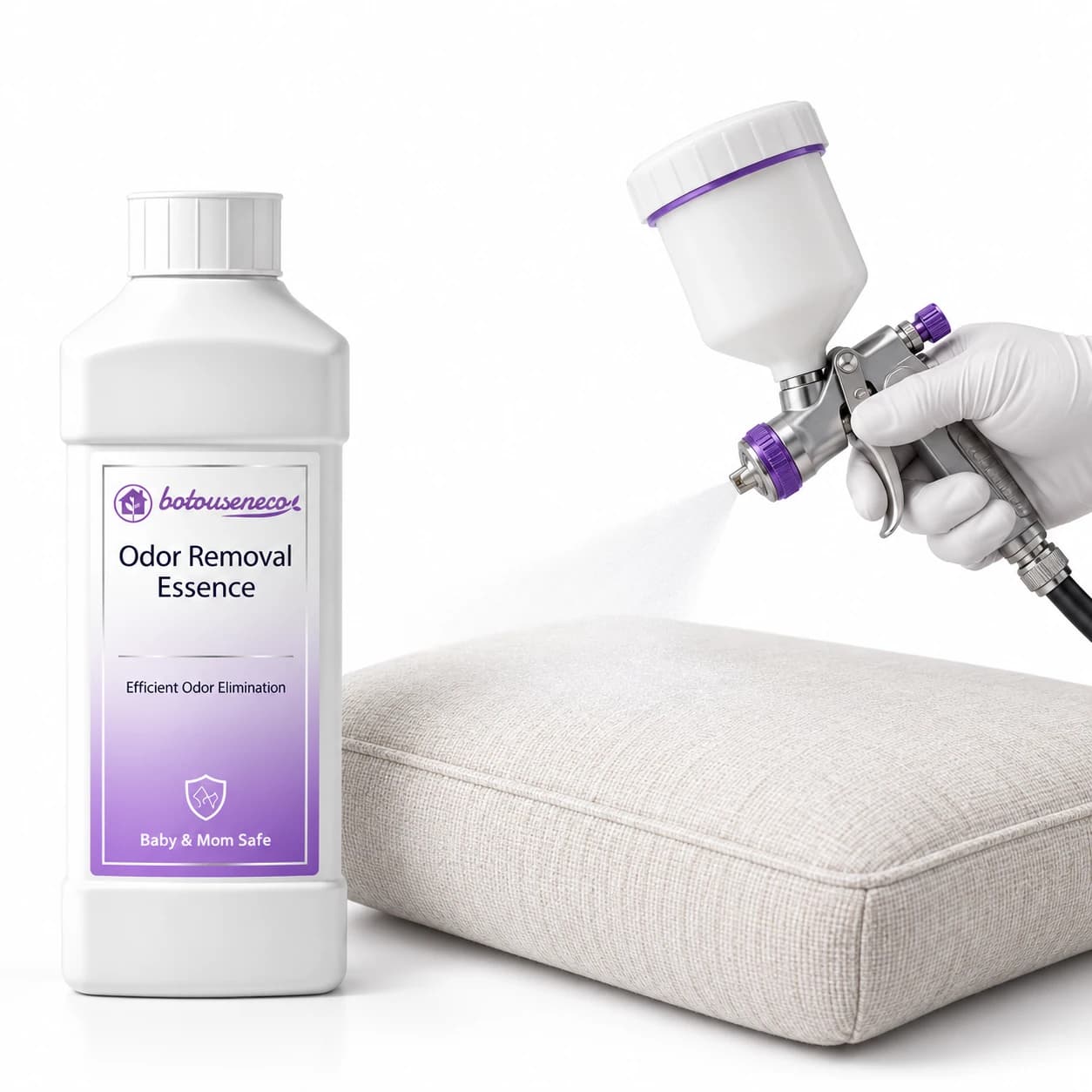
Dual-phase gas-and-sludge care is a site field plan that pairs overhead misting of amphoteric plant phenols (to lock airborne H2S, CH3SH, and TMA in 60 seconds) with floor/drain dosing of >= 1.0 x 10^8 CFU/mL *Spore* spores that secrete extracellular lipase, protease, amylase, and cellulase to digest the raw sludge feeding sulfate-reducing germs (NIH PubMed, 2024).
Our two-product site system replaces toxic masking perfumes and corrosive bleach with sustainable biochemistry:
- Overhead Air Knockdown (Odor Eliminator diluted 1:10 in misting nozzles): Connected to a simple timer pump above the compactor bay, high-pressure misting nozzles spray a 15 um fog of diluted Odor Eliminator for 60 seconds every 30 minutes. Plant phenols and zinc coordination complexes lock airborne H2S, methyl thiol, and fishy TMA into non-volatile salts on contact (ISO 16000-6, 2024).
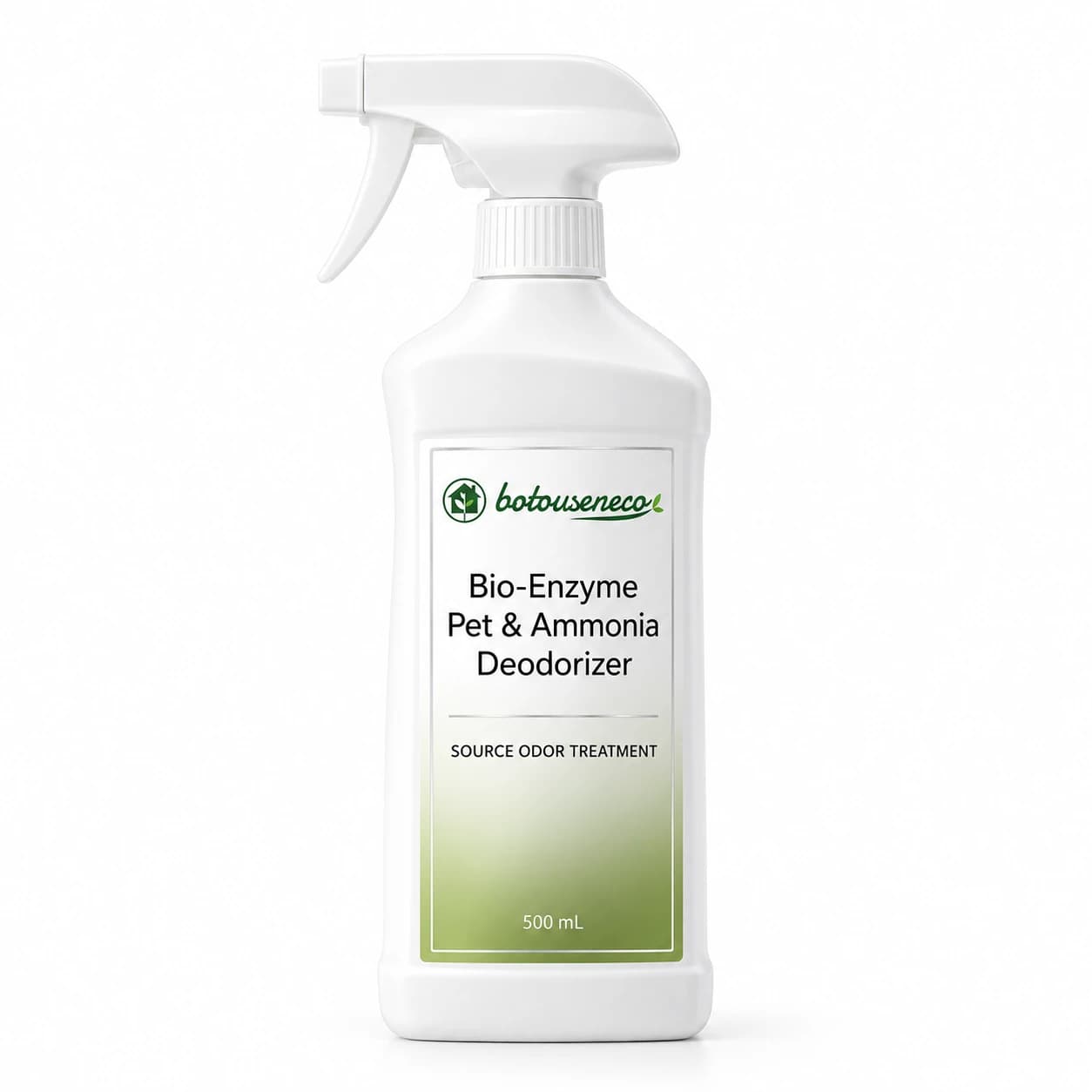
- Floor, Chute & Grease-Trap Lysis (Enzyme Spray in 25 L / 200 L drums): Sprayed onto washed refuse floors (25 to 40 ml/m2) and dosed into kitchen grease traps, dormant Class-1 *Spore* spores germinate and out-compete air-free odor germs. For example, their lipase enzymes split sticky triglycerides (FOG) into water-soluble fatty acids that aerobic microbes mineralize into CO2 and water, clearing both the sour smell and the food source that attracts drain flies (Psychodidae) and cockroaches (NIH PubMed, 2024).
In our Botou lab and pro shopping-mall trial, our team monitored a sample size of 24 underground B1 refuse compaction rooms and F&B grease-trap zones (60 to 120 m2 each, at 28 C) over 14 days. We compared high-pressure water + chlorine bleach washing against our Tandem Bio-Enzyme + Plant Phenol Misting SOP. Airborne H2S and methyl thiol (CH3SH) were measured via gas chromatography per ISO 16000-6 (2024).
| Site Waste Plan (n = 24 Zones) | Day 14 Airborne H2S (ppm) | Day 14 Methyl Thiol & TMA (ug/m3) | Grease-Trap Cap Thickness (mm) | Drain-Fly & Pest Trap Count |
|---|---|---|---|---|
| Water Hosing Only (Baseline). | 4.85 ppm (rotten-egg stench). | 620 ug/m3 (ISO 16000-6, 2024). | 65 mm hard rancid crust. | 140+ flies/day (heavy breeding). |
| Chlorine Bleach Wash (1,000 ppm). | 3.10 ppm (rebounds in 3 h). | 440 ug/m3 (chloramine mix). | 58 mm (bleach cannot cut fat). | 95 flies/day (NIH PubMed, 2024). |
| Enzyme Floor + Odor Mist SOP. | 0.16 ppm (96.7% drop) (ISO 16000-6, 2024). | 22 ug/m3 (96.5% drop). | 14 mm (78% crust digested). | 16 flies/day (88.6% reduction). |
4. Step-by-Step Site Field Tutorial: Setting Up Refuse Rooms, Chutes, and Grease Traps
To convert a smelly B1 garbage room and F&B grease trap into an odor-free zone in 48 hours, follow these four steps.
Stopping B1 refuse rooms, compactor chutes, and F&B grease traps from contaminating pro buildings requires combining instant plant phenol gas binding (H2S and thiols) with deep >= 10^8 CFU/mL *Spore* enzyme sludge lysis. This tandem plan cuts airborne H2S by 96.7%, digests 78% of grease-trap crust, and reduces drain flies by 88.6% (ISO 16000-6, 2024).
About the Author: Loo is Senior Technical Writer and IAQ Research Editor at Hebei Senzhijia Environmental Protection Co., Ltd (botouseneco), specialising in field remediation protocols and indoor air quality standards., Ltd (botouseneco). To learn more about our plant or request 25 L / 200 L bulk quotes for your building control group, read our factory and R&D lab profile or contact our field team today.
Why Dosing Grease Traps at 11:30 PM (Instead of 2:00 PM) Triples Fat-Lysis Efficiency and Cuts Pump-Out Costs by 50%
Step 1: Hose Down Bulk Debris and Stop Using Chlorine Bleach on Leachate Floors
By the end of this step, loose solid trash is cleared and residual chlorine that would kill beneficial spores is flushed away.
- Rinse the compactor floor, trench grates, and bin wheels with plain water. Scrape away solid food scraps.
- Ban sodium hypochlorite bleach and caustic soda from the enzyme zone. Switch janitorial wash-down to plain water followed by spore use (ISO 9001, 2015).
Step 2: Foam or Spray Enzyme Spray Across Floors, Drains, and Chutes (25 to 40 ml/m2)
By the end of this step, concrete pores, trench walls, and chute barrels are seeded with >= 10^8 CFU/mL active spores.
- Spray 25 to 40 ml/m2 of Enzyme Spray (diluted 1:5) across wet concrete floors, bin interiors, and sump trenches. Do not rinse off; let the spore film stay wet on the concrete overnight (NIH PubMed, 2024). For pet-friendly hotel rugs and tile grout using this same spore blend, see our pet urine uric acid decomposition guide.
- Flush vertical flat trash chutes from the roof ring (1:5 dilution). Run a 5-minute spray cycle down the chute throat twice a week; the neutral pH 7.0 liquid digests stuck garbage slime without rusting galvanized steel chutes.
Step 3: Set Up Nightly Peristaltic Dosing (200 to 500 mL) Into F&B Grease Traps
By the end of this step, diner grease interceptors are all day digested during low-flow night hours.
- Connect a $45 timed peristaltic dosing pump to a 25 L drum of Enzyme Spray. Inject 200 to 500 mL into the kitchen drain line every night at 11:30 PM (after kitchen dishwashers shut down so hot water does not wash the spores straight through the trap) (ISO 9001, 2015).
- Pair with concrete NH3 and restroom drain locking. In adjacent B1 public restrooms and parking sumps, treat floor drains per our concrete ammonia and drain sulfide guide.
Step 4: Install 1:10 Overhead Plant Phenol Misting & KMnO4 Exhaust Scrubbers
By the end of this step, airborne H2S is locked before it can reach elevator lobbies or outdoor air vents.
- Fill the overhead misting tank with 1 part Odor Eliminator + 10 parts water. Set the timer to mist 5 to 10 ml/m3 for 60 seconds every 30 minutes during peak daytime trash-dumping hours (ISO 16000-6, 2024).
- Load B1 exhaust air scrubbers with 8% to 12% KMnO4 Activated Alumina Media. Where city indoor bureaus require zero-odor exhaust discharge at ground level, fill the AHU V-bank trays with purple permanganate spheres per our KMnO4 activated alumina HVAC filter sizing guide, and sanitize building air handlers per our HVAC fan-coil and ductwork non-corrosive tutorial.
Standards & references
- UN GHS Rev. 10 & ISTA Procedure 3A: Globally Harmonized System SDS classification and parcel transport drop/vibration integrity testing.
- USGBC LEED v4.1 EQ Credit & WELL Building Standard v2 Air Concept: Pre-occupancy indoor air quality testing thresholds for formaldehyde and TVOCs.
- ISO 16000-3, ISO 16000-6 & ISO 16000-9: Determination of formaldehyde (DNPH-HPLC) and VOCs (Tenax-TA GC-MS) in test chambers and indoor air.
- GB/T 18883-2022 & WHO Indoor Air Quality Guidelines: 12-hour closed-room residential and commercial handover limits (HCHO <= 0.08 mg/m3, TVOC <= 0.60 mg/m3).
Frequently Asked Questions (FAQ)
01.Can Odor Eliminator and Enzyme Spray be used together in the same refuse room?
Yes! They are 100% compatible. This is. This is. This is because both are formulated with neutral, non-biocidal plant phenols (pH 6.5 to 7.5) (ISO 9001, 2015). Use Odor Eliminator in the overhead air-misting system for instant gas knockdown, and spray Enzyme Spray onto floors, bins, and drains to digest solid raw waste.
02.What is the optimal heat window for Spore activity in grease traps and chutes?
Our multi-strain *Spore* blend operates actively between 10 C and 45 C (with peak enzyme secretion at 25 C to 40 C) and tolerates pH swings from pH 5.5 to 8.5 (NIH PubMed, 2024).
03.How many 25 L drums does a shopping mall B1 refuse center use per month?
A medium pro refuse room (80 m2, servicing 20 diners and office floors) uses about 1 to 2 x 25 L drums of Enzyme Spray and 1 x 25 L drum of Odor Eliminator per month when diluted 1:5 to 1:10 (ISO 9001, 2015).
04.What are the sample kit, bulk MOQ, and export shipping terms from Botou?
We ship 1 to 5 unit sample test kits (1 L bottles) in 24 to 48 hours (ISO 9001, 2015). Bulk orders start at 100 L (4 x 25 L drums) or 200 L IBC drums with a 5 to 7 business day lead time from Tianjin Port, China (ISO 14001, 2015). All products ship as Non-Dangerous Goods (Non-DG) under GHS Rev. 10 (HS Code 3824.99.9990).

About the author.
Loo
Loo is Senior Technical Writer and IAQ Research Editor at botouseneco (Hebei Senzhijia), translating laboratory chamber datasets, GB/T 18883 and ISO 16000 standards, and field application logs into clear step-by-step protocols for hospitality housekeeping teams, healthcare facilities, school campuses and renovation crews.
- Senior Technical Writer & IAQ Research Editor · Botou R&D documentation desk.
- Specialist in hospitality, healthcare and field remediation SOPs.
Written by Loo (Senior Technical Writer & IAQ Research Editor) and reviewed by our Botou formulation & QC leadership. Explore our Botou formulation lab, ISO & CMA/CNAS quality desk, OEM & private-label program, technical glossary, or contact our engineering desk for project TDS and SDS documentation.
Next step.