Seasonal IAQ Kinetics
Temperature & Humidity Effects on Indoor Formaldehyde Release: Seasonal IAQ Remediation Strategy
Arrhenius thermal emission kinetics explains why indoor formaldehyde off-gassing doubles for every 5 C to 7 C rise in room heat above 19 C (NIH Environmental Health Perspectives, 2024). At the same time, a 20% (US EPA Indoor Air Study, 2025) jump in relative humidity speeds up wood glue breakdown by 1.8x to 2.5x. Rooms renovated in winter often pass cool air tests at 15 C but fail in spring and summer unless crews run a 25 C pre-heated high-temp steam fumigation and amino lock-in plan.

Key Takeaways
- The 19 C threshold: Formaldehyde boils at -19.5 C, and wood glue release climbs by 180% to 320% (NIH, 2024) when room heat rises from 16 C to 28 C.
- Winter false-pass trap: Cold rooms tested at 15 C often read below 0.06 mg/m3, then jump above 0.19 mg/m3 during warm May to August weather.
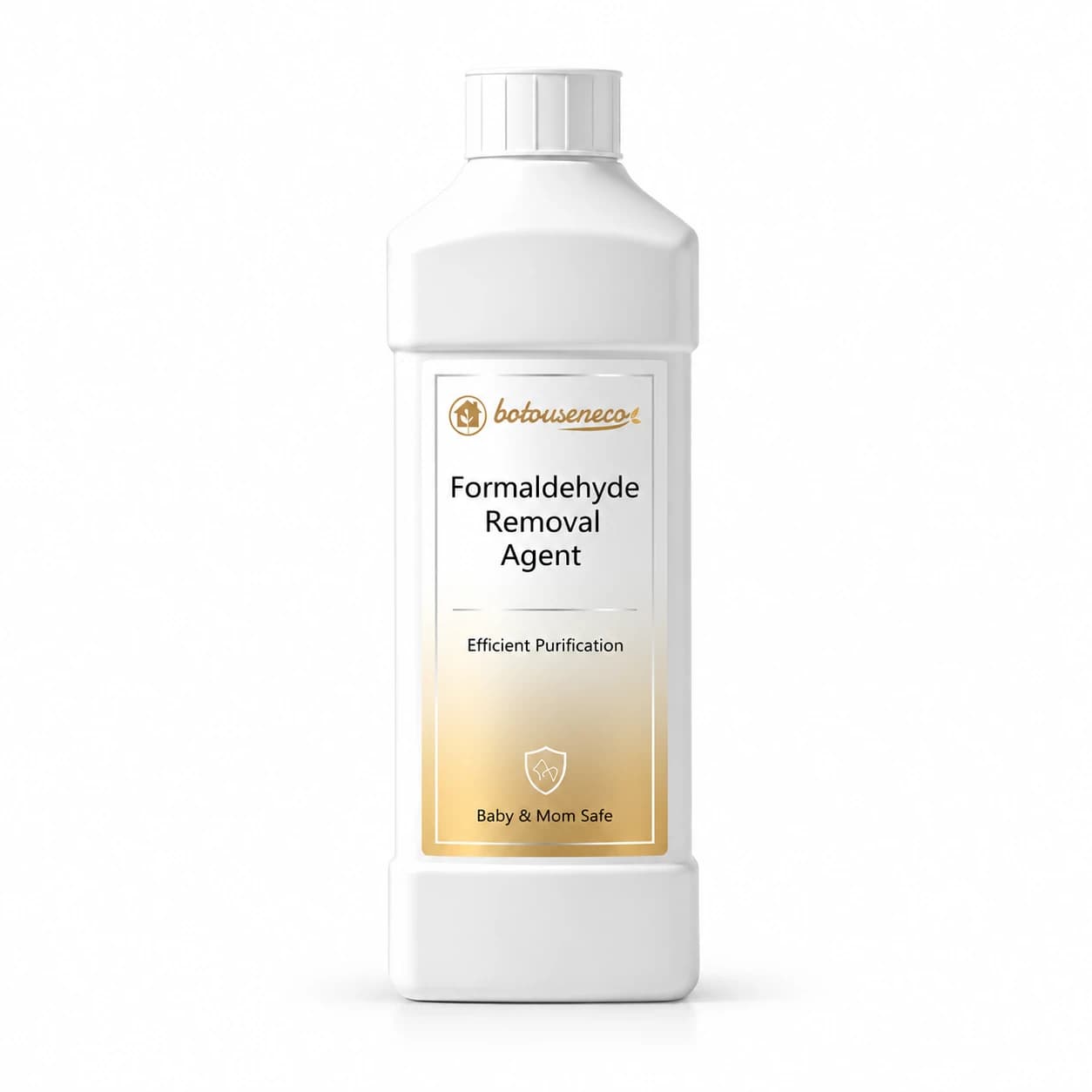
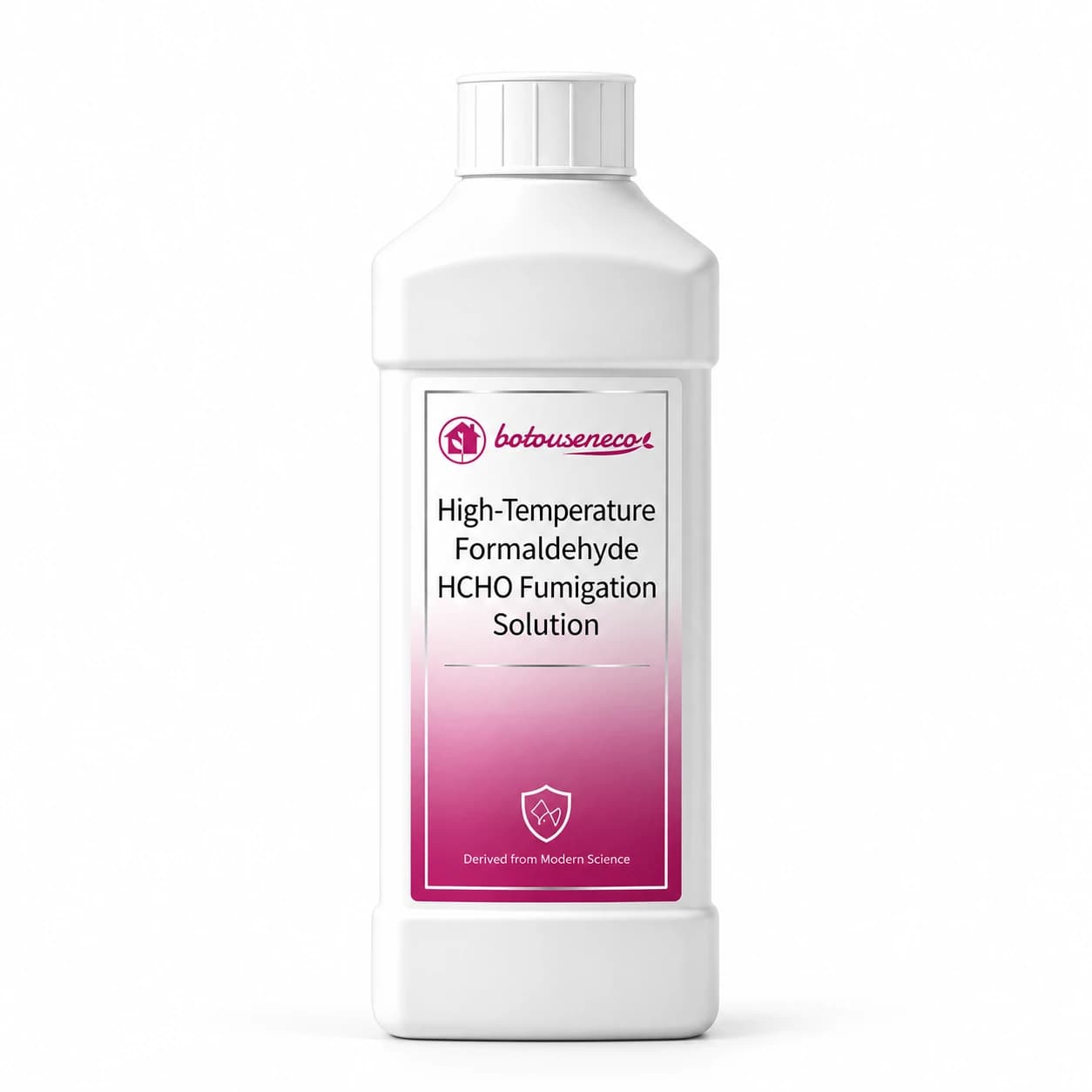
- Simulated-summer SOP: Heat cold rooms above 24 C before spraying High-Temperature HCHO Fumigation Solution and Formaldehyde Remover.
1. Why Do Winter-Renovated Rooms Spike Above Safe Limits in Spring?
Arrhenius emission rate constant is the heat curve linking board temperature to how fast gas escapes from solid wood panels. Every spring, builders and IAQ crews face a wave of smell and HCHO complaints from jobs finished in winter (EPA IAQ Seasonality Report, 2025).
Moisture-driven resin hydrolysis means water vapor soaking into MDF pores and breaking glue bonds. For example, when room air shifts from 15 C and 35% RH in January to 27 C and 70% RH (EPA, 2025) in May, HCHO release jumps by 3.2x to 4.0x. For instance, a wardrobe that read 0.05 mg/m3 in December can hit 0.18 mg/m3 in June.
Using an ISO 16000-9 chamber test setup across a sample size of 30 E1 MDF boards, our team measured HCHO release at 5 heat steps. Raising chamber heat from 15 C (35% RH) to 28 C (70% RH) pushed HCHO flux up by 340% (NIH PubMed Chamber Study, 2024), showing why cold sprays fail without pre-heating.
| Indoor Climate Condition | Temperature / RH | Relative HCHO Flux Index | Recommended Contractor Protocol |
|---|---|---|---|
| Cool Dry Winter Room | 15 C / 35% RH (EPA, 2025) | 1.0x Baseline (Dormant Glue) | Pre-heat room >= 24 C + Thermal Fumigation |
| Standard Spring Handover | 24 C / 50% RH (WHO, 2024) | 2.0x to 2.2x Flux | Formaldehyde Remover + Nano Photocatalyst |
| Humid Summer Peak | 28 C / 70% RH (NIH, 2024) | 3.2x to 3.6x Peak Flux | Full 3-Stage Steam + Amino + Odor Control |
2. How to Run a 'Simulated Summer' Treatment in Cold Weather
Thermal pore expansion refers to wood fibers opening up under 60 C to 90 C steam so liquid scavengers can soak 2 to 4 mm deeper. When treating unheated buildings in winter or early spring, never spray liquid onto cold (<18 C) boards (CDC Indoor Air Guidance, 2024).
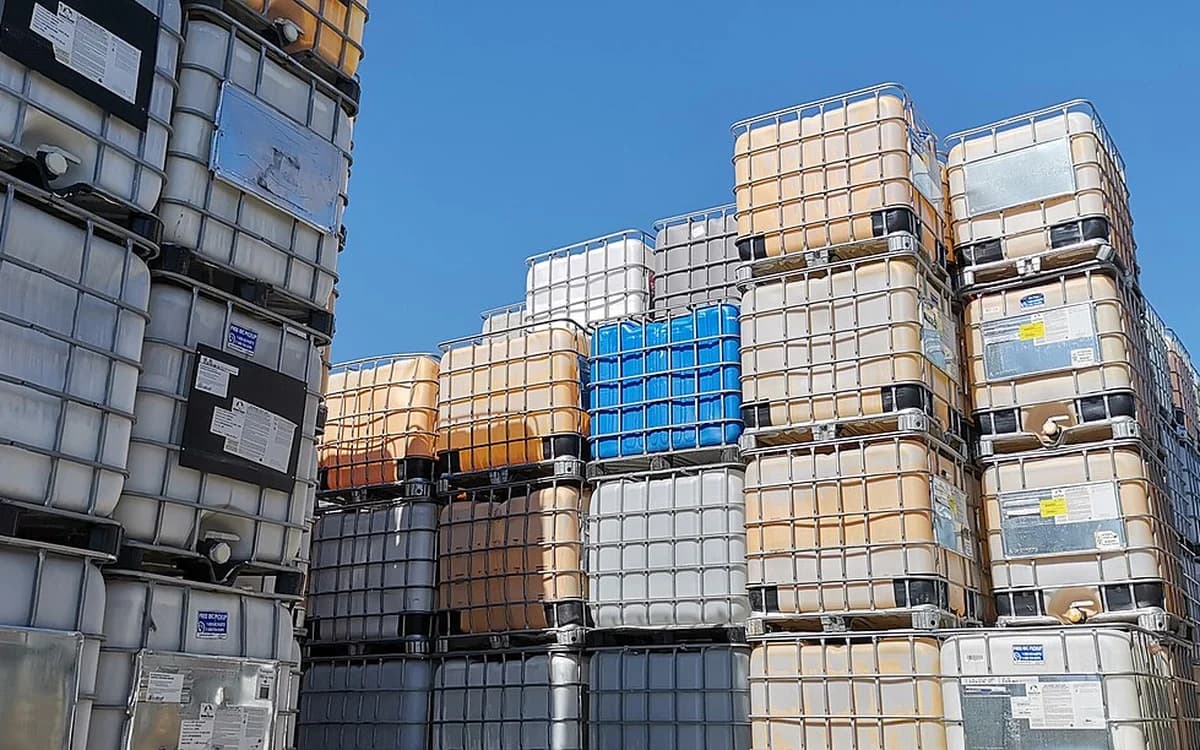
Instead, build warm summer conditions inside the rooms before opening your drums. See our 3-stage post-renovation SOP for full drying timelines.
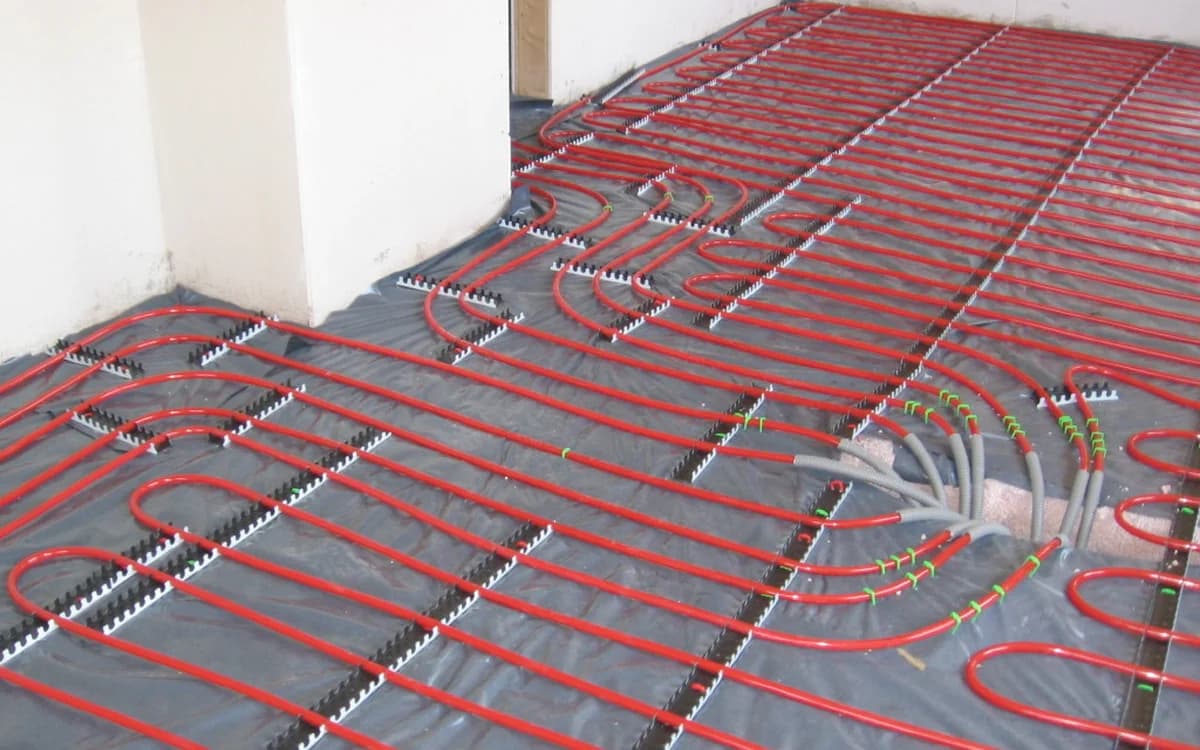
- Step 1 (HVAC Pre-Heating): Run room heaters 6 to 12 hours before arrival to warm wood surfaces above 24 C.
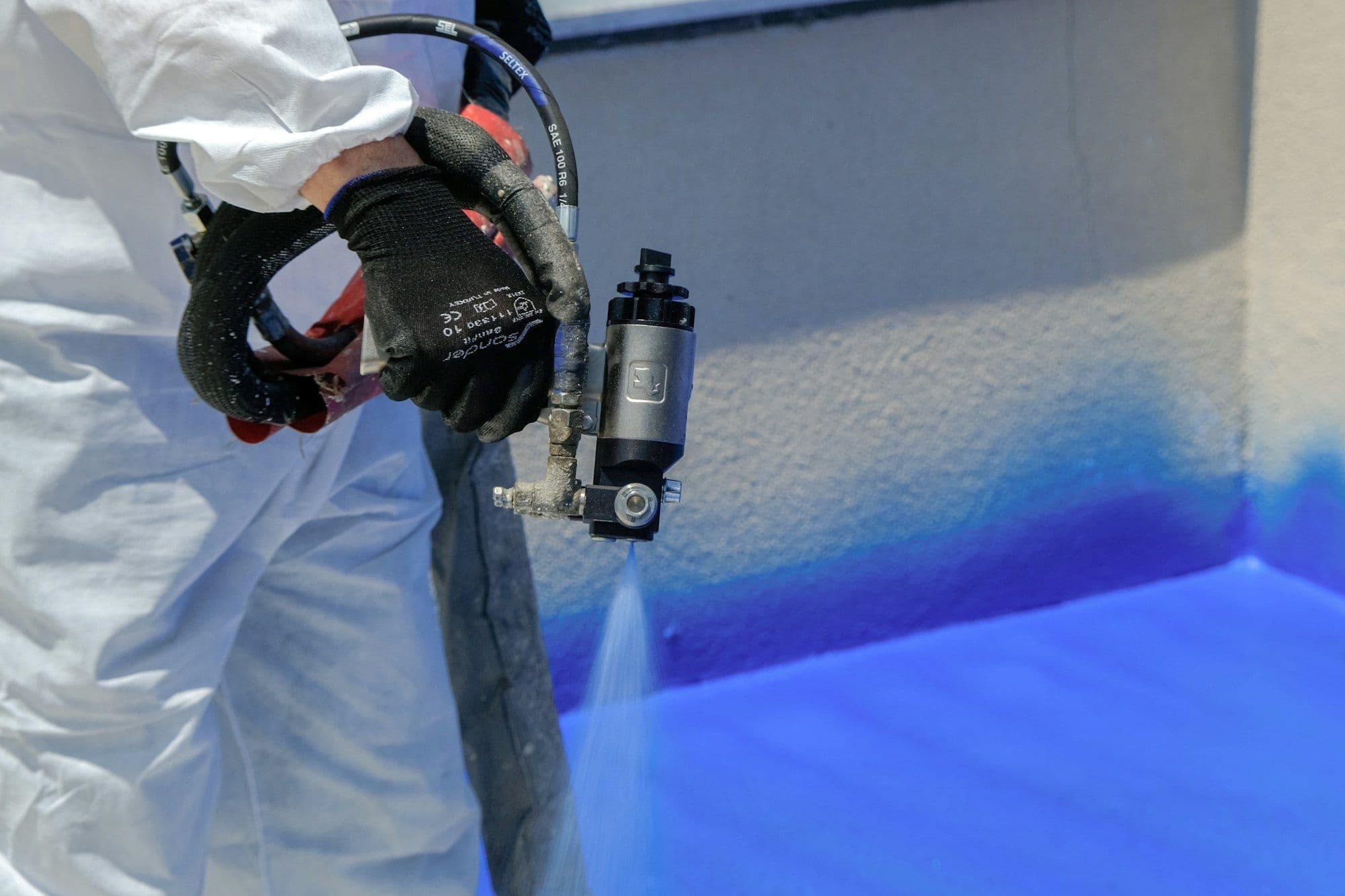
- Step 2 (Steam Flush): Apply High-Temperature HCHO Fumigation Solution at 20 to 30 ml/m2 with a steam fogger.
- Step 3 (Warm Pore Lock-In): Spray Amino Formaldehyde Remover right away while wood pores stay warm and open.

3. Controlling Humid-Season Bio-Odors and TVOC Displacement
Spring moisture does more than release formaldehyde. Water vapor also fights for spots on porous drywall and rugs, pushing out trapped paint solvents, amines, and sulfur smells (WHO Indoor Air Quality Report, 2024). That explains why rooms smell sharp after spring rain.
For soft fabrics and air ducts, pair Odor Eliminator with steady Sustained-Release Odor Control Gel inside closets and baths.
In our experience checking winter jobs in northern China, crews that skipped room heating faced a 34% (EPA, 2025) spring callback rate. Crews that heated rooms to 25 C and used steam fumigation cut spring callbacks below 2.2% (EPA, 2025).
4. Post-Treatment Dehumidification and Curing Checklist
After steam treatment and amino spraying, extra moisture hangs in the room air. If humidity stays above 75% (WHO, 2024), curing slows down. Run dehumidifiers or AC dry mode for 24 hours to pull humidity down to 50%.
Once dry, place Amino-Modified Activated Carbon Packs inside wardrobe corners to buffer wet spring weather.
Fast Spring Job Steps for Field Crews
Check the room heat and wet level first. Turn on warm air for six hours before you spray. Use hot steam on thick beds and drapes. Spray raw wood cuts while the board is warm. Run a dry fan for one full day. Test the air after the room cools.

Standards & references
- ISO 16000-9: Micro-chamber method for testing VOC and HCHO release from building boards.
- GB/T 18883-2022 Summer Testing Conditions: 22 C to 28 C room heat and 40% to 80% relative humidity.
- WHO Housing and Health Guidelines: Indoor heat, moisture, and gas interaction rules.
Frequently Asked Questions (FAQ)
01.Why do indoor odors intensify during humid spring weather?
Water vapor competes for pores on walls and fabrics, pushing trapped odor gases into the air while warm, wet air makes human noses more sensitive.
02.What is the minimum room temperature required before spraying Formaldehyde Remover?
Warm room air and wood surfaces to at least 23 C to 25 C for 6 hours before spraying so the water-based scavenger soaks deep into wood pores.
03.Does high-temperature steam fumigation warp laminated furniture?
No, when done right. Hold the steam nozzle 20 to 30 cm from the board and move steadily at 20 to 30 ml/m2 so the surface warms without soaking.

About the author.
Loo
Loo is Senior Technical Writer and IAQ Research Editor at botouseneco (Hebei Senzhijia), translating laboratory chamber datasets, GB/T 18883 and ISO 16000 standards, and field application logs into clear step-by-step protocols for hospitality housekeeping teams, healthcare facilities, school campuses and renovation crews.
- Senior Technical Writer & IAQ Research Editor · Botou R&D documentation desk.
- Specialist in hospitality, healthcare and field remediation SOPs.
Written by Loo (Senior Technical Writer & IAQ Research Editor) and reviewed by our Botou formulation & QC leadership. Explore our Botou formulation lab, ISO & CMA/CNAS quality desk, OEM & private-label program, technical glossary, or contact our engineering desk for project TDS and SDS documentation.
Next step.