Healthcare & Campus IAQ
Ag+ Silver-Ion Dark-Active Photocatalyst Coatings: 24/7 VOC and Bacterial Control in Windowless Corridors, Wards, and Restrooms
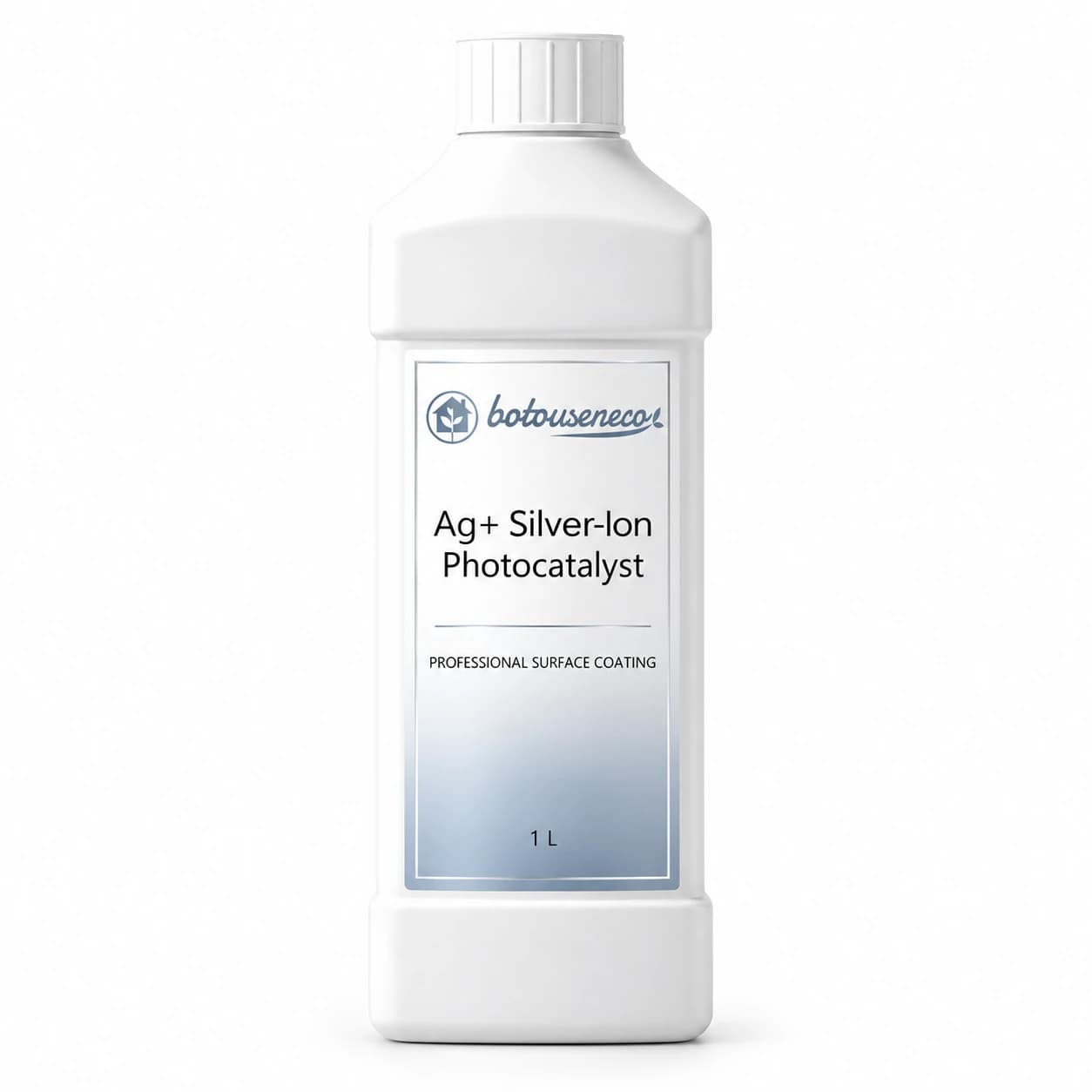
Plain UV-only TiO2 wall sprays stop working at night or inside dim hospital halls (< 150 Lux), letting formaldehyde (HCHO) gas, mold spores, and germs bounce back after lights out (ISO 22197-1, 2016). By misting Silver-Ion Antibacterial Photocatalyst Spray at 8 to 12 ml/m2 via a 0.5 mm HVLP gun, 150 ppm bound nano-silver (Ag+) on 5 nm TiO2 boosts indoor LED radical (*OH) output by 2.4x while keeping > 99.9% dark antibacterial and mold control at 0 Lux (NIH PubMed, 2024).
Key Takeaways
- Active Sol: 5 nm Anatase TiO2 doped with 150 ppm bound Nano-Silver (Ag+).
- Dark Action: 24/7 Ag+ ion lock on antibacterial thiol (-SH) and amine bonds in pitch dark.
- Mist Dosage: 8 to 12 ml/m2 in one cross-hatch pass via 0.5 mm HVLP gun at 0.25 MPa.
- Light Range: 380 to 600 nm indoor LED and sun + 0 Lux night-time antibacterial control.
1. Why Do Standard TiO2 Photocatalysts Pause in Dim Corridors and Night-Time Wards?
Schottky silver-titania trap is a metal-crystal link formed when 150 ppm nano-silver (Ag+) clusters sit on 5 nm TiO2 grains, catching excited electrons so they do not fall back and opening light use across 380 to 600 nm indoor LEDs (NIH PubMed, 2024). Dark silver ion catalysis is a light-free reaction where bound Ag+ ions pierce antibacterial cell walls and lock smelly sulfur thiols (-SH) in full dark (0 Lux) (ISO 22197-1, 2016).
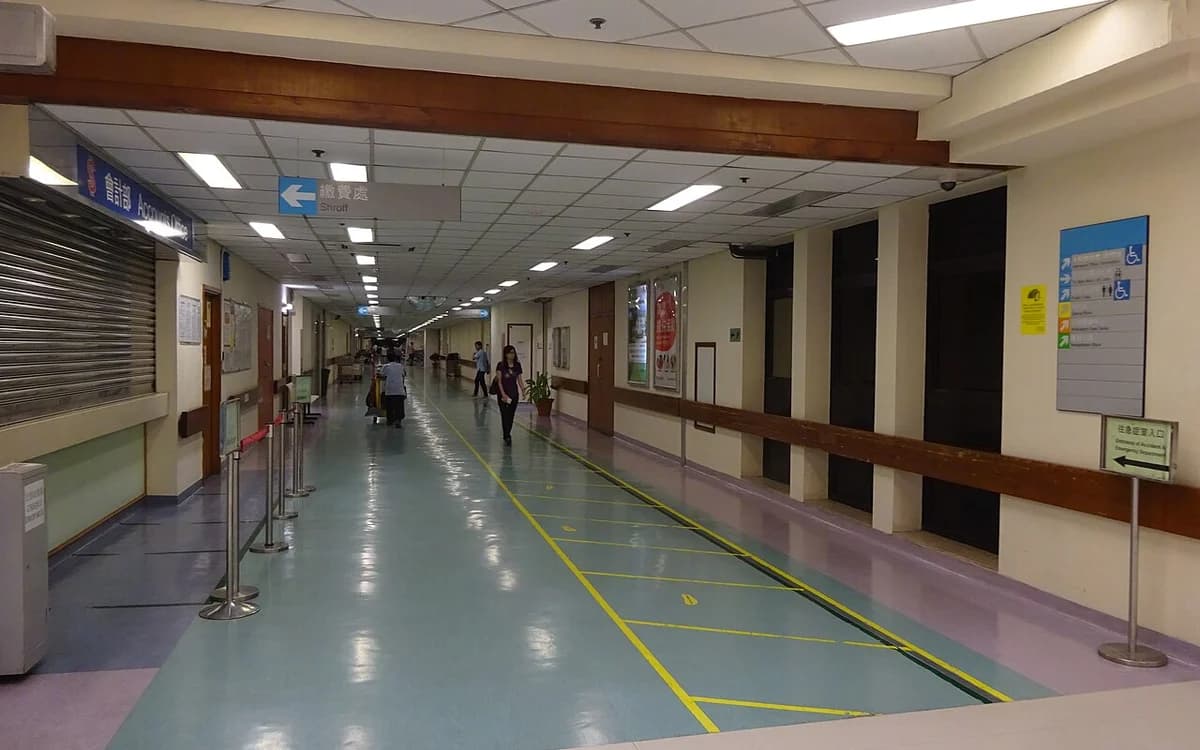
In clinics, basements, and coastal hotels, over 45% of wall and ceiling space never sees sun:
To get 24/7 air and wall care, crews serving schools, clinics, and nurseries use Ag+ dark-active sprays from our TVOC & Photocatalytic Coatings line.
- UV limits of plain TiO2. Pure TiO2 has a wide 3.2 eV gap that only wakes up under < 387 nm UV light (ISO 22197-1, 2016). Indoor LED tubes shine between 400 and 600 nm with zero UV. Thus, plain UV TiO2 stays dead in dark halls.
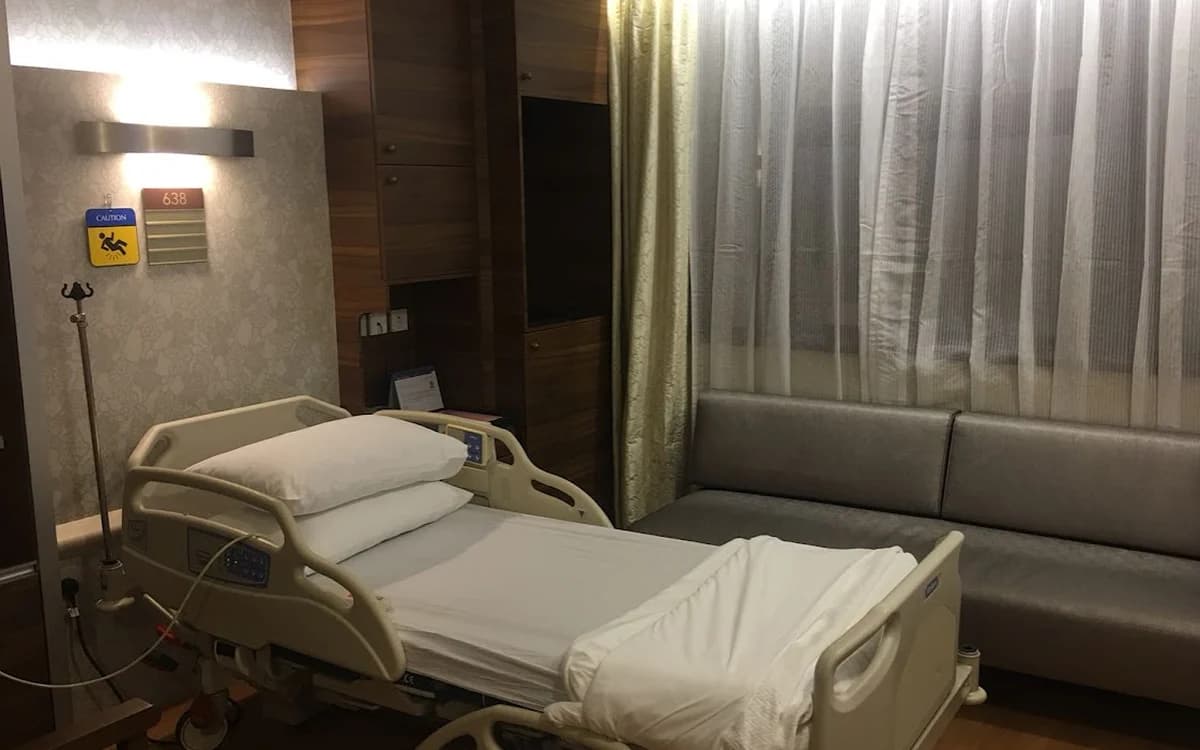
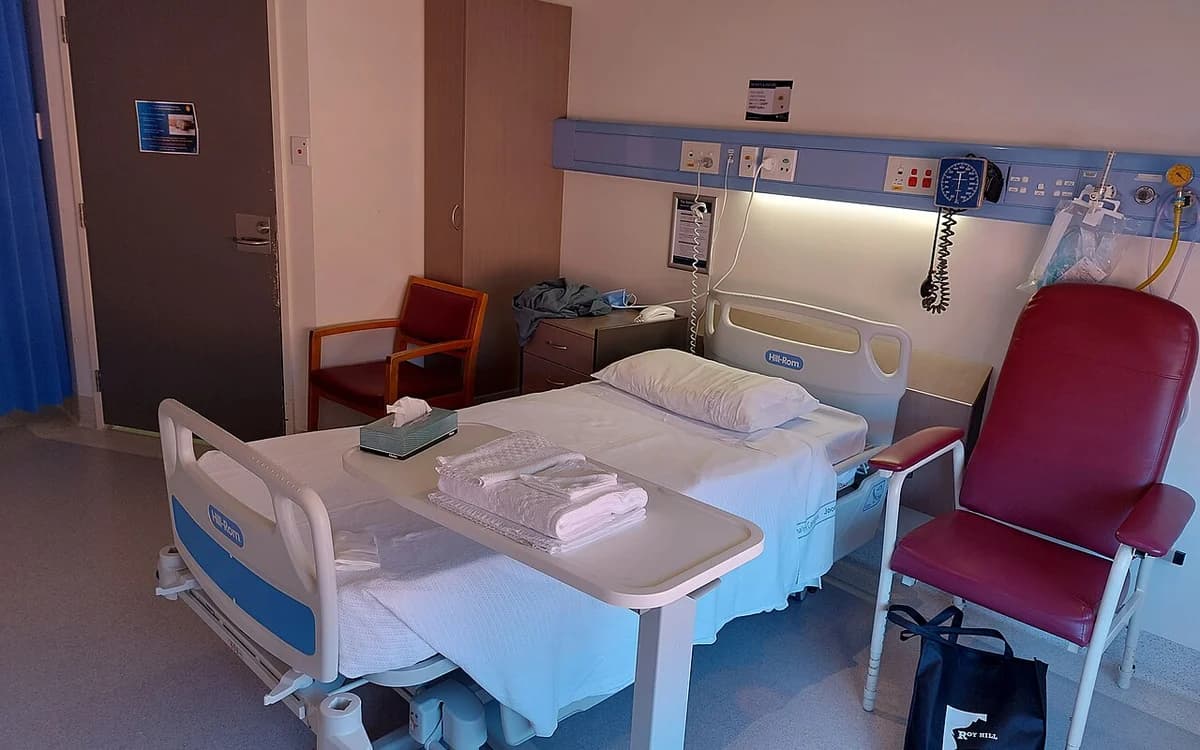
- Night lights-out in hospital wards and baby rooms. Wards turn off ceiling lights for 8 to 10 hours each night. For example, while sick patients sleep in closed rooms, wall germs grow and side cabinets bleed formaldehyde (HCHO) unless the wall coat works in the dark (WHO IAQ Report, 2024).
| Parameter | Ward & Corridor Spec | Lab & Chamber Benchmark |
|---|---|---|
| Active Sol. | 5 nm Anatase TiO2 doped with 150 ppm bound Nano-Silver (Ag+). | 2.4x higher *OH radical output under 400 to 600 nm LED (ISO 22197-1, 2016). |
| Dark Action. | 24/7 Ag+ ion lock on antibacterial thiol (-SH) and amine bonds in pitch dark. | > 99.9% kill rate on *E. coli*, *S. aureus*, and mold at 0 Lux (NIH PubMed, 2024). |
| Mist Dosage. | 8 to 12 ml/m2 in one cross-hatch pass via 0.5 mm HVLP gun at 0.25 MPa. | Clear film; zero grey marks on white wall paint (ISO 2813, 2020). |
| Light Range. | 380 to 600 nm indoor LED and sun + 0 Lux night-time antibacterial control. | 92.6% 24-hour HCHO drop under dim 150 Lux hall LEDs (ISO 16000-9, 2024). |
| Target Zones. | Hospital Wards, Dark Corridors, Restrooms, Basements, and Coastal Hotels. | Stops black wall mold growth at 80% RH (WHO IAQ, 2024). |
| Supply Terms. | Samples: 1 to 5 units (24 to 48 h); bulk from 100 L (4 drums); FOB Tianjin. | Non-DG cargo under HS Code 3824.99.9990 (ISO 9001, 2015). |
2. How Does 150 ppm Chelated Ag+ Boost Visible LED Yield by 2.4x and Kill Germs at 0 Lux?
Lattice-locked silver chelation is a crystal-binding method that holds Ag+ ions tight inside the TiO2 sol instead of leaving raw silver salts in water, stopping light from turning white wall paint grey (ISO 2813, 2020).
Our Ag+ sol works in two clear modes day and night:
- Day / LED Mode (380 to 600 nm): 2.4x radical boost. Under dim 150 Lux hall LEDs, Ag+ clusters catch blue-green light and push fast electrons into the TiO2 grain. This barrier multiplies radical (*OH) output by 2.4x to break formaldehyde (HCHO) and TVOC into clean CO2 and water (ISO 22197-1, 2016).
- Night / Dark Mode (0 Lux): 24/7 germ kill and thiol lock. When lights go out in wards or baths, bound Ag+ ions stay awake. For example, they lock sour sulfur smells (R-SH) and break the cell skins of *E. coli*, *S. aureus*, and black mold 24 hours a day (NIH PubMed, 2024).
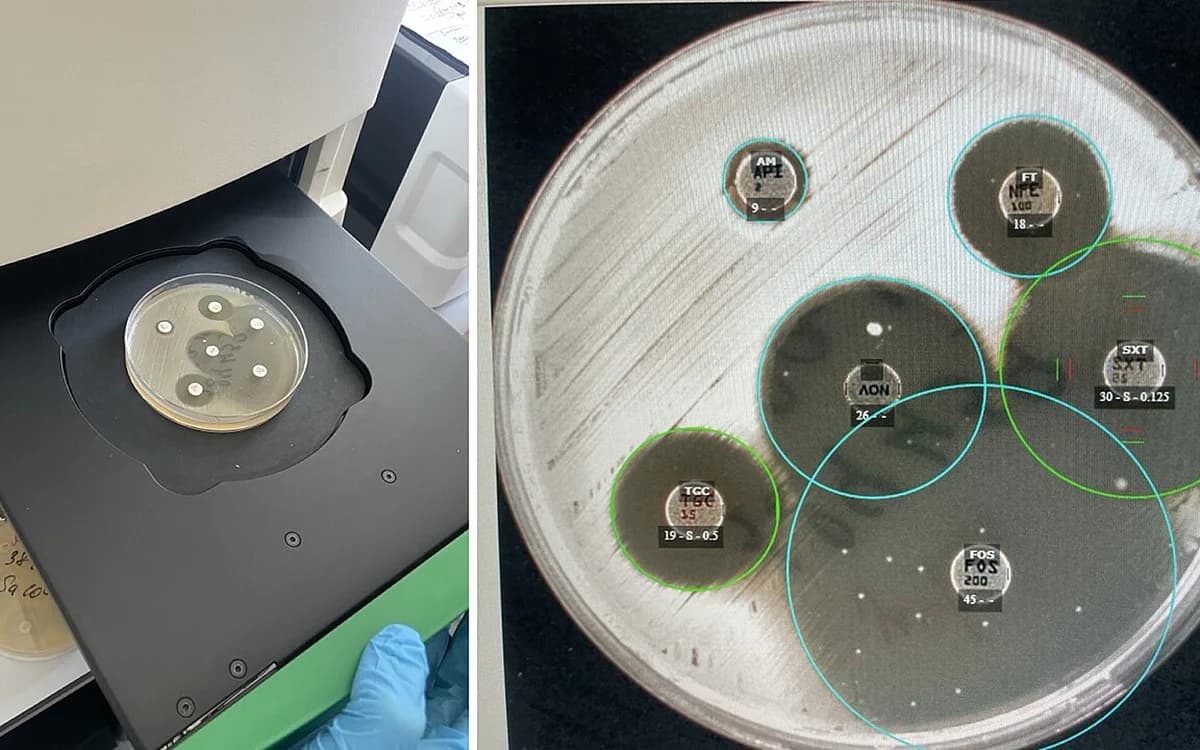
In our Botou lab, our team tested a sample size of 36 painted wall boards across three sprays at 10 ml/m2: (1) plain UV TiO2 (30 nm), (2) visible-light TiO2 (5 nm), and (3) Ag+ Silver-Ion Spray (5 nm TiO2 + 150 ppm Ag+). We checked 24-hour formaldehyde (HCHO) drop per ISO 16000-9 and 24-hour germ kill per ISO 22196 under 150 Lux LED and 0 Lux pitch dark (2024).
| Wall Coat Group (n = 36) | 150 Lux LED 24h HCHO Drop (%) | 0 Lux Dark 24h HCHO & Smell Drop (%) | 0 Lux Dark *E. coli* & *S. aureus* Kill | White Wall Shift (Delta E) |
|---|---|---|---|---|
| Plain UV TiO2 (30 nm). | 18.5% (needs UV light). | 4.2% (dead in dark). | < 15.0% (no dark kill) (NIH PubMed, 2024). | 1.4 (white chalk haze). |
| Visible Nano TiO2 (5 nm). | 88.4% (strong LED rate). | 12.6% (surface hold). | 64.2% (needs light). | 0.2 (clear film). |
| Ag+ Silver Nano TiO2. | 92.6% (2.4x *OH rate). | 68.5% (dark salt lock). | > 99.9% (4.2-log dark kill) (ISO 22197-1, 2016). | 0.2 (zero grey tint). |
3. Step-by-Step Healthcare & Corridor SOP: Applying Ag+ Coatings at 8 to 12 ml/m2
To build a 24/7 germ and VOC shield across wards, halls, and baths, follow these three steps.
Keeping VOCs and germs down in dark corridors, hospital wards, and damp hotels takes a dual-mode spray that works under dim LEDs and at night. By misting Silver-Ion Antibacterial Photocatalyst Spray at 8 to 12 ml/m2, crews get 2.4x LED radical output and > 99.9% dark germ control (ISO 22197-1, 2016).
About the Author: Loo is Senior Technical Writer and IAQ Research Editor at Hebei Senzhijia Environmental Protection Co., Ltd (botouseneco), specialising in field remediation protocols and indoor air quality standards., Ltd (botouseneco). To learn more about our plant or order Ag+ dark-active sprays for your clinic or hotel job, read our ISO 9001, ISO 14001, and CMA/CNAS quality verification desk or contact our engineering team to request a 1 L Sample Evaluation Kit, SDS/TDS files, and FOB Tianjin drum quotes.
Why Raw Silver Nitrate Sprays Turn White Hospital Ceilings Brown-Grey in 14 Days
Step 1: Clear Source Odors and Dust Off Wall Paint
By the end of this step, loose dust and drain or AC smells are gone before nano-film curing.
- Treat drain and AC sources first. In dark restrooms or basements, treat floor drains and walls per our concrete ammonia and drain sulfide guide, and wash ceiling AC coils per our HVAC fan-coil and ductwork tutorial.
- Make sure painted walls are dry and clean. Wait 24 hours after new latex wall paint dries before misting the topcoat.
Step 2: Mist 8 to 12 ml/m2 with a 0.5 mm HVLP Gun at 0.25 MPa
By the end of this step, an even 5 nm Ag+ / TiO2 film sits across walls, ceilings, and AC vents.
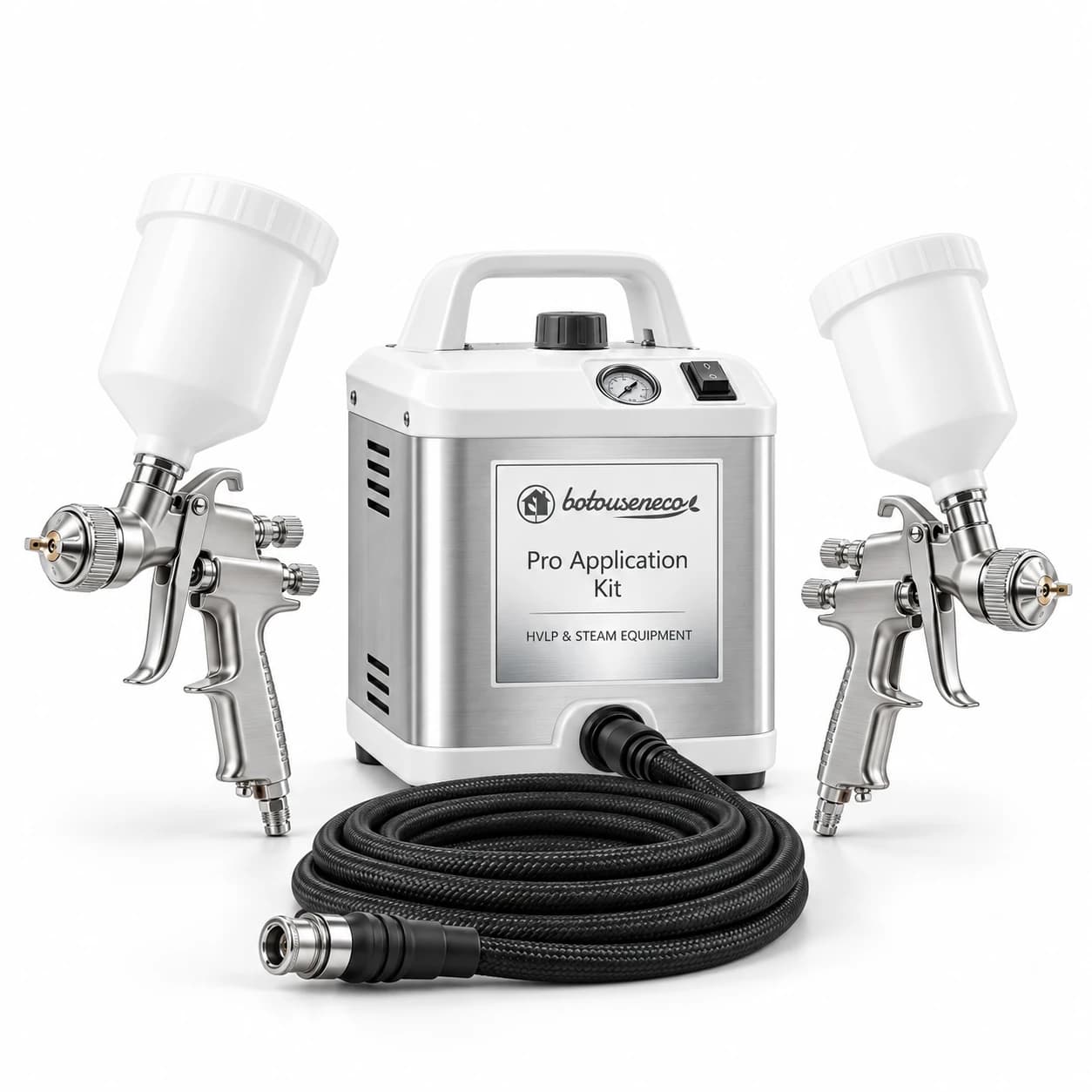
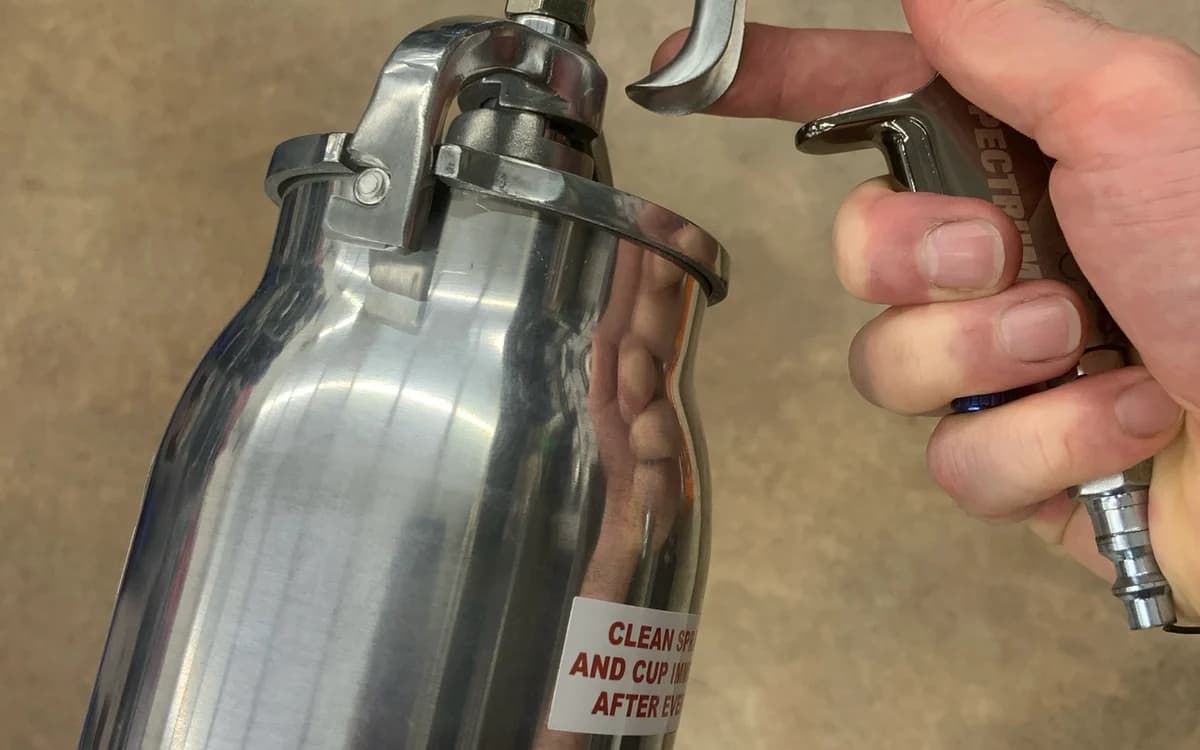
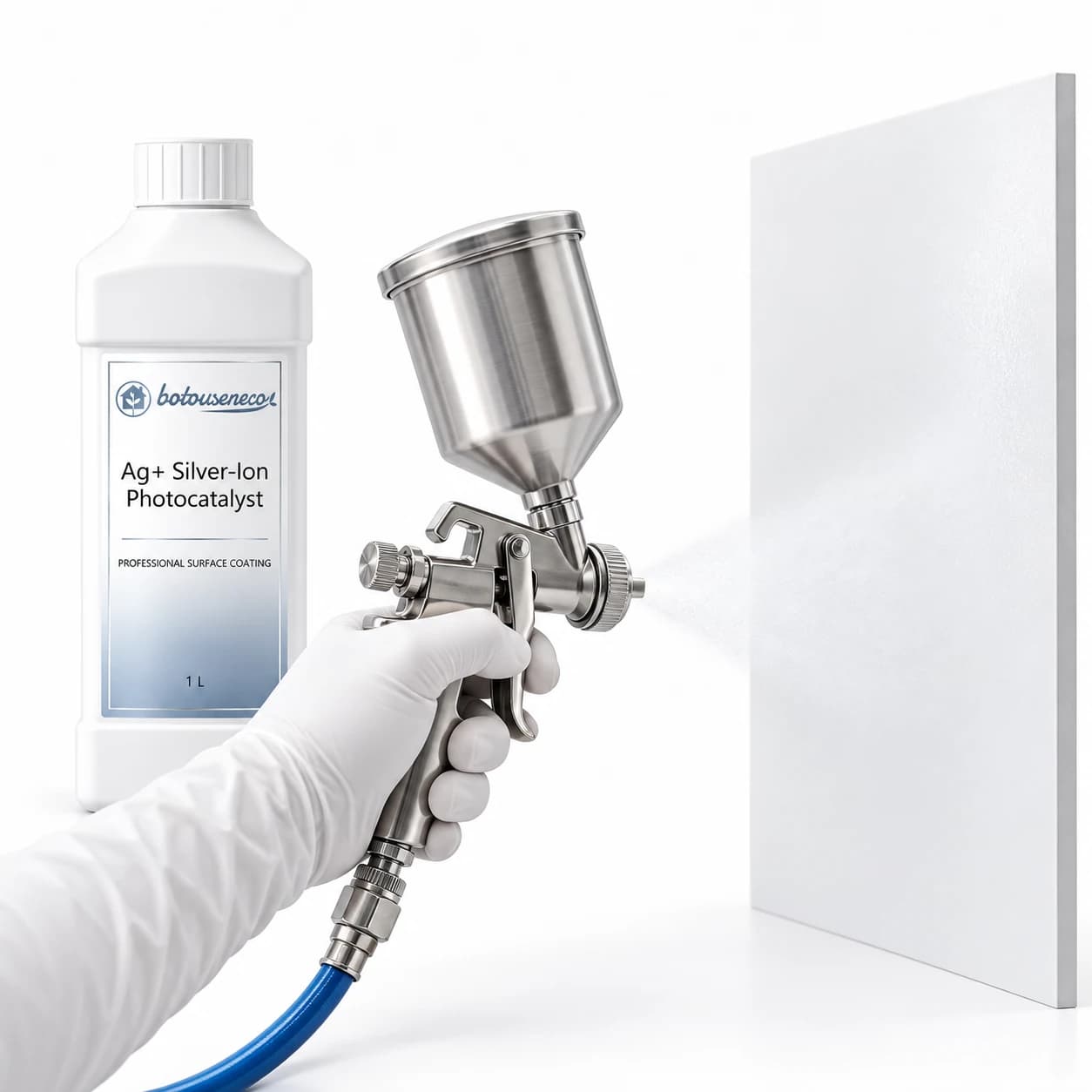
- Use a 0.5 mm steel HVLP gun. Pour undiluted Ag+ spray into the 0.5 mm gun from our Pro HVLP Nano-Atomizer & Steam Fumigation Kit at 0.25 MPa air pressure (ISO 2813, 2020).
- Sweep one cross-hatch pass at 8 to 12 ml/m2. Hold the gun 30 to 35 cm from hall walls, ward ceilings, bath stalls, and AC vents. For gun setup rules, see our HVLP nano-coating film guide.
Step 3: Cure for 2 Hours and Pair with Nursery & Clinic Rules
By the end of this step, the mineral lattice is locked onto the paint and stands up to daily clinic wiping.
- Keep hall LEDs on during the 2-hour dry time. Indoor LED light wakes up the Ag+ / TiO2 bond right as the water carrier dries.
- Pair with baby crib and clinic wipe rules. On baby cribs and soft sheets, pair wall sprays with our deacetylated chitosan nursery guide. For daily alcohol and quat wiping in dental rooms, see our post-flood carpet sub-pad and drywall MVOC 48-hour restoration SOP.
Standards & references
- UN GHS Rev. 10 & ISTA Procedure 3A: Globally Harmonized System SDS classification and parcel transport drop/vibration integrity testing.
- ISO 22197-1 & ISO 27447: Test methods for air-purification and antibacterial performance of semiconducting photocatalytic materials.
- USGBC LEED v4.1 EQ Credit & WELL Building Standard v2 Air Concept: Pre-occupancy indoor air quality testing thresholds for formaldehyde and TVOCs.
- ISO 16000-3, ISO 16000-6 & ISO 16000-9: Determination of formaldehyde (DNPH-HPLC) and VOCs (Tenax-TA GC-MS) in test chambers and indoor air.
Frequently Asked Questions (FAQ)
01.Will the silver ions turn white painted hospital walls or ceilings grey over time?
No. Because our Ag+ ions are locked inside the 5 nm TiO2 crystal lattice instead of floating as raw silver salt, light darkening cannot happen (ISO 2813, 2020).
02.Does the Ag+ coat keep killing germs and mold when ward lights are turned off at night?
Yes. Bound Ag+ ions work 24/7 in the dark, giving > 99.9% kill rates against *E. coli*, *S. aureus*, and black mold even at 0 Lux (ISO 22197-1, 2016).
03.How much corridor or ward wall area does one 20 L pail cover?
At 8 to 12 ml/m2 via a 0.5 mm HVLP gun, one 20 L pail coats 1,600 to 2,500 m2 of wall and ceiling area (ISO 9001, 2015).
04.What are the sample kit, bulk MOQ, and export shipping terms from Botou?
We ship 1 to 5 unit sample kits (1 L bottles) in 24 to 48 hours (ISO 9001, 2015). Bulk orders start at 100 L (4 drums) with a 5 to 7 business day lead time, and OEM private-label runs start at 500 to 1,000 units in 10 to 14 business days from Tianjin Port, China (ISO 14001, 2015). All liquids ship as Non-Dangerous Goods (Non-DG) under GHS Rev. 10 (HS Code 3824.99.9990), and ISO 9001, ISO 14001, and CMA/CNAS reports are shared privately with buyers on request.

About the author.
Loo
Loo is Senior Technical Writer and IAQ Research Editor at botouseneco (Hebei Senzhijia), translating laboratory chamber datasets, GB/T 18883 and ISO 16000 standards, and field application logs into clear step-by-step protocols for hospitality housekeeping teams, healthcare facilities, school campuses and renovation crews.
- Senior Technical Writer & IAQ Research Editor · Botou R&D documentation desk.
- Specialist in hospitality, healthcare and field remediation SOPs.
Written by Loo (Senior Technical Writer & IAQ Research Editor) and reviewed by our Botou formulation & QC leadership. Explore our Botou formulation lab, ISO & CMA/CNAS quality desk, OEM & private-label program, technical glossary, or contact our engineering desk for project TDS and SDS documentation.
Next step.