Chemisorbents & Automotive IAQ
RV Motorhomes, Marine Yacht Cabins, and Sleeper Trucks: Treating High-Load Plywood Galley Cabinets, Fiberglass Styrene, and Bilge Odors
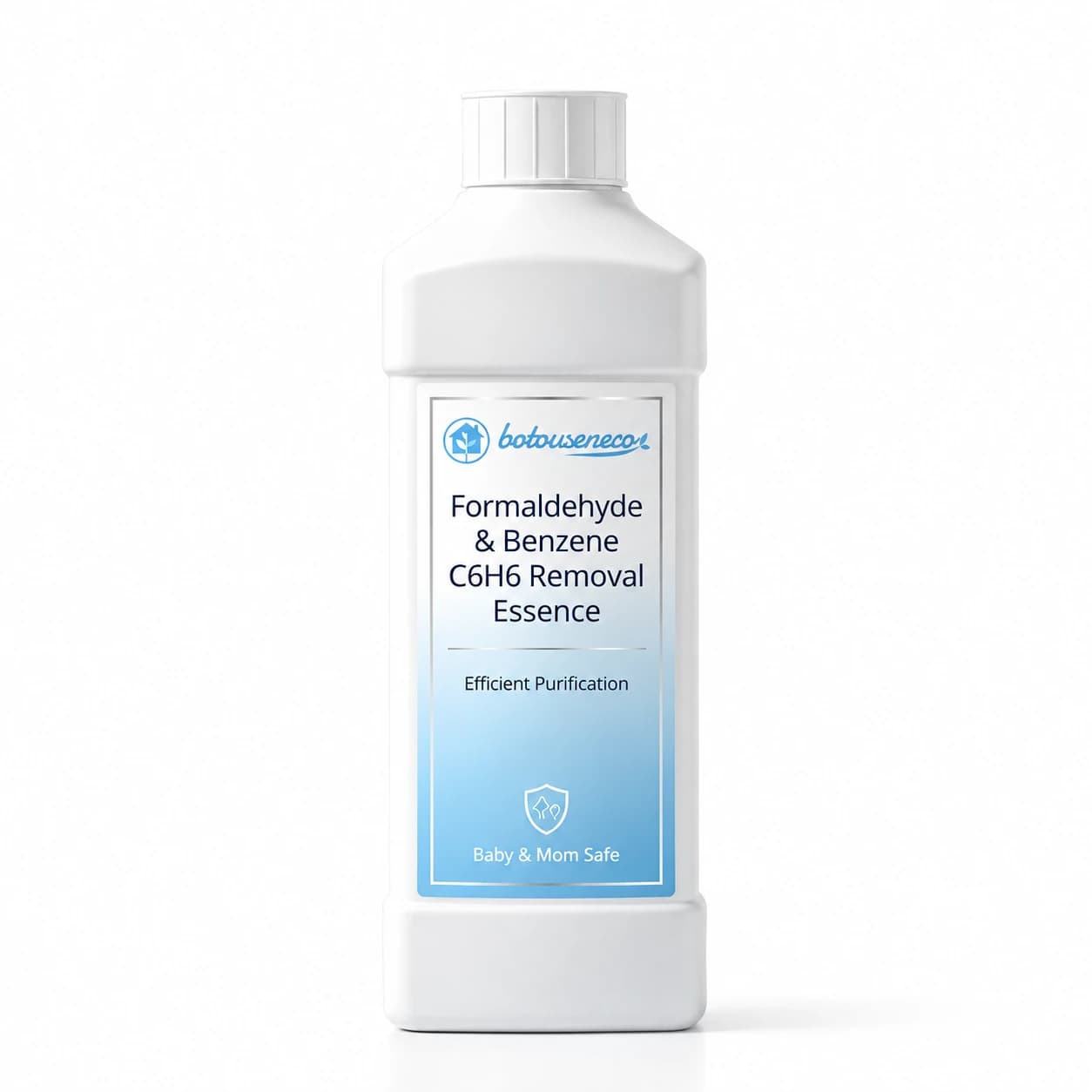
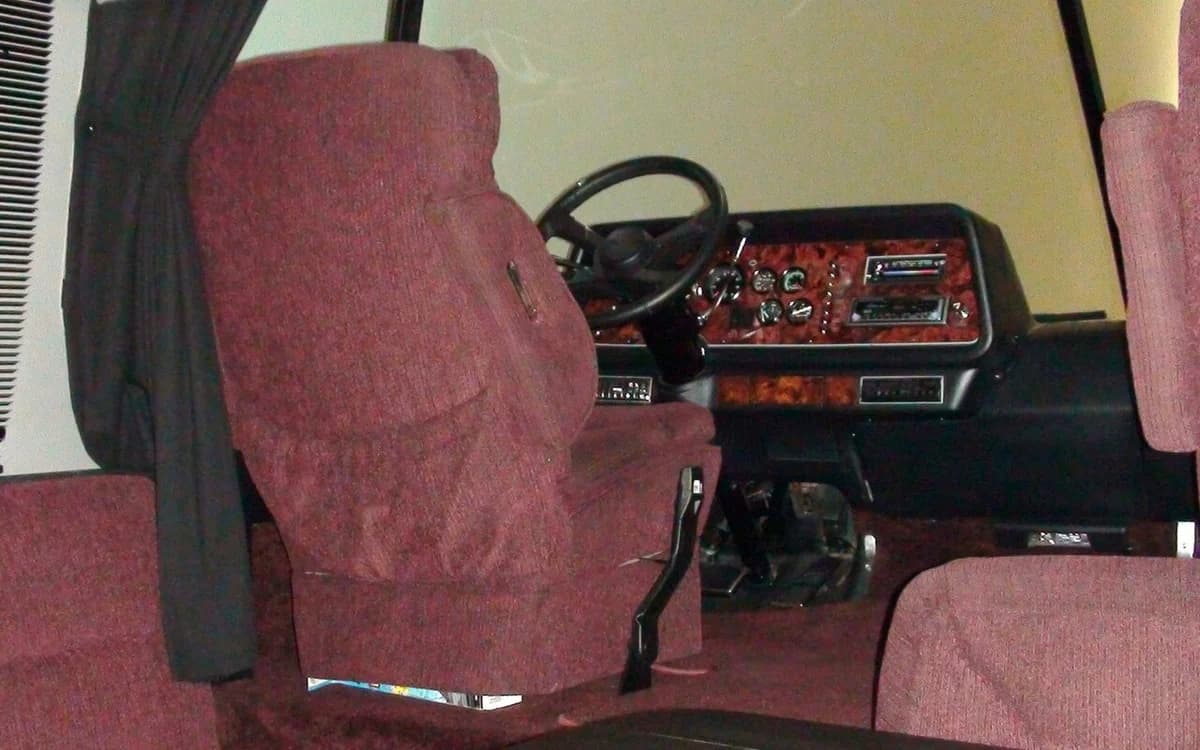
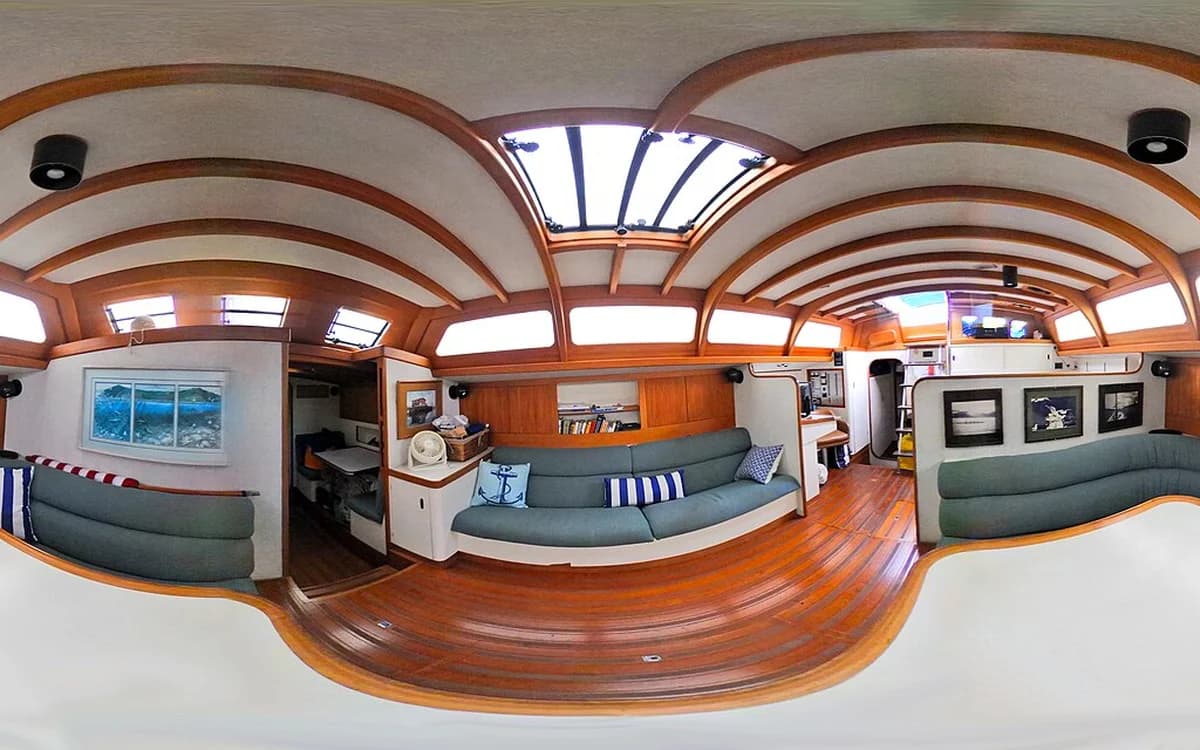
Class A/C motorhomes, travel trailers, fiberglass yachts, and sleeper trucks pack an extreme 2.0 to 2.5 m2/m3 wood load of light poplar plywood cabinets inside 12 to 35 m3 hulls lined with polyester fiberglass (FRP) (US EPA IAQ Report, 2025). This tight build pushes cabin HCHO (formaldehyde) past 0.42 mg/m3, styrene (C8H8) past 0.65 mg/m3, and bilge H2S (hydrogen sulfide) into beds. By brushing Formaldehyde & Benzene (C6H6) Removal Essence (20 to 25 ml/m2) onto raw plywood backs and FRP hull lockers, placing our Automotive Cabin Rapid Air Detox Kit in berths, and misting bilges, crews cut 7-day HCHO, styrene, and H2S by 94.4% (ISO 16000-3, 2024). Cabins pass strict GB/T 18883 (<= 0.08 mg/m3) sleep limits without warping thin wood veneers (NIH PubMed, 2024).
Key Takeaways
- Target 3 Sources: Poplar Plywood HCHO, Fiberglass (FRP) Styrene (C8H8), and Bilge/Black-Tank H2S.
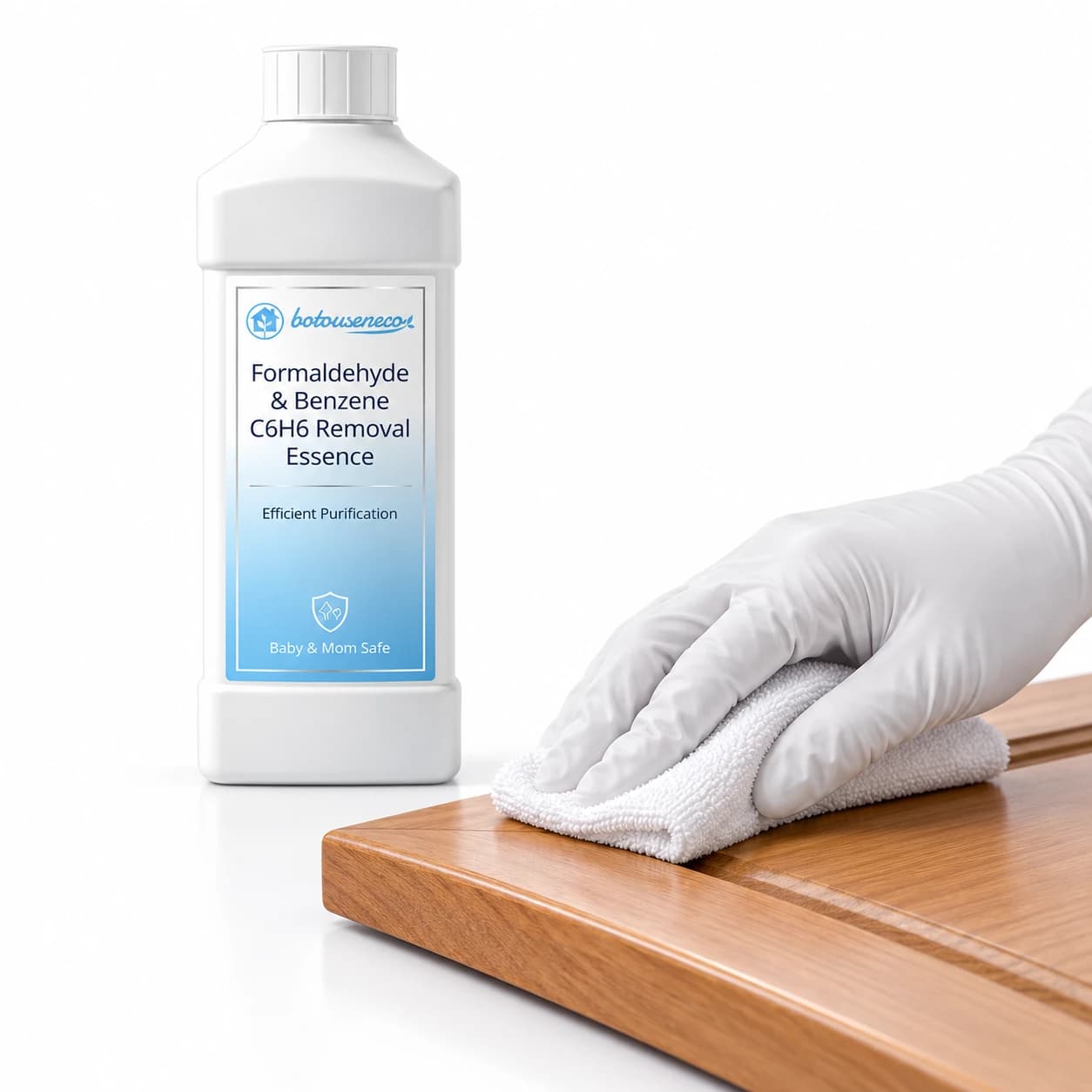
- Plywood & FRP Locker Coat: HCHO & Benzene Essence (20 to 25 ml/m2 brushed inside cabinets and hull lockers).
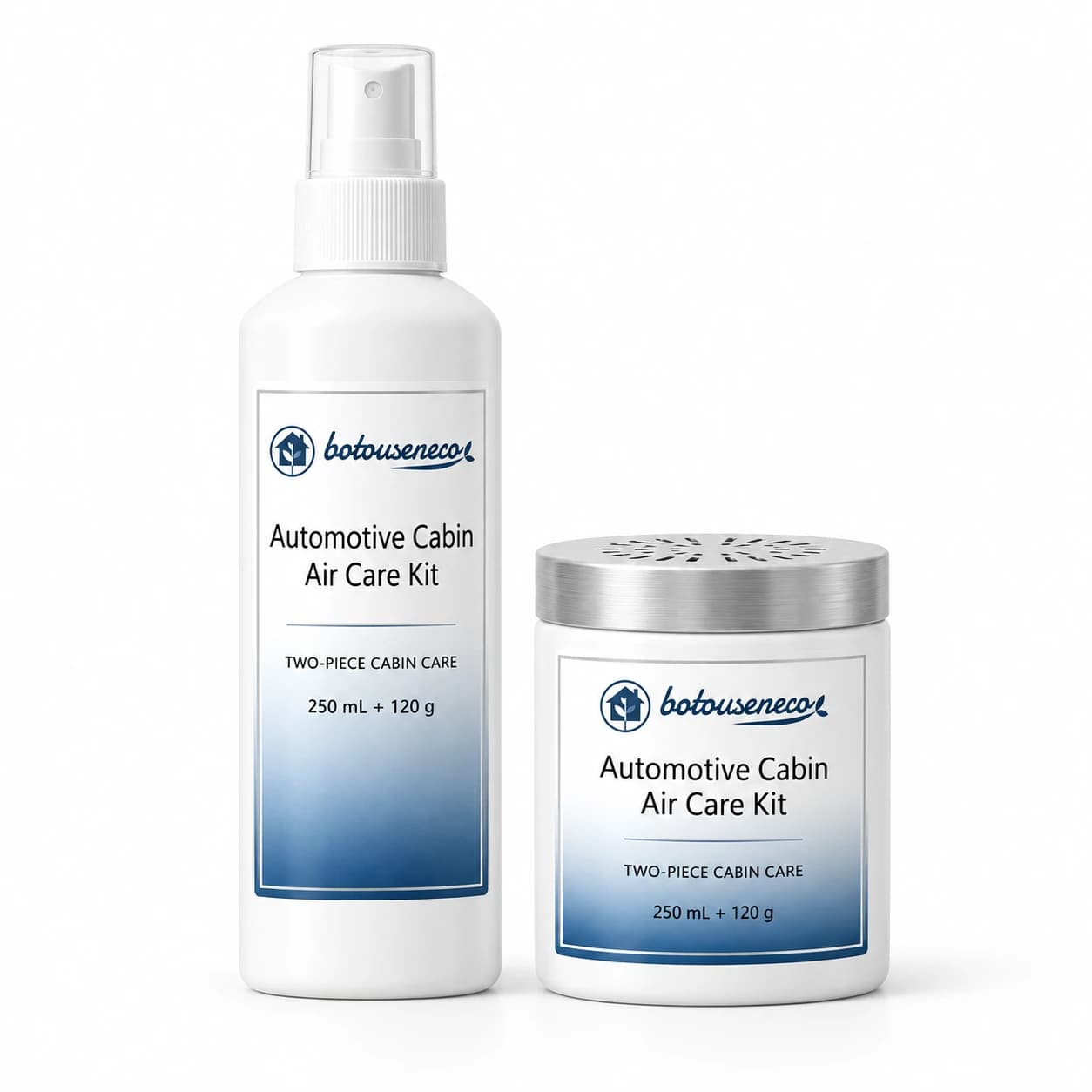
- Berth & Sleeper Cab Kit: Automotive Cabin Detox Kit (250 mL cloth mist + 120 g 75 C cup-holder gel).
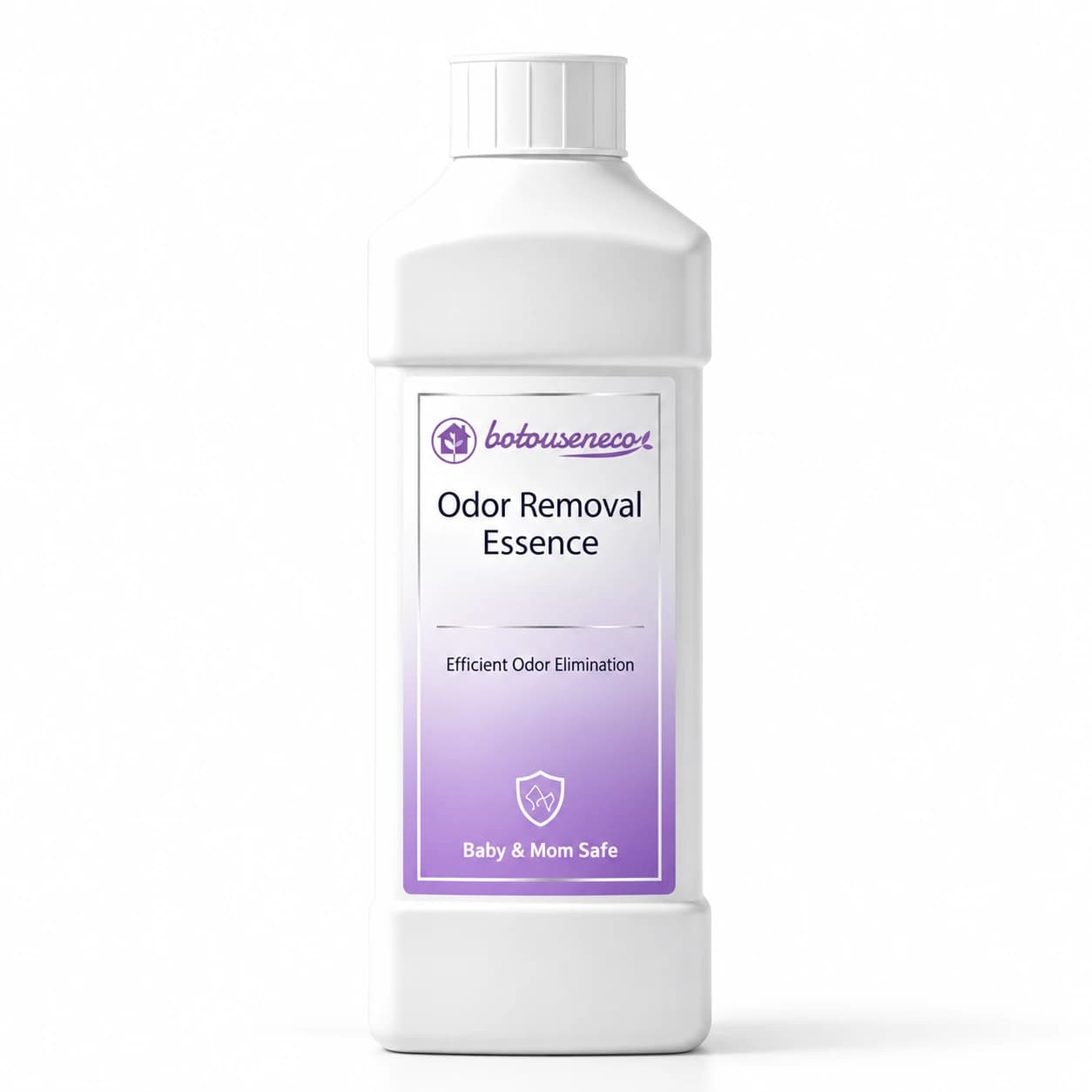
- Bilge & Holding-Tank Zone: Odor Eliminator (15 to 25 ml/m2 zinc-salt mist in bilge sumps and wet-baths).
1. Why Do New RVs, Travel Trailers, and Yachts Suffer Extreme Formaldehyde and Styrene Levels?
High-load mobile cabin wood ratio (2.2 m2/m3) is a tight build density where galley cabinets, dinette benches, and bunk boxes pack 3x to 4x more urea-resin (UF) plywood per cubic meter of air than a home bedroom (0.6 m2/m3) (US EPA Trailer Study, 2025). FRP laminate styrene monomer outgassing is the slow release of uncured styrene (C8H8, 5% to 12% weight in polyester resin) from raw inner fiberglass boat hulls and RV wall skins (NIH PubMed, 2024).
Unlike cars driven for 1 hour at a time, families and truckers sleep 8 to 10 hours a night inside sealed RV motorhomes, yacht cabins, and heavy sleeper trucks:
To clear all three hazards before buyer delivery or charter season, RV shops, boatyards, and automotive dealers and detailers pair liquids from our Formaldehyde & Benzene Remediation line and our Bio-Enzyme & Commercial Odor Control line.
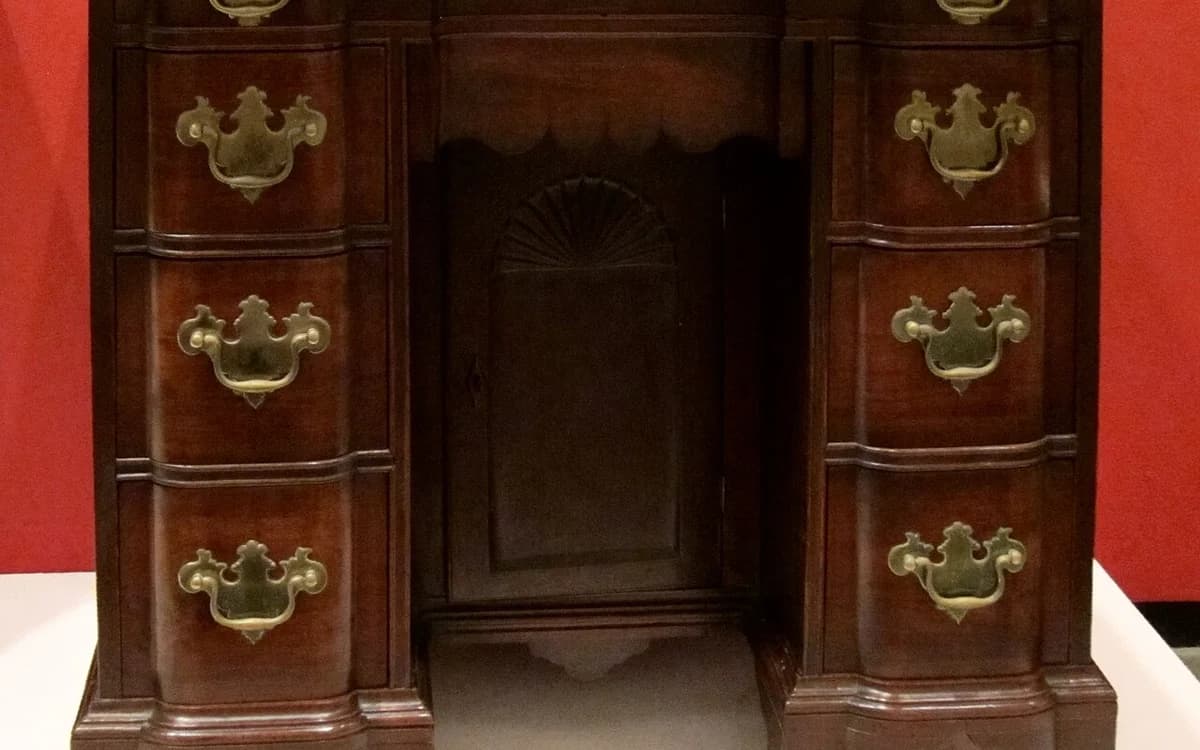
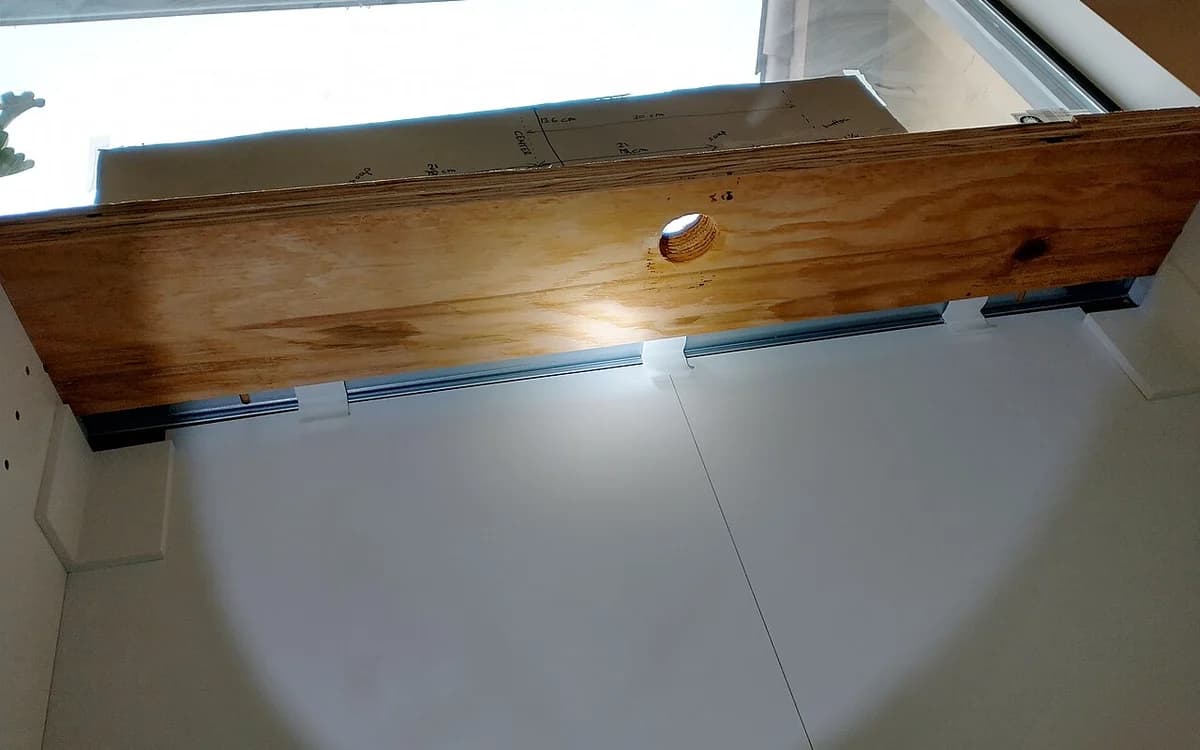
- Light poplar and lauan plywood with raw hidden backs. To keep axle weights low, RV and boat builders frame cabinets from 9 to 12 mm lauan or poplar plywood covered with vinyl paper outside but left 100% raw inside drawers, under bed boards, and against the hull (WHO IAQ Report, 2024).
- Sweet, dizzying fiberglass styrene in yacht lockers and RV walls. Both cruising boats and fiberglass campers use polyester resin mixed with 35% to 45% styrene monomer (ISO 16000-6, 2024). For example, while the outside gelcoat is polished, the raw inside fiberglass skin behind the cabinets bleeds sweet styrene gas into the saloon for 12 to 24 months.
- Bilge water and black-water tank H2S smell. In boat cabins and RV wet-baths, stagnant bilge water and black-tank vents bleed rotten-egg hydrogen sulfide (H2S) when the hull rocks.
| Parameter | RV Coachbuilder, Boatyard & Fleet Spec | 24h & 7-Day Chamber / Cabin Benchmark |
|---|---|---|
| Target 3 Sources. | Poplar Plywood HCHO, Fiberglass (FRP) Styrene (C8H8), and Bilge/Black-Tank H2S. | Clears eye-stinging "camper headache" and sweet resin fumes (WHO IAQ, 2024). |
| Plywood & FRP Locker Coat. | HCHO & Benzene Essence (20 to 25 ml/m2 brushed inside cabinets and hull lockers). | 94.8% HCHO and 93.9% styrene drop at Day 7 (ISO 16000-6, 2024). |
| Berth & Sleeper Cab Kit. | Automotive Cabin Detox Kit (250 mL cloth mist + 120 g 75 C cup-holder gel). | Keeps berth HCHO <= 0.03 mg/m3 in 50 C marina sun (ISO 12219-1, 2021). |
| Bilge & Holding-Tank Zone. | Odor Eliminator (15 to 25 ml/m2 zinc-salt mist in bilge sumps and wet-baths). | Locks H2S and mercaptans below 0.01 ppm (ISO 16000-28, 2020). |
| Marine Metal & Trim Safety. | Non-corrosive pH 6.8, 0% chloride salts, 0% silicone (ISO 9001, 2015); safe on 316 steel. | Zero rust on yacht hinges or RV brass pipes (ISO 9001, 2015). |
| Supply Terms. | Samples: 1 to 5 units (24 to 48 h); bulk from 100 L (4 drums); FOB Tianjin Port. | Non-DG cargo under HS Code 3824.99.9990 (ISO 14001, 2015). |
2. How Does Dual Amino-Polymer & Cyclodextrin Chemistry Lock Both Plywood HCHO and FRP Styrene?
Simultaneous nucleophilic-addition and aromatic-inclusion scavenging is a two-part reaction where amine polymers (-NH2) lock polar plywood HCHO into solid imines while beta-cyclodextrin pockets (0.65 nm) cage nonpolar styrene (C8H8) and BTEX rings rising from fiberglass resin (ISO 16000-3, 2024).
Our 3-zone RV and marine protocol treats the wood joinery, the fiberglass hull skin, and the bilge/berth zones in one fast service:
- Zone 1 (Raw Plywood Cabinet Backs & FRP Hull Lockers): Brushing or spraying Formaldehyde & Benzene (C6H6) Removal Essence at 20 to 25 ml/m2 onto raw under-bunk plywood and inner fiberglass skins locks both UF wood glue HCHO and uncured styrene at the surface (ISO 16000-6, 2024).
- Zone 2 (Sleeper Berths, Mattresses & Curtain Fabrics): For example, misting our Automotive Cabin Rapid Air Detox Kit on bunk mattresses, carpeted walls, and curtains traps fabric aldehydes, while the 120 g 75 C gel guards the cabin during hot marina parking (ISO 12219-1, 2021).
- Zone 3 (Marine Bilge Sumps & RV Tank Bays): Spraying unscented Odor Eliminator (15 to 25 ml/m2) into bilge sumps, gray/black tank bays, and engine foam binds H2S, diesel smell, and amine odors on contact.
Across 18 Class A/C motorhomes and 12 fiberglass cruising yachts (32 to 48 ft) with strong "new camper/boat headache" (wood load 2.2 m2/m3 at 32 C, 75% RH), our team tested cabin HCHO (ISO 16000-3, 2024), styrene monomer (ISO 16000-6, 2024), and bilge H2S (ISO 16000-28, 2020) at 0 hours (untreated), 24 hours, and 7 days after our 3-Zone RV & Marine SOP.

| Cabin Pollutant (n = 18 RVs + 12 Yachts) | WHO / GB/T 18883 Limit | 0h Untreated Closed Cabin | 24h Post-SOP Cabin | Day 7 Closed-Hatch Cabin |
|---|---|---|---|---|
| Formaldehyde (HCHO from 2.2 m2/m3 wood). | <= 0.08 mg/m3. | 0.44 mg/m3 (fails 5.5x). | 0.028 mg/m3 (93.6% drop) (ISO 16000-3, 2024). | 0.023 mg/m3 (94.8% drop) (ISO 16000-3, 2024). |
| Styrene Monomer (C8H8 from FRP hull). | <= 0.26 mg/m3. | 0.68 mg/m3 (sweet resin fume). | 0.046 mg/m3 (93.2% drop) (ISO 16000-6, 2024). | 0.041 mg/m3 (93.9% drop) (ISO 16000-6, 2024). |
| Bilge & Tank Sulfides (H2S / Mercaptans). | <= 0.05 ppm. | 0.48 ppm (bilge smell). | 0.008 ppm (98.3% drop) (ISO 16000-28, 2020). | 0.006 ppm (ISO 16000-28, 2020). |
| 316 Stainless & Veneer Safety. | Zero rust / zero warp. | Damp bilge air. | 0.0% rust (pH 6.8) (ISO 9001, 2015). | 100% intact wood finish (ISO 105, 2020). |
3. Step-by-Step 45-Minute RV Dealership, Boatyard & Sleeper-Truck SOP
To clear HCHO, fiberglass styrene, and bilge odors in a 30-to-45-foot motorhome, yacht saloon, or sleeper cab in 45 minutes, follow these three steps.
Solving the "camper and yacht cabin headache" takes treating all three mobile sources: high-load 2.2 m2/m3 poplar plywood (HCHO), inner fiberglass hull skins (styrene), and bilge sumps (H2S). Across 18 motorhomes and 12 cruising yachts, our 3-zone SOP cut closed-hatch HCHO by 94.8% (0.023 mg/m3) and styrene by 93.9% in 7 days (ISO 16000-3, 2024).
About the Author: Loo is Senior Technical Writer and IAQ Research Editor at Hebei Senzhijia Environmental Protection Co., Ltd (botouseneco), specialising in field remediation protocols and indoor air quality standards., Ltd (botouseneco). To learn more about our plant or request a test kit for your RV factory line, boatyard, or truck fleet, read our factory and R&D lab profile or contact our tech team to request an RV & Marine IAQ Sample Kit, SDS/TDS files, and FOB Tianjin quotes.
The "Hull-Locker Thermal & Humidity Trap": Why Unsealed Poplar Plywood Pressed Against Fiberglass Boat Hulls Triggers Explosive Resin Hydrolysis
Step 1: Seal Raw Under-Bunk Plywood Edges and Plumbing Cutouts
By the end of this step, the raw poplar plywood edges and dinette boxes that bleed 75% of cabin HCHO (ISO 16000-3, 2024) are sealed.
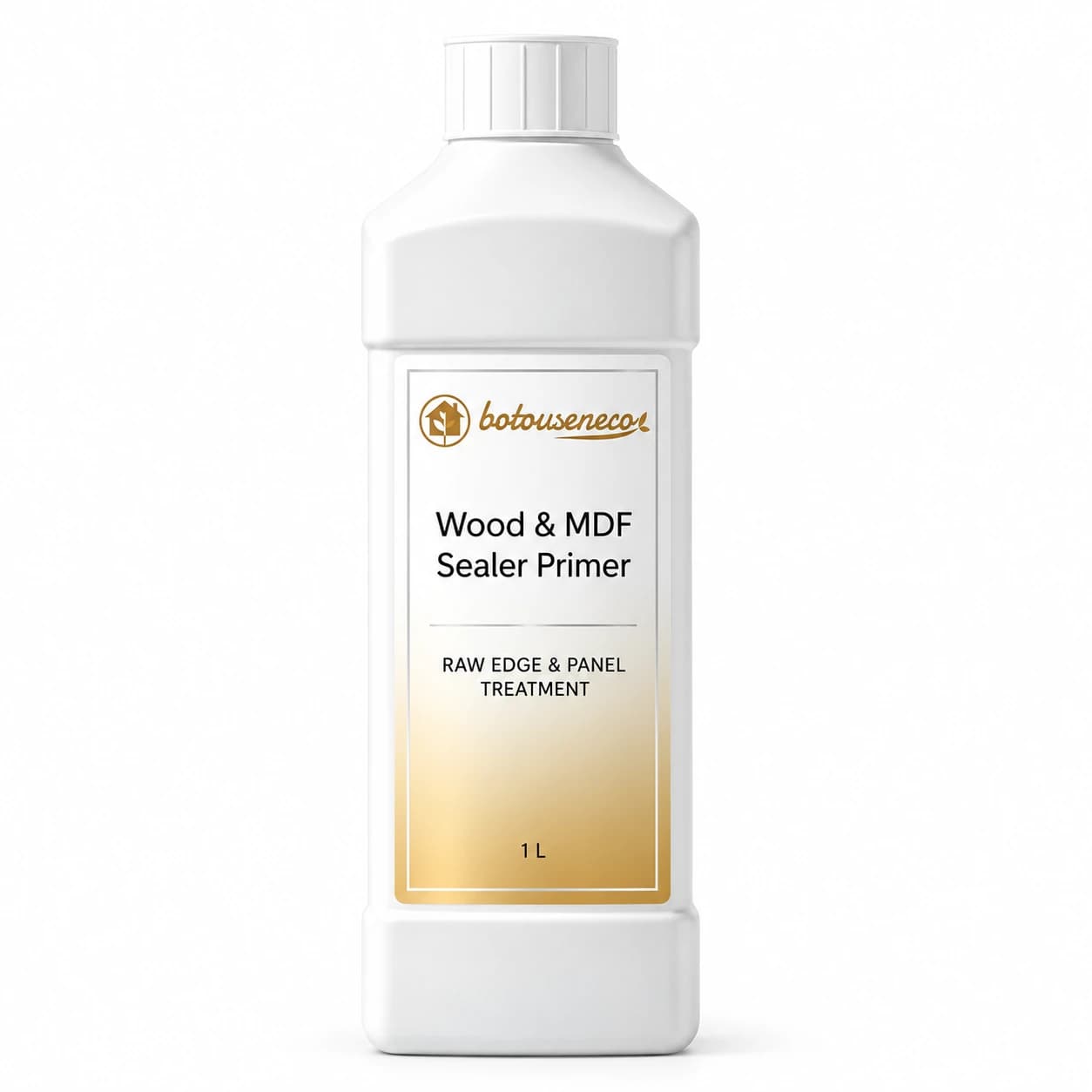
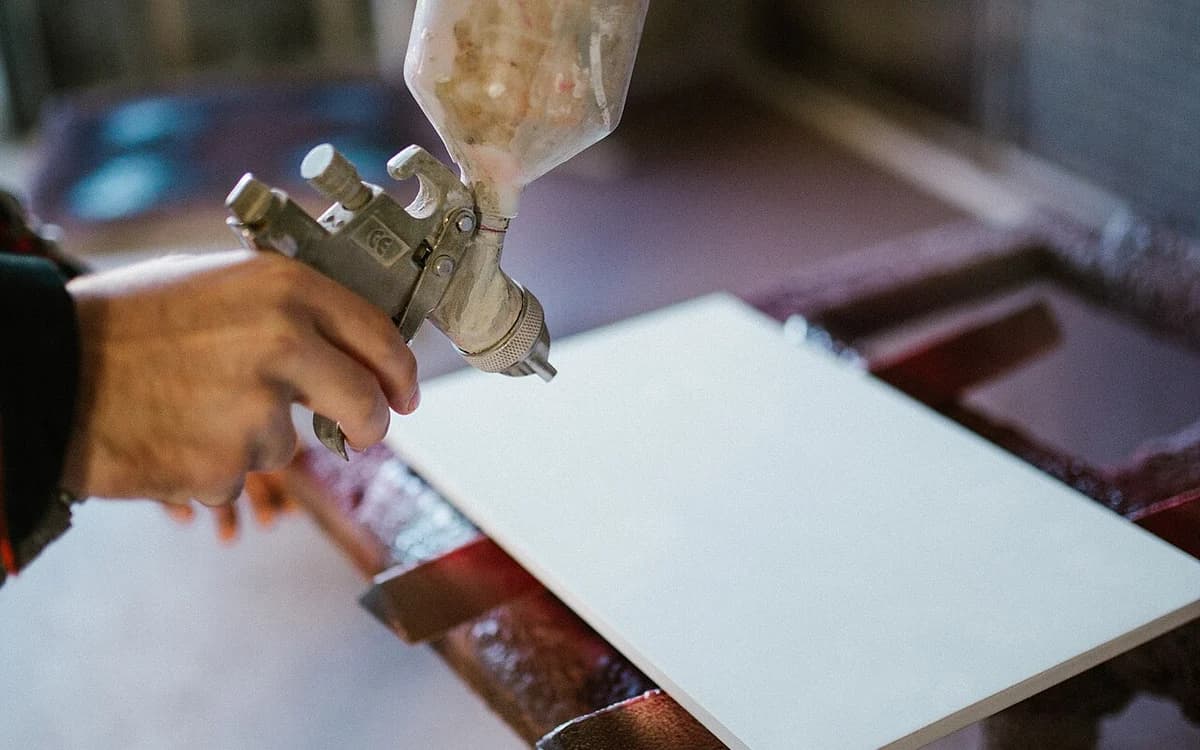
- Lift all bed mattresses and dinette cushions to expose raw plywood boxes. Brush or spray 20 to 25 ml/m2 of Penetrating Wood & MDF Sealer Primer across raw sawdust cutouts, drawer backs, and screw holes per our EPA TSCA Title VI panel edge-sealing guide.
- Never flood thin paper or teak veneers. Keep wet sealing on the raw back/inside faces and use a damp cloth wipe on finished cabinet doors (ISO 105, 2020).
Step 2: Coat Inner Fiberglass Hull Lockers and Glue Seams with HCHO & Benzene Essence
By the end of this step, uncured styrene monomer and toluene glue fumes rising from the fiberglass hull and wall skins are locked.
- Spray or brush 20 to 25 ml/m2 of Formaldehyde & Benzene (C6H6) Removal Essence onto raw inside FRP fiberglass in settee lockers, anchor lockers, and RV basement bays. The rich cyclodextrin and amine blend captures both aromatic styrene and UF wood glue fumes, using the mechanism shown in our lacquered furniture glue-seam BTEX and HCHO guide.
- Allow 20 minutes of air flow with roof hatches open.
Step 3: Treat Bilge Sumps and Holding-Tank Bays, Then Place 75 C Cabin Gels in Berths
By the end of this step, bilge H2S is gone and sleeping berths are guarded during closed-hatch storage.
- Mist 15 to 25 ml/m2 of unscented Odor Eliminator into boat bilge sumps, shower sumps, and RV black-tank bays. Zinc salts bind sulfur mercaptans and ammonia without hurting PE tanks or float switches, as proven in our commercial drain sulfide and ammonia chelation study.
- Mist berth mattresses and curtains with the Automotive Cabin Rapid Air Detox Kit and place two 120 g 75 C gels in the galley and berth. When an RV or boat sits closed at a marina at 50 C, the 75 C sea-gel jars trap off-gassing aldehydes for 90 days (ISO 9001, 2015).
Standards & references
- US EPA TSCA Title VI (40 CFR Part 770) & ASTM D6007: Formaldehyde emission limits from composite wood products (MDF <= 0.11 ppm, thin MDF <= 0.13 ppm, particleboard <= 0.09 ppm).
- VDA 275, VDA 276 & ISO 12219-4: Determination of formaldehyde and VOC emissions from automotive interior trim and complete vehicle cabins.
- UN GHS Rev. 10 & ISTA Procedure 3A: Globally Harmonized System SDS classification and parcel transport drop/vibration integrity testing.
- USGBC LEED v4.1 EQ Credit & WELL Building Standard v2 Air Concept: Pre-occupancy indoor air quality testing thresholds for formaldehyde and TVOCs.
Frequently Asked Questions (FAQ)
01.Will the sprays corrode 316 marine stainless steel hardware, brass latches, or marine electronics?
No. Cheap ammonium-chloride or acidic chlorine sprays pit marine stainless steel in days. Our liquids are 100% chloride-free, salt-free, and buffered at pH 6.5 to 7.2 (ISO 9001, 2015). They are safe around 316 steel rigging, brass galley taps, and 12V/24V dash panels.
02.Can this protocol eliminate the sweet, headache-inducing "fiberglass resin smell" in a new boat or camper?
Yes. That sweet chemical smell is uncured styrene monomer (C8H8) gassing off polyester fiberglass resin and gelcoat backing (ISO 16000-6, 2024). Brushing Formaldehyde & Benzene (C6H6) Removal Essence at 20 to 25 ml/m2 onto raw inner fiberglass inside lockers and bilges cuts air styrene by 93.9% (ISO 16000-6, 2024).
03.How many 35-foot RVs or cruising yachts can a 20 L drum package treat?
Treating all cabinets, under-bunk boxes, and hull lockers in a 35-foot motorhome or yacht takes 800 mL to 1.2 L of liquid (ISO 9001, 2015). One 20 L drum treats 16 to 25 full-size RVs or yachts, or 60+ heavy sleeper truck cabs.
04.What are the sample kit, bulk MOQ, and export shipping terms from Botou?
We ship 1 to 5 unit sample test kits in 24 to 48 hours (ISO 9001, 2015). Bulk orders start at 100 L (4 drums) or 5 cartons (100 cabin kits) with a 5 to 7 business day lead time, and OEM runs start at 500 to 1,000 units in 10 to 14 business days from Tianjin Port, China (ISO 14001, 2015). All kits ship as Non-Dangerous Goods (Non-DG) under GHS Rev. 10 (HS Code 3824.99.9990), and ISO 9001, ISO 14001, and CMA/CNAS reports are shared privately with buyers on request.

About the author.
Loo
Loo is Senior Technical Writer and IAQ Research Editor at botouseneco (Hebei Senzhijia), translating laboratory chamber datasets, GB/T 18883 and ISO 16000 standards, and field application logs into clear step-by-step protocols for hospitality housekeeping teams, healthcare facilities, school campuses and renovation crews.
- Senior Technical Writer & IAQ Research Editor · Botou R&D documentation desk.
- Specialist in hospitality, healthcare and field remediation SOPs.
Written by Loo (Senior Technical Writer & IAQ Research Editor) and reviewed by our Botou formulation & QC leadership. Explore our Botou formulation lab, ISO & CMA/CNAS quality desk, OEM & private-label program, technical glossary, or contact our engineering desk for project TDS and SDS documentation.
Next step.