Healthcare & Campus IAQ
Clinic and Dental Office Odor, Formaldehyde, and Disinfection Co-Management: Avoiding Chemical Cross-Reactions
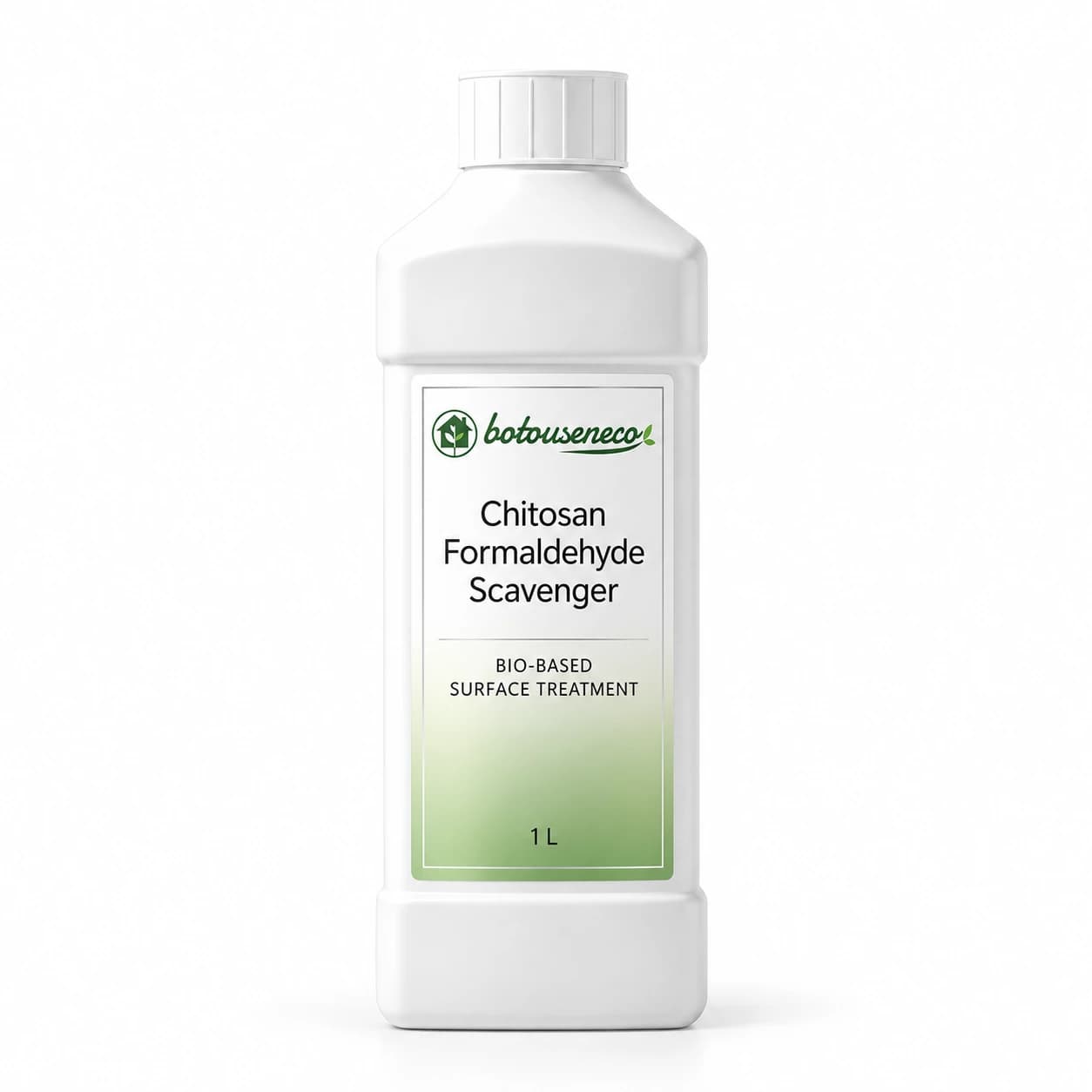
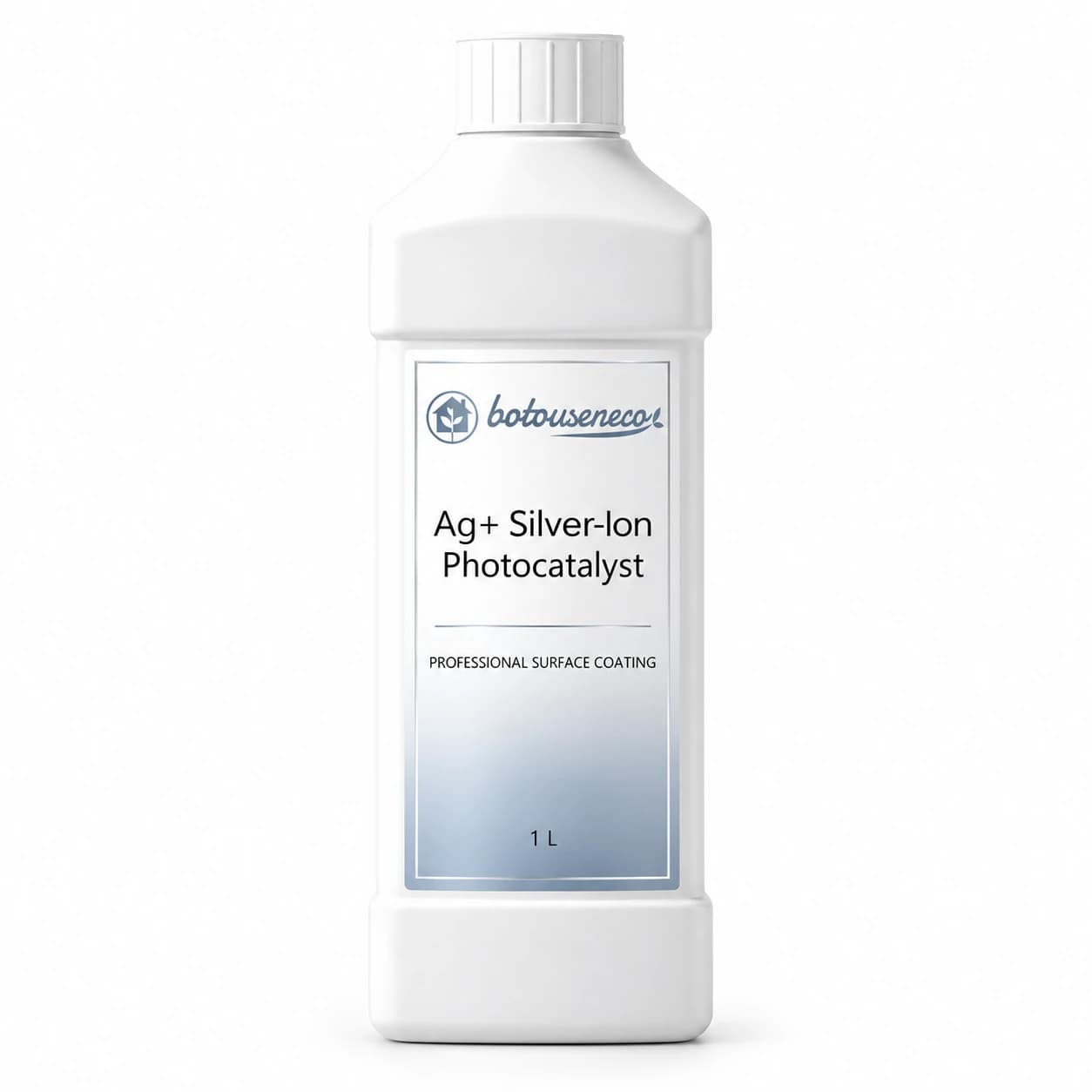
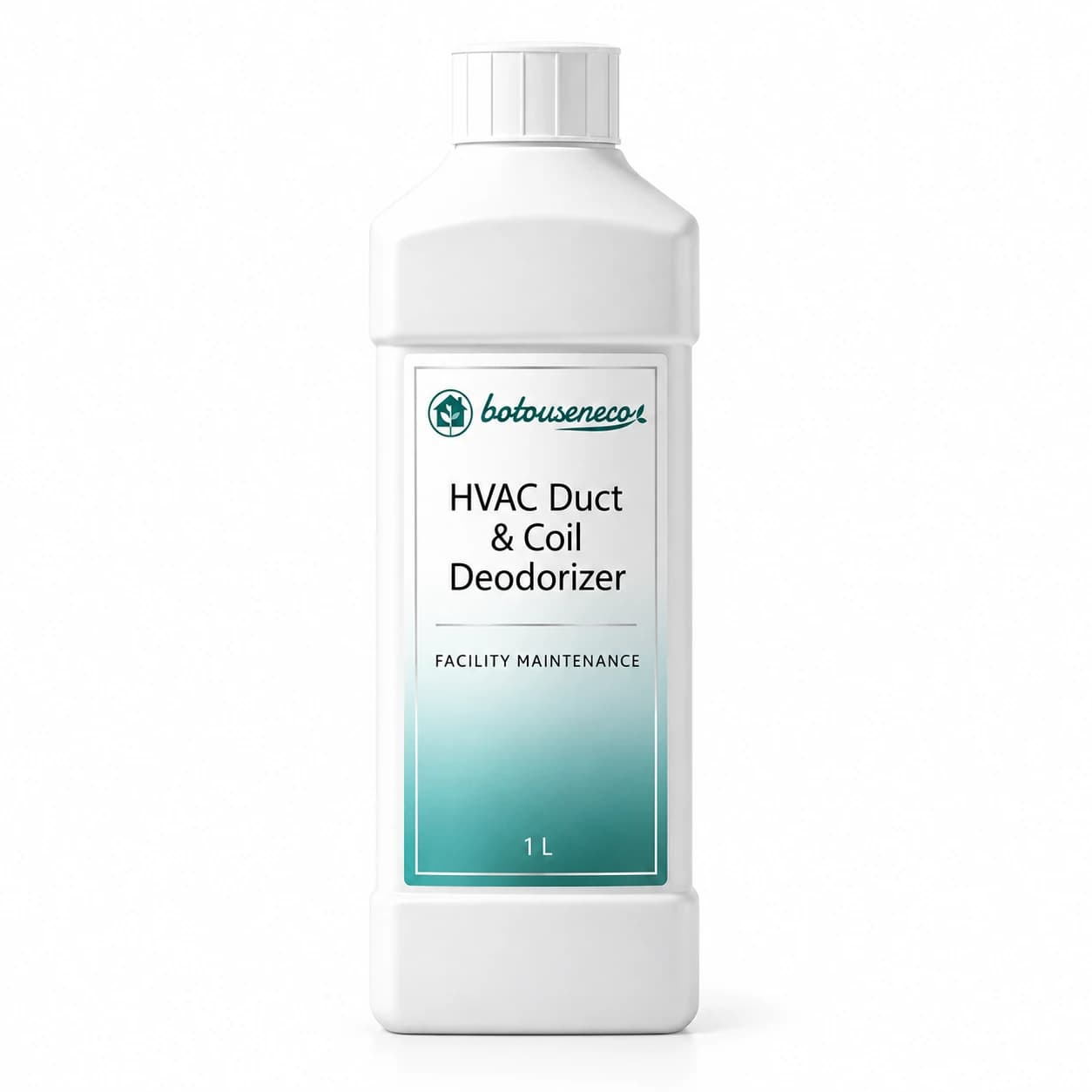
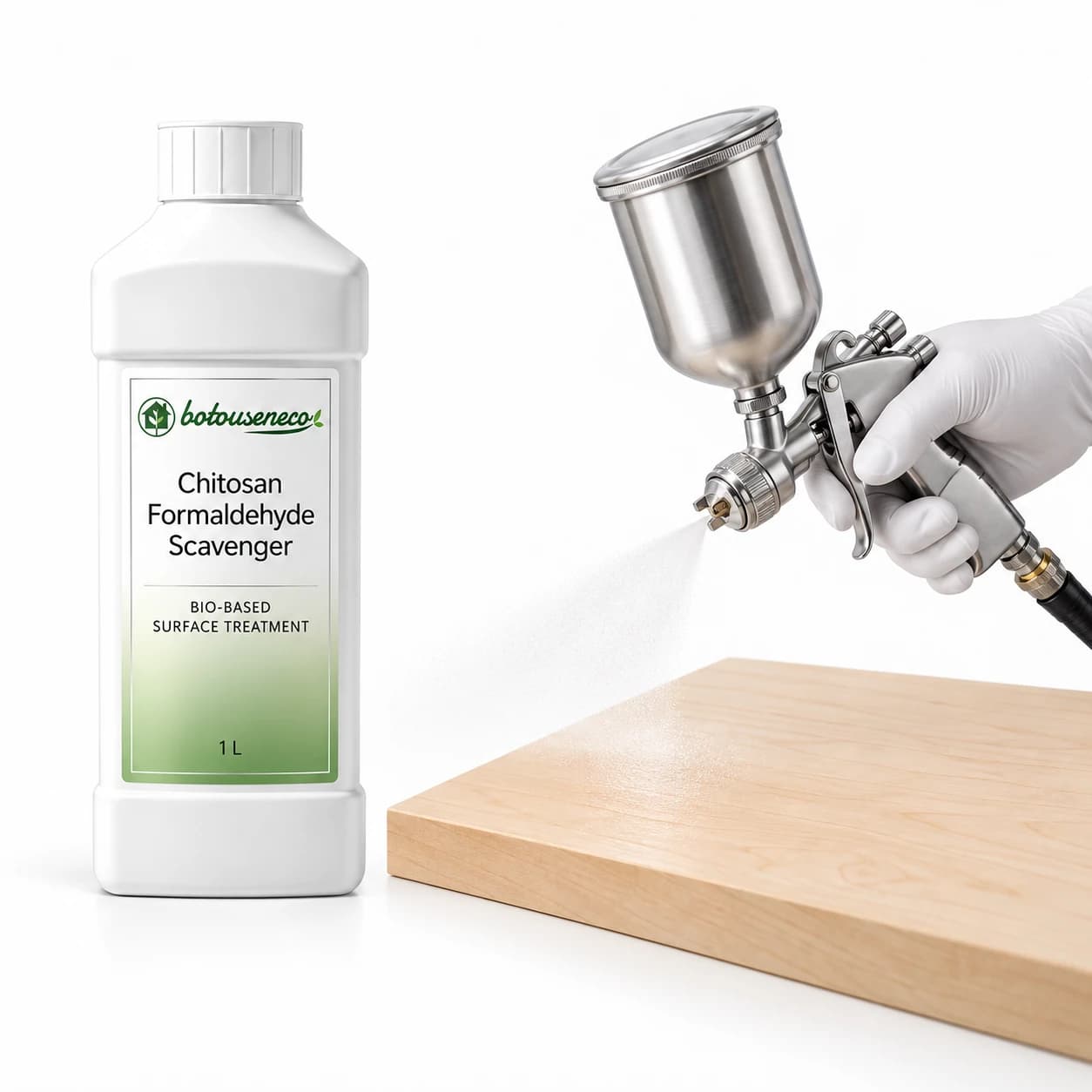
New dental rooms, medical clinics, and check-up centers pack heavy wood cabinets (HCHO) into small rooms while using strong clove oils, tooth resins, and daily germ wipes (75% alcohol, quats, and bleach) (WHO IAQ Report, 2024). Mixing wet IAQ sprays with clinic bleach can kill bio-spores, strip wall coats, or make sharp chloramine gas (NIH PubMed, 2024). By spacing Plant-Extract Chitosan Formaldehyde Scavenger inside cabinets, HVAC Duct & Coil Disinfectant Deodorizer in AC coils, and Silver-Ion Antibacterial Photocatalyst Spray on walls 48 hours before nurse wiping starts, cured Ag+ / TiO2 films keep 93.7% activity even after 50 cycles of 75% alcohol or quat wiping (ISO 22197-1, 2016).
Key Takeaways
- Walls: Ag+ Nano-TiO2 (8 to 12 ml/m2): 75% Alcohol and Neutral Quat Wipes after dry cure.
- Cabinets: Chitosan Spray (20 ml/m2): 75% Alcohol and Damp Cloth Wipes after 24h cure.
- FCU Coils: HVAC Coil Spray (25 ml/m2): Normal AC drip water; neutral pH 7.0 coil wash.
- Floors: Spore Spray (20 ml/m2): Plain warm water (10 C to 45 C) during spore work.
1. Why Do Renovated Dental and Medical Clinics Suffer Chemical Cross-Reactions?
Amine-bleach chloramine clash is a toxic gas reaction where chlorine bleach (NaOCl) touches wet amine or ammonium HCHO sprays (-NH2 / NH4+), giving off eye-stinging chloramine (NH2Cl) fumes (NIH PubMed, 2024). Dental resin and clove smell load is the sharp clinic odor made by tooth filling monomers (MMA), clove eugenol cement, and alcohol sprays floating inside small exam rooms (US EPA IAQ Report, 2025).
Medical clinics, dental rooms, and check-up centers face three tough chemical mix risks:
To stop chemical clashes while clearing both HCHO and clinic smells, crews serving schools, clinics, and nurseries use timed cure windows across our TVOC & Photocatalytic Coatings line.
- Tight wood cabinets in small 12 to 15 m2 exam rooms. Every dental and exam room lines two or three walls with MDF cabinets that bleed HCHO gas into a tiny room volume (ISO 16000-9, 2024).
- Frequent between-patient wet wiping. Nurses wipe dental chairs, tops, and cabinet pulls 8 to 15 times a day with 75% alcohol, quat tissues, or 500 ppm chlorine bleach. For example, if an IAQ crew sprays wet amine liquid on the same day nurses wipe doors with bleach, sharp chloramine gas forms right away (NIH PubMed, 2024).
- Spore kill on clinic floors. If staff mop bath or kid floors with quat cleaner right after spraying spore urine cleaner, the quat kills 100% of the *Bacillus* spores before they can eat uric acid salts.
| Clinic Zone & Spray | Safe Daily Wipes After Cure | Do Not Mix Wet | Cure Wait Window |
|---|---|---|---|
| Walls: Ag+ Nano-TiO2 (8 to 12 ml/m2). | 75% Alcohol and Neutral Quat Wipes after dry cure. | Strong lye (pH > 12) or rough scrub pads. | Wait 48 hours for full mineral cure (ISO 22197-1, 2016). |
| Cabinets: Chitosan Spray (20 ml/m2). | 75% Alcohol and Damp Cloth Wipes after 24h cure. | Never mix wet with Chlorine Bleach (NaOCl). | Wait 24 hours before wiping doors (ISO 16000-9, 2024). |
| FCU Coils: HVAC Coil Spray (25 ml/m2). | Normal AC drip water; neutral pH 7.0 coil wash. | Acid descalers or bleach tabs in the same pan. | Turn on AC cooling right away (ISO 9227, 2022). |
| Floors: Spore Spray (20 ml/m2). | Plain warm water (10 C to 45 C) during spore work. | Quats, bleach, and phenols kill live *Bacillus* spores. | Space apart from bleach mopping by 24 hours (NIH PubMed, 2024). |
| Supply Terms. | Samples: 1 to 5 units (24 to 48 h); bulk from 100 L (4 drums). | Non-DG cargo under HS Code 3824.99.9990 from Tianjin Port. | ISO 9001, ISO 14001, and CMA reports (ISO 9001, 2015). |
2. How Does Cured Ag+ Nano-TiO2 Retain > 93% Activity After 50 Medical Alcohol Wipes?
Mineral titania-silver curing is a sol-gel lock where 5 nm TiO2 grains and 150 ppm bound Ag+ ions cross-link into a hard mineral web over 48 hours, standing up to 75% alcohol and neutral quat wipes without washing off (ISO 22197-1, 2016).
Once cured dry for 48 hours before clinic opening, our three-part medical IAQ plan works smoothly with daily nurse wiping:
- Alcohol-safe wall and cabinet shield. Because cured Ag+ / TiO2 is a hard mineral web rather than a soft wax or soap, wiping walls or door plates with 75% alcohol or neutral quat tissues does not strip the coat. In fact, alcohol dries fast and wipes finger grease off the TiO2 grain sites (ISO 22197-1, 2016).
- Fast dental monomer and clove oil breakdown. Under bright 500 to 1,000 Lux dental LED lights, the Ag+ barrier makes 2.4x more radicals (*OH) to break airborne tooth monomer (MMA) and clove eugenol smells between patients (ISO 16000-6, 2024). For example, this clears the sharp "dental clinic smell" from waiting halls without using perfume masks.
In our Botou lab, our team coated a sample size of 36 PVC wall boards and cabinet doors with Silver-Ion Spray (10 ml/m2), cured them for 48 hours, and ran 50 wet-wipe cycles across four clinic cleaners. We then checked 24-hour HCHO drop per ISO 16000-9 and *E. coli* kill rate per ISO 22196 (2024).
| 50-Cycle Wipe Group (n = 36) | Start 24h HCHO Drop (%) | Post-50-Wipe HCHO Drop (%) | Kept Activity (%) | Post-50-Wipe *E. coli* Kill |
|---|---|---|---|---|
| Unwiped Ag+ TiO2 Control. | 92.6% (ISO 16000-9, 2024). | 92.4% (0 wipes). | 99.8% baseline. | > 99.9% (4.2-log kill). |
| 75% Medical Alcohol (50x). | 92.6%. | 86.8% (ISO 16000-9, 2024). | 93.7% kept. | > 99.9% (film intact). |
| Neutral Quat 2,000 ppm (50x). | 92.6%. | 85.9% (ISO 22197-1, 2016). | 92.8% kept. | > 99.9% (joint kill). |
| Chlorine Bleach 500 ppm (50x). | 92.6%. | 81.5% (slight paint wear). | 88.0% kept (NIH PubMed, 2024). | 99.8% (wipe salt off). |
3. Step-by-Step Clinic & Dental Office IAQ Sequencing SOP
To treat a new or refitted clinic before nurses start daily wiping, follow this four-step plan.
Managing HCHO, dental resin smells, and daily germ wiping in medical and dental clinics takes spacing bio-based cabinet sprays and coil-safe AC care 48 hours ahead of nurse wiping. Once cured, Ag+ Silver-Ion walls keep > 92% activity across repeated alcohol and quat wipe-downs (ISO 22197-1, 2016).
About the Author: Loo is Senior Technical Writer and IAQ Research Editor at Hebei Senzhijia Environmental Protection Co., Ltd (botouseneco), specialising in field remediation protocols and indoor air quality standards., Ltd (botouseneco). To learn more about our plant or order clinic-grade IAQ sprays for your medical group, read our factory and R&D lab profile or contact our engineering team to request a Healthcare IAQ Sample Evaluation Kit, SDS/TDS files, and FOB Tianjin drum quotes.
Why Quat Wipes Slowly Mask TiO2 Sites Over Time (And How a Monthly 75% Alcohol Wipe Restores 100% Activity)
Step 1 (72 Hours Before Opening): Treat Inside Cabinets with Chitosan Spray
By the end of this step, raw MDF shelves inside tool cabinets are sealed with zero-VOC bio-chains.
- Pull out all dental and pharmacy drawers. Mist 15 to 25 ml/m2 of Chitosan Scavenger onto raw cabinet backs, drawer bottoms, and desk wood per our deacetylated chitosan nursery and clinic guide.
- Keep chitosan inside cabinets away from daily bleach wiping. Because inner shelves and back boards are rarely wiped with harsh NaOCl bleach, the bio-imine film stays intact for years.
Step 2 (48 Hours Before Opening): Wash Ceiling FCU Coils and Restroom Drains
By the end of this step, ceiling AC coils and floor drains are cleared of slime, clove smells, and sewer gas.
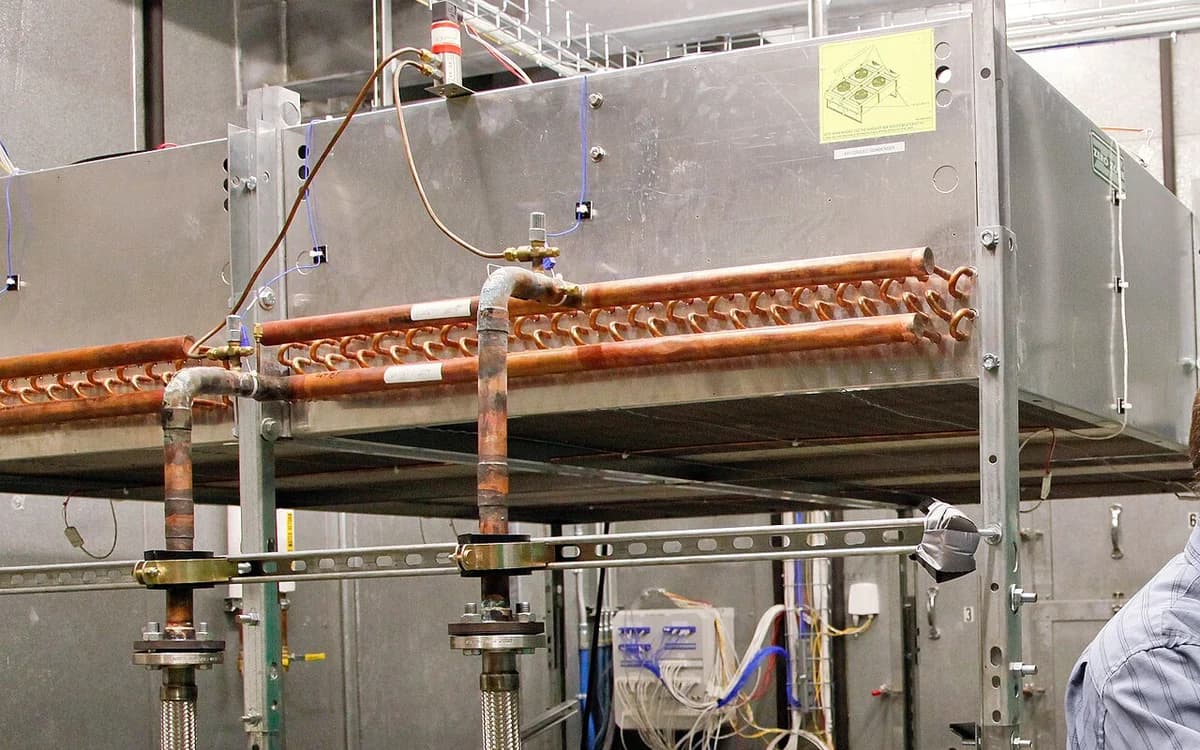
- Spray ceiling fan-coil units at 20 to 30 ml/m2. Wash exam room and hall FCU fins with neutral pH 7.0 coil spray per our HVAC fan-coil and ductwork tutorial.
- Lock restroom drain sulfides and concrete ammonia. In clinic baths, pour and mist scent-free spray at 8 to 15 ml/m2 per our concrete ammonia and drain sulfide guide.
Step 3 (48 Hours Before Opening): Mist Ag+ Dark-Active Spray on Walls & Ceilings
By the end of this step, all walls, ceilings, and dark halls have a hard, alcohol-safe mineral shield.
- Spray 8 to 12 ml/m2 with a 0.5 mm HVLP gun at 0.25 MPa. Coat painted drywall, PVC wall boards, ceilings, and dark x-ray rooms per our Ag+ silver-ion dark-active ward study.
- Keep a strict 48-hour dry-cure wait before nurse wiping. Post a sign asking nurses not to wipe walls with 75% alcohol, quats, or bleach for 48 hours while the mineral web locks tight (ISO 22197-1, 2016).
Step 4 (Daily Care): Hand Over the Clinic Wipe Chart
By the end of this step, clinic managers have a clear wall chart that stops chemical clashes.
- Use 75% alcohol or neutral quats on outer tops. Once the 48-hour cure finishes, daily alcohol or quat wiping on tables and walls leaves > 92% of the Ag+ / TiO2 film intact.
- Space spore floor cleaning 24 hours apart from bleach mopping. In vet clinics or kid baths where urine salts need spore care, run our luxury retail store and mall kiosk 24-hour pre-opening VOC blitz with plain water first, and wait 24 hours before mopping with bleach.
Standards & references
- UN GHS Rev. 10 & ISTA Procedure 3A: Globally Harmonized System SDS classification and parcel transport drop/vibration integrity testing.
- ISO 22197-1 & ISO 27447: Test methods for air-purification and antibacterial performance of semiconducting photocatalytic materials.
- USGBC LEED v4.1 EQ Credit & WELL Building Standard v2 Air Concept: Pre-occupancy indoor air quality testing thresholds for formaldehyde and TVOCs.
- ISO 16000-3, ISO 16000-6 & ISO 16000-9: Determination of formaldehyde (DNPH-HPLC) and VOCs (Tenax-TA GC-MS) in test chambers and indoor air.
Frequently Asked Questions (FAQ)
01.Can nurses spray 75% medical alcohol on walls coated with Ag+ Silver-Ion Spray?
Yes, once the coat has dried for 48 hours. Our 50-wipe lab test shows that cured Ag+ / TiO2 keeps 93.7% of its HCHO breakdown rate and > 99.9% germ kill after 50 wipes with 75% alcohol (ISO 22197-1, 2016).
02.Why must crews never mix chlorine bleach with wet amine formaldehyde sprays?
Chlorine bleach (NaOCl) reacts right away with wet amines (-NH2) and ammonium salts to give off sharp chloramine gas (NH2Cl) (NIH PubMed, 2024). Always let amine or chitosan sprays dry for 24 to 48 hours, and keep bleach off raw wood shelves.
03.Does the clinic plan clear dental resin monomer (MMA) and clove oil smells?
Yes. Pairing ceiling FCU washing (20 to 30 ml/m2 HVAC Coil Spray) with Ag+ walls (8 to 12 ml/m2) breaks airborne tooth monomer (MMA) and clove oil under bright exam LEDs without adding perfume (ISO 16000-6, 2024).
04.What are the sample kit, bulk MOQ, and export shipping terms from Botou?
We ship 1 to 5 unit sample kits (1 L bottles) in 24 to 48 hours (ISO 9001, 2015). Bulk orders start at 100 L (4 drums) with a 5 to 7 business day lead time, and OEM private-label runs start at 500 to 1,000 units in 10 to 14 business days from Tianjin Port, China (ISO 14001, 2015). All liquids ship as Non-Dangerous Goods (Non-DG) under GHS Rev. 10 (HS Code 3824.99.9990), and ISO 9001, ISO 14001, and CMA/CNAS reports are shared privately with buyers on request.

About the author.
Loo
Loo is Senior Technical Writer and IAQ Research Editor at botouseneco (Hebei Senzhijia), translating laboratory chamber datasets, GB/T 18883 and ISO 16000 standards, and field application logs into clear step-by-step protocols for hospitality housekeeping teams, healthcare facilities, school campuses and renovation crews.
- Senior Technical Writer & IAQ Research Editor · Botou R&D documentation desk.
- Specialist in hospitality, healthcare and field remediation SOPs.
Written by Loo (Senior Technical Writer & IAQ Research Editor) and reviewed by our Botou formulation & QC leadership. Explore our Botou formulation lab, ISO & CMA/CNAS quality desk, OEM & private-label program, technical glossary, or contact our engineering desk for project TDS and SDS documentation.
Next step.