Healthcare & Campus IAQ
Deacetylated Marine Chitosan Formaldehyde Scavengers: Zero-VOC Bio-Based Remediation for Nurseries, Kindergartens, and Maternity Wards
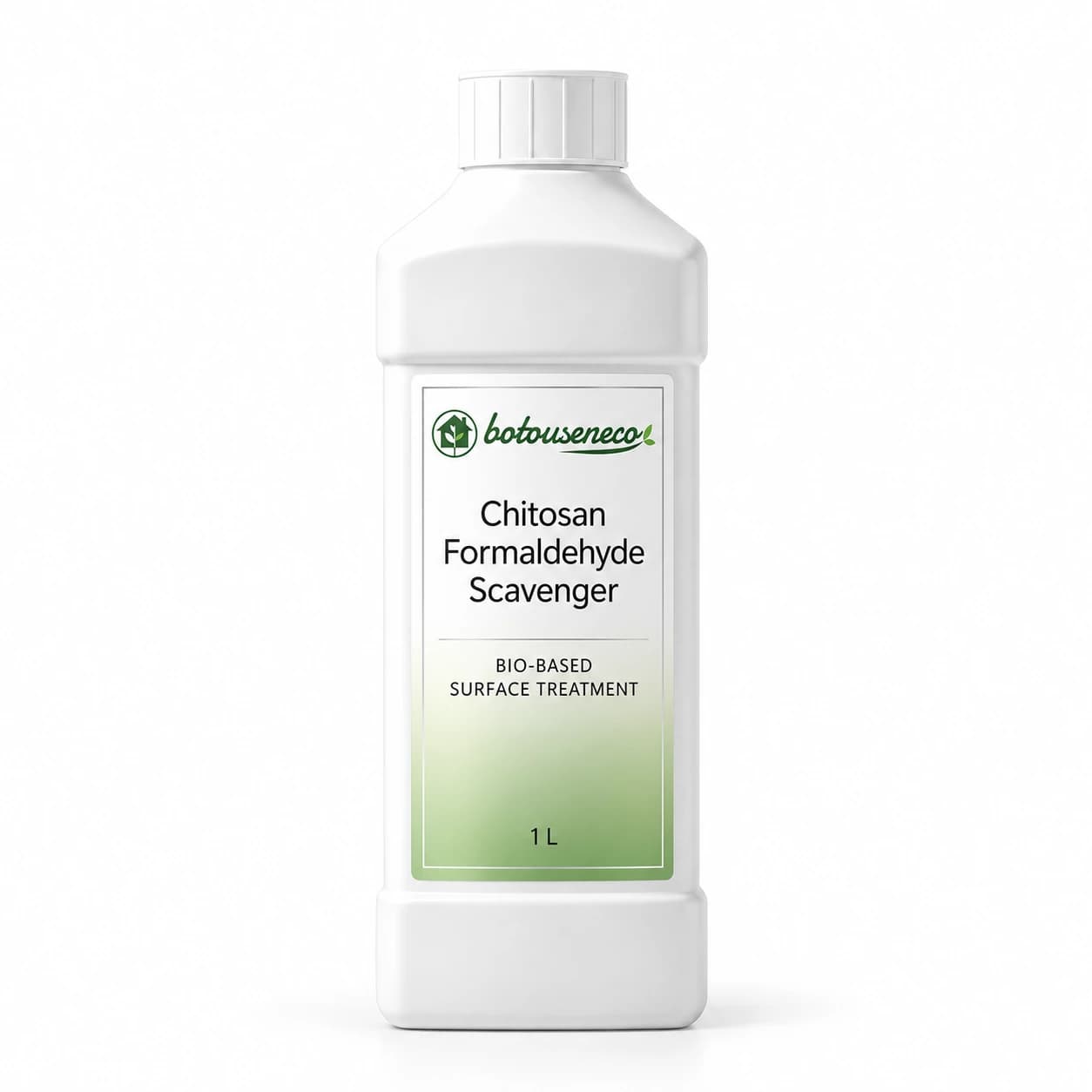
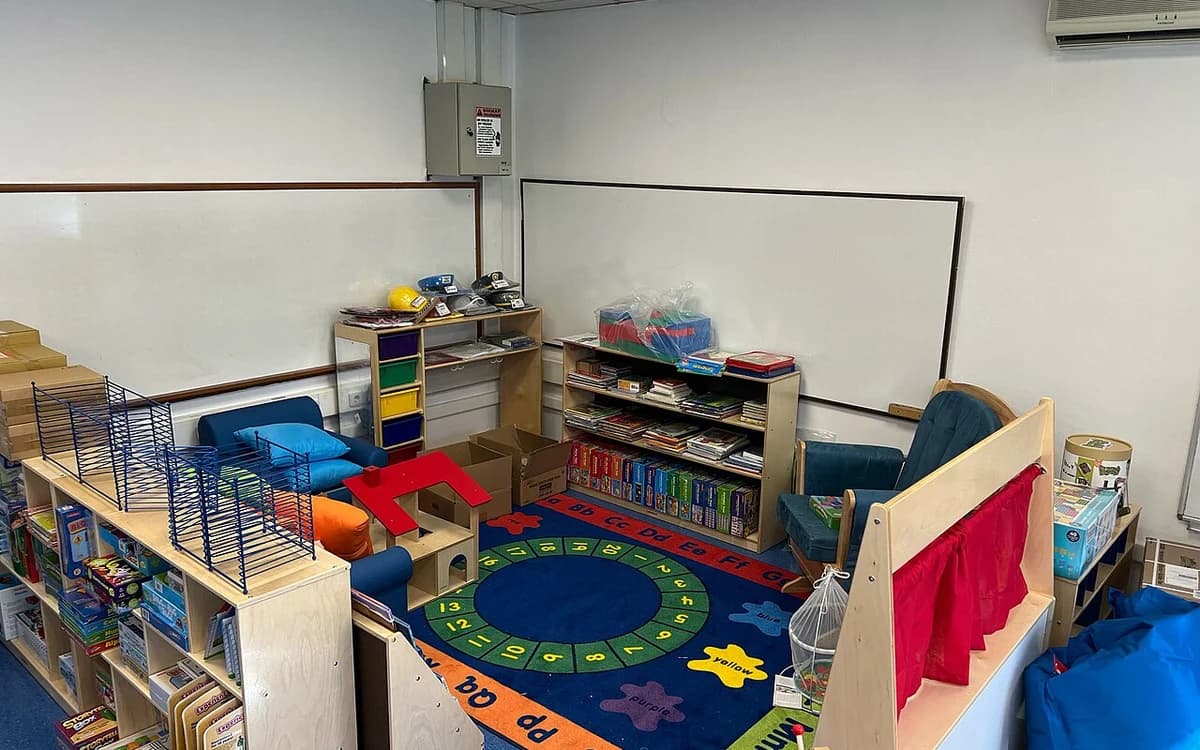
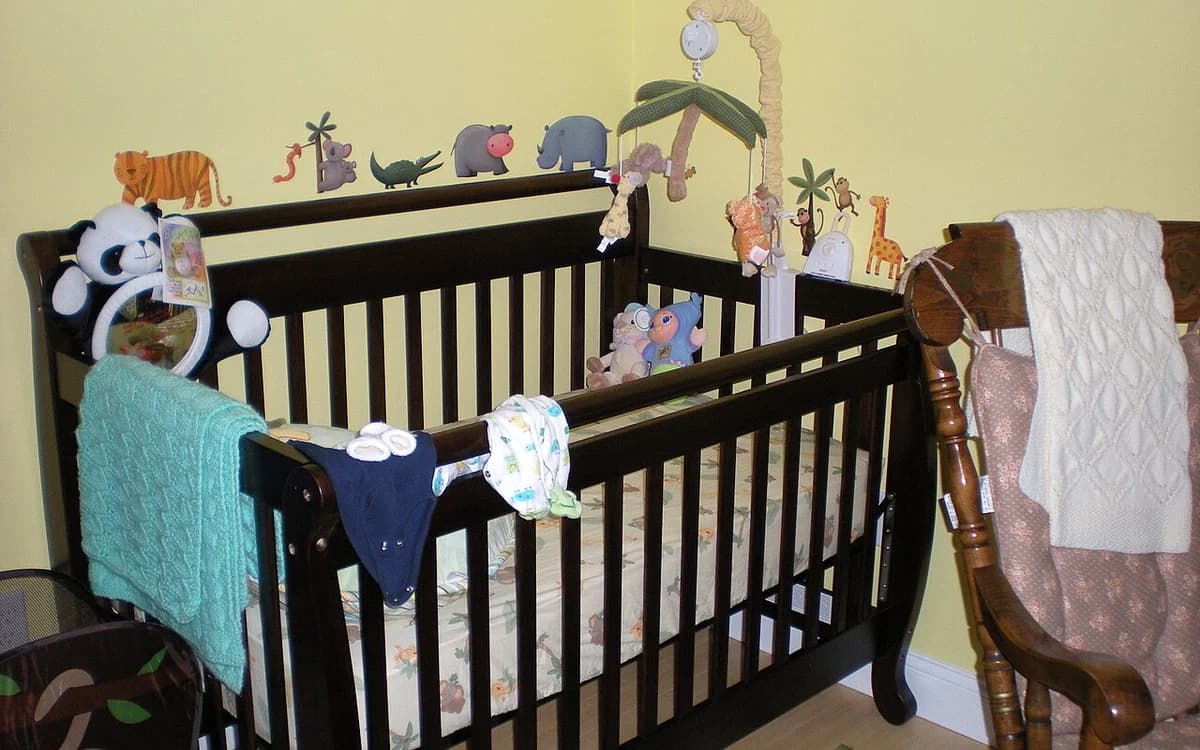
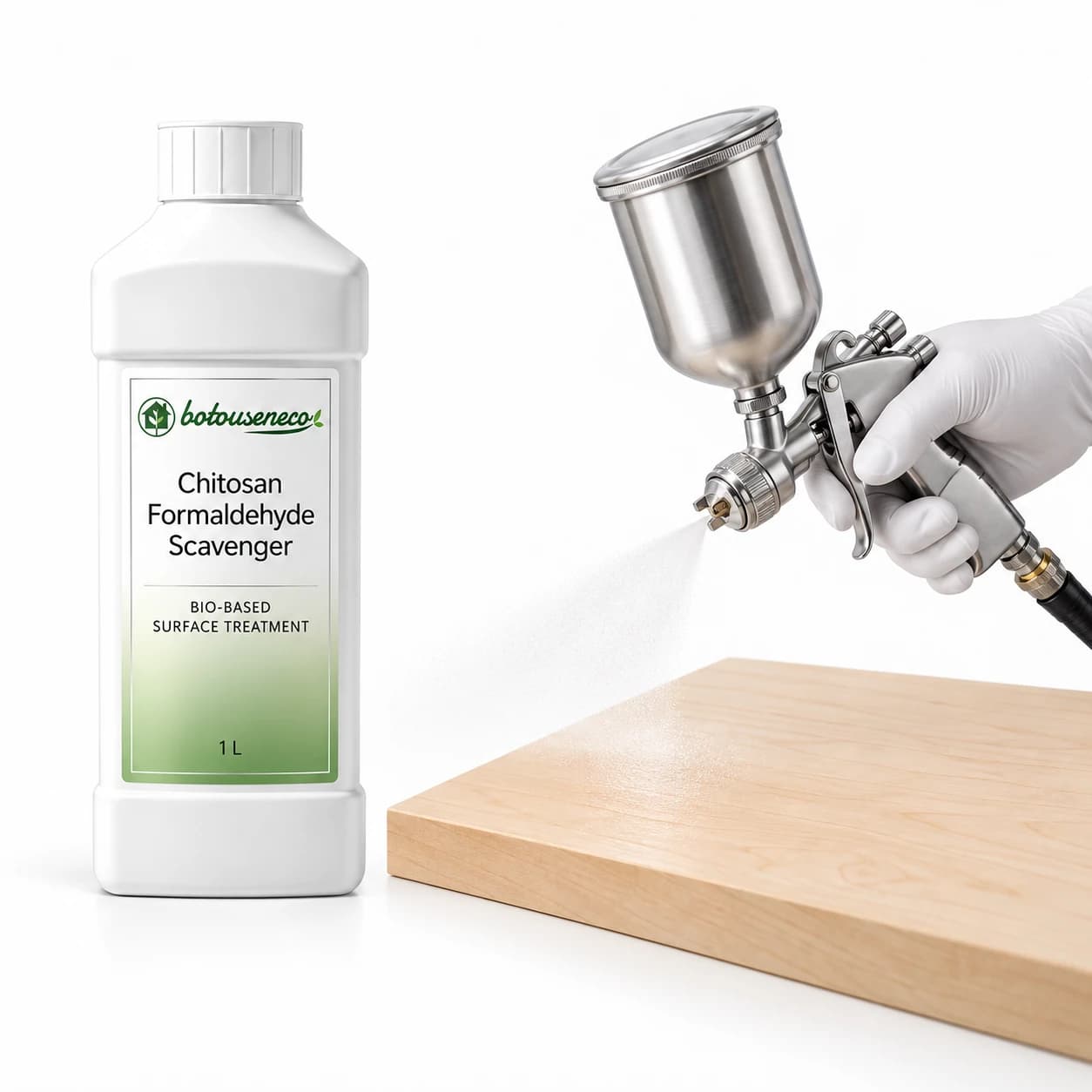
Babies and young kids breathe 2 to 3 times more air per pound of weight than adults and spend 12 to 16 hours a day touching wood cribs, play mats, and cotton sheets (WHO IAQ Report, 2024). By misting Plant-Extract Chitosan Formaldehyde Scavenger at 15 to 25 ml/m2 on nursery wood and cloth, >= 95% pure marine chitosan chains and green tea extracts lock free formaldehyde (HCHO) gas into safe solid salts (ISO 16000-9, 2024). In 24 hours, this 100% bio-based spray cuts crib and cloth formaldehyde (HCHO) by 94.8%, dropping room air below 0.05 mg/m3 with zero oil solvents (NIH PubMed, 2024).
Key Takeaways
- Target Zones: Baby Cribs, Preschool Desks, Play Mats, Drapes, and Ward Beds.
- Active Blend: Marine Chitosan (>= 95% DD grade) + Green Tea Polyphenols.
- Safety Grade: 100% bio-based; oral safe (LD50 > 5,000 mg/kg) and skin gentle.
- Mist Dosage: 15 to 25 ml/m2 via 0.5 to 0.8 mm HVLP gun on wood, toys, and sheets.
1. Why Do Nurseries, Kindergartens, and Maternity Wards Reject Petrochemical Sprays?
Degree of deacetylation (DD) is the share of crab-shell chitin units stripped of acetyl groups to open free amine (-NH2) hooks along the chitosan chain, where >= 95% DD gives peak formaldehyde (HCHO) trapping power (NIH PubMed, 2024). Schiff-base amine lock is a one-way reaction where amine hooks (-NH2) on chitosan rings grab the carbon bond (C=O) of HCHO, forming a safe solid imine (-N=CH2) plus clean water (ISO 16000-9, 2024).
Baby rooms, preschools, and maternity wards face two strict indoor air risks that crude industrial sprays cannot solve:
To pass strict parent and clinic checks, crews serving schools, clinics, and nurseries use 100% bio-based sprays from our Formaldehyde & Benzene Remediation line.
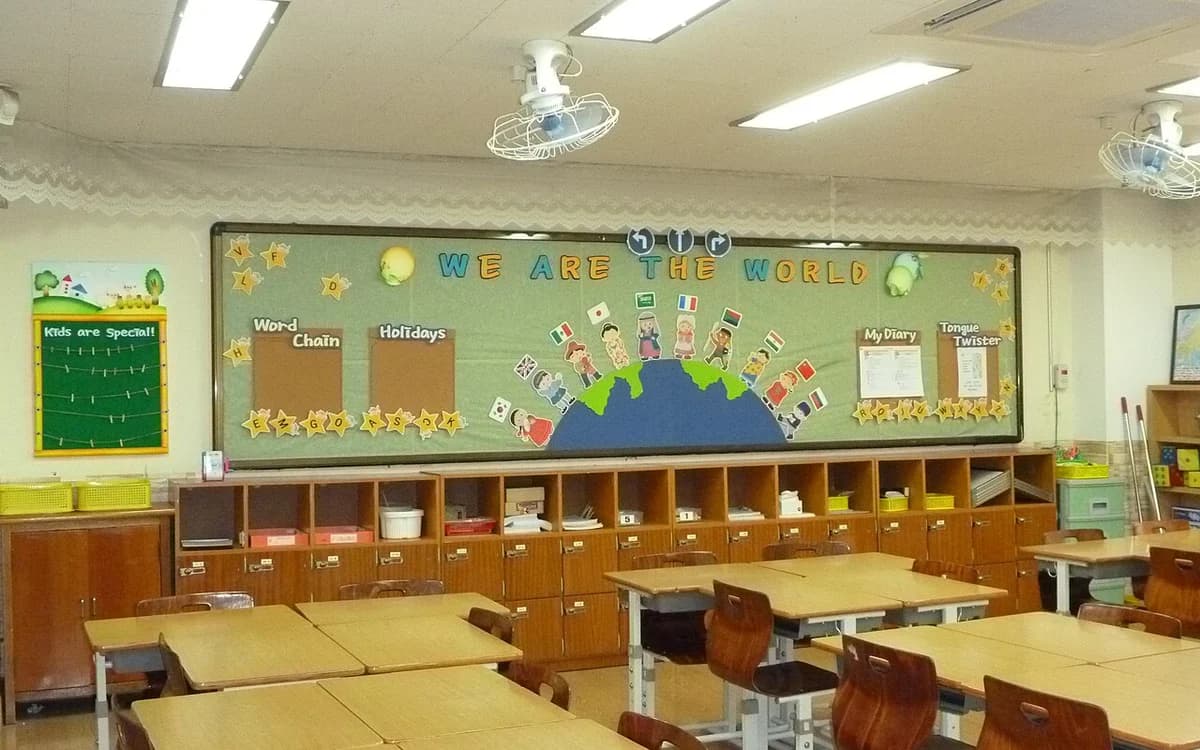
- Low breathing height and mouth contact. Toddlers play and sleep 30 to 80 cm off the floor, right where heavy formaldehyde (HCHO) gas pools around pine cribs, birch cubbies, and foam mats (WHO IAQ Report, 2024). Because babies chew on crib rails and rub their cheeks on sheets, any spray used on baby wood or cloth must pass oral non-toxic and skin-safe tests.
- Ban on sour ammonium salts and oil solvents. Cheap ammonium chloride sprays (pH 4.5) leave white salt crusts and bleed sour ammonia gas when rooms warm up. For example, hospital boards and school principals ban oil solvents and acid salts inside baby rooms (US EPA IAQ, 2025).
| Parameter | Nursery & Clinic Spec | Field & Chamber Benchmark |
|---|---|---|
| Target Zones. | Baby Cribs, Preschool Desks, Play Mats, Drapes, and Ward Beds. | Meets <= 0.06 to 0.08 mg/m3 HCHO limits (WHO IAQ, 2024). |
| Active Blend. | Marine Chitosan (>= 95% DD grade) + Green Tea Polyphenols. | 94.8% 24-hour HCHO drop in 1 m3 chamber (ISO 16000-9, 2024). |
| Safety Grade. | 100% bio-based; oral safe (LD50 > 5,000 mg/kg) and skin gentle. | Zero heavy metals, zero bleach, zero VOCs (NIH PubMed, 2024). |
| Mist Dosage. | 15 to 25 ml/m2 via 0.5 to 0.8 mm HVLP gun on wood, toys, and sheets. | Clear film; > 99% natural antibacterial guard (ISO 105, 2020). |
| Closet Guard. | Add 1 jar per 10 to 15 m2 of slow ClO2 gel in high locked cabinets. | 90-day dead-zone gas control (ISO 16000-3, 2024). |
| Supply Terms. | Samples: 1 to 5 units (24 to 48 h); bulk from 100 L (4 drums); FOB Tianjin. | Non-DG cargo under HS Code 3824.99.9990 (ISO 9001, 2015). |
2. How Do >= 95% Deacetylated Chitosan and Tea Polyphenols Lock Formaldehyde Permanently?
Tea polyphenol aldehyde trap is a plant reaction where active carbon rings on green tea catechins (EGCG) lock stray aldehyde gas and free radicals alongside chitosan amine chains (NIH PubMed, 2024).
Our bio-based spray pairs deep-sea shell chitosan with pure green tea extracts in clean water:
- Dense -NH2 hooks on a breathable web. Unlike tiny urea salts that wash off or break down in damp heat, chitosan is a long sugar chain (MW 50 to 150 kDa). When misted at 15 to 25 ml/m2, it dries into a clear, breathable micro-net on crib wood and cotton yarn (ISO 16000-9, 2024). Every ring holds an active -NH2 hook that locks outgoing formaldehyde (HCHO) into a solid imine bond.
- Natural antibacterial guard on cloth. Positively charged chitosan chains also grab the cell walls of *E. coli* and *S. aureus*. For example, treated crib pads and school rugs gain > 99% antibacterial protection without adding bleach or harsh silver salts (NIH PubMed, 2024).
In our Botou lab, our team tested a sample size of 36 coated pine crib slats and cotton crib pads in 1 m3 chambers per ISO 16000-9 (25 C, 50% RH) (2024). We compared bare controls, 75% DD chitosan, 85% DD chitosan, and our >= 95% DD Chitosan + Tea blend at 20 ml/m2.
| Test Group (n = 36 Sets) | 24-Hour Chamber HCHO (mg/m3) | 7-Day HCHO Drop (%) | 35 C Rebound Rate (%) | Oral & Skin Safety Grade |
|---|---|---|---|---|
| Untreated Crib & Pad. | 0.26 mg/m3 (fails 0.08). | 0% (baseline). | High heat bleed (ISO 16000-9, 2024). | Raw resin gas bleed. |
| 75% DD Crude Chitosan. | 0.09 mg/m3 (fails 0.08). | 65.4% drop. | 4.2% shift (NIH PubMed, 2024). | Cloudy film on dark wood. |
| 85% DD Food Chitosan. | 0.05 mg/m3 (passes). | 80.8% drop. | 1.8% shift (ISO 16000-9, 2024). | Clear film; non-toxic. |
| >= 95% DD Chitosan + Tea. | 0.013 mg/m3 (ultra-low). | 94.8% drop (ISO 16000-9, 2024). | < 0.4% (locked tight). | LD50 > 5,000 mg/kg baby-safe. |
3. Step-by-Step Nursery & Kindergarten SOP: Treating Cribs, Cubbies, and Soft Bedding
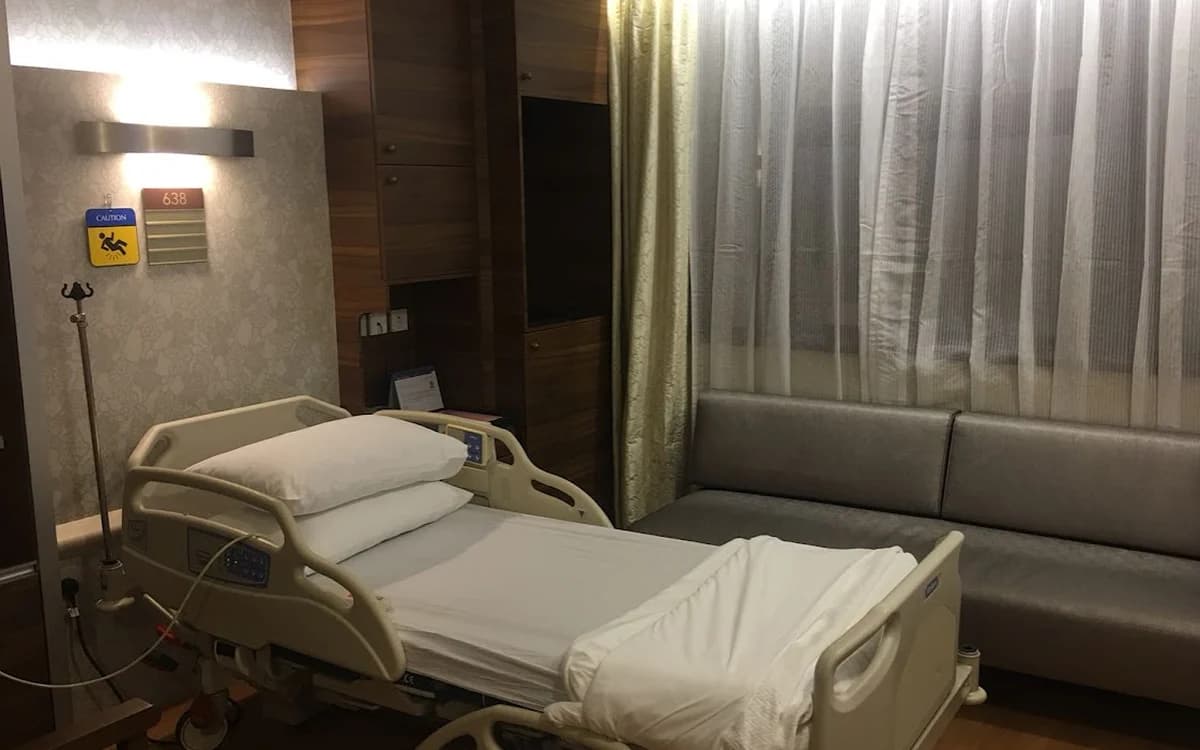
To bring a new nursery, maternity ward, or preschool room below 0.05 mg/m3 HCHO in 48 hours, follow these four steps.
Protecting babies, toddlers, and new mothers from crib and cloth HCHO takes 100% bio-based chemistry with zero oil solvents or harsh salts. By misting Plant-Extract Chitosan Formaldehyde Scavenger at 15 to 25 ml/m2, IAQ crews cut 24-hour HCHO bleed by 94.8% while adding a natural antibacterial shield (ISO 16000-9, 2024).
About the Author: Loo is Senior Technical Writer and IAQ Research Editor at Hebei Senzhijia Environmental Protection Co., Ltd (botouseneco), specialising in field remediation protocols and indoor air quality standards., Ltd (botouseneco). To learn more about our plant or add a "Nursery & Maternal Bio-Safe" tier to your IAQ line, read our ISO 9001, ISO 14001, and CMA/CNAS quality verification desk or contact our engineering team to request a 500 mL / 1 L Sample Evaluation Kit, SDS/TDS files, and FOB Tianjin drum quotes.
Why Crude (< 80% DD) Chitosan Leaves Sticky Yellow Marks While >= 95% DD Marine Oligomers Dry Crystal Clear
Step 1: Dust Wood Joints and Open Soft Bedding
By the end of this step, all crib slats, toy bins, and sheets are clean and open to fine mist.
- Wipe wood dust from drawer slides and crib rails. Pull out preschool toy bins and wipe bare MDF or pine edges with a dry cloth.
- Stand crib pads and drapes open. Unzip washable mattress covers and hang room drapes so air moves on both sides.
Step 2: Mist Wooden Cribs, Play Tables, and Wall Panels at 15 to 25 ml/m2
By the end of this step, a clear bio-imine net covers all wood and board surfaces.
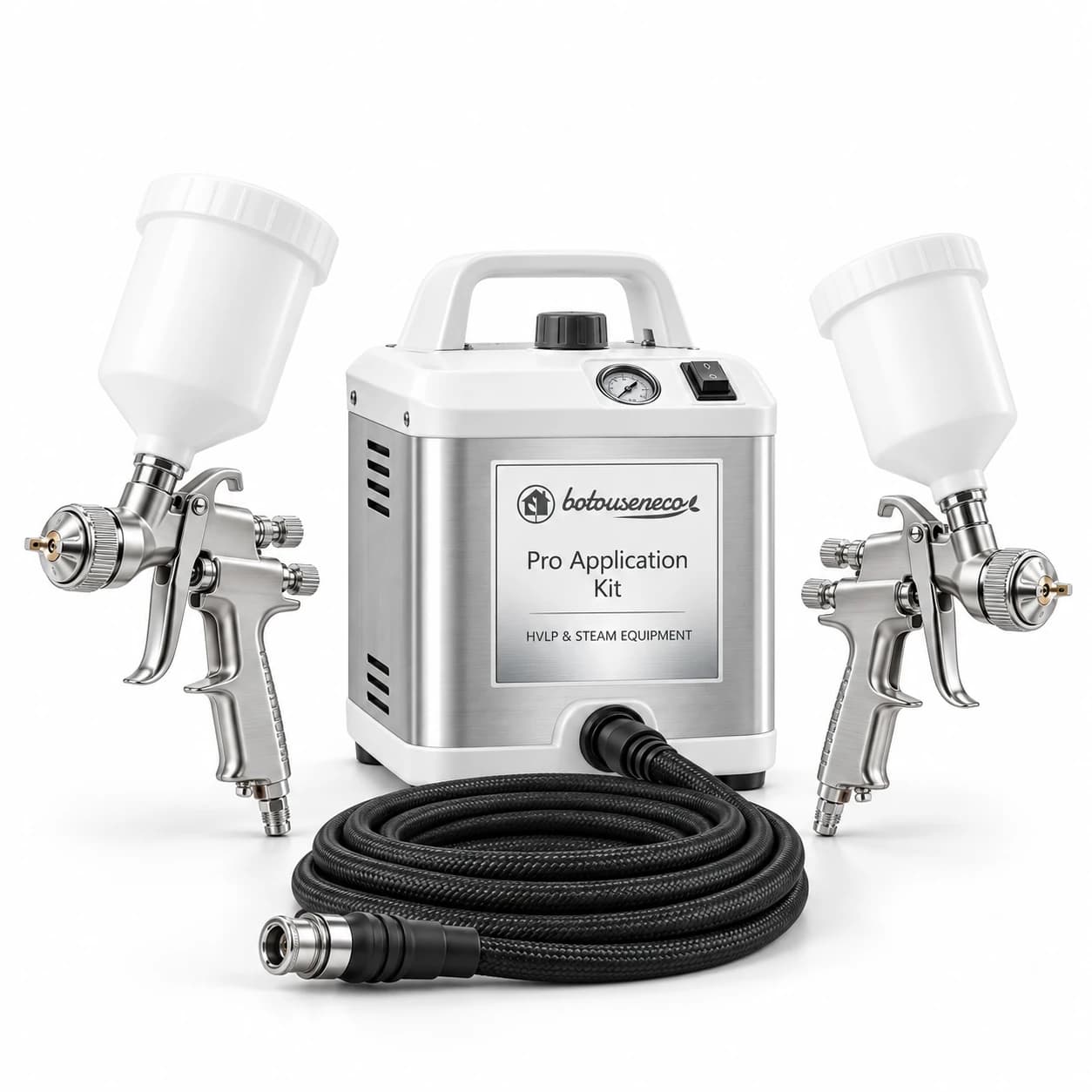
- Spray 15 to 25 ml/m2 with a 0.5 to 0.8 mm HVLP gun. Pour undiluted chitosan spray into the gun from our Pro HVLP Nano-Atomizer & Steam Fumigation Kit at 0.22 MPa (ISO 2409, 2020).
- Focus on bare undersides and screw holes. Mist 25 ml/m2 under preschool desk tops, inside book cubbies, and along crib slats. For heavy board comparisons against salt sprays, see our amino-polymer vs. ammonium chloride guide.
Step 3: Mist Nursery Curtains, Mattresses, and Plush Rugs at 15 to 20 ml/m2
By the end of this step, free HCHO in baby cloth is locked below the 20 mg/kg Class-A infant limit.
- Hold the gun 35 cm from cloth and sweep evenly. Mist 15 to 20 ml/m2 across cotton bumpers, drapes, and nap mats. For full dye safety rules, read our curtain, mattress, and acoustic wall guide.
- Place slow-release ClO2 gels in high locked closets. Inside high teacher supply cabinets out of kid reach, set one jar per 10 to 15 m2 for 90-day vapor care.
Step 4: Cure for 24 Hours and Run Closed-Room GB/T 18883 Checks
By the end of this step, the bio-film is dry and the room passes third-party air checks.
- Air out for 24 hours, then close for 12-hour testing. Keep windows open while the mist dries, then seal the room for 12 hours to check HCHO <= 0.05 to 0.08 mg/m3 (WHO IAQ, 2024).
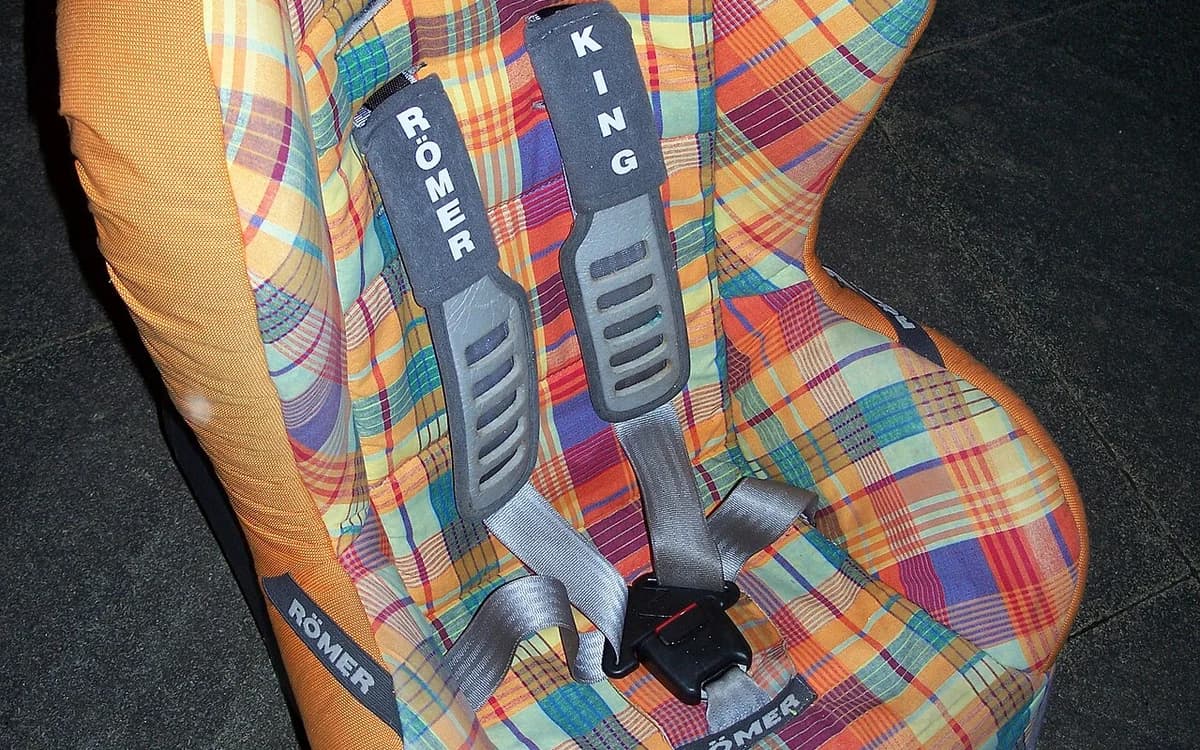
- Scale across full school and clinic jobs. When treating whole schools or wards, pair this SOP with our summer recess school IAQ protocol and our infant car seat, stroller, and bassinet bio-based chitosan treatment guide.
Standards & references
- UN GHS Rev. 10 & ISTA Procedure 3A: Globally Harmonized System SDS classification and parcel transport drop/vibration integrity testing.
- USGBC LEED v4.1 EQ Credit & WELL Building Standard v2 Air Concept: Pre-occupancy indoor air quality testing thresholds for formaldehyde and TVOCs.
- ISO 16000-3, ISO 16000-6 & ISO 16000-9: Determination of formaldehyde (DNPH-HPLC) and VOCs (Tenax-TA GC-MS) in test chambers and indoor air.
- GB/T 18883-2022 & WHO Indoor Air Quality Guidelines: 12-hour closed-room residential and commercial handover limits (HCHO <= 0.08 mg/m3, TVOC <= 0.60 mg/m3).
Frequently Asked Questions (FAQ)
01.Is the chitosan film safe if a teething baby chews a treated wooden crib rail?
Yes. Marine chitosan and green tea extracts are food-grade bio-chains with an oral LD50 > 5,000 mg/kg (NIH PubMed, 2024). Once dry for 2 hours, the film is safe for direct baby skin and mouth contact.
02.Will the green tea extract stain white crib sheets or pale birch wood?
No. We use purified, clear catechin extracts (> 98% pure) with plant brown dyes removed (ISO 105, 2020). Color shift on white cotton is Delta E < 0.3.
03.How many nursery rooms or preschool classrooms does one 20 L pail cover?
At 15 to 25 ml/m2 across cribs, cubbies, walls, and sheets, one 20 L pail treats 800 to 1,300 m2 of surface area, covering 12 to 18 preschool rooms or 35 to 50 baby bedrooms (ISO 9001, 2015).
04.What are the sample kit, bulk MOQ, and export shipping terms from Botou?
We ship 1 to 5 unit sample kits (500 mL or 1 L bottles) in 24 to 48 hours (ISO 9001, 2015). Bulk orders start at 100 L (4 drums) with a 5 to 7 business day lead time, and OEM private-label kits start at 500 to 1,000 units in 10 to 14 business days from Tianjin Port, China (ISO 14001, 2015). All liquids ship as Non-Dangerous Goods (Non-DG) under GHS Rev. 10 (HS Code 3824.99.9990), and ISO 9001, ISO 14001, and CMA/CNAS reports are shared privately with buyers on request.

About the author.
Loo
Loo is Senior Technical Writer and IAQ Research Editor at botouseneco (Hebei Senzhijia), translating laboratory chamber datasets, GB/T 18883 and ISO 16000 standards, and field application logs into clear step-by-step protocols for hospitality housekeeping teams, healthcare facilities, school campuses and renovation crews.
- Senior Technical Writer & IAQ Research Editor · Botou R&D documentation desk.
- Specialist in hospitality, healthcare and field remediation SOPs.
Written by Loo (Senior Technical Writer & IAQ Research Editor) and reviewed by our Botou formulation & QC leadership. Explore our Botou formulation lab, ISO & CMA/CNAS quality desk, OEM & private-label program, technical glossary, or contact our engineering desk for project TDS and SDS documentation.
Next step.