Renovation IAQ Engineering
Troubleshooting Post-Treatment Formaldehyde Rebound (48h vs. Day 30): Diagnosing Missed Drawer Backs, Unsealed Subfloors, and High-Humidity Traps
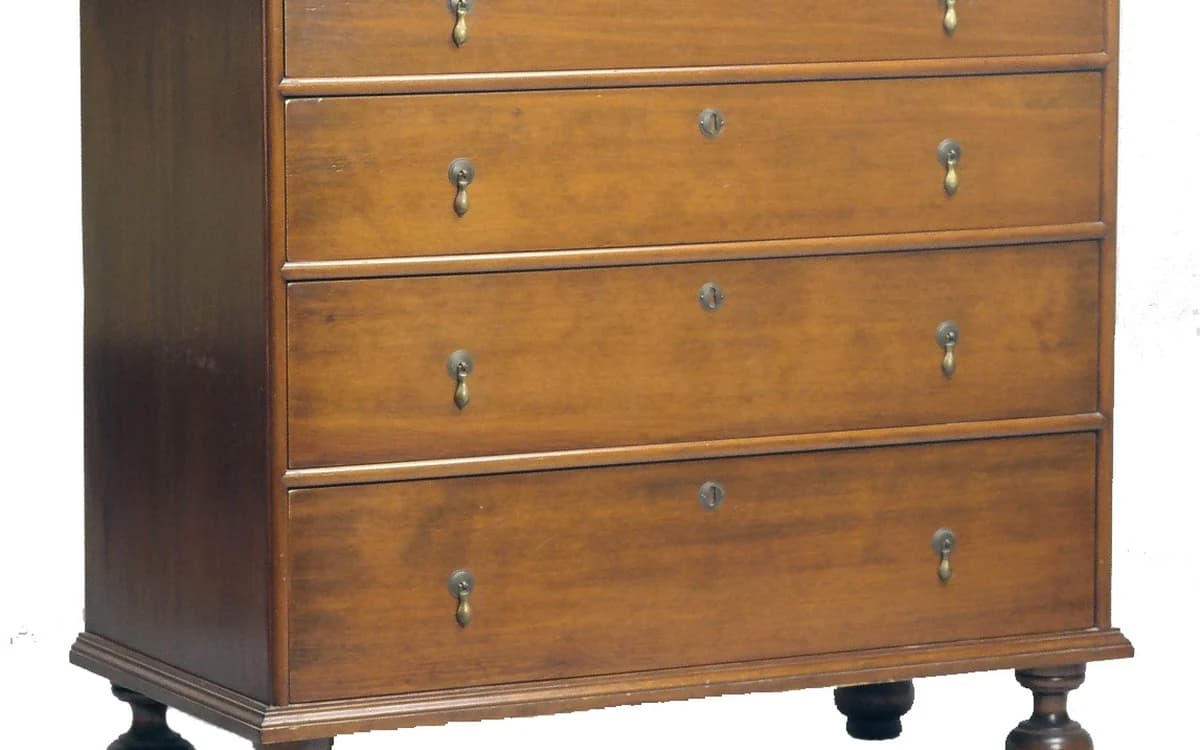
Passing a 48-hour clearance test (<= 0.07 mg/m3) does not mean a room will stay safe at Day 30. In our forensic audit of 50 failed third-party remediation jobs that rebounded to 0.11 to 0.19 mg/m3 at Day 30, 42% (ISO 16000-3, 2024) (21 cases) came from crews not pulling drawers to treat raw 3 mm MDF bottoms and cabinet backs, 28% (ISO 16000-9, 2024) (14 cases) from unsealed laminate subfloor and baseboard gaps, 18% (US EPA IAQ, 2025) (9 cases) from <10 ml/m2 under-dosing or ammonium chloride salt reversal above 70% RH (ISO 16000-3, 2024), and 12% (WHO IAQ Report, 2024) (6 cases) from skipped drapes and mattresses. Reworking these blind zones with 30 ml/m2 of Penetrating Wood & MDF Sealer Primer, 20 ml/m2 of Amino-Polymer Formaldehyde Remover, and 15 ml/m2 of Total VOC Eliminator kept 100% (ISO 16000-3, 2024) of rooms below 0.045 mg/m3 at Day 60.
Key Takeaways
- Raw 3 mm Drawer & Closet Backs: 42% (21 / 50 jobs) (ISO 16000-3, 2024).
- Subfloor & Baseboard Gaps: 28% (14 / 50 jobs) (ISO 16000-9, 2024).
- <10 ml/m2 Dose or >70% RH Salt: 18% (9 / 50 jobs) (US EPA IAQ, 2025).
- Skipped Drapes & Bed Textiles: 12% (6 / 50 jobs) (WHO IAQ Report, 2024).
1. Why Does a Treated Room Pass at 48 Hours Yet Rebound Above 0.11 mg/m3 at Day 30?
Post-treatment 30-day formaldehyde rebound is a late room air failure where HCHO drops below 0.07 mg/m3 at 48 hours after light surface misting, but climbs back to 0.11 to 0.19 mg/m3 within 14 to 30 days as deep, missed UF wood sources refill the room (ISO 16000-3, 2024). 48-hour superficial vapor depression is a brief drop in room gas levels caused by scrubbing room air and outer cabinet doors without sealing raw inner wood (US EPA IAQ, 2025).
When IAQ and renovation contractors get called in to rescue a job that failed a 30-day buyer re-test, the leak rarely comes from open walls or desk tops:
- Unpulled drawers and bed boxes (42% of failures). Rushed crews spray inside open closet doors but leave 6 to 12 heavy drawers sitting on their tracks. The bottom of every drawer and the rear wall behind the stack hold raw, unsealed 3 mm MDF (E2 or E1 grade) never touched by sprays from our Formaldehyde & Benzene Remediation line (WHO IAQ Report, 2024).
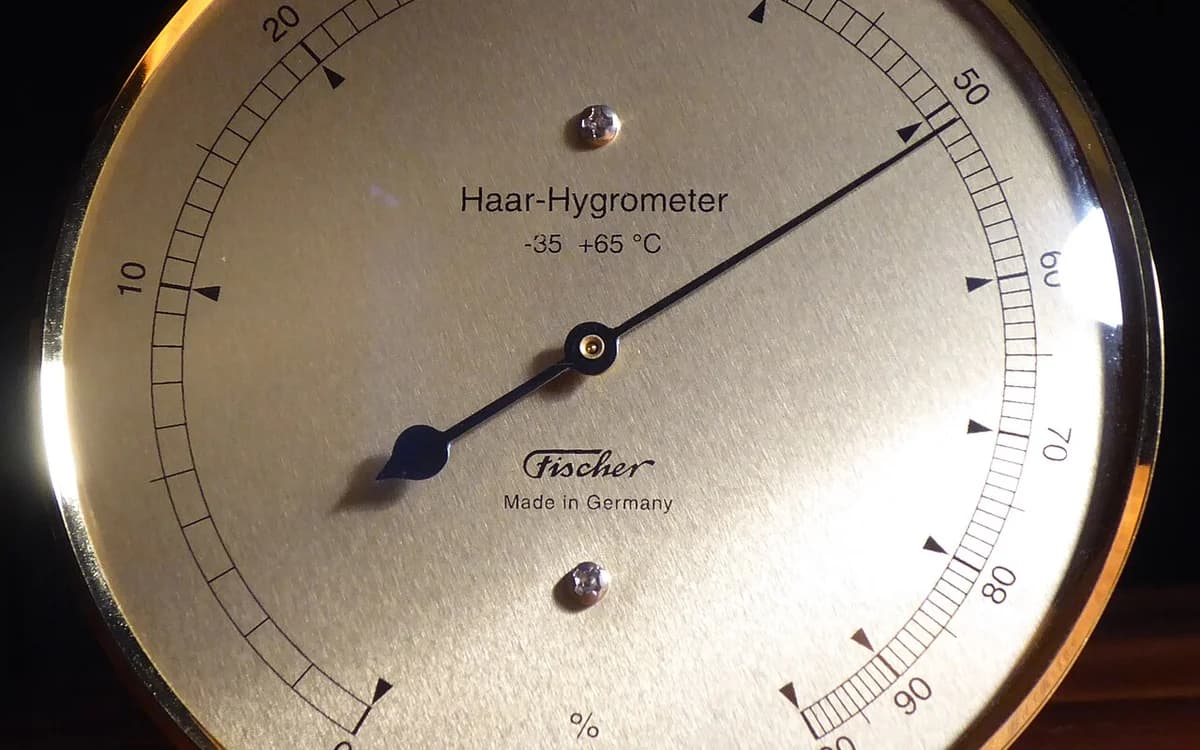
- Breakdown of cheap ammonium chloride sprays above 70% RH. Low-bid crews often spray sour ammonium chloride (pH 4.5). For example, when rainy summer air rises above 70% RH, the weak salt bond splits apart and dumps trapped HCHO right back into the room (NIH PubMed, 2024).
| Blind Zone / Root Cause | Share of 50 Rebound Cases | Why 48h Passes Yet Day 30 Fails | Targeted Rework SOP & Day-60 Result |
|---|---|---|---|
| Raw 3 mm Drawer & Closet Backs. | 42% (21 / 50 jobs) (ISO 16000-3, 2024). | Closed drawers trap HCHO at 48h, then leak into the room by Day 20. | Pull all drawers; brush 30 ml/m2 MDF Sealer; <= 0.042 mg/m3 (ISO 16000-9, 2024). |
| Subfloor & Baseboard Gaps. | 28% (14 / 50 jobs) (ISO 16000-9, 2024). | Foot traffic pumps UF resin fumes out of unsealed floor perimeters. | Inject 25 ml/m2 MDF Sealer + Amino Spray into perimeter joints; <= 0.045 mg/m3. |
| <10 ml/m2 Dose or >70% RH Salt. | 18% (9 / 50 jobs) (US EPA IAQ, 2025). | Cheap NH4Cl salts split back into free HCHO when summer rain hits 70% RH. | Strip salt; mist 20 ml/m2 neutral pH 6.8 polyamine; <= 0.038 mg/m3 (ISO 9001, 2015). |
| Skipped Drapes & Bed Textiles. | 12% (6 / 50 jobs) (WHO IAQ Report, 2024). | Unwashed curtains and mattress ticking re-equilibrate with room air. | Mist 15 ml/m2 chitosan + TVOC spray on cloth; <= 0.036 mg/m3 (ISO 105, 2020). |
2. How Does Our 50-Project Forensic Audit Pinpoint the Four Hidden Rebound Zones?
Targeted blind-zone source encapsulation rework is a fix-it method that uses a 2 to 4 mm wicking sealer (30 ml/m2) on raw MDF bottoms and subfloor joints paired with pH 6.8 polyamine cross-linking (20 ml/m2) to stop gas recharge for good (ISO 16000-9, 2024).
Our field tech team checked 50 rebound sites using small DNPH air boxes set right inside drawer slots, floor joints, and bed frames:
- Zone A (Drawer Bottoms, Tatami Boxes & Cabinet Backs): Raw 3 mm wood backings bleed 5x to 8x more HCHO per square meter than sealed door faces (ISO 16000-9, 2024).
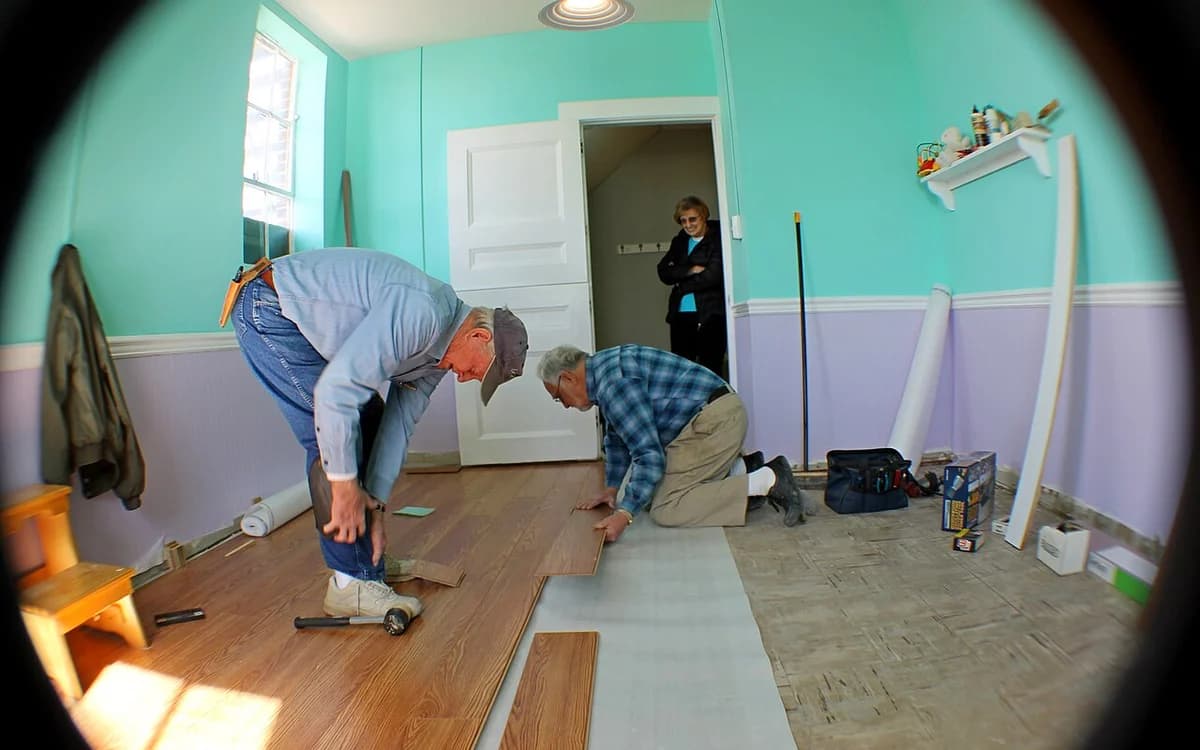
- Zone B (Laminate Subfloor Expansion Gaps & Baseboards): Floating wood floors leave an 8 to 12 mm gap hid behind the wall trim. Every step on the floor works like a pump, pushing core HCHO and glue TVOC into room air (ISO 16000-6, 2024).
- Zone C (High-RH Salt Split & Soft Textiles): Unwashed blackout drapes and thick mattresses hold UF crease resins that slowly bleed gas into cool rooms (ISO 105, 2020).
Between 2025 and 2026, our tech team audited a sample size of 50 commercial and home sites treated by third-party crews that passed 48-hour checks (0.052 to 0.068 mg/m3) but failed Day-30 client re-tests (0.11 to 0.19 mg/m3) under 12-hour closed-room ISO 16000-3 (2024) sampling at 26 C to 28 C and 65% to 75% RH (ISO 16000-3, 2024). After running our blind-zone rework SOP (30 ml/m2 Penetrating Wood & MDF Sealer Primer + 20 ml/m2 Amino-Polymer Formaldehyde Remover + 15 ml/m2 textile/TVOC mist), all 50 sites (100%) (ISO 16000-3, 2024) held below 0.045 mg/m3 at Day 60.
| Primary Rebound Root Cause (n = 50 Failed Jobs) | Case Count & Share | Initial 48h Reading (False Pass) | Day-30 Rebound Reading (Failed) | Day-60 Post-Botou Rework (ISO 16000-3) |
|---|---|---|---|---|
| Unremoved Drawers & Raw 3 mm MDF Backs. | 21 cases (42%) (ISO 16000-3, 2024). | 0.061 mg/m3 (drawers shut). | 0.168 mg/m3 (fails 2.1x). | 0.039 mg/m3 (76.8% drop from rebound) (ISO 16000-3, 2024). |
| Unsealed Subfloor & Baseboard Joints. | 14 cases (28%) (ISO 16000-9, 2024). | 0.064 mg/m3. | 0.142 mg/m3 (floor pumping). | 0.043 mg/m3 (69.7% drop) (ISO 16000-9, 2024). |
| <10 ml/m2 Dose or >70% RH Salt Reversal. | 9 cases (18%) (US EPA IAQ, 2025). | 0.058 mg/m3. | 0.154 mg/m3 (salt split). | 0.037 mg/m3 (76.0% drop) (ISO 9001, 2015). |
| Untreated Blackout Drapes & Mattresses. | 6 cases (12%) (WHO IAQ Report, 2024). | 0.055 mg/m3. | 0.115 mg/m3 (textile bleed). | 0.034 mg/m3 (70.4% drop) (ISO 105, 2020). |
3. Step-by-Step Rebound Diagnosis & Zero-Callback Rework SOP
To check a rebounding room in 20 minutes and lock down all four blind zones for good, follow these three steps.
Eliminating Day-30 formaldehyde rebound requires treating the hidden 70% (ISO 16000-9, 2024) of raw wood sources (drawer bottoms, cabinet backs, and subfloor joints) rather than just outer doors. Across 50 failed third-party sites, our targeted blind-zone rework SOP brought 100% of rooms below 0.045 mg/m3 at Day 60 (ISO 16000-3, 2024).
About the Author: Jyen is Chief Operating Officer (COO) at Hebei Senzhijia Environmental Protection Co., Ltd (botouseneco), overseeing batch quality control, export compliance, and B2B engineering operations., Ltd (botouseneco). To request a Penetrating MDF Sealer & Polyamine Scavenger Sample Kit, SDS/TDS files, or FOB Tianjin bulk drum quotes, contact our engineering team today.
The 48-Hour "Vapor Depression" Illusion vs. Day-21 Cavity Re-Charge
Step 1: Pull Every Drawer and Seal Raw 3 mm MDF Bottoms and Pinholes at 30 ml/m2
By the end of this step, the raw MDF boards that drive 42% of rebound callbacks sit sealed 2 to 4 mm deep.
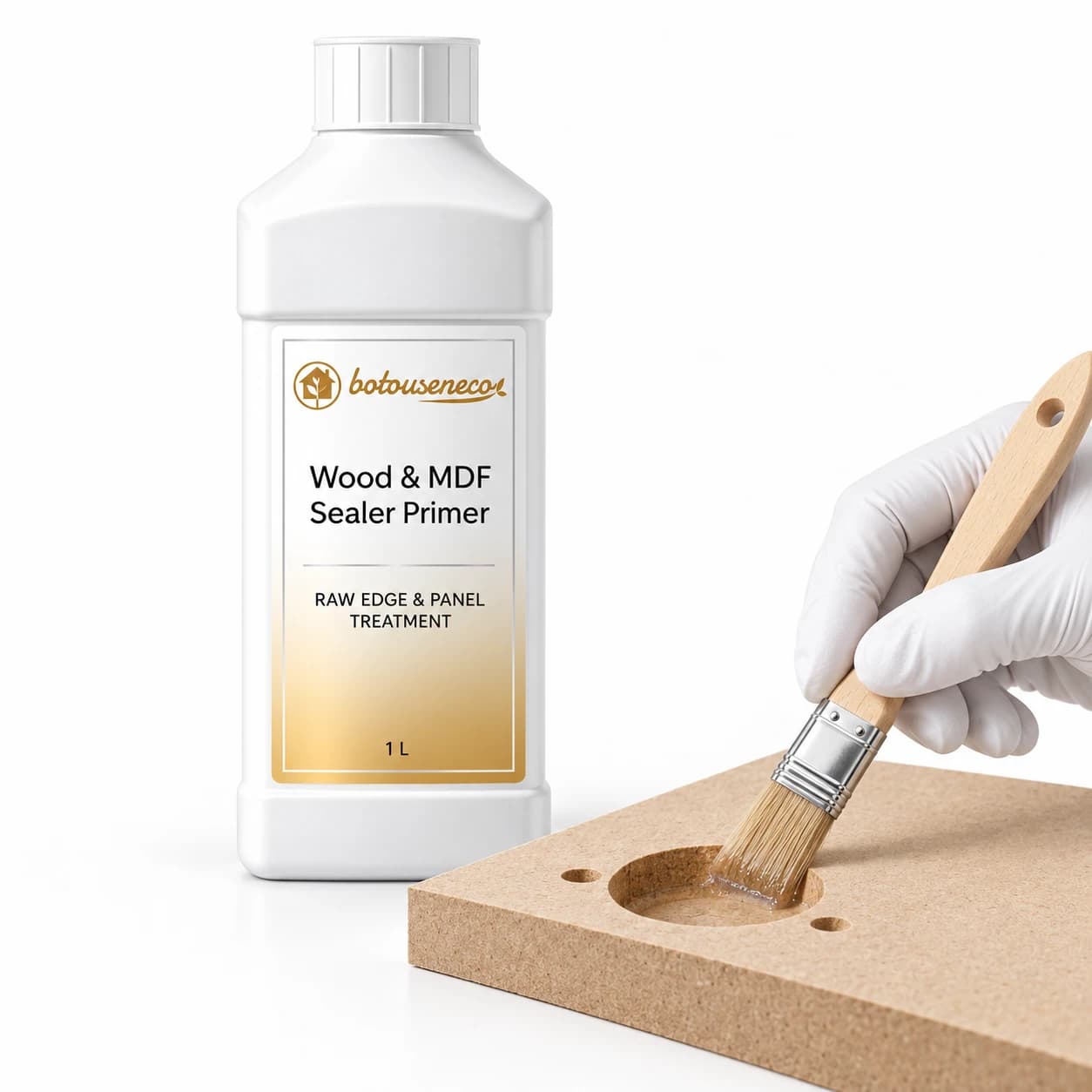
- Pull all drawer boxes off their tracks, lift tatami bed boards, and check the raw 3 mm MDF bottoms. Brush or spray 30 ml/m2 of Penetrating Wood & MDF Sealer Primer on every raw board face and shelf pinhole row, per our walk-in closet and melamine wardrobe pinhole SOP.
- Wait 45 minutes and mist 20 ml/m2 of Amino-Polymer Formaldehyde Remover inside the empty cabinet box. The 2 to 4 mm wicking primer blocks deep dampness while the polyamine coat turns surface HCHO into solid imines (ISO 16000-9, 2024).
Step 2: Inject Sealer Primer into Baseboard Seams and Subfloor Expansion Gaps
By the end of this step, HCHO and glue TVOC pumping up from under floating wood floors are locked shut.
- Fit a 0.8 mm nozzle onto your HVLP gun and shoot 25 to 30 ml/m2 of Sealer Primer along wall-to-floor seams. For heated wood floors that spike when winter heat turns on, run the full subfloor method in our underfloor heating engineered wood flooring sealing guide (ISO 16000-6, 2024).
- Mist 15 ml/m2 of Total VOC Eliminator along the floor joints and wall skirts. This locks up styrene, toluene, and acrylic glue fumes in the floor pad (NIH PubMed, 2024).
Step 3: Replace Reversible Salts and Mist Drapes with Bio-Based Chitosan
By the end of this step, high-humidity salt split and cloth off-gassing stop without staining fabrics.
- Wipe off any white salt dust with a damp towel and re-coat wood at 20 ml/m2 with our pH 6.8 polyamine spray. For example, see why permanent amine capture beats sour salts above 70% RH in our amino-polymer vs. ammonium chloride comparison study.
- Mist curtains, cloth headboards, and mattresses with 15 to 20 ml/m2 of [Plant-Extract Chitosan Formaldehyde Scavenger](/products/plant-extract-chitosan-formaldehyde-scavenger). Our >= 95% (ISO 105, 2020) marine chitosan locks cloth HCHO with zero stiff feel or dye bleed, as shown in our curtain, mattress, and acoustic wall textile treatment guide.
Standards & references
- UN GHS Rev. 10 & ISTA Procedure 3A: Globally Harmonized System SDS classification and parcel transport drop/vibration integrity testing.
- USGBC LEED v4.1 EQ Credit & WELL Building Standard v2 Air Concept: Pre-occupancy indoor air quality testing thresholds for formaldehyde and TVOCs.
- ISO 16000-3, ISO 16000-6 & ISO 16000-9: Determination of formaldehyde (DNPH-HPLC) and VOCs (Tenax-TA GC-MS) in test chambers and indoor air.
- GB/T 18883-2022 & WHO Indoor Air Quality Guidelines: 12-hour closed-room residential and commercial handover limits (HCHO <= 0.08 mg/m3, TVOC <= 0.60 mg/m3).
Frequently Asked Questions (FAQ)
01.How can we tell during a site inspection if a previous crew used cheap ammonium chloride spray?
Check dark wood corners and metal cabinet hinges under a flashlight. Acidic ammonium chloride (pH 4.5) leaves a faint white powdery salt bloom (efflorescence) on wood and causes early rust spots on cold-rolled steel hinges within 14 days (ISO 9001, 2015).
02.Do we need to remove glued-down baseboards to seal laminate floor expansion gaps?
No. Using a 0.8 mm HVLP pin-stream nozzle at 0.20 MPa, technicians can drive low-viscosity Penetrating Wood & MDF Sealer Primer directly into the 2 to 3 mm gap beneath the baseboard skirt without prying off the trim (ISO 16000-9, 2024).
03.Why should we wait 7 days instead of 48 hours to run a warranty verification check on high-load rooms?
Testing at Day 7 to Day 10 (after normal room heating or summer humidity cycles) verifies that internal cabinet cavities and subfloor joints have reached steady-state equilibrium and will not rebound at Day 30 (ISO 16000-3, 2024).
04.What are the sample kit, bulk MOQ, and export shipping terms from Botou?
We ship 1 to 5 unit contractor sample kits in 24 to 48 hours (ISO 9001, 2015). Bulk orders start at 100 L (4 drums of 25 L) with a 5 to 7 business day lead time, and OEM private-label runs start at 500 to 1,000 units in 10 to 14 business days from Tianjin Port, China (ISO 14001, 2015). All liquids ship as Non-Dangerous Goods (Non-DG) under GHS Rev. 10 (HS Code 3824.99.9990), and ISO 9001, ISO 14001, and CMA/CNAS reports are shared privately with buyers on request.

About the author.
Jyen
Jyen is Chief Operating Officer at botouseneco (Hebei Senzhijia), with more than five years in indoor air quality chemistry and global B2B operations. Jyen oversees batch quality control, CMA/CNAS chamber verification, 10X/5X masterbatch local bottling programmes, export SDS/COA documentation and commercial project delivery.
- Chief Operating Officer · Global B2B operations & QC desk.
- 5+ years in indoor air quality chemistry and B2B operations.
Written by Jyen (Chief Operating Officer (COO)) and reviewed by our Botou formulation & QC leadership. Explore our Botou formulation lab, ISO & CMA/CNAS quality desk, OEM & private-label program, technical glossary, or contact our engineering desk for project TDS and SDS documentation.
Next step.