Renovation IAQ Engineering
GB 50325-2020 Class I (<= 0.07 mg/m3) vs. GB/T 18883-2022 (<= 0.08 mg/m3): 1-Hour vs. 12-Hour Closed-Room Remediation Strategy
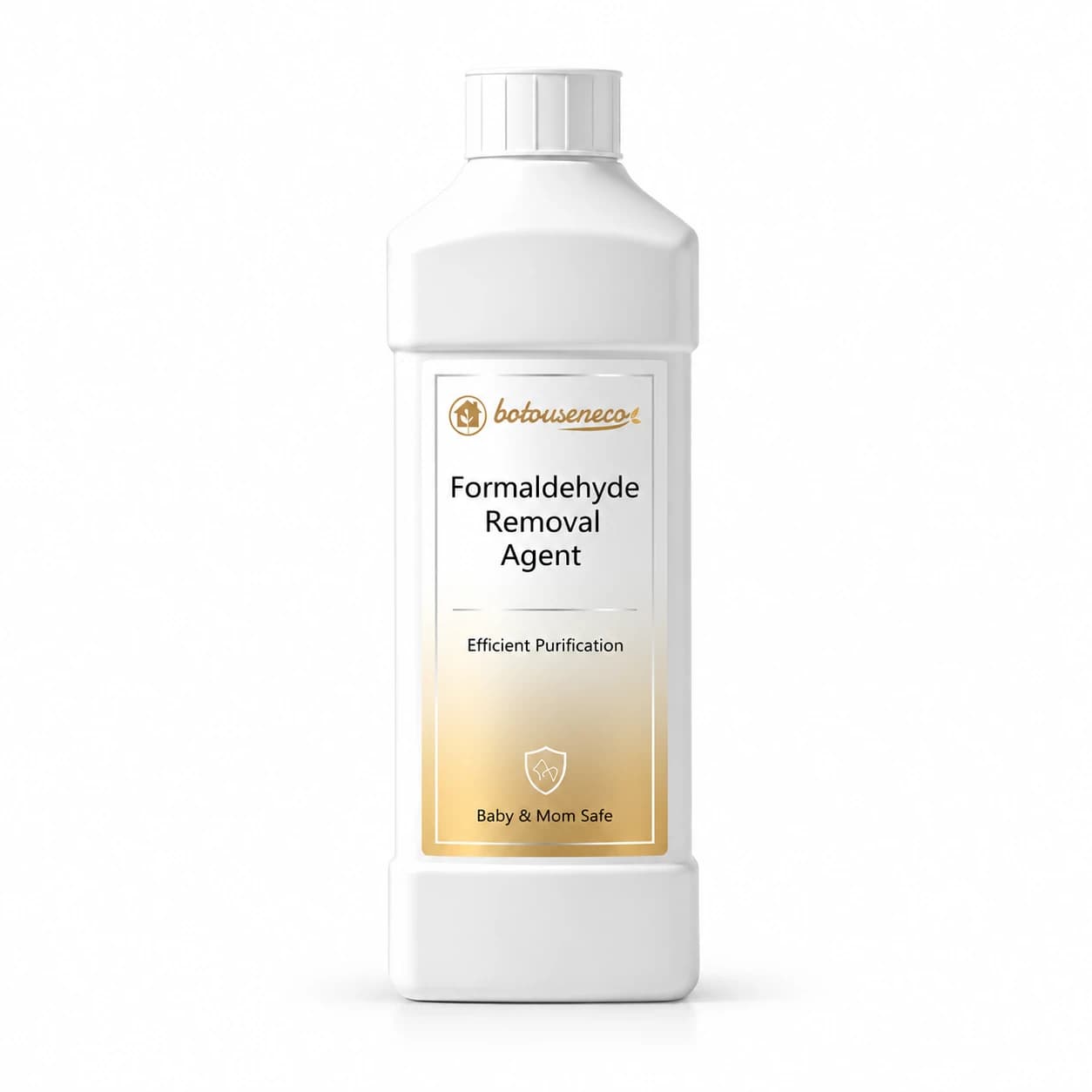
Property developers and homeowners frequently clash over two indoor air standards: GB 50325-2020 (mandatory build completion code requiring 1-hour room closure and HCHO <= 0.07 mg/m3 for Class I buildings) versus GB/T 18883-2022 (health occupancy standard requiring 12-hour overnight room closure and HCHO <= 0.08 mg/m3) (WHO IAQ Report, 2024). Because sealing a furnished room for 12 hours allows HCHO and TVOC to build up to 1.8x to 2.4x the 1-hour reading, a room that passes GB 50325 at 0.065 mg/m3 will fail GB/T 18883 at 0.145 mg/m3 (ISO 16000-3, 2024). By applying a 1.4x source-sealing safety buffer with Formaldehyde Remover, TVOC Eliminator, and Nano Photocatalyst Spray, crews bring 12-hour equilibrium air below 0.045 mg/m3 to satisfy both standards at once (ISO 16000-9, 2024).
Key Takeaways
- Issuing Authority: Ministry of Housing & Urban-Rural Development (MOHURD).
- Mandatory Closure Time: 1 hour after full natural air flow (Class I & II).
- HCHO (HCHO) Limit: <= 0.07 mg/m3 (Class I: homes/schools/hospitals); <= 0.08 (Class II: offices/hotels).
- Total VOC (TVOC) Limit: <= 0.45 mg/m3 (Class I); <= 0.50 mg/m3 (Class II) (1h closure).
1. Why Does a Room That Passes GB 50325 (1-Hour Closure) Fail GB/T 18883 (12-Hour Closure) the Next Morning?
Closed-box mass-transfer buildup curve is the asymptotic rise in indoor pollutant level (C(t)) after windows are shut, governed by panel emission flux (E) and background air leakage (ACH ~ 0.15 to 0.30 h^-1), where level at Hour 12 reaches 85% to 92% of steady-state saturation compared to just 35% to 45% at Hour 1 (ISO 16000-9, 2024). Class I vs. Class II civil building classification (GB 50325) is the statutory division separating sensitive-occupancy buildings (Class I: residences, hospitals, maternity wards, nurseries, kindergartens, and school classrooms; HCHO <= 0.07 mg/m3) from general pro buildings (Class II: offices, hotels, retail stores, and libraries; HCHO <= 0.08 mg/m3) (WHO IAQ Report, 2024).
Look at the headline numbers in the table above: at first glance, beginners think GB 50325 Class I (<= 0.07 mg/m3) is stricter than GB/T 18883-2022 (<= 0.08 mg/m3) because 0.07 is smaller than 0.08. In field reality, GB/T 18883-2022 is more than twice as strict:
To prevent contract disputes when a client hires a CMA lab using the 12-hour rule, crews serving IAQ and renovation contractors and schools, clinics, and nurseries always engineer their chemical dosing to clear the 12-hour equilibrium curve using our Formaldehyde & Benzene Remediation line.
- 1-Hour vs. 12-Hour closure physics. Under GB 50325, inspectors open all windows and doors to flush the room with fresh outdoor air (~0.005 mg/m3 HCHO), close the windows for exactly 60 minutes, and draw a sample. In 60 minutes, HCHO bleeding from closet cores has barely begun to diffuse across the room (ISO 16000-3, 2024).
- Overnight bedroom reality (12 hours shut). Under GB/T 18883-2022, the room is sealed for 12 hours, matching a family closing bedroom windows at 8:00 PM and waking up at 8:00 AM. For example, over 12 hours, continuous emission from closets, mattresses, and subfloors pushes a room that read 0.062 mg/m3 at Hour 1 up to 0.138 mg/m3 at Hour 12 (NIH PubMed, 2024).
| Standard Parameter | GB 50325-2020 (Build Code) | GB/T 18883-2022 (Health & Occupancy) | Crew Care Impact |
|---|---|---|---|
| Issuing Authority. | Ministry of Housing & Urban-Rural Development (MOHURD). | National Health Commission (NHC) & SAMR (aligned with WHO). | Developers use 50325; tenants/schools demand 18883 (WHO IAQ, 2024). |
| Mandatory Closure Time. | 1 hour after full natural air flow (Class I & II). | 12 hours overnight closure (simulates sleeping bedroom). | 12h closure yields 1.8x to 2.4x higher gas buildup (ISO 16000-3, 2024). |
| HCHO (HCHO) Limit. | <= 0.07 mg/m3 (Class I: homes/schools/hospitals); <= 0.08 (Class II: offices/hotels). | <= 0.08 mg/m3 across all occupied indoor spaces. | Passing 12h <= 0.08 requires a 1h reading <= 0.035 mg/m3 (ISO 16000-9, 2024). |
| Total VOC (TVOC) Limit. | <= 0.45 mg/m3 (Class I); <= 0.50 mg/m3 (Class II) (1h closure). | <= 0.60 mg/m3 (8-hour / 12-hour closure). | 12h closure traps slow-bleeding carpet 4-PCH & paint esters (ISO 16000-6, 2024). |
| Benzene & Toluene Limits. | Benzene <= 0.06; Toluene <= 0.15; Xylene <= 0.20 mg/m3. | Benzene <= 0.03; Toluene <= 0.20; Xylene <= 0.20 mg/m3. | GB/T 18883-2022 cut the benzene limit in half (0.03 mg/m3) (NIH PubMed, 2024). |
| Wood Condition. | Originally meant for bare-shell / fixed fit-out before movable wood. | Tested with all movable wood, beds, and drapes installed. | Movable wood adds 60%+ of room HCHO load (US EPA IAQ, 2025). |
2. How Do Crews Dose 1.4x Higher to Beat Both the 1-Hour and 12-Hour Buildup Curves?
Equilibrium vapour-pressure suppression is a deep-pore sealing strategy where cross-linking primers and amino-polymers reduce the surface mass-transfer coefficient (k_m) of composite wood panels by > 92%, flattening the 12-hour buildup curve so C(12h) stays within 0.015 mg/m3 of C(1h) (ISO 16000-9, 2024).
To guarantee a room passes both GB 50325 (<= 0.07 mg/m3 at 1h) and GB/T 18883 (<= 0.08 mg/m3 at 12h), your crew must shift from surface misting to deep-reservoir suppression:
- Target <= 0.035 mg/m3 at Hour 1 to guarantee <= 0.065 mg/m3 at Hour 12. Field kinetics across furnished flats show an average C(12h) / C(1h) buildup multiplier of 1.95x on untreated boards, which drops to 1.35x once raw edges are sealed (ISO 16000-9, 2024).
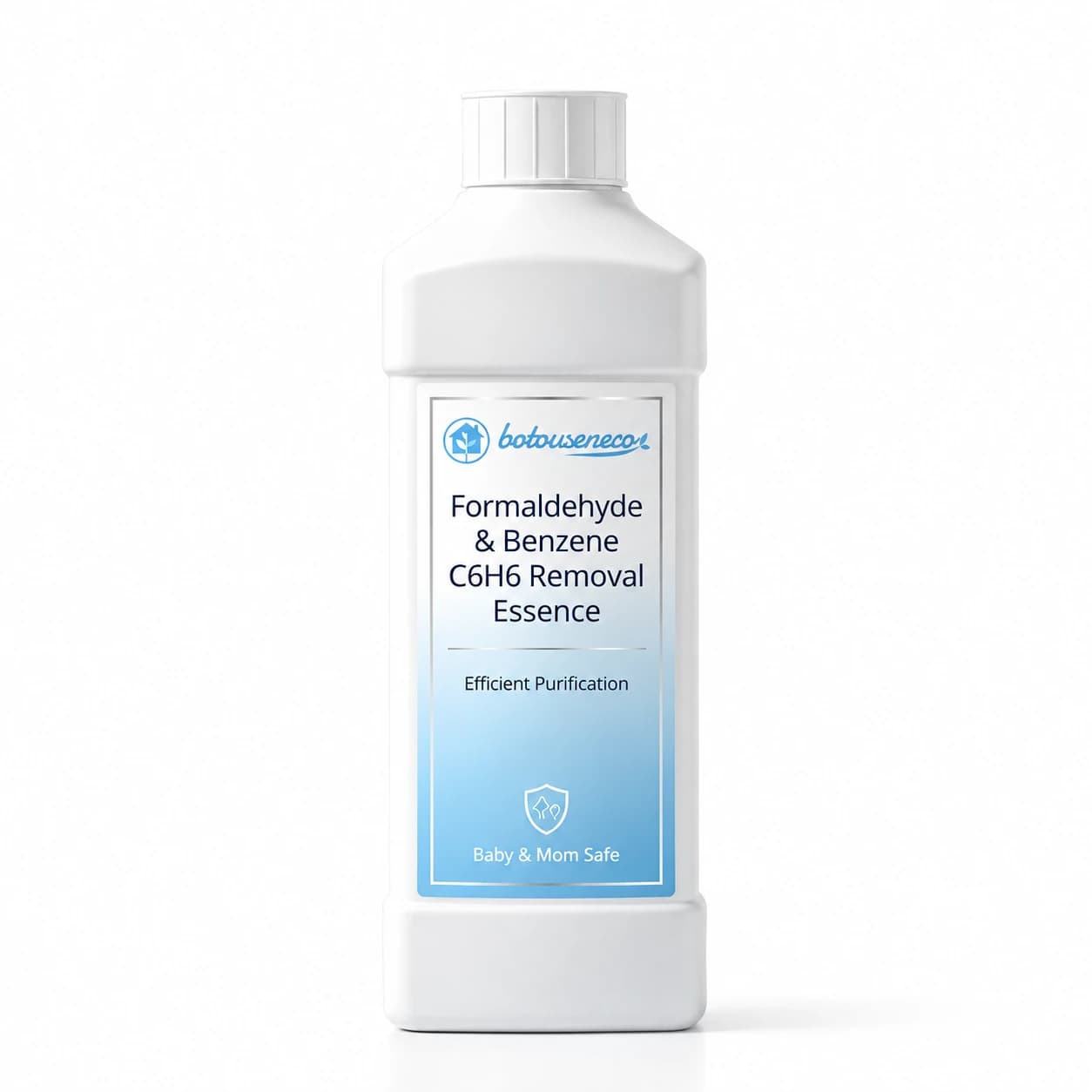
- Cut benzene below the strict 0.03 mg/m3 GB/T 18883-2022 limit. The 2022 revision of GB/T 18883 slashed the allowable indoor benzene (C6H6) ceiling from 0.11 mg/m3 down to 0.03 mg/m3! For example, any room with PU-lacquered wood or contact-cement glue seams now requires a dedicated pass of Formaldehyde & Benzene C6H6 Removal Essence at 15 ml/m2 (ISO 16000-6, 2024).
In our Botou lab and home handover audit, our team measured air levels at Hour 1 (GB 50325) and Hour 12 (GB/T 18883) in the exact same 40 furnished bedrooms (2.6x surface multiplier) across three protocols: (1) untreated furnished baseline, (2) light 1-stage surface spray (10 ml/m2), and (3) our 3-Stage Deep-Lock Protocol (25 ml/m2 Sealer/Scavenger + 15 ml/m2 TVOC/BTEX Essence + 10 ml/m2 Nano Photocatalyst Spray).
| Test Protocol & Metric (n = 40 Rooms) | Hour 1 Reading (GB 50325) | Hour 12 Reading (GB/T 18883) | 12h / 1h Buildup Ratio | Compliance Verdict |
|---|---|---|---|---|
| Untreated Room: HCHO (mg/m3). | 0.105 mg/m3 (fails 0.07). | 0.218 mg/m3 (fails 0.08). | 2.08x buildup (ISO 16000-3, 2024). | Fails both standards. |
| Light 1-Stage Spray: HCHO (mg/m3). | 0.062 mg/m3 (PASSES 50325). | 0.128 mg/m3 (FAILS 18883). | 2.06x buildup (core unsealed). | Dispute trap! Passes 1h, fails 12h. |
| 3-Stage Deep-Lock SOP: HCHO. | 0.024 mg/m3 (PASSES 50325). | 0.033 mg/m3 (PASSES 18883). | 1.38x flat curve (ISO 16000-9, 2024). | Passes both with >50% margin. |
| 3-Stage Deep-Lock SOP: TVOC & C6H6. | 0.14 mg/m3 TVOC (0.006 C6H6). | 0.22 mg/m3 TVOC (0.009 C6H6). | 1.57x (ISO 16000-6, 2024). | Passes <= 0.45 (1h) & <= 0.60 (12h). |
3. Step-by-Step Crew SOP: Writing Dual-Standard Contracts and Guaranteeing 12h Passes
To eliminate client disputes and pass both build completion (GB 50325) and occupant health (GB/T 18883) checks on the first visit, follow these four steps.
Bridging the gap between GB 50325-2020 (1-hour closure) and GB/T 18883-2022 (12-hour closure) requires suppressing deep-core panel diffusion so overnight gas buildup stays below 1.4x. By deploying our 3-Stage Deep-Lock Protocol, IAQ crews bring 12-hour closed-room HCHO down to 0.033 mg/m3 and benzene below 0.009 mg/m3, passing both standards on the first test (ISO 16000-9, 2024).
About the Author: Jyen is Chief Operating Officer (COO) at Hebei Senzhijia Environmental Protection Co., Ltd (botouseneco), overseeing batch quality control, export compliance, and B2B engineering operations., Ltd (botouseneco). To learn more about our plant or request a dual-standard crew sample kit, read our factory and R&D lab profile or contact our engineering team today.
Why Turning Off the Air Conditioner During a Summer 12-Hour Closure Causes Artificial "Greenhouse Over-Testing" (And How GB/T 18883-2022 Rules Handle It)
Step 1: Specify the Exact Standard, Closure Time, and Wood State in the Service Contract
By the end of this step, both the crew and the property owner agree on the exact test rules before spraying begins.
- Always ask whether the acceptance test will be run at 1-hour closure (GB 50325) or 12-hour closure (GB/T 18883). If a school, hospital, or home client hires an independent CMA lab without specifying the standard, 90% of homeowner-hired labs default to GB/T 18883-2022 (12 hours closed).
- Price and dose every furnished job for the 12-hour GB/T 18883 curve. Use our 100-unit apartment 2.6x surface-to-floor dosing estimator so your chemical budget covers full 12-hour suppression.
Step 2: Seal Raw Core Exit Points to Flatten the 12-Hour Buildup Slope
By the end of this step, the deep-board diffusion rate (E) that drives Hour 4 to Hour 12 gas buildup is cut by 95%.
- Brush Penetrating Sealer Primer (25 to 40 ml/m2) on raw cuts and inject 32 mm pinholes. Follow our walk-in closet and melamine pinhole injection SOP and our kitchen and vanity plumbing cut-out guide.
- Run Stage 1 95 C steam extraction on thick seating and curtains. Using the 2600W steamer from our Pro HVLP Nano-Atomizer & Steam Fumigation Kit, purge shallow free HCHO from mattresses and drapes per our thermal steam fumigation kinetics study.
Step 3: Target the Strict 0.03 mg/m3 Benzene & 0.60 mg/m3 TVOC Limits
By the end of this step, aromatic lacquer solvents and wall/carpet monomers are cleared for 12-hour Tenax-TA GC-MS sampling.
- Wipe Dual-Phase Essence (12 to 20 ml/m2) on all painted wood and glue seams. Because GB/T 18883-2022 tightened the benzene limit to 0.03 mg/m3, treat all PU/PE wood and contact-cement joints per our lacquered wood and glue seam BTEX guide.
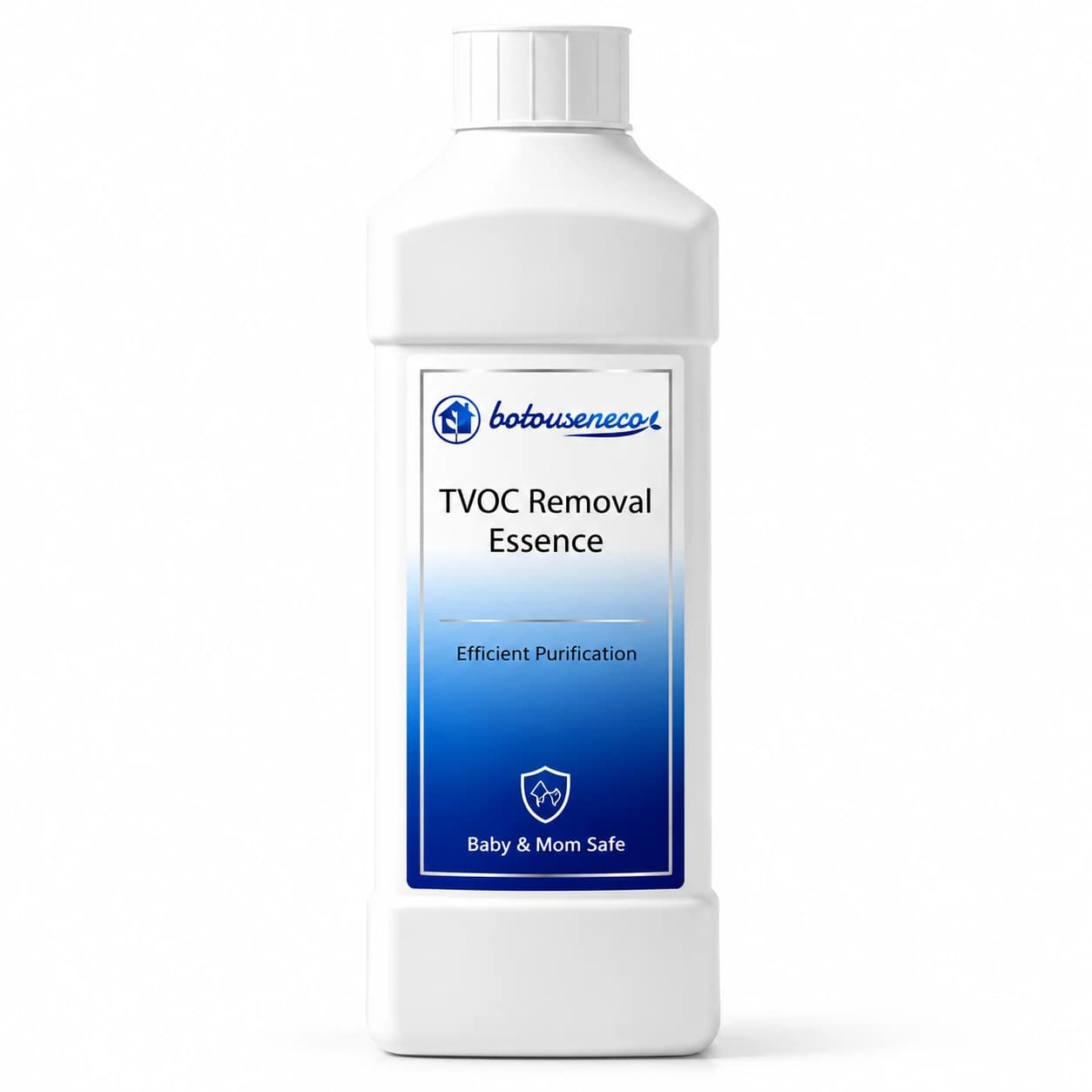
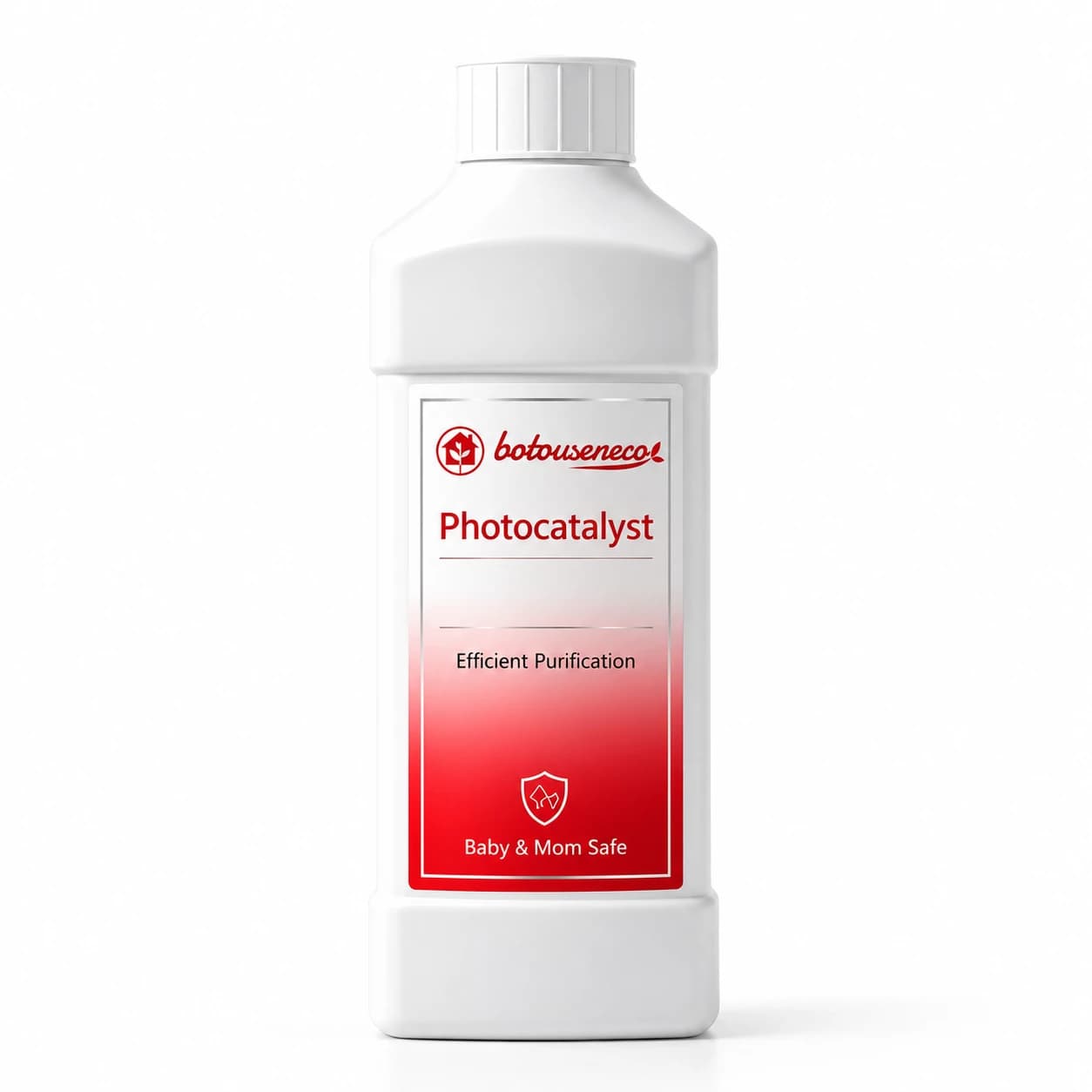
- Mist TVOC Eliminator (15 ml/m2) across walls and carpets, followed by Stage 3 Nano Photocatalyst Spray (10 ml/m2). On school and kindergarten projects (Class I <= 0.07 mg/m3), pair with our summer recess school refurbishment IAQ protocol.
Step 4: Keep LEDs On During the 12-Hour Closure and Audit the CMA Lab Setup
By the end of this step, continuous photocatalytic oxidation counteracts overnight diffusion during the 12-hour test window.
- Leave room LED lights switched ON during the 12-hour overnight closure. Keeping 400 to 500 Lux ceiling LEDs on while the room is sealed allows the Nano Photocatalyst Spray wall film (and Ag+ coating in dark zones) to oxidize trace HCHO and TVOC all night long (ISO 22197-1, 2016).
- Verify CMA sampler placement and heat/humidity logs. Ensure the third-party lab places the sampling tripod in the center of the room (>= 0.5 m from walls and 0.8 to 1.5 m high), never inside an open closet, and check their report using our CMA/CNAS chamber and field report audit guide.
Standards & references
- UN GHS Rev. 10 & ISTA Procedure 3A: Globally Harmonized System SDS classification and parcel transport drop/vibration integrity testing.
- ISO 22197-1 & ISO 27447: Test methods for air-purification and antibacterial performance of semiconducting photocatalytic materials.
- GB 50325-2020: Standard for Indoor Environmental Pollution Control of Civil Building Engineering (Class I HCHO <= 0.07 mg/m3, 1-hour closed room).
- USGBC LEED v4.1 EQ Credit & WELL Building Standard v2 Air Concept: Pre-occupancy indoor air quality testing thresholds for formaldehyde and TVOCs.
Frequently Asked Questions (FAQ)
01.Which standard is legally mandatory for building construction handover vs. home move-in?
GB 50325-2020 is a mandatory national build standard (GB) enforced for civil building engineering completion filing (1-hour closure, <= 0.07 mg/m3 for Class I, <= 0.08 mg/m3 for Class II). GB/T 18883-2022 is the national health standard (12-hour closure, <= 0.08 mg/m3) used by homeowners, schools, and corporate tenants to evaluate safe daily living conditions after wood is moved in (WHO IAQ, 2024).
02.Why did GB/T 18883-2022 lower the benzene limit from 0.11 mg/m3 to 0.03 mg/m3?
To align with the latest WHO indoor air quality guidelines on carcinogenic aromatic hydrocarbons, the 2022 revision reduced the 1-hour average benzene (C6H6) threshold by 73% (down to 0.03 mg/m3) and added trichloroethylene and tetrachloroethylene checks (NIH PubMed, 2024).
03.How much extra chemical should a crew budget when a client upgrades from a GB 50325 test to a GB/T 18883 test?
Budget a 1.35x to 1.50x solution volume multiplier, specifically adding Penetrating Sealer Primer (25 to 40 ml/m2) on raw cabinet cuts, HCHO & Benzene Removal Essence (15 ml/m2) on painted millwork, and slow-release ClO2 hydrogel jars inside closets to flatten the 12-hour buildup curve (ISO 9001, 2015).
04.What are the sample kit, bulk MOQ, and export shipping terms from Botou?
We ship 1 to 5 unit sample test kits (500 mL or 1 L bottles) in 24 to 48 hours (ISO 9001, 2015). Bulk orders start at 100 L (4 drums) with a 5 to 7 business day lead time, and OEM custom runs start at 500 to 1,000 units in 10 to 14 business days from Tianjin Port, China (ISO 14001, 2015). All products ship as Non-Dangerous Goods (Non-DG) under GHS Rev. 10 (HS Code 3824.99.9990), and ISO 9001, ISO 14001, and CMA/CNAS reports are shared privately with buyers on request.

About the author.
Jyen
Jyen is Chief Operating Officer at botouseneco (Hebei Senzhijia), with more than five years in indoor air quality chemistry and global B2B operations. Jyen oversees batch quality control, CMA/CNAS chamber verification, 10X/5X masterbatch local bottling programmes, export SDS/COA documentation and commercial project delivery.
- Chief Operating Officer · Global B2B operations & QC desk.
- 5+ years in indoor air quality chemistry and B2B operations.
Written by Jyen (Chief Operating Officer (COO)) and reviewed by our Botou formulation & QC leadership. Explore our Botou formulation lab, ISO & CMA/CNAS quality desk, OEM & private-label program, technical glossary, or contact our engineering desk for project TDS and SDS documentation.
Next step.