Gas-Phase Chemisorption & Dry Scrubbing
Gas-Phase Chemisorption Media, ClO2 Gel and Modified Carbon: B2B Dry Air Scrubbing Engineering Guide
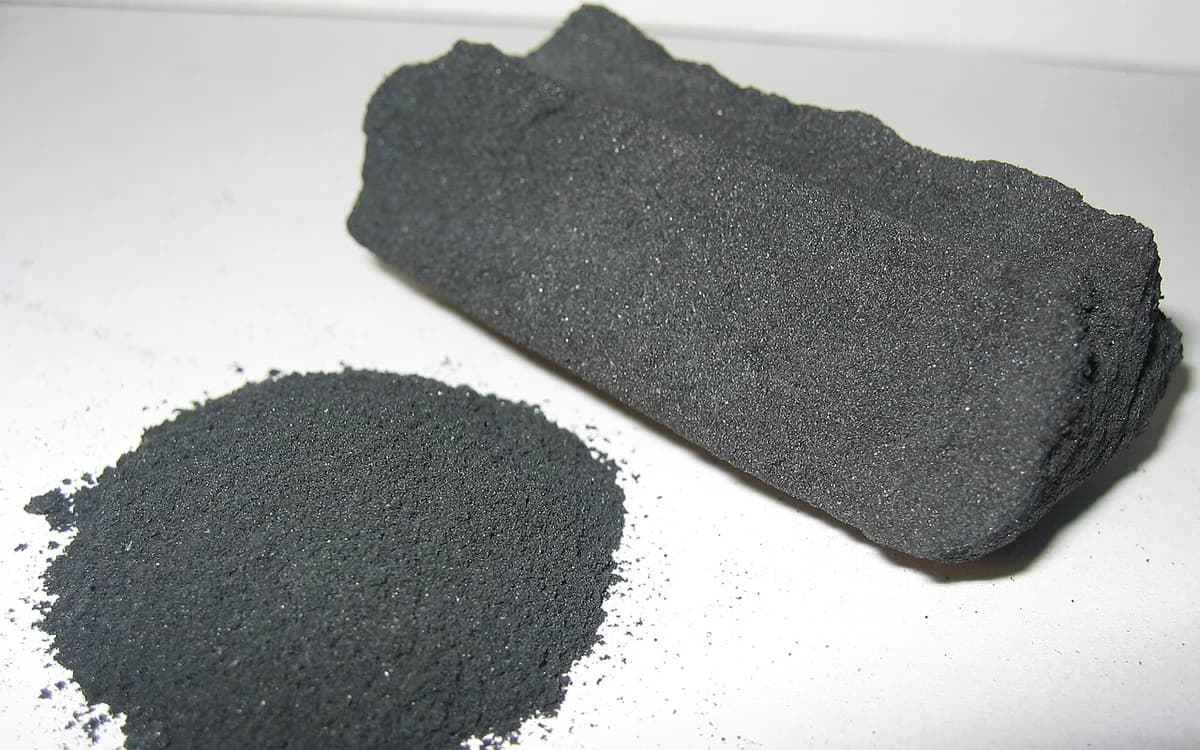
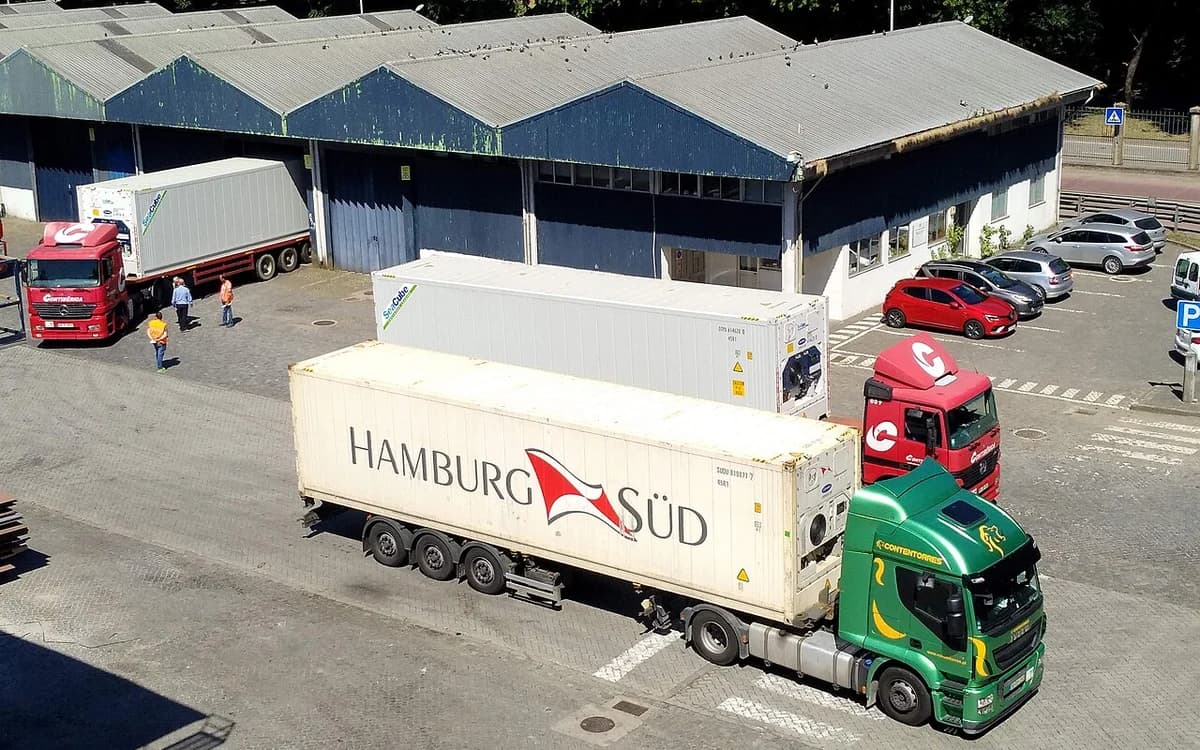
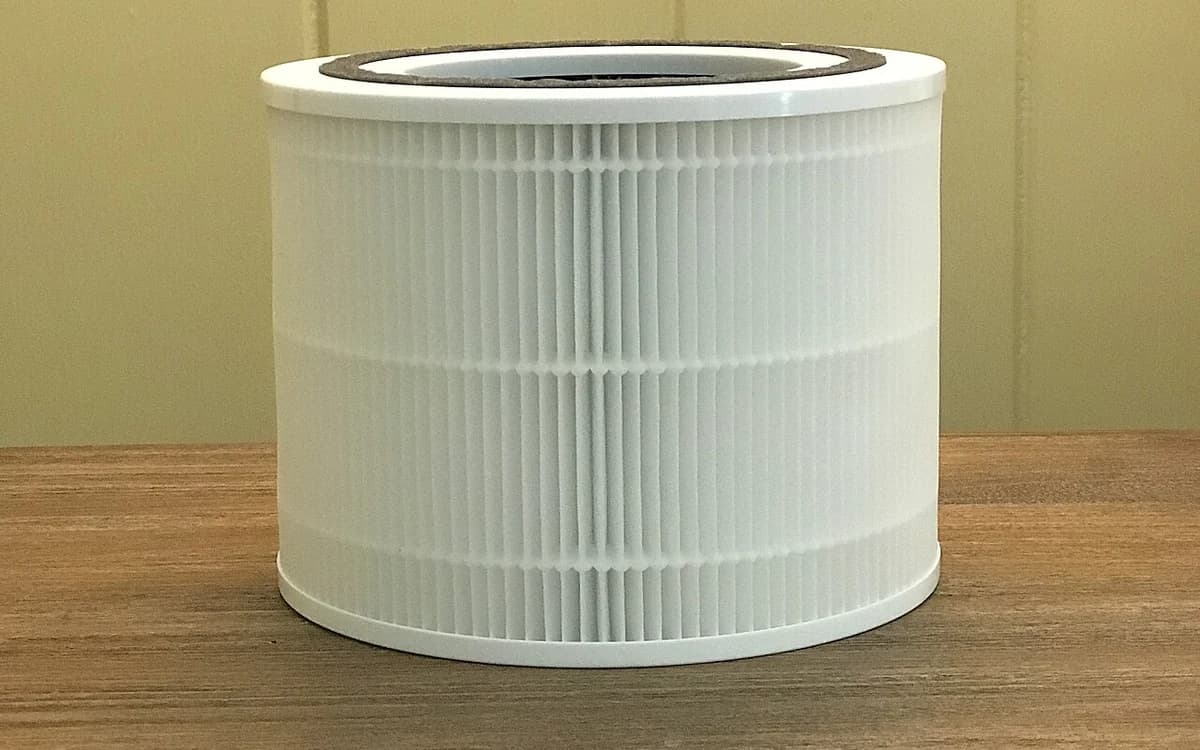
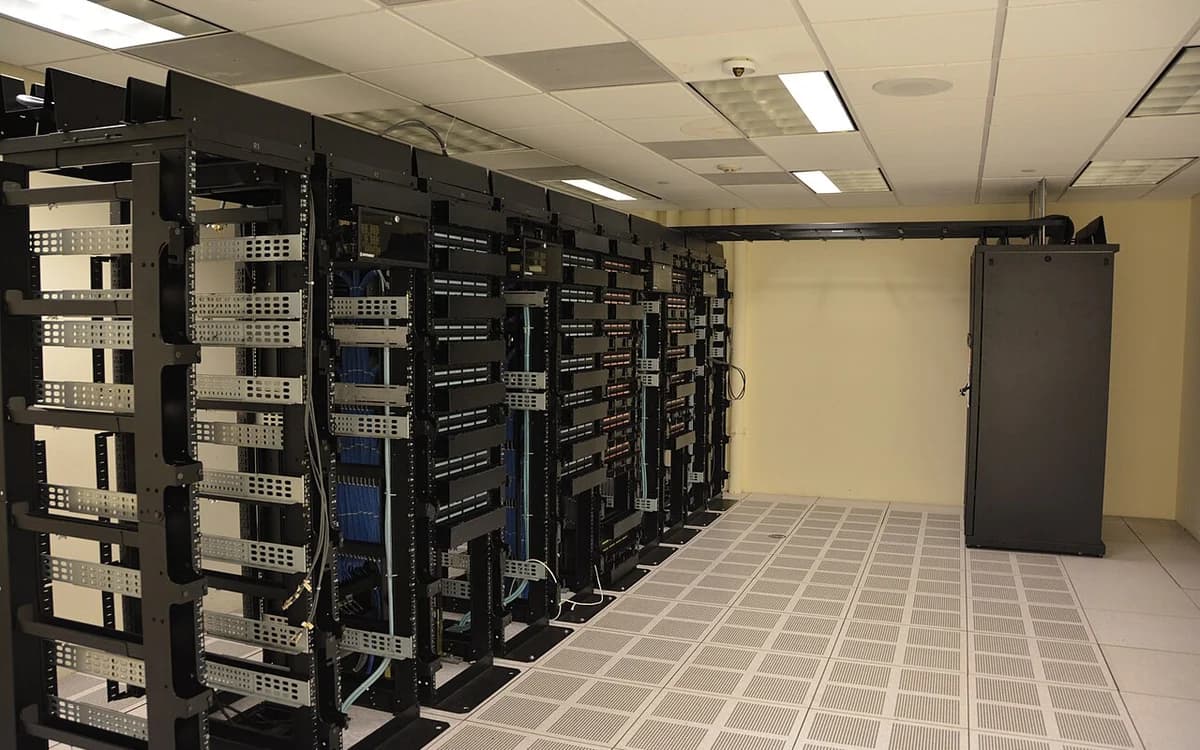
Gas-phase chemisorption media is porous solid filtration and passive vapor material that locks or oxidizes formaldehyde (HCHO), acid gases (H2S, SO2, NOx), and ethylene into non-volatile mineral salts. Plain coconut charcoal relies on weak physical pores and re-emits formaldehyde above 28 C. By pairing 8% to 12% KMnO4 Potassium Permanganate Activated Alumina Media, 8% Amino-Acid Modified Activated Carbon Packs, 200 g ClO2 Slow-Release Formaldehyde Removal Gel, and bio-based Plant-Extract Chitosan Formaldehyde Scavenger, engineers protect schools, HVAC scrubbers, and cold-chain cargo 24/7.
Key Takeaways
- Zero Thermal Desorption Above 28 C: Impregnating porous carriers with 8%-12% KMnO4 or 8% amino-acid salts raises bond energy past 80 kJ/mol, preventing the summer heat and >55% RH secondary release seen with plain charcoal.
- Visual Purple-to-Brown Life Indicator: High-crush (>= 120 N/bead, >= 280 m2/g BET) KMnO4 alumina spheres oxidize HCHO, H2S, SO2, and ethylene, turning from bright purple (Mn7+) to brown (MnO2) at 80% core exhaustion.
- 0.01-0.03 ppm Autonomous ClO2 Diffusion: Each 200 g hydrogel jar meters gaseous ClO2 at 70%+ below the 0.1 ppm OSHA PEL for 60 to 90 days across 10-15 m2 dead zones.
- 100% Bio-Based Nursery Safety: Marine chitosan (>= 95% deacetylation) and tea polyphenols (pH 6.0-7.0) cure into an alcohol-free, oral- and dermal-safe antibacterial film on cribs and classroom desks.
Why Does Untreated Activated Carbon Desorb Formaldehyde Above 28 C?
Gas-phase chemisorption is an irreversible chemical reaction inside impregnated solid pores that converts low-boiling gases like formaldehyde (HCHO, boiling point -19.5 C) into solid mineral salts or CO2 and water.
Air-purifier brands and contractors often load filter trays with plain coconut or bamboo charcoal. Within a few weeks, room sensors climb right back above the 0.1 mg/m3 indoor threshold set in the World Health Organization (WHO) Indoor Air Quality Guidelines (2024).
Physisorption Saturation vs. Irreversible Chemical Lock
Plain activated carbon traps heavy aromatic solvents like benzene well. Yet as explained in the US EPA Technical Overview of Volatile Organic Compounds (2025), light polar aldehydes have tiny molecular weights (30.03 g/mol for HCHO) and weak van der Waals attraction (15 to 25 kJ/mol) on plain carbon walls:
- Moisture Displacement in Humid Air: Above 55% relative humidity, water vapor forms hydrogen bonds inside raw carbon pores. It pushes weakly held formaldehyde straight out of the bed.
- Summer Thermal Desorption Above 28 C: When summer heat or floor heating warms a room, plain charcoal becomes a secondary emitter. Stored formaldehyde pours back into bedrooms and classrooms.
- Chemisorption Lock (Over 80 kJ/mol): In our Botou media lab, vacuum-impregnating carriers with potassium permanganate (KMnO4) or amino-acid salts lifts bond energy past 80 kJ/mol. Captured gas turns into solid MnO2, CO2, or stable imine solids (R-N=CH2) that never re-evaporate.

| Dry Media / Nursery Product | Carrier & Active Spec | Target Gases | Standard Sizing & Dosage | Life / Safety Signal | Primary B2B Use |
|---|---|---|---|---|---|
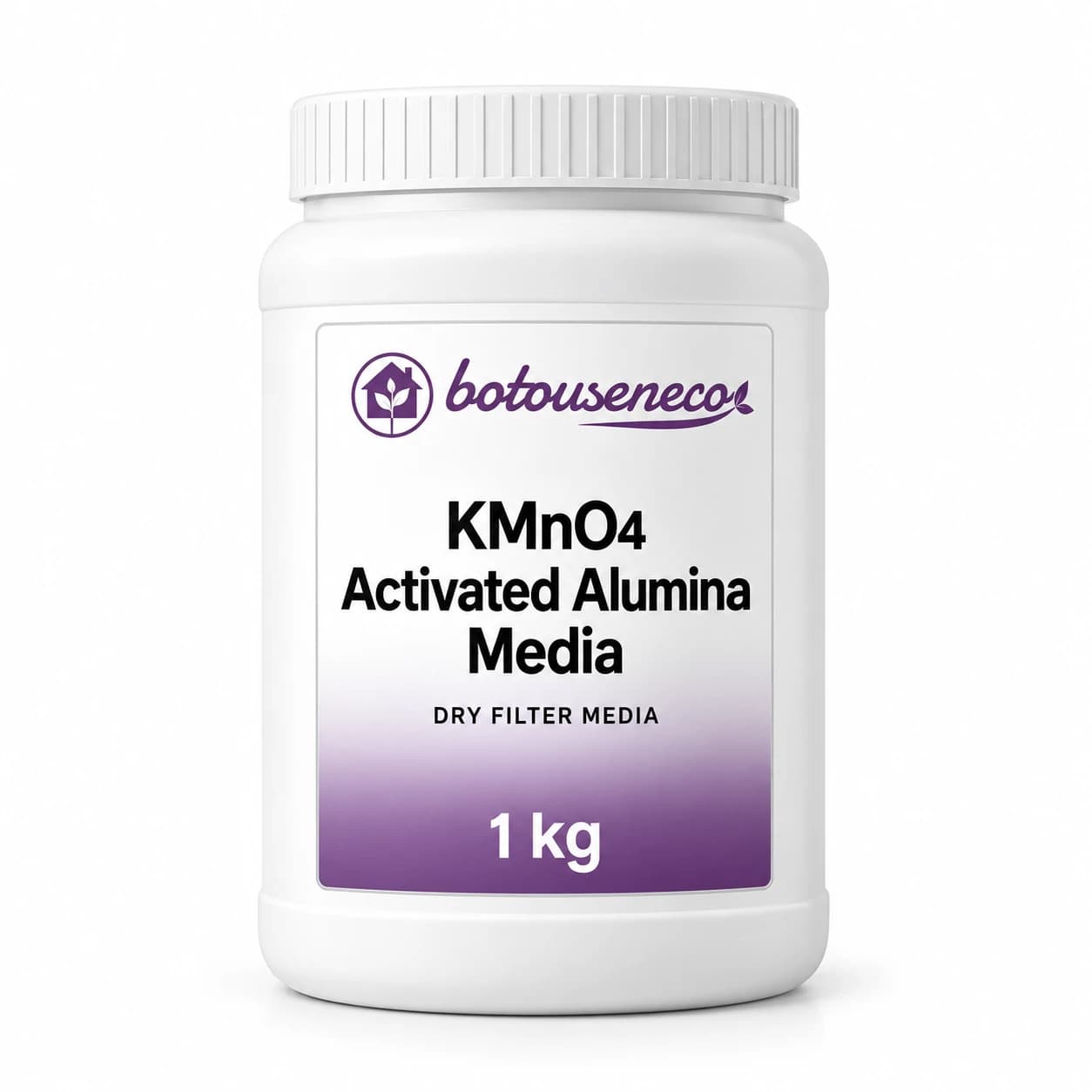
| KMnO4 Activated Alumina Media | gamma-Al2O3 (at least 280 m2/g) + 8%/10%/12% KMnO4 (1.5-6 mm) | HCHO, H2S, SO2, NOx, ethylene, organic acids | 0.05-0.20 s EBCT or 50:50 carbon blend | Purple (Mn7+) turns brown (MnO2) | Data centers, HVAC V-banks, purifier cartridges, reefers |
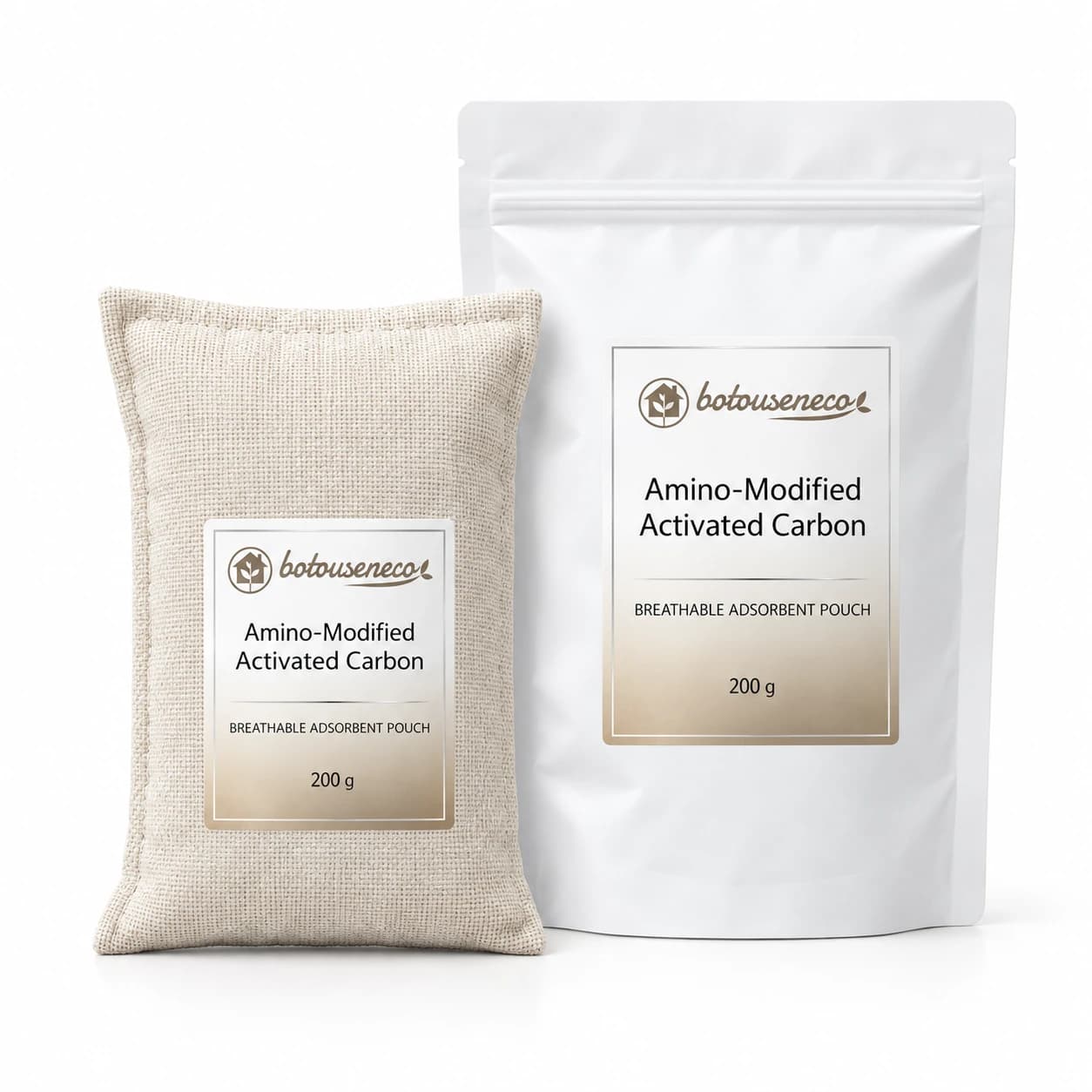
| Amino-Acid Modified Carbon Packs | Virgin coconut carbon (Iodine at least 1050 mg/g) + 8% amino salt | HCHO, benzene, toluene, cabinet TVOCs (6x raw capacity) | 1-2 x 100 g per drawer; 1,000-2,000 g per closet | Zero release above 28 C; 12-month life | Retail OEM pouches, furniture cartons, car cabins |
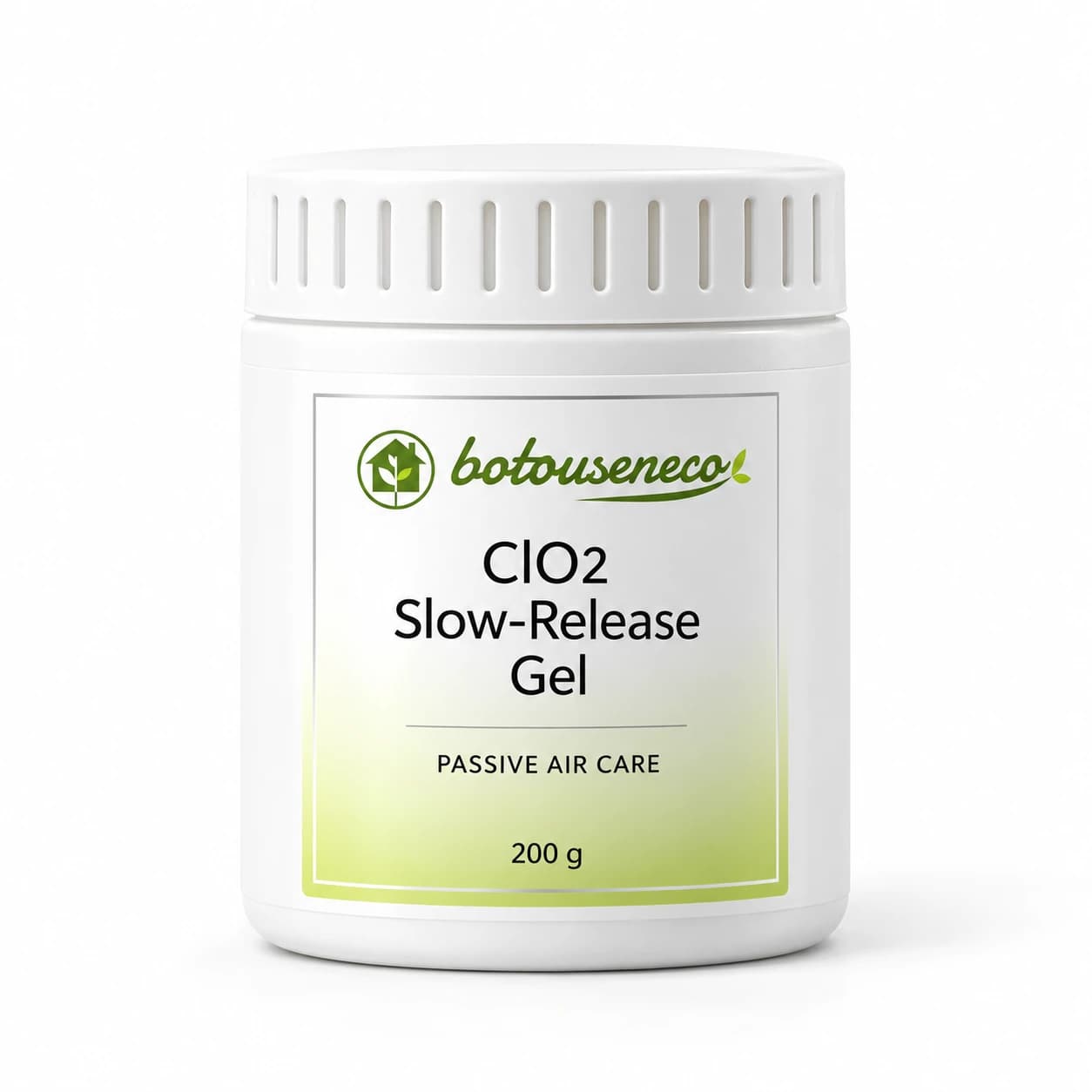
| ClO2 Slow-Release Removal Gel | 200 g hydrogel jar + activator (0.01-0.03 ppm gaseous ClO2) | Dead-zone HCHO, mold spores, airborne bacteria, odors | 1 jar per 10-15 m2 at 1.0-1.5 m height (60-90 days) | Amber gel fades to clear white | Apartments, basements, closets, weekend maintenance |
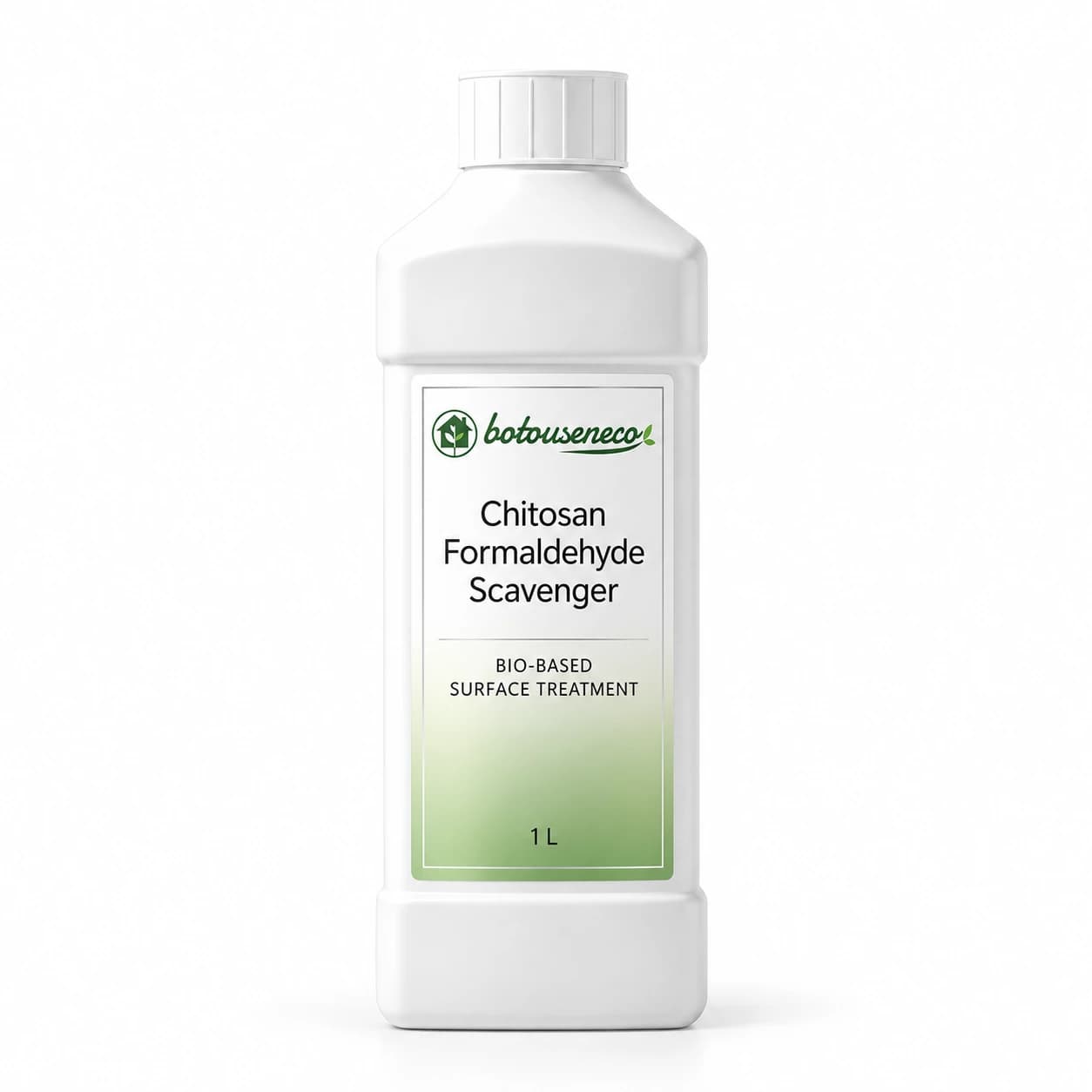
| Plant-Extract Chitosan Scavenger | 100% marine chitosan (at least 95% deacetylation) + tea polyphenols | Surface HCHO and acetaldehyde on cribs, desks, and mats | 15-25 ml/m2 via 0.5-0.8 mm HVLP mist (pH 6.0-7.0) | Oral/dermal safe film + antibacterial layer | Kindergartens, pediatric clinics, nurseries, OEM kits |
Selecting the 4-Product Chemisorption and Sensitive-Zone Matrix
Browse our chlorine dioxide gel and chemisorption adsorbents line to pair dry filtration beads, passive vapor jars, and zero-VOC nursery sprays.
1. HVAC V-Banks, Purifiers & Cold Chain: KMnO4 Activated Alumina Media
Permanganate oxidation scrubbing is the solid-state redox conversion (Mn7+ reduced to Mn4+) of formaldehyde, hydrogen sulfide, sulfur dioxide, and ethylene inside porous gamma-alumina spheres with a visual purple-to-brown life indicator.
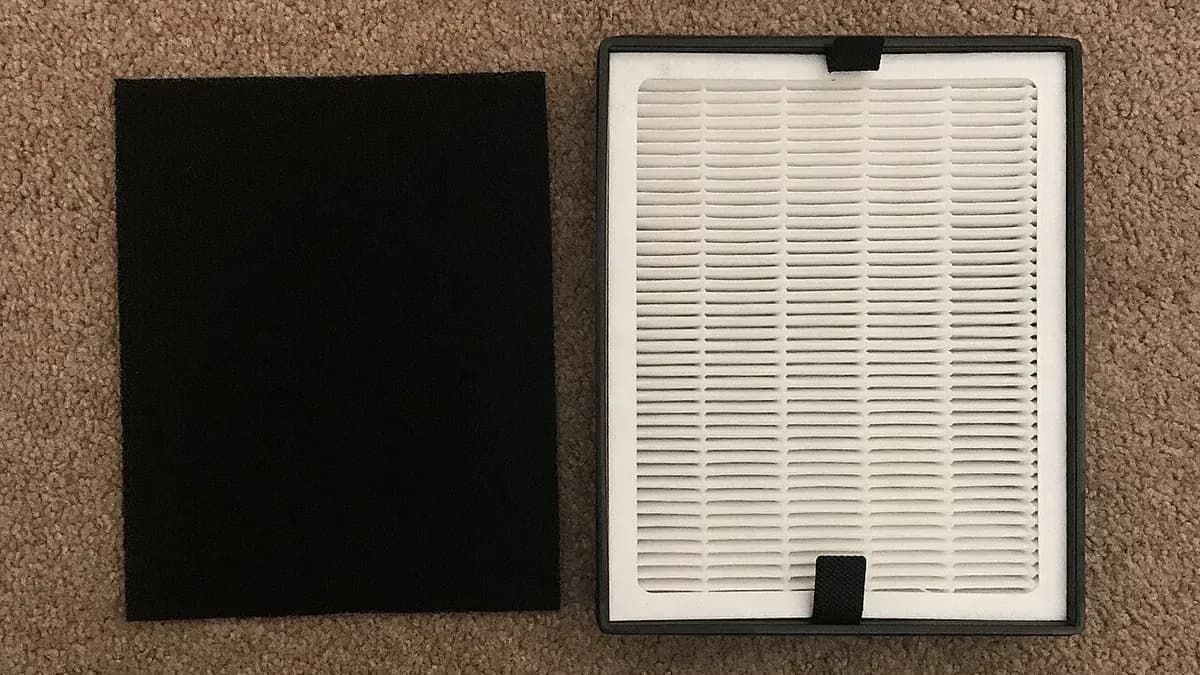
- Technical Specs: High-porosity gamma-Al2O3 beads (at least 280 m2/g BET area, crush strength at least 120 N/bead, bulk density 0.75-0.85 g/cm3) vacuum-impregnated at 8%, 10%, or 12% (+/- 0.5% wt/wt) KMnO4. Bead sizes include 1.5-2.5 mm (HEPA honeycomb cartridges), 2-4 mm, 3-5 mm (HVAC V-banks), and 4-6 mm (deep-bed towers).
- Industrial Applications: Request 25 kg foil-lined fiber drums or 500-1,000 kg jumbo bags on our Potassium Permanganate Activated Alumina Media page. For dedicated bed sizing, see data center ISA-71.04 G1 corrosion scrubbing, museum display case acetic acid and formaldehyde control, and cold-chain container ethylene scrubber sizing.
2. Cabinet & Retail OEM Pouches: Amino-Acid Modified Activated Carbon Packs
- Technical Specs: Virgin coconut-shell microporous carbon (Iodine at least 1050 mg/g, CTC at least 65%, moisture at or below 5%, 4x8 or 8x16 mesh) loaded with 8% wt/wt food-grade amino-acid and catalytic salt. In chamber tests, it achieves 600% (Botou Media Lab, 2026) of the HCHO breakthrough capacity of plain charcoal with zero release above 28 C.
- Dosage & Pack Formats: Place 1 to 2 x 100 g packs per drawer or 1,000 to 2,000 g per closet. Shipped in ultrasonic dust-free SMS inner bags plus linen OEM pouches (50 g to 500 g) or 25 kg bulk sacks via Amino-Acid Modified Activated Carbon Packs.
3. 3D Dead-Space Gas Diffusion: ClO2 Slow-Release Formaldehyde Removal Gel
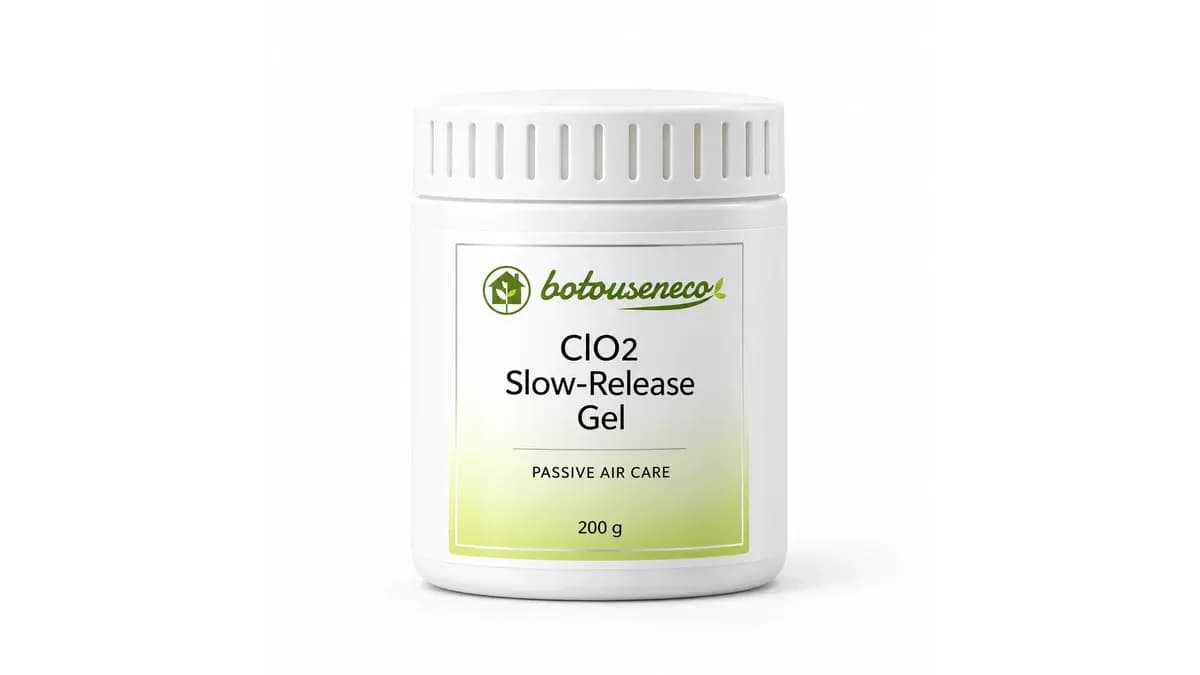
- Technical Specs: A 200 g hydrophilic gel canister (150 g / 250 g OEM options, 48 jars/carton) paired with a dry activator packet. Once activated, it meters pure gaseous ClO2 at 0.01 to 0.03 ppm for 60 to 90 days.
- Workplace Exposure Margin: That steady 0.01 to 0.03 ppm vapor level sits at least 70% (OSHA PEL Data, 2025) below the 0.1 ppm 8-hour limit enforced under OSHA Chlorine Dioxide Chemical Standards (2025) and CDC ATSDR Chlorine Dioxide Profiles (2024). Via 5-electron selective oxidation (ClO2 + HCHO -> CO2 + H2O + Cl-), vapor reaches tight cabinet joints without chlorinated byproducts. Set 1 jar per 10-15 m2 at 1.0-1.5 m height with ClO2 Slow-Release Formaldehyde Removal Gel.
4. Schools, Clinics & Nurseries: Plant-Extract Chitosan Formaldehyde Scavenger
Bio-based chitosan formaldehyde scavenging is the zero-solvent nucleophilic reaction between high-deacetylation marine glucosamine chains (-NH2) and surface aldehydes on infant furniture, forming a non-toxic antibacterial film.
- Technical Specs: Across our schools, clinics, and nurseries IAQ program, toddler cribs and school desks demand zero synthetic chemicals. Built from 100% bio-based marine chitosan (at least 95% deacetylation) plus tea polyphenols (pH 6.0-7.0), it meets strict low-emission goals aligned with EU REACH Annex XVII Formaldehyde Restrictions (2026).
- Dosage: Spray 15 to 25 ml/m2 via a 0.5-0.8 mm HVLP gun using Plant-Extract Chitosan Formaldehyde Scavenger on cribs, mattresses, and classroom woodwork.
How Do You Size an HVAC V-Bank Media Bed and Nursery Kit?
Let us work through two practical sizing examples for mechanical contractors and school commissioning teams.
Example 1: Sizing a 4,000 m3/h (1.11 m3/s) Commercial HVAC V-Bank Scrubber
Consider a commercial air-handling unit (AHU) requiring 0.10 seconds of Empty Bed Contact Time (EBCT) for mixed HCHO, SO2, and TVOC scrubbing:
- Required Media Volume (V_bed): 1.111 m3/s x 0.10 s = 0.111 m3 = 111 Liters.
- Stage 1 (50% Volume Chem-Oxidation): 55.5 L of 10% KMnO4 Activated Alumina (3-5 mm beads at 0.80 kg/L) = 44.4 kg (order two 25 kg foil-lined drums).
- Stage 2 (50% Volume Aldehyde & VOC Polish): 55.5 L of 8% Amino-Modified Coconut Carbon (4x8 mesh at 0.48 kg/L) = 26.6 kg (order two 25 kg bulk sacks).
Example 2: Commissioning a 12-Classroom Kindergarten (720 m2 Total Floor Area)
In a 12-classroom preschool (60 m2 per room) preparing for pre-opening air testing:
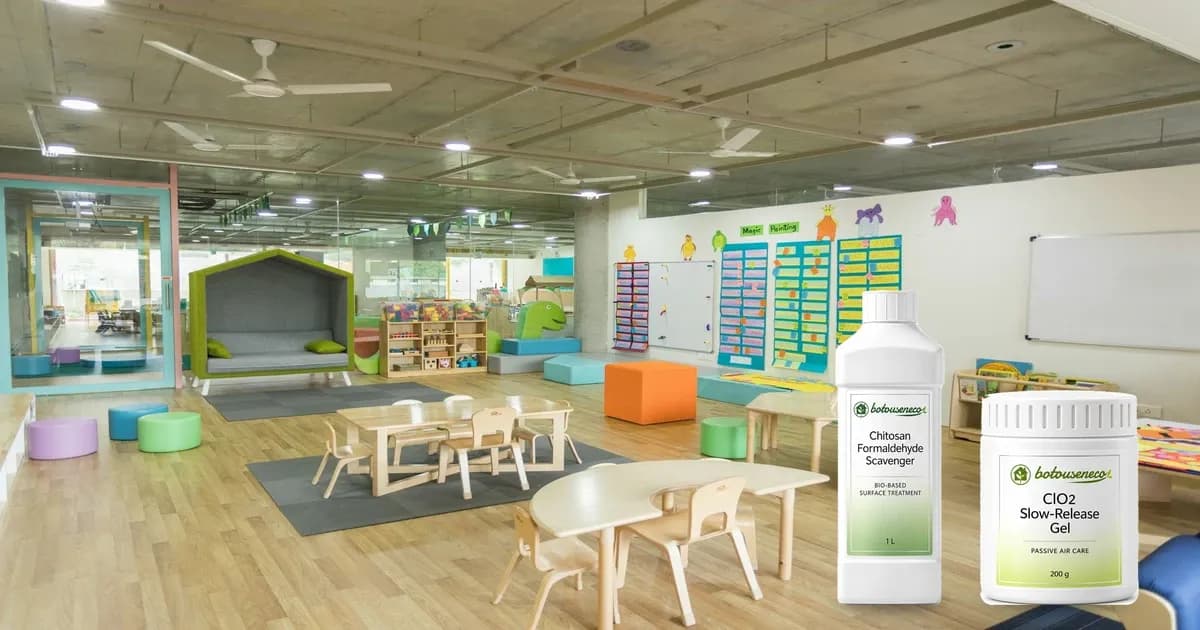
- Desk & Crib Bio-Film: 360 m2 of wood desks, cubbies, and nap mats x 20 ml/m2 of Plant-Extract Chitosan Scavenger = 7.2 L (two 5 L jugs).
- Cabinet & Drawer Pouches: 12 rooms x 1,000 g of Amino-Acid Modified Carbon Packs (10 x 100 g pouches per room) = 12 kg (120 pouches).
- High-Shelf Closet Diffusion: 4 jars of 200 g ClO2 Slow-Release Gel per room set on 1.5 m high cabinets out of child reach = 48 jars (one carton).
Verified Botou Factory Supply Terms, Oxidizer Transport Rules, and Private Label OEM
Manufactured since 2015 by Hebei Senzhijia Environmental Protection Co., Ltd (botouseneco) in the Botou Industrial Zone, Cangzhou, Hebei, China, every media lot undergoes BET area, crush strength, and active loading checks in our Botou quality lab.
- Sample Evaluation Kit: 1-5 units (200 g media/gel pack or 500 mL / 1 L chitosan bottle) for filter cartridge R&D and buyer chamber tests.
- Standard Bulk Supply: Solid media from 100 kg (25 kg foil-lined fiber drums or 500-1,000 kg jumbo bags). Liquid chitosan from 100 L (4 drums).
- OEM Private Label: From 500-1,000 units for retail ClO2 gel jars (150 g / 200 g / 250 g), linen carbon bags, purifier honeycomb refills, and nursery kits.
- Lead Times, Port & Transparent DG/Non-DG Rules: Samples ship in 24-48 hours. Bulk drums ship in 5-7 business days, and OEM runs ship in 10-14 business days from Tianjin Port, China (about 180 km from our Botou factory). Amino-modified carbon and chitosan spray ship as Non-Dangerous Goods (Non-DG). For ClO2 Slow-Release Gel (activator packet) and KMnO4 Alumina, ocean and air transport follow SDS Section 14 per pack size and mode, confirmed in writing on every quote.
- Certifications & Private COA Policy: Produced under ISO 9001:2015 Quality Management System and ISO 14001:2015 Environmental Management System controls, backed by CMA / CNAS-accredited chamber verification (ISO 16000-9 / GB/T 18883-2022). By company policy, certificate numbers and scans are not posted publicly. Private copies and batch COAs are shared directly when you contact our gas-phase media and OEM export team.
Standards & references
- World Health Organization (WHO) Indoor Air Quality Guidelines (2024): 0.1 mg/m3 indoor formaldehyde safety threshold.
- US EPA Technical Overview of Volatile Organic Compounds (2025): Low-boiling polar aldehyde adsorption and thermal desorption dynamics.
- OSHA Chlorine Dioxide Chemical Standards (29 CFR 1910.1000, 2025) & CDC ATSDR Toxicological Profile (2024): 0.1 ppm 8-hour TWA workplace exposure limit.
- EU REACH Annex XVII Formaldehyde Restrictions (2026): Low-emission indoor furniture and nursery compliance benchmarks.
- ISO 16000-9 & GB/T 18883-2022 / GHS Rev. 10 SDS Section 14: CMA/CNAS chamber testing and solid oxidizer/Non-DG export transport rules.
Frequently Asked Questions (FAQ)
01.How do maintenance teams know when Potassium Permanganate Activated Alumina Media is exhausted?
Fresh KMnO4 Activated Alumina beads show a bright purple color from active Mn7+ ions. As the bed oxidizes formaldehyde, H2S, SO2, and ethylene, Mn7+ turns into dark brown manganese dioxide (MnO2). Engineers pull 10 sample beads from the tray and crush them in half. Replace the bed once the brown ring reaches past 80% of the bead core.
02.Is ClO2 Slow-Release Formaldehyde Removal Gel safe inside occupied offices and homes?
Yes, when dosed at 1 x 200 g jar per 10-15 m2 under normal room ventilation. The hydrogel meters gaseous ClO2 at 0.01 to 0.03 ppm, staying far below the 0.1 ppm OSHA 8-hour workplace limit while oxidizing dead-zone formaldehyde over 60 to 90 days. Always place jars 1.0 to 1.5 m high away from direct sun and out of reach of children.
03.Why choose Amino-Acid Modified Carbon Packs over plain bamboo or coconut charcoal bags?
Plain charcoal bags trap formaldehyde only by weak physical adsorption. High humidity pushes trapped gas out, and summer heat above 28 C triggers secondary release. Amino-Acid Modified Activated Carbon Packs (Iodine at least 1050 mg/g + 8% wt/wt amino salt) chemically lock formaldehyde into solid imine salts with 6x breakthrough capacity.
04.What makes Plant-Extract Chitosan Scavenger safe for infant nurseries, schools, and clinics?
Built from 100% bio-based marine chitosan (at least 95% deacetylation) and green tea polyphenols at pH 6.0-7.0, Plant-Extract Chitosan Formaldehyde Scavenger contains zero alcohol, zero heavy metals, and zero synthetic fragrance. Once sprayed onto cribs, mattresses, or school desks, it cures into an oral- and dermal-safe antibacterial film that locks formaldehyde permanently.

About the author.
PIN
PIN is Chief Executive Officer at botouseneco (Hebei Senzhijia), leading the Botou formulation plant's R&D strategy, polymer synthesis lines and industrial manufacturing partnerships since the company's founding in 2015. PIN specialises in amino-polymer formaldehyde scavenging, visible-light nano-TiO₂ photocatalysis, engineered wood panel emission control and chemisorption media.
- Chief Executive Officer · Botou formulation & manufacturing plant.
- 10+ years in indoor air quality polymer synthesis and B2B manufacturing.
Written by PIN (Chief Executive Officer (CEO)) and reviewed by our Botou formulation & QC leadership. Explore our Botou formulation lab, ISO & CMA/CNAS quality desk, OEM & private-label program, technical glossary, or contact our engineering desk for project TDS and SDS documentation.
Next step.