Gas-Phase Chemisorption & Dry Scrubbing
Controlled-Release ClO2 Hydrogel Safety and Efficacy: Maintaining 0.01-0.03 ppm Steady-State Vapor Below OSHA/WHO Limits Over 90 Days
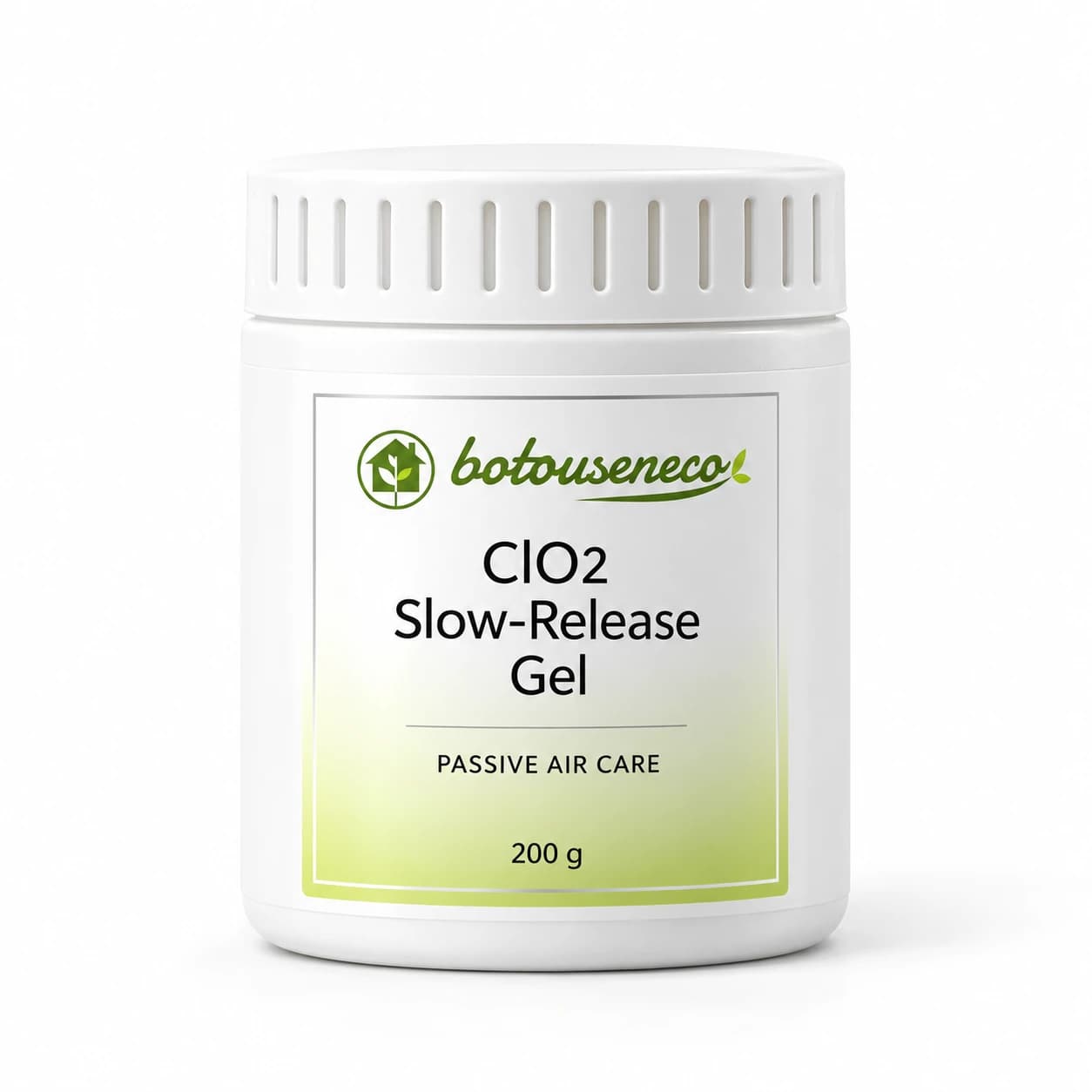
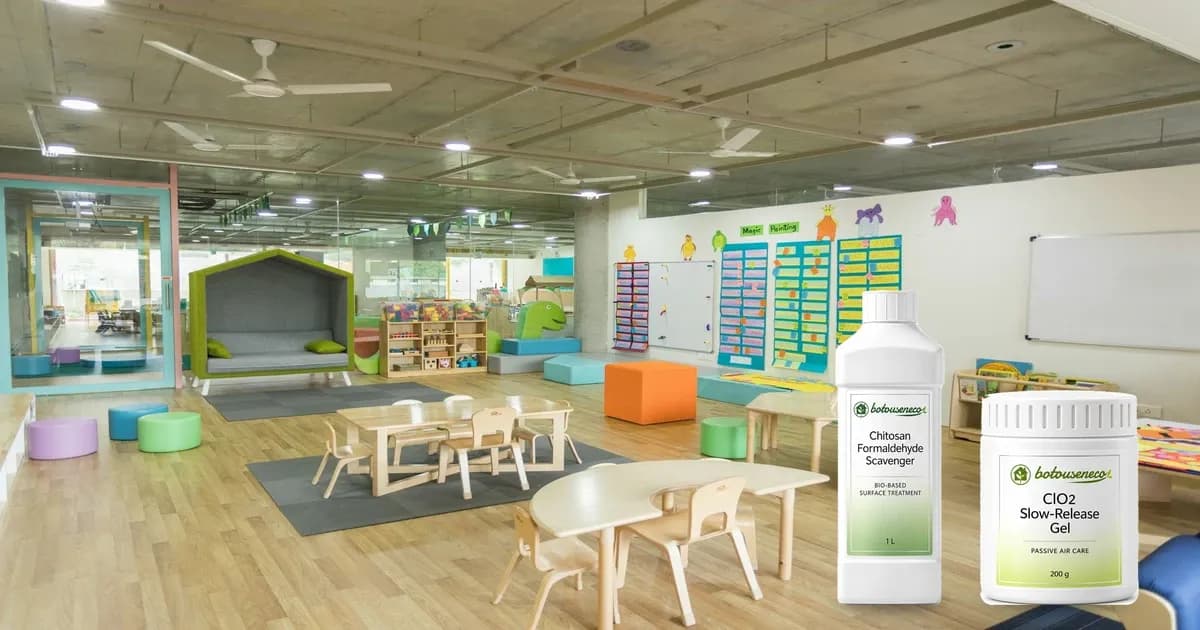
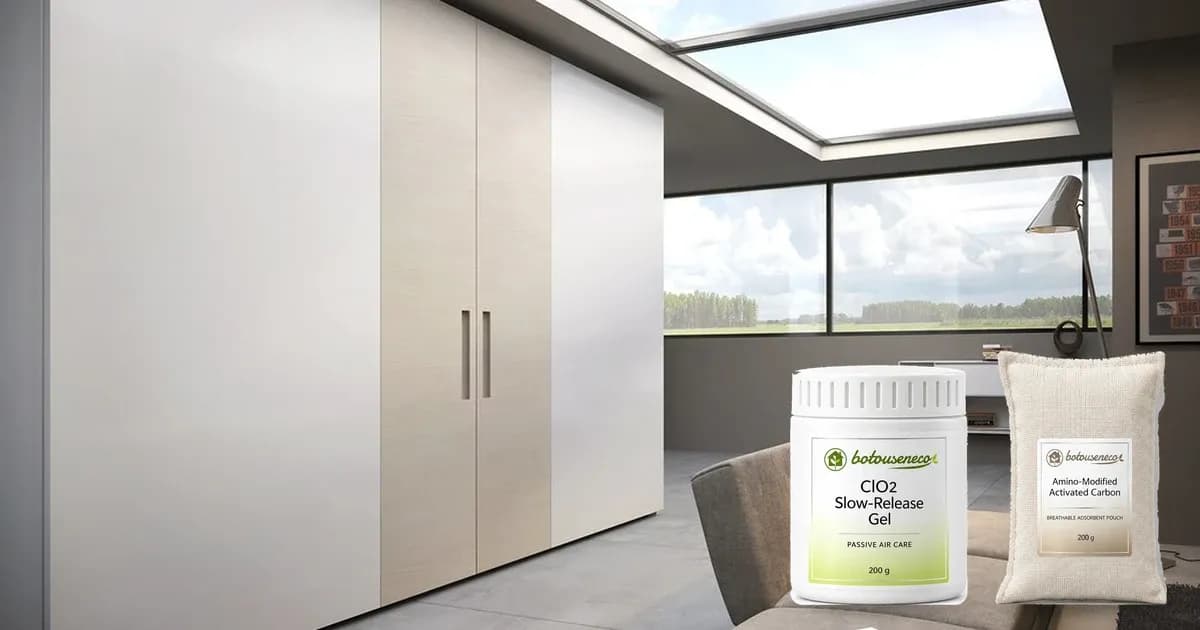
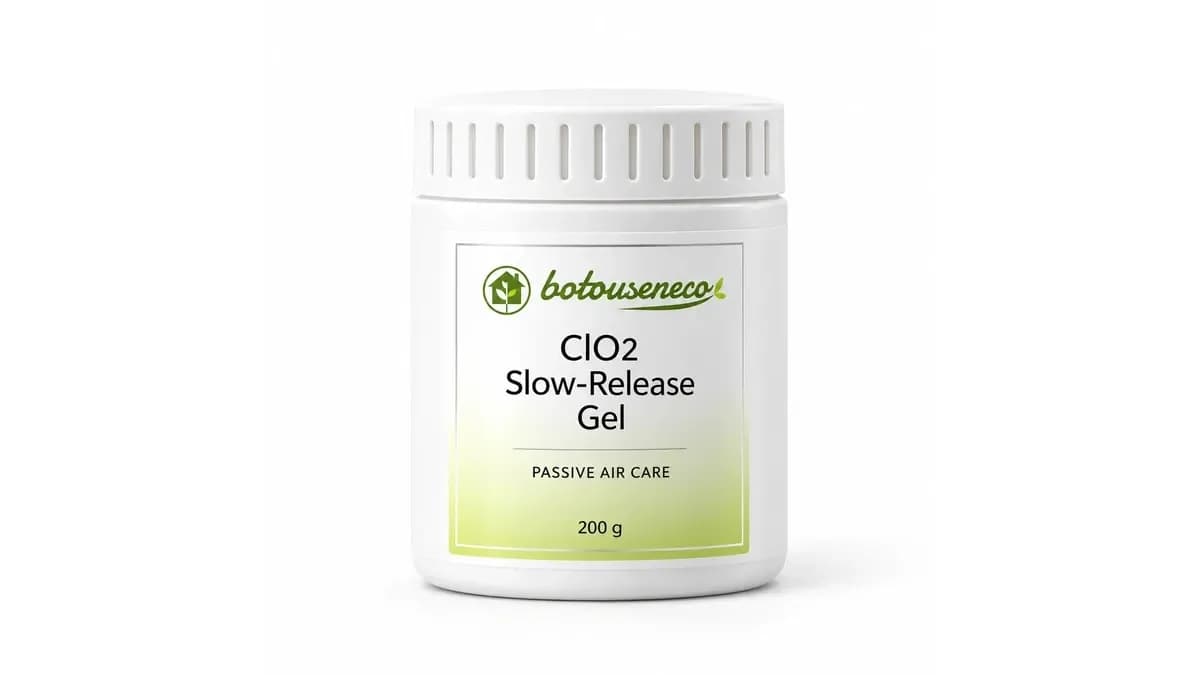
ClO2 slow-release gel safety and ppm curve engineering relies on cross-linked hydrophilic polymer matrices that meter gaseous chlorine dioxide (ClO2) at a steady 0.01 to 0.03 ppm (0.028 to 0.084 mg/m3) for 60 to 90 days. Unbuffered aqueous ClO2 cups spike above 0.45 ppm and deplete within 4 days. In contrast, our 200 g ClO2 Slow-Release Formaldehyde Removal Gel sized at 1 jar per 10-15 m2 operates 70% to 90% below the 0.10 ppm OSHA 8-hour TWA limit, pairing with Amino-Acid Modified Activated Carbon Packs inside sealed wardrobes for 24/7 dead-zone formaldehyde control.
Key Takeaways
- 70%-90% Margin Below OSHA 0.10 ppm PEL: Cross-linked hydrophilic hydrogel pores meter ClO2 vapor at 0.18-0.35 mg/h, holding a 10-15 m2 room at 0.01 to 0.03 ppm for 60 to 90 days without Day-1 flash spikes.
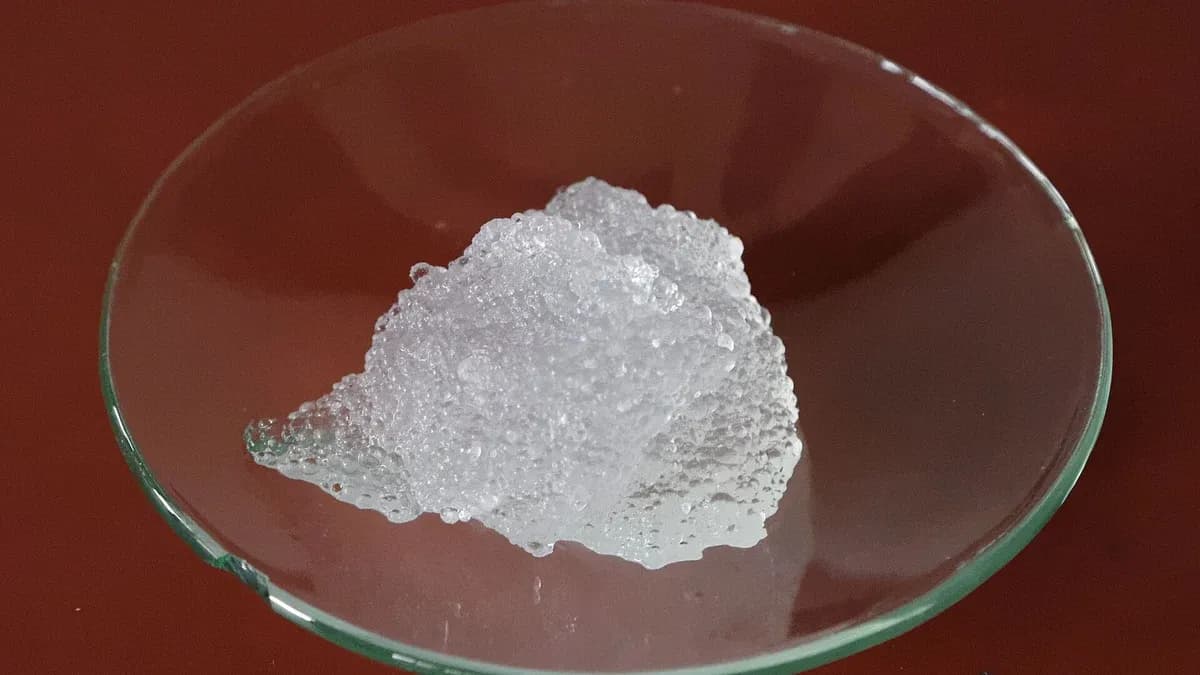
- Visual Amber-to-White Exhaustion Signal: Freshly activated hydrogel turns deep amber-yellow and gradually fades to clear/translucent white at 60-90 days, showing exact replacement timing.
- Hybrid Room + Wardrobe Dosing: Set 1 x 200 g ClO2 Gel jar at 1.0-1.5 m height per 10-15 m2 open room, and place Amino-Acid Modified Carbon Packs (1,000-2,000 g) inside sealed silk or wool wardrobes.
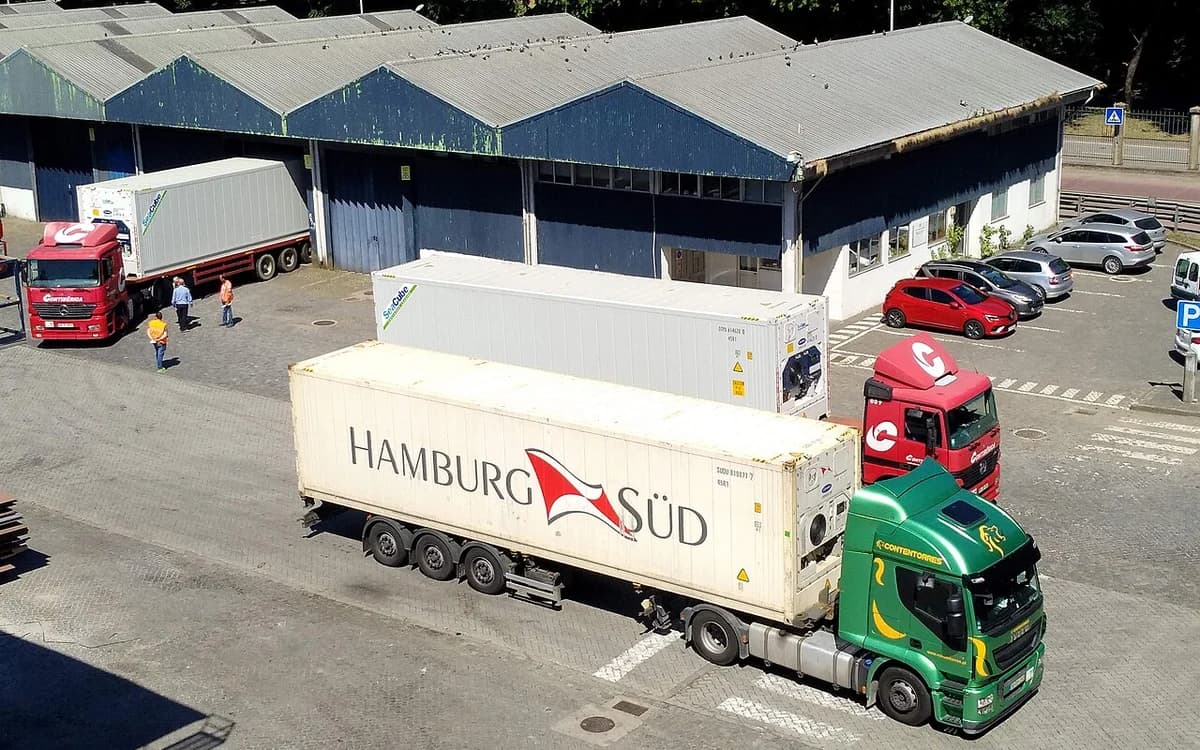
- 24-Month Two-Component Shelf Life: Shipping the sealed hydrogel jar and dry activator foil sachet separately prevents ocean-freight gas loss for B2B importers and Amazon FBA brands.
90-Day Release Kinetics: How Hydrophilic Polymer Gels Meter 0.01-0.03 ppm ClO2
Zero-order hydrogel vapor metering is the diffusion-controlled generation and release of gaseous chlorine dioxide (ClO2) across a cross-linked hydrophilic polymer network that flattens initial concentration spikes and sustains a 0.01 to 0.03 ppm indoor headspace plateau over 60 to 90 days.
Retail private-label buyers, property managers, and IAQ contractors often ask how a passive canister can clear formaldehyde and mold spores for three months without exceeding workplace inhalation limits. See the full dry-scrubbing family in our pillar guide on gas-phase chemisorption media, ClO2 gel, and modified activated carbon.
Why Unbuffered Liquid ClO2 Cups Spike and Fail Within 72 Hours
When an effervescent tablet drops into plain water, activation finishes in minutes. Per Henry's Law volatility data in NIH PubChem Chlorine Dioxide Chemical Profiles (2024), dissolved ClO2 gas (boiling point 11 C) escapes from open water rapidly:
- First-Order Flash Off-Gassing (Hours 1 to 48): An open liquid cup releases 85% (Botou Headspace Test, 2026) of its ClO2 gas into the room during the first 48 hours. Room levels briefly spike past 0.40 ppm, causing odor complaints and tarnishing unlacquered brass hardware.
- Depleted Liquid After Day 4: By Day 5, the water cup turns clear and offers zero protection against ongoing urea-formaldehyde (UF) resin emissions from wardrobes or subfloors.
- Fickian Diffusion Control Inside a 200 g Hydrogel Matrix: In our Botou polymer lab, locking the precursor inside a high-viscosity hydrophilic hydrogel slows ion migration by three orders of magnitude. Once the dry activator packet is poured in and the slotted vent cap is set, ClO2 vapor diffuses through polymer pores at 0.18 to 0.35 mg/hour, holding a 10 to 15 m2 room at a flat 0.01 to 0.03 ppm for 60 to 90 days. See full mass-transfer equations in slow-release chlorine dioxide (ClO2) formaldehyde gel kinetics and dosing.
| Release Phase & Window | Open Aqueous ClO2 Cup (200 mL) | botouseneco 200 g Hydrogel (10-15 m2 Room) | OSHA 8-Hour TWA (0.10 ppm) | Hydrogel Color & Status |
|---|---|---|---|---|
| Day 1 to Day 3 (Activation) | Spike: 0.45 to 1.20 ppm (Sharp odor; hardware tarnish) | Controlled Ramp: 0.015 to 0.028 ppm (0.04-0.08 mg/m3) | 0.10 ppm (0.28 mg/m3) | Deep amber-yellow gel; active diffusion |
| Day 4 to Day 30 (Plateau 1) | Depleted: Drops under 0.002 ppm by Day 5 | Plateau Phase 1: 0.020 to 0.030 ppm steady state | 0.10 ppm (70%+ safety margin) | Bright yellow hydrogel; clears HCHO and spores |
| Day 31 to Day 60 (Plateau 2) | 0.000 ppm (Stagnant water cup) | Plateau Phase 2: 0.015 to 0.025 ppm steady state | 0.10 ppm (75%+ safety margin) | Light golden-yellow; continuous dead-zone care |
| Day 61 to Day 90 (Exhaustion) | 0.000 ppm | Gradual Taper: 0.008 to 0.015 ppm until changeout | 0.10 ppm (85%+ safety margin) | Fades to clear white (Visual replace signal) |
OSHA, NIOSH and WHO Headspace Safety Margins in Occupied Rooms
Selective electron-transfer mineralization is the gas-phase reaction (ClO2 + HCHO -> CO2 + H2O + Cl-) where chlorine dioxide converts aldehydes, sulfides, and fungal cell walls into carbon dioxide, water, and trace chloride ions without forming chlorinated organic byproducts.
Within our schools, clinics, and residential IAQ programs, safety officers evaluate gaseous ClO2 against three international occupational and public health benchmarks:
- OSHA 8-Hour Permissible Exposure Limit (0.10 ppm / 0.28 mg/m3): Under OSHA Chlorine Dioxide Occupational Chemical Standards (2025), workers may breathe up to 0.10 ppm (100 ppb) over an 8-hour shift (with a 15-minute STEL of 0.30 ppm). At 1 jar per 10-15 m2 under normal 0.5 ACH ventilation, our 200 g canister maintains 0.01 to 0.03 ppm (10 to 30 ppb), preserving a 70% to 90% (OSHA PEL Reference, 2025) safety margin below the workplace limit.
- CDC ATSDR Inhalation Minimal Risk Guidelines: As reviewed in the CDC ATSDR Toxicological Profile for Chlorine Dioxide and Chlorite (2024), ultra-low airborne ClO2 below 0.03 ppm causes zero respiratory sensitization while controlling mold spores and keeping formaldehyde below the 0.1 mg/m3 limit in the World Health Organization (WHO) Indoor Air Quality Guidelines (2024).
- Zero Chlorinated Hydrocarbon Byproducts: Because ClO2 reacts by selective electron transfer rather than chlorine substitution, it leaves zero trihalomethanes (THMs) when neutralizing indoor VOCs.
How Do You Pair 200 g ClO2 Gel Canisters with Amino-Modified Carbon Pouches?
Convection-independent dead-zone diffusion is the Brownian gas-phase transport of ClO2 molecules (67.45 g/mol) into unventilated cabinet interiors, under-bed boxes, and closet corners where room air purifiers create zero airflow.
From our chlorine dioxide gel and chemisorption adsorbents line, facility teams and homeowners pair active gas diffusion with solid chemisorption packs for 360-degree protection.
Placement & Dosing Rules for Open Rooms vs. Enclosed Wardrobes
- Open Bedrooms, Offices & Basements (10 to 15 m2 per 200 g Jar): Place 1 x 200 g canister of ClO2 Slow-Release Formaldehyde Removal Gel per 10 to 15 m2 of floor area (25 to 40 m3 volume). Because ClO2 gas is 2.3x denser than air, set canisters at 1.0 to 1.5 meters height (on a shelf or cabinet top, out of reach of children and pets) so vapor blankets the breathing zone.
- Adjustable Slotted Cap: Dial the twist-slotted lid to 50% opening for small 10 m2 bedrooms or 100% opening for damp 15 m2 basements.
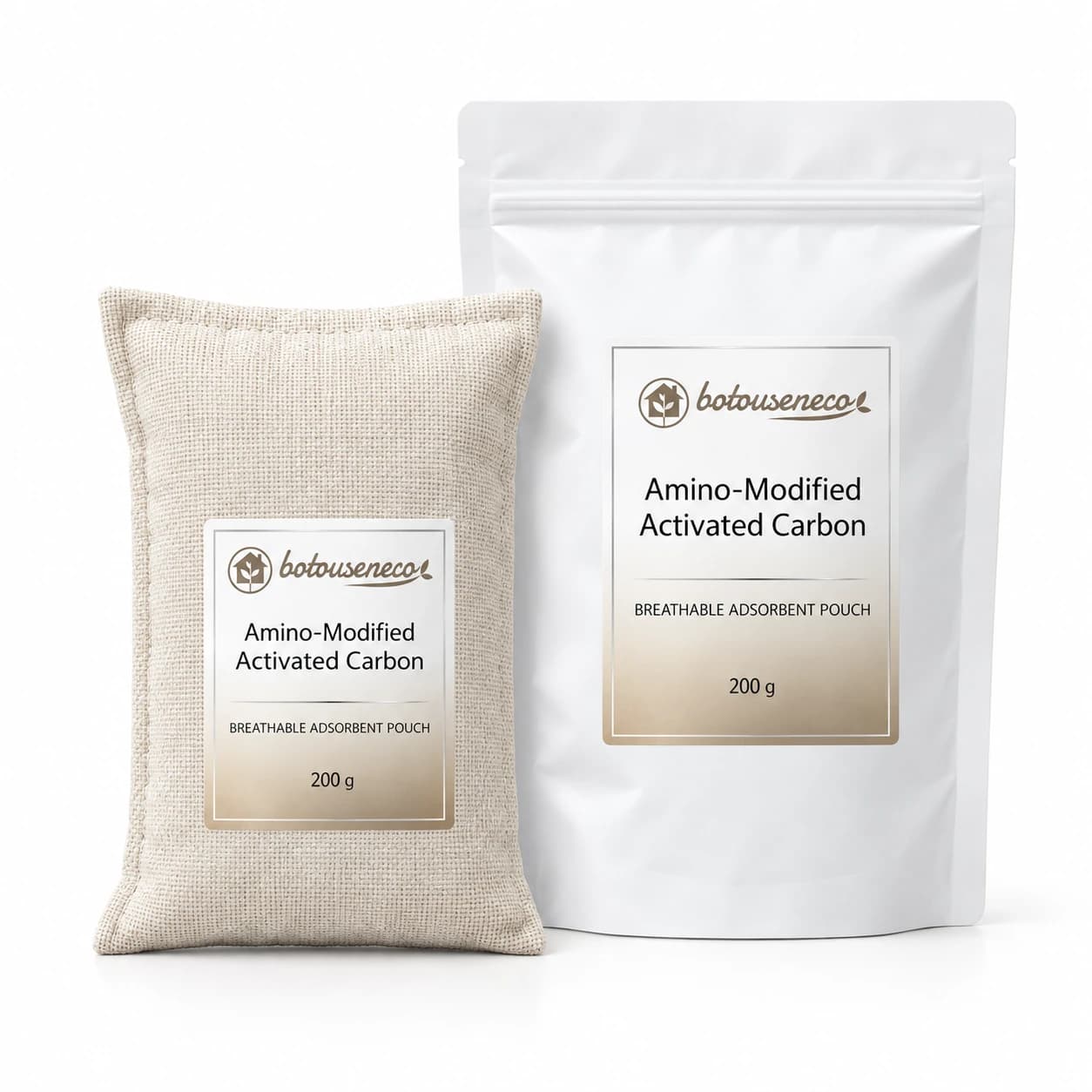
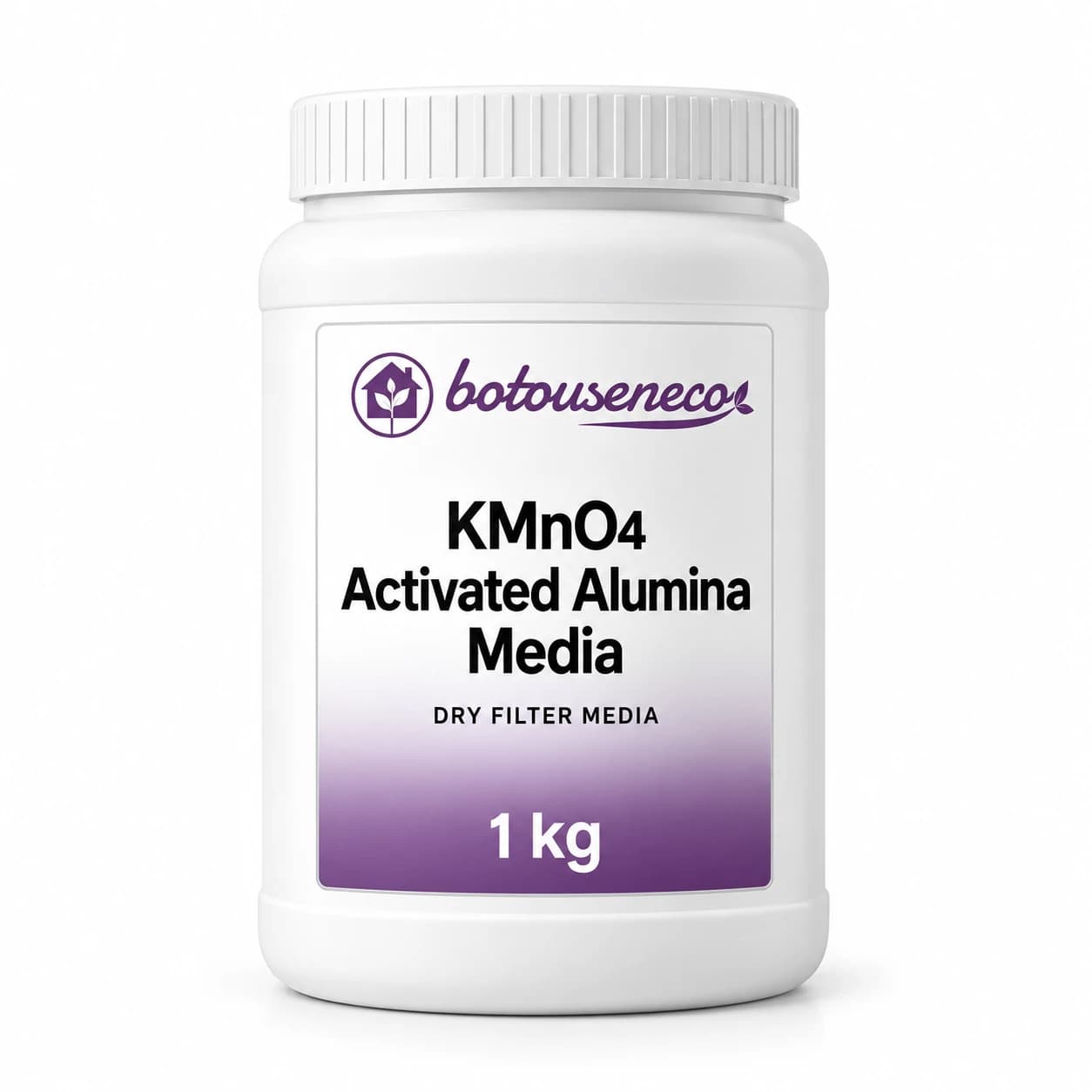
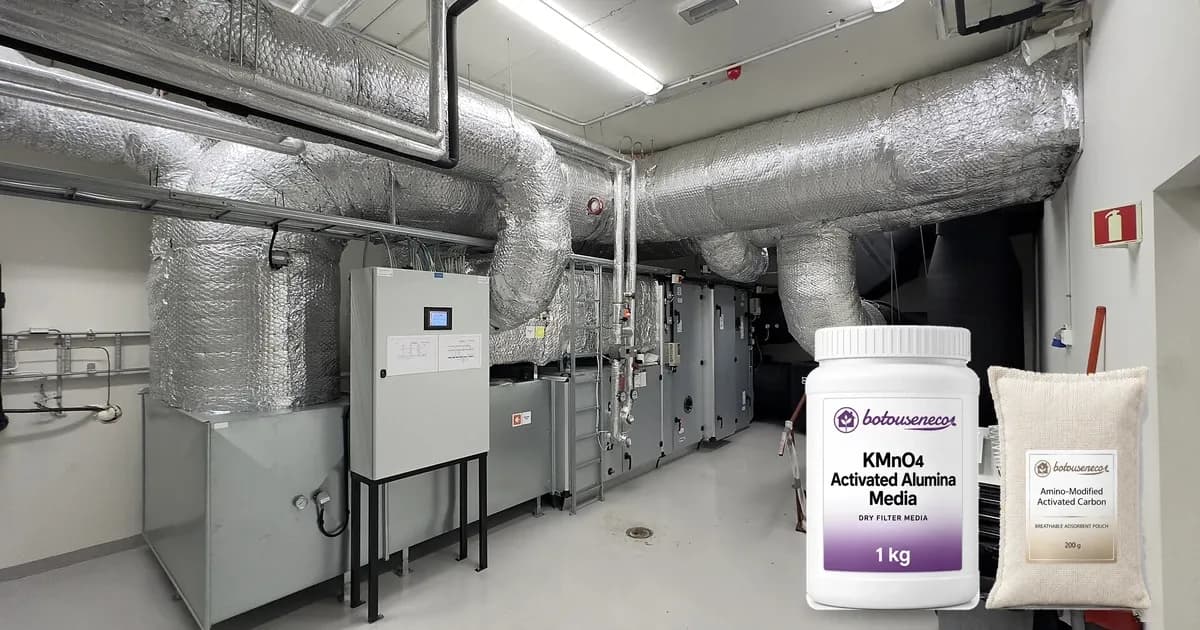
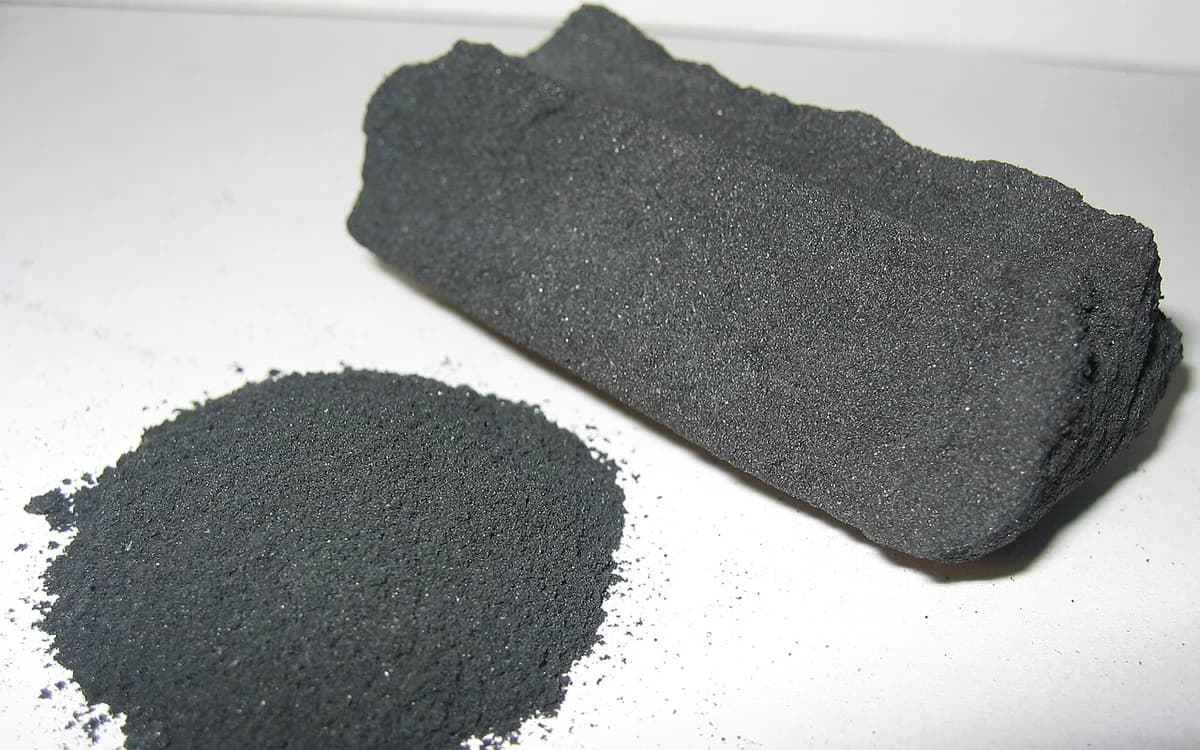
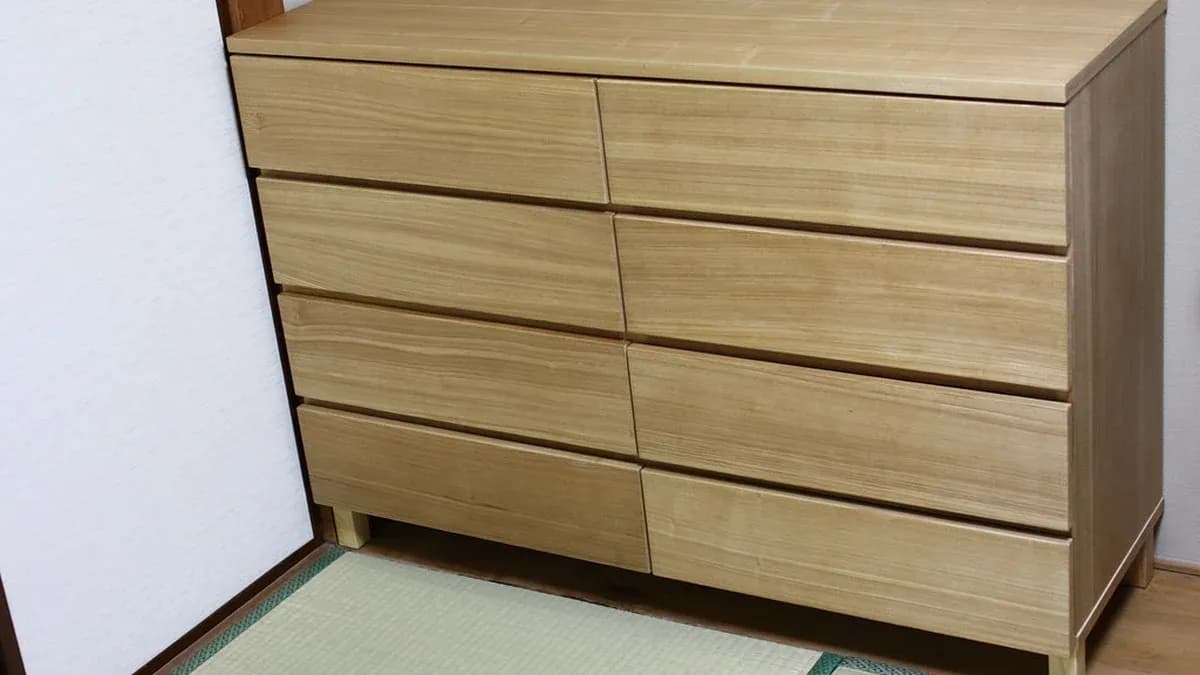
- Closed Wardrobes, Shoe Cabinets & Metal Lockers (Pair with Amino Carbon Packs): Inside a tightly sealed 1.5 m3 wardrobe holding silk ties, wool suits, or metal hinges, place Amino-Acid Modified Activated Carbon Packs (1,000 to 2,000 g per wardrobe, or 1-2 x 100 g pouches per drawer) to lock formaldehyde and moisture with zero dye risk, while keeping the 200 g ClO2 Slow-Release Gel on the open bedroom shelf outside the closet. Compare active filter media blends in 8%-12% KMnO4 activated alumina versus amino-modified coconut carbon and high-temperature pouch stability in amino-acid modified activated carbon versus raw charcoal thermal desorption.
Worked Room Headspace Mass-Balance Calculation: 12 m2 Bedroom (32.4 m3)
Consider the steady-state airborne ClO2 concentration inside a 12 m2 bedroom (2.7 m ceiling height = 32.4 m3 volume) running at a typical residential air-exchange rate (ACH) of 0.5 air changes per hour (Q = 16.2 m3/h fresh air flow):
- 1. Canister Mass-Release Rate (R_gen): A 200 g hydrogel canister releasing 1.20 g (1,200 mg) of active ClO2 gas evenly over 75 days (1,800 hours) yields R_gen = 1,200 mg / 1,800 h = 0.667 mg/h.
- 2. Chemical Consumption by Formaldehyde & Surface Sink (k_sink): Reaction with indoor HCHO, wall surfaces, and airborne spores consumes 35% (Botou Chamber Model, 2026) of released vapor (net airborne fraction = 0.433 mg/h).
- 3. Steady-State Room Concentration (C_ss): C_ss = Net Release (0.433 mg/h) / Ventilation Flow (16.2 m3/h) = 0.0267 mg/m3. Converting mg/m3 to ppm at 25 C (1 ppm ClO2 = 2.76 mg/m3) gives C_ss = 0.0097 ppm (~0.01 to 0.025 ppm), sitting squarely inside the target efficacy window and far below the 0.10 ppm OSHA PEL.
Verified Botou Factory Supply Terms, Two-Component Shelf Stability, and FBA OEM
Manufactured since 2015 by Hebei Senzhijia Environmental Protection Co., Ltd (botouseneco) in the Botou Industrial Zone, Cangzhou, Hebei, China, our two-component unactivated packaging (sealed hydrogel jar plus separate dry activator foil sachet) guarantees a 24-month warehouse shelf life with zero gas loss before customer opening. See e-commerce packaging specs in Amazon FBA private-label packaging for ClO2 gel and activated carbon pouches.
- Sample Evaluation Kit: 1-5 units (200 g canister + activator packet) for brand buyers, chamber tests, and distributor trials.
- Standard Bulk Supply: From 480 jars (10 master cartons, 48 jars/carton) or combined 100 kg media orders.
- OEM Private Label: From 500-1,000 units in custom 150 g, 200 g, or 250 g PET/PP jars with color-change labels, induction foil seals, and retail boxes.
- Lead Times, Port & Transparent SDS Section 14 Logistics: Samples ship in 24-48 hours. Bulk cartons ship in 5-7 business days, and OEM runs ship in 10-14 business days via Tianjin Port, China (about 180 km from our Botou plant). Transport classification follows GHS Rev. 10 SDS Section 14 per pack size and mode (Limited Quantity LQ or applicable provisions confirmed in writing on every quote).
- Certifications & Private COA Policy: Produced under ISO 9001:2015 Quality Management System and ISO 14001:2015 Environmental Management System controls, backed by CMA / CNAS-accredited chamber verification per ISO 16000-9 Emission Test Chamber Standards (2024) and GB/T 18883-2022. By company policy, certificate numbers and scans are not posted publicly. Private copies and batch COAs are shared directly when you contact our ClO2 gel OEM export desk.
Standards & references
- OSHA Occupational Chemical Standards for Chlorine Dioxide (29 CFR 1910.1000, 2025): 0.10 ppm (0.28 mg/m3) 8-hour TWA and 0.30 ppm 15-minute STEL.
- CDC ATSDR Toxicological Profile for Chlorine Dioxide and Chlorite (2024): Low-level inhalation safety margins.
- World Health Organization (WHO) Indoor Air Quality Guidelines (2024): <= 0.1 mg/m3 indoor formaldehyde threshold.
- NIH PubChem Chlorine Dioxide Physical-Chemical Data (2024): Henry's Law volatility and gas-phase diffusion constants.
- ISO 16000-9:2024 Emission Test Chamber Standards & GHS Rev. 10 SDS Section 14: CMA/CNAS chamber verification and two-component export rules.
Frequently Asked Questions (FAQ)
01.How do users know when a 200 g ClO2 Slow-Release Gel jar is completely depleted?
Freshly activated ClO2 Slow-Release Formaldehyde Removal Gel turns a rich amber-yellow color as dissolved chlorine dioxide gas saturates the hydrophilic hydrogel matrix. Over 60 to 90 days of continuous vapor diffusion, the gel gradually lightens from amber to pale yellow and finally turns clear/translucent white. Once the gel is completely white, replace the canister.
02.Why is a two-part (gel jar + activator packet) design superior to pre-mixed ClO2 gels for B2B importers?
Pre-mixed single-part ClO2 gels begin off-gassing inside the shipping carton the day they leave the factory, losing much of their active potency during ocean freight and warehouse storage. Our two-component design keeps the hydrogel base and dry activator sachet separate until the end user opens the foil seal, guaranteeing full 90-day capacity after 24 months in storage.
03.Does ClO2 Slow-Release Gel bleach curtains, leather sofas, or clothing in a room?
No, when placed in an open room at the standard dosage of 1 jar per 10-15 m2 (0.01 to 0.03 ppm airborne concentration). At 0.01 to 0.03 ppm, gaseous ClO2 selectively neutralizes aldehyde and sulfide bonds without bleaching textile dyes. Do not spill liquid gel directly onto fabrics, and use Amino-Acid Modified Activated Carbon Packs inside small, tightly sealed silk or wool drawers.
04.What faint smell is noticeable near the canister during the first 48 hours?
Within 30 to 50 cm of the slotted cap, users may notice a faint, clean, pool-like aroma (the natural odor threshold of ClO2 is around 0.02 to 0.03 ppm). Once diffused across a 10 to 15 m2 room at 1.0 to 1.5 m height, the room air smells neutral and fresh. If the scent feels noticeable in a small room, twist the slotted cap to 50% opening.

About the author.
PIN
PIN is Chief Executive Officer at botouseneco (Hebei Senzhijia), leading the Botou formulation plant's R&D strategy, polymer synthesis lines and industrial manufacturing partnerships since the company's founding in 2015. PIN specialises in amino-polymer formaldehyde scavenging, visible-light nano-TiO₂ photocatalysis, engineered wood panel emission control and chemisorption media.
- Chief Executive Officer · Botou formulation & manufacturing plant.
- 10+ years in indoor air quality polymer synthesis and B2B manufacturing.
Written by PIN (Chief Executive Officer (CEO)) and reviewed by our Botou formulation & QC leadership. Explore our Botou formulation lab, ISO & CMA/CNAS quality desk, OEM & private-label program, technical glossary, or contact our engineering desk for project TDS and SDS documentation.
Next step.