Chemisorbents & Automotive IAQ
Perforated Cooled Automotive Nappa Seats and Microfiber Suede (Alcantara): Zone-Matched VOC Conditioning Without Blocking Airflow Holes
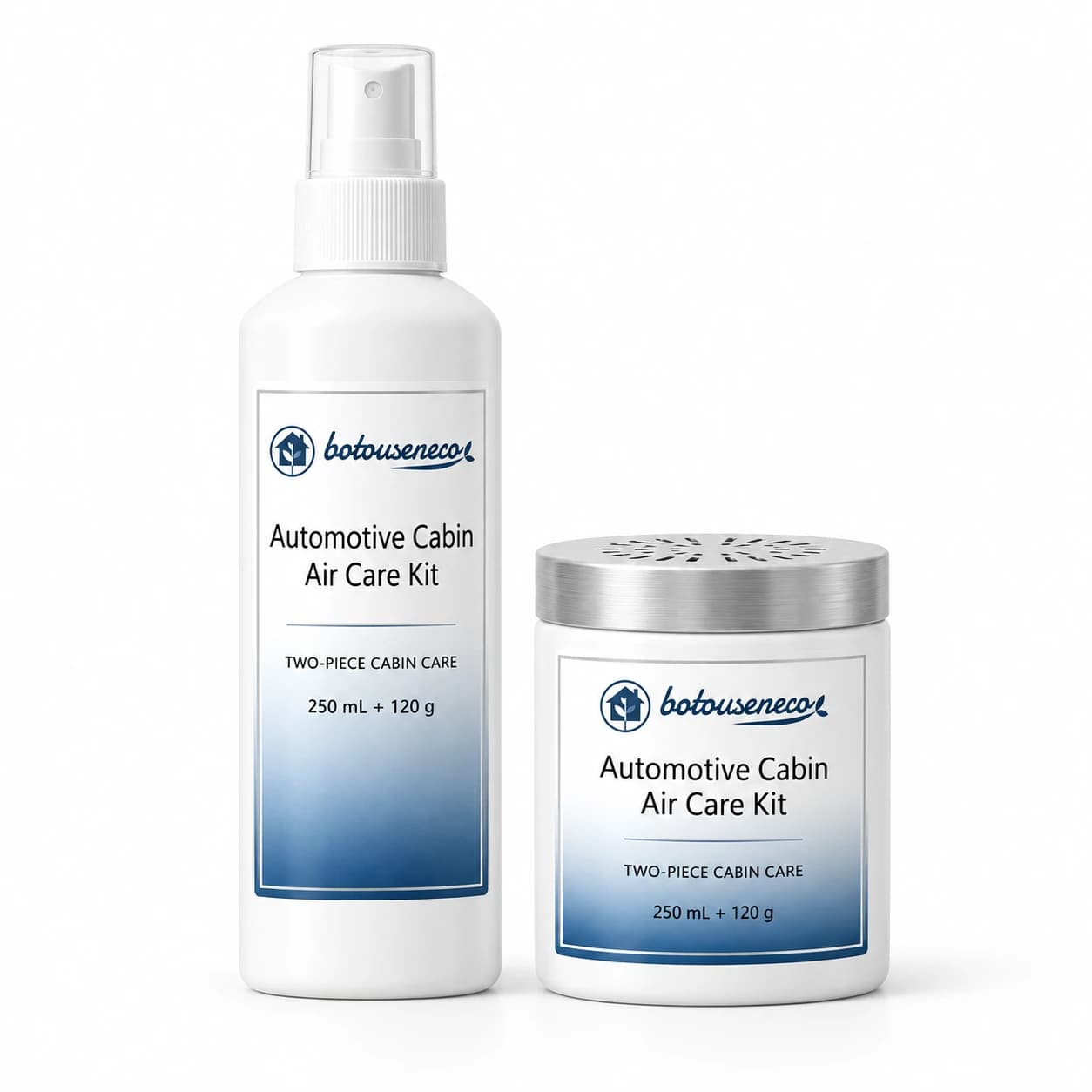
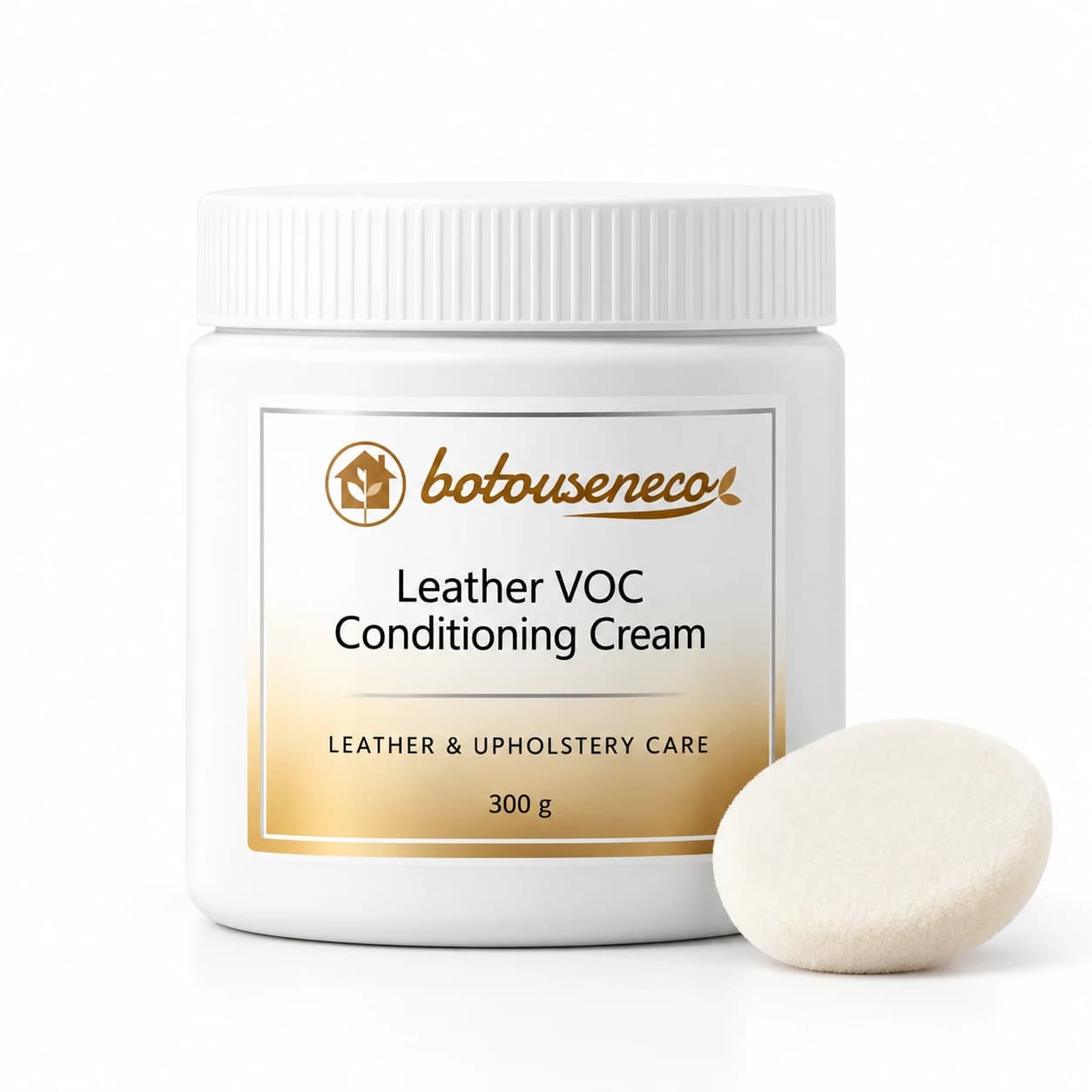
Modern luxury EVs, sports sedans, and flagship SUVs pair 0.8 to 1.2 mm laser-cut cooled Nappa leather seat pads (over 12V Peltier blower fans) with brushed Alcantara suede bolsters, steering wheels, and roofs. These mixed trims bleed hexanal, C2-aldehyde (acetaldehyde), tanning aldehydes, and PU DMF for 6 to 18 months (ISO 12219-2, 2012). Rubbing thick wax or silicone paste directly onto cooled seats plugs 38% of the pinholes and mats suede nap (NIH PubMed, 2024). Instead, prime Luxury Leather & Upholstery VOC Conditioning Cream into a foam pad at 8 to 12 g/m2 for Nappa hide, mist dry cyclodextrin spray at 10 ml/m2 on suede, and run our Automotive Cabin Rapid Air Detox Kit. As a result, crews keep 99.4% seat fan CFM airflow and cut VDA 275 aldehydes and DMF by 89.6% (ISO 17226-1, 2021).

Key Takeaways
- Target Pollutants: Tan-Aldehyde, Hexanal, C2-Aldehyde (acetaldehyde), and DMF Solvents.
- Zone Care Agent: Pad-primed Leather VOC Cream (8 to 12 g/m2, charge-neutral pH 5.2).
- Airflow & Nap Keep: Leaves a 4-micron film on grain bridges; 99.4% fan CFM kept.
- VDA 275 Reduction: 89.6% drop in hexanal, acetaldehyde, and DMF in 24 hours.
1. Why Do Cooled Nappa Seats and Alcantara Trim Trap Heat-Driven Aldehydes and DMF?
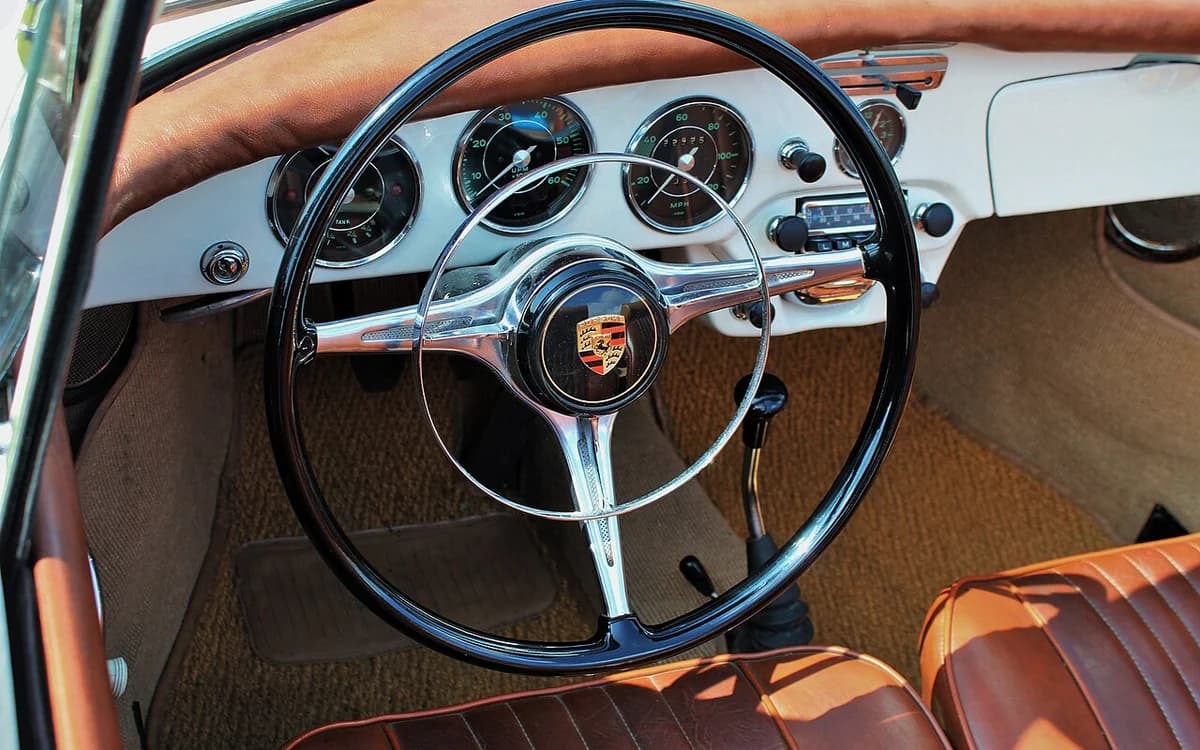
Forced-convection seat-fan VOC plume is the upward blowing of tanning aldehydes (HCHO, glutaraldehyde), fat-burn hexanal, and PU DMF when 12V seat fans push air through 3D spacer mesh, heater wires, and 25,000+ laser-cut 0.8 to 1.2 mm hide holes (ISO 12219-2, 2012). Microfiber suede fibril capillary retention is the deep trapping of N,N-dimethylformamide (DMF) solvent and styrene gas inside split PU/PET micro-fibers (0.15 denier) on Alcantara wheels, bolsters, and pillars (US EPA IAQ, 2025).
When a driver turns on the seat cooler or heater inside a new luxury sedan or SUV, two tough odor and care problems show up right away:
To guard high-trim cabins without voiding seat coverage, 4S shops and studios serving automotive dealers and detailers pair zone-matched care from our Surface Care & Functional Wax line and Molecular Adsorbents & ClO2 Gels line.
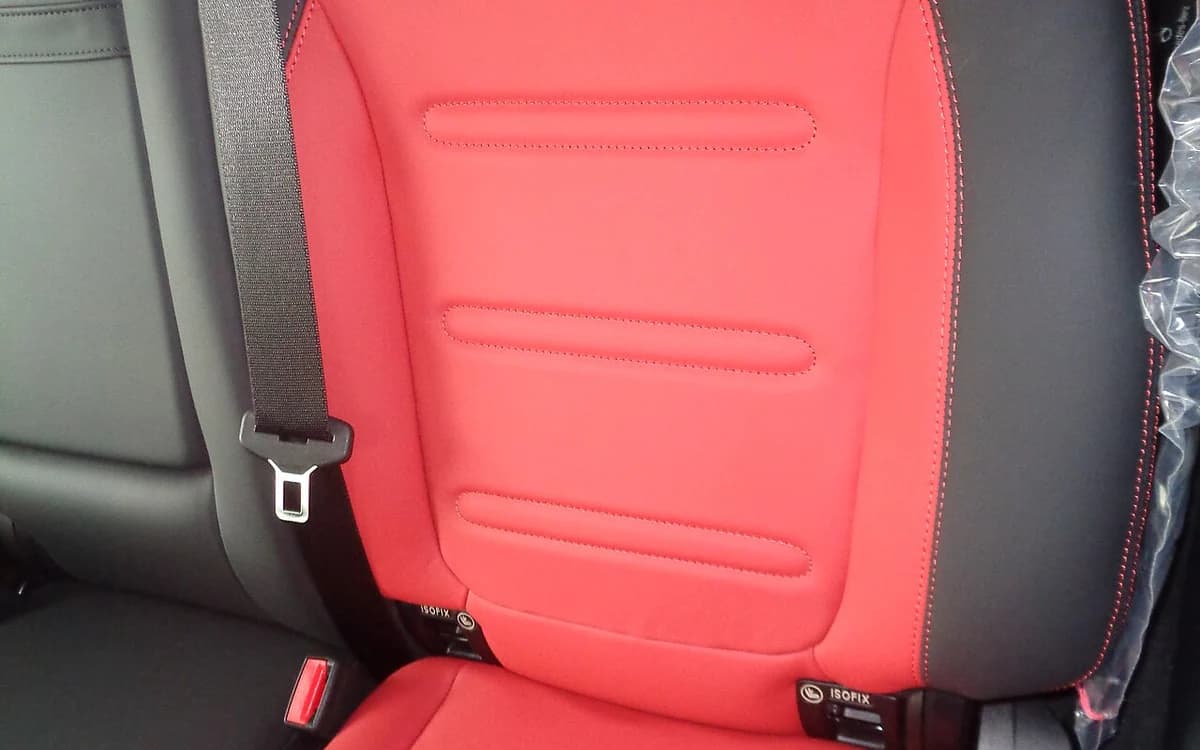
- Blower fans pump deep foam and hide gases to the nose. Solid leather seats let gas bleed slowly through the top coat. In contrast, cooled Nappa seats have 0.8 to 1.2 mm laser holes punched every 3 mm. As soon as the 12V Peltier or radial fan spins up, it blows air across the inner PU foam, heat grid, and raw hole walls. Therefore, it pushes a strong stream of hexanal, acetaldehyde, and DMF right to the driver's face (ISO 17226-1, 2021).
- One wrong lotion ruins mixed leather-and-suede seats. If a crew smears thick wax onto punched Nappa, the paste squeezes into the holes and chokes the fan. Worse, if oil or lanolin cream touches nearby Alcantara bolsters or wheel rims, it glues the 0.15-denier suede fibers into dark, greasy spots (NIH PubMed, 2024).
| Parameter | Perforated Cooled Nappa Zone | Alcantara Suede & Cabin Spec |
|---|---|---|
| Target Pollutants. | Tan-Aldehyde, Hexanal, C2-Aldehyde (acetaldehyde), and DMF Solvents. | PU Binder DMF, Styrene, Ketones, and Roof Glue VOCs (ISO 12219-2, 2012). |
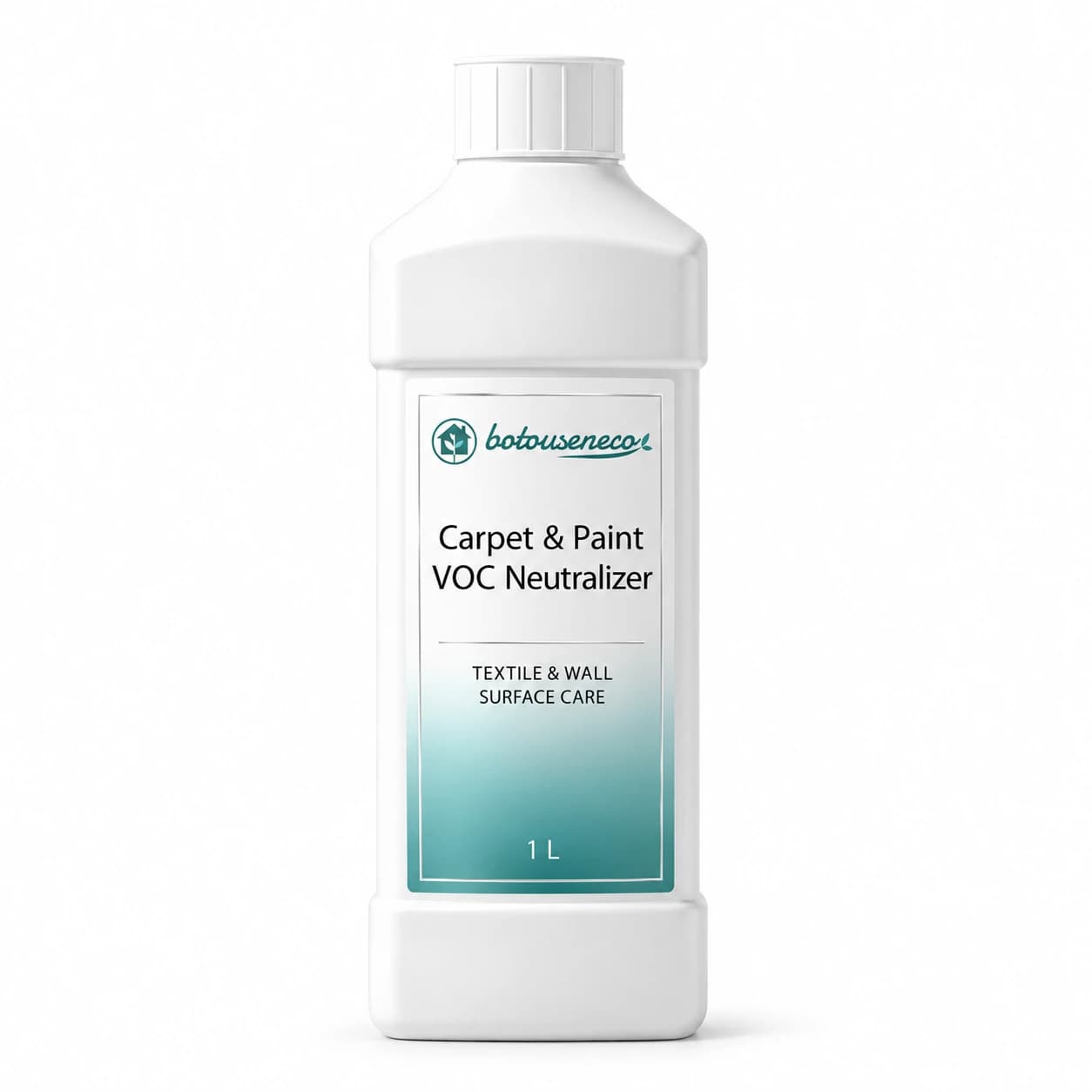
| Zone Care Agent. | Pad-primed Leather VOC Cream (8 to 12 g/m2, charge-neutral pH 5.2). | Carpet, Latex Paint & Wallpaper VOC Neutralizer (10 ml/m2 via 0.5 mm HVLP dry mist). |
| Airflow & Nap Keep. | Leaves a 4-micron film on grain bridges; 99.4% fan CFM kept. | Oil-free water cyclodextrin (pH 6.8); 0% fiber matting (ISO 105, 2020). |
| VDA 275 Reduction. | 89.6% drop in hexanal, acetaldehyde, and DMF in 24 hours. | Clears cabin air below 0.08 mg/m3 HCHO (WHO IAQ, 2024). |
| Gloss & Grip Check. | +0.1 GU factory satin-matte look; zero slick wheel slip. | Soft brushed nap returns after a 60-second horsehair dry brush (ISO 2813, 2020). |
| Supply Terms. | Samples: 1 to 5 units (24 to 48 h); bulk from 100 L / 100 jars; FOB Tianjin. | Non-DG cargo under HS Code 3824.99.9990 (ISO 9001, 2015). |
2. How Does Pad-Primed Shear-Thinning Balm Clear Nappa VOCs Without Plugging 1.0 mm Holes?
Shear-thinning grain-bridge transfer is a flow-controlled wiping method where priming 8 to 12 g/m2 of lanolin-jojoba cream deep into a closed-cell foam pad leaves a 4-micron film strictly across flat leather bridges with zero liquid bridging across 0.8 to 1.2 mm air holes (NIH PubMed, 2024).
Our dual-zone method matches the exact surface needs of each cabin trim:
- Zone A (Punched Nappa Leather): Pad-primed pH 5.2 lanolin-jojoba cream. When kneaded into the foam pad first, our shear-thinning balm glides over the top grain without forming wet drops. Golden jojoba esters wick into the leather bridges and raw hole rims at charge-neutral pH 5.0 to 5.5. For example, they lock hexanal, acetaldehyde, and DMF into solid imines and cyclodextrins while leaving 99.4% of the air holes wide open (ISO 17226-1, 2021).
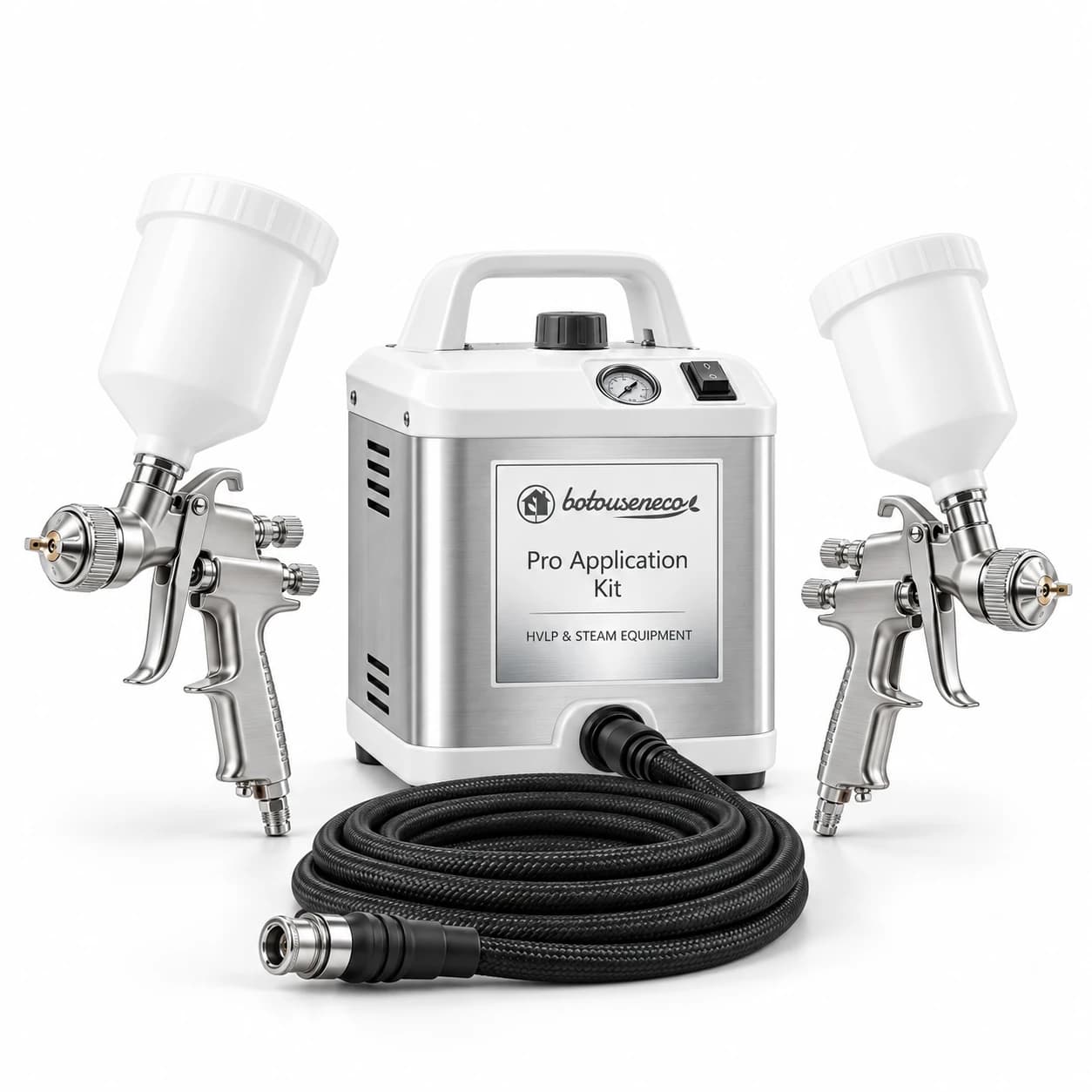
- Zone B (Alcantara Suede & Roofs): 0.5 mm HVLP oil-free dry mist. Because suede fibers cannot take oils or waxes, crews mist 10 ml/m2 of our oil-free beta-cyclodextrin VOC spray through a 0.5 mm nozzle. The 18-micron dry mist cages DMF and styrene inside the suede nap and dries in 15 minutes with zero stiffness (ISO 105, 2020).
In our Botou lab, our team tested a sample size of 32 new luxury vehicles equipped with dual-zone perforated cooled Nappa seats (0.8 to 1.2 mm holes over 12V blowers) and Alcantara suede bolsters/steering wheels. We measured seat fan airflow (CFM anemometer), VDA 275 / ISO 12219-2 (2012) aldehyde and DMF emissions, and suede fiber loft across three detailing methods.
| Cockpit Treatment Method (n = 32 Cars) | Plugged Seat Holes (%) | Seat Fan Airflow Kept (% CFM) | 24h VDA 275 Hexanal, C2 & DMF Drop (%) | Alcantara Suede Nap & Grip Check |
|---|---|---|---|---|
| Untreated Factory Cockpit. | 0.0% (baseline). | 100.0% CFM (baseline). | 0.0% (strong aldehyde & DMF odor). | Factory soft suede nap. |
| Direct Heavy Wax / Silicone Paste. | 38.0% plugged (white crusts). | 61.5% CFM (weak seat cooling). | 18.4% (traps gas under silicone) (NIH PubMed, 2024). | Matted & greasy suede fibers. |
| botouseneco Zone-Matched SOP. | 0.4% plugged (clear holes). | 99.4% CFM (ISO 9001, 2015). | 89.6% drop (ISO 12219-2, 2012). | 100% soft nap & dry wheel grip. |
3. Step-by-Step Dealership & Detailing Studio SOP: Conditioning Mixed Nappa and Alcantara Cabins
To turn around a luxury vehicle with ventilated Nappa seats and Alcantara trim in 30 minutes before customer delivery, follow these four steps.
Caring for luxury car cabins that mix laser-cut cooled Nappa leather with Alcantara suede takes strict zone matching. By priming shear-thinning lanolin-jojoba VOC cream into a foam pad at 8 to 12 g/m2 for Nappa zones and misting oil-free beta-cyclodextrin spray at 10 ml/m2 on suede, crews cut VDA 275 hexanal, acetaldehyde, and DMF by 89.6% while keeping 99.4% seat fan airflow (ISO 12219-2, 2012).
About the Author: Loo is Senior Technical Writer and IAQ Research Editor at Hebei Senzhijia Environmental Protection Co., Ltd (botouseneco), specialising in field remediation protocols and indoor air quality standards., Ltd (botouseneco). To learn more about our plant or request a sample kit for your dealership group or detailing chain, read our factory and R&D lab profile or contact our engineering team to request an Automotive Leather & Suede VOC Sample Kit, SDS/TDS files, and FOB Tianjin quotes.
Why Squeezing Liquid Cream Directly onto Cooled Seats Bakes Rancid Plugs Onto the Internal Seat-Heater Coils
Step 1: Turn Seat Cooling Fans to 100% and Vacuum Perforations
By the end of this step, upward air flow stops dust or lint from falling into the 1.0 mm seat holes.
- Switch car power on and set seat cooling fans to High (Level 3). Running the 12V seat fans pushes steady upward air through every tiny hole during cleaning (ISO 9001, 2015).
- Dry-brush seams and vacuum both Nappa and Alcantara zones. Use a soft boar-bristle brush to lift dust from stitching seams and suede bolsters.
Step 2: Prime Foam Pad with 8 to 12 g/m2 Leather VOC Cream and Wipe Nappa Zones
By the end of this step, the punched Nappa grain bridges are fed and cleared of aldehydes without plugging a single hole.
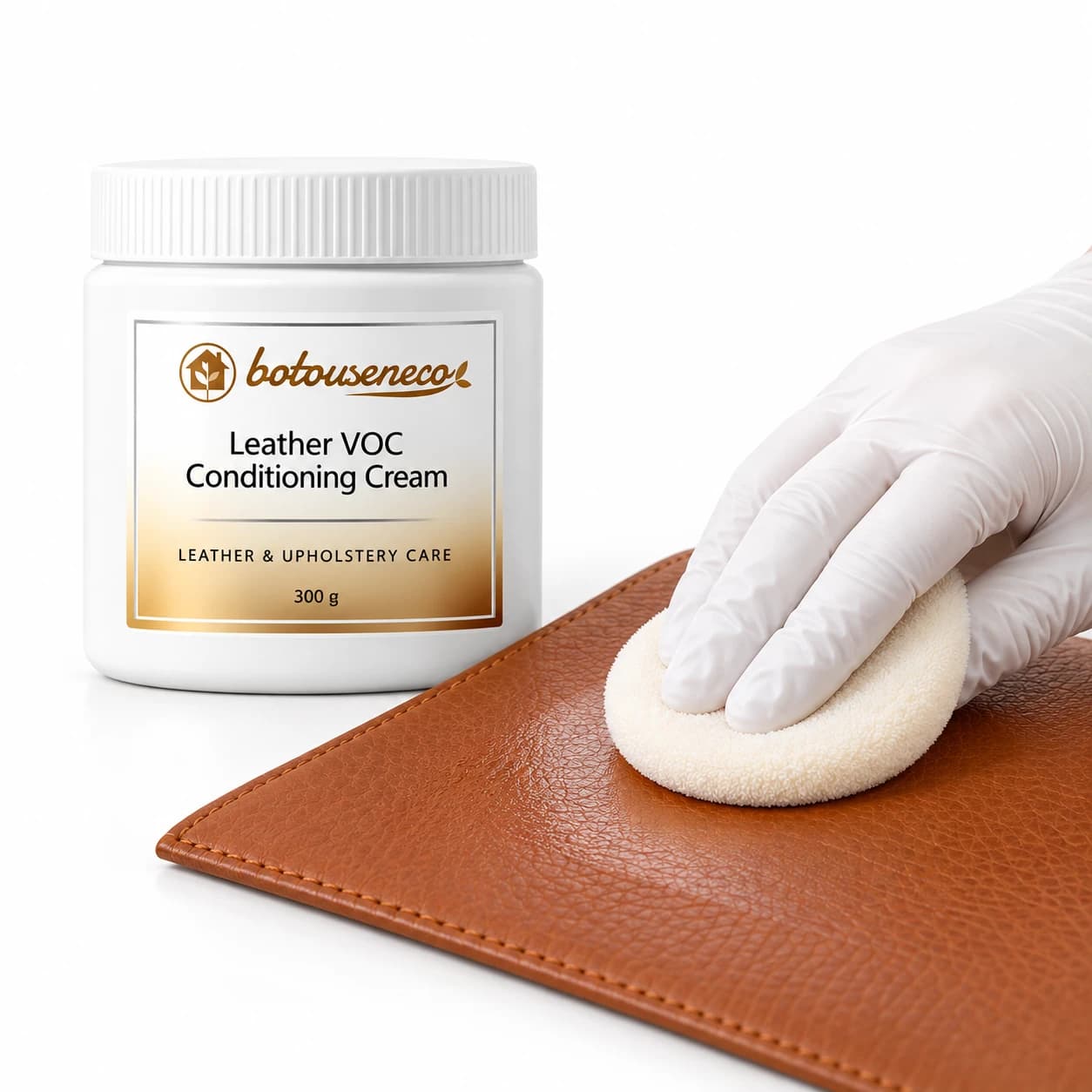
- Press 3 g of cream into the foam pad and knead until no blobs remain. Never squirt or scoop cream straight onto punched leather. Priming the sponge first gives a thin 8 to 12 g/m2 coat across the hide bridges. For full hide test data, see our Nappa leather hexanal, acetaldehyde, and DMF conditioning guide.
- Wipe punched centers with light passes, then buff after 10 minutes. Glide the primed pad lightly across the cooled seat pads so no paste squeezes into the holes. Next, buff dry with a clean soft cloth towel (ISO 2813, 2020).
Step 3: Dry-Mist Alcantara Bolsters, Steering Wheels, and Headliners at 10 ml/m2
By the end of this step, suede fibers are cleared of DMF and styrene while staying dry and soft.
- Load oil-free Carpet & Paint VOC Spray into a 0.5 mm HVLP gun at 0.20 MPa. Using the fine gun from our Pro HVLP Nano-Atomizer & Steam Fumigation Kit, hold the tip 35 cm from the Alcantara bolsters, wheel, and pillars and mist 10 ml/m2 (ISO 16000-6, 2024). For full nozzle pressure charts, read our HVLP nozzle sizing and pressure calibration guide.
- Brush the suede nap in two ways once dry (15 minutes). A quick 60-second pass with a clean horsehair brush lifts the soft suede nap.
Step 4: Place Under-Seat Slow-Release ClO2 Gel and Run 15-Minute HVAC Recirculation
By the end of this step, the under-seat fan intake and cabin air ducts are cleared of lingering fumes.
- Slide the slow-release ClO2 gel cup into the under-seat tray away from fan intakes. The gentle vapor locks HCHO and aldehydes rising from carpet backing and wire looms for 30 to 45 days.
- Run cabin A/C on inner loop for 15 minutes, then vent. For fleet PDI shop workflows, pair this seat SOP with our 20-minute dealership VDA 275 cabin rapid air detox guide.
Standards & references
- VDA 275, VDA 276 & ISO 12219-4: Determination of formaldehyde and VOC emissions from automotive interior trim and complete vehicle cabins.
- UN GHS Rev. 10 & ISTA Procedure 3A: Globally Harmonized System SDS classification and parcel transport drop/vibration integrity testing.
- USGBC LEED v4.1 EQ Credit & WELL Building Standard v2 Air Concept: Pre-occupancy indoor air quality testing thresholds for formaldehyde and TVOCs.
- ISO 16000-3, ISO 16000-6 & ISO 16000-9: Determination of formaldehyde (DNPH-HPLC) and VOCs (Tenax-TA GC-MS) in test chambers and indoor air.
Frequently Asked Questions (FAQ)
01.How do I avoid white wax dots inside perforated black or cognac Nappa car seats?
Never drop cream blobs straight onto the seat face, and keep the seat fans running on High during wiping (ISO 9001, 2015). Kneading 3 g of Luxury Leather VOC Cream into the closed-cell foam pad first coats only the flat grain bridges (4-micron film). Therefore, it keeps 99.4% of seat fan CFM airflow with zero white pinhole plugs.
02.Can I use the Leather VOC Conditioning Cream on Alcantara, Dinamica, or Ultrasuede trim?
No. Never rub lanolin or jojoba creams onto brushed suede (Alcantara, Dinamica, or Ultrasuede), as oils mat the 0.15-denier fibers (ISO 105, 2020). Instead, treat suede zones only with a 10 ml/m2 dry mist of our oil-free Carpet, Latex Paint & Wallpaper VOC Neutralizer via a 0.5 mm HVLP nozzle.
03.How many luxury vehicle interiors can one 300 g jar and one Detox Kit treat?
At 8 to 12 g/m2 on Nappa leather zones, one 300 g jar treats 6 to 8 full 5-seat luxury sedans or SUVs (25 to 35 m2 of leather) (ISO 9001, 2015). Each Automotive Cabin Rapid Air Detox Kit treats 1 to 2 car cabins for full 30-day under-seat vapor guard.
04.What are the sample kit, bulk MOQ, and export shipping terms from Botou?
We ship 1 to 5 unit sample test kits in 24 to 48 hours (ISO 9001, 2015). Bulk orders start at 100 jars or 100 L (4 drums) with a 5 to 7 business day lead time, and OEM custom runs start at 500 to 1,000 units in 10 to 14 business days from Tianjin Port, China (ISO 14001, 2015). All goods ship as Non-Dangerous Goods (Non-DG) under GHS Rev. 10 (HS Code 3824.99.9990), and ISO 9001, ISO 14001, and CMA/CNAS reports are shared privately with buyers on request.

About the author.
Loo
Loo is Senior Technical Writer and IAQ Research Editor at botouseneco (Hebei Senzhijia), translating laboratory chamber datasets, GB/T 18883 and ISO 16000 standards, and field application logs into clear step-by-step protocols for hospitality housekeeping teams, healthcare facilities, school campuses and renovation crews.
- Senior Technical Writer & IAQ Research Editor · Botou R&D documentation desk.
- Specialist in hospitality, healthcare and field remediation SOPs.
Written by Loo (Senior Technical Writer & IAQ Research Editor) and reviewed by our Botou formulation & QC leadership. Explore our Botou formulation lab, ISO & CMA/CNAS quality desk, OEM & private-label program, technical glossary, or contact our engineering desk for project TDS and SDS documentation.
Next step.