Post-Fire & Commercial Kitchen Odor Restoration
Post-Fire and Commercial Kitchen Smoke Restoration: Combining Micellar Tar Stripping, Polyphenol Complexation and ClO2 Vapor Oxidation
Structural fires and kitchen fryer flare-ups leave sticky lipid tars, carbon soot, sharp acrolein, and smoky guaiacol deep inside grout, hoods, drapes, and wall voids. Painting over dirty soot or blasting heavy ozone cracks gaskets and still triggers summer odor rebound. Effective post-fire smoke odor restoration chemicals work in three clear steps: micellar tar stripping with Hospitality Smoke & Nicotine Odor Eliminator (10-15 ml/m2), fragrance-free plant polyphenol ULV fogging with Odor Eliminator (5-10 ml/m3), and passive ClO2 vapor oxidation (0.01-0.03 ppm steady state) using ClO2 Slow-Release Formaldehyde Removal Gel in dead spaces.
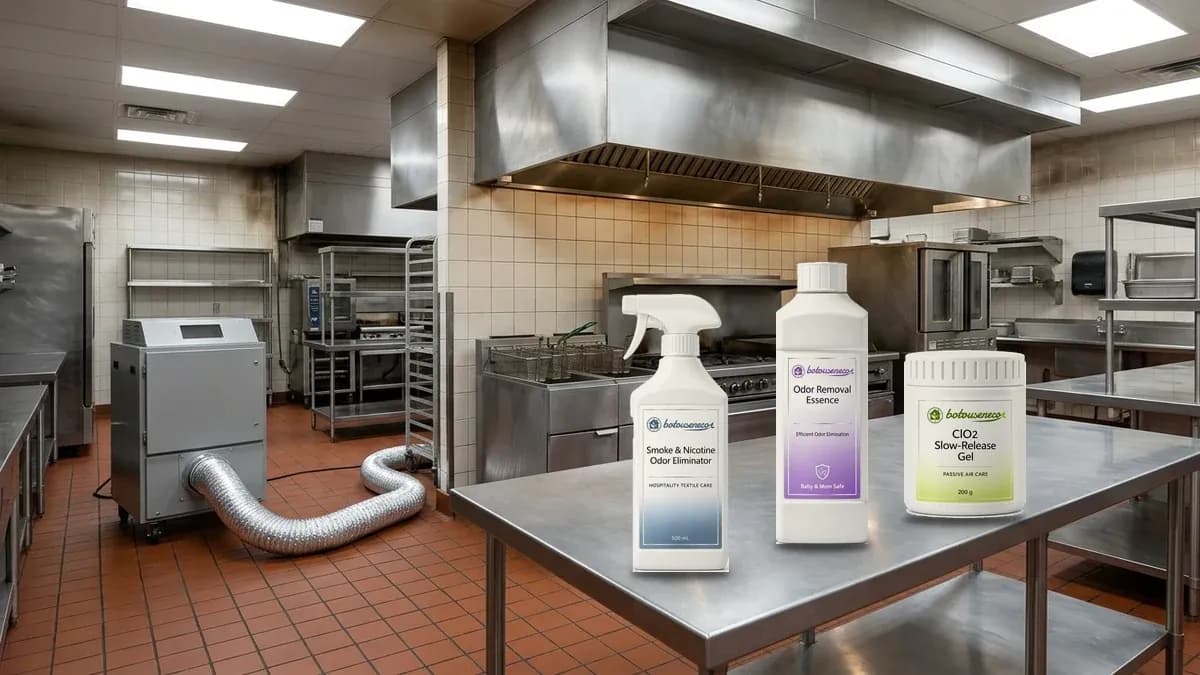
Key Takeaways
- Why Kitchen Smoke Rebounds: Burnt protein and cooking fats leave an invisible yellow grease film carrying acrolein (0.1 ppm TWA; 0.3 ppm STEL) and guaiacol; painting over unstripped tar or running high-dose ozone damages gaskets and causes rebound.
- Stage 1 & 2 Wet + ULV Protocol: HEPA-vacuum loose ash, strip greasy soot with Hospitality Smoke & Nicotine Odor Eliminator (pH 5.2-6.2, 10-15 ml/m2), and neutralize room/textile aldehydes with Odor Eliminator (pH 6.0-7.0, 5-10 ml/m3 ULV, 8-15 ml/m2 drapes).
- Stage 3 Safe Void Oxidation: Deploy 200 g ClO2 Slow-Release Gel jars (1 jar / 10-15 m2) to meter 0.01-0.03 ppm steady vapor for 60-90 days safely below OSHA/NIOSH limits, fading from yellow-green to clear white when spent.
- 300 m2 Kitchen + 150 m2 Dining Takeoff: One incident uses 50 L (2 x 25 L pails) plus 1 carton (48 jars); two incidents equal 100 L (4 x 25 L), clearing BotouSeneco's 100 L liquid factory MOQ in 5-7 business days.
Why Commercial Kitchen Fires Cause Persistent Odor Rebound
Commercial kitchen fires and hotel range flare-ups cause odor losses far beyond the burn zone. Even when crews put flames out in minutes, hot smoke pushes oily droplets into exhaust hoods, drop ceilings, and nearby banquet halls.
Plain soap wipes remove dark smudges yet leave burnt oils glued deep inside pores. Weeks later, summer heat or hot ovens bake those trapped fumes back into dining rooms and force costly room shutdowns.
| Smoke Incident Type | Dominant Malodor Molecules | Primary Residue Matrix | Matched BotouSeneco Chemistry & Rate |
|---|---|---|---|
| Deep-fryer & protein burn | Acrolein, volatile fatty acids, pyrazines | Invisible yellow protein grease film | Smoke & Nicotine Eliminator (10-15 ml/m2) + Odor Eliminator (5-10 ml/m3) |
| Wood & cellulose char fire | Guaiacol, syringol, cresols, HCHO | Fine dry carbon soot in pores | Dry HEPA vac + Smoke & Nicotine Eliminator (5-10 ml/m3 ULV) |
| Synthetic & plastic flare-up | Styrene, benzene (BTEX), acid fumes | Sticky wet oily soot on paint | Micellar strip (15 ml/m2) + Odor Eliminator (8-10 ml/m3) |
| Wall cavities & drop ceilings | Trapped residual smoke & aldehydes | Unreachable voids above kitchen tiles | ClO2 Slow-Release Gel (1 x 200 g jar / 10-15 m2) |
Why Post-Fire and Commercial Kitchen Smoke Rebounds: Soot, Acrolein and Protein Pyrolysis
Protein Smoke Residue is a thin, nearly invisible yellow-brown film formed when meat, dairy, or frying fats scorch under low-flame heat. Unlike dry wood ash, protein smoke glues itself onto painted drywall, stainless hood seams, and banquet fabrics while giving off a sharp burnt-grease stench.
Peer-reviewed field work shows why post-fire air stays dirty long after flames die. A January 2026 study in ACS ES&T Air (PMC12797226) tested 19 homes after the 2025 Los Angeles fires prior to move-in. Indoor PM2.5 averaged 3.45 ug/m3 and PM10 averaged 31.66 ug/m3, with uncleaned homes exceeding indoor-to-outdoor ratios of 1.0, proving indoor surfaces hold persistent fire residue.
A 2025 study in npj Heritage Science (PMC12638255) showed that hot fire soot differs sharply from cold dust in polarity and surface grip. In commercial kitchens, hot oil breakdown adds even harsher gases. Three chemical families drive most post-fire callbacks.
- Ultrafine Grease Aerosols & PAHs. A May 2026 review in Foods (PMC13257045) tracks how oil cracking and Maillard reactions release PAHs, benzene, aldehydes, and ultrafine particles (Dp <= 0.1 um). Typical cooking emission factors run 17.97 to 71.92 mg/(min·kg oil) for total VOCs and 0.46 to 1.82 mg/(min·kg oil) for formaldehyde.
- Acrolein & Reactive Aldehydes. A July 2025 review in Food Chemistry: X (PMC12281009) lists acrolein, acetaldehyde, formaldehyde, and 4-HNE as key toxic aldehydes from overheated oil. Per the NIH PubChem Acrolein Profile and CDC NIOSH Acrolein Pocket Guide, acrolein carries a strict 0.1 ppm (0.25 mg/m3) TWA limit (8-hour OSHA PEL / 10-hour NIOSH REL). Its 15-minute STEL sits at just 0.3 ppm (0.8 mg/m3) because it burns eyes and airways fast.
- Wood-Smoke Phenols (Guaiacol). When wood shelves, trim, or cellulose insulation char, lignin breaks down into smoky guaiacol, detailed in the NIH PubChem Guaiacol Reference.
Why Paint Sealers Alone and Heavy Ozone Generators Fail Restoration Crews
Restoration crews often make two costly mistakes when rushing a commercial kitchen reopen.
- Rolling Primer Over Unstripped Soot Tar. Brushing shellac or acrylic stain blocker over oily soot traps volatile acids beneath the paint. Within weeks, warm kitchen steam softens that coat and bleeds burnt smell back through grout lines.
- Shocking Occupied Wings with High-Dose Ozone. Heavy ozone (O3) cracks silicone fryer gaskets, fades banquet cloth, and reacts with kitchen grease to form new formaldehyde and fine aerosols. For a broader non-destructive odor roadmap across hotels, see our pillar guide on commercial odor control and bio-enzymatic molecular deodorization.
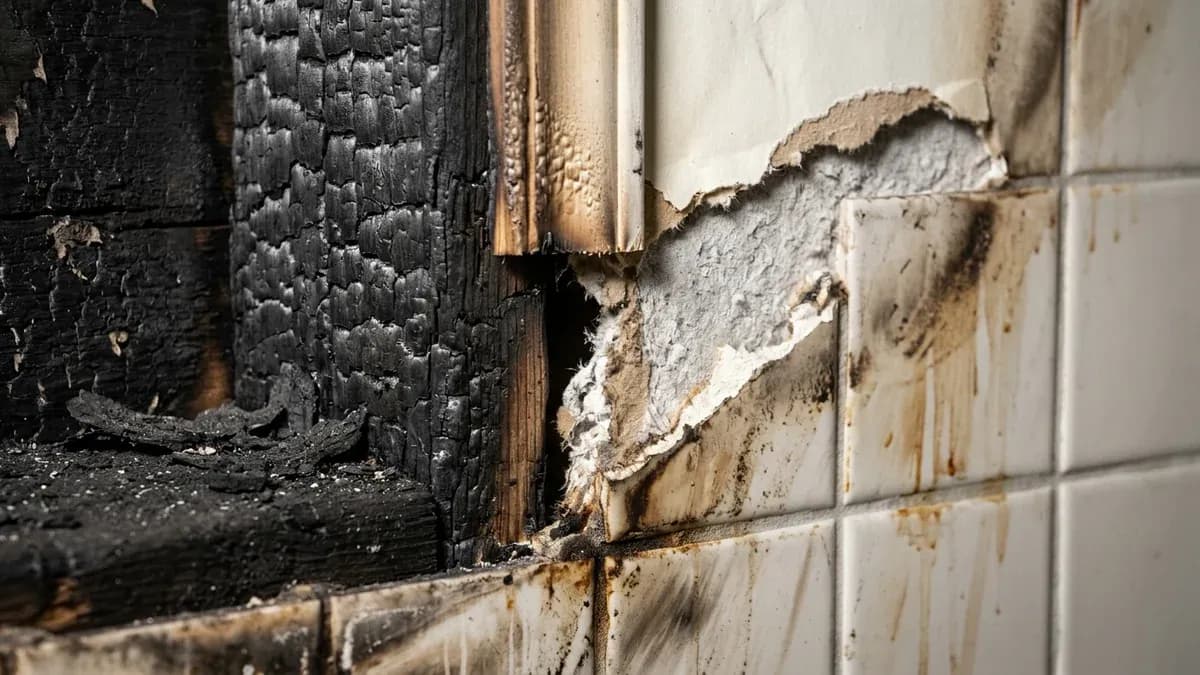
| Restoration Approach | Action on Oily Soot Tar | Effect on Acrolein & Guaiacol | Material & Gasket Safety | Rebound Risk After 30 Days |
|---|---|---|---|---|
| Fragranced masking fog | None; adds heavy scent oil | Masks smell 2 to 6 hours only | Sticky film on food-prep metal | Very high; worsens haze |
| High-dose ozone shock | Poor penetration into grease | Partial; forms secondary HCHO | Cracks rubber seals & brass | Moderate to high |
| Primer without degreasing | Seals wet tar beneath paint | Trapped gases bleed out later | Peels off oily stainless or grout | High on warm humid days |
| BotouSeneco 3-Stage Chemical SOP | Micellar lift + wipe removal | Polyphenol lock + ClO2 oxidation | Safe on seals & steel at spec | Low; treats void gas too |
Three-Stage Post-Fire and Kitchen Smoke Restoration SOP
Reliable fire-odor removal pairs dry soot pickup with three targeted chemical phases. Micellar Tar Stripping is the use of mild non-ionic surfactant micelles and organic acid buffers to lift oily smoke tars and alkaline ash off walls and fabrics without caustic damage. Polyphenol-Aldehyde Complexation is the direct chemical binding of pungent aldehydes, fatty acids, and smoke fumes by fragrance-free plant polyphenols into stable, odorless solids.
Follow this field sequence built for restoration crews and hotel and hospitality engineering teams.
Stage 1: Dry HEPA Soot Removal and Micellar Tar Stripping
Before wetting charred drywall or ceiling tiles, vacuum loose dry soot with a HEPA unit and dry chemical sponges. Wetting dry carbon ash too soon pushes dark streaks deep into porous plaster and tile grout.
Next, spray Hospitality Smoke & Nicotine Odor Eliminator (pH 5.2 to 6.2) at 10 to 15 ml/m2 across greasy hood baffles, tile walls, steel prep tables, and smoke-filmed cabinets. Its non-ionic micelles lift burnt-oil glaze while organic acid buffers calm alkaline ash cleanly. Let it dwell 5 to 10 minutes, then wipe with clean microfiber cloths. Rinse food-contact steel counters with potable water before cooking resumes. If fire sprinklers soaked nearby carpets or drywall during knockdown, treat wet subfloors first with our protocol on post-flood water damage carpet and drywall MVOC restoration.
Stage 2: Polyphenol Complexation via Contractor ULV Smoke Fogging
Once visible soot film is gone, gas-phase aldehydes stay trapped in drapes, dining booths, and overhead plenums. Load a calibrated ULV cold fogger (20 to 50 micron dry mist) for contractor-grade ULV smoke fogging.
In heavy burnt-oil or scorched-meat zones, fog 5 to 10 ml/m3 of Hospitality Smoke & Nicotine Odor Eliminator inside empty kitchen hoods and prep bays first. Follow across dining rooms and halls with 5 to 10 ml/m3 of neutral Odor Eliminator (Molecular Grade) (pH 6.0 to 7.0), and mist drapes at 8 to 15 ml/m2. As a fragrance-free commercial kitchen protein-smoke deodorizer, this formula locks acrolein, fatty acids, and guaiacol with plant polyphenols in 30 to 60 minutes with zero perfume haze. If greasy floor drains and waste rooms add sour sulfide smell next to the burn zone, pair cleanup with our SOP on commercial refuse room and grease trap bio-enzymatic H2S deodorization.
Stage 3: Controlled-Release ClO2 Vapor Oxidation for Wall Voids and Ceilings
Controlled-Release ClO2 Vapor Oxidation is the steady, passive diffusion of pure chlorine dioxide (ClO2) gas from a cross-linked hydrogel jar into tight structural voids to oxidize leftover smoke fumes into harmless salts. As listed in the NIH PubChem Chlorine Dioxide Profile, ClO2 works as a selective one-electron oxidizer without forming chlorinated carcinogens.
Peer-reviewed indoor air trials back this gas-phase mechanism. A 2023 study in Molecules (PMC10254420) showed that gaseous ClO2 enters semi-enclosed rooms and breaks down airborne BTEX aromatics. A March 2024 study in Heliyon (PMC10915389) further showed how gradual ClO2-releasing systems balance steady deodorization with room safety.
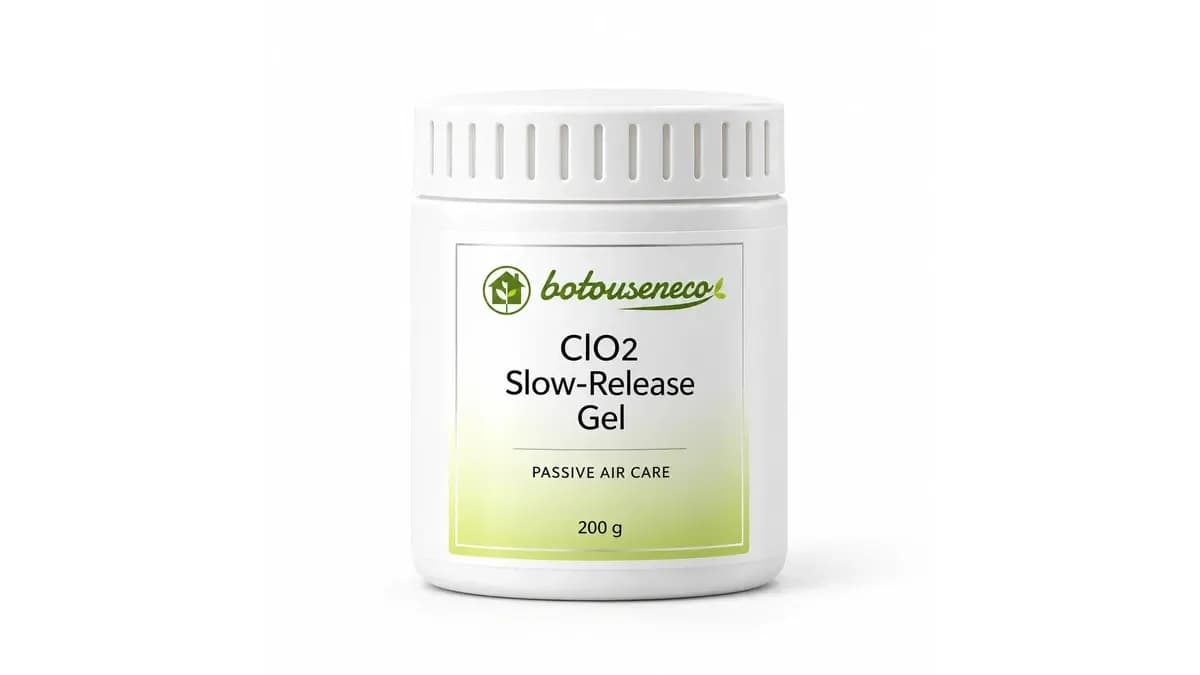
Activate 200 g canisters of ClO2 Slow-Release Formaldehyde Removal Gel at 1 jar per 10 to 15 m2 (1.0 to 1.5 m high shelf) across restored kitchens, ceiling bays, and dry pantries. Each jar meters 0.01 to 0.03 ppm steady vapor for 60 to 90 days. That stays well under the 0.1 ppm (0.3 mg/m3) TWA (8-hour OSHA PEL / 10-hour NIOSH REL) and 0.3 ppm (0.9 mg/m3) STEL in the CDC NIOSH Chlorine Dioxide Pocket Guide. Check final dining air against the WHO Guidelines for Indoor Air Quality: Selected Pollutants (0.1 mg/m3 30-min HCHO) and US EPA IAQ VOC guidance. For Asian projects, confirm China GB/T 18883-2022 limits (TVOC <= 0.60 mg/m3 8-hour average; HCHO <= 0.08 mg/m3 1-hour average).
Engineering Scope Limits: When Structural Demolition Must Precede Deodorization
In our Botou formulation lab and contractor field reviews, we draw clear limits on chemical smoke recovery. Micellar washes, polyphenol fogs, and 0.01 to 0.03 ppm ClO2 gels clear surface tars, fabric smoke, and light cavity odor cleanly after localized fires. However, no spray or gel can rescue deeply charred wood joists, melted wire jackets, or soot-soaked acoustic ceiling tiles.
Crews must cut out and discard badly burned porous items before Stage 1 begins. Likewise, never pour liquid ClO2 precursors into acidic or surfactant fogging tanks, and always rinse food-contact stainless counters with clean water before commercial cooking restarts.
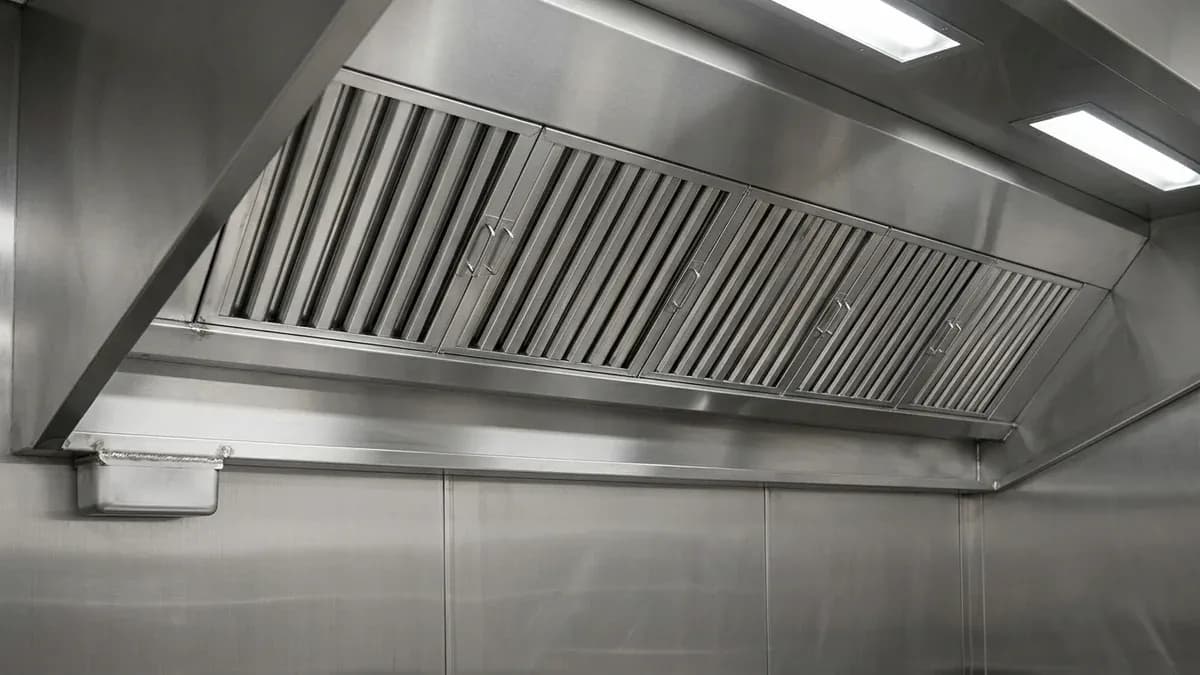
BotouSeneco Post-Fire Smoke, Polyphenol and ClO2 Product Selector
Within our bio-enzyme and commercial odor control product line, Hebei Senzhijia Environmental Protection Co., Ltd (BotouSeneco) manufactures all three matched restoration systems. Learn more about us and our Botou plant, founded in 2015 in Cangzhou, Hebei, to supply bulk soot and acrolein odor neutralizer programs worldwide.
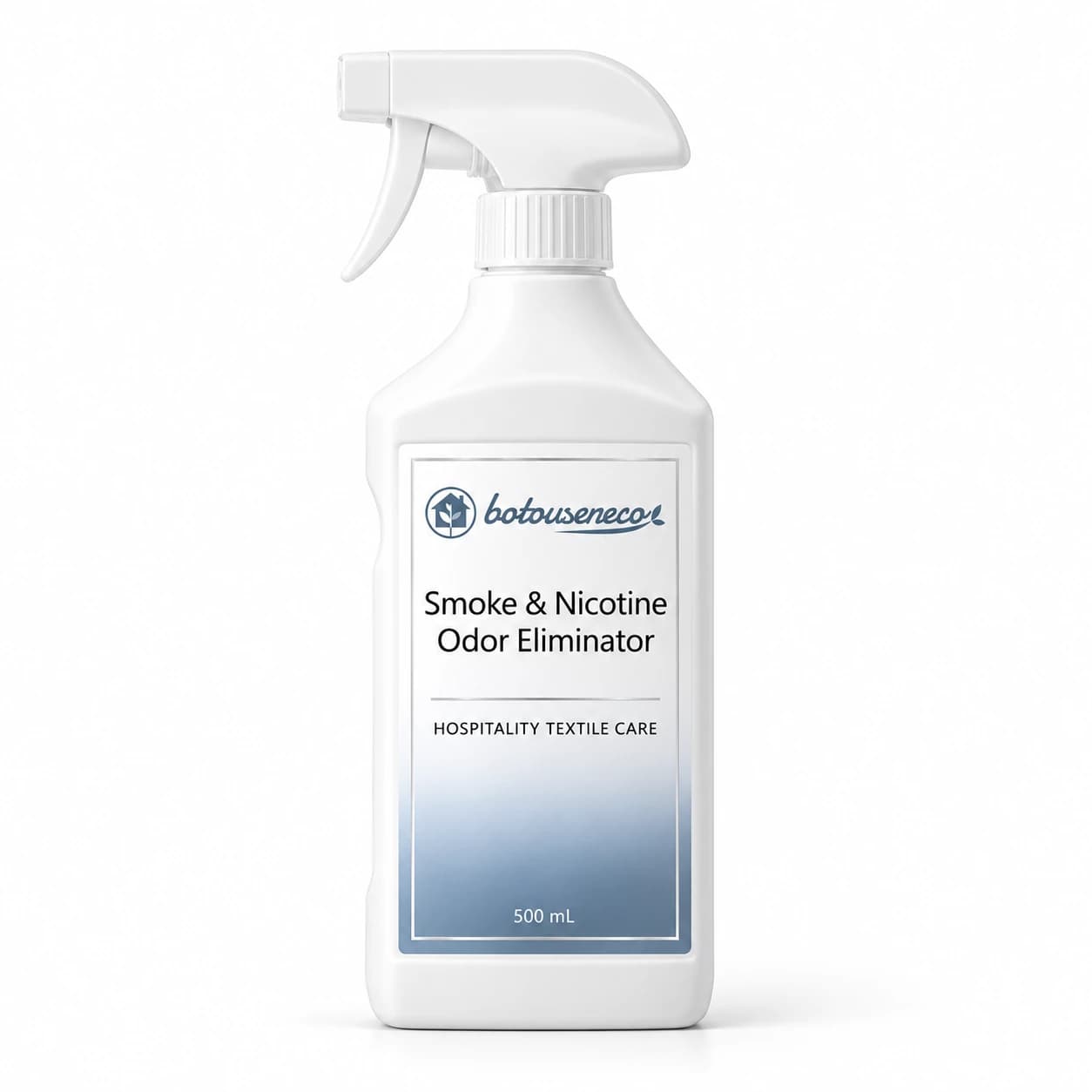
- 1. Hospitality Smoke & Nicotine Odor Eliminator: Fragrance-free pH 5.2 to 6.2 liquid with non-ionic tar micelles, organic acid buffers, and polyphenols. Spray 10 to 15 ml/m2 to strip greasy soot or fog 5 to 10 ml/m3 via ULV inside smoky prep suites and hoods.
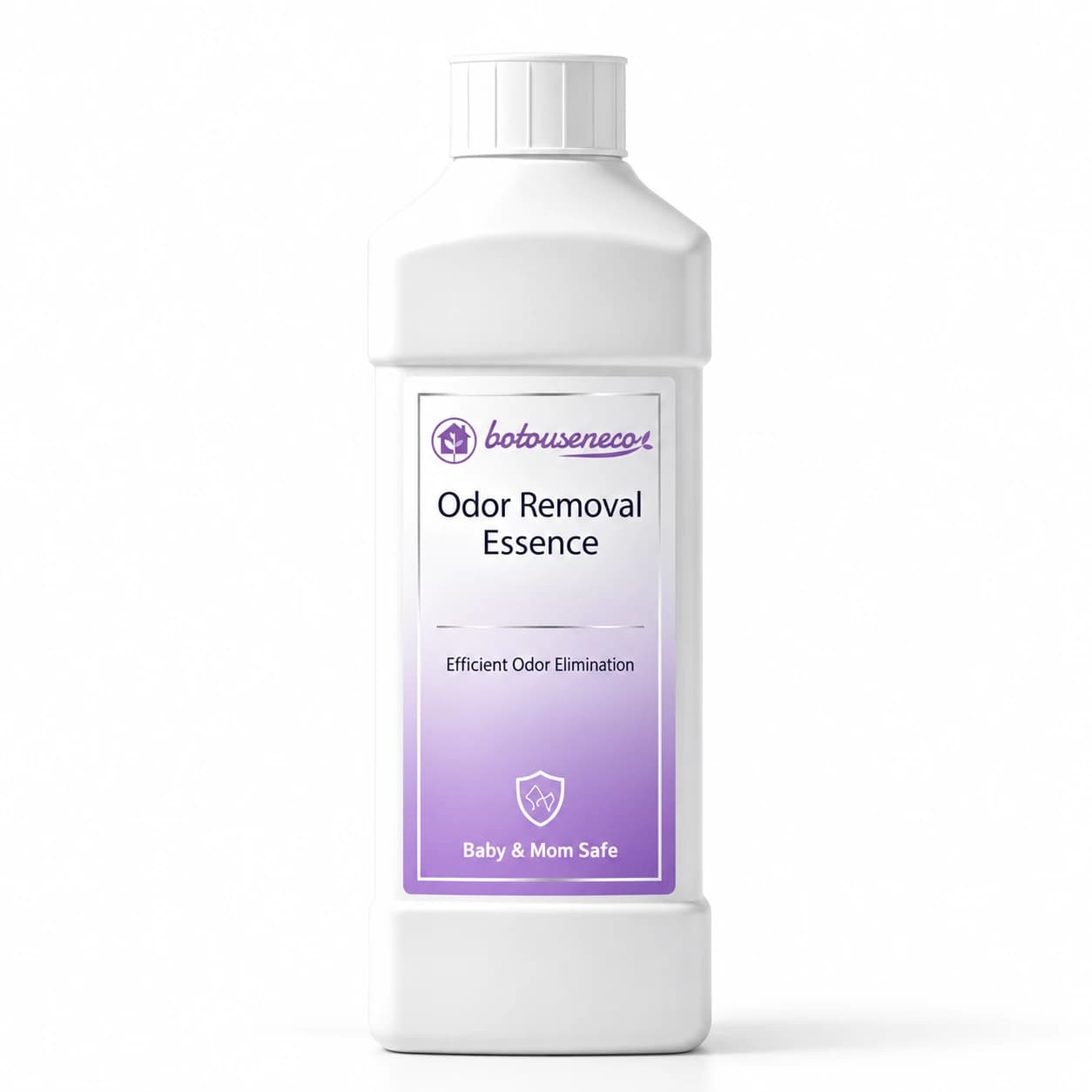
- 2. Odor Eliminator (Molecular Grade): Neutral (pH 6.0 to 7.0) fragrance-free plant polyphenol and organic chelator blend. Apply 8 to 15 ml/m2 on smoke-tainted drapes and seats or 5 to 10 ml/m3 via ULV to clear protein smoke and acrolein in 30 to 60 minutes.
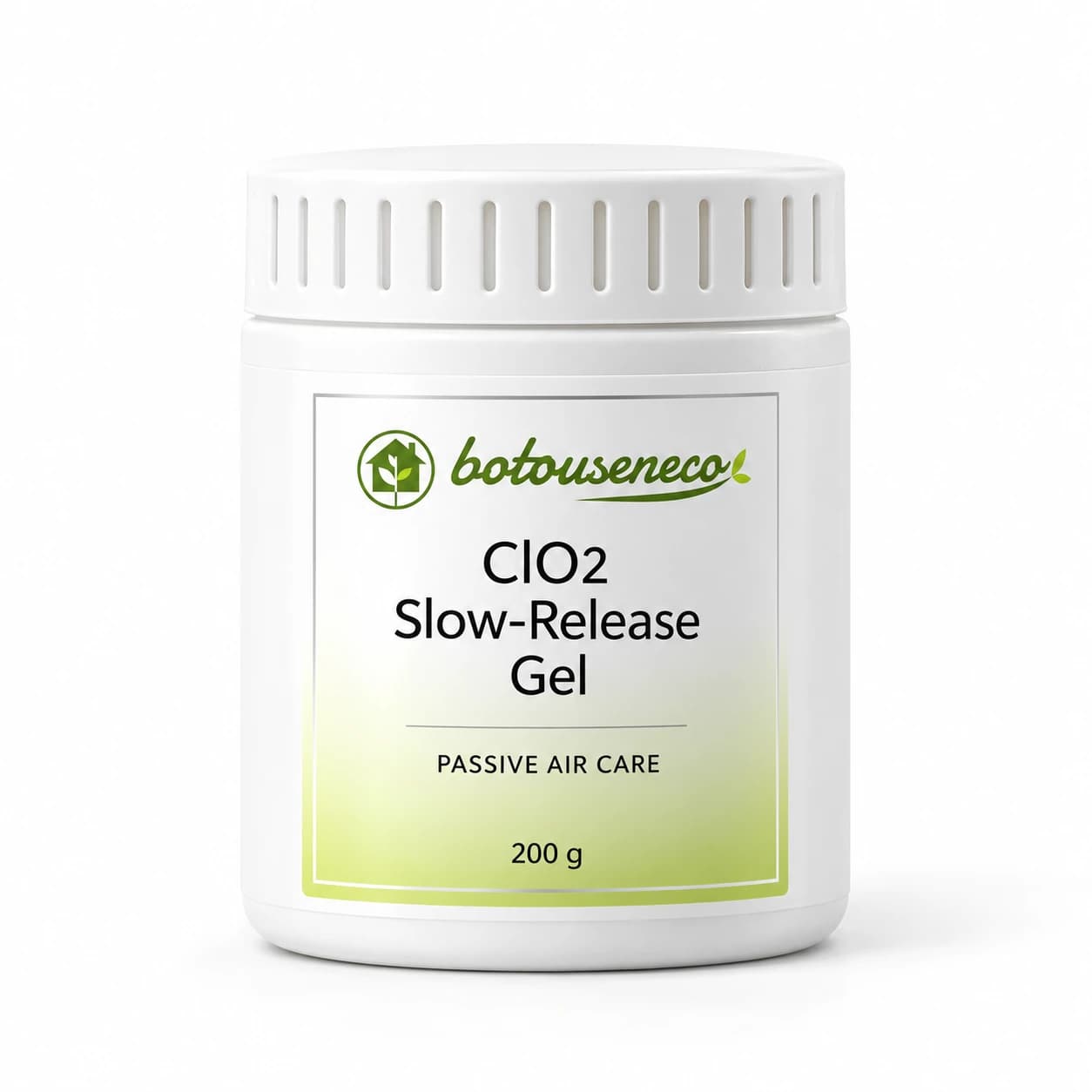
- 3. ClO2 Slow-Release Formaldehyde Removal Gel: Two-part 200 g hydrophilic gel jar (48 jars/carton; 150 g / 250 g OEM sizes) with a dry activator sachet. Meters 0.01 to 0.03 ppm ClO2 vapor across 10 to 15 m2 per jar for 60 to 90 days and fades from yellow-green to clear white when spent.
Product Matrix, Compliance and Transparent SDS Section 14 Logistics
Liquid deodorizers ship as standard Non-DG cargo worldwide. Because the two-part ClO2 gel pairs a hydrogel jar with a separate dry oxidizer sachet, ClO2 gel freight follows GHS Rev. 10 SDS Section 14 (Limited Quantity LQ or DG terms confirmed per quote). Every batch runs under our ISO 9001:2015 Quality Management System and ISO 14001:2015 Environmental Management System, backed by CMA / CNAS-accredited chamber verification per ISO 16000-9 and GB/T 18883-2022. Official certificate copies and batch COAs are shared privately with B2B buyers on request; private-label OEM starts at 500 to 1,000 units (10 to 14 business days).
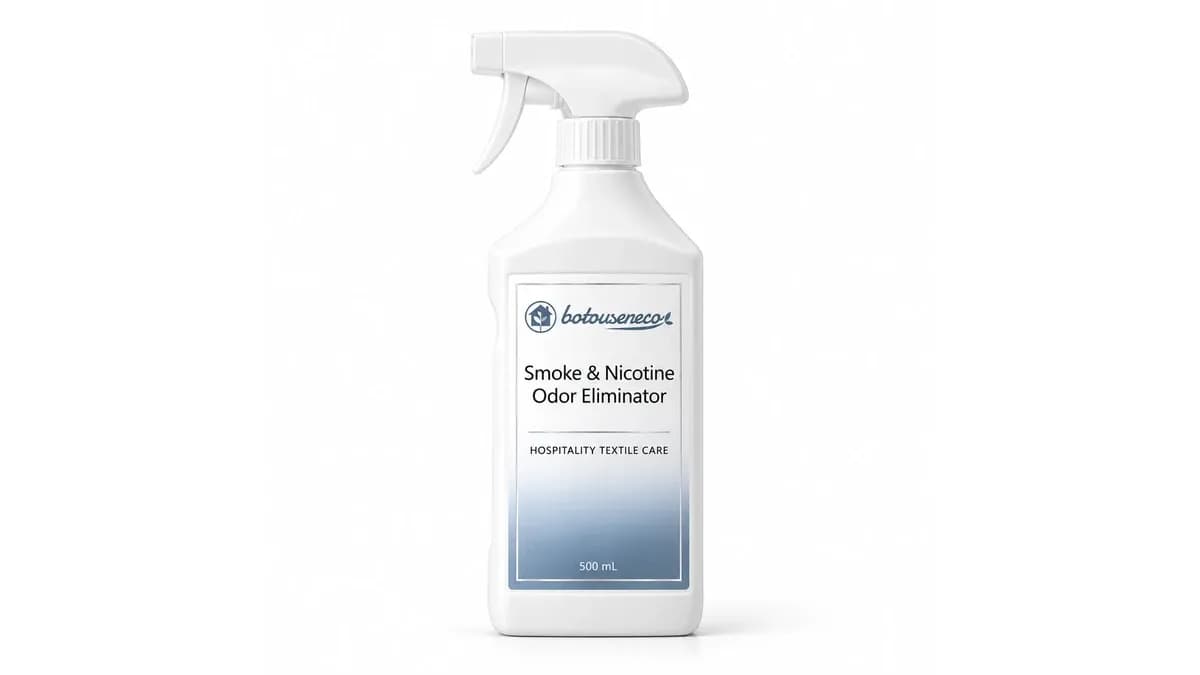
| Product / Supply Term | Active Chemistry & Working Range | Target Restoration Zone | Dosage & Packaging |
|---|---|---|---|
| Smoke & Nicotine Eliminator | Non-ionic tar micelles + organic acids (pH 5.2-6.2) | Soot-filmed tiles, hood baffles, drapes | 10-15 ml/m2 wipe; 5-10 ml/m3 ULV |
| Odor Eliminator (Molecular) | Fragrance-free plant polyphenols (pH 6.0-7.0) | Protein smoke, acrolein, dining rooms | 8-15 ml/m2 fabric; 5-10 ml/m3 ULV |
| ClO2 Slow-Release Gel (200 g) | Hydrogel + dry activator (0.01-0.03 ppm vapor) | Drop ceilings, pantries, wall voids | 1 jar / 10-15 m2 (48 jars/carton) |
| MOQ, Lead Time & Export | Non-DG liquid SDS; ClO2 gel per GHS Rev. 10 Sec. 14 | Air & sea via Tianjin Port (~180 km) | Samples 1-5 units (24-48 h); Bulk 100 L / 480 jars (5-7 d) |
Worked Restoration Takeoff: 300 m2 Hotel Banquet Kitchen and Dining Wing
Restoration estimators bidding an overnight hotel kitchen smoke job need exact barrel and carton counts. Consider a 300 m2 banquet kitchen (3.0 m ceiling, 900 m3 air) plus an adjoining 150 m2 dining hall (4.0 m ceiling, 600 m3 air) after a localized fryer-and-protein fire. Total restored area equals 450 m2 (1,500 m3), with 850 m2 of soot-filmed steel, tile walls, and hood panels plus 400 m2 of smoky drapes and booths.
One commercial kitchen incident uses 50 L (2 x 25 L pails) plus 1 carton (48 jars). Contractors stocking two similar fire jobs order 4 x 25 L (100 L) of liquid stock alongside ClO2 gel cartons. That pallet clears BotouSeneco's 100 L liquid MOQ in 5 to 7 business days (standalone ClO2 gel bulk orders start at 480 jars / 10 cartons, while smaller carton counts can ship with a 100 L liquid pallet).
- Stage 1 (Micellar Soot Stripping 850 m2 + Kitchen Hood ULV 900 m3). Spraying Hospitality Smoke & Nicotine Odor Eliminator at 15 ml/m2 (12.75 L) plus kitchen ULV fog at 8 ml/m3 (7.20 L) equals 19.95 L net. Adding a 1.10 transfer factor gives 21.95 L, so allocate 1 x 25 L pail (25 L, leaving 3.05 L spare for heavy grease baffles).
- Stage 2 (Polyphenol Textile Mist 400 m2 + Full-Zone ULV 1,500 m3). Misting Odor Eliminator (Molecular Grade) at 12 ml/m2 (4.80 L) plus full-wing ULV fog at 8 ml/m3 (12.00 L) equals 16.80 L net. Adding a 1.10 transfer factor gives 18.48 L, so allocate 1 x 25 L pail (25 L, leaving 6.52 L reserve for post-paint clearance).
- Stage 3 (Post-Fogging ClO2 Vapor Oxidation 450 m2 + Voids). Sizing ClO2 Slow-Release Formaldehyde Removal Gel at 1 jar per 12.5 m2 across open rooms takes 36 jars. Adding 12 jars for drop-ceiling bays, linen closets, and dry pantries totals 48 jars (1 master carton of 200 g canisters).
Request Restoration Sample Kits and Bulk Chemical Quotes
Cut post-fire callback claims and reopen commercial kitchens faster without ozone damage or perfume cover-ups. Contact our BotouSeneco engineering team with your affected floor area, ceiling height, and incident smoke type. We ship 1 L liquid trial kits and 200 g ClO2 gel samples within 24 to 48 hours alongside GHS Rev. 10 SDS packs. Our engineers also draft a custom bill of materials for your stock of post-fire smoke odor restoration chemicals.
Standards & references
- Peer-Reviewed Post-Fire & Cooking Emission Studies: ACS ES&T Air Jan 2026 (PMC12797226), npj Heritage Science 2025 (PMC12638255), Foods May 2026 (PMC13257045) & Food Chemistry: X Jul 2025 (PMC12281009).
- Gas-Phase ClO2 Oxidation Research: Molecules 2023 (PMC10254420) & Heliyon Mar 2024 (PMC10915389).
- CDC NIOSH Pocket Guide to Chemical Hazards (Acrolein npgd0011: 0.1 ppm TWA / 0.3 ppm STEL; Chlorine Dioxide npgd0116: 0.1 ppm TWA / 0.3 ppm STEL) & NIH PubChem Profiles (Acrolein, Guaiacol, Chlorine Dioxide).
- WHO Guidelines for Indoor Air Quality: Selected Pollutants (0.1 mg/m3 30-min HCHO), US EPA IAQ VOC Guidance, China GB/T 18883-2022, UN GHS Rev. 10 SDS Section 14, ISO 9001:2015, ISO 14001:2015 & CMA / CNAS ISO 16000-9 Verification.
Frequently Asked Questions (FAQ)
01.Why does burnt protein smoke smell worse than ordinary wood smoke in commercial kitchens?
Scorched meat, dairy, and frying oils break down into acrolein, volatile fatty acids, and nitrogen-sulfur pyrazines trapped inside an invisible yellow grease film. Unlike loose dry wood ash, this oily film glues itself tightly onto tile grout, steel seams, and fabrics until stripped with micellar surfactants and bound by plant polyphenols.
02.Can restoration crews fog ClO2 liquid directly through a ULV machine instead of using slow-release gel?
Never pour unbuffered ClO2 activator mixes into standard ULV foggers. Uncontrolled liquid ClO2 mist spikes indoor gas far past the 0.3 ppm NIOSH STEL, risking eye injury and metal corrosion. Use neutral liquid polyphenols for active ULV fogging, then place two-part 200 g ClO2 Slow-Release Gel jars (0.01 to 0.03 ppm) for safe passive void oxidation.
03.How soon can restaurant staff re-enter a kitchen after ULV polyphenol smoke fogging?
Because Hospitality Smoke & Nicotine Odor Eliminator and Odor Eliminator (Molecular Grade) are fragrance-free and water-based, rooms clear fast. Allow 30 to 60 minutes of dwell and ventilation until mist settles, rinse food-contact steel counters with clean water, and confirm fresh air before prep resumes.
04.How do crews know when 200 g ClO2 Slow-Release Gel canisters inside ceiling bays are spent?
Each activated hydrogel jar starts pale yellow-green (or amber-yellow) as it meters 0.01 to 0.03 ppm ClO2 gas. Over 60 to 90 days, the gel gradually fades to clear white, giving building staff a simple visual cue to replace the jar without gas meters.

About the author.
Loo
Loo is Senior Technical Writer and IAQ Research Editor at botouseneco (Hebei Senzhijia), translating laboratory chamber datasets, GB/T 18883 and ISO 16000 standards, and field application logs into clear step-by-step protocols for hospitality housekeeping teams, healthcare facilities, school campuses and renovation crews.
- Senior Technical Writer & IAQ Research Editor · Botou R&D documentation desk.
- Specialist in hospitality, healthcare and field remediation SOPs.
Written by Loo (Senior Technical Writer & IAQ Research Editor) and reviewed by our Botou formulation & QC leadership. Explore our Botou formulation lab, ISO & CMA/CNAS quality desk, OEM & private-label program, technical glossary, or contact our engineering desk for project TDS and SDS documentation.
Next step.