Commercial Odor & Bio-Enzymatic Engineering
Commercial Odor Control and Bio-Enzymatic Deodorization: Complete B2B Engineering Guide for Hotels, Healthcare and HVAC
Commercial bio-enzymatic and molecular odor control is the fragrance-free chemical complexation and microbial digestion of smoke, urine, ammonia, and HVAC biofilm odors across hotels, hospitals, and offices. Synthetic perfumes fade within two hours, while ozone shock machines crack rubber seals and force six-hour room lockouts. By pairing pH 5.2-6.2 Eliminador de olores de nicotina y humo en hostelería (45-minute room turnaround), 1.0 x 10^8 CFU/ml *Bacillus* spore Desodorante bioenzimático para orina de mascotas y amoníaco, and pH 7,0 no-rinse Desodorante desinfectante para conductos y serpentines HVAC, facility teams clear malodors permanently with zero downtime.

- Publicado
- Actualizado
- tiempo de lectura
- 11 mín.
Conclusiones clave
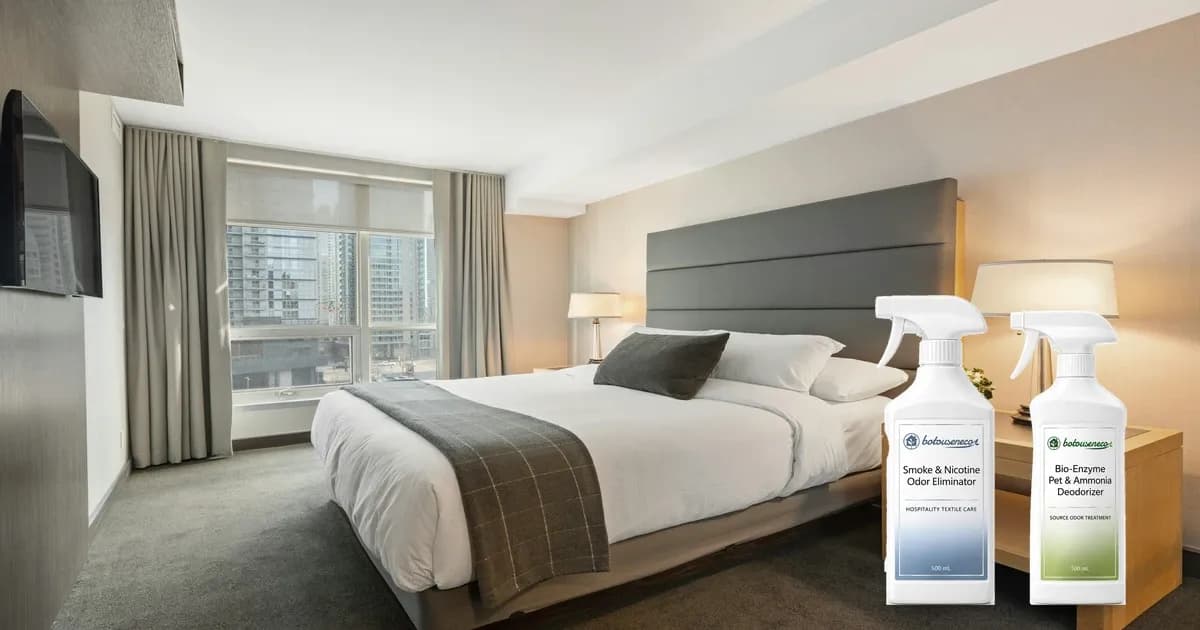
- 45-Minute Smoking Suite Turnaround (Zero Ozone): pH 5.2-6.2 organic acid protonation locks volatile nicotine and pyridine into non-volatile salts without rubber seal cracking or 6-hour ozone lockouts.
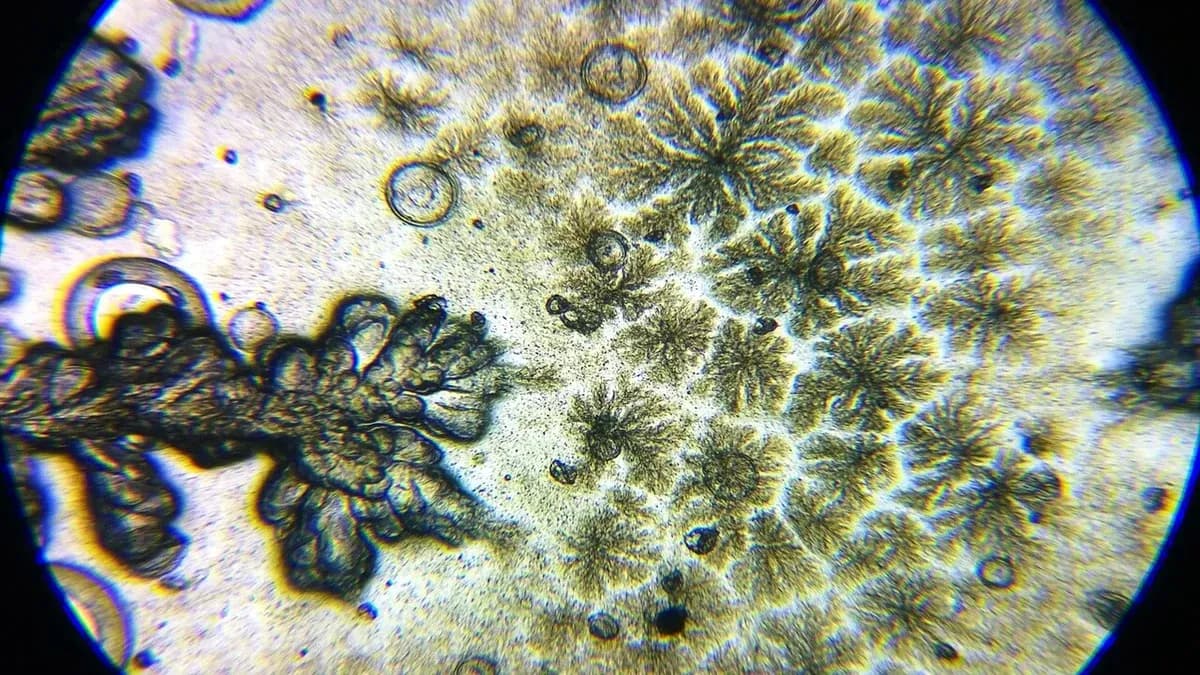
- Permanent Uric Acid Crystal Digestion: >= 1.0 x 10^8 CFU/ml Class-1 *Bacillus* spores secrete extracellular uricase and protease to digest water-insoluble uric acid crystals that bleach and quats leave behind.
- Neutral pH 7.0 No-Rinse HVAC Sanitation: Cationic biofilm disruptors and metal passivators strip geosmin and 2-MIB slime from hydrophilic aluminum fins, flushing clean via normal AC condensate.
- $69,300/Year OOO Revenue Recovery: Replacing 1-night room lockouts across 35 monthly odor incidents ($165 ADR) with a $1.85-$3.10 maid-cart SOP recovers 100% of same-day booking revenue.
Why Do Synthetic Perfumes and Ozone Generators Fail in Commercial Facilities?
Molecular odor complexation is an irreversible acid-base or coordination reaction that converts volatile gases like ammonia (NH3), nicotine, and hydrogen sulfide (H2S) into non-volatile, odorless salts on contact.
Hotel housekeepers and facility managers lose thousands of dollars each month on Out-of-Order (OOO) rooms. Most legacy odor products mask air briefly instead of breaking odor molecules apart.
The Hidden Liability of Perfumes and Corona-Discharge Ozone (O3)
First, synthetic fragrance sprays use heavy phthalate carriers and volatile terpenes to numb human smell receptors. None of the underlying pyridine tar, ammonia, or sulfur gas leaves the room. Two hours later, the perfume fades and stale smoke returns. Worse, synthetic terpenes trigger guest allergies and conflict with the World Health Organization (WHO) Indoor Air Quality Guidelines (2024).
Second, portable ozone generators (O3) damage room assets and endanger staff. Under OSHA Permissible Exposure Limits for Ozone (2025), worker 8-hour exposure cannot exceed 0.10 ppm. Yet shock machines flood rooms with 5 to 20 ppm of ozone. As the US EPA Guide on Ozone Generators (2025) warns, high ozone cracks rubber door seals and reacts with carpet terpenes to form secondary formaldehyde (HCHO). Housekeeping must lock and air out treated suites for 4 to 8 hours. See full cycle data in our guide on ozone generators versus molecular and bio-enzymatic deodorizers in hospitality.
Instant Molecular Chelators vs. Multi-Strain Bacillus Spores
Within our bio-enzyme and commercial odor control product line, engineers match chemistry to the physical state of the malodor source:
- Instant Molecular Chelation (30 to 60 Minutes): Free or surface-adsorbed gases such as tobacco nicotine, concrete ammonia, and mercaptans need zero bacterial digestion. Mild organic acids (pH 5.2-6.2) and plant polyphenols lock these vapors into solid salts within minutes.
- Sustained Bacillus Spore Digestion (1 to 12 Hours): Urine, vomit, and grease traps leave water-insoluble uric acid crystals deep inside grout and carpet backing. Class-1 *Bacillus* spores (at least 1.0 x 10^8 CFU/ml) wake up on contact with organic waste. They secrete uricase, protease, and lipase enzymes until every crystal turns into CO2 and water.
| Commercial Odor Formulation | Target Zone & Malodor Molecules | Active Mechanism | Standard Dosage | pH & Action Window | Primary B2B Use |
|---|---|---|---|---|---|
| Eliminador de olores de nicotina y humo en hostelería | Hotel suites, drapes, casinos, fleet cars (Nicotine, pyridine, tar) | Organic acid alkaloid lock + micellar tar lift | 10-15 ml/m2 fabric mist; 5-10 ml/m3 ULV fog | pH 5.2-6.2; 30-45 min recovery | Same-day hotel room turnaround |
| Desodorante bioenzimático para orina de mascotas y amoníaco | Pet suites, senior care, restroom grout (Uric acid, NH3, H2S) | 1.0 x 10^8 CFU/ml Bacillus spores + uricase + polyphenols | 20-40 ml/m2 saturation or 1:5 floor wash | pH 6.5-7.5 (10-45 C); 60s lock + 12h digest | Pet hospitality, nursing homes, OEM |
| Desodorante desinfectante para conductos y serpentines HVAC | AHU/FCU cooling fins, drain pans, ducts (Geosmin, 2-MIB slime) | Cationic biofilm lift + MVOC chelation + metal passivator | 20-30 ml/m2 fin spray; 5-8 ml/m3 duct fog | Neutral pH 7.0; no-rinse condensate flush | Quarterly hotel and hospital AC care |
| Odor Eliminator (Molecular Grade) | New offices, concrete walls, lobbies (NH3, amines, mercaptans) | Plant-polyphenol coordination into inert salts | 8-15 ml/m2 spray or 5-10 ml/m3 ULV fog | pH 6.0-7.0; 30-60 min clearance | Pre-handover odor sign-off |
Profiling the Four Commercial Malodor Classes Across Hotels and Healthcare
Commercial buildings battle four distinct chemical odor families. Using one general cleaner on all four fails because their pH values and solubilities sit far apart.
- Class 1 — Third-Hand Smoke, Cigar, and Vape Tar: Key molecules include nicotine, pyridine, 3-ethenylpyridine, p-cresol, and acrolein. Per CDC ATSDR Pyridine Toxicological Data (2024), alkaline nitrogen rings cling tightly to fabrics. Over 60% (Botou Housekeeping SOP, 2026) of room smoke residue hides inside blackout drapes and fan-coil (FCU) return grilles.
- Class 2 — Insoluble Uric Acid Crystals and Biological Waste: Key molecules include uric acid (C5H4N4O3), urea, ammonia (NH3), indole, and skatole. Water and steam extractors cannot dissolve uric acid crystals. Pouring bleach or quaternary ammonium (quat) disinfectants onto urine kills helpful enzymes and releases irritating chloramine gas. Whenever indoor humidity climbs past 60% (WHO IAQ Guide, 2024), dry crystals absorb moisture and release fresh ammonia.
- Class 3 — HVAC Coil Biofilm and "Dirty Sock Syndrome" (MVOCs): Key molecules include geosmin, 2-methylisoborneol (2-MIB), and short-chain organic acids inside wet coil slime. Human noses detect geosmin at 5 parts per trillion (ppt). Harsh acid coil washes pit blue hydrophilic aluminum fins and corrode copper bends.
- Class 4 — Post-Renovation Concrete Ammonia and Carpet Amines: Driven by alkaline ammonia (NH3) outgassing from winter concrete anti-freeze admixtures, wall putty, and polyurethane foam amine catalysts.
How Do You Match the 4-Formulation Matrix to Each Facility Zone?
Alkaloid protonation lock is the targeted acid-base reaction (pH 5.2-6.2) that turns volatile free-base nicotine and pyridine into zero-vapor-pressure salts while micro-micelles lift sticky tar from fibers.
In our hotel and hospitality IAQ turnaround programs, housekeeping and engineering teams deploy four specialized liquids.
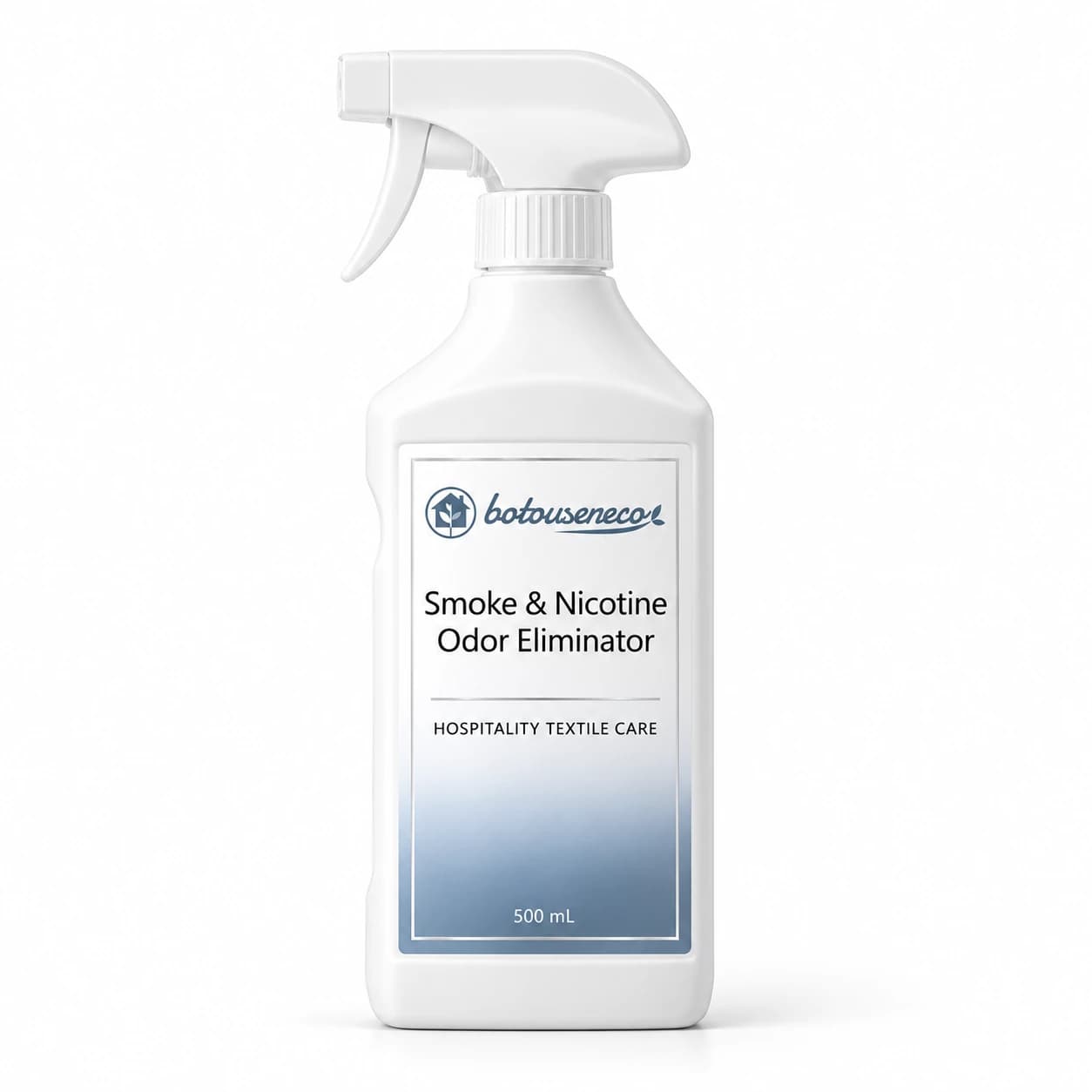
1. Smoking Suite Recovery: Hospitality Smoke & Nicotine Odor Eliminator
- Core Chemistry: Food-grade organic acid traps, non-ionic tar surfactants, and plant polyphenols buffered at pH 5.2 to 6.2 with zero perfume.
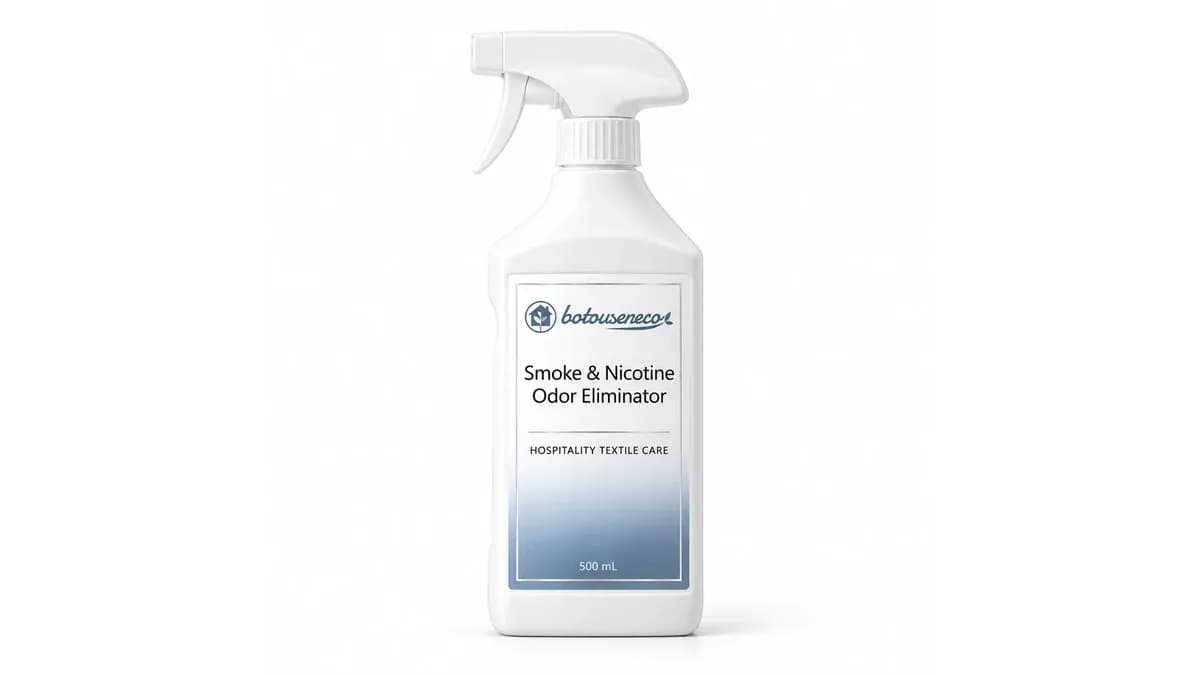
- Application Rate: Mist 10 to 15 ml/m2 onto both sides of curtains, carpets, and fabric headboards. Next, cold-fog 5 a 10 ml/m3 into room air and the running FCU return grille. Suites pass non-smoking inspection in 30 to 45 minutes. Order bulk pails on our Hospitality Smoke and Nicotine Odor Eliminator page, and see maid-cart steps in hotel smoking-room turnaround for third-hand smoke.
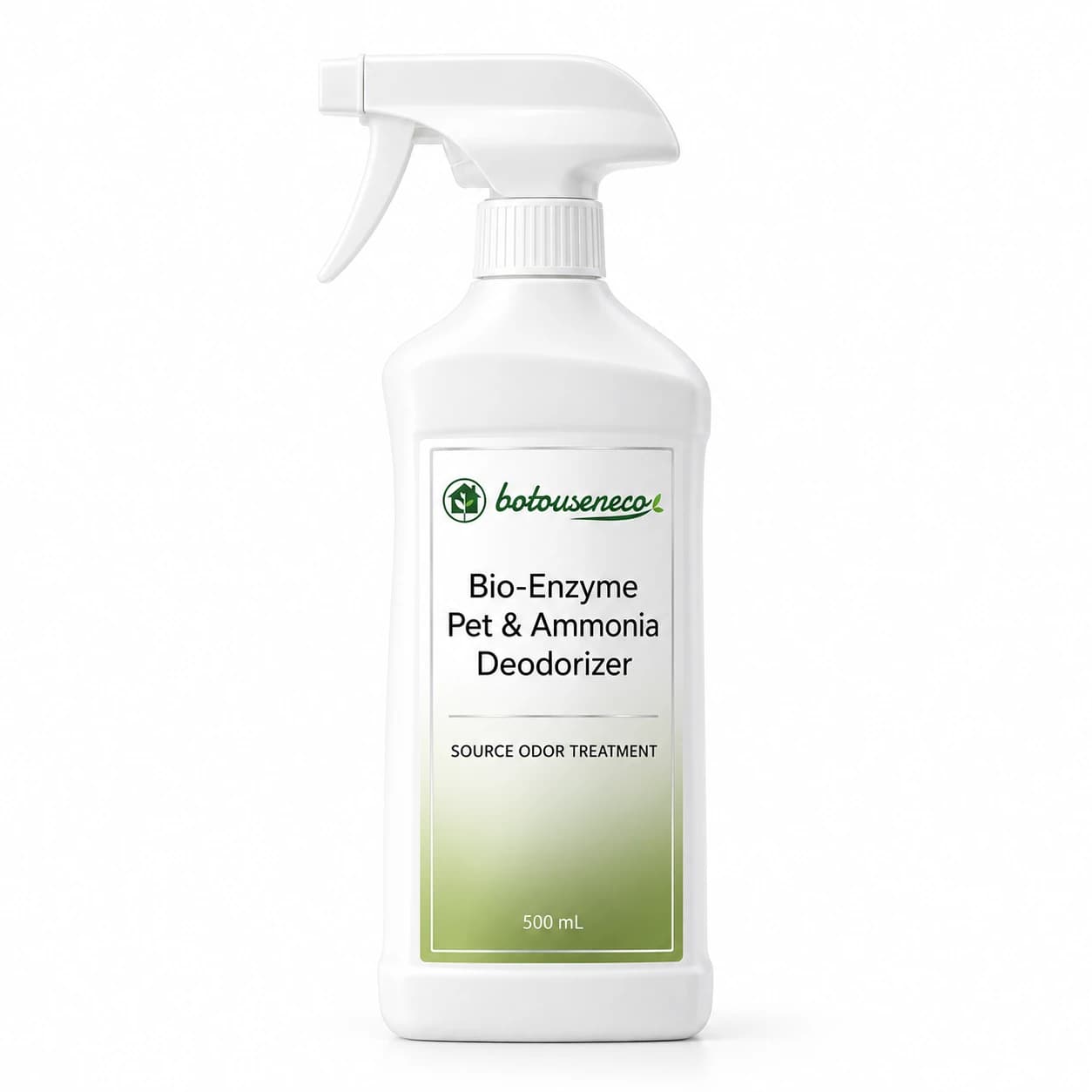
2. Pet Suites & Restroom Grout: Bio-Enzymatic Pet Urine & Ammonia Deodorizer
- Core Chemistry: Class-1 non-pathogenic *Bacillus* spores (at least 1.0 x 10^8 CFU/ml, 24-month shelf life) blended with uricase, protease, and instant polyphenol ammonia traps (pH 6.5-7.5, active 10-45 C).
- Application Rate: Spot hidden urine stains with a 365 nm UV blacklight. Saturate carpet or grout at 20 to 40 ml/m2, or mop floors at 1:5 dilution. Never mix with bleach or quat disinfectants. If disinfection is mandatory, sanitize first, rinse with clean water, and apply Bio-Enzymatic Pet Urine and Ammonia Deodorizer last.
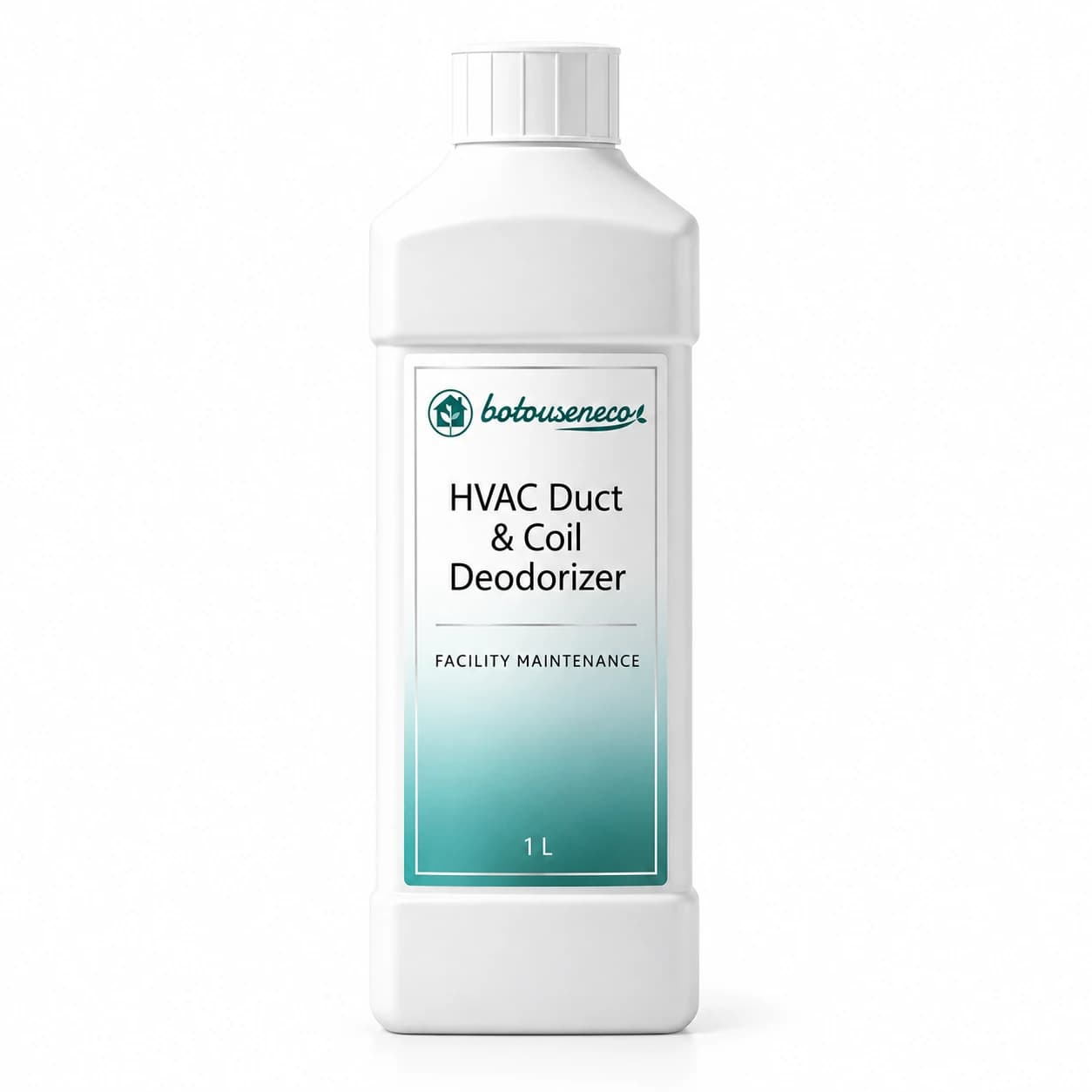
3. No-Rinse AC Hygiene: HVAC Duct & Coil Disinfectant Deodorizer
- Core Chemistry: Cationic biofilm disruptors, botanical MVOC chelators, and corrosion passivators buffered at neutral pH 7.0. Safe on copper tubes and coated aluminum fins.
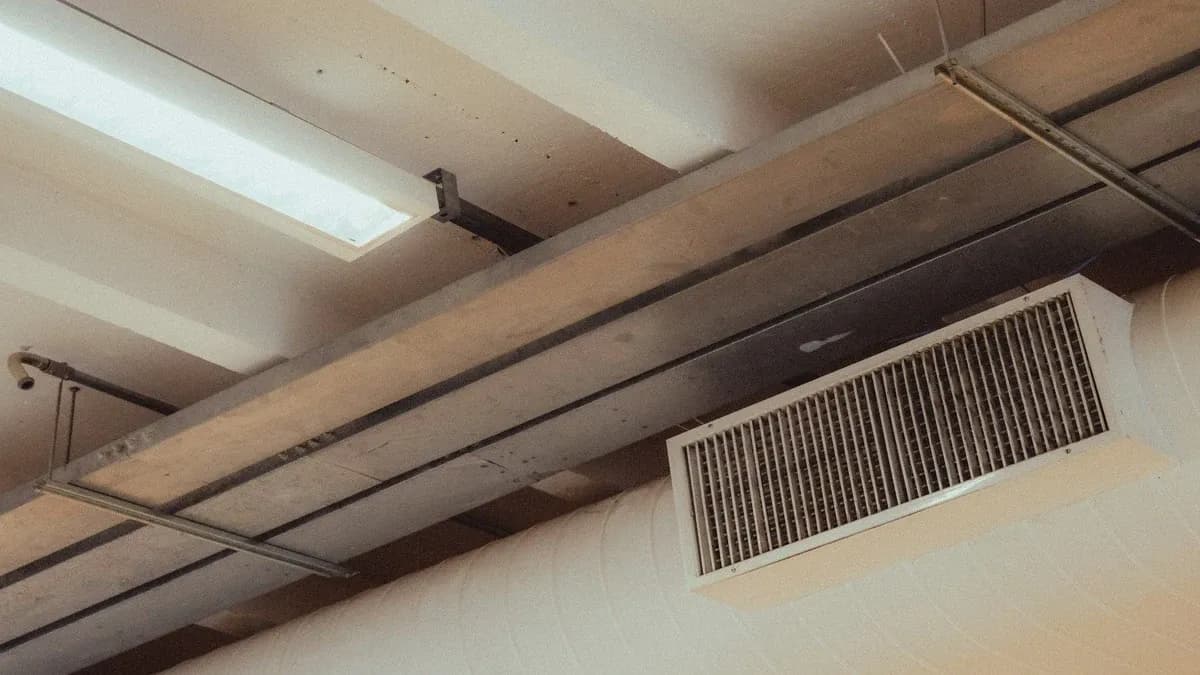
- Application Rate: Brush dry dust off fins. Spray 20 to 30 ml/m2 onto cooling coils at low pressure, and fog 5 to 8 ml/m3 into ducts with HVAC Duct and Coil Disinfectant Deodorizer. Normal AC condensate flushes loosened biofilm into the drain pan with no manual water rinse. For humid resort AC care, read coastal resort hotel FCU mold and musty odor control.
4. Renovation Handover & Concrete Ammonia: Odor Eliminator
- Core Chemistry: Fragrance-free plant polyphenols and organic chelators (pH 6.0-7.0) that bind NH3, amines, and sulfides on contact.
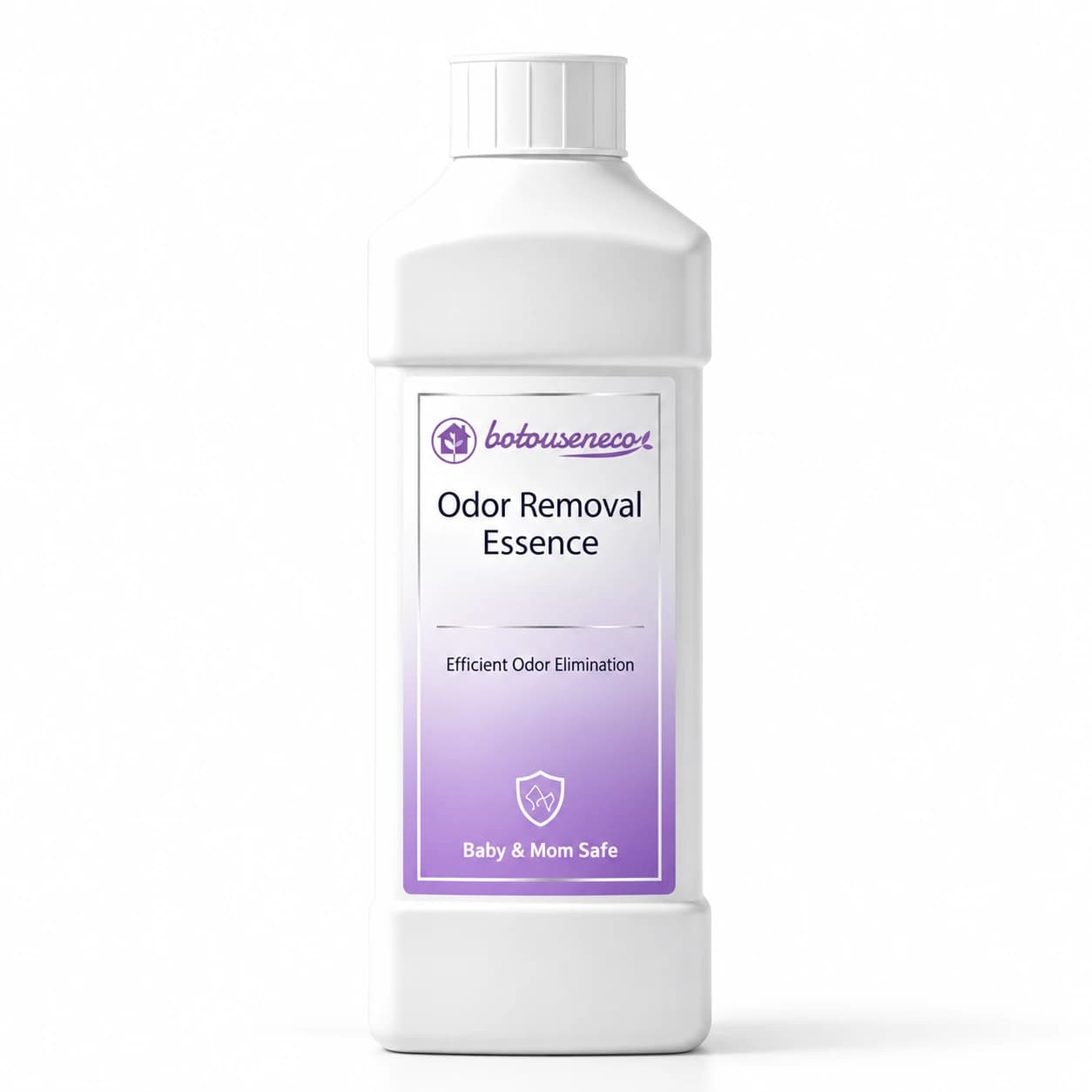
- Application Rate: Mist 8 to 15 ml/m2 on textiles or ULV-fog 5 a 10 ml/m3 (20-50 micron droplets) using Eliminador de olores for 30-to-60-minute air sign-off.
Worked Hotel Out-of-Order (OOO) Revenue Recovery Math: 300-Room Business Hotel
Consider a 300-room four-star hotel handling 25 smoking violations and 10 pet odor incidents per month (35 room incidents/month at a $165 average daily rate ADR).
- Legacy Ozone or Airing-Out Loss (1 Lost Room Night per Incident): 35 incidents/month x $165 ADR = $5,775 / month ($69,300 / year) in lost booking revenue.
- Minute 0-5 (Prep & UV Scan): Strip bed linens, clean the FCU return mesh, and scan carpets with a 365 nm UV torch in a 38 m2 / 110 m3 King Room.
- Minute 5-15 (Targeted Surface Mist): Spray 300 ml of Eliminador de olores de nicotina y humo en hostelería (12 ml/m2 on drapes, carpet, and headboard) plus 60 ml of Desodorante de bobina HVAC on cooling fins. For pet stains, apply 150 ml of Bio-Enzymatic Deodorizer.
- Minute 15-25 (ULV Cold Fogging): ULV cold-fog 300 to 600 ml into room air and the running FCU return intake.
- Minute 25-45 (Ventilation & Handover): Run bathroom exhaust and fresh-air supply for 20 minutes.
- Net Payback: Direct liquid cost sits at $1.85 to $3.10 per suite from 20 L / 25 L refill pails. The hotel saves 100% (Botou ROI Model, 2026) of same-day ADR revenue and documents clean air for guests.
Verified Botou Factory Supply Terms, Bulk Pails, and Private Label OEM
Manufactured since 2015 by Hebei Senzhijia Environmental Protection Co., Ltd (botouseneco) in the Botou Industrial Zone, Cangzhou, Hebei, China, all commercial odor liquids ship with full microbial safety and batch traceability. Regional distributors can also review our B2B IAQ concentrate bottling and OEM private-label import guide for regional packaging programs.
- Sample Evaluation Kit: 1-5 units (500 mL / 1 L bottles) for hotel housekeepers, facility directors, and brand lab trials.
- Standard Bulk Supply: From 100 L (4 bidones) in 5 L jugs, 20 L / 25 L hotel pails, or 200 L drums with optional calibrated 500 mL maid-cart sprayers.
- OEM Private Label: From 500-1,000 units for retail pet-enzyme sprays, janitorial brands, and HVAC lines (100% fragrance-free per Botou QC Spec 2026, or light botanical scent options).
- Lead Times & Port of Loading: Samples ship in 24-48 hours. Bulk pails ship in 5-7 business days, and OEM runs ship in 10-14 business days from Tianjin Port, China (about 180 km from our Botou factory). All four liquids ship as Non-Dangerous Goods (Non-DG) with a 16-section GHS Rev. 10 SDS and Biosafety Level 1 status per CDC/NIH Biosafety in Microbiological and Biomedical Laboratories (2024).
- Certifications & Private COA Policy: In our Botou quality lab, every batch runs under Sistema de Gestión de Calidad ISO 9001:2015 and Sistema de Gestión Ambiental ISO 14001:2015 controls, backed by Verificación de cámara acreditada por CMA / CNAS (ISO 16000-9 / GB/T 18883-2022). By company policy, certificate numbers and scans are not posted publicly. Private copies and batch COAs are shared directly when you contact our B2B hospitality and facility odor desk.
Standards & references
- World Health Organization (WHO) Indoor Air Quality Guidelines (2024): Allergen, moisture (>60% RH), and biological contaminant controls.
- OSHA Permissible Exposure Limits for Ozone (29 CFR 1910.1000, 2025): 0.10 ppm 8-hour TWA worker exposure ceiling.
- US EPA Indoor Air Quality Guide on Ozone Generators (2025): Elastomer oxidation and terpene-ozone secondary formaldehyde generation risks.
- CDC/NIH Biosafety in Microbiological and Biomedical Laboratories (BMBL, 2024): Biosafety Level 1 (BSL-1) non-pathogenic Bacillus spore classification.
- ISO 16000-9 & GB/T 18883-2022 / GHS Rev. 10: CMA/CNAS chamber odor clearance verification and 16-section Non-DG safety data sheets.
Preguntas frecuentes (FAQ)
01.Why does spraying bleach or quaternary ammonium disinfectant on urine make the odor return?
Bleach and quaternary ammonium (quat) cleaners cannot dissolve insoluble uric acid crystals trapped in grout or carpet backing. Worse, quats and bleach kill the *Bacillus* bacteria and denature the uricase enzymes needed to break those crystals down. Whenever room humidity rises, surviving crystals release fresh ammonia. Apply Bio-Enzymatic Pet Urine and Ammonia Deodorizer (1.0 x 10^8 CFU/ml) without bleach so enzymes digest the crystal source completely.
02.How can hotel housekeeping clear heavy smoke from a non-smoking room in 45 minutes without ozone?
Spray Hospitality Smoke and Nicotine Odor Eliminator (pH 5.2-6.2) at 10-15 ml/m2 on curtains, carpets, and fabric headboards. Then ULV-fog 5-10 ml/m3 into room air and the fan-coil return grille. Organic acids immediately lock volatile nicotine and pyridine into odorless salts while micelles lift tar. Guests can check in within 45 minutes with zero rubber seal damage.
03.Does HVAC Duct & Coil Disinfectant Deodorizer require water rinsing on fan-coil fins?
No manual water rinse is required during cooling operation. Buffered at neutral pH 7.0 with metal corrosion passivators, HVAC Duct and Coil Disinfectant Deodorizer loosens biofilm slime and chelates musty geosmin odors safely on coated aluminum fins. Normal AC condensate flushes dissolved residue straight down the drain line.
04.Do botouseneco commercial deodorizers mask smells with heavy perfume?
No. All four commercial liquids are fragrance-free molecular chelators or enzymatic digesters. They eliminate odor molecules permanently and leave clean, neutral air for allergy-sensitive hotel guests, clinics, and offices. Custom light botanical scents are available on request for 500-1,000 unit OEM orders.
Sobre el autor.
baño
Loo es redactor técnico senior y editor de investigación IAQ en botouseneco (Hebei Senzhijia), y traduce conjuntos de datos de cámaras de laboratorio, estándares GB/T 18883 e ISO 16000 y registros de aplicaciones de campo en protocolos claros paso a paso para equipos de limpieza de hostelería, instalaciones sanitarias, campus escolares y equipos de renovación.
- Redactor técnico senior y editor de investigación IAQ · Mostrador de documentación de I+D de Botou.
- Especialista en SOP de hotelería, atención médica y remediación de campos.
Escrito por baño (Redactor técnico sénior y editor de investigaciones IAQ) and reviewed by our Botou formulation & QC leadership. Explore our Laboratorio de formulación de Botou, ISO & CMA/CNAS quality desk, OEM & private-label program, glosario técnico, o póngase en contacto con nuestro escritorio de ingeniería para la documentación TDS y SDS del proyecto.
Siguiente paso.