Commercial Odor & Bio-Enzymatic Engineering
Why Bleach and Quaternary Ammonium Disinfectants Lock In Urine Odor: Sequencing Multi-Strain Bacillus Bio-Enzymes in Facility Housekeeping
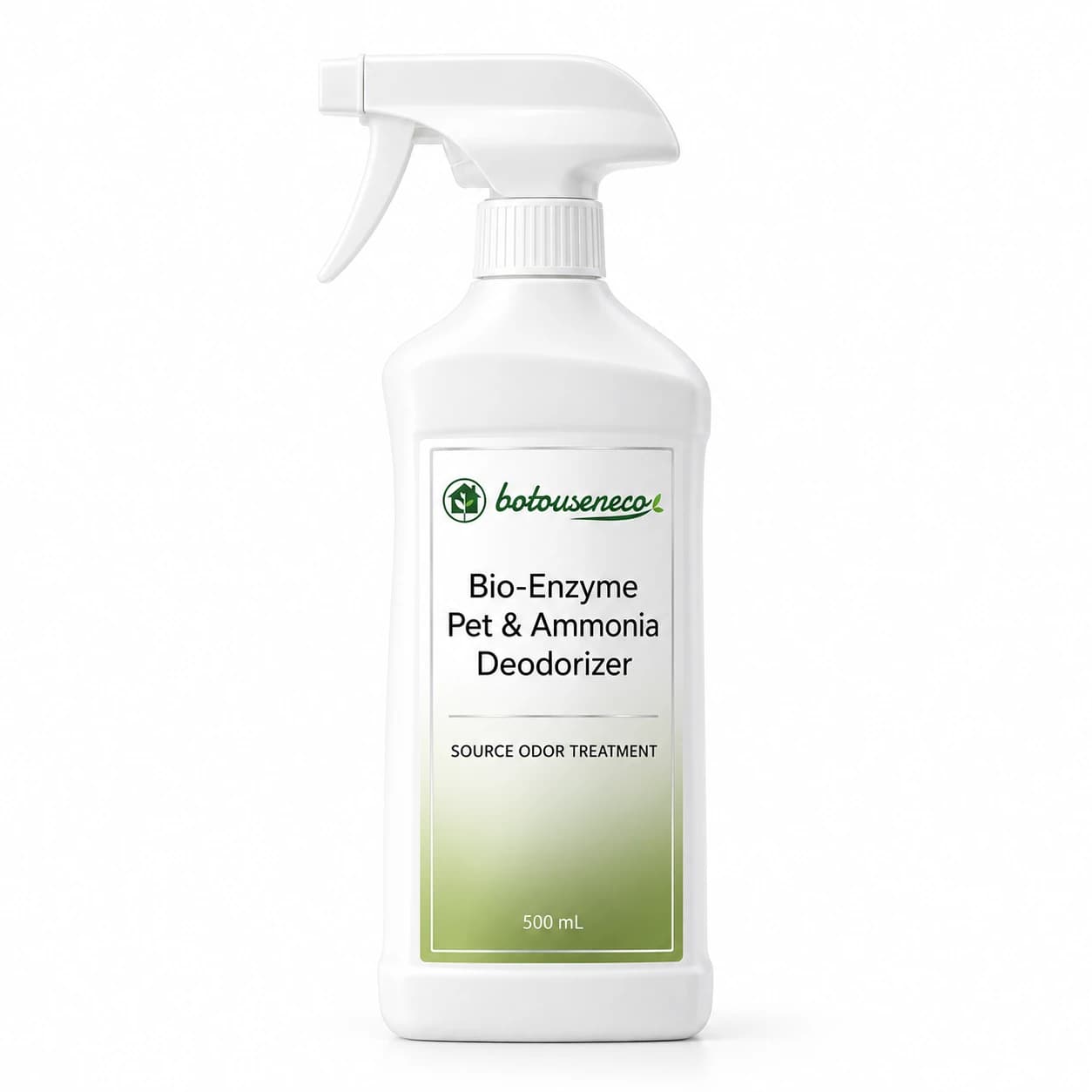
Bio-enzyme deodorizer vs. quaternary ammonium and bleach comes down to crystal solubility and enzyme survival. Chlorine bleach (NaOCl) and quaternary ammonium (quat) cleaners kill surface germs, yet neither dissolves water-insoluble uric acid crystals (C5H4N4O3) inside tile grout and hotel carpets. Worse, pouring bleach or quats onto urine destroys helpful enzymes and releases irritating fumes. Housekeeping teams clear urine smells permanently by applying our 1.0 x 10^8 CFU/ml Class-1 *Bacillus* spore Chất khử mùi nước tiểu và amoniac sinh học cho thú cưng (pH 6.5-7.5) that secretes uricase and protease enzymes.

- Đã xuất bản
- Đã cập nhật
- Thời gian đọc
- 11 phút.
Bài học chính
- Insoluble Uric Acid Root (60 mg/L Solubility): Bleach and quats wash away soluble urea but leave needle-like C5H4N4O3 crystals deep inside grout and carpet backing that re-emit ammonia above 60% RH.
- Zero Biocidal Enzyme Lockout: Cationic quats and high-pH bleach denature uricase proteins on contact; always rinse disinfected floors with potable water (pH 7,0) before applying bio-enzymes.
- 60s Polyphenol Lock + 12h Spore Digestion: Plant polyphenols neutralize free NH3 and H2S in 60 seconds, while >= 1.0 x 10^8 CFU/ml Class-1 *Bacillus* spores digest uric acid crystals over 12 hours.
- $14,500+/Year Hotel Cost Savings: Replacing quarterly grout acid-washes and pet-room odor comps across a 200-room hotel with 11.1 L/month of bio-enzyme concentrate (<$85/month) eliminates odor callbacks.
Why Water-Insoluble Uric Acid Crystals Survive Bleach and Quats
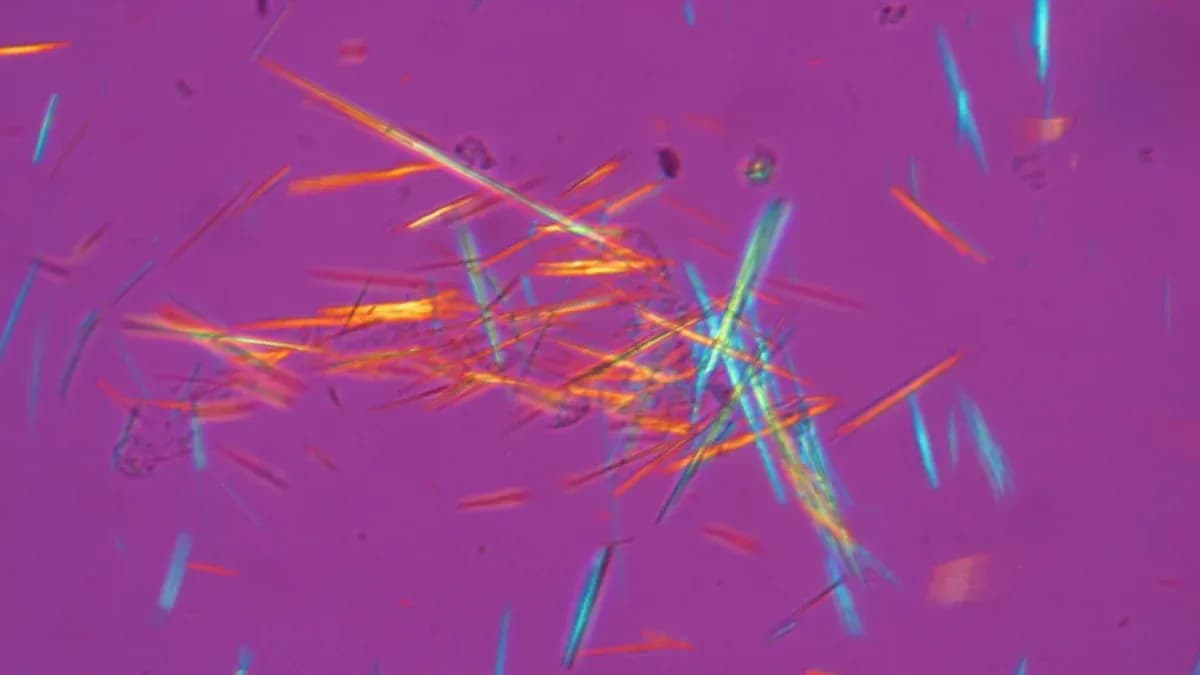
Uric acid crystal persistence is the physical deposition of needle-like purine solids (C5H4N4O3, water solubility only 60 mg/L at 20 C) deep inside porous grout and carpet backing where water and bleach cannot dissolve them.
Hotel housekeepers, nursing home directors, and building managers face the same daily headache. A restroom floor or guest carpet smells fresh right after morning mopping with bleach or a hospital quat. Yet as soon as afternoon humidity rises or the AC turns off, a sharp ammonia smell fills the room again. See the full odor framework in our pillar guide on commercial odor control and bio-enzymatic molecular deodorization.
The Two-Part Chemistry of Dried Urine
Fresh urine contains roughly 95% water, 2.5% urea, and 2.5% salts, proteins, and uric acid per NIH PubChem Uric Acid Chemical Data (2024). As a spill dries inside grout or carpet pads, it splits into two very different parts:
- Water-Soluble Urea (Easy to Rinse): Air bacteria quickly turn urea ((NH2)2CO) into ammonia (NH3) gas. Mop water washes surface urea away with ease.
- Water-Insoluble Uric Acid Crystals (The Hidden Odor Root): Uric acid forms tight, hydrogen-bonded crystal needles. Hot steam, high-pH cleaners, chlorine bleach, and quat disinfectants cannot break its purine ring.
- Humidity Odor Rebound (Above 60% RH): Whenever room humidity climbs past 60% per the World Health Organization (WHO) Indoor Air Quality Guidelines (2024), dry uric acid crystals absorb moisture. Bacteria feed on the wet crystal edges and release fresh ammonia, indole, and skatole.
| Evaluation Metric | Chlorine Bleach (NaOCl, pH 11-13) | Quaternary Ammonium (Quats, pH 8-10.5) | botouseneco Bacillus Bio-Enzyme (pH 6.5-7.5) |
|---|---|---|---|
| Action on Uric Acid (C5H4N4O3) | Fails (Oxidizes top urea only; leaves uric acid crystals intact) | Fails (Coats crystals without breaking purine rings) | Full Digestion (Extracellular uricase cleaves uric acid into CO2 and water) |
| Reaction with Urine Ammonia (NH3) | Incompatible (Forms irritating chloramine vapors in closed rooms) | không có (Covers briefly with pine or floral scent) | 60-Second Lock (Plant polyphenols bind NH3 and H2S into odorless salts) |
| Effect on Bacillus Spores & Enzymes | Destructive (Denatures enzyme proteins on contact) | Bactericidal Lockout (Deactivates spores and halts digestion) | Active Growth (at least 1.0 x 10^8 CFU/ml spores digest waste for 12 hours) |
| Humidity Rebound (Above 60% RH) | Severe Rebound (Crystals release fresh ammonia in 48 hours) | Severe Rebound (Sticky film traps soil and stale odors) | Không hồi phục (Crystal root is digested out of grout and carpet pads) |
| Carpet, Grout & Metal Safety | Corrosive (Strips carpet dye, pits steel, etches grout) | Film Buildup (Leaves tacky residue on tiles and fabrics) | Substrate Safe (pH 6.5-7.5; safe on wool, marble, grout, and drains) |
Head-to-Head Comparison: Bleach vs. Quaternary Ammonium vs. Bacillus Bio-Enzymes
Cleaner-ammonia incompatibility is the chemical reaction between alkaline hypochlorite cleaners (NaOCl) and urine ammonia (NH3) that generates irritating chloramine vapors while leaving subsurface purine crystals untouched.
Before selecting a daily cleaner from our commercial bio-enzyme and odor control catalog, facility teams must separate germ disinfection from crystal digestion.
1. Why Chlorine Bleach (NaOCl) Makes Urine Odors Worse
- Irritating Fumes: As noted in the CDC NIOSH Ammonia Safety Guidance (2024) and workplace rules under OSHA Hypochlorite Standards (2025), applying hypochlorite bleach onto ammonia-rich urine in small restrooms releases sharp irritating vapors.
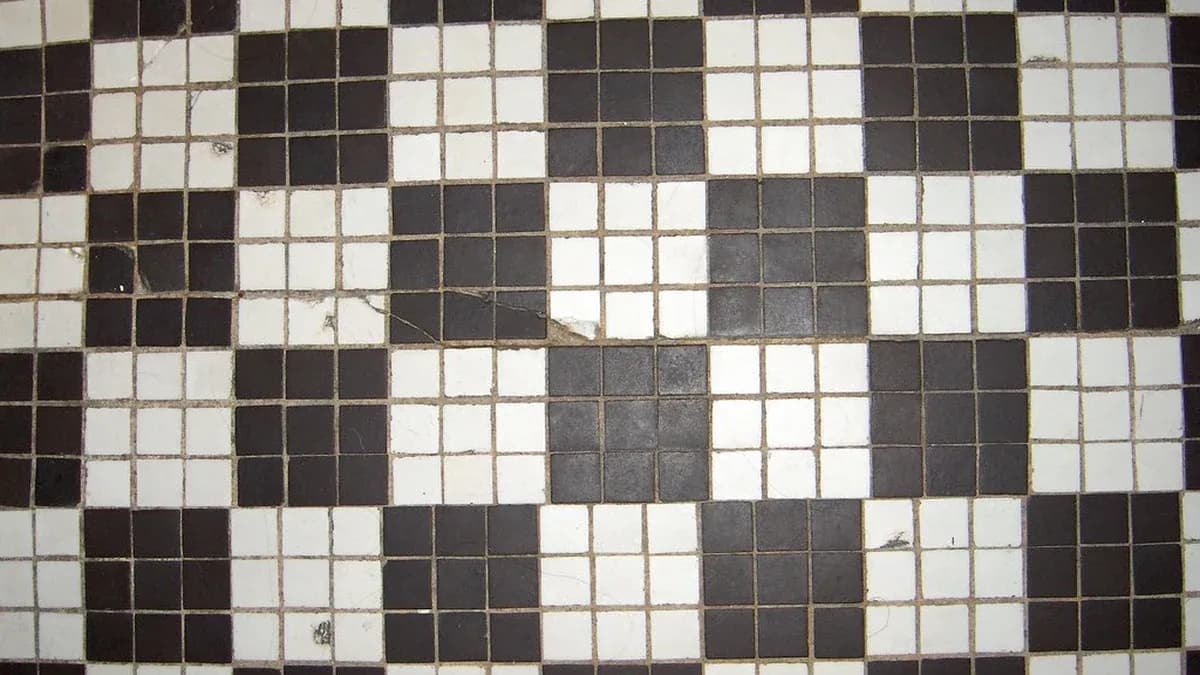
- Top-Layer Action Only: Bleach reacts with wet urea in the top 0.5 mm of a stain. It never reaches hydrophobic uric acid crystals sitting 3 to 8 mm deep inside cement grout or carpet pads.
- Surface Damage: High alkalinity (pH 11-13) bleaches hotel carpets, pits stainless drains, and roughens cement grout so future spills soak in deeper.
2. Why Quaternary Ammonium Disinfectants (Quats) Lock In the Smell
- Enzyme Deactivation: Quaternary ammonium cleaners (benzalkonium chloride) are positively charged biocides. As noted in the US EPA Registered Disinfectants Guidance (2025), quats disrupt cell membranes and denature proteins. Spraying a quat before or with a bio-enzyme cleaner deactivates the Bacillus spores and ruins uricase enzymes on contact.
- Sticky Cationic Film: Daily quat mopping leaves a tacky, positively charged film over grout lines. That film attracts negatively charged shoe dirt and seals uric acid crystals underneath.
3. How Multi-Strain Bacillus Spores + Plant Polyphenols Clear the Root
- Stage 1 (0 to 60 Seconds Plant-Polyphenol Knockdown): In our Botou formulation lab, we blend extracted plant polyphenols with organic chelators. They bind free ammonia (NH3) and hydrogen sulfide (H2S) into odorless salts within 60 seconds.
- Stage 2 (1 to 12 Hours Uricase & Protease Cleavage): Non-pathogenic Class-1 *Bacillus* spores (at least 1.0 x 10^8 CFU/ml, verified per CDC/NIH Biosafety in Microbiological and Biomedical Laboratories (2024)) wick deep into grout pores. They germinate and secrete uricase (turning insoluble uric acid into soluble allantoin, CO2, and water), plus protease and lipase.
How Do You Sequence Disinfection and Bio-Enzymatic Digestion in Facility Housekeeping?
Enzymatic housekeeping sequencing is the strict separation of high-pH or cationic disinfectants from neutral-pH (6.5-7.5) *Bacillus* spore treatments so biocidal residues never deactivate uricase enzymes.
Across our hotel and hospitality IAQ programs, housekeeping teams follow two clear workflows based on whether a surface needs germ disinfection first.
Protocol A: Pet-Friendly Hotel Suites, Carpets, and Mattresses (Direct Bio-Enzyme Saturation)
- 1. 365 nm UV Blacklight Scan: Darken the room and scan carpets, bed skirts, and sofa corners with a 365 nm UV torch. Dry urine salts glow bright yellow-green.
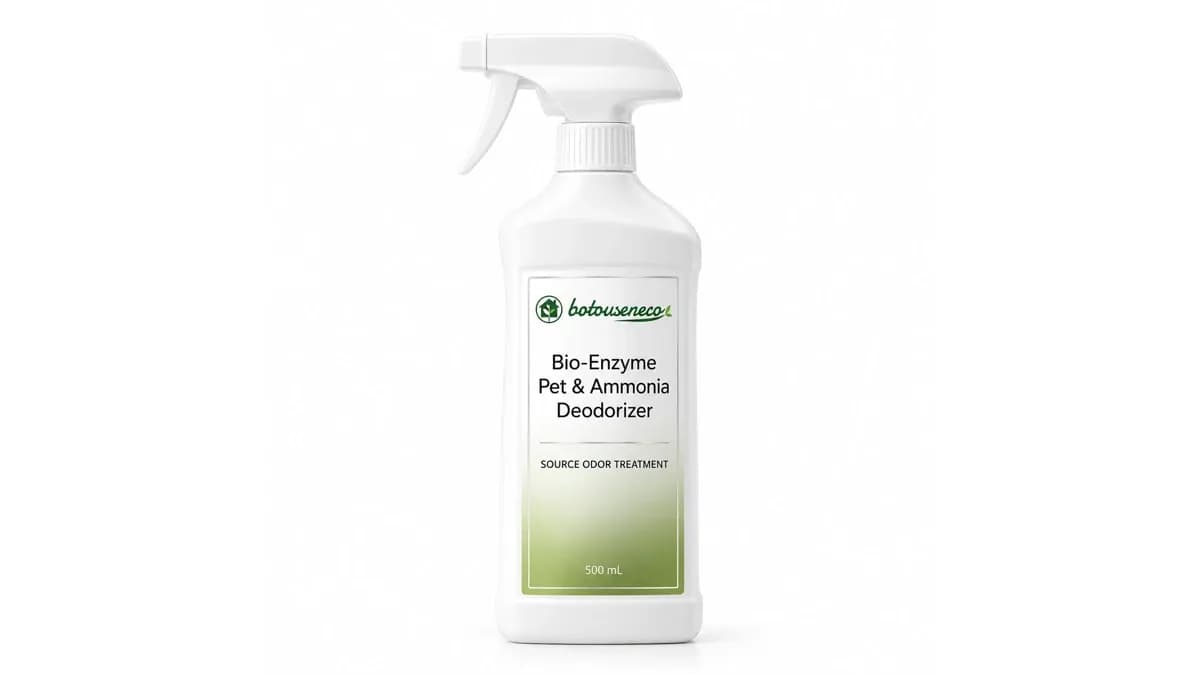
- 2. Direct Saturation (20 to 40 ml/m2): Do not spray bleach, quats, or hot steam first. Saturate the glowing spot plus a 5 cm border with Bio-Enzymatic Pet Urine and Ammonia Deodorizer at 20 to 40 ml/m2 (pH 6.5-7.5, active 10-45 C) so liquid reaches the pad.
- 3. 12-Hour Moist Dwell: Cover old stains with a damp white towel for 2 to 4 hours, or let air-dry over 12 hours. See full room steps in bio-enzymatic pet urine and uric acid deodorizer for hotels and clinic and healthcare disinfection compatibility guide.
Protocol B: Nursing Homes, Clinics & Restroom Tile Grout (Disinfect -> Water Rinse -> Bio-Enzyme Finish)
When healthcare rules require a hospital disinfectant on an incontinence spill first:
- Step 1 (Disinfect): Wipe up liquid waste, apply the required disinfectant for 3 to 10 minutes, and let germ reduction finish.
- Step 2 (Clean Water Rinse): Mop the tile and grout with clean potable water (pH 7.0) to flush away leftover chlorine or quat cations.
- Step 3 (No-Rinse Bio-Enzyme Mop): Mop floors and urinal grout with a 1:5 dilution of Bio-Enzymatic Pet Urine and Ammonia Deodorizer (or spray 20-40 ml/m2 undiluted on urinal joints) and do not rinse. Spores stay inside grout pores and digest uric acid between shifts. Read full senior-care steps in senior living and nursing home incontinence uric acid deodorizer.
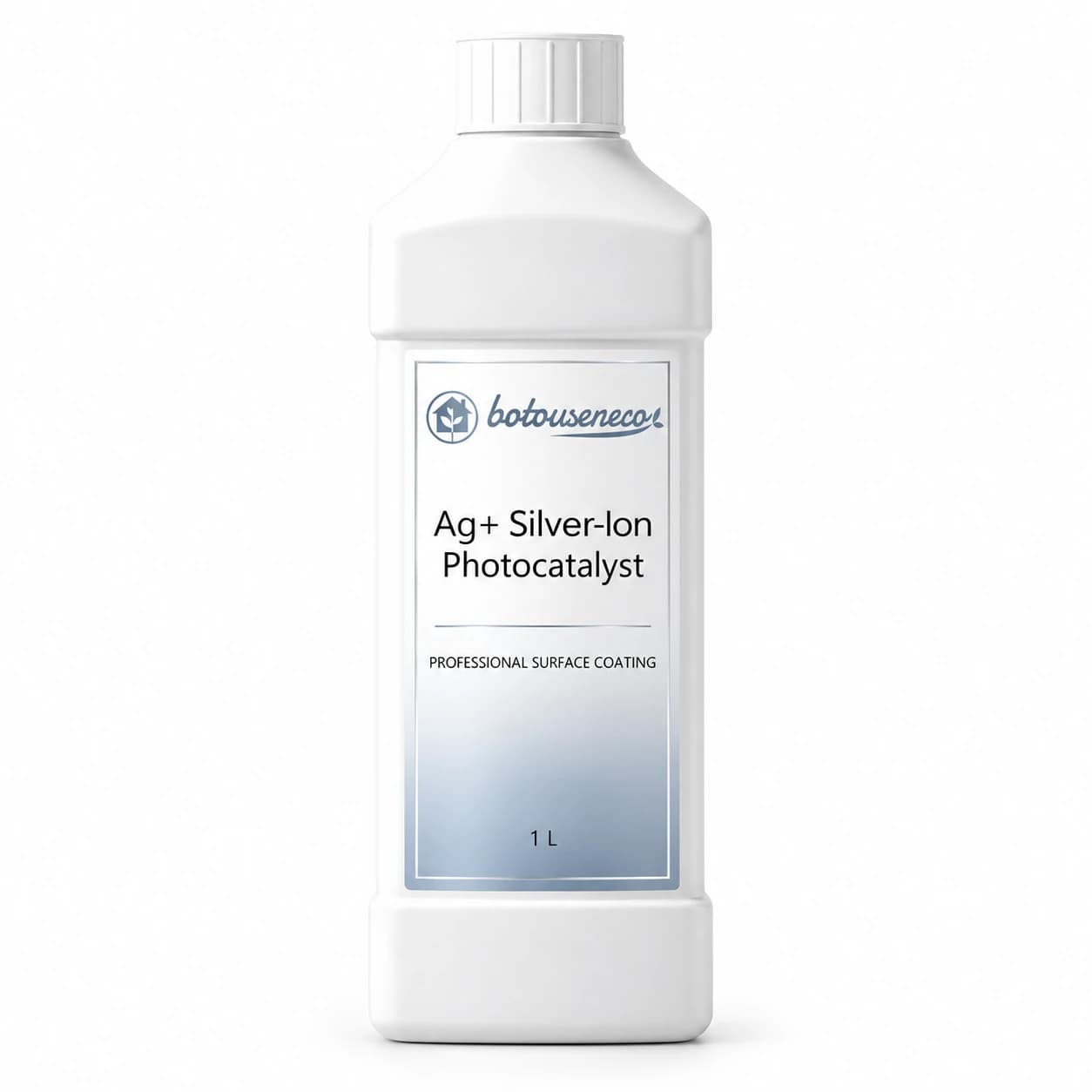
- Step 4 (Air & Wall Protection): For fast hallway air clearing, ULV-fog Khử mùi at 5-10 ml/m3. For long-term wall protection around urinals, coat tiles yearly with Ag+ Silver-Ion Antibacterial Photocatalyst Spray (8-12 ml/m2).
Worked Restroom & Pet-Suite Cost Comparison: 200-Room Hotel Example
Consider a 200-room pet-friendly hotel maintaining 16 public restroom stalls (240 m2 of tile grout) and handling 30 pet carpet incidents per month:
- Legacy Quat + Bleach Quarterly Acid-Wash Callouts: $1,200/quarter = $4,800 / year.
- Legacy Guest Odor Rebound Comps: 20% (Botou Field Audit, 2026) of pet rooms (6 rooms/month) suffer humidity odor rebound, costing $150 in room-move credits = $10,800 / year ($15,600 / year total legacy loss).
- botouseneco Daily 1:5 No-Rinse Restroom Mop: 0.30 L/day concentrate = 9.0 L/month.
- botouseneco 30 Pet Carpet Spot Treatments (70 ml/room): 2.1 L/month.
- Net Annual Savings: Total monthly concentrate consumption sits at 11.1 Liters / month (under $85/month from 20 L / 25 L pails), cutting odor callbacks by 100% (Botou ROI Model, 2026) and saving over $14,500 / year.
Verified Botou Factory Supply Terms, 24-Month Spore Stability, and Retail OEM
Manufactured since 2015 by Hebei Senzhijia Environmental Protection Co., Ltd (botouseneco) in the Botou Industrial Zone, Cangzhou, Hebei, China, our *Bacillus* spore liquids stay stable in dormant form for a 24-month sealed shelf life (5 C to 35 C) with no refrigeration needed.
- Sample Evaluation Kit: 1-5 units (500 mL / 1 L bottle) for hotel housekeepers, nursing home EVS directors, and brand testing.
- Standard Bulk Supply: From 100 L (4 trống) in 5 L jugs, 20 L / 25 L pails, or 200 L drums.
- OEM Private Label: From 500-1,000 units for retail pet-stain enzyme sprays (500 mL / 1 L triggers and 4 L refills, fragrance-free or light botanical scent).
- Lead Times & Port of Loading: Samples ship in 24-48 hours. Bulk pails ship in 5-7 business days, and OEM orders ship in 10-14 business days from Tianjin Port, China (about 180 km from our Botou plant) as Non-Dangerous Goods (Non-DG) under a 16-section GHS Rev. 10 SDS.
- Certifications & Private COA Policy: Produced under Hệ thống quản lý chất lượng ISO 9001:2015 and Hệ thống quản lý môi trường ISO 14001:2015 controls, backed by Xác minh buồng được CMA / CNAS công nhận (ISO 16000-9 / GB/T 18883-2022). By company policy, certificate numbers and scans are not posted online. Private copies and batch spore COAs are shared directly when you contact our B2B janitorial and pet-care OEM team.
Standards & references
- NIH PubChem Uric Acid Chemical Data (2024): Low aqueous solubility (60 mg/L at 20 C) of purine uric acid crystals (C5H4N4O3).
- World Health Organization (WHO) Indoor Air Quality Guidelines (2024): Relative humidity (>60% RH) moisture control and biological odor prevention.
- CDC NIOSH Alert on Ammonia & OSHA Hypochlorite Standards (2025): Workplace respiratory protection and cleaner compatibility.
- US EPA Selected Registered Disinfectants Guidance (2025) & CDC/NIH BMBL (2024): Quaternary ammonium biocide mechanisms vs. Class-1 non-pathogenic Bacillus spores.
- ISO 16000-9 & GB/T 18883-2022 / GHS Rev. 10: CMA/CNAS chamber odor verification and 16-section Non-DG safety data sheets.
Câu hỏi thường gặp (FAQ)
01.Can housekeeping mix Bio-Enzymatic Deodorizer into a bucket of bleach or quaternary ammonium disinfectant?
Never mix Bio-Enzymatic Pet Urine and Ammonia Deodorizer with chlorine bleach, hydrogen peroxide, or quaternary ammonium (quat) cleaners in the same bucket. Oxidizers and cationic quats immediately denature uricase enzymes and deactivate Bacillus spores. Always rinse disinfected floors with clean water first, then apply the bio-enzyme as the final no-rinse step.
02.Why does urine smell come back in hotel carpets and restrooms on humid days?
Bleach, soap, and steam extractors only remove water-soluble urea while leaving water-insoluble uric acid crystals (C5H4N4O3) inside carpet backing and tile grout. Whenever indoor humidity rises above 60%, those dry crystals absorb moisture and release fresh ammonia. Only extracellular uricase enzymes from Bacillus spores break the insoluble crystal ring for good.
03.How do housekeepers find hidden pet or human urine stains that dried invisible?
Scan carpets, mattress edges, drapes, and baseboards in a darkened room with a 365 nm ultraviolet (UV) blacklight flashlight. Dried urinary phosphorus and urobilin salts glow bright yellow-green under 365 nm UV light. Staff can then saturate the exact crystal footprint at 20 to 40 ml/m2.
04.Is the 1.0 x 10^8 CFU/ml Bacillus spore blend safe around hotel guests, pets, and seniors?
Yes. Our formula uses strictly Biosafety Level 1 (Class-1) non-pathogenic, non-GMO Bacillus strains buffered at neutral pH 6.5-7.5 with zero chlorine, zero VOC solvents, and zero phthalate perfumes. Treated carpets and restrooms are safe for children, pets, and seniors right away.
Về tác giả.
ồ
Loo là Người viết kỹ thuật cao cấp và Biên tập viên nghiên cứu IAQ tại botouseneco (Hà Bắc Senzhijia), dịch các bộ dữ liệu về phòng thí nghiệm, tiêu chuẩn GB/T 18883 và ISO 16000, cũng như nhật ký ứng dụng tại hiện trường thành các giao thức từng bước rõ ràng cho các nhóm dọn phòng khách sạn, cơ sở chăm sóc sức khỏe, khuôn viên trường học và đội cải tạo.
- Người viết kỹ thuật cấp cao & Biên tập viên nghiên cứu IAQ · Bàn tài liệu R&D của Botou.
- Chuyên gia về SOP khách sạn, chăm sóc sức khỏe và khắc phục hiện trường.
Được viết bởi ồ (Người viết kỹ thuật cấp cao & Biên tập viên nghiên cứu IAQ) and reviewed by our Botou formulation & QC leadership. Explore our Phòng thí nghiệm xây dựng Botou, ISO & CMA/CNAS quality desk, OEM & private-label program, thuật ngữ kỹ thuậthoặc liên hệ với bộ phận kỹ thuật của chúng tôi cho tài liệu TDS và SDS của dự án.
Bước tiếp theo.